
Category: Marketing

  • Illuminating the Shadows of Gothic Fiction: Celebrating Anne Rice’s Legacy on Her Birthday

    Celebrating the Supernatural Legacy of Anne Rice!

    Anne Rice, woman, scarf, green, shirt, grey, hair, foliageAnne Rice, a name synonymous with the gothic and supernatural, has left an indelible mark on the literary landscape. Her unique storytellinginvites readers to sink their teeth into the richly textured worlds of vampires, witches, and the occult. Best known for her groundbreaking series The Vampire Chronicles, Rice transformed the public’s perfection of vampires from the tuxedoed count Bela Lugosi’s Dracula into creatures that were not only glamourous, but deeply emotional and philosophical. Lestat and Louis are not just beings of the night, but the are immortals grappling with the human condition.
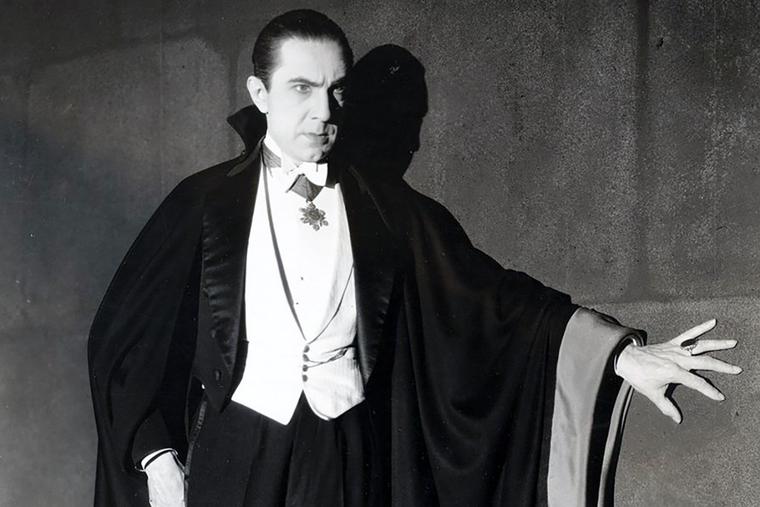
    Bela Lugosi's Dracula
    Bela Lugosi’s Dracula from 1931

    Growing Up in Gothic New Orleans

    Born on Ocotber 4, 1941 in New Orleans, a city famed for its gothic architecture and rich spiritual history, Rice found her most powerful inspiration in its haunted corners. Her early years were shaped by loss with both her mother and grandmother passing away by the time she was sixteen. She sought refuge in literature, immersing herself in the works of Edgar Allan Poe and Mary Shelley. Under their influence, Rice’s imagination bloomed, combining dark imagery and complex emotional landscapes that would define her career.

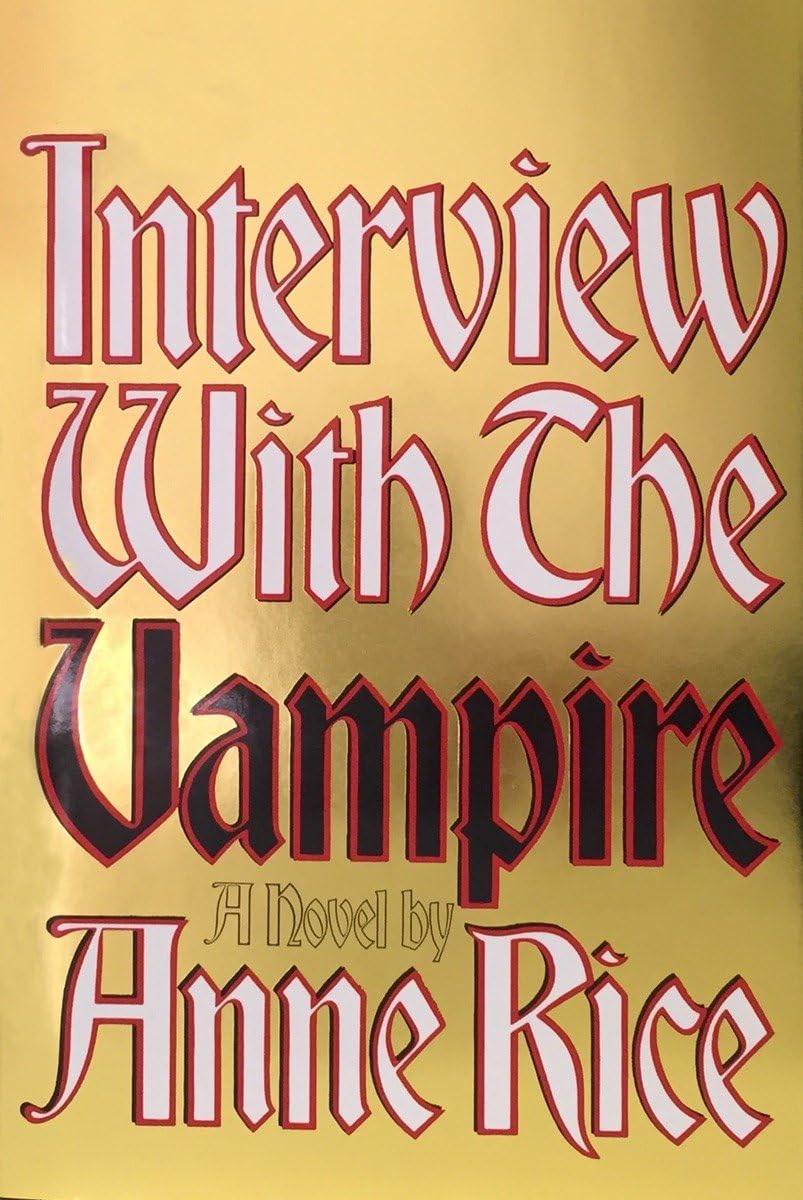
    While pursuing her master’s degree in English at San Fransisco State University, she married Stan Rice with whom she had two children, Michele and Christopher. Tragically, Michele was diagnosed with leukemia at age six. To cope with the grief, Anne Rice turned to writing, creating her first novel, Interview with a Vampire.

    Years later, Rice recalled a prophetic dream she had months before the death of her daughter. In it, she was told that “somethings wrong with her blood.”

    book cover, gold, red, black, white, shiny, anne rice

    The Beginning of the Vampire Chronicles

    Interview with the Vampire introduced readers to Louis de Pointe du Lac, an immortal vampire recounting his centuries-long tale of suffering, love, and loss to an intrigued reporter. The lush prose called on classic fin de siècle literature descriptions as seen in Bram Stoker’s Dracula, while infusing it with modern depth. Readers were captivated by the exploration of immortality, isolation, and Louis’ inner turmoil, creating a new kind of vampire – one who yearned, not just for blood, but for meaning. The Vampire Chronicles became a beloved series focused mostly on Louis’ maker Lestat de Lioncourt – the iconic golden haired rebel with the face of an angel.

    This created more than a vampire series: It created a cultural movement. Vampires wrestling with questions of morality, religion, and humanity left behind the mold of good versus evil. Lestat came forward as a symbol of charisma, power, and vulnerability. Through him, Rice turned the idea of vampires from monsters of fear into beings of empathy that are capable of love and introspection, drawing readers into their eternal struggle.

    The success of The Vampire Chronicles catapulted Rice into the literary spotlight and paved the way for a resurgence of interest in gothic fiction for future horror authors to create their own interpretations of vampire mythology.

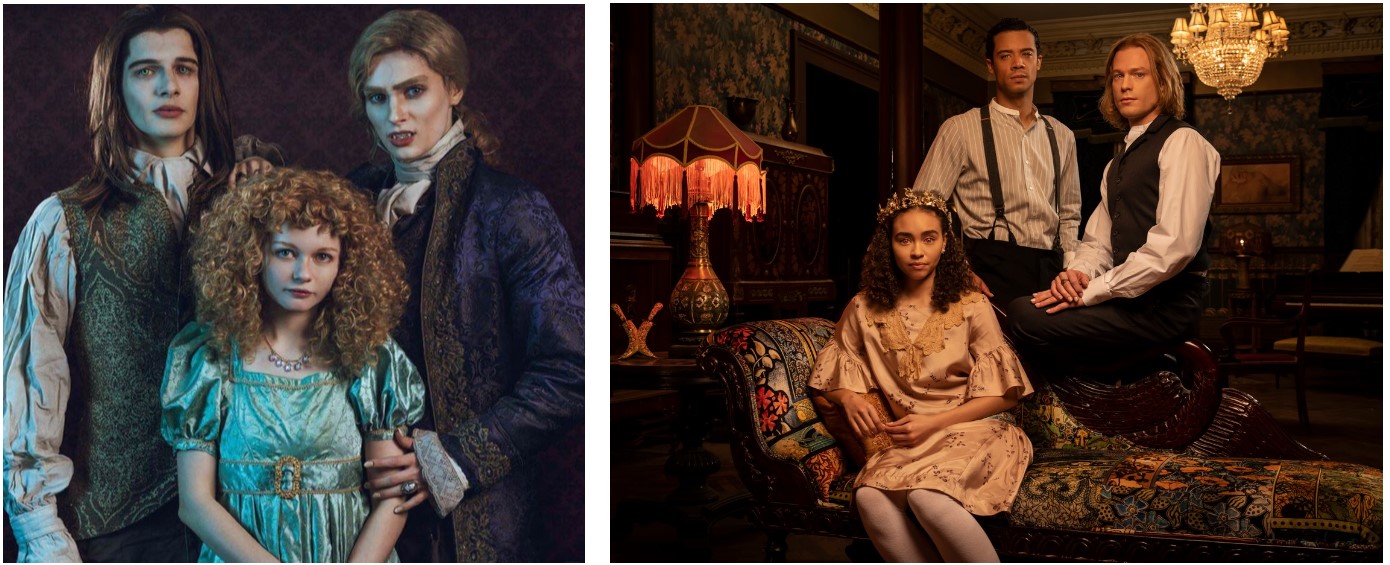
    Then and now. On the left is Brad Pitt, Kirsten Dunst, and Tom Cruise as Louis, Lestat, and Claudia in the original 1994 screen adaptation. The 2022 AMC series on the right is still running as of this posting and features Delainey Hayles, Jacob Anderson, and Sam Reid as Claudia, Louis and Lestat.

    While Rice is primarily known for her vampire novels, she has written witches, werewolves, and even had a period of writing exclusively Christian fiction. Her supernatural writings explored spirituality, sexuality, and mortality, blending philosophical questions most often found in literary fiction into the paranormal and horror genre.

    An Everlasting Legacy

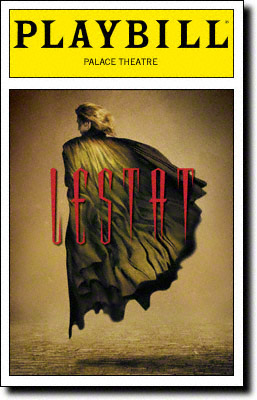
    Anne Rice’s impact on literature and popular culture is undeniable. Her works have inspired countless adaptations, including films, television series, and even musicals.

    You can hear the musical score for Lestat, the Musical by none other than Sir Elton John here.

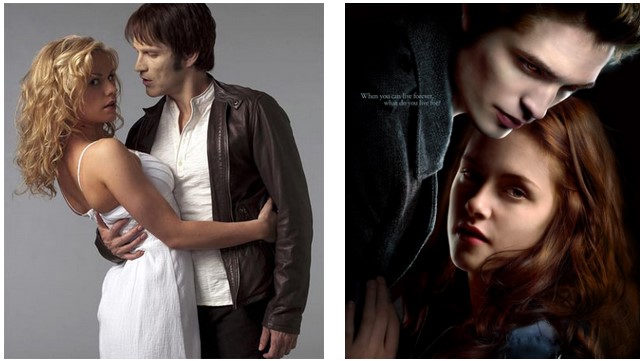
    Through these mediums, Rice has introduced a new generation to her haunting vision of vampirism, and inspired the works of contemporary authors like Stephenie Meyer’s Twilight and Charlaine Harris Sookie Stackhouse series which was adapted to True Blood.

    On the left we have Sookie and Bill from True Blood and on the right is Bella and Edward from Twilight. Both are classic modern vampire stories that wouldn’t be very different without Anne Rice’s Vampire Chronicles

    Rice’s characters often represent a rich interior life coupled with vibrant descriptions of the world and setting that reflects an older style of writing with lyrical prose that explores the human psyche.

    Black, skull, flowers, books, bookshelf
    Bryce Lankard/Getty Images

    Anne Rice passed away on December 11, 2021, leaving behind a legacy that continues to resonate with readers and writers alike. Her lyrical prose, atmospheric settings, and unforgettable characters remind us that the supernatural is not only a realm of monsters, but a reflection of the human condition. As we celebrate Rice’s birthday, we honor her ability to blend horror with heart and her profound influence on modern supernatural fiction. Like Lestat and Louis, her stories live on –  endlessly captivating, forever haunting.


    If you are a fan of things that go bump in the night, we encourage to take a bite into these Chanticleer authors’ tales of supernatural.


    Merging Paths Cover

    Merging Paths
    CIBA Grand Prize award for a Series

    Having escaped unjust imprisonment at the Fort Grant facility for juveniles, Curtis Jefferson is on the run, in Merging Paths,the third installment of Vince Bailey’s gripping, paranormal, Curtis Jefferson Series.

    With only a small jug of water and the clothes on his back, Curtis has to cross the Sonoran Desert and find a way back to his mother and grandmother in Jacobs Well. But his trip is plagued by more than thirst, hunger, and fear of animals. A racist sheriff’s deputy, Myron Aycock, is hellbent on finding Curtis not only for the acclaim such an arrest will give him but also for vengeance against the beating he received at the hands of the aspiring boxer.

    Trapped and desperate, Curtis is rescued by a mysterious figure and taken to Isabel and Ray Cienfuegos. After hearing Curtis’s unsettling stories about Fort Grant, the two understand that they have all been fighting the same evil forces – under the control of the sadistic Ezra. In a final confrontation, Isabel faces off against the wicked spirit, but just as they believe their problems are over, a new threat arises under the guise of friendship, and Isabel makes a life-changing decision that will mark her forever.
    Read more here!

    The Devil Pulls the Strings Book Cover

    The Devil Pulls The Strings
    By J. W. Zarek
    CIBA Grand Prize award in the Shelley Division

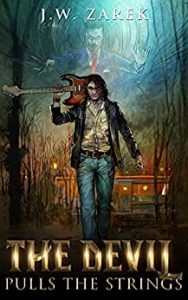
    The protagonist and all-around decent guy, Boone Daniels, is in a heap of hurt in JW Zarek’s new Young Adult novel, The Devil Pulls the Strings.

    One would think being plagued by an evil spirit wendigo since age six would be enough inconvenience to last a lifetime, but when Boone jousts with his best bud at a Ren Faire and accidentally deals a mortal blow, the hurt he experiences suddenly lands on a sliding scale of 1 to 1 million. And Boone Daniels becomes a millionaire, so to speak.

    No ordinary guy, Boone makes a living as a handyman and swashbuckling knight at Renaissance Faires around Missouri. He’s also uniquely gifted with a form of eidetic memory coupled with synesthesia. What’s that? Simply put, synesthesia allows people to see colors and taste things when they hear music – and an eidetic memory allows folks to memorize whatever they’ve seen or heard one time. But that’s not all. Boone can time-travel, make friends with almost any feline or shapeshifter, and convince a certain immortal he’s worth more as an ally than a snack. No kidding, Baba Yaya loves human meat.
    Read more here!

    The Street Between the Pines

    The Street Between the Pines

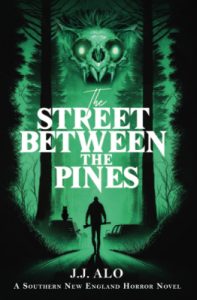
    Something strange and terrible stirs in Frank Cavanaugh’s basement, in J.J. Alo’s psychological-thriller,The Street Between the Pines.

    The giant hole at the bottom of Frank’s house wasn’t there before. Something so very ugly and dangerous is down there. Something with bright, glowing eyes. Adrenalin pumps through Frank’s aging body as he scrambles for the exit. Behind him, a low gurgling growl.

    In suburban Connecticut, Iraqi war veteran Curtis is still fighting to surviving on multiple fronts. Curtis struggles with severe PTSD, visions of the war that continually overwhelm him. Now, after being released from jail after a manslaughter conviction, having caused a fatal auto accident, he struggles to put his life together. All the while, he navigates a shaky relationship with his wife Amy, and a complex connection to his autistic son Wes.
    Read more here!

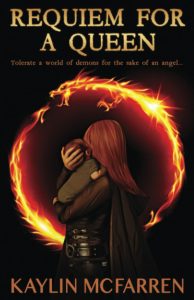
    Requiem for a Queen Cover

    Requiem for a Queen

    To what lengths will a person go when ultimate power is within reach? Requiem For A Queen by Kaylin McFarren explores the depths of greed that propel a daughter to defy her father, the Devil himself.

    Lucinda uses evil means to pursue an equally dark end, the crown of Hell. How can this woman be stopped, and an innocent child she’s stolen away be saved? Is there anyone willing to step forward, and muster the strength to stand up against the destructive battle between the Devil and his daughter?

    Samara, a hybrid between angel and demon, can only save her abducted son by stepping into that battle.

    Read more here!


    Thank you for joining us in celebrating the supernatural horror Anne Rice!

    The Shelley Awards are open now!

    Do you have your own Supernatural or Paranormal novel that’s ready to be discovered? Formerly the Paranormal Awards, the Shelley Awards are open now and ready for the best Supernatural read of 2024!
    Thank you again to the authors who wrote these frightfully fun books, and to Anne Rice, who inspired so many to pick up the pen!

  • Finding Your Writing Voice: A Journey to Authenticity from the desk of Dena Weigel

    Finding your writing voice can feel like a quest for the Holy Grail of self-expression.

    And hopefully no one will smell of elderberries by the time you find your writing voice!

    Your writing voice is the unique blend of style, tone, and personality that makes your writing distinct and yours. Whether penning a novel, crafting an essay, or composing a blog post, discovering and honing your voice is crucial for resonating with your audience and truly connecting through your words.

    Here’s a guide to help you on your journey to finding your authentic writing voice:

    computer, notebook, phone, pens, writing

    Write Regularly and Freely

    The first step in uncovering your writing voice is to write regularly. Set aside time each day or week to write without worrying about perfection. Free writing, journaling, or even experimenting with different genres can help you explore various styles and tones. The more you write, the more you’ll start to notice patterns and preferences that signal your natural voice, and this will define your voice.

    Even committing to five minutes a day can work wonders. Many find setting either a time or a word count goal to keep themselves accountable leads to the best results.

    Experiment and Iterate

    Finding your voice is an iterative process. Experiment with different styles, tones, and formats. Don’t be afraid to take risks and push boundaries. Through trial and error, you’ll refine your voice and discover what works best for you. And, remember, your voice may evolve over time, and that’s a natural part of growth as a writer. Just go with it and trust your instincts.

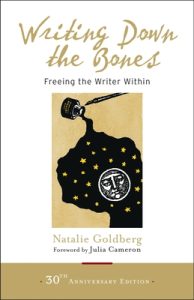
    Prompt books like Natalie Goldberg’s Writing Down the Bones can help you delve even deeper into different styles until you find the one that fits you best.

    Writing down the Bones by Natalie Goldberg cover

    With insight, humor, and practicality, Natalie Goldberg inspires writers and would-be writers to take the leap into writing skillfully and creatively. She offers suggestions, encouragement, and solid advice on many aspects of the writer’s craft: on writing from “first thoughts” (keep your hand moving, don’t cross out, just get it on paper), on listening (writing is ninety percent listening; the deeper you listen, the better you write), on using verbs (verbs provide the energy of the sentence), on overcoming doubts (doubt is torture; don’t listen to it)—even on choosing a restaurant in which to write. Find it here.

    Read Widely and Deeply

    Expose yourself to a range of voices by reading diverse authors and genres. Try different methods, from reading one author and analyzing their language, structure, and tone, to reading a selection of books in different genres from a variety of authors to see what standards exist in each different genre, and how that might impact your own writing. Jessica Brody’s Save the Cat! Writes a Novel can be a great starting point to understanding genre, while George Saunders A Swim in a Pond in the Rain offers a masterclass in a book for how to analyze literature (at least Russian literature).

    Pay attention to what resonates with you and why. Analyze how different writers use language, structure, and tone to convey their message. This not only broadens your understanding of different styles but also helps you identify elements you want to incorporate into your own writing.

    Clouds, thinking, cartoon

    Reflect on Your Influences

    You know about the canon of literature you had to study in school. What is your own personal canon? Daniel Handler, AKA Lemony Snicket of the Series of Unfortunate Events fame details his own personal literary canon in his memoir And then? And then? What else? Consider what would be put into your own canon of reading to build up to your style of writing and inspiration. How does your relationship with those books change when you think of htem as your own personal canon. Understanding these influences can help you pinpoint the qualities you wish to integrate into your own voice while still making it uniquely yours.

    Write for Yourself

    Ultimately, writing for yourself is the most crucial step. Write what you’re passionate about and in a way that feels natural to you. When you focus on expressing your own ideas and emotions honestly, your voice will emerge naturally. Remember, writing is a personal journey, and your voice is a reflection of your unique perspective.

    Love yourself, beach, water, ocean, waves, sky

    Embrace Your Authentic Self

    Your writing voice is a reflection of who you are. Embrace your quirks, perspectives, and experiences. Don’t be afraid to let your personality shine through your writing. Authenticity resonates with readers more than a polished, but impersonal, style. Write from your heart and trust that your genuine voice will come through.

    Seek Feedback

    While we are often told writing is a solitary activity, you being here reading these words just shows how much community is needed for writing and writers to succeed! Writing groups can often be found at your local bookstore or through your local library. You can also join online communities like The Roost, which feature regular write-ins, online workshops, and so much more!

    Email AuthorOutreach@Chantireviews.com to learn more about The Roost, where Authors like to Perch!

    You can learn about all sorts of writing groups here.

    Once you get feedback from those in community, the next step is to hire a professional to look at your work. In the Big Five Traditional Publishing Houses over 40 pairs of eyes will look at your work. If indie publishing or publishing through a small press, hiring a professional for a Manuscript Overview, or other Editorial Services like Developmental Editing, Line Editing, Copy Editing, or Proofreading is crucial to standing out from the millions of books that are published every year!

    Trust in Yourself and Let Your Voice Be Heard!

    Finding your writing voice is a rewarding journey of self-discovery and creative expression. By writing regularly, exploring various influences, and staying true to your authentic self, you’ll gradually uncover a voice that’s uniquely yours. Embrace the process with patience and curiosity, and remember that your voice is an evolving aspect of your writing. Happy writing!


    Chanticleer Editorial Services – when you are ready

    Did you know that Chanticleer offers editorial services? We do and have been doing so since 2011.

    Tools of the Editing Trade

    Our professional editors are top-notch and are experts in the Chicago Manual of Style. They have and are working for the top publishing houses (TOR, McMillian, Thomas Mercer, Penguin Random House, Simon Schuster, etc.).

    If you would like more information, we invite you to email Kiffer or David at KBrown@ChantiReviews.com or DBeaumier@ChantiReviews.com for more information, testimonials, and fees.

    We work with a small number of exclusive clients who want to collaborate with our team of top-editors on an on-going basis. Contact us today!

    Chanticleer Editorial Services also offers writing craft sessions and masterclasses. Sign up to find out where, when, and how sessions being held.

    A great way to get started is with our manuscript evaluation service. Here are some handy links about this tried and true service: https://test.chantireviews.com/manuscript-reviews/

    And we do editorial consultations. for $75.  https://test.chantireviews.com/services/Editorial-Services-p85337185

    Writer’s Toolbox

    Thank you for reading this Chanticleer Writer’s Toolbox article.

    Writers Toolbox  a few more Helpful Links: 

    The INCITING INCIDENT: STORY, SETBACKS and SURPRISES for the PROTAGONIST – A Writer’s Toolbox Series from Jessica Morrell’s Editor’s Desk

    ESSENCE of CHARACTERS – Part One – From the Jessica Morrell’s Editor’s Desk – Writer’s Toolbox Series

  • The Historical Resonance of Banned Books Week

    Banned Books Week

    Two men watching as a book burns from the movie Fahrenheit 451
    From left to right we have Michael Shannon as Captain Beatty and Michael B. Jordan as Guy Montag in the screen adaptation of Ray Bradbury’s Fahrenheit 451

    It’s still here because it still happens

    Banned Books Week, celebrated during the last full week of September, brings authors, publishers, readers, educators, and activists together to underscore the importance of intellectual freedom and our constitutional right to access information. It’s an event that serves as a platform to advocate for free expression and to highlight the detrimental effects of censorship.books, banned, stamp, pile

    The Effects of Banning Books

    Banning books not only limits access to diverse perspectives but also stifles critical thinking and discussion. When we silence voices, we miss out on the chance to engage with different experiences and viewpoints and leaves underrepresented people isolated and oftentimes ostracized due to a lack of understanding and empathy for the struggles, triumphs, and complexities of others.

    Banned Books Week is an annual event first organized by the American Library Association (ALA) in 1982. It shines a light on the many books that have been challenged or banned in schools and libraries, and it reminds us of the vital role literature plays in shaping our understanding of the world and who we are as people. We are still advocating for these rights forty-two years later.

    People, library, books, reading, shelves

    Fighting Book Bans in the Golden Age of Russian Literature

    Bans have been used put into place since Biblical times, but a more modern version is found in Imperial Russia. It’s an interesting point in history when skilled authors used fiction as a way to subvert censors and challenge the structure of their societies through the written word.

    Russian writers, the great storytellers of the “Golden Age” of literature (18th & 19th century), were masters of observation during a time when their society was rapidly changing. Western ideas brought back with soldiers from the Napoleonic Wars provided Russian citizens the freedom of thought for the first time in their long history as a monarchy. In a matter of a few years the Russian intelligentsia absorbed the knowledge of over three hundred years of Western Enlightenment and became the catalyst for conversations on the rights of man and the role of church and state in the lives of their citizens. Suddenly, a feudal society’s eyes popped open from a deep sleep and they realized their dreams of freedom were real and within reach.

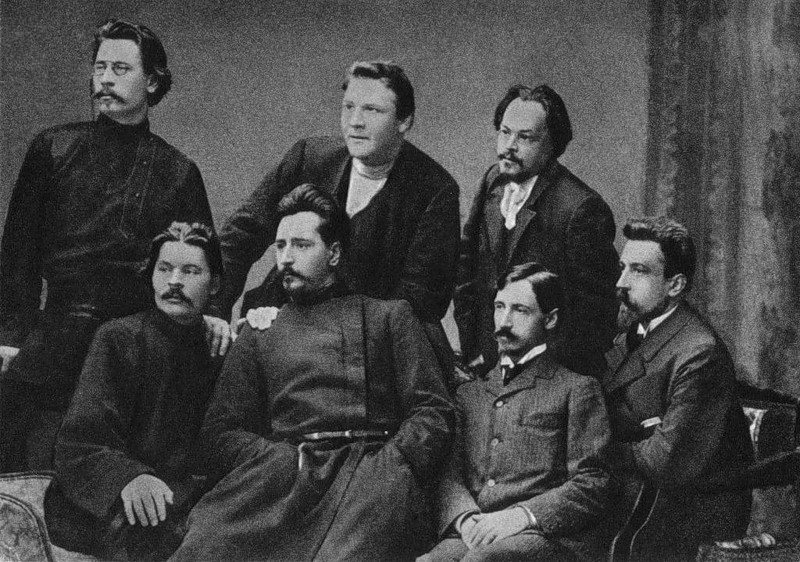
    A black and white photo of seven Russian men, all of whom wrote banned books.
    The great Russian writers–top row from left: Stepan Skitalets, Fyodor Chaliapin, Yevgeny Chirikov; bottom row from left: Maxim Gorky, Leonid Andreyev, Ivan Bunin, Nikolay Teleshov.

    The Russian people were in a position to expand their knowledge base exponentially and soon conversations heard in the salons and receiving rooms of St. Petersburg, Russia’s cultural capital at the time, had become passionate with talk of the “rights of man”. Influence the church and state had over the middle class decreased and their power over the people began slipping away. The common man gained the ability to ask his own questions and decide his own fate for the first time in Russian history, and as they sipped their vodka they began to speak of revolution.

    And a few wrote.

    Government censors, focused solely on traditional news sources, weren’t quick enough to pick up on the messages behind fictional plots and this gave writers a way to move the private conversations they were having out into the mainstream. As a result, Russian literature stands to this day as some of the most important novels in our society, regardless of where your origins lie. By examining the human condition with compelling narratives these great Russian writers succeeded in questioning the way we live and think about our lives, and all under the watchful eyes of those who would have banned those same ideas if presented as non-fiction.

    boy, reading, book, lightbulb, question mark

    Celebrating the Freedom to Read and Write

    During Banned Books Week, libraries, schools, and bookstores host a variety of events to celebrate the freedom to read. Read-alouds and panel discussions highlight the significance banned books, and social media campaigns are now engaging audiences online, encouraging them to share their favorite banned books, quotes, and personal stories.

    How You Can Get Involved

    1. Read a Banned Book: Pick up a book from the list of frequently challenged titles. Some notable examples include To Kill a Mockingbird, The Catcher in the Rye, and The Hate U Give.
    2. Support Your Local Library: Visit your local library and participate in Banned Books Week events. Libraries often provide resources and information about the challenges they face.
    3. Raise Awareness: Use your social media platforms to spread the word. Share posts about your favorite banned books and why they matter to you.
    4. Engage in Conversations: Discuss the importance of free expression with friends, family, and colleagues. Encourage open dialogue about challenging topics often found in literature.
    5. Advocate for Change: Get involved with local advocacy groups that support intellectual freedom. Attend school board meetings to voice your support for diverse literature in schools.

    hand, book, bookshelves, blue

    Banned Books Week serves as a powerful reminder of the importance of free expression and the need to protect the right to read whatever we want to read. By celebrating literature that has been challenged or banned, we reaffirm our commitment to fostering an inclusive society that values diverse perspectives. So, let’s turn the page, open our minds, and embrace the stories that challenge us to think critically and compassionately about the world around us.


    If you are interested in reading books that challenge beliefs and ideas, we suggest these title:

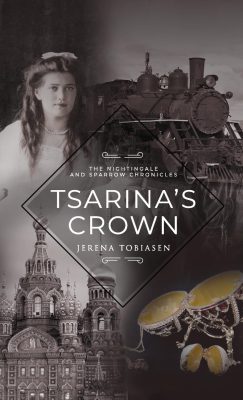
    Tsarina's Crown Cover

    Tsarina’s Crown

    Jerena Tobiasen delivers a sharp, first-rate novel in Tsarina’s Crown,first installment in TheNightingale and Sparrow Chronicles,capturing a precise panorama of Russian politics and British espionage during a delicate period in time.

    The year is 1915 and Simon Temple, a young naval officer aboard the RMS Guardian— a British Royal Navy Ship— patrols the North Sea for questionable communications and marine activity. Months later, he is entrusted by the British crown to serve as a liaison on a covert mission in Petrograd, Russia. Simon is careful not to blow his cover as a young aristocrat while he is thrust into the world of international politics, the ruthless Russian Revolution, and becomes caught right in the middle of two powerful royal families.

    Read More here…

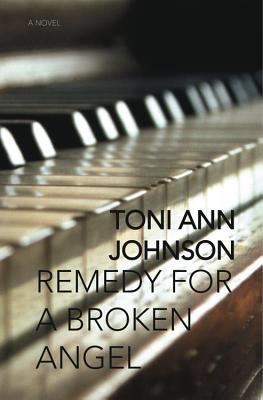
    Remedy for a Broken Angel

    Remedy for a Broken Angel by Toni Ann Johnson is an intense examination of the troubled personal histories of two beautiful and talented women of color.

    Their stories are told in alternating chapters which reveal the mother’s and her daughter’s attempts to reclaim and understand their broken pasts. Each chapter is a revelation into the pain and damage caused by unknown family secrets. Both women struggle with a legacy of shame and self-blame for the price they’re paying for never hearing the truth. Each must learn the lessons found in past years of failure to communicate.

    Read More here…

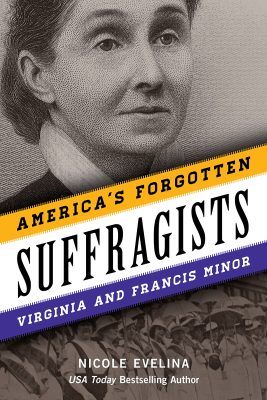
    America's Forgotten Suffragists Cover

    America’s Forgotten Suffragists
    Nellie Bly Awards Grand Prize Winner

    Comprehensive in its own right, America’s Forgotten Suffragists by Nicole Evelina is an essential addition to the canon of women’s suffrage and first-wave feminism.

    Equal parts local history of women’s right to vote in the nineteenth century and biography of Virginia and Francis Minor, America’s Forgotten Suffragists illuminates the story of a wife-and-husband feminist duo who were the first to fight for women’s suffrage at the Supreme Court level.

    Read More here…

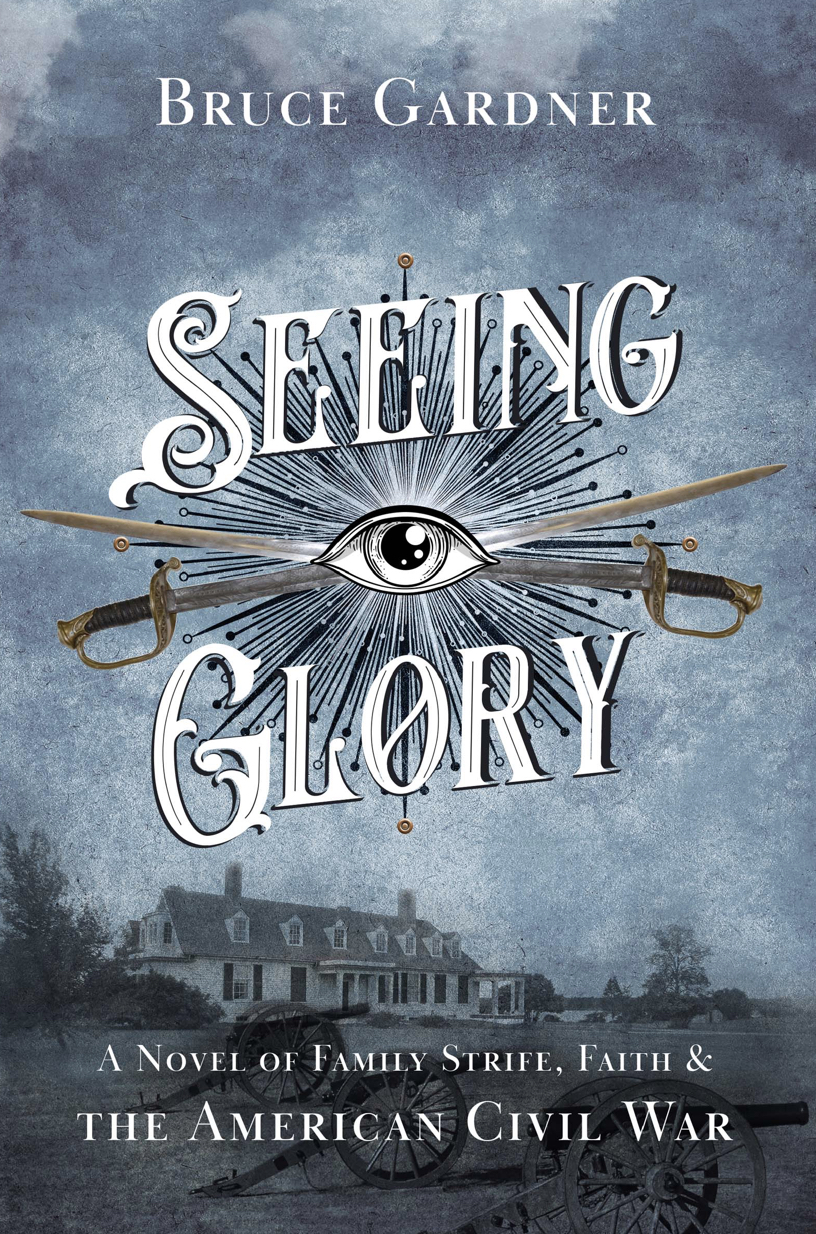
    Seeing Glory

    Seeing Glory by Bruce Gardner is a sweeping, thought-provoking Christian historical novel of the American Civil War. The novel portrays the critical roles of family ties and religious faith in shaping personal attitudes and actions towards the horrors of slavery and the war itself.

    Spanning the era from the famous abolitionist John Brown’s Pottawatomie Massacre in 1856 through the end of the war nine years later, Seeing Glory focuses on the gut-wrenching conflicts over slavery and the southern way of life faced by David, Emma, and Catherine Hodge, fictional siblings, raised on a wealthy plantation in Virginia.

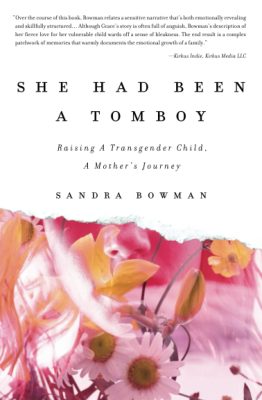
    She Had Been a Tomboy Cover

    She Had Been a Tomboy

    She Had Been a Tomboy: Raising a Transgender Child, a Mother’s Journey by Sandra Bowman is a deeply revealing memoir about a protective mother who watches her sensitive child grow into someone who is familiar, yet new.

    This moving narrative tells the story of her two children: how they were born and how they grew. She Had Been a Tomboy hops from one period of the children’s lives to another, showing how the elder child matures and how the female within slowly blooms into being, little by little revealing herself.

    But the long journey to realization and understanding of self was not easy, nor was it gentle.

    Read More here…


    Open a banned book this week and prove you are a champion for the freedom of thought during Banned Books Week! 

    book, reading, cup, desk, bracelets, pages, hands


    Thank you for joining us for this Writer Toolbox Article

    A red toolbox with the words "What's in your toolbox

    There is so much to learn and do with Chanticleer!

    From our Book Award Program that has Discovered the Best Books since the early 2010s to our Editorial Book Reviews recognizing and promoting indie and traditional authors, Chanticleer knows your books are worth the effort to market professionally!

    Helpful Toolbox Articles:

    When you’re ready,did you know that Chanticleer offers editorial services?We do and have been doing so since 2011.

    Our professional editors are top-notch and are experts in the Chicago Manual of Style. They have and are working for the top publishing houses (TOR, McMillian, Thomas Mercer, Penguin Random House, Simon Schuster, etc.).

    If you would like more information, we invite you to email us at info@ChantiReviews.com for more information, testimonials, and fees.

    We work with a small number of exclusive clients who want to collaborate with our team of top-editors on an on-going basis. Contact us today!

    Chanticleer Editorial Services also offers writing craft sessions and masterclasses. Sign up to find out where, when, and how sessions being held.

    A great way to get started is with our manuscript evaluation service, with more information available here.

    And we do editorial consultations for $75. Learn more here.

  • Come See Us at the PNWA conference Sept 19 and 20, 2024

    If you are attending or if you are in the area of the Pacific Northwest Writer’s Association conference held at the DoubleTree Hilton at SeaTac, we invite you to drop by and see us at our exhibit tables in the Grand Foyer at the hotel.

     The Doubletree by Hilton Hotel Seattle Airport, located next to SeaTac International Airport, is just a mile west
    of the I-5 corridor, 15 minutes from Downtown Seattle and an easy drive to Federal Way or Tukwila, Washington.

    You don't need to be registered for PNWA to drop by during 9 - 5 p.m. on Friday and Saturday 
    when we are exhibiting at the conference in the Grand Foyer of the hotel.

    David Beaumier, Chanticleer’s Communications and Marketing Director, Dena Weigel, Chanticleer’s Reviews Coordinator, and I (Kiffer Brown, Head Hen) are staffing the Chanticleer Exhibit Tables. We will have all kinds of fun swag, discounts, and information available (and candy).

    David Beaumier, Communications and Marketing Manager at Chanticleer
    Dena Weigel
    Dena Weigel, Reviews Coordinator for Chanticleer Reviews

    And find out more information about the Roost, Chanticleer’s Private Online Community

    Also, Kiffer (that’s me), is presenting at the Moveable Book Feast on Friday and Saturday from 12;30 to 1:30 at the Cascade Rooms 1 & 2.

    The Moveable Book Feast is a lunchtime event where attendees can three mini-sessions of their choice.

    • Friday’s Session at Table 4  is the much requested WRITE FAST / EDIT SLOW session
    • Saturday’s Session at Table 3 I will present the very useful ELEMENTS of EFFECTIVE BOOK COVER DESIGN
    Head Hen of Chanticleer – Kiffer Brown

    MEANWHILE Save the Date for the Chanticleer Authors Conference, the CIBA Banquet and Ceremony, and Sunday’s Books By the Bay Book Fair that will be held all day on Sunday, April 6th at Village Books, Fairhaven. Village Books is recognized as being one of the top independent bookstores in the USA.

    APRIL 3 – 6, 2025

    A Wreath with the words "CAC 2025" on it to celebrate the Chanticleer Author's Conference!

  • “It was a Dark and Stormy Night:” How Atmosphere Enhances the Plot and Crafts Immersive Narratives

    Shakespeare knew what he was doing…

    Creating a tangible atmosphere in your storytelling is often a subtle force that plays a critical role in shaping a narrative and enveloping your reader in the story.

    A good atmosphere – created through setting, tone, and sensory details – can transform a simple plot into a rich, immersive experience filled with bright skies, stormy weather, and everything in between. Here we’ll explore how atmosphere enhances the plot and why it’s essential for crafting stories that draws readers into their characters’ world and lets them experience it (nearly) first-hand.

    rocking chair, deserted house, chipped paint, door, window, curtain

    Setting the Scene

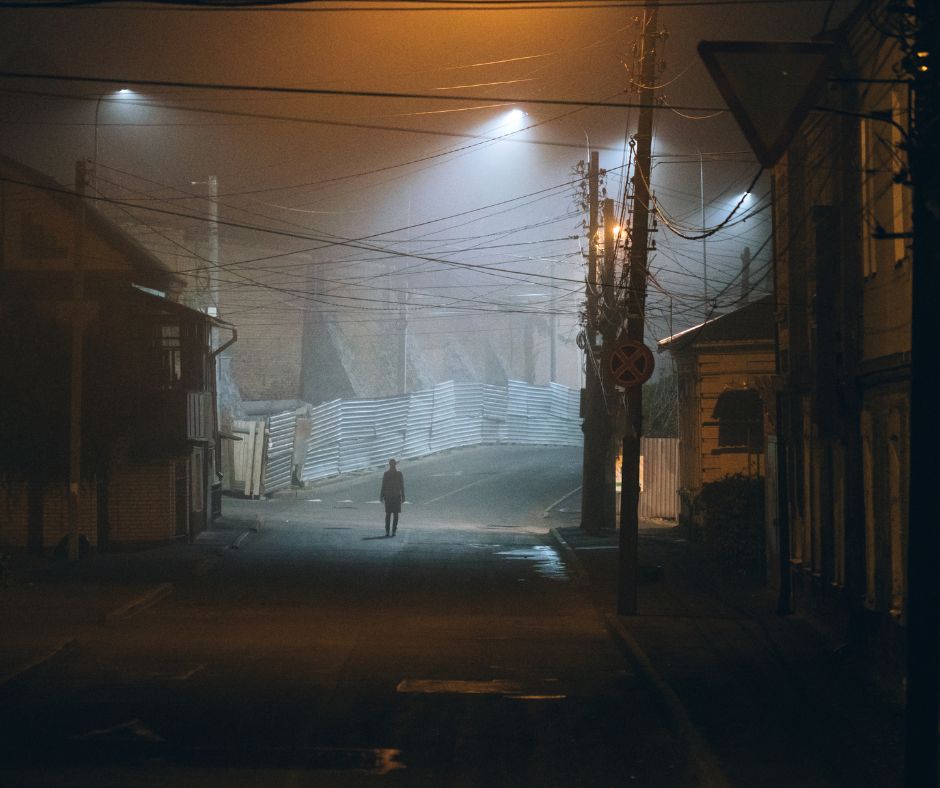
    Atmosphere begins with setting. The world in which a story unfolds is more than just a backdrop. it influences mood, behavior, and narrative flow. Imagine a thriller set in a foggy, empty street at night versus one set in a bright, bustling city. The atmosphere created by each setting will evoke different emotional responses and drive the plot in unique ways.

    In Charles Dickens’s Oliver Twist, for example, the dark, oppressive atmosphere of a decaying mansion reflects the internal turmoil of Miss Havisham’s deteriorated mental state. By adding depth to the setting, it actually becomes a character in itself, influencing the actions and decisions of the protagonists. This synergy between setting and plot helps readers immerse themselves more fully in the story.

    Foggy, street, lights, person, city, alley

    Enhancing Tension and Suspense

    Atmosphere is crucial in creating tension and suspense. A story’s mood can build anticipation and keep readers on edge. For example, a tense atmosphere can heighten the stakes and make moments of danger feel more immediate and pressing.

    Consider a suspenseful scene set on a foggy, deserted street. The shadows and lack of other people can amplify the sense of danger and unpredictability. The atmosphere makes the plot twists more gripping because it engages the readers’ senses and emotions, making the narrative’s tension more palpable.

    snow, trees, clouds, blue, landscape

    Reflecting Internal States

    Atmosphere can also mirror a character’s internal state, providing insight into their emotions and motivations. For example, in the opening scene of Jack London’s White Fang we find two men traveling alone across the snowy Yukon Territory. Their lives are under constant threat from the world around them. This mirrors the theme of the story and the torment its protagonist experiences as a wolf left to constantly fight for his survival.

    This mirroring helps readers connect more deeply with the characters, as the external atmosphere echoes their internal struggles and triumphs. It adds a layer of emotional resonance to the plot, making characters’ experiences feel more authentic and impactful.

    party, blue, glitter, disco ball, windows, people

    Creating Symbolism and Themes

    Atmosphere can enhance themes and symbolism within a narrative. By weaving certain atmospheric elements into the story, authors can subtly reinforce thematic undertones and symbols. For instance, a recurring motif of decay and deterioration in a story can symbolize the moral or societal decline of the characters or setting.

    In The Great Gatsby, F. Scott Fitzgerald uses the opulent but hollow atmosphere of Gatsby’s parties to highlight themes of disillusionment and the emptiness of the American Dream. The atmosphere becomes a glittery vehicle for thematic exploration, enriching the plot’s complexity.

    Leonardo DiCaprio as Gatsby in The Great Gatsby 2013 film
    Leonardo DiCaprio as Gatsby in The Great Gatsby 2013 film

    Guiding Reader Expectations

    The atmosphere can guide readers’ expectations and shape their interpretation of the plot. A story that opens with a cheerful, light-hearted atmosphere might lead readers to anticipate a light, humorous tale. Conversely, a dark, foreboding atmosphere might set the stage for a more serious or tragic narrative.

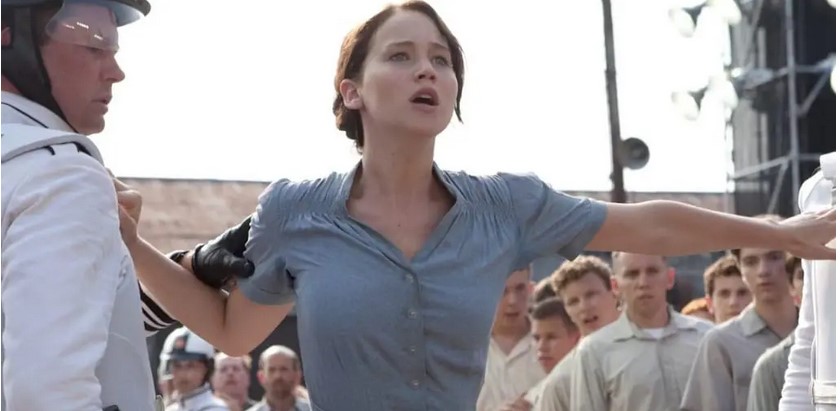
    By manipulating atmosphere, authors can subtly influence how readers engage with the plot, leading them to anticipate certain outcomes or questions about the narrative’s direction. This is seen in Suzanne Collin’s The Hunger Games, where the shanty town world her heroine, Katniss Everdeen, is born into is used as a comparison to the opulent wealth of Capitol City. This adds layers of complexity and surprise to the story as she must use the smarts she gained in her original environment to survive in a new and unusual place.

    Jennifer Lawrence as Katniss Everdeen volunteering as tribute in place of her sister at the barbaric Reaping for the Capitol.

    Deepening Immersion

    Finally, atmosphere plays a crucial role in deepening reader immersion. A well-crafted atmosphere can transport readers to another world, making the plot more engaging and compelling. The sensory details, emotional undertones, and overall mood create a rich tapestry that draws readers in and holds their attention.

    Whether it’s the cozy warmth of a small-town bakery or the cold, sterile environment of a high-tech laboratory, the atmosphere creates a sensory experience that enhances the plot and makes the story come alive. It helps readers visualize and feel the world of the story, making the plot more vivid and impactful.

    Brick walls, windows, wood beams, wood floor

    Brick by Brick You Build A World Your Readers Can Feel

    Atmosphere is a powerful tool in storytelling, enhancing the plot in ways that go beyond mere setting. By influencing mood, creating tension, reflecting internal states, and deepening thematic elements, atmosphere enriches the narrative and captivates readers. When done effectively, it turns a simple story into an immersive experience, making every plot twist and character development resonate more deeply.

    So, the next time you’re crafting a story, remember that the atmosphere you create is as integral to the plot as the characters and events. It’s the subtle force that breathes life into your narrative and keeps readers’ attention until the very last clap of thunder!


    Chanticleer Editorial Services – We’re ready when you are ready!

    Did you know that Chanticleer offers editorial services?We do and have been doing so since 2011!

    Tools of the Editing Trade

    Our professional editors are top-notch and are experts in the Chicago Manual of Style. They have and are working for the top publishing houses (TOR, McMillian, Thomas Mercer, Penguin Random House, Simon Schuster, etc.).

    If you would like more information, we invite you to email Kiffer or Sharon at KBrown@ChantiReviews.com or SAnderson@ChantiReviews.com for more information, testimonials, and fees.

    We work with a small number of exclusive clients who want to collaborate with our team of top-editors on an on-going basis.Contact us today!

    Chanticleer Editorial Services also offers writing craft sessions and masterclasses. Sign up to find out where, when, and how sessions being held.

    A great way to get started is with our manuscript evaluation service. Here are some handy links about this tried and true service: https://test.chantireviews.com/manuscript-reviews/

  • Five Days Left to Join the Roost!

    The Perch is Still Open!

    Take advantage of our biggest bundle ever and join The Roost!

    The Red Carpet is rolled out for authors looking to take the next step in getting their book Discovered!

    As the leaves start to turn and the air begins to crisp, it’s not just kids who are buckling down. We’re here to support you and your writing ambitions!

    How do we jump start your journey?

    A Chanticleer Editorial Review

    Two Entries into the Chanticleer Int’l Book Awards (CIBAs)

    One Full Year in the Chanticleer Membership Program: The Roost

    Over $1000 in value!

    All for $645*

    [Don't forget that PayPal offers 6 months - same as cash - no interest]

    Why Join the Roost?

    Writing can be a solitary activity, but it doesn’t have to be lonely. The Roost provides Community and Connection, a space where writers meet, share, and support each other’s journeys. It’s your new creative home where the coffee’s always hot and the conversation never ends.

    One of the early Roost Happy Hours!

    With monthly workshops and discussion led by our staff and expert authors, it’s more than a club: It’s a master class in writing and publishing that runs all year.

    Ready for the Roost, but not sure about the rest?

    All these benefits are on your time. If your manuscript isn’t quite ready, your Editorial Review and CIBA entries don’t expire. Redeem them at your convenience when your book is ready to be discovered!

    If you’re just dipping your toes in. reach out to AuthorOutreach@ChantiReviews.com, and we will send you a special deal to join the Roost for just $10/month. We will honor the discounted rate for as long as you are a Roost Member and you can cancel anytime. Come find out what the crowing is all about!

    Don’t Let This Offer Fly the Coop!

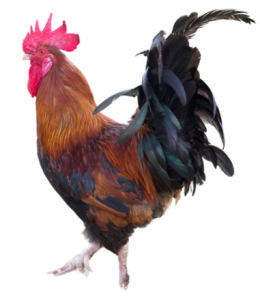
    A Rooster walking
    The Rooster stops for no one!

    Sale Ends September 15, 2024!

    Whether you’re on page one of your next bestseller, or ready to start marketing your debut book, The Roost is where the journey to greatness begins. Don’t’ wait – the clock is ticking and this deal won’t last!

    Click here to join The Roost and grab your Bundle Today!

    Can’t make the bundle, but still want to be part of the action? Email AuthorOutreach@ChantiReveiws.com  for a special discount code to join today!

  • Zooming Your Way to a Great Book Launch: A Step-by-Step Guide to Virtual Book Launch Events

    We are Deep in the Digital Age

    Man, desk, computer, plant, clapping, conference call, zoom, virtual meeting

    Is your virtual book launch ready?

    In the digital age, a virtual book launch can be a highly effective way to celebrate and promote your new book. It offers an opportunity to reach a global audience, engage with readers in real-time, and create a buzz around your work–all from your own desk.

    Planning to host a virtual book launch but not sure where to start?

    A white man surrounded by books looking frustrated
    So much to learn, so little time!

    Let us walk you through the first steps to ensure a successful and memorable event.

    1. Define Your Goals and Objectives

    Before diving into the details, clarify what you want to achieve with your virtual book launch. Your goals might include:

    • Increasing Book Sales: Drive pre-orders and sales through special promotions.
    • Building Your Author Brand: Enhance your visibility and establish your presence as an author.
    • Engaging with Your Audience: Connect with readers, fans, and influencers in your genre.
    • Generating Media Coverage: Attract attention from bloggers, journalists, and book reviewers.

    Authors should try to zero in on what their potential readers could look like and which outlets are the best for reaching those targets. Sometimes (more often than not), going in deep (some say guerilla marketing) towards a specific target audience for podcasts, blogging, and events (publicity) and then expanding the spheres if a strategy that works (marketing). Read more on this from Kiffer Brown here!

    2. Choose the Right Platform

    Selecting the appropriate platform is crucial for hosting your virtual book launch. Consider the following options:

    • Zoom: Ideal for interactive events with features like breakout rooms and live Q&A sessions.
    • Facebook Live: Great for reaching your social media audience and facilitating real-time engagement.
    • YouTube Live: Offers high video quality and can be integrated with your book’s promotional content.
    • Twitch: Suitable for a more informal, interactive experience, particularly with younger audiences.

    Choose a platform that aligns with your goals and technical comfort level.

    Woman, planning, pink, blue, orange

    3. Plan Your Event Format

    Decide on the format and structure of your virtual launch. Some popular formats include:

    • Live Reading and Q&A: Read excerpts from your book and answer questions from attendees.
    • Author Interview: Conduct an interview with another author, a moderator, or a celebrity guest.
    • Panel Discussion: Gather experts or fellow authors to discuss themes related to your book.
    • Virtual Book Tour: Share behind-the-scenes content or host virtual visits to locations featured in your book.

    Calendar, red, black

    4. Set a Date and Time

    Choose a date and time that will maximize attendance. Consider the time zones of your target audience and avoid scheduling conflicts with major events or holidays. Weekdays or weekends can work depending on your audience’s availability.

    The experts who can market your book make up what we call Slant in the book industry. Our own Chanticleerian author Carol Cram wrote an article all about the best ways to connect and work with experts, which you can read here.

    5. Promote Your Event

    Effective promotion is key to a successful virtual book launch. Use a combination of strategies:

    • Social Media: Create event pages and share regular updates on platforms like Facebook, Instagram, and Twitter.
    • Email Newsletters: Send invitations and reminders to your mailing list.
    • Book Communities: Engage with book clubs, forums, and online reading groups.
    • Collaborations: Partner with influencers, bloggers, and other authors to broaden your reach.

    Design eye-catching promotional materials such as graphics, videos, and teaser content to generate excitement.

    Home office, Welcome to my book Launch, stick figure, green, beige, modern, bookshelf, desk, chair, computer

    6. Prepare Your Content and Rehearse

    Prepare and rehearse the content of your event to ensure smooth execution:

    • Script: Outline key points, introductions, and transitions.
    • Visuals: Create slides, book trailers, or other visual aids.
    • Tech Check: Test your internet connection, microphone, camera, and platform features ahead of time.
    • Rehearsal: Practice your presentation and timing to avoid any hiccups during the live event.

    7. Engage with Your Readers

    During the event, foster engagement and interaction:

    • Welcome Attendees: Greet participants and provide an overview of the event.
    • Interactive Elements: Use polls, chat features, and live Q&A to involve your audience.
    • Personal Touch: Share personal anecdotes or behind-the-scenes stories related to your book.
    • Encourage Sharing: Ask attendees to share their thoughts on social media using a specific hashtag.

    Computer, thank you, email, envelope, blue screen, keyboard

    8. Follow Up After the Event

    Post-event follow-up is essential for maintaining momentum and maximizing the impact of your launch:

    • Thank You Notes: Send gratitude messages to attendees, guests, and collaborators.
    • Event Recap: Share highlights, recordings, or photos from the event on your website and social media.
    • Feedback: Collect feedback from attendees to learn what worked well and what could be improved for future events.
    • Continued Engagement: Keep the conversation going by engaging with your audience and providing updates on book sales or upcoming events.

    Woman, online, computer, brick, papers, notebook, yellow shirt, pencil

    9. Analyze and Reflect

    Evaluate the success of your virtual book launch by analyzing key metrics:

    • Attendance Numbers: Assess how many people attended and engaged with the event.
    • Sales Data: Review book sales figures before, during, and after the launch.
    • Audience Feedback: Analyze comments, questions, and feedback to gauge audience reaction and satisfaction.

    Reflect on what went well and areas for improvement to enhance your future virtual events.

    Rocket, take off, lift off, 3, 2, 1, clouds, sky, fire, boosters

    A well-executed virtual book launch can create a powerful platform for celebrating your book and connecting with readers. By following these steps, you can craft an fun, engaging event that not only promotes your book but also builds lasting relationships with your new fans!

    Happy launching!


    Thank you for joining us for this Writer Toolbox Article

    A red toolbox with the words "What's in your toolbox

    There is so much to learn and do with Chanticleer!

    From our Book Award Program that has Discovered the Best Books since the early 2010s to our Editorial Book Reviews recognizing and promoting indie and traditional authors, Chanticleer knows your books are worth the effort to market professionally!

    Helpful Toolbox Articles:

    When you’re ready,did you know that Chanticleer offers editorial services?We do and have been doing so since 2011.

    Our professional editors are top-notch and are experts in the Chicago Manual of Style. They have and are working for the top publishing houses (TOR, McMillian, Thomas Mercer, Penguin Random House, Simon Schuster, etc.).

    If you would like more information, we invite you to email us at info@ChantiReviews.com for more information, testimonials, and fees.

    We work with a small number of exclusive clients who want to collaborate with our team of top-editors on an on-going basis. Contact us today!

    Chanticleer Editorial Services also offers writing craft sessions and masterclasses. Sign up to find out where, when, and how sessions being held.

    A great way to get started is with our manuscript evaluation service, with more information available here.

    And we do editorial consultations for $75. Learn more here.


  • Chanticleer’s Back to School Bundle! Don’t Miss Out on the Chance to Become a Member of The Roost!

    Back to School Sales?

    They’re not just for kids!

    A chalkboard with the words Join us on the Roost and Back to School Bundle

    We have an ever bigger one you can Roost with!

    As summer comes to a close, we’re excited to offer a bundle that includes a year’s worth of access to our online platform filled with goodies and discounts for authors: The Roost!

    A Rooster with the words The Roost at Chanticleer

    The Roost is our exclusive membership platform where we perch together to share knowledge and connect with our community of expert authors.

    Every year after Labor Day the publishing industry comes back to life, and we’re happy to crow with the dawn and welcome it back!

    The Roost is our Favorite Spot to Perch!

    Don’t Miss Out on These Upcoming Events:

    • Weekly Tuesday Morning Write-Ins with David Beaumier
    • Weekly Wednesday Evening Write-Ins with Phoebe Walker and Janet Oakley
    • Monthly Thriller Craft Discussions with Dena Weigel
    • Monthly Writing Craft Discussions with David Beaumier
    • Monthly Recorded Workshops
      • Upcoming is Kickstarting Your Book with Kiffer Brown and David Beaumier, 9/13 at 1pm PST
    • Virtual Happy Hour (9/16 at 5pm PST) with Kiffer Brown
    • We’re available for virtual Office Hours on the Roost!
    • Plus Perpetual Discounts and Early Bird Deals on our Annual Authors Conference, Editorial Reviews, and the CIBAs!

    The Roost is a space driven by community! We build and add to it based on what our members ask for and want. Join us, and help transform the space into whatever you want it to be!

    Roost sign-ups are typically available only in-person at Conferences or for our First Place Winners. We’ve worked hard to cultivate this community of professionals. And it’s open now to you, but only through September 15th!

    Sign up now for

    A Chanticleer Editorial Review ($495)

    Two entries to the Chanticleer Int’l Book Awards ($198)

    And a Full Year as Chanticleer Members on the Roost (priceless)

    All for $645

    What does that include?

    The Objective Editorial Review

    Every book that receives a Chanticleer Editorial Review written by one of our professional reviewers receives the following:

    • Published online on the Chanticleer Reviews website for easy linking
    • Each online published review comes with a built-in All IN One Search Engine Optimization package (AIOSEO) to maximize the review and the book title/author’s digital footprint.
      • AIOSEO interfaces with Google, Bing, Firefox, and Explorer search engines.
      • We carefully apply AIOSEO techniques to increase higher search rankings for each review.
      • AIOSEO allows for easier integration into Google Analytics.
    • Each posted review comes with SEO metadata to optimize Google searches and Amazon crawlers.
    • Digital links to Amazon, Independent Bookstores, and the Author or Publisher’s website.
    • Each review is posted to our social media for easy sharing and commenting by the author/publisher.
    • All our reviews are promoted and highlighted in our Newsletter.
    • We continue to periodically post the review to social media and in blogposts with links to the review on our website for long-term marketing and to refresh digital footprints.

    You do not have to use the Chanticleer Book Review package now. You can use it in the future when you are ready!

    The Coveted Chanticleer Int’l Book Awards (CIBAs)

    You know you want it.

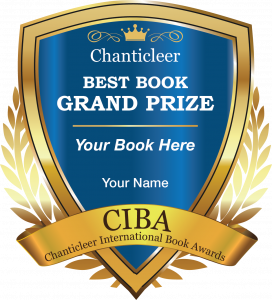
    A blank sample of the Chanticleer Overall Grand Prize Badge with the words "Your Book Here"

    The CIBAs run year round with promotions always popping up on our website to celebrate the incredible authors who advance. Starting at the Long List, we begin promoting work on our high-traffic website, on social media, and in our newsletter.

    From that point we add in digital badges, promotional stickers. By the time we reach the $1000 cash prize for the Overall Grand Prize Winner, we’ve given away over $30,000 worth of prizes!

    With all that plus our under the hood marketing technology, it’s no surprise that the CIBAs are the most popular of all our offerings at Chanticleer.

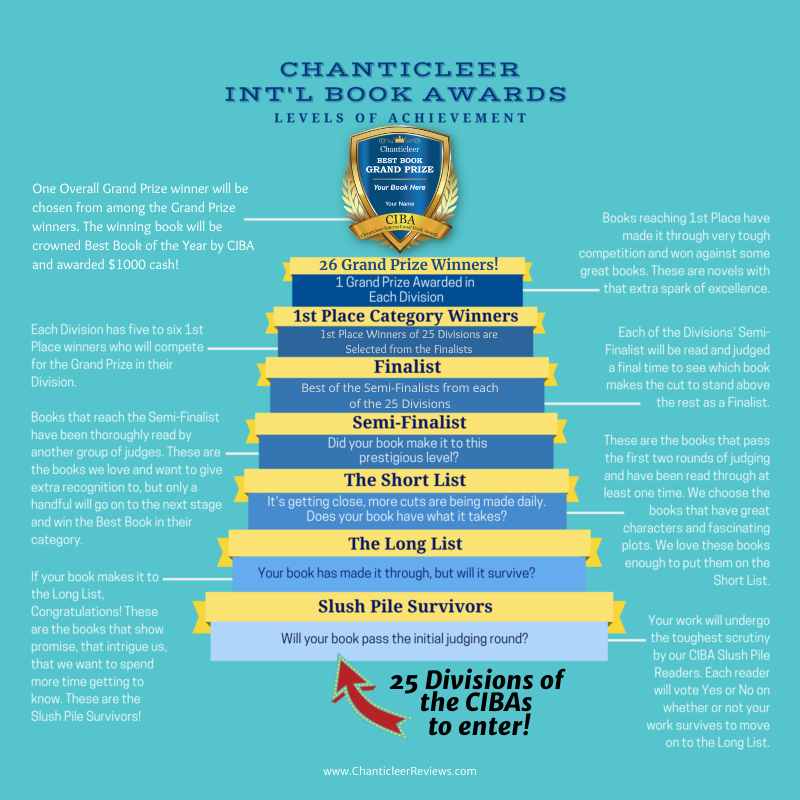
    The tiers of achievement for the CIBAs

    When You’re Ready, We’re Here

    Signing up for this bundle doesn’t mean you have to immediately submit your work to the CIBAs or for Review. We’re happy to hold your spot and check in with you on your terms, when your work is at its best. The same with the two CIBA entries!

    You might write your book alone, but authors live in community.

    Join The Roost today. We’re here, and we can’t wait to support you in your author’s journey and help your book be discovered!

    A Rooster in a laurel saying Welcome to the Chanticleer Authors Club

    Can’t do the bundle but still want to join?

    Reach out to AuthorOutreach@ChantiReviews.com for a discount code and sign up today!


  • The Art of Critique from the Desk of David Beaumier

    Understanding Peer Review and Feedback

    A Crucial Critique Skill for Authors

    Oftentimes when someone joins a critique group, it’s not because they’re in dire need of a free proofreader. They are looking to learn if their writing is any good, as Kiffer Brown says “Does it have a beat? Can you dance to it?”

    If you’d like to start your self-editing journey first, you can start here! Plus we have a secret solution to really get the feedback you need as an author! Read on to the end to learn what it is!

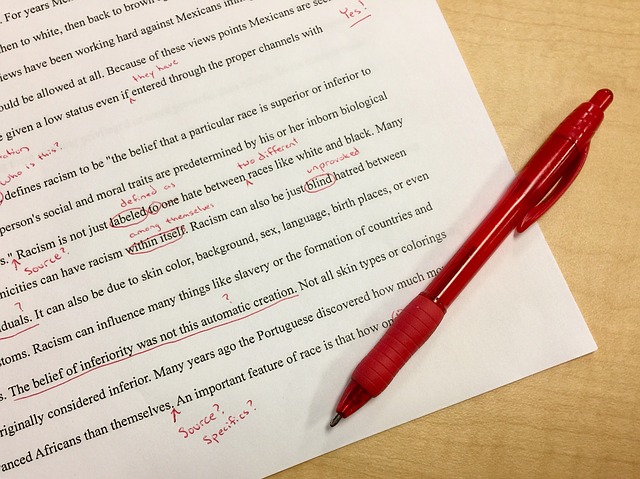
    While a work can be written in such a way that the errors make it unclear what the author wants to communicate. So, let’s get started.

    Ikebana is the Japanese art of arranging flowers. It can have more to do with writing than you would expect!

    What are the Guidelines for Critique?

    While every writing group will have extraordinarily varied suggestions for offering feedback, they often have a few golden rules:

    • Stay positive. We are critiquing, not criticizing.
    • Remember that suggestions should enhance the story through the author’s voice, rather than stating a variant of “this is how I would write it.”
    • We critique the work rather than the author. Look at what in the writing doesn’t work for you and address that.

    Let’s talk about each of those suggestions in greater detail.

    Staying Positive

    Not quite what we mean…

    No one wants to be in the group where people simply say “it was good, I liked it.” That’s not what we mean by positivity.

    The reason this rule is so common is that almost everyone who has ever submitted to a writing group has had at least one person thoroughly eviscerate a piece, calling it offensive, a waste of time, and of completely zero worth. This kind of feedback is about as helpful as “it was good I liked it,” because it doesn’t actually tell the author anything about the work.

    A sad looking Indian man in a blue shirt
    This guy isn’t getting actionable feedback!

    The best critiques often focus on direct observations or questions regarding the work. Pointing out contradictions and plot holes, or saying when a line rings true and why it rings true. For example, if your character is a member of the Canadian Royal Mounted Police, but doesn’t know how to ride a horse, there might be some questions as to why that is. Basics in Non-Violent Communication can really help get started in giving observational feedback (and hearing critique generally). You can read more about that here. For a less intensive and more focused look at just critique (as opposed to overall lifestyle), you can see this article by author and professor Brenda Miller here.

    In the end, the best critiques follow through and explain why the reader had the reaction to the text that they did.

    “Well, this is how I’d write it”

    Hopefully your critiques aren’t overwhelming the author

    Hopefully your critiques aren’t overwhelming the author

    Unless the reader is a co-author on the work in question, this statement is probably not geared toward helping the author’s voice come through.

    When writing my first book at around age ten, I tentatively showed it to my father. He added quite a bit to the first chapter, which focused on a tornado coming and whisking the main character away to a magical world where animals talked. Every place where he made a change stood out like someone had attempted to jam two different polaroids together with the hope no one would notice. –David

    Again, a focus on questions and observations can often help the author come up with the solution on their own.

    Friends, women, books, computer, smiling

    For example: “I noticed that there wasn’t a lot of setting description in this scene. Would there be a way to describe where the characters are having their conversation, both to add to the atmosphere of the story and to offer some beats that break up the dialogue?”

    This will let the author make the change instead of adding a new POV of the main character’s mother doing dishes and listening to smooth jazz in the background.

    We critique the Work, not the Author

    At this point, it seems clear that the focus is on the text. A character does things, and the author simply records them. However, while it’s always good to give the people critiquing work feedback, this is a crucial place to offer suggestions to the author.

    Remember that, as the author, people are not giving feedback as an attempt to sabotage the story or to make it worse. While all feedback isn’t useful, it is given with the intention of helping, and hearing it as something intended to help often makes listening to a critique easier.

    As such, here are a couple tips when receiving critique on your work.

    • Listen. Interrupting or arguing with the person giving you feedback means you have less time to receive a critique.
    • Remember that the work is yours. No one can force you to change your work, so there’s no need to quibble about what a reader sees as a must-have change that you won’t implement.
    • Ask questions. As you hear your critique, track places where you don’t understand where the reader is coming from or if you’re not sure you understand the motivation behind what they’re saying.
    • Say thank you. The best critiques are to improve your work, not review or judge it, and the reader’s work should be appreciated.

    Not sure how to get started on a group? Check out this article here to learn the ins and outs of forming a critique group!

    The Secret to get the Most out of your Critiques!

    The Secret to Successful Publishing

    Are you ready for this? The best thing you can do to guide the critique you receive is…

    Include specific questions and instructions for what you would like for your readers.

    The Number 1 request I get as an editor is to “Tear my work apart.” This guidance is about as helpful for an editor as “It was good” is helpful to a writer. – David

    By the time work is being submitted for critique, writers will hopefully have a good understanding of their own weaknesses. Setting, plot, and dialogue are common areas of focus. If you’re just getting started and not sure what to ask for, that’s alright! As you receive feedback, be sure to write down common feedback suggestions, like too many movie references that distract from the flow of the story, or not enough Star Trek references in your blogpost.

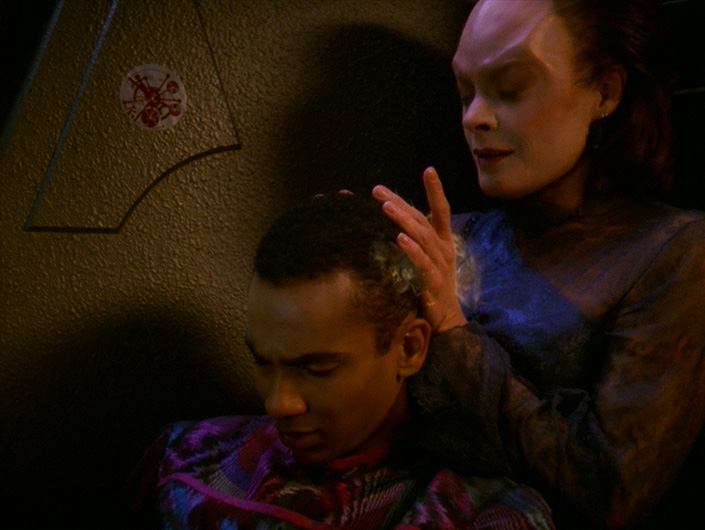
    We don’t recommend sacrificing all your creative energy at once to finish your work. Cirroc Lofton and Meg Foster as Jake Sisko and Onaya in the Deep Space 9 episode Muse

    Regardless of what your weaknesses might be, no editor is a mind reader. Many will be able to help, but the only way to guarantee you receive feedback on the craft elements you are most concerned for is to ask for it directly. Using a service like an MOV can be a great start to begin orienting your work to get the nitty gritty feedback of a Line Edit from a group before you commit to a professional Line Edit.

    Read Responsibly

    With that, you’re ready to go off and take a more active role in your writing community. We believe in you and know that you’ll do great!


    Thank you for joining us for this Writer Toolbox Article

    A red toolbox with the words "What's in your toolbox

    There is so much to learn and do with Chanticleer!

    From our Book Award Program that has Discovered the Best Books since the early 2010s to our Editorial Book Reviews recognizing and promoting indie and traditional authors, Chanticleer knows your books are worth the effort to market professionally!

    Helpful Toolbox Articles:

    When you’re ready,did you know that Chanticleer offers editorial services?We do and have been doing so since 2011.

    Our professional editors are top-notch and are experts in the Chicago Manual of Style. They have and are working for the top publishing houses (TOR, McMillian, Thomas Mercer, Penguin Random House, Simon Schuster, etc.).

    If you would like more information, we invite you to email us at info@ChantiReviews.com for more information, testimonials, and fees.

    We work with a small number of exclusive clients who want to collaborate with our team of top-editors on an on-going basis. Contact us today!

    Chanticleer Editorial Services also offers writing craft sessions and masterclasses. Sign up to find out where, when, and how sessions being held.

    A great way to get started is with our manuscript evaluation service, with more information available here.

    And we do editorial consultations for $75. Learn more here.

  • Happy Birthday Goethe! Extending the 2024 Goethe Awards for Late Historical Fiction

    Happy Birthday Goethe!

    We’re delighted to celebrate Johann Wolfgang von Goethe’s birthday! Check out these awesome events that happened during Goethe’s Lifetime!

    • 1750 – The Industrial Revolution began in England
    • 1756 – Wolfgang Amadeus Mozart was born in Salzburg, Austria
    • 1761 – The problem of calculating longitude while at sea was solved by John Harrison
    • 1765 – James Watts perfects the steam engine
    • 1770 – Ludwig van Beethoven was born in Bonn, Germany
    • 1774 – Goethe’s romantic novel, The Sorrows of Young Werther, propels him into European fame
    • 1774 – Goethe’s play Gotz von Berlichingen, a definitive work of Sturm und Drang premiers in Berlin
    • 1776 –  America’s 13 Colonies declare independence from England. Battles ensue.
    • 1776 – Adam Smith publishes the Wealth of Nations (the foundation of the modern theory of economics)
    • 1776 –  The Boulton and Watt steam engines were put to use ushering in the Industrial Revolution
    • 1783 – The Hot Air Balloon was invented by the Montgolfier brothers in France.
    • 1786 – Le Nozze di Figaro by Mozart premiered in Vienna
    • 1789 – George Washington is elected the first president of the United States of America
    • 1780 – Antoine Lavoisier discovers the Law of Conservation of Mass
    • 1789 – The French Revolution started in Bastille
    • 1791 – Thomas Paine publishes The Rights of Man
    • 1792 – Napoleon begins his march to conquer Europe
    • 1799 – Rosetta Stone discovered in Egypt
    • 1802 – Beethoven created and performed The Moonlight Sonata
    • 1802 – A child’s workday is limited to twelve hours per day by the British parliament when they pass their first Factory Act
    • 1804 – Napoleon has himself proclaimed Emperor of France
    • 1808 – Atomic Theory paper published by John Dalton
    • 1811 –  Italian chemist Amedeo Avogadro publishes a hypothesis, about the number of molecules in gases, that becomes known as Avogadro’s Law
    • 1811 – Jane Austen’s Sense and Sensibility was published anonymously. It was critically well-received
    • 1814 – Steam driven printing press was invented which allowed newspapers to become more common
    • 1818 – Mary Shelley publishes Frankenstein
    • 1832 – Goethe’s Faust, Parts 1 & 2 are published posthumously (March 22, 1832)

    You asked, we listened

    We tend to be a little more high tech at Chanticleer

    New Deadline for the Goethe Awards: September 30, 2024

    At the request of both our Authors and our Readers we have moved the closing date of the Goethe Awards to September 30, 2024!
    This pairs it with its Historical Fiction partner the Chaucer Award. As we settle into this new schedule, we’re hearing great feedback from authors regarding the best times for them to submit their work. This depends on conferences and workshops (many of which are genre specific) where they can regularly receive feedback and writing retreats that allow them to finish their manuscripts.

    Thank you to everyone who reaches out and makes our Awards a success every year!
    Post 1750s Historical Fiction Award
    September is right around the corner! Don’t miss out!

    Chaucer is the older brother of sorts to the other Historical Fiction divisions. Awhile back we got so many submissions to Chaucer, we had to split them up to judge them all properly. So now, Chaucer is Pre-1750 and Goethe is Post-1750.

    Why do we like Johann Wolfgang von Goethe so very much? It’s simple! He’s the guy who wrapped up everything we believe in with this simple sentence:

    “Whatever you can do or dream, you can begin it. Boldness has genius, power, and magic in it.” – Goethe

    A great mantra for writers, don’t you think!

    Why 1750?

    Well, many historians see that time as the start of the Early Modern Age. With Revolutions the world over, and Governmental Changes moving away from Monarchies and constitutions giving the normal people rights, not just the wealthy. And at the same time, the Industrial Revolution and Age of Enlightenment.

    The Goethe Award is named for Johann Wolfgang Von Goethe, famed German writer, scientist and polymath. Seen on the badge for this award, in a portrait of him in around 1775

    Goethe in 1828, painted by Joseph Karl Stieler

    We chose Goethe as the namesake for this award not only because we are fans of his writing. Born in 1749, his lifetime saw some of the biggest events and technological advances. Both the American and French Revolutions, the start of the Industrial Revolution in England (which started in about 1750), the invention of Steam Engines, and some of the most influential written works of history. As such, he embodies the era of Historical Fiction this award covers and beyond.

    Here are some great books set during the time of the Goethe Awards!

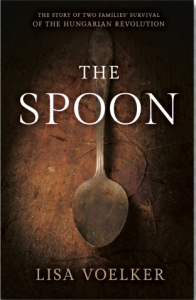
    THE SPOON: The Story of Two Families’ Survival of the Hungarian Revolution
    By Lisa Voelker
    Goethe Awards First Place Winner

    The Spoon Lisa Voelker

    Lisa Voelker’s historical fiction novel, The Spoon, takes us back to the 1950s in Hungary during the daring student uprising, and attempted revolution, in Buda and Pest. The author weaves historical facts with fiction in the form of family lore that has been handed down for generations.

    We follow scores of people whose lives intersected during this uprising of 1956. The revolution was, at its inception, a time of joyous upheaval, but in less than two weeks became one of devastating dissolution. People fled Hungary by the thousands, but not before giving the Soviet Union a taste of their discontent.

    Voelker introduces Rebeka, a member of the Varga family with old ties to the bourgeoisie, who lived a life of privilege on a farm east of Buda and Pest. As well as Peter, a member of the Turea family who attends Budapest Technical University, where students began demonstrating against the Hungarian Government that was under Soviet control.

    Read more here!

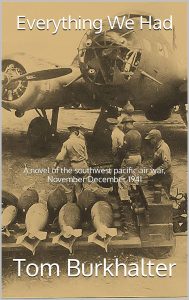
    EVERYTHING WE HAD: No Merciful War Book 1
    By Tom Burkhalter
    Series Awards First Place

    Everything We Had Cover

    Everything We Had, book one of Tom Burkhalter’s No Merciful War series is an inexorable thrill that will grip readers tight. It starts with a poker game, through which a main character’s luck soon becomes evident. But will that luck hold out?

    Jack—the poker player—and Charlie—Jack’s older brother—have been separated by war, even though that war has yet to be declared. Everything We Had focuses more on the machinations leading up to US involvement in World War II than on actual combat. The gears of war that have so many young men caught in them move with gradual but inevitable force, and so Everything We Had takes a more thoughtful approach to a historic moment in time.

    Connecting with the characters is a gradual process as you get to know the intricacies that make up their individual personalities. This sets the reader up to feel the emotions of the characters as they face an uncertain fate, and throughout the book the author’s clear and methodical research shines with details such as specific views, locations, and—most notably—comprehensive descriptions of the airplanes Jack and Charlie pilot. This allows the reader to become deeply familiar with the motivations of the characters and the capabilities of the airplanes they fly.

    Read more here!

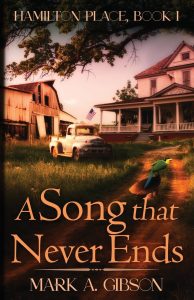
    A SONG THAT NEVER ENDS: Hamilton Place Book 1
    By Mark A. Gibson
    Series Awards First Place

    A Song that Never Ends Cover

    A Song That Never Ends, the first volume of a two part series by Mark A. Gibson, opens a dramatic fictional saga of the Hamilton family from the late 1930s Depression era, to 1967 and the Vietnam conflict. Here against the backdrop of a South Carolina tobacco farm, we come to witness a family in turmoil.

    The calm and reserved Walter Hamilton and his rebellious, impulsive wife Maggie strive to build a life and raise a family. But the couple is tested by a series of misfortunes—miscarriages and stillbirths, and Walter’s enlistment during WWII leaving him with guilt-induced PTSD as he deals with the memory of fallen comrades.

    At the center of this heartfelt story is James, the middle child, who at the tender age of eight is forced from his home due to a horrific accident and sent to live with a widower uncle.

    Read more here!

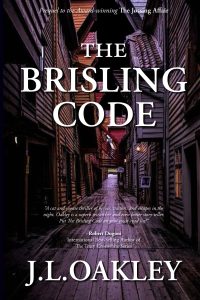
    THE BRISLING CODE
    By J.L. Oakley
    Hemingway First Place Winner

    The Brisling Code Cover

    In The Brisling Code, a fast-paced first installment of her historical thriller series, Oakley weaves a brilliant portrayal of the perils met by the Norwegian Resistance during WWII.

    Layered perspectives—from resistance workers, traitors, and even an SS Officer—create a rich world through which readers can understand the sacrifices that were made to free our world from the tyranny of Nazi Germany.

    Immersed in volatile Nazi-occupied Bergen, Norway, fearless young intelligence agent Tore Haugland and his team of organizers work tirelessly to protect the essential work of the Norwegian resistance.

    Read more here!


    Thank you to everyone who has entered the CIBAs, with a special recognition  to those who keep the past alive! Good books for young people matter!

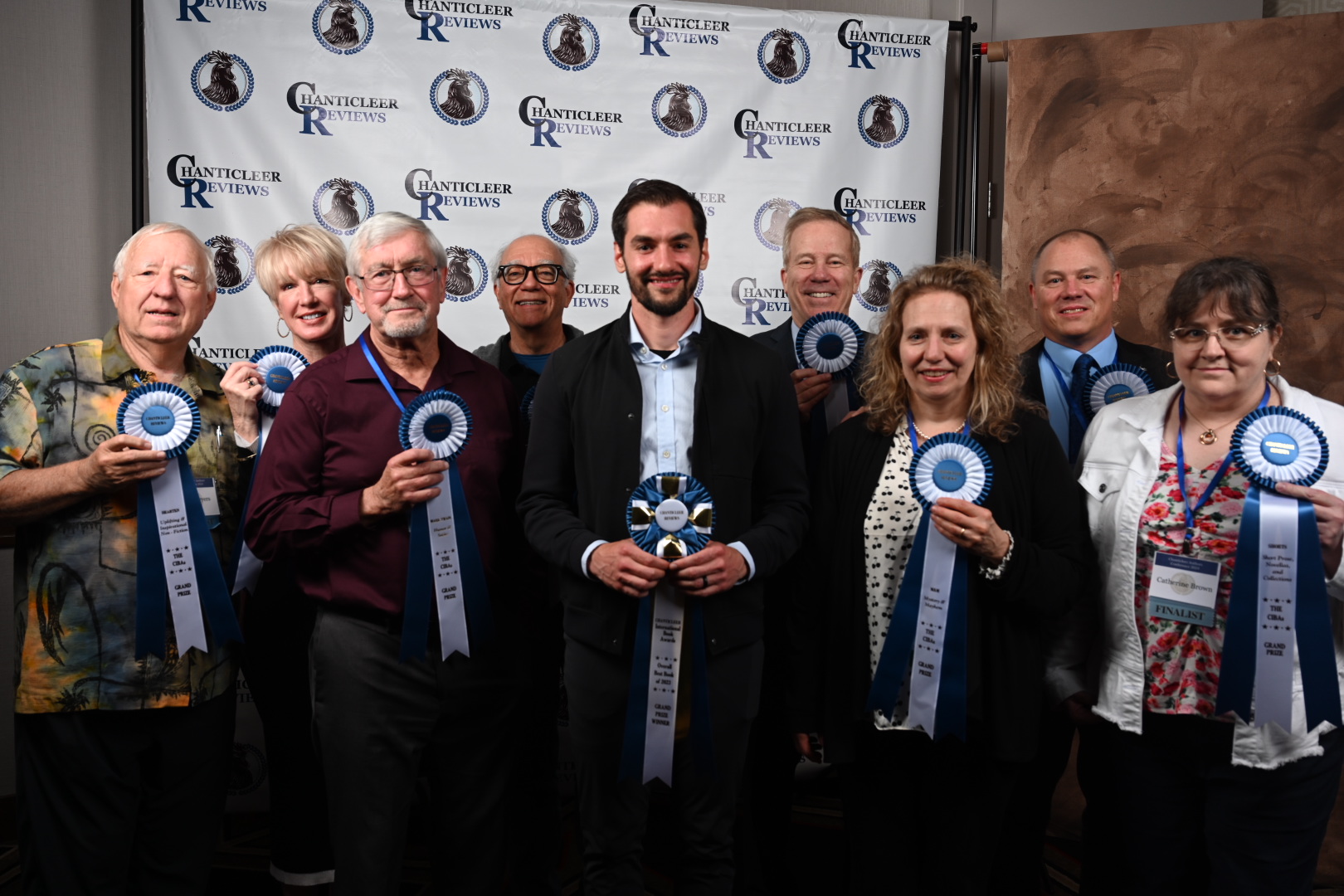
    The winners of the Dante Rossetti Awards will be announced during the 2024 Chanticleer Authors Conference. First-place winners receive the coveted Chanticleer Blue Ribbon, and the Grand Prize laureate commands the spotlight, epitomizing the exceptional YA Fiction genre talent.