From the 2023 Laramie Division Grand Prize Winner for Americana and Western for his book The Last Man, we have a brand new Chanticleer Author Interview!
Thomas Goodman won the Grand Prize in the Laramie Division of the 2023 Chanticleer International Book Awards for his novel, The Last Man. The Laramie Book Awards recognize emerging new talent and outstanding works in the Americana and Westerns fiction genre. The Laramie Book Awards is a division of the Chanticleer International Book Awards (The CIBAs).
The Laramie division includes:
Western Romance, Adventure, Caper, Classic Western Romance, Adventure Caper Classic Western,
Civil War/Prairie/Pioneer, Contemporary Western, Americana, and First Nation
Join us in getting to know the thrilling writing of the Western genre’s newest talent, Thomas Goodman!
Chanti: Tell us a little about yourself: How did you start writing?
Goodman: I first heard the story of the 1927 Santa Claus Bank Robbery in the 1990s when I lived in the small Texas county where it took place. All the accounts ended with the deaths of three of the four robbers, with little information about the life of the last surviving member of the gang. As it turns out, the details of his spectacular prison escapes and eventual rehabilitation are as fascinating as the violent endings of the other three robbers. By the time he died in his 90s around the same time I learned of the robbery, he had received a full pardon and had been a married model citizen for 50 years. In his honor, I named my book, The Last Man: A Novel of the 1927 Santa Claus Bank Robbery.
Thomas Goodman donating his book, The Last Man, to “Books for the Brave,” which stocks military bases with books the troops can read for free.
Chanti: Let’s talk about genre. What genre best describes your work, and what led you to pick that genre for your writing?
Goodman: Identifying the genre was a challenge. It’s closely based on a true crime, so it’s non-fiction; but telling the story required some measure of speculation, so it’s fiction. Like any good novel in the crime genre, it’s a grim and violent story; and yet like any compelling novel in the inspirational genre, it’s a redemption story, too. And the story begins in the 1920s with an old-fashioned bank robbery in a small Texas town, which makes it a Western; but the story ends in post-WW2 society, which makes it historical fiction.
Thankfully, booksellers and libraries allow books to be cataloged in various genres, but my “go-to” answer when asked about the genre is “historical crime fiction.”
Chanti: What about your own personal writing structure day to day? Do you have a routine?
Goodman: Since I have a full time job, I write 3 days a week from 6:00-8:30am before the office day begins. Between the 2 approaches to writing–the “plotters,” who create a broad outline of the plot before they begin, and the “pantsers,” who start writing and just see what develops–I am definitely a “plotter.” That said, I’m often surprised at what a character decides to do or what turn my well-planned plot takes when I’m in the middle of writing.
Look for the Chanticleer Review of this Laramie Grand Prize Winner! Coming soon and will link to this article!
Chanti: It’s difficult finding time to consistently write. How do you approach your writing day to stay consistent?
Goodman: When I was at a writers conference six years ago, I met an author who had traditionally-published a series of cozy mysteries. She told me she would get up at 5am and write until 7:30am when it was time to go to her “real job” as an assistant elementary school principal. That gave me the idea to write from 6am until 8:30am when my office opened. Once I began to write under that schedule, I completed my book in 2 years.
Chanti:Who are a few of your favorite authors and how have they influenced your work.
Goodman: James Wade’s All Things Left Wild gave me the confidence to believe that the Western genre wasn’t a dead genre.
I also really like Texas author Paulette Jiles (News of the World, Chenneville, and especially Stormy Weather.) She strikes the right balance between situating her story in a world over a 100 years ago without bogging the plot down with a lot of details and explanations of how life used to be—a constant temptation for a historical fiction writer.
For prose that’s beautiful but not syrupy, I love Marilynne Robinson’s Gilead, Cormac McCarthy’s All the Pretty Horses, and Annie Proulx’s Close Range: Wyoming Stories.
Chanti: Reading books in our genre is so crucial to developing voice. What else has helped you grow your author chops?
Goodman: John Trumby’s The Anatomy of Story is helpful. So is Steven James’s Story Trumps Structure. Anne Lamott’s Bird by Bird is next on my list.
Chanti: Those are both great. Lamott is the starting inspiration for so many wonderful writers. Do you have any books about the business of writing that have helped you?
Goodman: Ricardo Fayet’s How to Market a Book and Amazon Ads for Authors was helpful. And David Gaughran’s book, Following, Strangers to Superfans, and Let’s Get Digital. Every author should read Tammi Labrecque’s Newsletter Ninja.
Chanti: And from that wealth of knowledge, what are your best marketing tips? What’s helped sell more books? How have you gained notoriety? What strategies have you used to expand your literary footprint?
Goodman: Get a desirable reader magnet and build your newsletter list; sign up for the festivals that fit your genre and engage with customers at your book table; convince customers to leave starred reviews at their favorite online bookstore and review sites, and give them the direct link(s) to those sites.
Author Tom Goodman, hiking McKittrick Canyon in the Guadalupe Mountains National Park.
Chanti: What are you working on now? What can we look forward to seeing next from you?
Goodman: I’m writing a novel around a minor character who showed up late in my debut novel. She’s in her 70s when readers meet her as a boardinghouse owner in The Last Man. I go back to 1905 when she was 35. It’s turning out to be a gentler family drama as opposed to the grim and violent story of my first novel. But I’m liking it so far. After that, I’ll probably return to the crime genre. I’ve discovered a true story from the very early 1900s in East Texas about a “pistol-packing preacher” who faced down a violent gang of bootleggers who was shredding his town to bits. Irresistible story!
Chanti: Before we let you go, who is the perfect reader for your book?
Goodman: Someone who likes historical fiction that closely tracks with real characters and events.
Chanti: Thank you, Thomas Goodman, for sharing your author journey with us. I am looking forward to seeing you at the next Chanticleer Authors Conference!
You can follow Thomas Goodman through his Facebook page here.
Thomas Goodman won the Laramie 2023 Grand Prize for his amazing true crime/historical fiction novel, The Last Man! And also, because he believed in his work enough to enter it into the Laramie division of the Chanticleer International Book Awards…
In other words, if you don’t enter, you will never know how your work stacks up against the other entries.
Announcing the Recipients of the 2024 Village Books Literary Citizenship Award!
The annual Literary Citizenship Award with the first recipients being recognized on Thursday, July 11, 2024 at Village Books, Fairhaven Village, Bellingham, Wash.
Recipients of this award are of diverse backgrounds and professions, but each have demonstrated a commitment to engage with the literary community with the intent of giving as much, if not more so, than they receive. This can take many different forms such as giving back to the literary community in a meaningful way, making yourself available to other writers as time allows to provide your knowledge and expertise, championing other people’s successes, and involving yourself in the local literary landscape of independent bookstores, libraries, and writing organizations.
Village Books, our local independent bookstore (and Chanticleer Authors Conference Book Room Manager) was founded in June 1980 and is a pillar of the pacific northwest writing community.
“Our literary world is a social ecosystem that relies on others: readers, writers, editors, reviewers, publishers, booksellers, and so on. The writing and publishing world is one made of relationships. Writing itself may be a somewhat solitary activity, but once the story or poem is ‘done’ we rely on others to read, share, and publish our work. Yet there are so many levels of participation from others in this community.” ~ Lori May, author of The Write Crowd: Literary Citizenship & The Writing Life
We invite you to join us to honor this year’s Literary Citizenship Award Ceremony recognizing the following three recipients.
Throughout both her personal and professional life, Linda has combined her passions for research and creative writing.
Linda is known for her roles as Library Director for both Whatcom Community College and La Conner Swinomish Library, though it’s her master’s degree in journalism that explains her curious nature to all who know her. An ardent friend to readers and writers, you’ll find Linda present at many book events, and she can always be relied upon to offer insightful questions. She is an active member of Red Wheelbarrow Writers, two book clubs, two critique groups, and you’ll find her work in anthologies including Whatcom Writes annual publications, the Salish Current, I Sing the Salmon Home, and co-editor of 52 Women of Whatcom. Linda helped found both Whatcom Reads and the Chuckanut Writers Conference, community institutions that bring readers and writers together.
Seán Dwyer writes nonfiction and fiction, both novels and stories.
He’s a Spanish professor in the Modern and Classical Languages & Literatures department at Western Washington University, speaks four other languages fluently, and is a songwriter. In 2015, a publisher was waiting for his debut novel manuscript when, in a matter of seconds, Seán’s teaching and writing careers were put on hold. Rear-ended at 50 mph while stopped at a crosswalk, Seán suffered two concussions in two seconds. His memoir, A Quest for Tears, chronicles his recovery from the brain injury that left him unable to read or write for more than a few minutes at a time. Before and since, he’s generously given so much to his community of writers through The Red Wheelbarrow Writers Group, as the president of Whatcom Writers and Publishers, regular contribution to anthologies, and as the ever-supportive host of Village Books’ Open Mics. He has branched out into boutique publishing, and the authors in his list have won multiple awards. Wherever you find him, you’ll experience firsthand his generous spirit.
David always holds true to his first love of Argentine tango, but when he’s not dancing, he writes.
The dance metaphor also holds true in his literary life as it’s a dance of relationships and cooperation. His work has appeared in EWU’s Inroads, WWU’s Suffix, Whatcom Writes, and HamLit but it’s his work with his fellow writers that seems to truly fuel him. He’s worked as the assistant publishing director at Village Books and is the current project manager for The Writers Corner Anthologies, which grew out of his many years as the skillful facilitator of the VB Writes Fiction Writing Group. David helps writers find their voices as an editor and coach and serving as the Communications and Marketing Manager for Chanticleer Book Reviews. He’s a tireless supporter of writers, wherever they are on their journey, and the most frequent question he asks is, “How can I help?”
We’re extra excited to celebrate Chanticleer’s own David Beaumier! David has been with Chanticleer for almost four years, not counting his time interning with us a decade ago. Seán Dwyer is also a usual suspect you can find at Chanticleer events, including our annual authors conference. We’re proud to support such amazing community members! Congratulations again to all recipients!
Village Books’ Literary Citizenship Award celebrates and thanks these three talented and dedicated community builders, community mentors, and community defenders.
They have each demonstrated, in their own unique way, the virtues that embody a Good Literary Citizen. For this, Village Books is awarding $1000 to each of them and hereby induct them into the Village Books Literary Citizen Hall of Fame which will be on permanent display in Village Books, Fairhaven.
Soar a Burning Sky won the 2022 OZMA Grand Prize Award for Fantasy Fiction!
with Award-Winning Author, Steven Michael Beck
Steven Michael Beck was the OZMA Grand Prize Winner for Fantasy Fiction at the 2022 CIBAs, hosted by the 2023 Chanticleer Authors Conference. His book, Soar A Burning Sky looks at a world linked to Earth’s, and both planets are in danger due to the harsh realities of Earth’s drastic climate change.
He is also an award winning commercial director and Visual Effects art director on films like Indiana Jones and the Last Crusade, The Abyss, and The Hunt for Red October.
We were so glad to meet Steven and Vicki back in 2023 and are delighted to present this interview.
Chanticleer: To begin with, tell us a little about yourself! How did you start writing?
Beck: Writing has always been part of the creative process for me. As a filmmaker, treatments and screenplays were, and are the preemptive language of my craft. Being able to convey characters, camera movement, narrative arcs complete evocative moments, could only be done by putting words to the page. Given I’d always had the practice, longform wasn’t much of stretch—or so I thought.
Chanticleer: Film and writing always seem to have huge overlap. We run into that a lot with Book to Screen interest at the Conference. When did you realize that, in addition to being a director, you were also an author?
Beck: Here’s the odd answer… I don’t want to be a writer. I have a story to tell, and I want to get it out before I’m no longer able to write anymore. Which isn’t the same thing as wanting to be a writer. What I’d love to be is a relieved human being, thankful we finally got a handle on climate change. I see my contribution to that resolution as being the writer on this one story.
Steven Michael Beck directing Isaiah Washington on the set of the Ghost Ship.
Chanticleer: The issues of climate change are serious, and we’re glad to see the shift in fiction to address this too. Would you say that’s the genre you focus on here?
Beck: My genre is eco-dystopian fantasy. Solving climate change, or at least putting a dent in it is an eco-dystopian fantasy. The only ones capable to do this are those destined to inherit it. Thus, I’m trying to speak to them directly.
Chanticleer: Tell us a little about your writing process. Where do you land on things like idea generation, writing, and writing rules?
Beck: Lol. Rules? There are rules? In coming up with ideas for a story, I imagine a scene, and then let it go. Before it hits the presses, I indent, and re-edit it several times in over in order to get it right. I imagine. It informs. We then edit together.
For the writing day, I write in the mornings until I’m starved. Then I break for lunch, and then edit in the afternoon. Can’t write at night, lest I take it to bed.
Where the writing magic happens!
Chanticleer: It sounds like you’re a fairly intuitive writer. When you’re not writing what are you up to?
Beck: I’m the type of person who’s constantly curious about the creative process. That said, I have a rather inflatable muse. She takes me everywhere; film, design, sculpture, writing, construction, architectural design… Wherever she goes, I follow.
Chanticleer: An inflatable muse? Oh, I hope there’s a picture that explains that! Thinking about the support of muses, what are areas in your writing that you are most confident in? What advice would you offer to writers struggling in that area?
Steven Michael Beck wrestles with his next scene as the Muse looms over him.
Beck: I’m most confident in writing dialogue. Again, I believe that’s due to all the years writing screenplays. Regarding advice… Listen to the conversations around you as you develop original voice. One informs the other.
Chanticleer: How would you say being an author affects your involvement in community?
Beck: It sorely keeps me from it. Writing is a monk’s existence—if you’re going to be good. Which means, you sequester yourself away for hours at a time, day after day, months on end. Sure, you could spend the remaining hours at some bar, Bokowski-ing it, but that’s not community.
Chanticleer: That’s unfortunate that it feels like being an author and participating in community are at odds with each other. Do you feel like there’s a way you can promote and improve literacy in your community still?
Beck: I’m a columnist in our local paper as well as being a local author. One feeds the other when it comes to community dialogue.
Chanticleer: That is so true. Thinking of people reading your column, who would you say is the perfect reader for your book?
Beck: Anyone ages 12-54 who’s concerned their world won’t be here someday. Hopefully I can convince them my work is fantasy.
Chanticleer: So often fantasy and reality intersect, which is one of the great joys of writing. As a final question, what excites you most about writing?
Beck: The sense of discovery. You never expect to find what you do when you write. It’s magical, frustrating, shocking, and complex, all at once. Which is odd when you’re writing a cookbook.
Steven and Vicky Beck at Chanticleer Authors Conference
Chanticleer: Indeed! Thank you so much for making the time for this interview!
You can sign up for the Napa Valley Register and read Beck’s column here.
Steven Michael Beck spent the last 30 years pursuing the art of storytelling through advertising, film, and television. Specializing in visual effects-oriented concepts (and their often-unique storylines), his direction has constantly reflected infatuation with animation—the notion that any object or idea either contained ‘life’, or could be conjured into such (needless to say, he had an imaginative childhood). These projects and life lessons have been nothing if not steppingstones, leading him to see the potential of a new type of storytelling through combinations of sculpture, photography, text, and found object.
That’s a lot of ground and a lot of books! The Other Murder was the first place category winner in the suspense/thriller category, and was awarded the Grand Prize as the Best Book among all the CLUE entries.
Kevin sat down with the Chanticleer Book Review to talk about his writing and his new novel, Double Takedown, coming out this fall!
Chanti: Thank you so much for joining us Kevin! Tell us a little about yourself and how you started writing?
Chapman: Normally I’m explaining to my lawyer colleagues that the unusual thing about me is that I’m a mystery writer on the side. For mystery readers, you might be interested to know that I’ve been an in-house attorney for a major media company for the past 29 years. I’m a labor lawyer and former chairperson of the Labor & Employment Law section of the Association of Corporate Counsel. The L&E section consists of over 7000 in-house lawyers. I led the ACC section and oversaw our educational programs and publications. I even wrote an article for the ACC magazine on a radical plan for improving how companies run their employee evaluation programs! Yeah, I’m a law nerd (and proud of it).
Chanti: We all are nerds about something! How did you develop the idea for your current novel, The Other Murder, (Winner of the CLUE Award Grand Prize this year) and what inspired you to explore the intersection of media and law enforcement?
Chapman: Because I’m a lawyer who works for a media company and writes crime thrillers, the most significant elements of my professional life all come together in The Other Murder. The story sprang from my non-original observation that pretty, affluent white girls who are missing or killed tend to dominate the news cycles. We often hear statistics about the number of murders and violent crimes in a particular city. We seldom (if ever) see significant media coverage given to a minority victim who isn’t rich and famous.
This phenomenon could be called “unconscious bias,” but is likely more a conscious choice by producers and media executives focused on getting the biggest ratings. Particularly in broadcast news, including 24-hour cable news networks, getting eyes on your story is the most important thing. The story that can be made sensationalistic and involves a victim that will garner sympathy and is relatable is the story you feature. That’s good economics, but leads to a slanted presentation of the world. I wanted to make this murder mystery a story that gets inside that culture and lets readers see all sides of the story as it unfolds.
Kevin and Sharon Chapman
Chanti: The story of The Other Murder involves two journalists and two homicide detectives. How did you approach developing these characters, and what challenges did you face in creating complex relationships between them while navigating the intricacies of the murder mystery?
Chapman: The real “leads” of this story are the two journalists. Each of them has positive and negative attributes and each makes choices that are both selfish and noble – the two being not mutually exclusive. I wanted my cable news producer to be understood in the context of her job, her bosses, and her ambitions. I wanted the print journalist to be understood as someone who could have a “better” job, but who has a calling both to journalism and to his community. Their interactions disclose their similarities and differences as well as the nature of the business in which they work. And, of course, it’s a murder story so there must be cops. Here, the cops don’t have all the information and need the help of the journalists.
The two partners have their own problems, including a recent incident that set them at odds. Through their eyes, the reader learns things the journalists don’t know and sees the way the media coverage affects the police investigation. Making the characters the focus of the story lets me tell the mystery story through interesting eyes.
I have always loved the mysteries of Sara Paretsky, whose characters are the heart and soul of her books. In the Mike Stoneman Thriller series, I had a fixed set of main characters be my narrators. They, and their minor-character companions, gave me a universe of backstories to weave into the mysteries. This stand-alone story has brand new characters for my readers to relate to and care about.
My goal, like Ms. Paretsky, is to make my readers as interested in the stories of the players as they are about the underlying “main” plot. The plot needs to hold them together, but the characters need to behave in a way that is both realistic and interesting.
Chanti: Many of your stories feature important social issues, woven into your murder mystery plots. Why do you do that, and what message do you hope readers will take away from this aspect of the story in The Other Murder?
Chapman: I always want my books to be entertaining, but I also want to make my readers think about issues that exist in the world and which often influence the stories I’m telling. Jason Dickson, Mike Stoneman’s partner, is a Black detective. He (and Mike) encounter racism inside and outside the NYPD and those issues play naturally into my plots. I try to let my readers make up their own minds about things, but also confront them with situations they need to think about.
In Fatal Infraction, for example (Mike Stoneman #4), the Black quarterback of a New York pro football team is murdered. The racially charged environment of pro football and the reaction of the community to a murder that may have been racially motivated is a big part of the plot.
In The Other Murder, the main plot involves subtle racism that permeates the media and, to some extent, the police and the city officials, who are driven by publicity (positive or negative) and public perception. When the media tells the public that a situation is a horrible tragedy and an example of a huge problem that needs to be fixed, crowds gather, memorials are created, politicians and activists make speeches. This causes the media feed on itself as it amplifies the story.
Government officials like the mayor and the police commissioner react by prioritizing that crime and devoting resources to solving it. Catching that killer matters because everyone is watching. In this story, the second murder involves a Latino boy with a history of gang membership. It garners no media attention and generates minimal police interest until cops discover that Javier Estrada’s murder may be connected to the white girl, Angelica Monroe. The immediately reported story is that Angelica was an innocent victim of urban gun violence. She becomes a saint. Javier Estrada is ignored.
Meanwhile, the two detectives on the cases are a white man and a Hispanic woman. Mariana is the only character involved in the police investigation who cares about Javier’s story. Similarly, only Paulo Richardson, the local newspaper reporter, cares about Javier’s portrayal in the press. Paulo wants to make people see the truth about Javier. Mariana wants her colleagues to see that the white girl isn’t always the victim and the Latino boy is not always the criminal. The investigation also lays bare the recent rift between Mariana and her partner, Dru Cook, arising from an incident of police brutality. Was that incident racially motivated? Dru didn’t think so. Mariana saw it differently.
In the end, once the reader has all the facts (or, at least all the different versions of the facts), the question of who is a little bit racist and where motives and biases get mixed together makes things a lot less clear cut. My hope is that the reader not only enjoys the story and cares about the characters, but that the tale makes them think a little bit about their own perceptions.
Chanti: The Other Murder challenges readers to guess what happened. How do you craft the tension in a narrative, and what techniques did you employ to keep readers engaged in solving your mystery?
Chapman: Each book has its own requirements. In Dead Winner, my stand-alone romantic mystery from 2022, the protagonist was entranced by a woman who induced him to both protect her and help her recover her lost lottery ticket. The suspense was what would happen and who was really pulling the strings. In the Mike Stoneman books, typically the mystery is who the killer is and whether/how Mike and Jason will catch them.
In The Other Murder, the mystery is what really happened. In the first draft of the story, chapter one gave the reader a view into all the events that happened leading up to and including the murders of Angelica and Javier. I realized after the first draft was done that letting the reader know what happened and then following the investigations by the police and the journalists with that knowledge was not fully satisfying as a mystery. The story was: “how are they going to figure it out?” rather than “what happened?”
So, I went back and deleted most of that first chapter and re-wrote the story so that the journalists and the police (along with the reader) are piecing together the facts, without knowing for sure who is giving them good information, which of their assumptions are correct, and what information they are missing. This allows the reader to guess where the characters have it right, and what might be wrong. Even at the end, nobody (including the reader) can be 100% sure they know the whole truth.
Chanti: The novel highlights the danger of the truth. Can you elaborate on the significance of this theme and how it plays into the challenges faced by the characters, particularly Hannah and Paulo, as they uncover disturbing facts?
Chapman: The tag line of the book was one of the first things I wrote after outlining the basic story. “Sometimes, the most dangerous thing…is the truth.” It is a common observation that humans are significantly influenced by what is called in psychology “recency bias.” Your strongest memories and emotions are attached to the things that happened most recently. It is also true in media that the first story is the one that gets imprinted in people’s memories, particularly if it sparks strong emotions. When asked whether one of two things is true, the one you heard first is the one you are more likely to believe.
One of the core messages of The Other Murder is that people need to be careful about believing the first narrative they hear. But the reality is that, once a set of facts is in your head, it is hard to push it out. This is especially true when the original narrative reinforces your personal views and political objectives. Telling people who are emotionally, financially, and politically invested in one version of a story that the story they heard and want to believe is really a false narrative – is a dangerous thing to do.
In the media world, once you have established your narrative and “hooked” your audience, it’s hard to switch gears and retain your viewers if you suddenly try to tell them that what you had been telling them is false and that there’s a new truth they should switch to. They are likely to switch – to a different news source that will reinforce their belief in the original story. That is part of the challenge facing Paulo and Hannah.
Chanti: That is so interesting! Do you find you often learn things from writing your books?
Chapman: I’m always doing research to make sure that I’m getting the facts right in my stories, which can lead me to strange places. Like into the on-board morgue on a cruise ship (of course they have one!) or into the intricacies of how the NFL players’ association collective bargaining agreement treats the bonus money paid to a player who later dies. It’s fun to figure it out, but I almost always need volunteer consultants to help me and keep me honest.
For The Other Murder, I researched the operation of a cable news network and consulted with a few experts in order to get the details and the terminology correct. I knew the print journalist world already, but merging them together with the police procedural story was a challenge and was fun for me.
In my next book, I’ve been consulting with a pharmacist friend about drug interactions and how a murderer might use easily available drugs to induce a fatal reaction if you know what other drugs your victim is already taking. Cool stuff!
Chanti: Are there any secrets in your books that only a few people will find?
Chapman: Oh, yes! Leaving Easter Eggs that will amuse a few readers who get the joke or the reference is great fun. Even if it’s only my wife and I who laugh. Sometimes it’s a name, a location, or a line of dialogue.
In The Other Murder, there are several references to things from my last book (Dead Winner). There is a location where key events happened in the last book, and an object that found its way from that book into this one. There are also references to characters from the Mike Stoneman books.
In the next book, there will be references to the two detectives from The Other Murder, who work in the same homicide division as Mike and Jason. I was even able to put a reference in Mike Stoneman #3 to a character who would be the murder victim in book #4. That’s so much fun.
Chanti: With that in mind, who is the perfect reader for your book?
Chapman: Lovers of murder mysteries, police procedurals, and romantic suspense will like my books. But what’s more important to me is that my readers be thinkers. If you don’t want anything in your books that raises difficult social/political issues and doesn’t make you examine your own biases and attitudes, then my books may not be for you. I don’t mind if you don’t agree with my characters, and I won’t be offended if you decide you didn’t like my subplots, but I want readers who accept a challenge. I also love readers who like to be surprised and who think they can figure out any mystery. Think you can figure out what happened? I dare you!
Kevin G. Chapman recording his audiobook
Chanti: It’s always a joy to try and figure out the next step as a reader. And speaking of which, what are you working on now? What can we look forward to seeing next from you?
Chapman: I’m currently in the final editing stage of the next book in my Mike Stoneman thriller series, titled Double Takedown. I left off with Mike, Jason, and the other characters from the series in Las Vegas in January of 2020. I decided that I did not want to write those characters living through the COVID-19 pandemic (interviewing witnesses while wearing masks, etc.). So I wrote two stand-alone books that are not set in any particular year, including The Other Murder. Now, I’m picking up Mike and Jason in the fall of 2023 as they are preparing for a trial stemming from a murder from May of 2022 and investigating a new murder from September of 2023. This story includes a character who is a social media “influencer” and explores what happens when the police develop “tunnel vision” during an investigation. Look for Double Takedown this fall.
Kevin Chapman writes award-winning suspense/thriller/crime fiction. His books, including The Other Murder,are now available on Amazon in both hardcover and print, and as an ebook on Kindle via Amazon.com at https://www.amazon.com/dp/B0CJN6W5NJ.
Paperbacks and hardcovers of all his books are also available through select independent bookstores and via Bookshop.org, which supports local bookstores. The audiobook version is available via CHIRP, iTunes, Googleplay, Roku, Nook (Barnes & Noble), LIBRO.FM (which also supports independent bookstores) and on Audible.
Readers can contact Kevin Chapman, see all his content, and download two free short stories and a free novella at www.KevinGChapman.com.
CHANTICLEER 10 QUESTION AUTHOR INTERVIEW SERIES
with Award-Winning Author, Dave Mason
Hello friends, we have another fabulous interview for you today. In 2021, Dave Mason took home the Grand Prize in the Hemingway Awards for his fascinating novel, EO-N. Here, he tells us how EO-N came to be and the subsequent heights it is now reaching! Take a minute or two and get familiar with Dave. You won’t be sorry!
Chanti: Tell us a little about yourself: How did you start writing?
Mason: In my day job, I’m a partner in a strategic design firm, so I write for my clients pretty much every day. For eleven years, my business partners and I hosted Cusp Conference — an annual conference “about the design of everything” — and one of our 2018 presenters suggested writing for fun as a way to reduce stress. I hadn’t written for anything like fun since about third grade, but that somehow made sense at the time, and I just started, mostly on the train to and from downtown, and mostly random stuff at first, but pretty soon my pattern-seeking brain began to put things together (news articles and my own sense of “what if”) and before I knew it, I had what seemed like the beginning of a novel. After sharing with some people who gave the rough manuscript an enthusiastic thumbs up, the damned thing took on a life of its own, and here I am, doing an author interview. Who knew?
Chanti: That’s funny. We knew! When did you realize that you were an author?
Mason: Still not sure that has been internally acknowledged!
Mason’s report card showing his writing chops early on.
Chanti: You’re cracking me up! Let’s talk about genre. What genre best describes your work? And, what led you to write in this genre?
Mason: Historical fiction / mystery? Is that a genre? Both EO-N and the works I have in progress are a little history, a little mystery, and a little contemporary social commentary. Maybe not a typical combination, but it gets me going.
Chanti: YES! Historical Mysteries or Mystery / Historical Fiction is certainl a genre! Owen Parry’s Call Each River Jordan: A Novel of Historical Suspense, Love in the Time of Cholera by Gabriel García Márquez, to name a couple. There are more, trust me. HUGE genre here. Do you find yourself following the rules or do you like to make up your own rules?
Mason: I didn’t realize there were rules. As I said, I never set out to write a novel in the first place. I just wanted some form of relaxation. That didn’t work out too well!
Chanti: You’re killing me. Seriously. Okay, how do you come up with your ideas for a story?
Mason: I’ve been fascinated with history my entire life. I spent my early childhood years in a small village in England, walking to a two-room school through the spooky graveyard of a church built somewhere around the 13th century. I’m the child of parents whose cities were bombed by the Germans, and my father was training to be an RAF pilot when the war ended (lucky for me!). When my family moved to Canada when I was eight, that opened up a whole new world of history to fire my imagination – stories of the Iroquois and Algonquin and Mohawk and coureur de bois were like gold to me. Plus, some archeologists uncovered an entire Roman fort in my little English village just after I moved away! So now I’m drawn to news articles and stories that pertain to newly discovered pieces of history, and I’m also highly aware of current world events and societal trends. So my guess is that my personal worldview + history resulted in EO-N, and is definitely embedded in new work I have on the go.
Chanti: What are you working on now? What can we look forward to seeing next from you?
Mason: I’ve got a couple of things going (Vikings meet Nazis meet NASA, for example), but just like EO-N, I have no idea if they’re any good or not. So as I did with EO-N, I’ll ask my wife if they’re any good (and she’ll say yes) then I’ll ask my siblings for unvarnished feedback (they have no problem providing that!) and will go from there. Both works in progress are in the same vein as my first book — history + mystery + contemporary societal themes, so I’m thinking maybe that’s my thing. Guess I’ll find out.
Chanti: How structured are you in your writing work?
Mason: I write when I feel like writing. And I don’t follow a structure. I recently learned the terms “plotter” and “pantser,” so I’ve tried to figure out which of those I am, and have come to the conclusion that I’m both — a “plantser”? I find I begin with an end in mind, then start, and figure it out along the way, doing all the necessary research and making adjustments as I go. Sometimes I feel as if the characters pretty much tell me what they should do, and I’m just along for the ride. Sort of. I have to admit that as a control freak in real life, it’s pretty cool to be able to create people and have them do crazy things. And kill them.
Chanti: That’s a lot of fun, I do have to admit! How do you approach your writing day?
Mason: With coffee. I like to write early in the morning. Like really early.
Chanti: I get it. When the house is still asleep. What areas in your writing are you most confident in? What advice would you give someone who is struggling in that area?
Mason: I’m not sure I’d say I’m fully confident in any area, but people tell me that my characters are real to them, that my plotting is solid, and that my research is sound. And maybe it’s my visual design background, but the people who ended up acquiring EO-N for film and TV told me they thought the book was “cinematic” — that they could see every scene and element in enough detail to make it real-ish. I have a friend in the live theater business, and he told me once that theater doesn’t happen on the stage, that it happens in the audience’s minds. That’s what I was shooting for with my novel. I didn’t realize it was called worldbuilding until someone used that word, and I googled it! So, my advice? That’s a tough one. The entire storytelling process is complex, and it seems to me you can get 95% of it right and still fail if the 5% takes the reader out of the world you’re trying to put them into temporarily. So it may seem obvious, but get it all as right as you can. Then have a bunch of people whose opinions you trust read it. Then make it even more right. And repeat that until you know you’re done. The grind is part of the fun. And words are a visual medium.
Chanti: I like that. Well said! It’s important to work on your craft. What do you do to grow your author chops?
Mason: I write more, and I listen to the people whose opinions I trust. Lather. Rinse. Repeat.
Chanti: Give us your best marketing tips, what’s worked to sell more books, gain notoriety, and expand your literary footprint.
Mason: I received interest in EO-N from a couple of publishing houses, but when they asked how I was going to market the book I have to admit I was taken aback. I naively assumed that’s what they would do, since I wrote it, my design firm formatted and designed it, and I had connections to editors. In the end, after learning more about the process (I knew nothing) I elected to self-publish. In my day job, I help people market their services and products, so it wasn’t a stretch to take that on. The usual mechanisms — substantial email lists, substantial social media usage (including advertising), and of course, gaining positive recognition in the form of reader reviews and of course awards such as The Hemingway Award (thank you!) are all fuel for the fire. Through those and other more mysterious factors like luck, EO-N ended up being acquired for film and television, which has also spurred interest, and to my continued amazement it has been a bestseller in the US, Canada, the UK, and Australia. My tip is: be good, be noisy, and be visible, because no one cares about your book until they do.
Chanti: Now, that’s what I call a success story! Congratulations to you!Who’s the perfect reader for your book?
Mason: I’m finding that out. EO-N is partly set in WW2, and involves some pretty dark stuff that’s historically accurate. In places it’s pretty action-oriented, and in others it’s pretty emotional. So, it really runs the gamut, and I’m finding out that it appeals to a wide range of people for different reasons. I’ve spoken with readers who are pilots in real life who’ve told me the flying scenes are spot on in terms of the technical stuff and riveting in terms of action. And I’ve spoken with a few book club members who admitted that EO-N was not a book they might have normally picked up, but that the emotional punch of it made them so glad they did. That surprise factor is a wonderful thing to hear.
Chanti: I think that’s what you call a book for just about everyone. Do you ever experience writers block? What do you do to overcome it?
Mason: This isn’t my day job, so I just don’t put that kind of pressure on myself. If it’s there, it’s there. If it isn’t, I’m somewhere else. It’ll happen when it happens.
Chanti: That’s very cool and probably helps a lot. What excites you most about writing?
Mason: I think it’s that I discovered (rediscovered?) something that I really enjoy. And that it actually does the thing that the Cusp Conference speaker said it would do. It relaxes me, while it energizes me. That’s a win-win. And if what I do gives someone a world they can immerse themselves in for a few hours, and they can come back to this one a little better for it, I’m happy.
Chanti: What is the most important thing a reader can do for an author?
Mason: If they enjoy the thing, talk it up! If they don’t, well, we can just keep that between us.
About Dave Mason:
Born in England and raised in Canada, Dave Mason is an internationally recognized graphic designer, a Fellow of The Society of Graphic Designers of Canada, and a co-founder of a number of software companies. He divides his time between Chicago, Illinois and Lunenburg, Nova Scotia. EO-N is his first novel.
Chanti: Tell us a little about yourself: How did you start writing?
Michael Cooper: That’s kind of a long story, but I’ll try to keep it under 1,000 words…
Having been active in Zionist youth groups throughout my formative years, I emigrated to Israel after graduating high school in 1966. Studying in Jerusalem for the first three years, I attended and graduated from Tel Aviv University Medical School. Then, after living, studying, and working in Israel for a total of eleven years, I returned to the US to specialize in pediatrics and pediatric cardiology.
Michael’s first arrival in Israel (center)
After working for about fifteen years as a pediatric cardiologist in a large multi-specialty medical care consortium, I found myself disenchanted with some worsening aspects of the approach to patient-centered care. While I wasn’t personally affected by these negative changes since, as a sub-specialist, I had demanded and received the opportunity to design my own practice, however, this wasn’t the case for my primary care colleagues. So, I decided to advocate for them. I began tilting against administrative windmills in the form of impassioned letters, but found that I wasn’t getting anywhere. Though I did enjoy the catharsis of writing those letters!
Tel Aviv University Medical School
So, I decided to just enjoy my pediatric cardiology practice, and to redirect my letter-writing to another area of my interest—the Middle East. At this point (the early 1990s) under the leadership of Israeli Prime Minister Yitzhak Rabin, there was finally a real peace process in the form of the Oslo Accords. But to my dismay, there was a good deal of angry push-back to Rabin’s efforts—both in Israel and here in the US. In this environment, I regularly published letters, opinion pieces and essays in support of Rabin’s peace efforts. Needless to say, I received more than a few angry responses.
Israeli prime minister Yitzhak Rabin (left), American president Bill Clinton (middle), and Palestinian political leader Yasser Arafat (right) at the White House in 1993
And as the peace process moved forward, the resistance to it increased. In the Middle East this resistance came from a seemingly bizarre and unholy alliance: on one extreme, ultra-nationalistic Jewish settlers, and on the other extreme, militant Palestinians such as Hamas—strange bedfellows in their vehement opposition to the peace-making efforts. And this angry resistance spilled over—into Israel, into the Jewish Diaspora, into the Arab street, and into the Arab Diaspora.
In Israel, this resistance reached a fever pitch in 1995 prior to parliamentary elections. Rabin’s efforts were not only rejected by Netanyahu and his right-wing allies, but Rabin was personally vilified as a crypto-Nazi and a traitor to Israel. The risk of his assassination, as assessed by Israeli security services, was high. And, indeed, after a huge pro-Oslo/pro-Rabin demonstration in Tel Aviv on November 4, 1995, Rabin was killed by a right-wing Israeli zealot with two shots to the back.
The shock to the Israel public and the world-wide Jewish community was profound. And after Rabin’s death, and with the ascension of a right-wing Israeli government under Netanyahu, the peace process grew dormant and eventually, died.
For catharsis, I initially turned from writing letters and op-ed pieces to writing historical fiction set in the Holy Land at pivotal points of history. This was also my way of trying to insinuate a message of coexistence and peace into a vehicle that, unlike my previous writing, might succeed in changing a few hearts and minds. I began with historical fiction set in British Mandatory Palestine in 1948—Foxes in the Vineyard. This was followed by The Rabbi’s Knight, set in the Holy Land at the twilight of the First Crusade in 1290. Lastly and soon-to-be-released, is Wages of Empire, largely set in Ottoman Palestine at the beginning of WWI.
Michael J. Cooper examining an infant
Beginning in 2007, I also turned to volunteer work for a US-based NGO (non-governmental organization) offering pediatric specialty services to children within the Palestinian Authority. In doing about two missions per year since then, I’ve attempted to be part of the solution as a pediatric cardiologist for children with limited or no access to care.
As of this writing, recent events in Israel/Palestine would suggest that things have only grown worse. But I won’t be deterred. I will continue to write, work, speak, and advocate for reconciliation and peace. And, in the words of Forest Gump, “That’s all I have to say about that.”
And it only took 684 words.
Chanti: When did you realize you that you were an author?
Cooper: In December of 2011—the first time I held my first published book in my hands. I had dedicated the book to my big sister, Adrienne. She had fallen ill a few months before, and I was gratified to have been able to share that moment with her before she died.
Chanti: Talk about genre. What genre best describes your work? And, what led you to write in this genre?
Cooper: I write in the genre of historical fiction with added elements of mystery, action-adventure, mysticism, and a dash of romance. Having lived in Israel during my formative years (between the ages of 17 to 28), I had fallen in love with the immediacy of history that waited for you around every corner. The historical events and, indeed the historical characters also provided the scaffolding of a story that was, at once, very old, and still being written. As I researched and wrote all three books, I was pleasantly shocked by fascinating elements of hidden history, unsolved mysteries, and unbelievably engaging and bizarre characters that practically wrote themselves into the books.
Chanti: Do you find yourself following the rules or do you like to make up your own rules?
Cooper: As mentioned above, the advantage of writing historical fiction is the scaffolding, or to switch metaphors, the loom of the historical timeline you’re working with. As the historical characters move within the fabric of that framework, it’s great fun to weave the fictional characters into the pattern, creating a wonderful tapestry.
As to rules, I would paraphrase a line from the 1974 movie, Blazing Saddles (replacing the word ‘badges’ with rules), “Rules? We don’t need no stinking rules!” (a version of that line appeared in the 1948 film, The Treasure of the Sierra Madre, and before that in a 1927 novel of the same name).
Another and more sophisticated way of expressing the same idea is to quote the great Somerset Maugham, who famously said, “There are three rules for writing a novel. Unfortunately, no one knows what they are.”
Somerset Maugham
Chanti: What do you do when you’re not writing? Tell us a little about your hobbies.
Cooper: Having already gone on and on about my work as a pediatric cardiologist for forty years, I would note that I’ve enjoyed running for the past 45 years, though I now do it considerably less often and am considerably slower. I used to play and perform folk music on guitar, banjo, and mandolin, though when I began writing about thirty years ago, I gradually redirected my creative energies away from music. Now that I’m retired, and when I’m not writing, traveling for research, and puttering around the house, I’m hoping to increase my volunteer work in Palestine.
Michael J. Cooper running in a marathon
Chanti: How do you come up with your ideas for a story?
Cooper: As noted above, the storylines arise organically from the historical timeline and from the different historical characters—creating a portrait that is enhanced by the fictional characters who allow for additional surprises, plot twists, betrayals, loves and alliances. As the book progresses, it’s a pleasure for me to watch the weave tighten as the different storylines are drawn together. I hope it’s also a pleasure for the reader.
Michael J. Cooper with his two First Place Ribbons before one is upgraded to a Grand Prize!
Chanti: How structured are you in your writing work?
Cooper: Not at all. When I was working full-time, I’d get up early to write or do some research for an hour or so. Then while commuting to work (sometimes up to an hour or more), I’d ruminate about what I’d written or read, and made mental notes about plot twists, opportunities for conflict to build tension, or the need for a particular fictional character to do something unexpected. Once at work, I’d scribble these ideas down during gaps in my workday. After work, (and after the kids’ homework, and once they were asleep), I’d write drafts from the ideas that had germinated during the day. Then I’d print out drafts, bring them with me to work or have them with me on family outings, and during quiet stretches of time, and using a #2 pencil with a functioning eraser, I’d read the draft aloud and edit. At work, that might happen during a lunch break while sitting outside (weather permitting). During family outings, the settings for writing and editing were more varied, ranging from video arcades, amusement parks, ski trips, RV trips, etc. Now that I’m retired and the kids are (generally) on their own, I have vast stretches of time to research and write, but again, without any rigid structure.
An early writing session with the kitten looking on
Chanti: How does being an author affect your involvement in your community?
Cooper: During my years as a practicing pediatric cardiologist, I felt that I had a certain degree of “street cred” in my community. And by that, I refer to the quality of being “worthy of respect.” As an author, I feel a certain enhancement of my “cred,” insofar as those who used to vehemently disagree with me about the Israel/Palestine question, now seem more willing to acknowledge an alternative narrative of coexistence and peace instead of confrontation and endless strife.
Chanti: What are you working on now? What can we look forward to seeing next from you?
Cooper: That’s easy. I’m putting the finishing touches on the next book in the “Empire Series,” Crossroads of Empire, which immediately follows Wages of Empire. I’m determined to see it published in 2024. And after that will come the next in the series, End of Empire. At that point, I’ll probably leave it as a trilogy. Or not.
Note from Chanti: Crossroads of Empire is in the 2023 CIBAs!
Cooper won the Grand Prize in the Dante Rossetti Awards for YA Fiction
Chanti: Who’s the perfect reader for your book?
Cooper: Wages of Empire will appeal to a wide swathe of readers beginning with those WWI aficionados who enjoy a thrilling novel of historical mystery with elements of romance and international intrigue. Readers of all ages and particularly young readers will enjoy the classic hero story of a young man coming of age at a pivotal moment in history and risking everything to play a role in the unfolding of history. Likewise, readers coming from diverse backgrounds will appreciate the cross-cultural and universal appeal. And in this turbulent time in the Middle East, readers concerned about the prospects for peace in that troubled part of the world will appreciate an informative and historical narrative of coexistence.
As it happens, Wages of Empire is a novel about war in a time of war—holding up a mirror that reflects on the current paroxysms of violence in the Middle East, and asking the question: What does that history have to do with the present?
In a word?
Everything.
Michael Cooper writes historical fiction set in the Middle East;Foxes in the Vineyard, set in 1948 Jerusalem won the 2011 Indie Publishing Contest grand prize andThe Rabbi’s Knight, set in the Holy Land in 1290 was a finalist for the 2014 Chaucer Award for historical fiction. Coming in December of 2023,Wages of Empireset at the start of WW1 won the CIBA 2022 Hemingway first prize for wartime historical fiction and the grand prize for young adult fiction.
A native of Berkeley, California, Cooper emigrated to Israel in 1966, studying and working there for the next decade; he lived in Jerusalem during the last year the city was divided between Israel and Jordan and graduated from Tel Aviv University Medical School. Now a pediatric cardiologist in Northern California, he travels to the region twice a year on volunteer missions for Palestinian children who lack access to care.http://michaeljcooper.net/Michael Cooper’sWages of Empirelaunches DECEMBER 2023.
Let’s get to know Laurel Anne Hill a little better. Read on!
Chanti: Tell us a little about yourself, how did you start writing?
Hill: Born in 1943, I started writing stories before I could read. My older sister would write down the words I told her to, inside a paper tablet. I’d fill in the blank places with pictures I’d cut out of comics or magazines. My first published short story—Nancy Saves the Day—appeared in the children’s section of a major San Francisco newspaper when I was eleven years old. For this I received the payment of two dollars, enough money to see eight double features at my local movie theater if I hadn’t decided to spend the money on something else.
My craft may have been questionable, but I’d become a published author.
My publications as an adult include three award-winning novels, over thirty short stories, many short nonfiction pieces, and one scientific paper.
Chanti: Some of those awards are from Chanticleer! Let’s talk about genre. What genre best describes your work? And, what led you to write in this genre?
Hill: I mostly write speculative fiction: science fiction, fantasy, steampunk and horror. My warped brain has loved to create that sort of stuff since the third grade, when my parents took me to the theater to see Bela Lugosi’s “Dracula.” During the many years I worked professionally in the field of environmental health and safety, I even described my on-the-job writing assignments as “science facts, written in response to governmental fantasy, in order to avoid regulatory horror.” My novels and many of my short stories feature young adult protagonists.
Chanti: Do you find yourself following the rules or do you like to make up your own rules?
Hill: I like to follow what I call “standard good writing practices,” the information I’ve learned (and continue to glean) from writing mentors and experts in the field. I stray from these rules when the story I’m writing demands me to deviate. For example, in Plague of Flies: Revolt of the Spirits, 1846, my protagonist, Catalina Delgado, narrated in first person present tense. One-third through the first draft, I realized I needed a second point-of-view character to provide information only an antagonist could. Two first person point-of-view characters would have confused readers. I opted for a hybrid point-of-view, like I’d experimented with in my second novel, The Engine Woman’s Light. This approach of one first person and one third person narrator solved my problem.
Chanti: What do you do when you’re not writing? Tell us a little about yourself and your hobbies.
Hill: When I was growing up, my family was poor, and my dad was an alcoholic. Three generations resided in a two-bedroom, one-toilet rented flat in San Francisco. I wanted to attend college, but realized I’d have to earn the money to do so. I entered every essay contest open to public high school students in the city and won enough money to pay for four years of college tuition and books at San Francisco State College. In 1967, I graduated with a degree in the biological sciences. In 1978, four years after I’d left my psychologically abusive first husband for a far better man, I earned my Master of Science degree at California Polytechnic State University.
In my twenties, I loved to skin and SCUBA dive, and ride a surf mat down miles of California’s white-water river rapids. I also experimented with oil paints and underwater photography. By my early thirties, I still did skin and SCUBA periodically, painting and underwater photography, but I’d married a widower with two teenage sons and one preteen, and joyfully accepted my family responsibilities. Immediately, I expanded my cooking repertoire. All those wonderful guys loved to eat.
Back then, I worked at San Francisco General Hospital as a nuclear medicine technologist. My husband owned a cabin in the Sierra foothills, and we would spend at least one weekend a month there. Our daughter was born when I was thirty-five years old. I didn’t start writing as an adult until my early fifties. By then, our daughter was a teen, the three “boys,” long-since grown, and our cabin sold.
Aside from our annual family fishing trip, my “hiking” became mostly limited to traversing the 53-acre site where I worked in environmental health and safety. When I retired in 2008, I joined my husband on his daily walks up-and-down-the hills where we resided—up to three miles daily. Now, as a widow, my physical therapist has assigned me exercises in response to the three major falls I had a couple years ago. My “hobby” has become enjoying my amazing family and learning a path to improved health. I also serve as secretary of my high school alumni association and a member of my local Methodist church.
Chanti: That’s incredible! Paying for university by writing essays? Amazing! Thank you for sharing some of your history. How do you come up with your ideas for a story?
Hill: Since my childhood, characters (often armed with their own adventurous tales) have popped into my dreams and conscious thoughts. Up until the second or third grade, they were like imaginary friends, except I understood they weren’t real people. After that, some of them gradually morphed into a cast of characters for possible future stories. Throughout the past thirty years, characters have moved into my mind with their own stories to tell as the need arose. I’ve often said that a main character has to feel real in my head before I can make him/her/they “real” on the page. Once characters and I start communicating inside my brain, my ideas flow.
Chanti: How do you approach your writing day?
Hill: Before I retired from my job as an environmental health and safety specialist at a pharmaceutical research and development site, my writing time was early in the morning, after dinner, and/or as weekends allowed. Once retired, I wrote at the table while my beloved husband sipped coffee and read the morning paper or while he watched the evening news. I would write in-between my household, family and other obligations. After my husband passed away six years ago, my “approach to my writing day” has consisted of consulting my kitchen calendar in the morning, then deciding the best time to grab my laptop, open it and start working.
Chanti: What areas in your writing are you most confident in? What advice would you give someone who is struggling in that area?
Hill: I’ve had over thirty of my short stories published since 1995, served as the editor-in-chief for three anthology collections, and assisted in the editing of several others. I’ve also judged a number of short story contests. I love the short story as a writing medium, but caution new writers to consider the following advice before creating one: The short story is not a very, very short novel. Remember to avoid the temptation to use subplots and multiple point-of-view characters. Read a lot of short stories in your preferred genre. Reading the classics is great, but read plenty of contemporary pieces to see what’s getting published today.
Chanti: That’s great advice! What craft books have helped you the most?
Hill: You might laugh, but I vote for Writing in General, and the Short Story in Particular by L. Rust Hills, first published, I believe, in the late 1970s. I read a lot of classical literature years prior to my first attempt to write a short story as an adult. Despite my Craft of Fiction class in college, I never understood that the difference between a short story and a novel involved a lot more than length. Nor did I comprehend the ways in which the modern novel had evolved in the twentieth century. The diagrams in Orson Scott Card’s Characters and Viewpoint(1988) helped me visualize the differences between the various point-of-view options writers have. Recently, I discovered a website blog by David G. Brown that explains what I’ve been learning at conferences about point-of-view for the past ten years. [Go to: https://darlingaxe.com/blogs/news/history-of-pov.]
Chanti: Thank you for that information. Give us your best marketing tips, what’s worked to sell more books, gain notoriety, and expand your literary footprint.
Hill: I’m active in the California Writers Club and participate in their “Writers Helping Writers” outreach programs. I’ve been a program participant at many science fiction/fantasy “cons” internationally for fifteen years. I’ve run Amazon book promos, with up to 3,000 book sales (and Amazon best seller status in particular categories) over the promotional period. My most recent novel, Plague of Flies: Revolt of the Spirits, 1846, has won seventeen awards and a number of excellent professional reviews. My previous novel, The Engine Woman’s Light, won thirteen awards and received a Kirkus Star. Yet my overall book sales are not particularly impressive. At age eighty, I’m still not sure what the heck works at all, let alone the best. With luck, maybe I’ll figure it out by the time I hit ninety.
Chanti: You figure it out and let us know, okay? What are you working on now? What can we look forward to seeing next from you?
Hill: I’m writing a steampunk fantasy set in Mexico and California in the nineteenth century. Working title: Saints of Fire. In this novel, the mass murder of family members forces a Mexican woman and her two daughters to flee into hiding from the unidentified perpetrators. The spirit of her now-deceased husband seeks to identify the persons responsible for the disaster, but death has stolen most of his memory. He finds he can only communicate with his fifteen-year-old daughter. Gradually, he and his daughter start to realize he might have played a role in the horrific event.
Chanti: That actually sent chills up and down my arms! Do you ever experience writers block? What do you do to overcome it?
Hill: I have never been blocked from writing words. Writing the best words, however, can pose a challenge. Sometimes, I’ll stare at the screen, pour another cup of coffee and keep mulling over possibilities until the answer materializes in my gray matter. Other times, I’ll move to a different part of my manuscript and work there. Eventually, I’ll find my words in all the places I need them to be.
Chanti: What excites you most about writing?
Hill: The ability to combine words, ideas and art to create a piece unique to me—a dynamic adventure with authentic, engaging characters. I’m excited by the possibility of touching another human heart and changing that organ’s owner in some small yet positive way.
Chanti: What is the most important thing a reader can do for an author?
Hill: Some might say to read the author’s latest book and give it a good review on Amazon. Then recommend that book to other readers. Some might say to read multiple books by the same author. Those are both important. Yet I really hope at least a few of my readers will allow my words to touch their hearts—to encourage them to modify their thoughts and lives in a positive manner, if only in some small way.
CHANTICLEER AUTHOR TEN QUESTION INTERVIEW SERIES with Elizabeth Crowens
Author Elizabeth Crowens has been coming to our conferences (CAC) for a while now – and it is always a good time when she does. In fact, Elizabeth took home the GRAND PRIZE in TWO Divisions in 2021~ The SHORTS Awards for New York: Give Me Your Best or Your Worstand scored majorly in the CYGNUS Awards for A War in Too Many Worlds. And her literary agent just negotiated a 3-Book publishing deal. She is funny, smart, and cares deeply for her fellow authors. In short, she’s a perfect Chanticleerian! I want you to meet her – Elizabeth Crowens.
Chanti: So, Elizabeth, when did you realize that you were an author?
Crowens: When I realized it was too complicated and too expensive to make elaborate feature films all by myself. This, of course, was in the pre-video and pre-smartphone days of motion picture cameras and processing outrageously expensive film stock, of which I had firsthand experience in a film school which touted experimental and avantgarde auteurism rather than commercial productions.
Although I had the cinematographer’s eye, women in that realm faced a lot of restrictions, so I veered toward screenwriting. Never made my mark in that commercial arena either, but I did start a first draft of a novel, which stayed in my closet for many years until I took it seriously, polished it, and had it published. Now, there are three novels in that series, the latest of which is A War in Too Many Worlds, which won last year’s Grand Prize in the Cygnus Awards. The first book of that series, Silent Meridian, won First Prize in the Goethe Awards, and the second book, A Pocketful of Lodestones, won First Prize in the Paranormal Awards. There will be one more novel, The Story Beyond Time, before I complete my Time Traveler Professor series.
Chanti: It always amazes me how much you juggle in your work. Good on you! But, how do you come up with your ideas for a story?
Crowens: There’s always something personal when it comes to my story ideas. For my anthology, New York: Give Me Your Best or Your Worst, for years I had always wanted to publish a coffee table book using my photography. When I inadvertently stumbled upon an artist’s grant which could give me that opportunity, I gave it a whirl, not expecting anything to come of it. However, there was one caveat—I had to involve others. That’s when I pitched the project like my popular Caption Contest on Facebook and was really surprised when I won one of those grants. Regarding other stories—they come from all over the place but, once again, there’s always a personal connection some way or other.
Chanti: How do you approach your writing day?
Crowens: If I can wake around 4:30 am and write until 9:00 am when the “business day” begins, that’s considered a productive day. It’s quiet then, and I don’t have to worry about being interrupted by robocalls or having to deal with the frustrating mundane stuff like booking doctor’s appointments or arguing with inept billing departments over why I don’t owe their bills. Hate that stuff with a passion, and it totally gets me out of the creative zone.
Chanti: Ugh. I hate the robo calls! How structured are you in your writing work?
Crowens: To expand upon the previous question, once I’m out of the zone, there’s no way I can force myself to get back on track. Once I have the spare time, I’ll concentrate on reading or watching a film—in the name of research, of course. Got to stay productive—no matter what.
Chanti: Smart. What areas in your writing are you most confident in? What advice would you give someone who is struggling in that area?
Crowens: Dialogue. I think that comes from my screenwriting background. Script length is roughly 110-120 pages. My weakest area would be in setting descriptions and sensory reactions. In screenplays, nearly all of that is eliminated unless it’s vital to the script.
What it’s like to be bi-coastal!
Chanti: That’s good advice. You work in novels and film – two very different practices, two very different places – so I want to ask you about your craft. What do you do to grow your author chops?
Crowens: I attend writer’s boot camps and conferences—a lot of them.
Chanti: We’re always happy to see you at CAC! What craft books have helped you the most?
Crowens: Story Trumps Structure by Steven James. Anything by Donald Maas or James Bell. Stephen King’s On Writing is a classic. Writer’s Digest publishes a lot of good ones.
Chanti: What are you working on now? What can we look forward to seeing next from you?
Crowens: It might be a while since you see my final alternate history/science fiction novel in the Time Traveler Professor series, because I’ve been concentrating on Hollywood mysteries. One of the reasons why I like entering in the Chanticleer Author Awards is that they allow unpublished manuscripts to compete against the published ones. I have three unpublished mysteries which have won first prizes in various categories, and I’m keeping my fingers crossed that the one my agent is currently shopping, will leap beyond a finalist this year in the M&Ms or the Clue Awards.
Chanti: Best of luck to you in the CIBAs! They don’t let me near them, so luck is the only thing I can offer. Do you ever experience writers block? What do you do to overcome it?
Crowens: There are two instances where I hit a wall. One I mentioned previously, and that’s when I’m knocked out of the zone. The other is that cooling off period when I’m completely done with a project. During that time, I catch up on a lot of books and movies, many of which have no relation whatsoever to anything I might need for research on a future book. That’s the time to hit my TBR pile. Often, they might be novels from an author I know.
Chanti: I like how you handle that. It’s productive – and sounds like it’s predictable as well. Good for you! What is the most important thing a reader can do for an author?
Crowens: Give us reviews! Post them on Amazon, even if it isn’t a “verified sale” on Amazon and you purchased your copy at a retail store or book fair, and on Goodreads. NetGalley. Blog about them.
Chanti: You heard it from the author, herself! The most helpful thing is to write the review – and talk up the books!
EXCITING NEWS for Elizabeth Crowens – This just in!
We are beyond thrilled to announce that Elizabeth received a 3 Book Deal with her agent, Elizabeth K. Kracht for her Babs Norman 1940s Hollywood Mystery series. The Deal was announced in Publishers Marketplace. Here’s a link to her website where the good news is also mentioned, and another link to her Facebook announcement: https://www.facebook.com/thereel.elizabeth.crowens
Now that’s something to crow about!
Elizabeth entered her unpublished manuscript, Babs and Basil, and the Hounds of the Hollywood Baskervilles, into the Mark Twain Book Awards division of the Chanticleer International Book Awards where it was awarded a First Place Blue Ribbon.
Elizabeth Crowens has worn many hats in the entertainment industry in NY and LA for over 25 years. Writing credits include short stories and articles in Black Belt, Black Gate, and Sherlock Holmes Mystery magazines, stories in Hell’s Heart and the Bram Stoker Award-nominated A New York State of Fright, and three alternate history/SFF novels, which she self-publishes under the name of Atomic Alchemist Productions. Recipient of the MWA-NY Leo B. Burstein Scholarship, NY Foundation of the Arts grant to produce a self-published, photo-illustrated anthology, a Glimmer Train Honorable Mention, an Eric Hoffer Award First Prize, two Grand Prize and four First Prize Chanticleer Review awards. She is represented by Elizabeth K. Kracht at Kimberley Cameron & Associates, is currently writing in the Hollywood mystery genre, and is seeking a traditional publisher.
If you would like to learn more about Elizabeth Crowens author extraordinaire, please like and follow her on her webpage: https://www.elizabethcrowens.com/
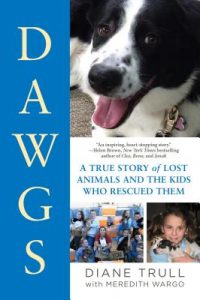
Chanti: Tell us a little about yourself: How did you start writing?
Wargo: When I was first learning how to write, I used to copy Dr. Seuss’ books verbatim. From there, I started penning my own stories, always using colored construction paper and crayons as my medium. I would add little drawings to illustrate the story and staple my “book” down the long edge of the paper. My drawings were never that good, so I think that influenced my decision to focus on writing at an early age! But when I started college I chose music as my degree because I had taken piano lessons for ten years. After one semester of practicing in a tiny cubbyhole in the basement of the school’s music hall for hours every day while my roommates were out living life as normal college freshmen, I changed my major to journalism, realizing I’m happiest when I’m writing.
Chanti: That’s wonderful! I’m glad you discovered your happy place early on. What a life changing decision. Besides, you can always play the piano, right? Let’s chat about your writing. Describe your work. And, what led you to write in this category?
Wargo: Most of my professional career involved writing, editing, and marketing for a variety of industries, including the legal, architectural, and engineering markets. Working in a corporate structure helped me understand and appreciate how to work under deadlines. I also learned how to interview people and to distill their information to find the hidden gems. But I always had a desire to use my writing for things I felt passionate about. The famous cliché is to write about what you know and love, so I started freelancing on the side and writing about animals. I’ve had more than 60 articles published in a variety of animal-related magazines. Several of my articles have won Maxwell Awards from the Dog Writers Association of America, which is the most recognized professional writing association devoted to dogs.
Chanti: Congratulations on your wins! What an honor it must be to be so awarded for doing what you love to do. What do you do when you’re not writing? Tell us a little about your hobbies.
Wargo: Growing up I was a tomboy, which has spilled over into my adult life. I love being outdoors and experiencing all that Mother Nature has to offer. Hiking, cross-country skiing and playing tennis are some of my favorite activities. I am a native Texan but currently live in southern Utah, which is the perfect place for my love of nature. Since moving here, my husband and I have challenged ourselves to try new things. We’ve taken rappelling lessons, which is both exhilarating and terrifying at the same time! Learning to trust a piece of rope to get you safely down a steep cliff changes your perspective on things rather quickly.
Chanti: I bet! Trust issues are probably worked out rather quickly. Where do you find your inspiration?
Wargo: I have always been an animal advocate and I love helping the underdog (or cat) through animal rescue. From growing up with the family dogs to taking horseback riding lessons as a teenager, many of my happiest memories are those that include a four-legged creature. We can learn so much from the animals in our lives and I enjoy promoting the heroic efforts of animal rescue groups and shelters or sharing news about the latest advances in animal health and wellness.
From the moment I first learned about Diane Trull and her fourth-grade students starting an animal sanctuary in the Texas Panhandle, I knew I wanted to write a book about their amazing journey. Too often, kids are criticized as being lazy or indifferent. I was so impressed with these students’ resilience and dedication that I wanted to shine a light on their efforts. I hope DAWGS inspires readers to realize that they can make a difference in whatever they feel passionate about. The human spirit can achieve great things and every small and not-so-random act can make a huge difference. It doesn’t matter your age or your size when you’re doing something you believe in. There are heroes among us everywhere and every day.
Chanti: So true. Thank you for that inspiration! I love how a bunch of fourth graders and their teacher have made such a huge difference in their community. As we move on, it’s important to work on your craft. What do you do to grow your chops?
Wargo: I believe that writing is a muscle that needs to be constantly developed so I enter my work in various writing contests and competitions on a regular basis. I usually gain great feedback as a result, and I think it’s just a good way to continue honing my skills. And because the publishing world is constantly changing, I try and take advantage of online courses that help me stay abreast of the latest. Technology has made tapping into these resources so easy there’s really no excuse for [not] taking advantage of them. I have also attended numerous writer’s conferences around the country, which have always been beneficial from hearing professionals speak on the craft to meeting other authors.
Chanti: I’m so glad you entered your work into Chanticleer’s CIBAs! Just look what happened – a Grand Prize! What craft books have helped you the most?
Wargo: Over the years, I have read a lot of books that have helped me in my writing, including The Artist’s Way by Julia Cameron, Bird by Bird by Anne Lamont and Stephen King’s On Writing. I’ve also read several books on how to become a successful freelance writer. Additionally, I’ve subscribed to many magazines such as Writer’s Digest, Poets & Writers, and The Writer.
Chanti: What advice would you give budding writers?
Wargo: I think being a writer means different things to different people. Regardless if you have aspirations to become a New York Times’ Bestselling Author or you’re simply writing to document your family history or penning your memoir, perseverance is key. Many people think that sitting down to write a book is easy but, like any other profession or career, you get out of it what you put into it. I once read that there are no new stories to write but because everybody’s perspective is slightly different then the possibilities are limitless. At the end of the day, you have to feel good about what you’ve written, no matter what others may think or say. I also think it’s imperative to read a lot, especially books that are in the genre in which you are interested in writing. Go where your passion lies.
Chanti: That’s great advice. Who’s the perfect reader for your book?
Wargo: I think one of the great things about DAWGS is that it appeals to a variety of readers. Those involved in education can use the book as a teaching moment to help students realize they have the potential to make a difference, no matter their age. Animal lovers will also relate to the book because it reinforces that animal shelters and rescue groups rely on the generosity of caring individuals and that every small and not-so-random act can make a huge difference to homeless animals as they wait for their forever homes. Because DAWGS is a book about hope and compassion, I think its message is timeless.
Chanti: Do you ever experience writers block? What do you do to overcome it?
Wargo: There seems to be an ongoing debate regarding writer’s block and if it’s real. I am here to tell you that it does exist! On days when my creative juices just aren’t flowing, I don’t force it. I walk away from the computer and focus on other things for a while, trying to engage a different area of my brain. But I have noticed that when I get in the habit of sitting down to write every day, writer’s block doesn’t happen as often. That’s not to say that what I write is always good or that I’m happy with the output but for me, just showing up on a regular basis seems to help.
Chanti: What is the most important thing a reader can do for an author?
Wargo: Readers are the lifeblood for any author and there are several things readers can do to help promote their favorite authors from adding the book to their Goodreads’ shelf to blogging about their favorite new read. But probably the most important thing is to simply write a review—even if it’s just a few sentences—and posting it to online bookstores and on social media sites. Book reviews influence buying decisions, plain and simple. And when readers are genuinely excited about something they’ve read, a book review is worth its weight in gold.
Chanti: Well said. And now, a new question…. What’s your favorite dessert?
Wargo: I am a chocoholic and proud of it! It doesn’t matter what shape or form it comes in; chocolate makes the world a better place.
Chanti: I agree!
Now, dear readers, if you would like to know more about Meredith Wargo and the books she’s written, follow this link: https://meredithwargo.com/ and remember to write those reviews!
The Herald Building – First Floor, Downtown Bellingham, Wash.
FREE! Local Authors and Artists Event featuring Gifts for Palentine’s and Valentine’s Day:
Books
Children’s Books
Candles
Soaps
Tee-shirts
Toys & Games
Prints & Paintings
Cards
Vintage Stuff
Bric a Brac
Open to the Public and FREE!
POP on over to our POP-UP Event on Sat. & Sun. Feb 4th & 5th at the Herald Building, First Floor – Downtown Bellingham!
Featuring the Following Folk:
Susan Conrad, Peggy Sullivan, Gail Noble-Sanderson, Wendy Kendall, Jennifer Mueller, Robert Wright, Rob Slater, Donna LeClair, Strider Klusman, Marian Exall, Christine Smith, Sean Dwyer, MW Soapworks, Neil Cronic – Artist & Kiffer Brown.
POP on Over for this FUN and FREE event! We have a few spots left, if you are interested or in the neighborhood.
We’d love to help create these pop-ups for Chanticleerians all over.
Message or email Kiffer at KBrown@ChantiReviews.com

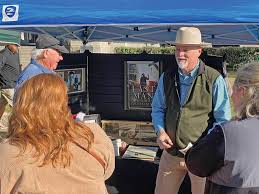

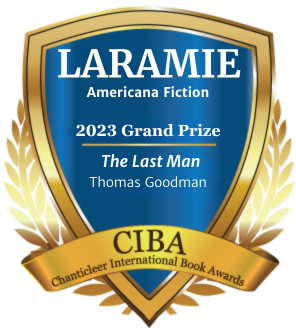

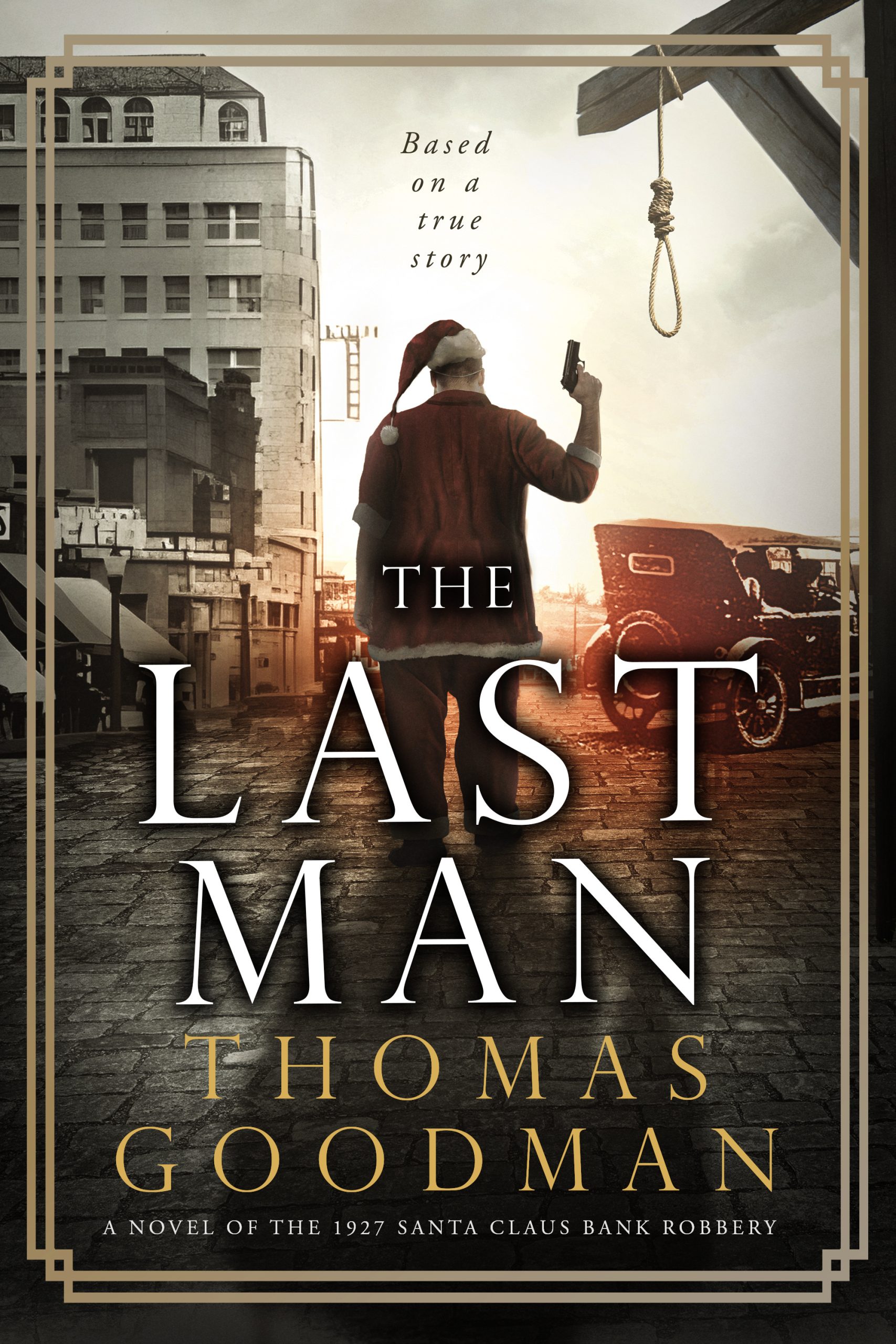
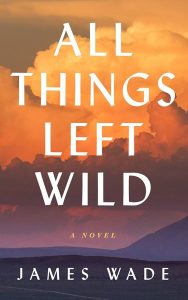
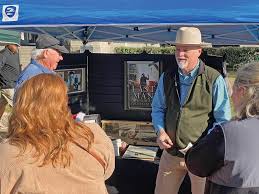
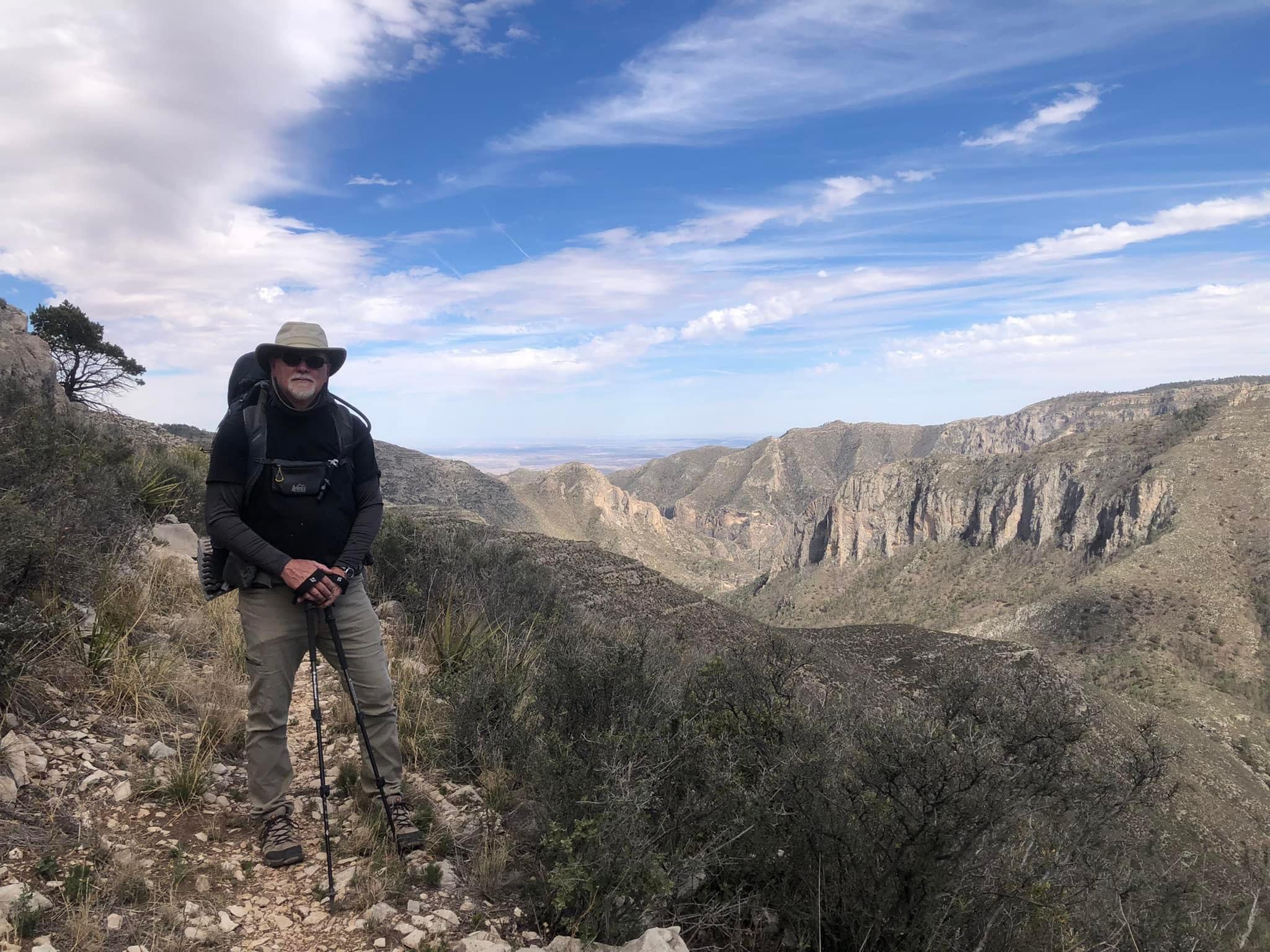
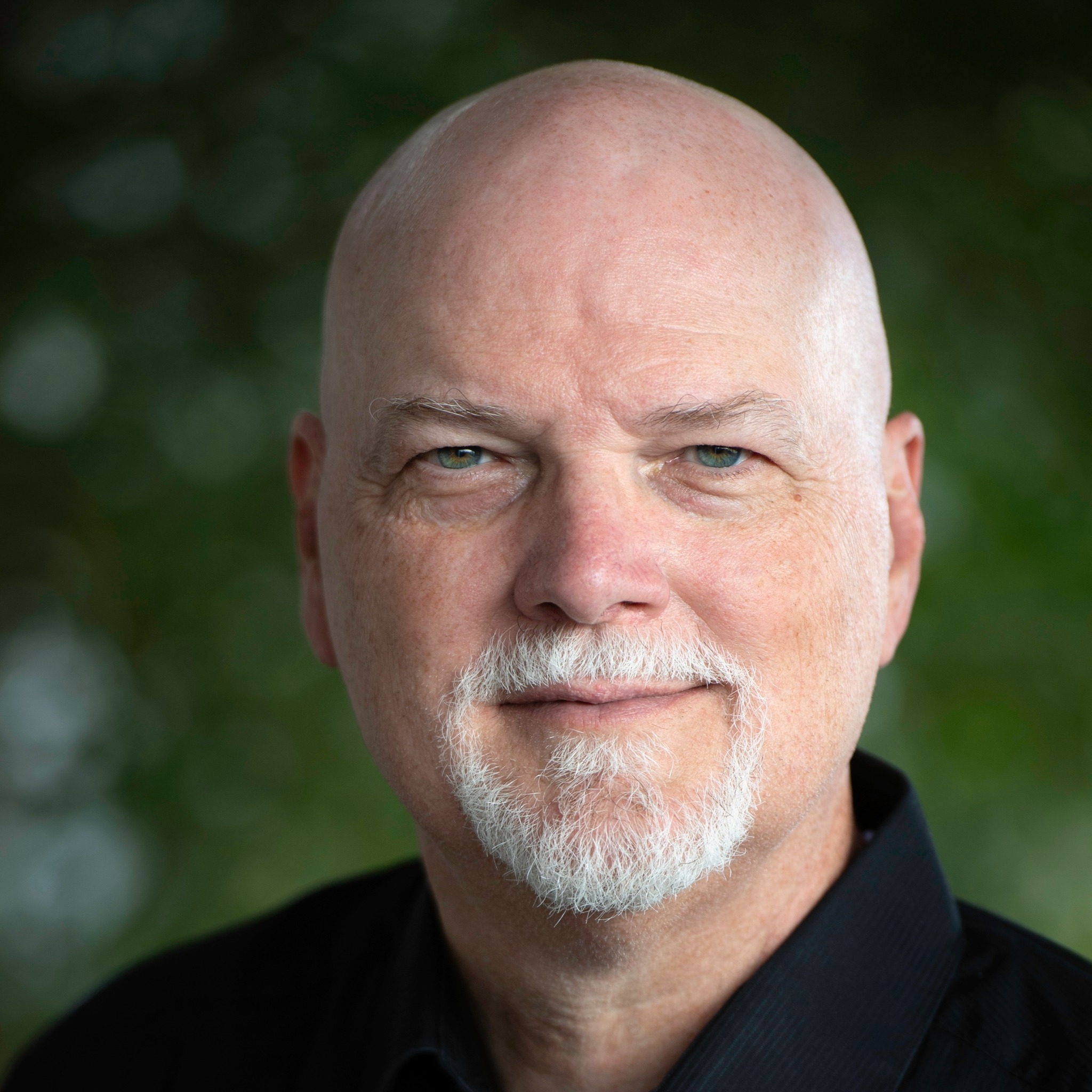 Thomas Goodman won the Laramie 2023 Grand Prize for his amazing true crime/historical fiction novel, The Last Man! And also, because he believed in his work enough to enter it into the Laramie division of the Chanticleer International Book Awards…
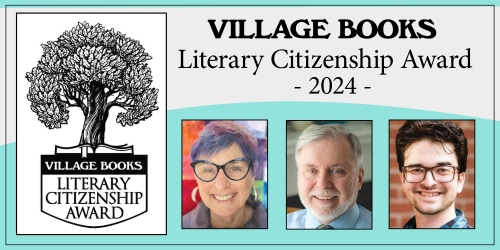
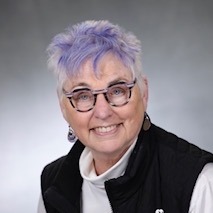
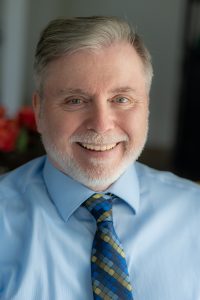
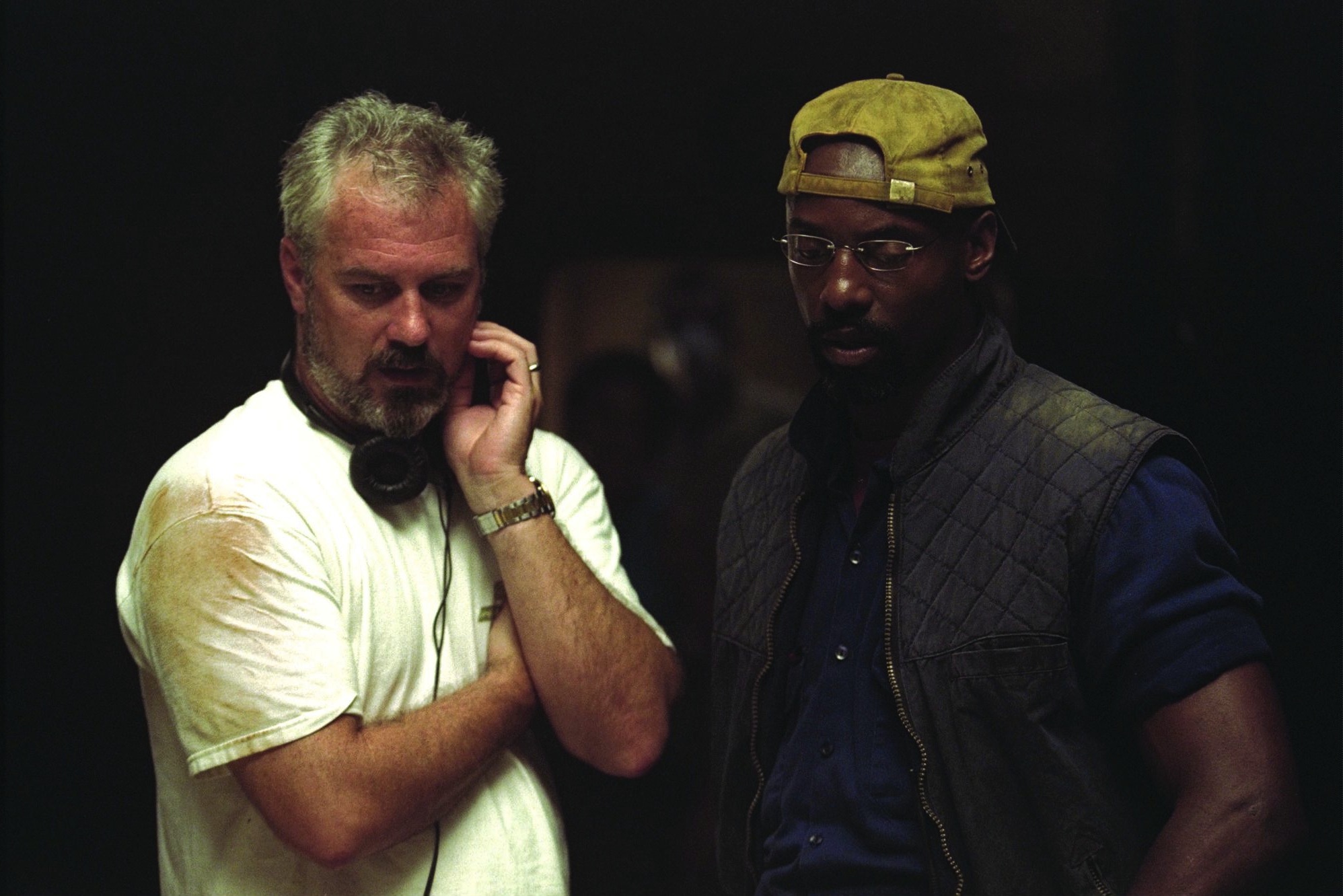
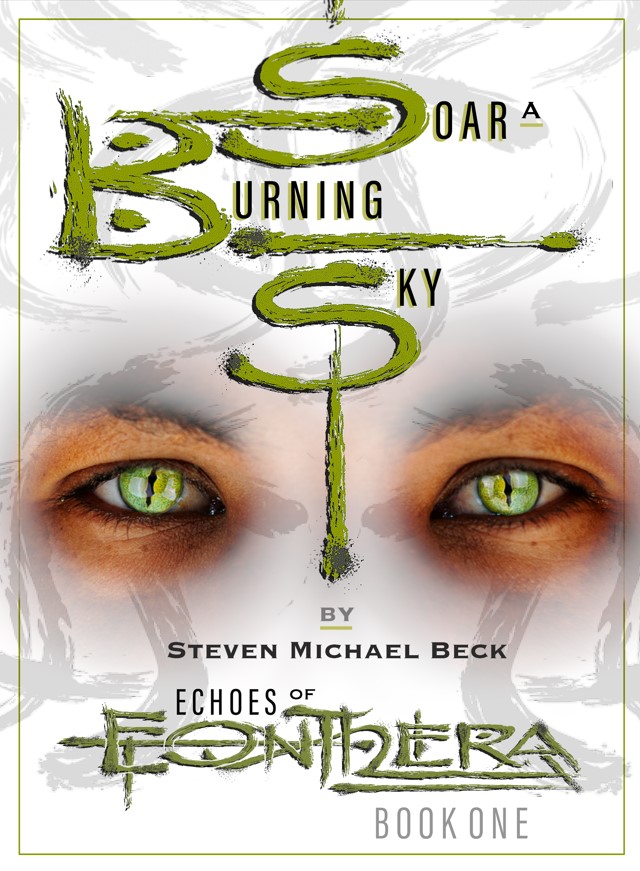
 Steven Michael Beck was the OZMA Grand Prize Winner for Fantasy Fiction at the 2022 CIBAs, hosted by the 2023 Chanticleer Authors Conference. His book, Soar A Burning Sky looks at a world linked to Earth’s, and both planets are in danger due to the harsh realities of Earth’s drastic climate change.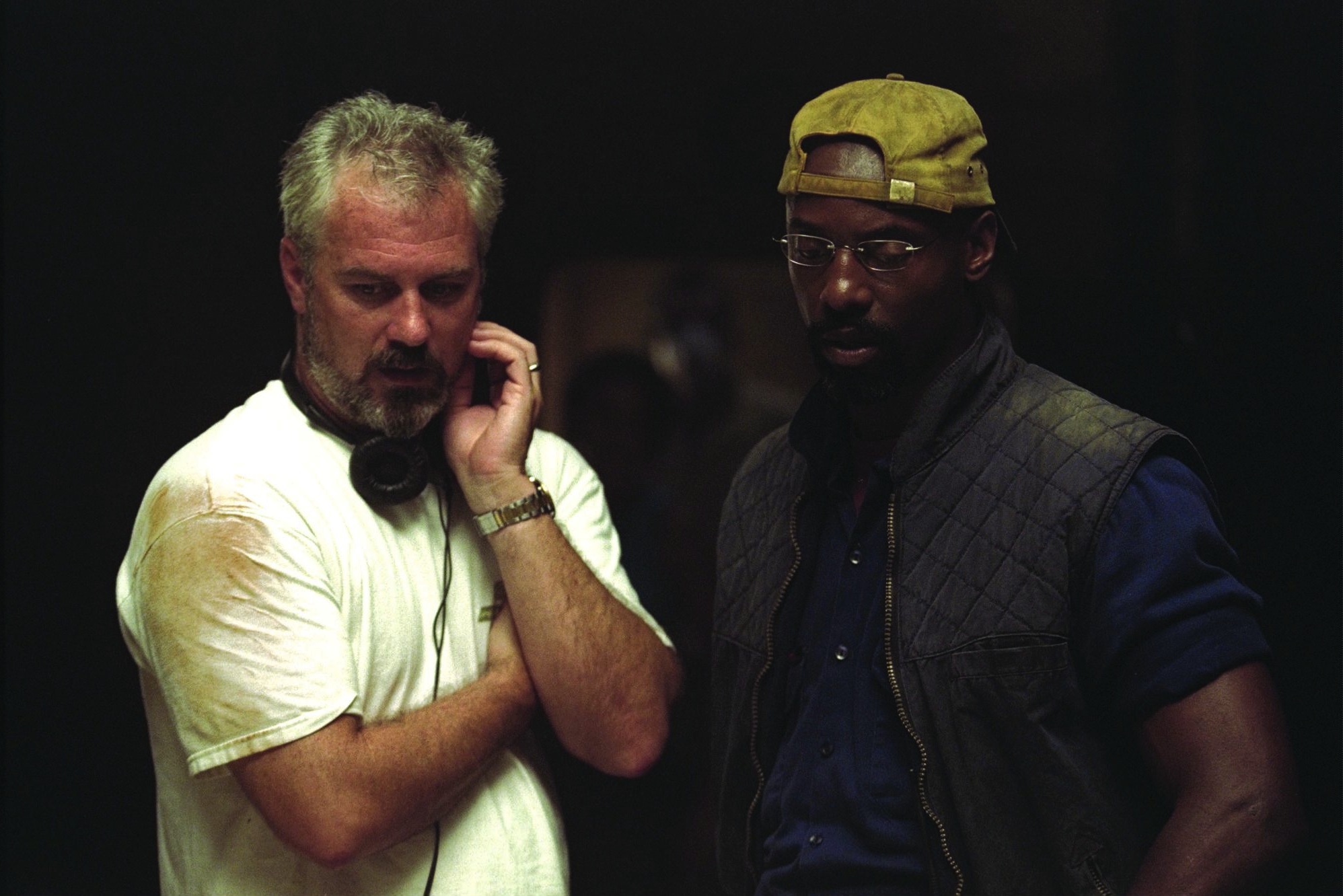
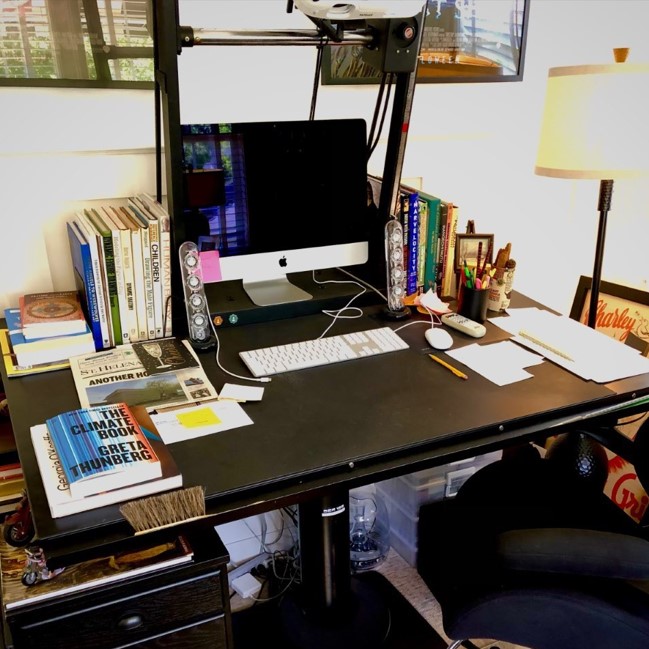


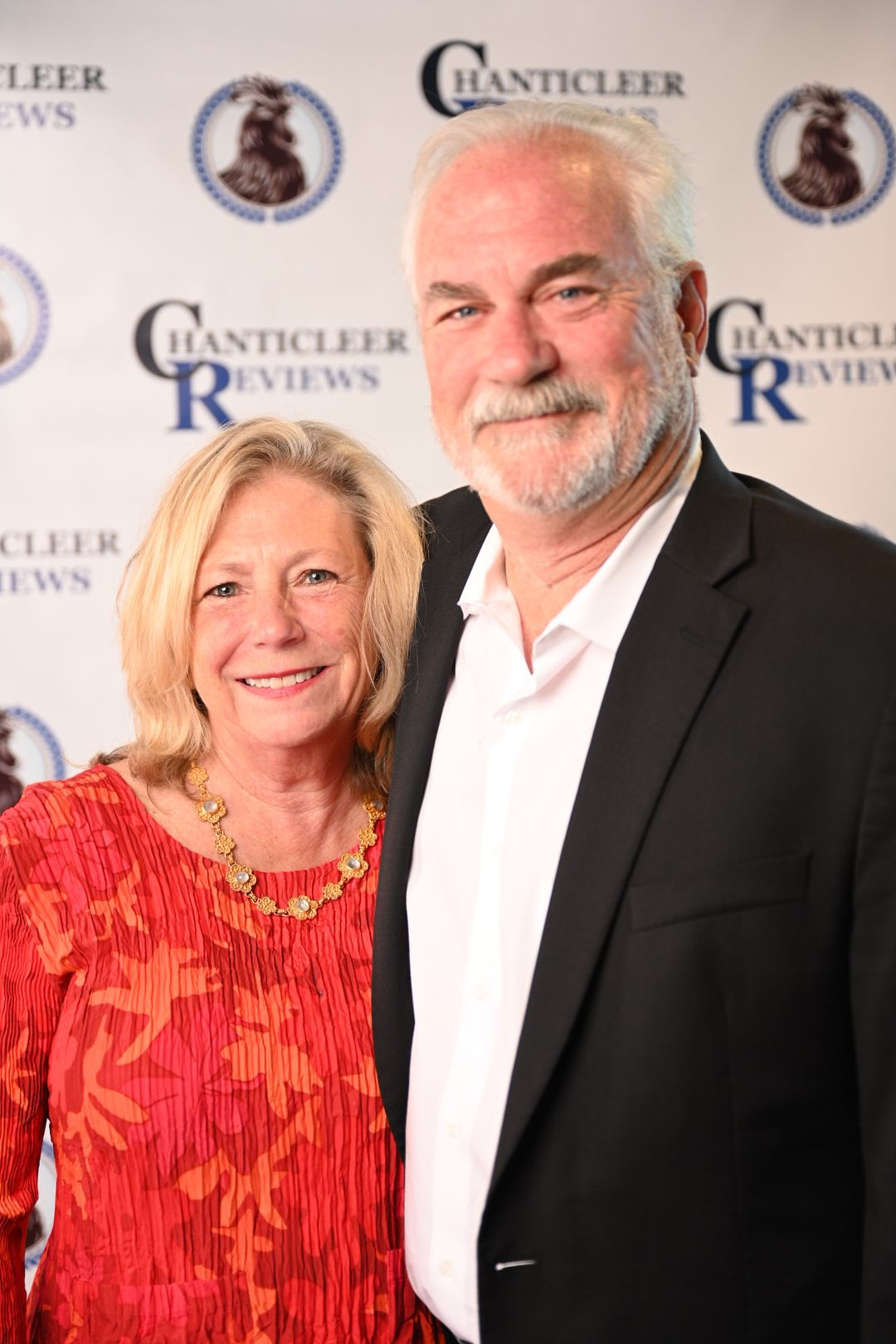
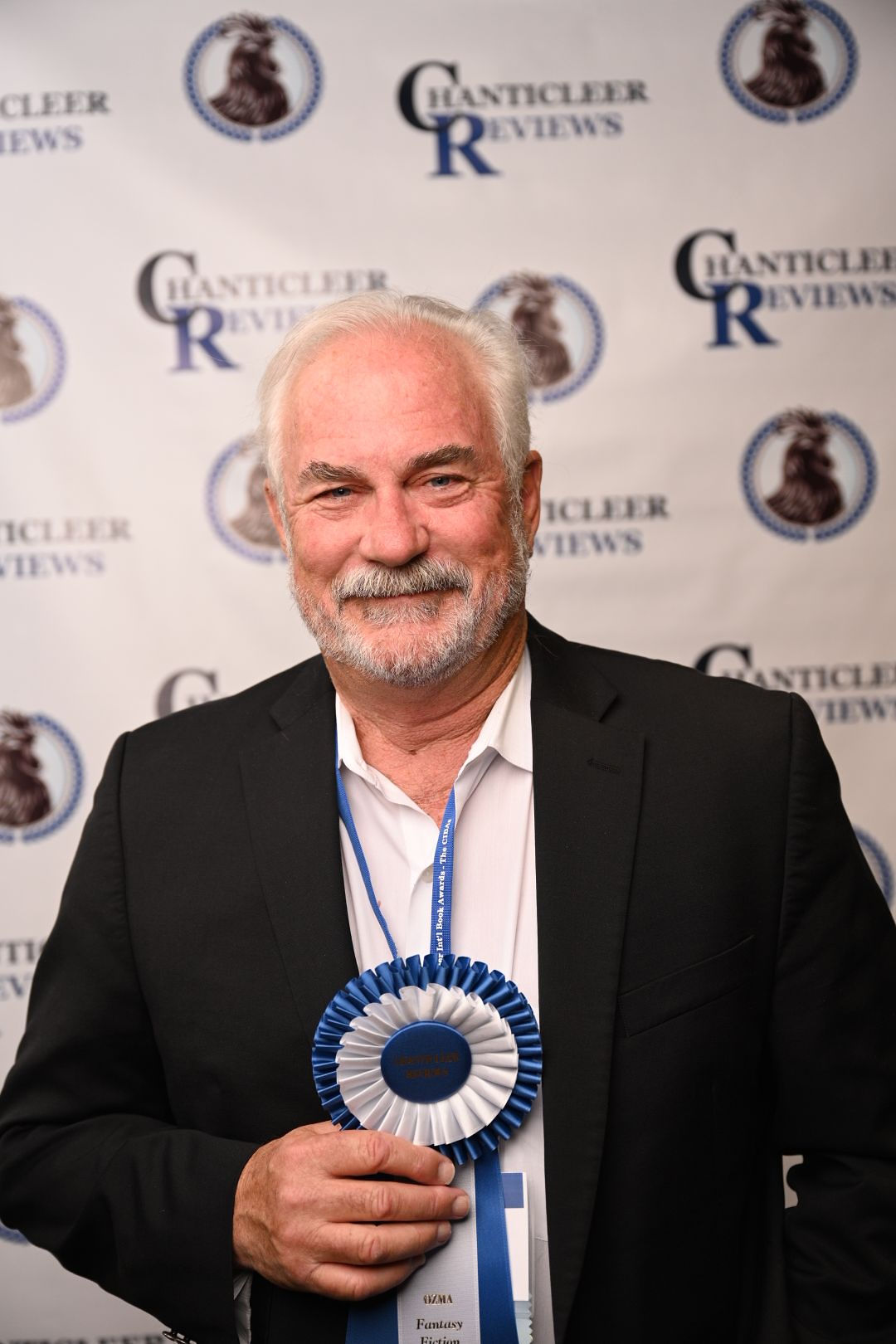 Steven Michael Beck spent the last 30 years pursuing the art of storytelling through advertising, film, and television. Specializing in visual effects-oriented concepts (and their often-unique storylines), his direction has constantly reflected infatuation with animation—the notion that any object or idea either contained ‘life’, or could be conjured into such (needless to say, he had an imaginative childhood). These projects and life lessons have been nothing if not steppingstones, leading him to see the potential of a new type of storytelling through combinations of sculpture, photography, text, and found object.
 From the 2023 Clue Division Grand Prize Winner for Suspense/Thriller for his book The Other Murder, we have a brand new Chanticleer Author Interview!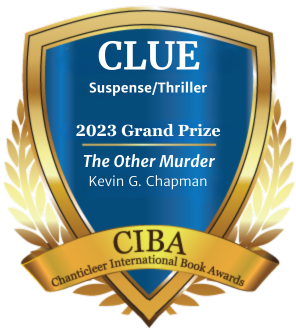
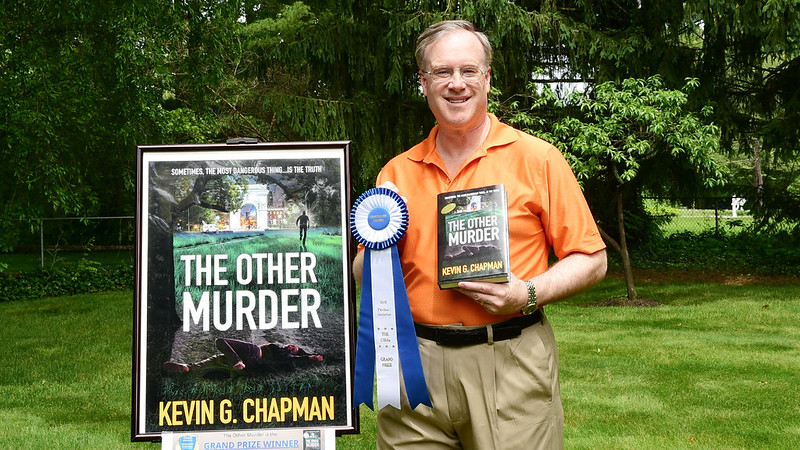
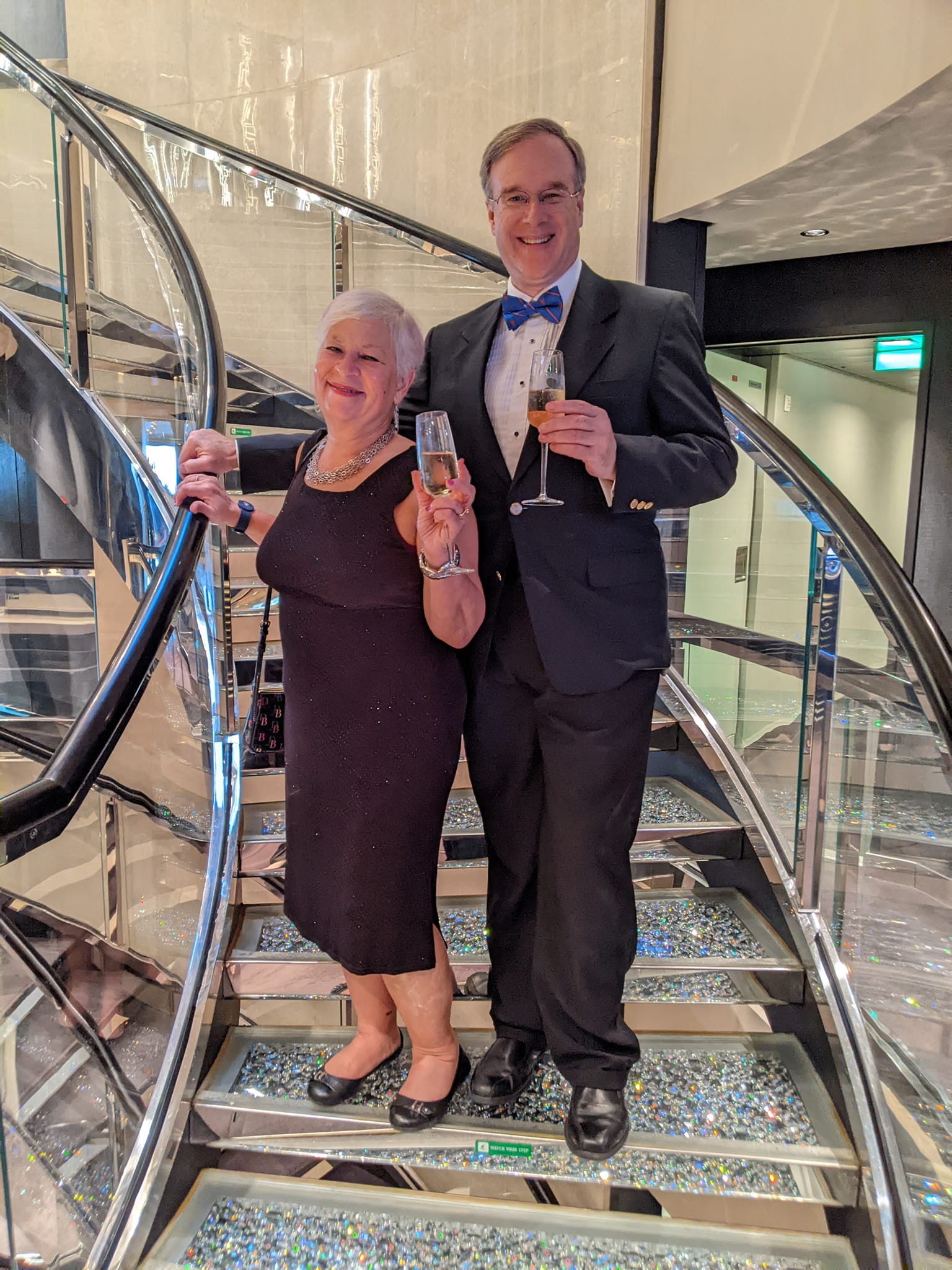
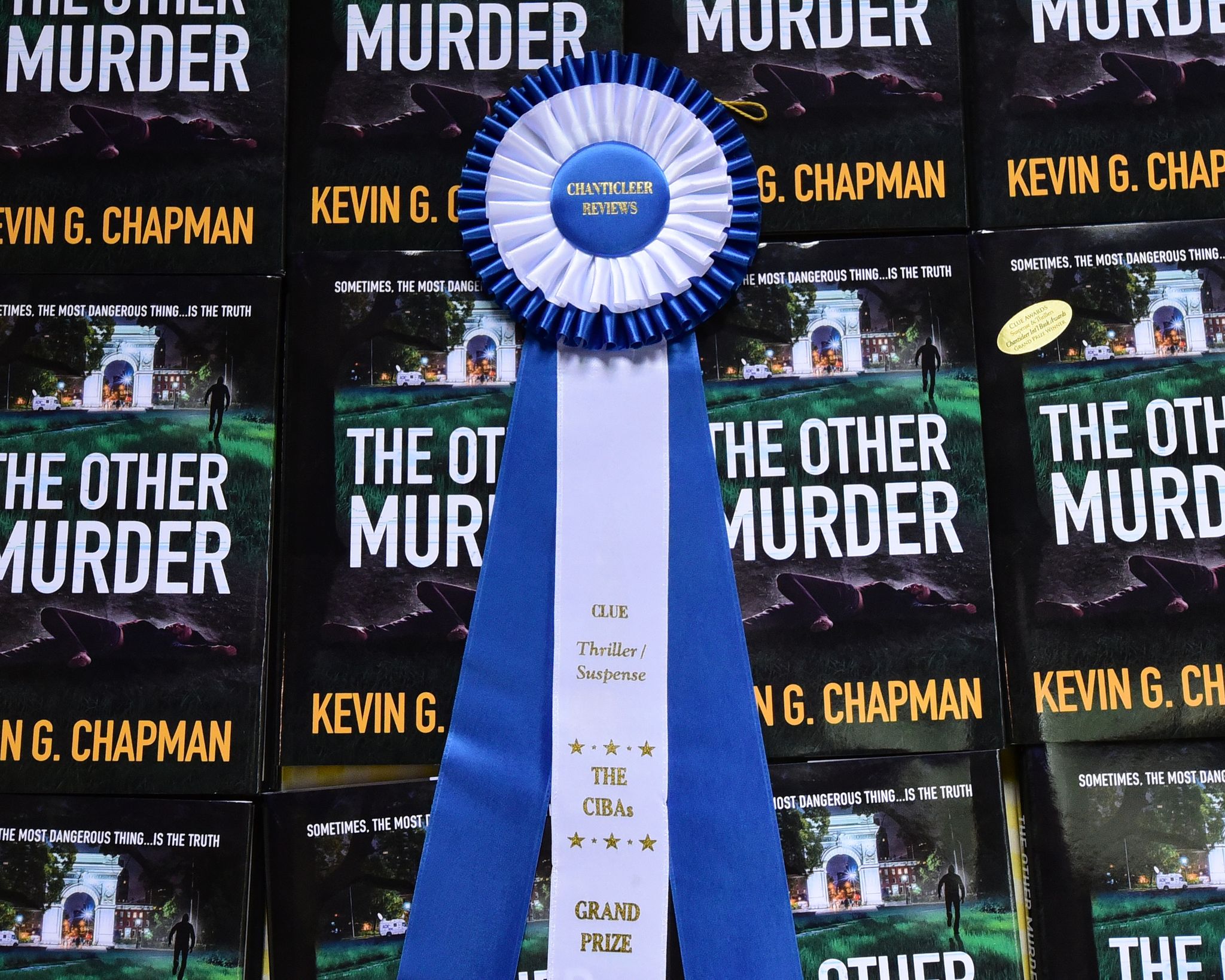
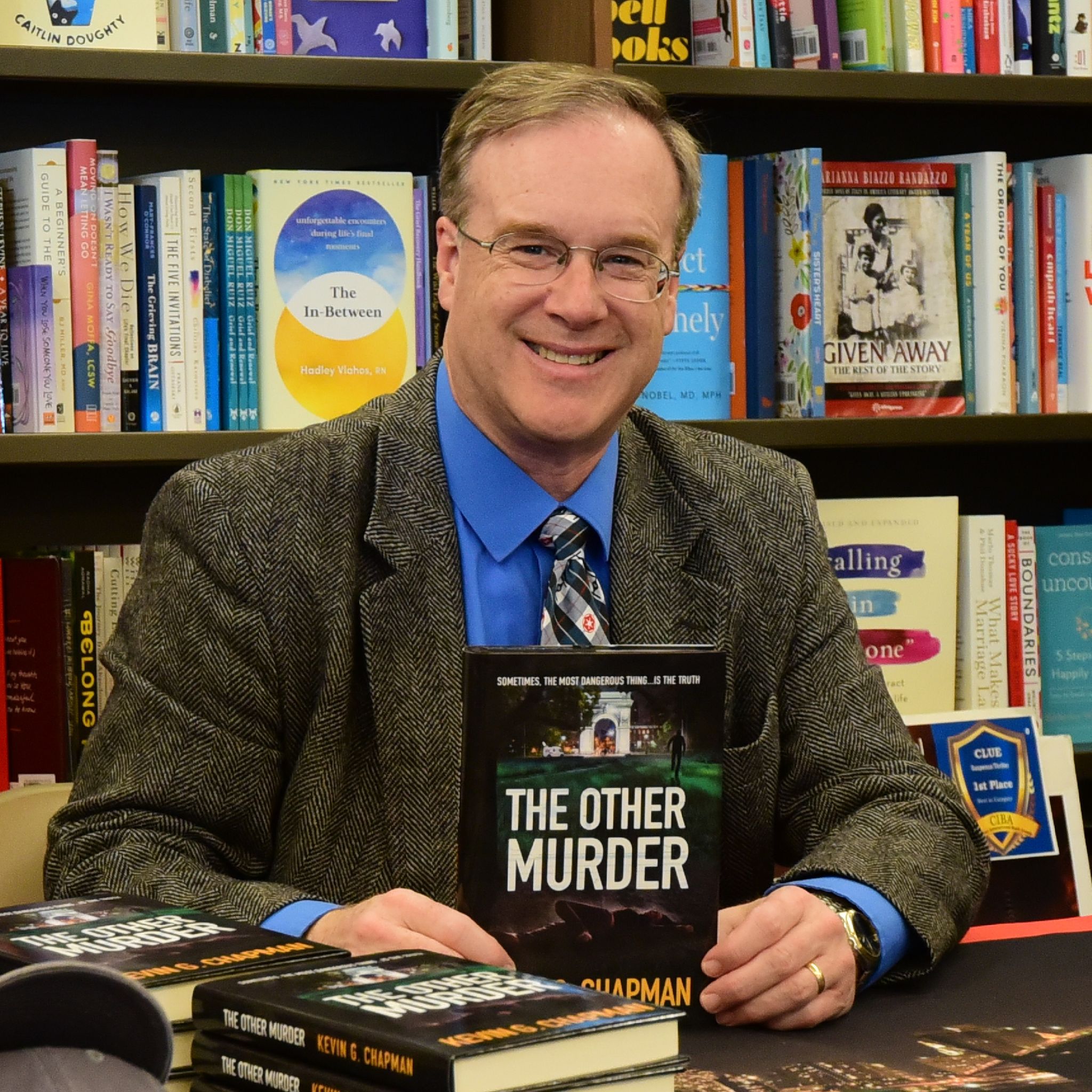
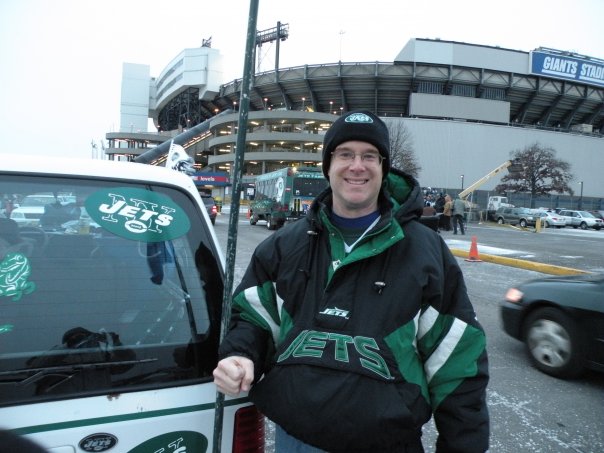
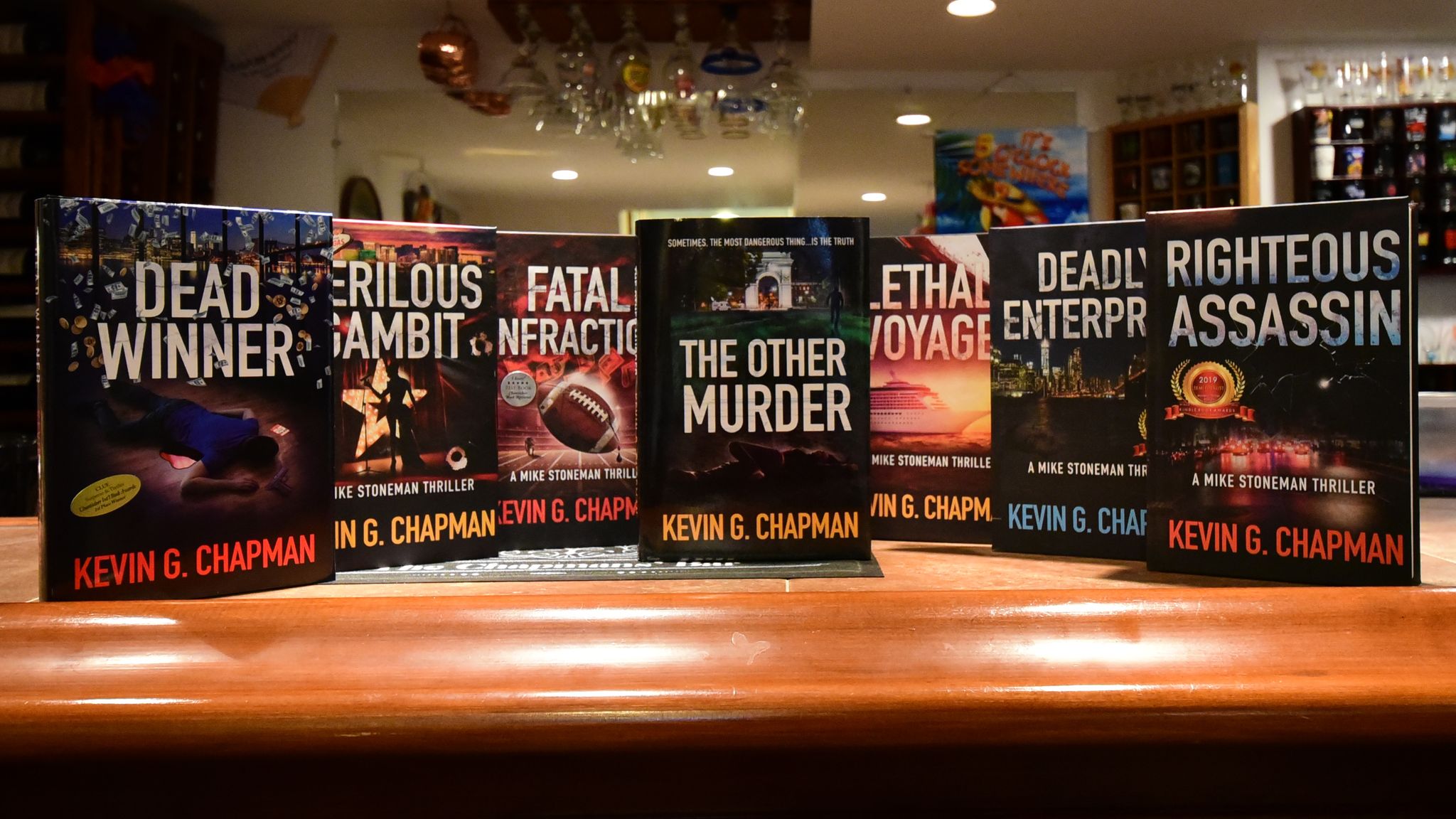

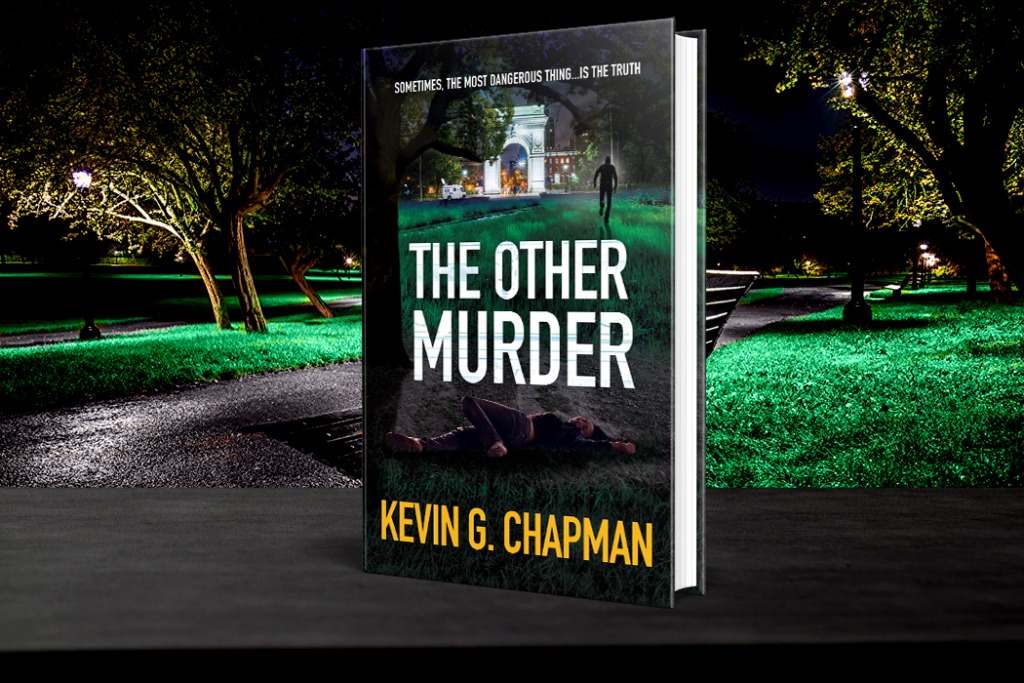
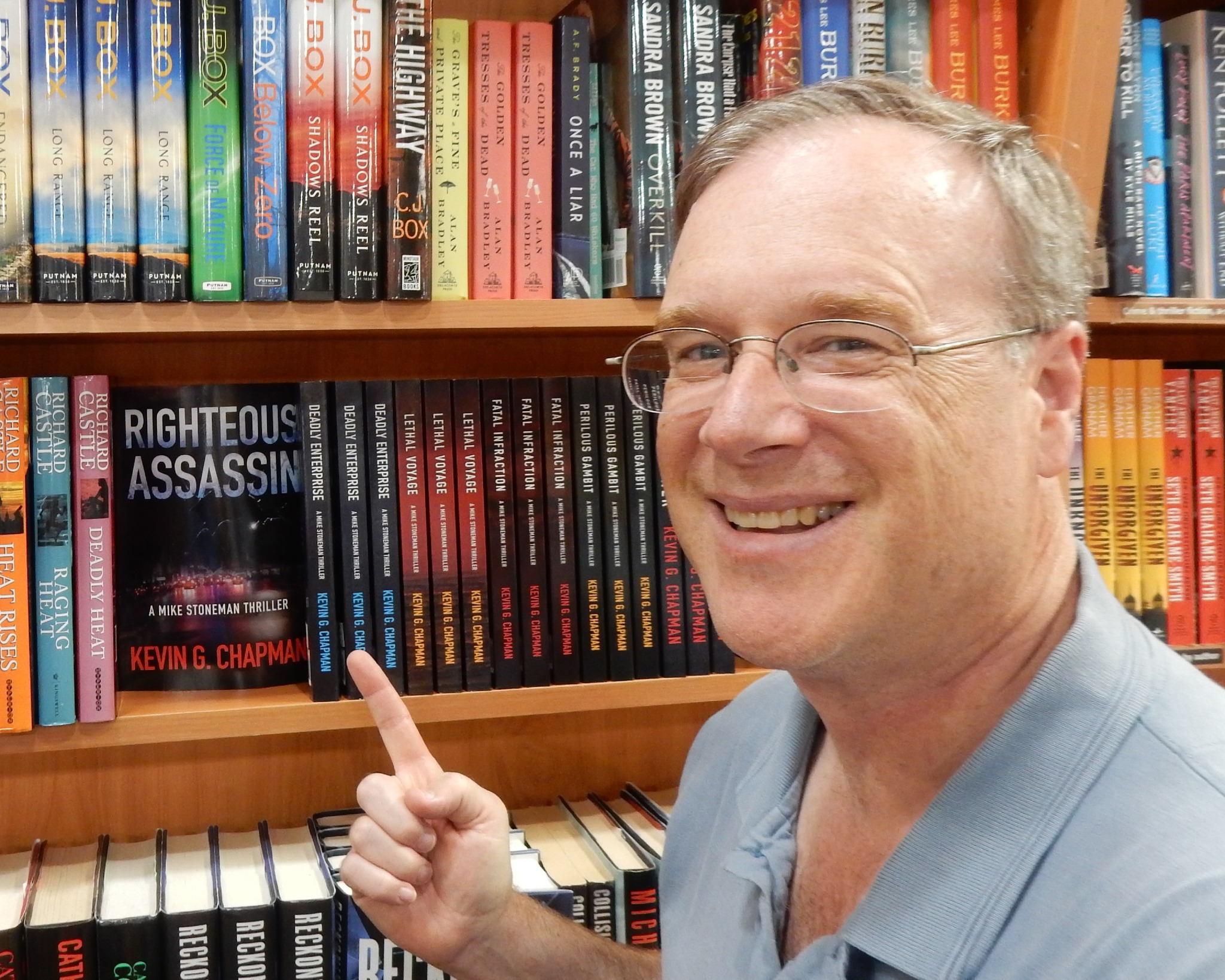
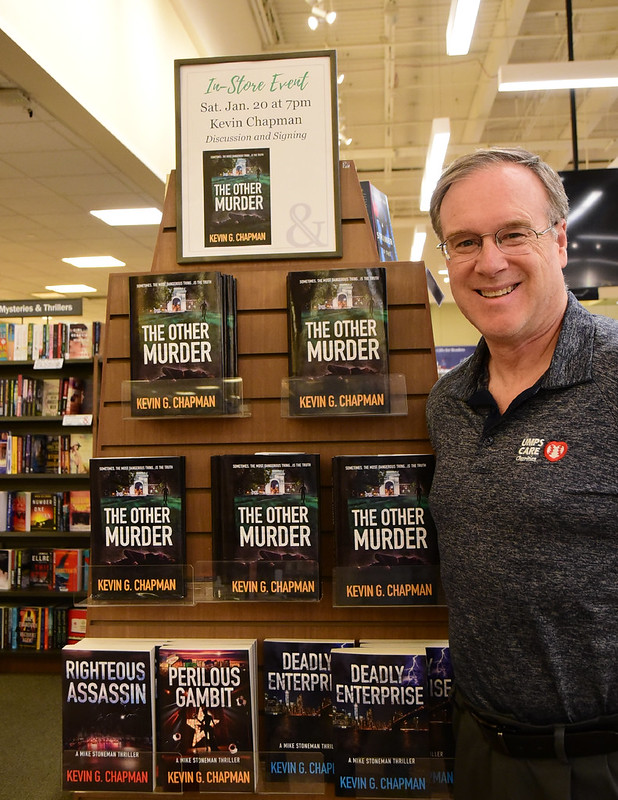
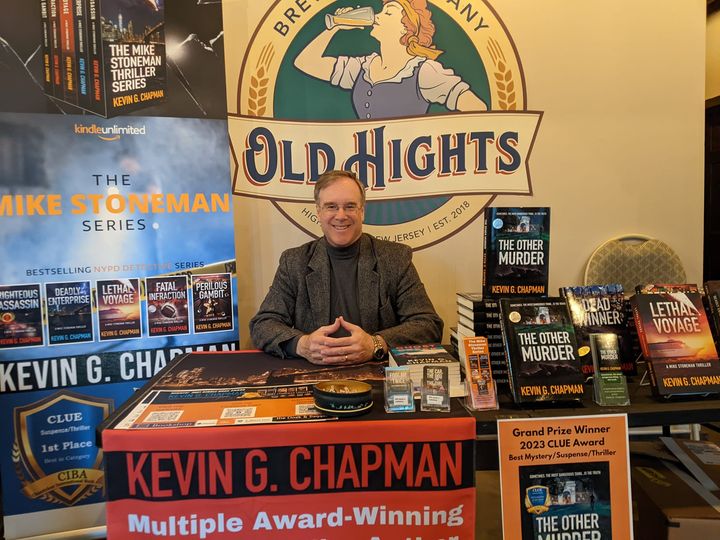

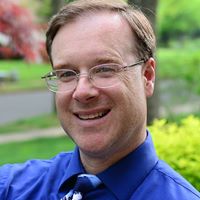
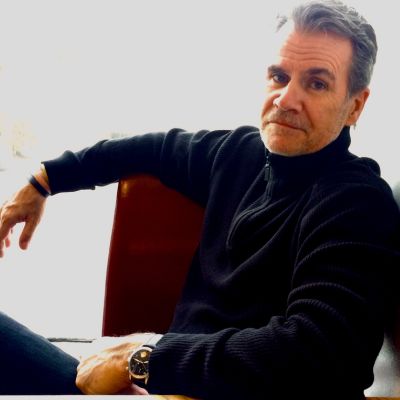
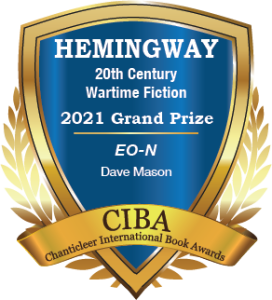 Hello friends, we have another fabulous interview for you today. In 2021, Dave Mason took home the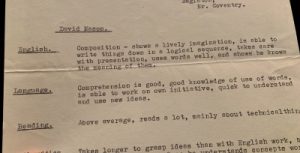

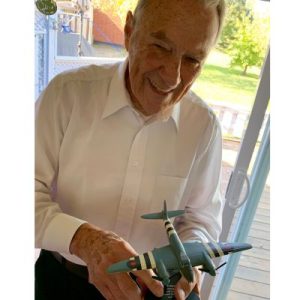
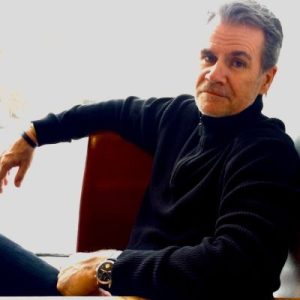 Born in England and raised in Canada, Dave Mason is an internationally recognized graphic designer, a Fellow of The Society of Graphic Designers of Canada, and a co-founder of a number of software companies. He divides his time between Chicago, Illinois and Lunenburg, Nova Scotia.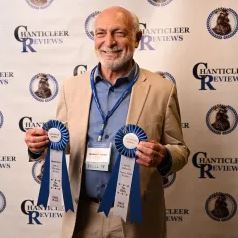

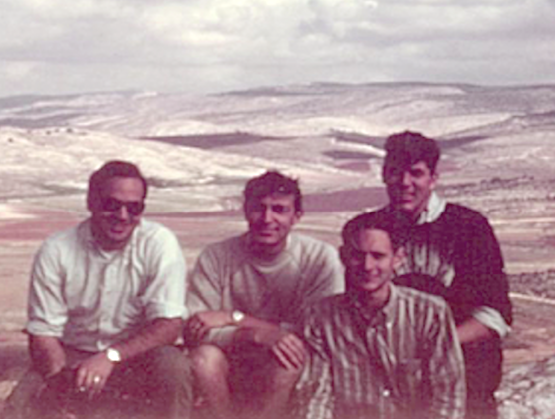

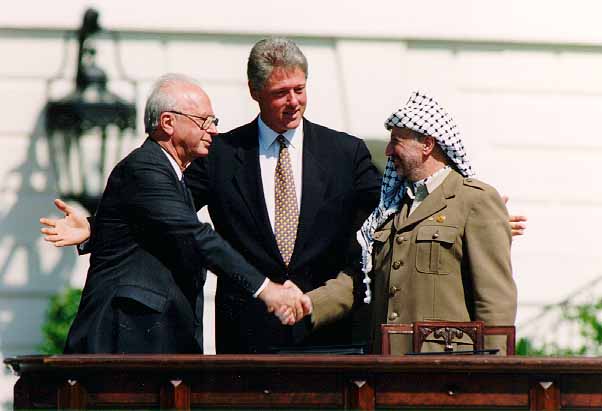

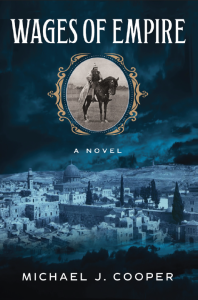


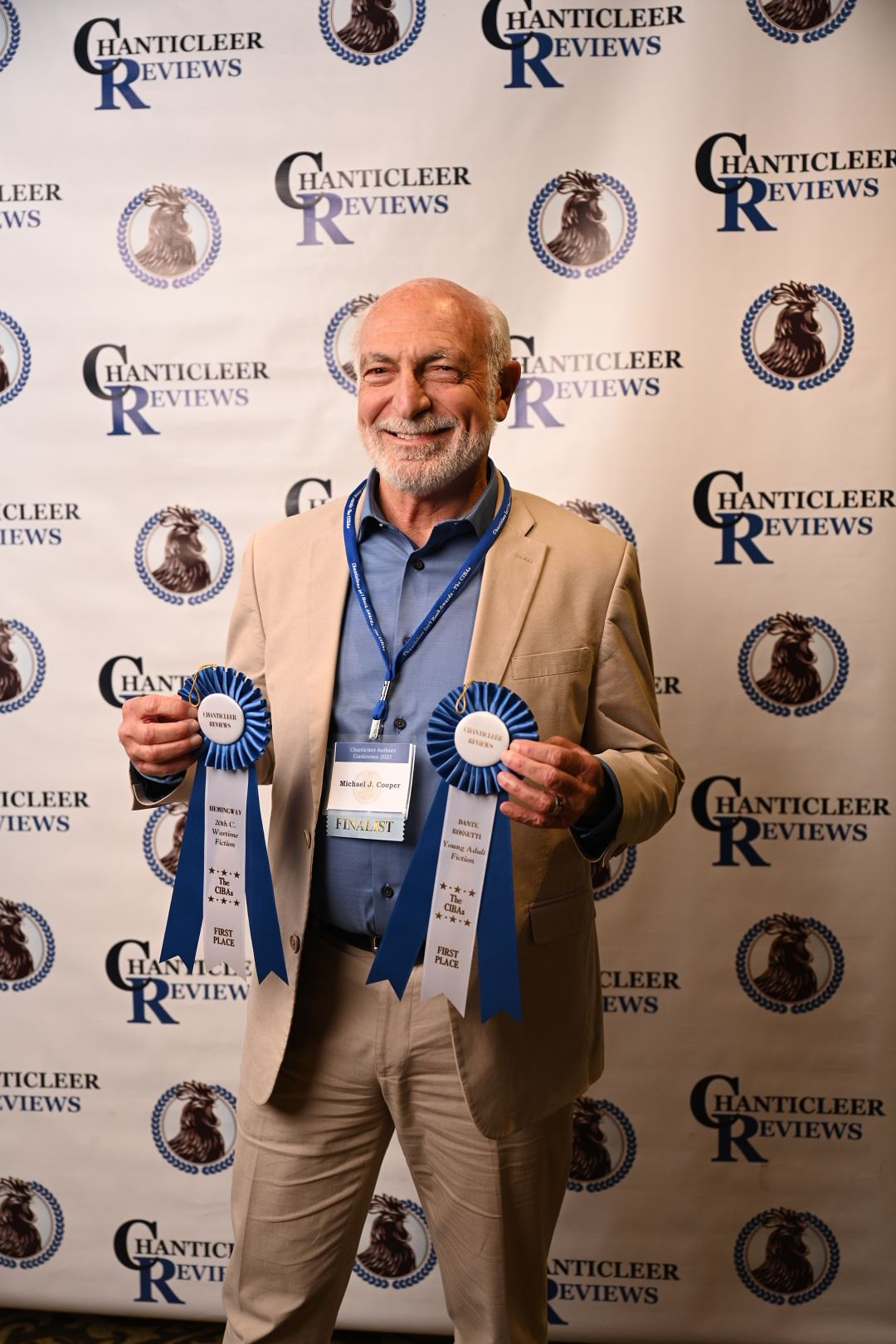
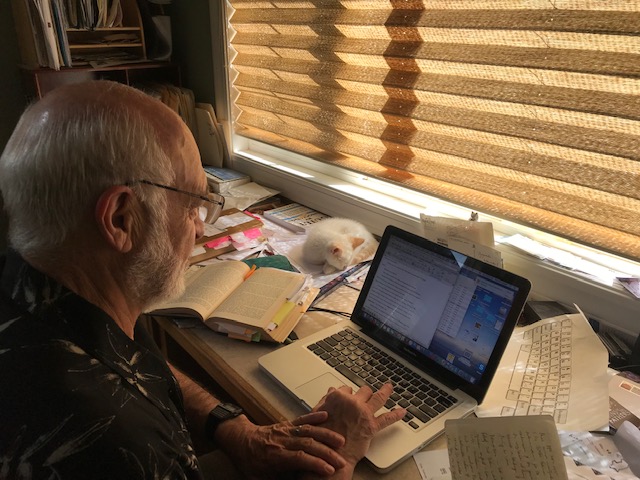
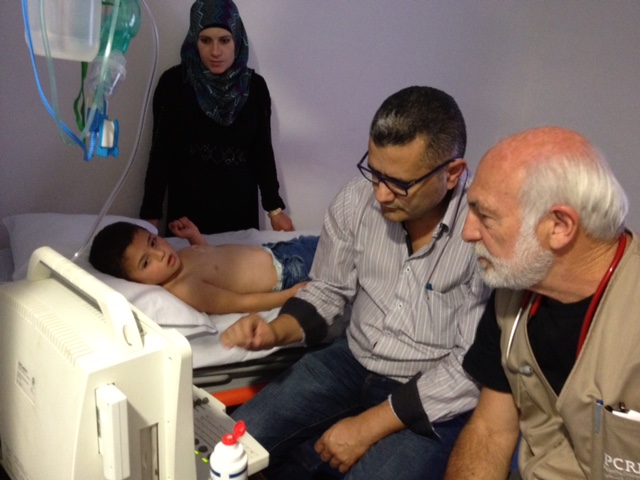


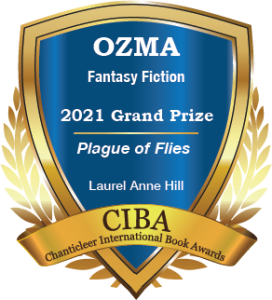 10 Question Author Interview Series with Laurel Anne Hill, Award-Winning Author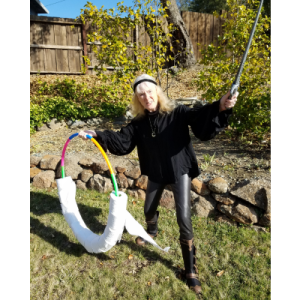
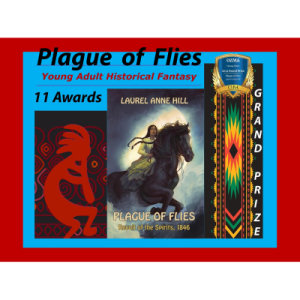 Chanti: You figure it out and let us know, okay? What are you working on now? What can we look forward to seeing next from you?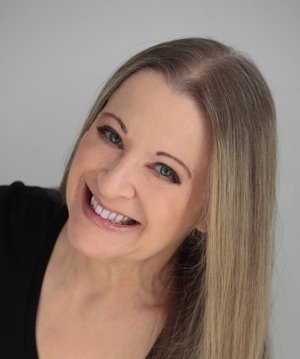
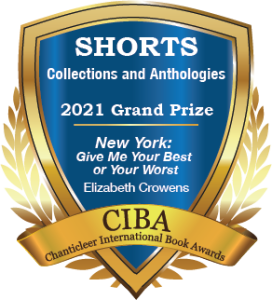
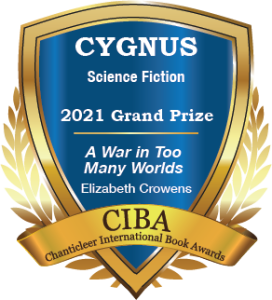
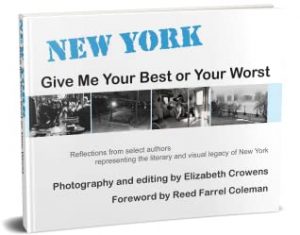 opportunity, I gave it a whirl, not expecting anything to come of it. However, there was one caveat—I had to involve others. That’s when I pitched the project like my popular Caption Contest on Facebook and was really surprised when I won one of those grants. Regarding other stories—they come from all over the place but, once again, there’s always a personal connection some way or other.
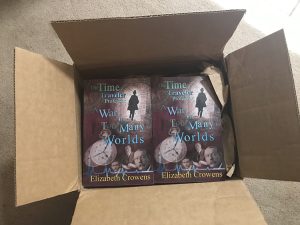 compete against the published ones. I have three unpublished mysteries which have won first prizes in various categories, and I’m keeping my fingers crossed that the one my agent is currently shopping, will leap beyond a finalist this year in the M&Ms or the Clue Awards.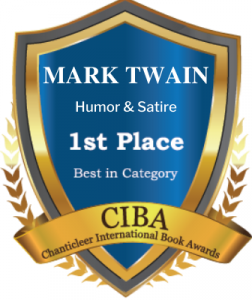

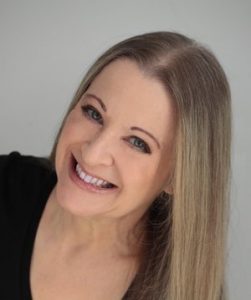 Elizabeth Crowens has worn many hats in the entertainment industry in NY and LA for over 25 years. Writing credits include short stories and articles in Black Belt, Black Gate, and Sherlock Holmes Mystery magazines, stories in Hell’s Heart and the Bram Stoker Award-nominated A New York State of Fright, and three alternate history/SFF novels, which she self-publishes under the name of Atomic Alchemist Productions. Recipient of the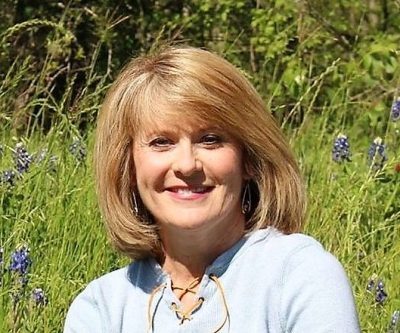
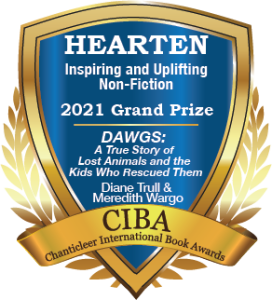 Meredith Wargo, multi-award-winning author is smart – and exceptionally passionate about animals, especially those in need of rescue. In fact, Meredith sent the book into our