Category: 10 Questions Interviews

  • Chanticleer 10-Question Author Interview Series with Ruth Amanda – Grand Prize Award-winning Author of Island Moon

    CHANTICLEER 10-QUESTION AUTHOR INTERVIEW SERIES with RUTH AMANDA,
    the CIBA Grand Prize Winning Author in the
    Little Peeps Division! 


    Hello friends! We have another fabulous interview for you today, with author Ruth Amanda! Her book Island Moon took home the Chanticleer 2024 CIBA Grand Prize Award in the Little Peeps Division for Early Readers, and we are excited to share with you the joyful journey she took to becoming an author and what adventures she’s planning to take readers on now. Take a minute or two and get familiar with Ruth Amanda and her incredible journey to becoming award-winning author!
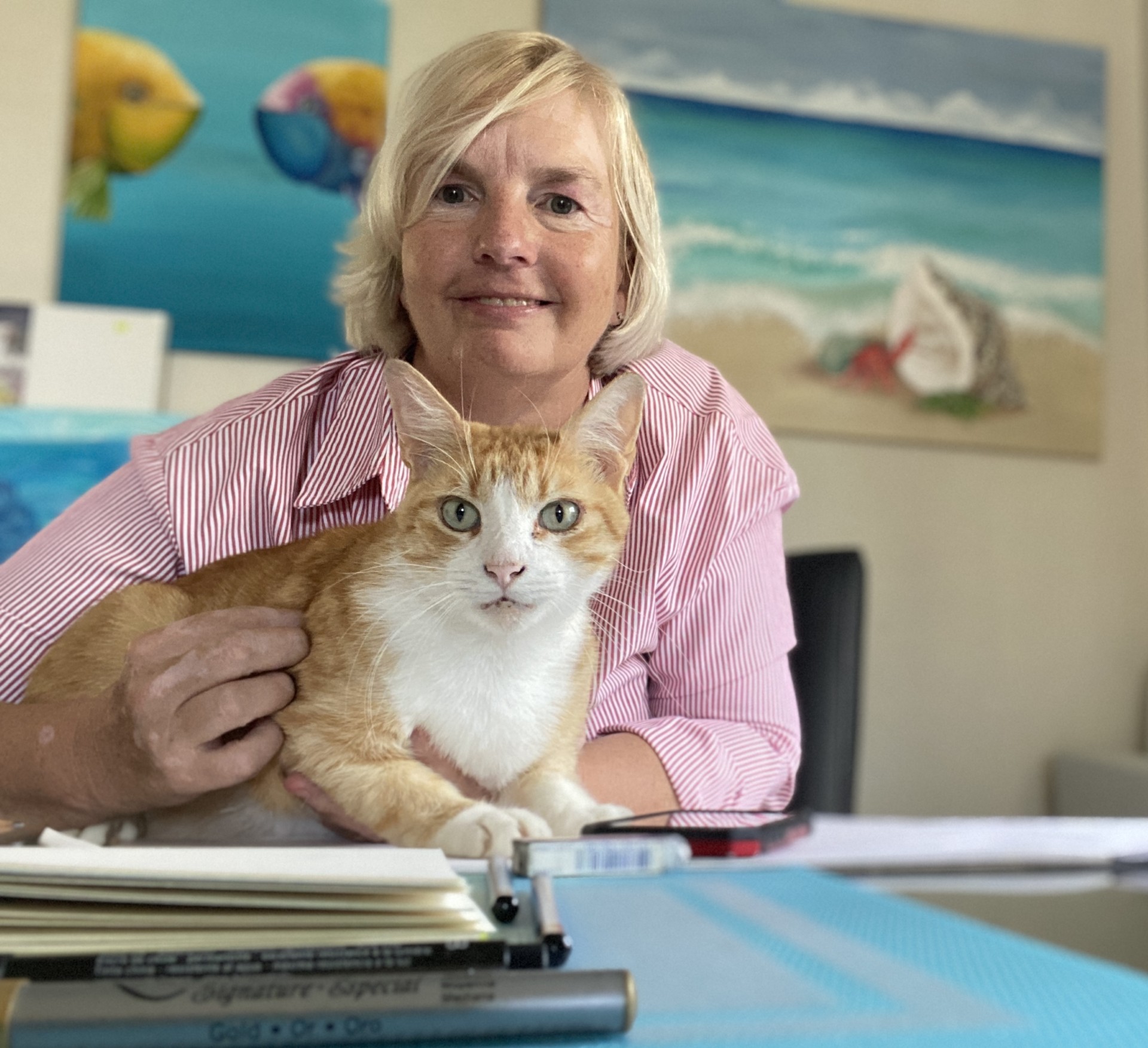


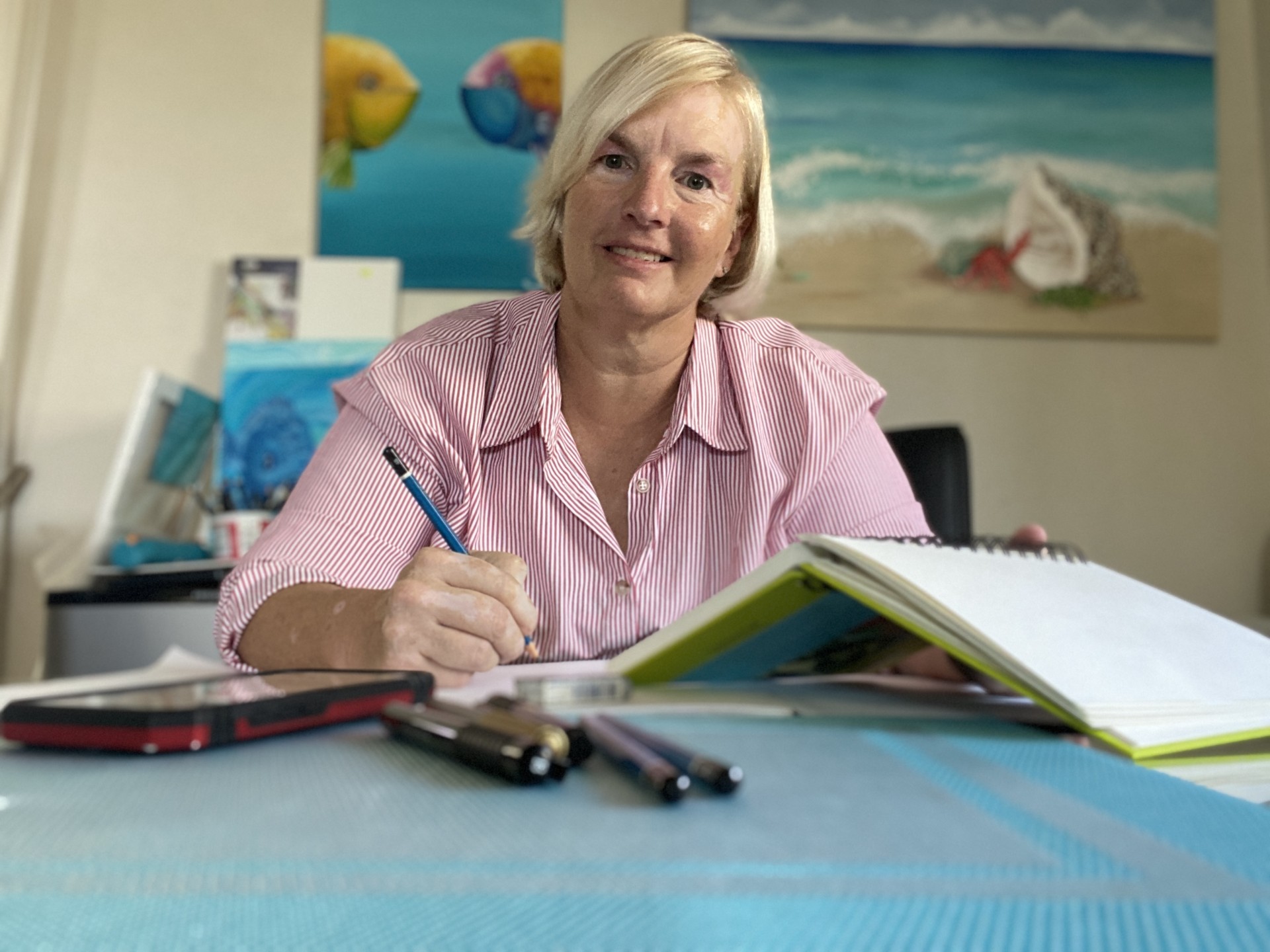
    woman, cat, poster, book, desk, sketch pad, pencils

    Chanti: Tell us a little about yourself: Have you. always been telling such imaginative, fun stories?

    Ruth Amanda: I’ve been making up stories since I was quite small, usually with an art project to accompany it, and sometime around grade 4 or so I started writing those stories down. Not because I thought I would become a writer, but because it seemed a good way to not forget the stories.

    One of my teachers in grade 7 or so, encouraged me to enter a writing competition. I won that, along with a small cash prize, and I promptly spent the money on something important like chocolate.

    Writing seemed to be more school related for a while but when I had my kids, I would read to them endlessly and, as children are prone to do, they would ask incessant questions. “Why are the eggs and ham green?” “He should have been an accountant, not a pirate because he can count good…why isn’t he an accountant?” And so on…so I made up answers, like “There used to be flying pigs, but their meat was green and very tasty so people hunted them and ate them all. Now they are extinct, so we can’t by green ham at the grocery store and that’s also why we have no flying pigs.” “The Pirate Captain actually used to run a very profitable bookkeeping business at the docks until his competitor—Bahama Bob—stole his calculator. So the Pirate Captain snuck onto Bob’s ship late at night and stole it back, but he was spotted by the Pelican who ran security and had to flee in his boat…after that, a life of nautical crime seemed more appropriate than returning to shore and a very tedious job of ‘accountancy’ and ‘tax season’…funny thing, your Grandpa probably should have been a pirate…”)

    We would also read chapter books when they were quite small so they could be tucked into bed and I would read to them from the hallway between their bedrooms. I would tell them to close their eyes and imagine the pictures since there weren’t any in the book. Then I would go downstairs and put paper on the walls in the playroom and  doodle the characters with a magic marker for the kids to colour the next day. Together we would make up our own stories while we were coloring.
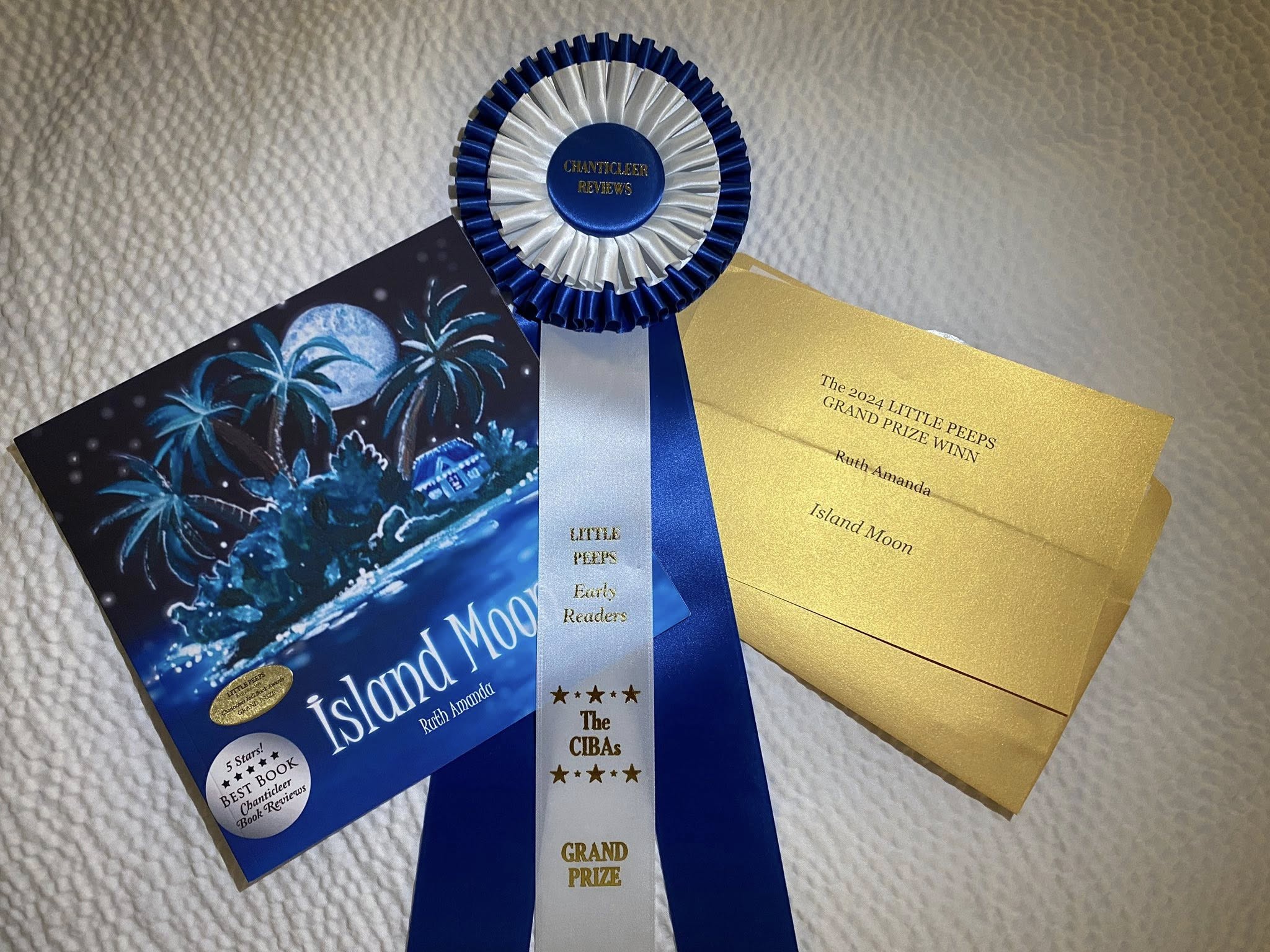
    CIBA, Blue, gold, white, Island Moon, envelope, ribbon

    Chanti: I love those creative parenting moments! Your humor and whimsy really shine through in your work. What drew you specifically to writing picture books for children?

    Ruth Amanda: I write particularly good “utter nonsense”, “total drivel”, and factual biographies of people like Stumpy (a gecko), Skippy (a bullfinch) and Coulda, Woulda, Shoulda, Diddit and Bob (the Grackle crime family).

    Translation: Children’s Picture Books.

    I primarily write these in rhyme as, having grown up with a lot of Dr. Seuss in my formative years, I tend to think in rhyming couplets. (Much to the dismay of my husband.)

    I do have some plans to write for adults as well, but that means I will have to grow up first.
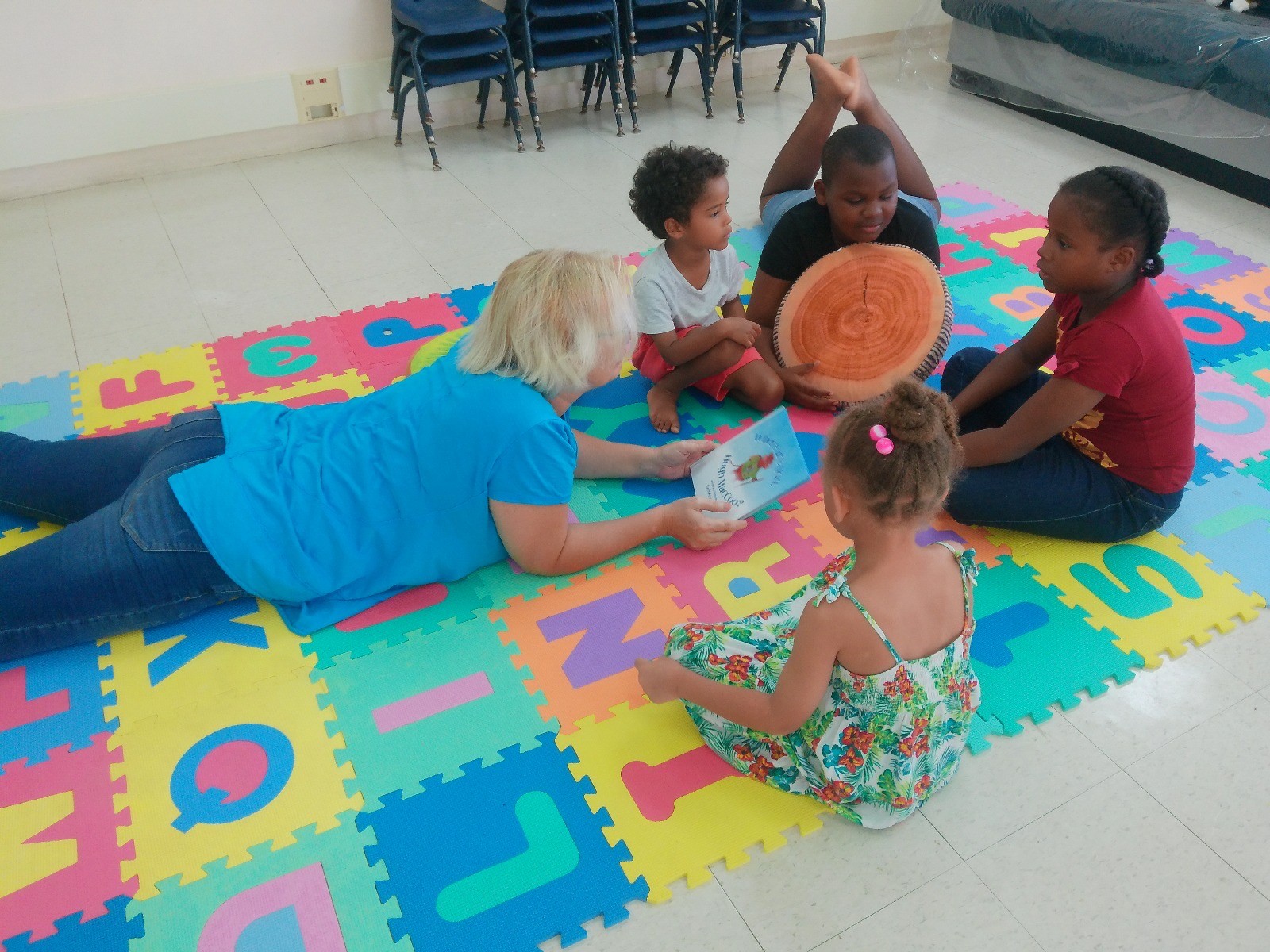
    Kids, blonde, book, mat, school

    Chanti: You seem to have a gift for characters whose personalities shine on every page. Do you find yourself following the rules or do you like to make up your own rules?

    Ruth Amanda: I like to think I follow the rules, but then I get gentle reminders from the people editing my work that I take liberties with punctuation and making up words.

    And of course, I often break the laws of anatomy when illustrating. I mean, really!! A buzzard with it’s pinkie in the air? Buzzards lack the necessary fingers to do so, but then it happened so… (see “There’s a Buzzard on the Balcony”, 2023, Friesen Press).

    Chanti: What do you do you like to do in your off-time? Are you always looking for new ideas?

    Ruth Amanda: I like to go hiking and camping. Anything outdoors where I may bump into cool characters like Philbert the cane toad or a pack of green monkeys. The beach is a favourite hangout, especially with a snorkel and mask! I also enjoy sketching and painting.

    “But you also illustrate your books, so that doesn’t count.” You say.

    I say “Ah, but it DOES count as a hobby because (1) I don’t pay me to illustrate which makes it a hobby and (2) I sketch and paint things that have nothing to do with my stories.”

    (Yet.)

    Sometimes a painting gives me an idea for a book.

    There should be a twelve-step program.
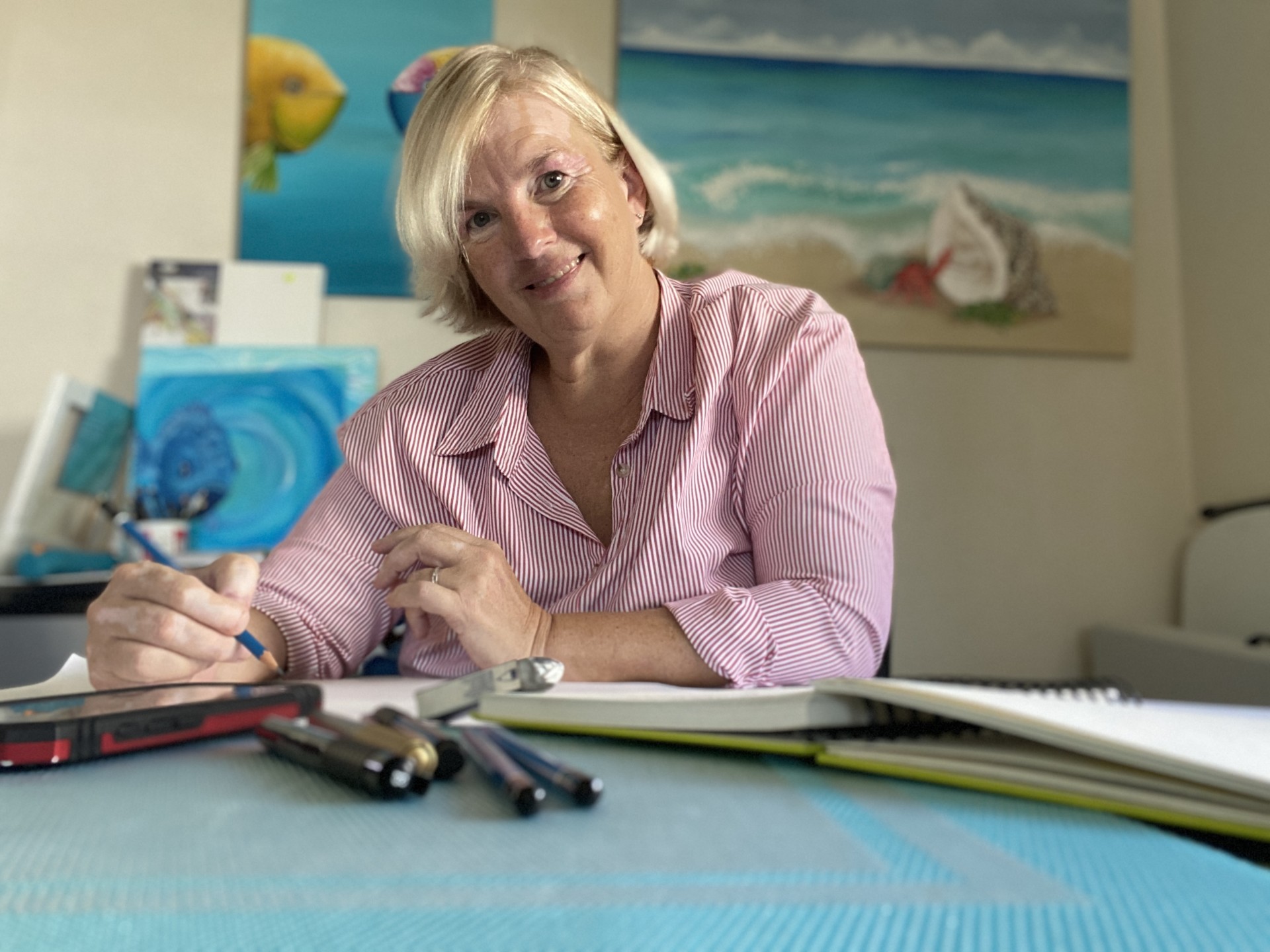
    Woman, pens, posters, desk, books, blonde

    Chanti: Your creative process sounds inspired. Can you talk a little more about how those story ideas actually come to you? What’s your method for developing a new book?

    Ruth Amanda: I think I come up with my story ideas in the usual way. Someone annoys me. I write their name down. I turn them into a frog (it’s a bit like witchcraft) and put them into a book.

    All kidding aside, I see possibilities in everything.

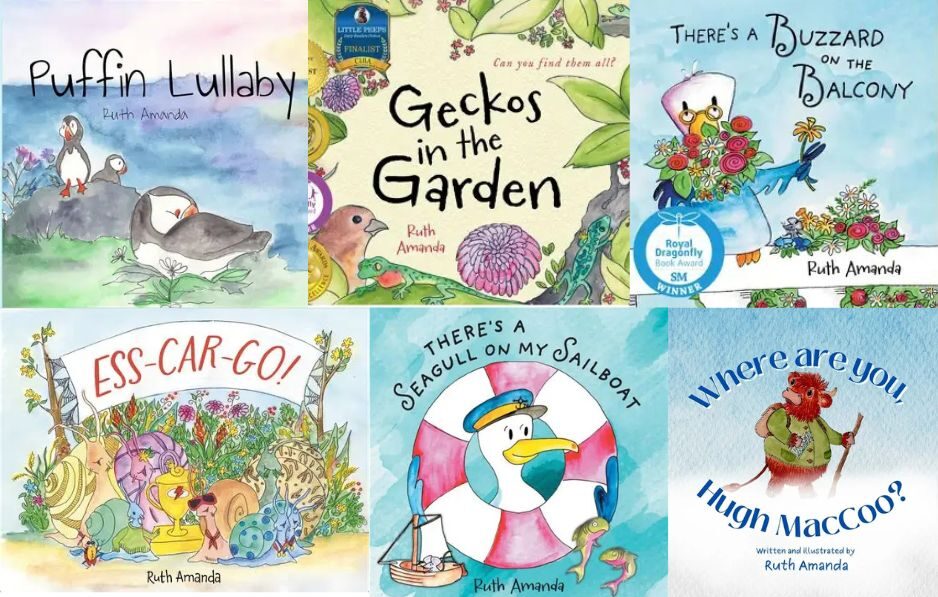
    If you were to look outside right now, you would have trouble spotting any snails. If it rains, you will instantly see thousands of them. Why? Good question. Because they can hydroplane in the puddles, which makes them go very, very fast. So, they are obviously holding races. Voila! “Ess-Car-Go!” (2024, Ruth Amanda).

    You might go to bed but wake later with your bedroom flooded with light. It’s morning!-you think. So, you get up and go to the window, only to discover that it’s a very bright full moon pouring through the window. You hear the whistling frogs, the wind, the waves, a dove who is also having trouble sleeping…and again, you suddenly have “Island Moon” (2024, Ruth Amanda).
    books, childrens, picture, watercolor

    Chanti: What do you feel your writing fosters in children?

    Ruth Amanda: I am most confident in my ability to make kids look at things they wouldn’t normally stop for in this age of electronics and social media. Most of them haven’t hunted for small lizards in the back yard ever…until now!

    I am also quite confident in my ability to entertain children. My success is measured in children’s reactions and not in book sales. Don’t get me wrong, books sales are great, but, hearing the kids laughing and talking about what’s happening in the book is all I need. Or the sleepy smiles as they head to bed. Priceless.

    My advice? Regress into your childhood. Look at things with childlike eyes and see the everyday magic that is dewdrops on spiderwebs, butterflies in aerial combat, puffins dancing polkas, and whales that snore deep in the ocean. Open up that imagination and let it spread out like a flood.

    Also, do not get too caught up in a moral or a lesson for the kids. They get school. Some of them get Sunday School or other religious instruction. If you want them to read in their own personal time, provide them some fun escapist reading.

    After all, when you take a book to read for your personal time, you likely are not picking up a text book or academic paper. You are going to grab a murder mystery, espionage, romance, or other fun reading. Don’t expect children to get enthusiastic over something you wouldn’t be enthusiastic about.

    It can have a lesson—just don’t sacrifice story.
    classroom, kids, children, mat, woman

    Chanti: Not sacrificing story for lessons really resonates with me. Writing is definitely a craft that requires ongoing development. How do you continue growing and sharpening your skills?

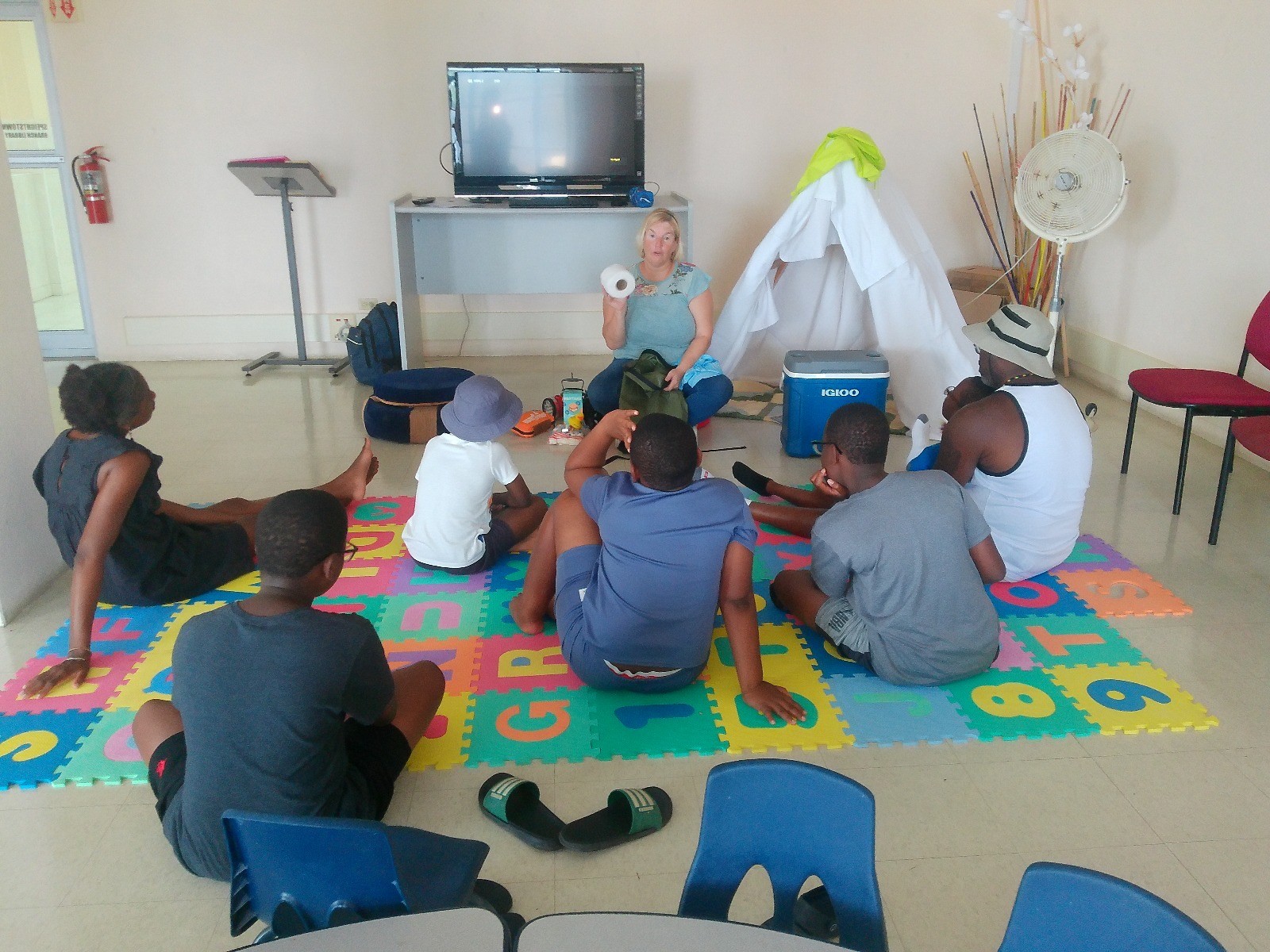
    Ruth Amanda: I read to a great group of kids at the local library. By great, I mean enthusiastic, inquisitive and as unruly as I was at that age. They love to question the content of the books, adore getting the globe out to see how far away the story happens, and they always provide feedback on my latest writing projects. That act of reading also means I am constantly reading work in my genre of Children’s Picture Books by my peers and writers from previous generations. I get to rediscover these stories with fresh childlike eyes as I try to anticipate what the questions will be so I can be prepared.

    I also try to write something every day even if it’s just a limerick.

    A good game of Scrabble is also useful to keep the vocabulary sharp.

    By the way, if asking for feedback from people who fall into the Picture Book target audience, be clear. Responses must be, “I don’t like it because __________” or “I like it because ___________”. This gives the opportunity for them to develop some clear communication skills, and also provides you with actionable feedback on what to tweak or which story to just scrap and move on until a better idea surfaces.

    Chanti: What are you working on now? What can we look forward to seeing next from you?

    Ruth Amanda: I have just released, on June 6, 2025, “Where are you, Hugh MacCoo?” which is about a young highland cow (or “coo”) that goes out hillwalking in Scotland and gets caught in some weather (as one does). The Mountain Rescue is called in to go search for him. Meantime, he has bumped into a Scottish legend. No spoilers here—buy the book. Available on Amazon, Barnes & Noble, Chapters/Indigo, Waterstones, Foyles, and wherever fine books are sold…(And leave a review!)

    I also have two Caribbean themed Christmas books in illustration to be released in November 15 (knock on wood), a middle grade sequel to “Cried the Raven” (2024, Ruth Amanda) that is stumbling through a plot flaw at the moment, and a developing manuscript about a hermit crab experiencing a fashion crisis due to a shortage of suitable shells on the beach.

    If I can squeeze it in, I also have a sea turtle themed colouring book in development.
    Kids, woman, blonde, window

    Chanti: Wow! You are so creative! What is the most important thing a reader can do for an author?

    Ruth Amanda: Read their book. At the library, or buy a copy, it doesn’t really matter. Just read it. Recommend it. Leave a review on Goodreads and Amazon.

    Also, send cash. A writer needs to eat.

    Chanti: Your books are both fun to read and beautiful to look at. What excites you most about writing?

    Ruth Amanda: A blank screen and a great idea. They go together like Peanut Butter and Jelly! Much like the chapter books I used to read to my kids, the pictures pop into my head as the words fill the page.

    What excites me the least about writing? Knowing that I have to bring those pictures in my head out onto the canvas and paper…that’s stressful. Especially when you have a couple of young fans asking, “Miss Ruth, I need more books. Are you writing more books?”

    Woman, palm, yellow, smile, blonde, Ruth Amanda

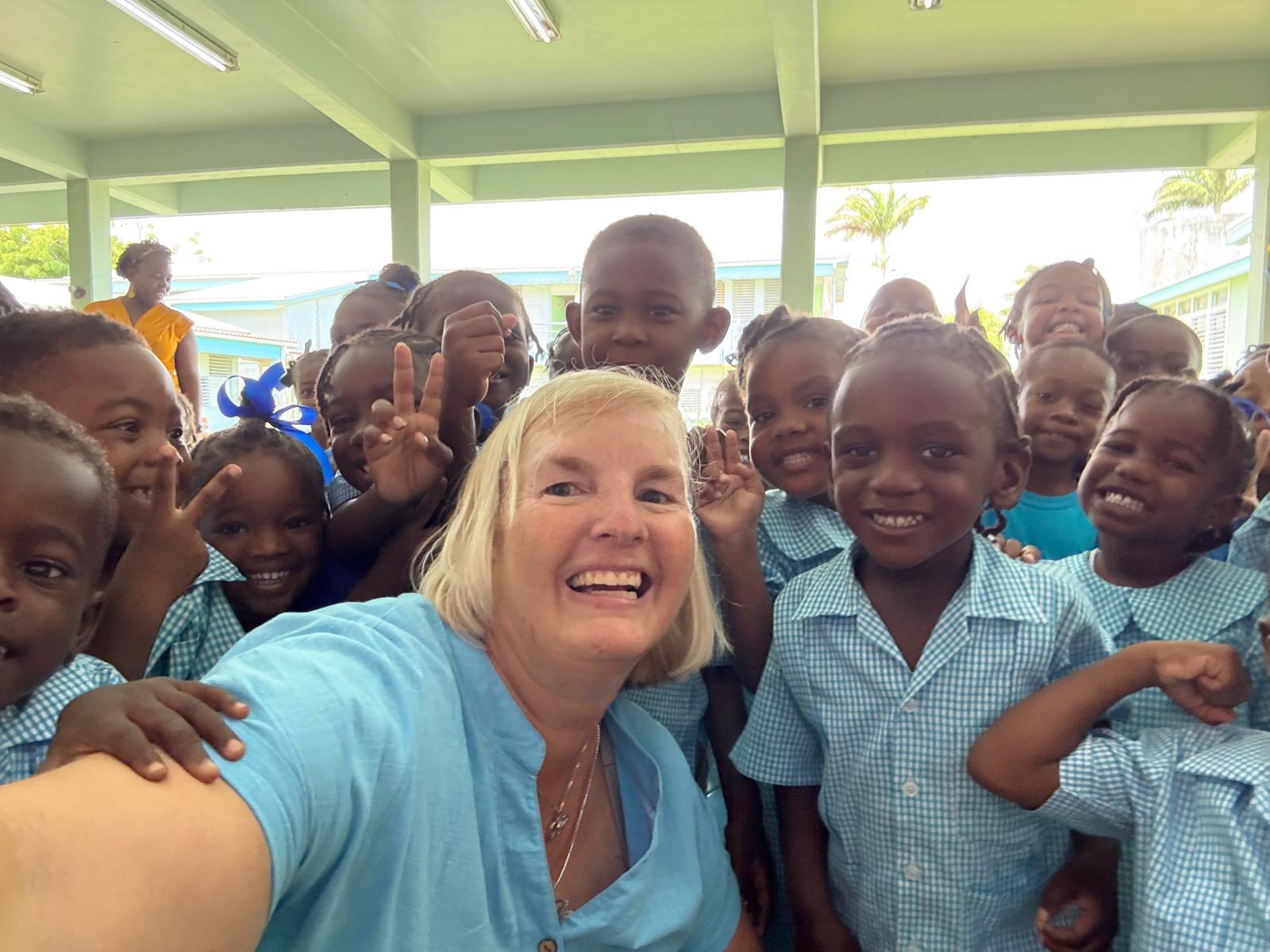
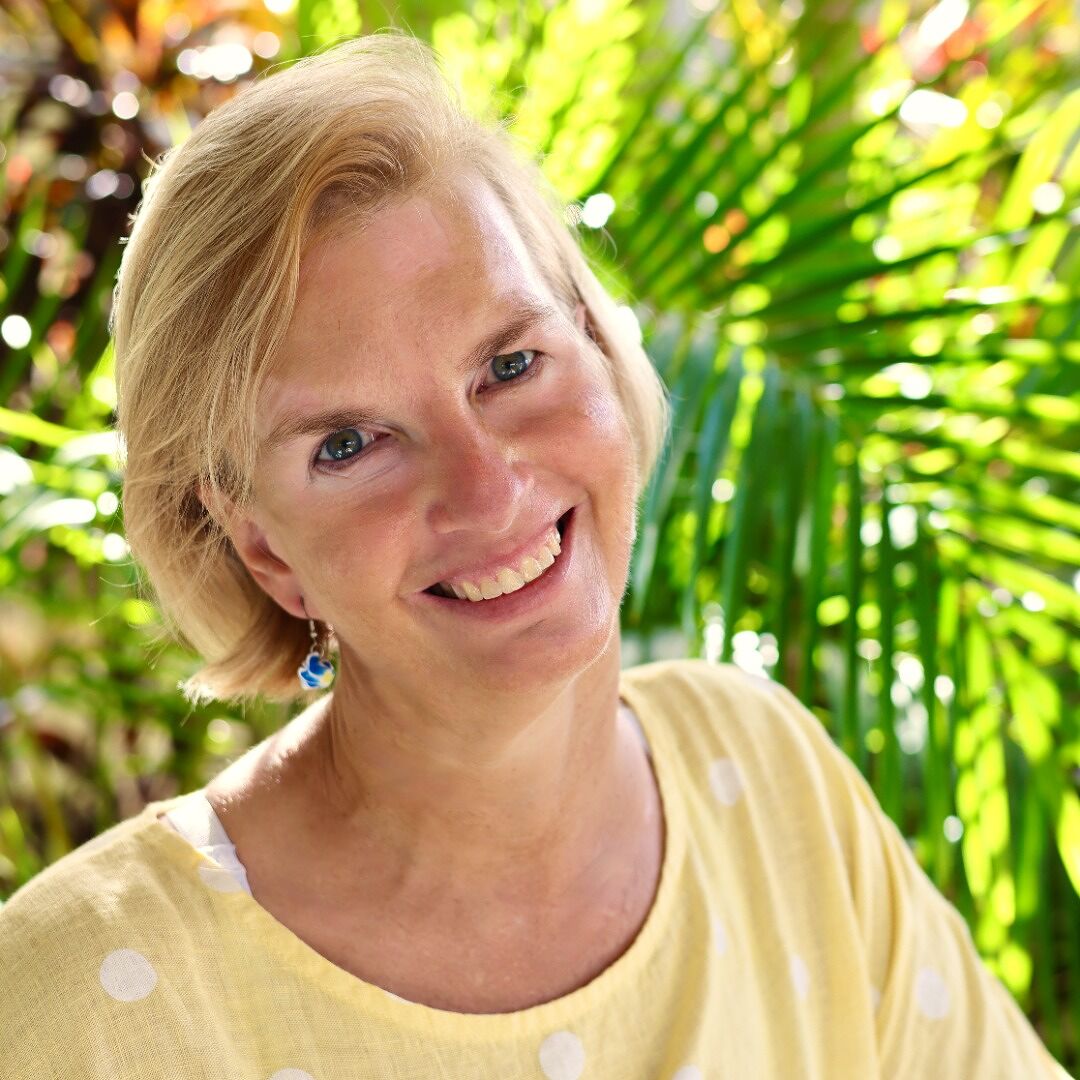
    Ruth Amanda lives in Barbados with her husband and a collection of wild creatures in her garden and tame creatures in her home. On most Saturdays, you can find her at the Speightstown Branch of the Barbados National Library Service where she works hand in hand with the Barbados Roaring Virtual Lions Club and the library to provide entertaining story time and activities for the kids. Ruth Amanda also conducts school visits and readings, and has some fabulous handouts for classrooms on Writing Stories and creating books.

    Ruth Amanda has been helping install book nooks in various nurseries and schools in coordination with the Kiwanis Club of Barbdos in Action and President Tracey MacWatt for the program BarbadosWorking, as well as the Child Care Board Barbados and the Barbados Association of Reading. Ruth Amanda is a strong proponent of increasing literacy worldwide, and knows that literacy begins very early. She also works in partnership with the Barbados National Library Service and the Prime Minister’s Office Division of Culture along with other authors and local creators to promote literacy in Golden Square Freedom Park, Bridgetown.
     

  • Chanticleer 10 Question Interview Series with Science Fiction Author Jayson Adams – Grand Prize Award-winning Author of Ares

    CHANTICLEER 10 QUESTION AUTHOR INTERVIEW SERIES

    with Award-Winning Author, Jayson Adams

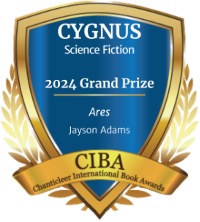
    Author of the 2024 Cygnus Grand Prize Winner Ares

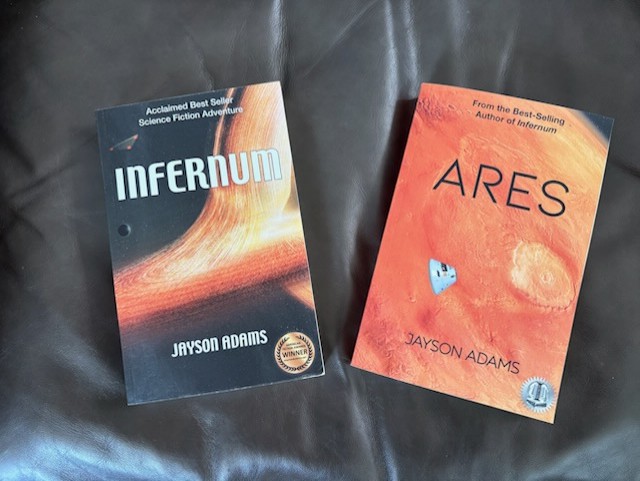
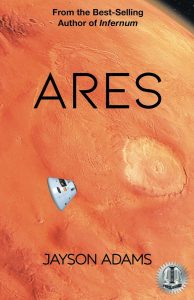
    Ares Cover

    Blue, Gold, Badge, CIBA

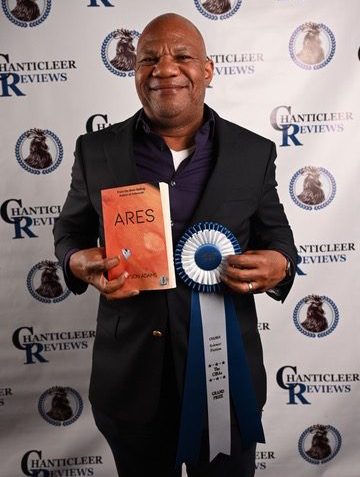
    Hello friends! We have another wonderful interview for you today, with author Jayson Adams! His book Ares took home the Chanticleer 2024 CIBA Grand Prize Award in the Cygnus Division, and we are excited to share with you the steps he took to becoming an award-winning author and what he’s planning next.

    Take a minute or two and get familiar with Jayson and his incredible journey to becoming award-winning author!


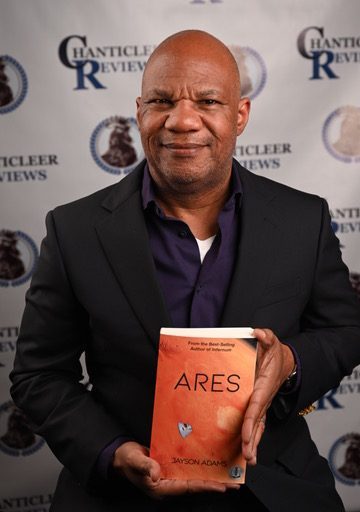
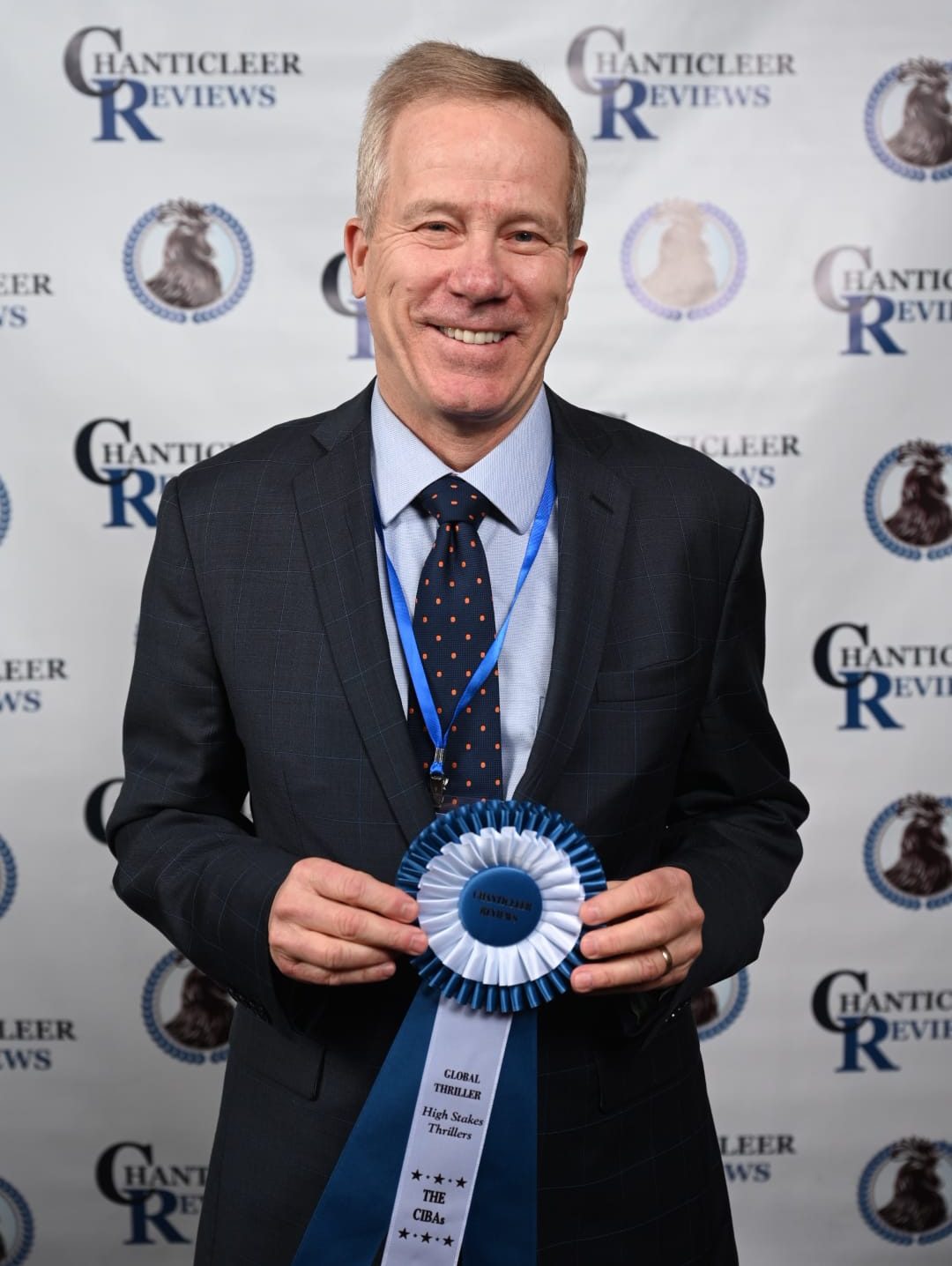
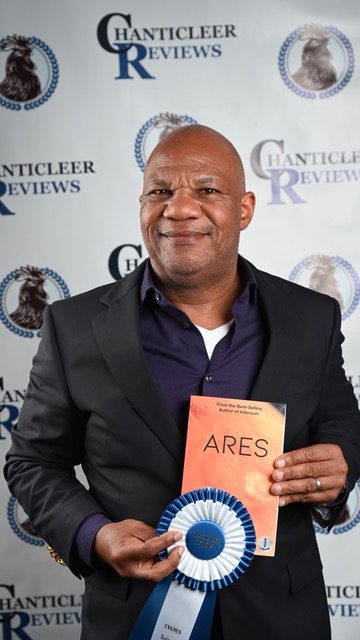
    man, ribbon, bald, blazer, book, ares, ciba, award

    Chanti: Jayson, let’s start with your background. Tell us a little about yourself—have you always dreamed of being a novelist, or did writing come into your life in a different way?

    Adams: I’ve been a science fiction fan since I was kid, but I had never really imagined myself writing novels. My passion leaned more toward computers. Even though they’re deeply technical, I saw the computer screen as a blank canvas—it was my creative outlet. I started several software companies and had the freedom to build whatever I could imagine.

    About ten years ago, I joined Google as an engineer on the Chrome browser. Over time, I grew frustrated with the division of labor in that space: product marketers decided what the product should do, designers decided how it would look and feel, and engineers were expected to bring it all to life—no questions asked. A few years in, I realized I needed a new creative outlet and turned to writing. I figured that with enough practice and a relentless drive to learn the craft, I could eventually become a decent writer.

    Chanti: We’ve definitely seen the shift from tech to writing frequently. That need for a creative outlet is undeniable. When it comes to the strengths you brought from your previous jobs to your new skills as a writer, can you talk about where you feel most confident and maybe offer some advice to anyone who struggles with that?

    Adams: Coming up with interesting plot twists. My advice to anyone who struggles in that area is the same lesson I find myself relearning from time to time: just write. When I get stuck wondering what should happen next, if I force myself to sit down and write what I do know, the ideas start to flow. And more often than not, they’re ideas I never would’ve discovered if I hadn’t put something on the page.

    Chanti: That’s such practical advice about pushing through the uncertainty! Your novel Ares has received incredible recognition. When did it really hit you that you’d become an author—not just someone who writes, but truly an author?

    Adams: It really sank in after I published my second novel, Ares. My first novel, Infernum, was well received, but who could say if that was just a fluke. With Ares earning similar acclaim, I can’t deny it anymore: I’m a writer.

    Man, blazer, bald, book

    Chanti: Two successful novels definitely prove it wasn’t beginner’s luck! You’ve established yourself firmly in science fiction. Is that where you plan to stay, or do you explore other genres as well?

    Adams: Broadly speaking, I write science fiction, but after publishing my second novel, I realized I’m straddling two sub-genres. Infernum is a space opera set a few hundred years in the future, while Ares is grounded sci-fi rooted in the near future. The tricky part is that fans of one don’t always enjoy the other. The novels I’m working on now lean toward grounded sci-fi, but I’ll likely return to space opera before long.

    Chanti: Managing reader expectations across subgenres is a challenge! When it comes to your writing approach, are you someone who follows established storytelling conventions, or do you prefer to break the rules and forge your own path?

    Adams: I follow the rules. They’re an unspoken set of agreements between author and reader that allow the reader to relax into a story. They signal what kind of world they’re entering, what matters, and what to expect. If I hand them something I’m calling a novel, they know it won’t fizzle out at 30,000 words. If I say it’s a mystery, they know there’ll be resolution. Following the rules doesn’t make you predicable, it makes you trustworthy.

    I once read The Hollow Man by Dan Simmons. The bulk of the book was the main character drifting from one random situation to the next. I kept waiting for a through line—some deeper meaning or connection to emerge. But all those events turned out to be filler, just killing time until the ending, which was probably the whole reason Simmons wrote the book. He broke the rule that says everything in the story should matter. When events don’t connect or build toward something, the reader feels tricked. I was so frustrated, I actually threw the book away.

    Chanti: That’s a compelling argument for honoring the reader contract! When you’re not crafting these intricate sci-fi worlds, how do you spend your time? What are your hobbies and interests outside of writing?

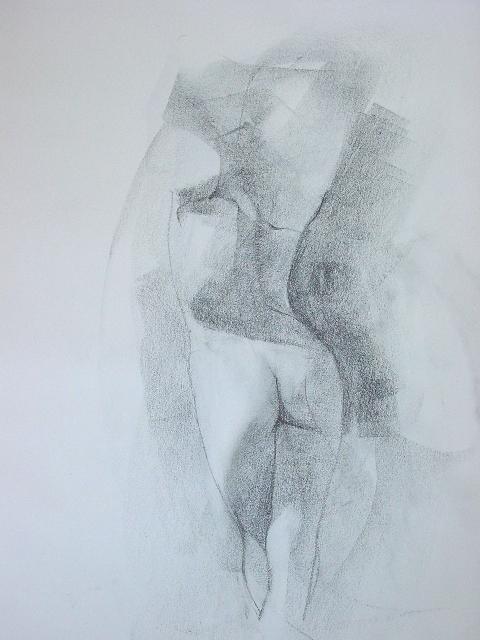
    Adams: Outside of reading, most of my time goes into writing software. I’m currently building out an app idea, though my long-term goal is to leave the tech world behind and focus entirely on writing. I’m also an artist and plan to return to life drawing, something I’ve missed.

    Jayson Adams, figure drawing, pencil sketch
    Copyright © 2000 Jayson Adams. All rights reserved.

    Chanti: It sounds like creativity flows through everything you do! Writing is definitely a craft that requires constant learning. Which books on the craft of writing have been most helpful to you?

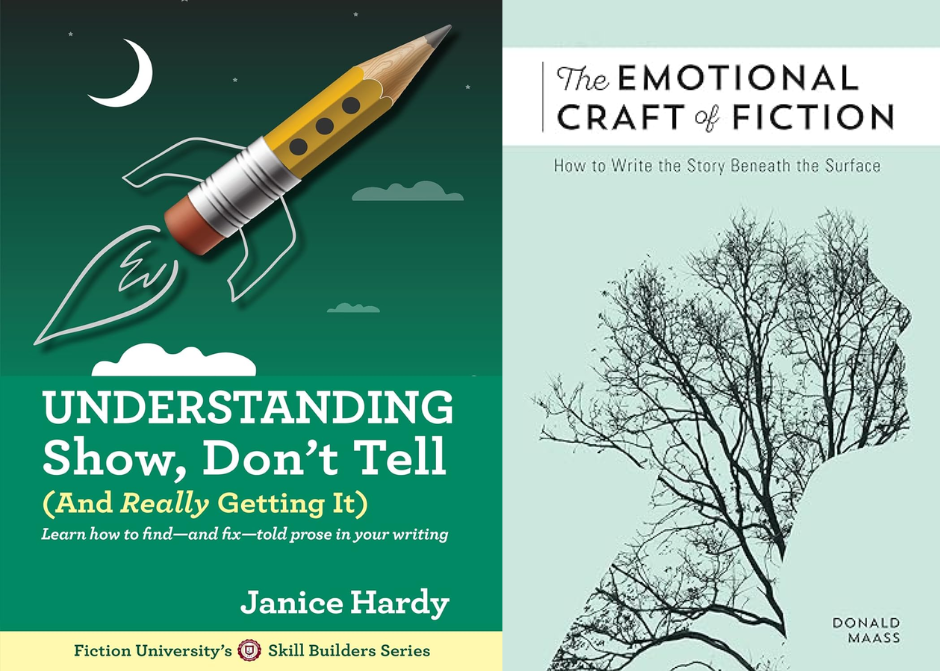
    Adams: Understanding Show, Don’t Tell, by Janice Hardy. Before I read this book, I had a general understanding of show vs. tell. This book was fantastic as far as explaining all the different ways telling can creep into a section of prose.

    I also love The Emotional Craft of Fiction by Donald Maass. Maass says that readers may not remember every plot point, but they’ll remember how a story made them feel. This is the power of emotionally resonant fiction. He does a great job of explaining how to tap into it on the page.

    Show don't tell, book, green, pencil

    Chanti: Both of those sound incredibly valuable! Marketing can be one of the trickiest aspects of being an author. What strategies have you found most effective for selling books and building your readership?

    Adams: A well-performing BookBub ad is incredibly valuable, but can be tricky to build. Ares has been out for awhile now, so Amazon lists about 100 other titles that readers also bought. I used ChatGPT to turn that list into a spreadsheet, with info like author, summary, and more, and then fed it back into ChatGPT to identify recurring themes and tropes that define an Ares reader.

    From there, I built ad copy around four tropes that resonated the most. I also had ChatGPT identify authors from that list whose work aligned with each trope. Then I created BookBub ads for each trope that targeted fans of the corresponding authors. That approach was far more effective than my earlier “try this headline” style of experimentation.

    Another thing I’ve explored is using negative reviews as a marketing tool—not to win over critics, but to help misaligned readers recognize the book may not be for them. I took screenshots of all my 1-, 2-, and 3-star reviews and fed them into ChatGPT, then asked it to gently distill the criticisms. (Screenshots let me avoid even glancing at what might be painful feedback, while still giving the AI everything it needed.) My goal was to add a line to the book description that would help readers who probably wouldn’t like the book self-select out.

    From that effort, I learned that many of Ares’s low-star reviews came from people who expected hard sci-fi and were disappointed to get something that leaned more toward mystery/thriller instead. ChatGPT crafted a short blurb that lets potential readers know that if they’re looking for hard sci-fi, Ares may not be the book for them.

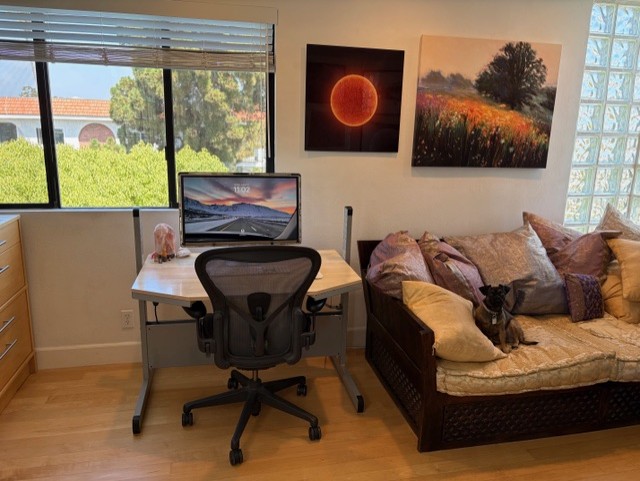
    Jayson Adams, office chair, office, desk, window, computer, couch

    Chanti: That’s a genius use of AI for market research! I’m going to have to try that out! Looking ahead, what projects are you working on now? What can your readers look forward to next?

    Adams: I started working on a sequel to Ares, called King of the Moon. It follows Commander Praviraj Anand and Lieutenant Jack Bremmer from the moonbase featured in that story. But along the way, I found myself pulled into a new, unrelated novel called The Quantum Mirror, which centers on a rescue mission to a decrepit Russian space station. I plan to finish both, though The Quantum Mirror will likely arrive first.

    jayson Adams, Ares, book, Chanticleer

    Chanti: We can’t wait for either of them! Ares was such a treat, and we can’t wait to read more! As we wrap this up, we’d love to end with some advice for readers: What’s the single most important thing a reader can do to support an author they enjoy?

    Adams: If they enjoy a book, please, please, PLEASE leave a rating for it wherever they bought it. As a reader, I always look at the average rating, the number of star ratings, and the release date (how long it took to earn those star ratings). That alone tells you so much about a book’s appeal. Ratings may seem like a small thing, but they make a huge difference.

    Thank you, Jayson, for sharing your writing journey with us and for creating thought-provoking, thrilling science fiction! 


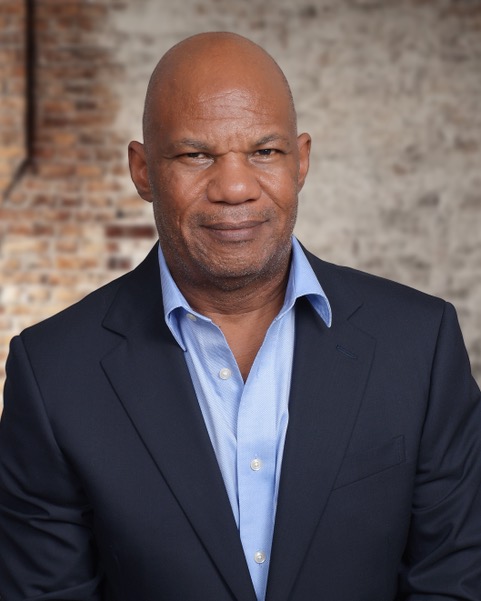
    blazer, blue, shirt, bald, man


    Jayson Adams began his career as a tech entrepreneur, achieving his dream of starting a software company, which he did at the age of 24, and retiring by the age of 30. He has worked for notable figures like Steve Jobs and has founded several successful startups, including one sold to Netscape. After a successful career in technology, he transitioned to writing science fiction around 2018, finding a new creative outlet in storytelling.

    After traveling through Europe and taking up music, he returned to computers with another start-up. He is currently working on a sequel to his award-winning novel, Ares.

  • 10 Question Interview with Shaziya M. Jaffer, Brad W. Rudover, Jessica Alexanderson of Recycling is Like Magic– Environmental Warriors and CIBA Grand Prize Winners

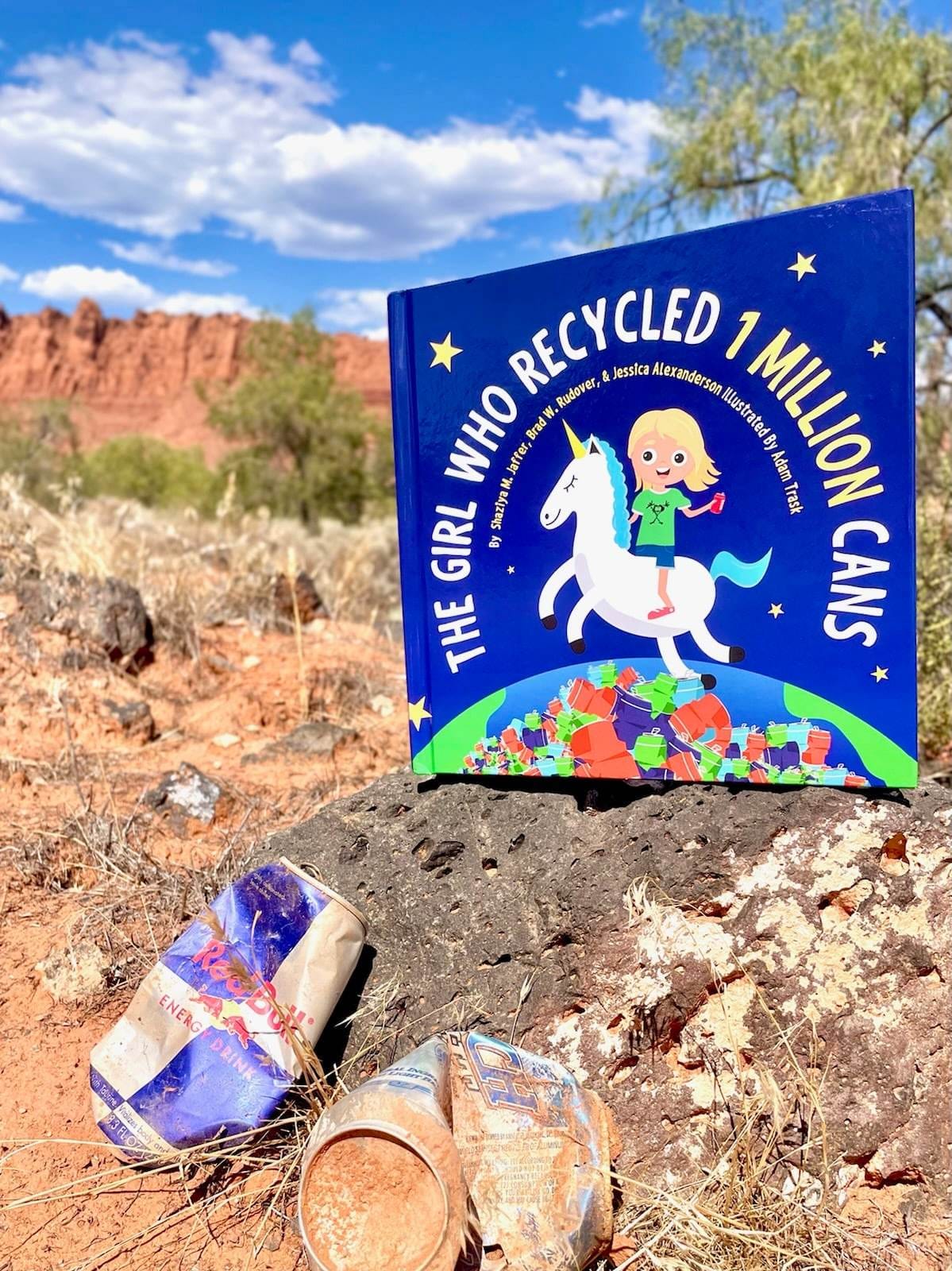
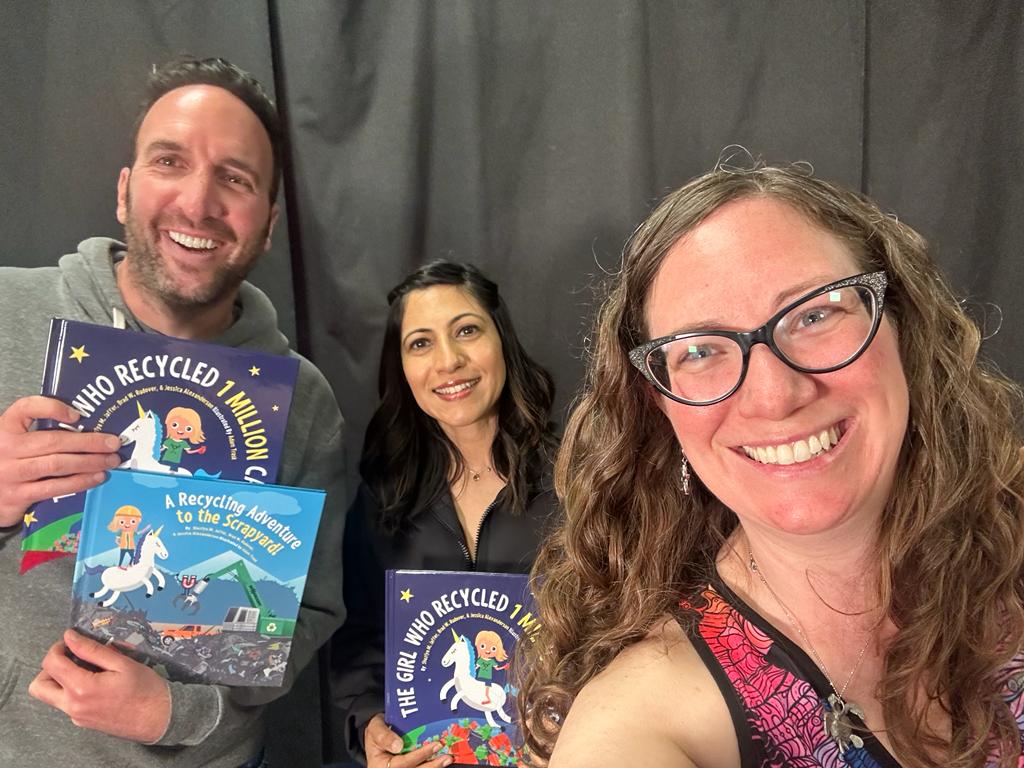
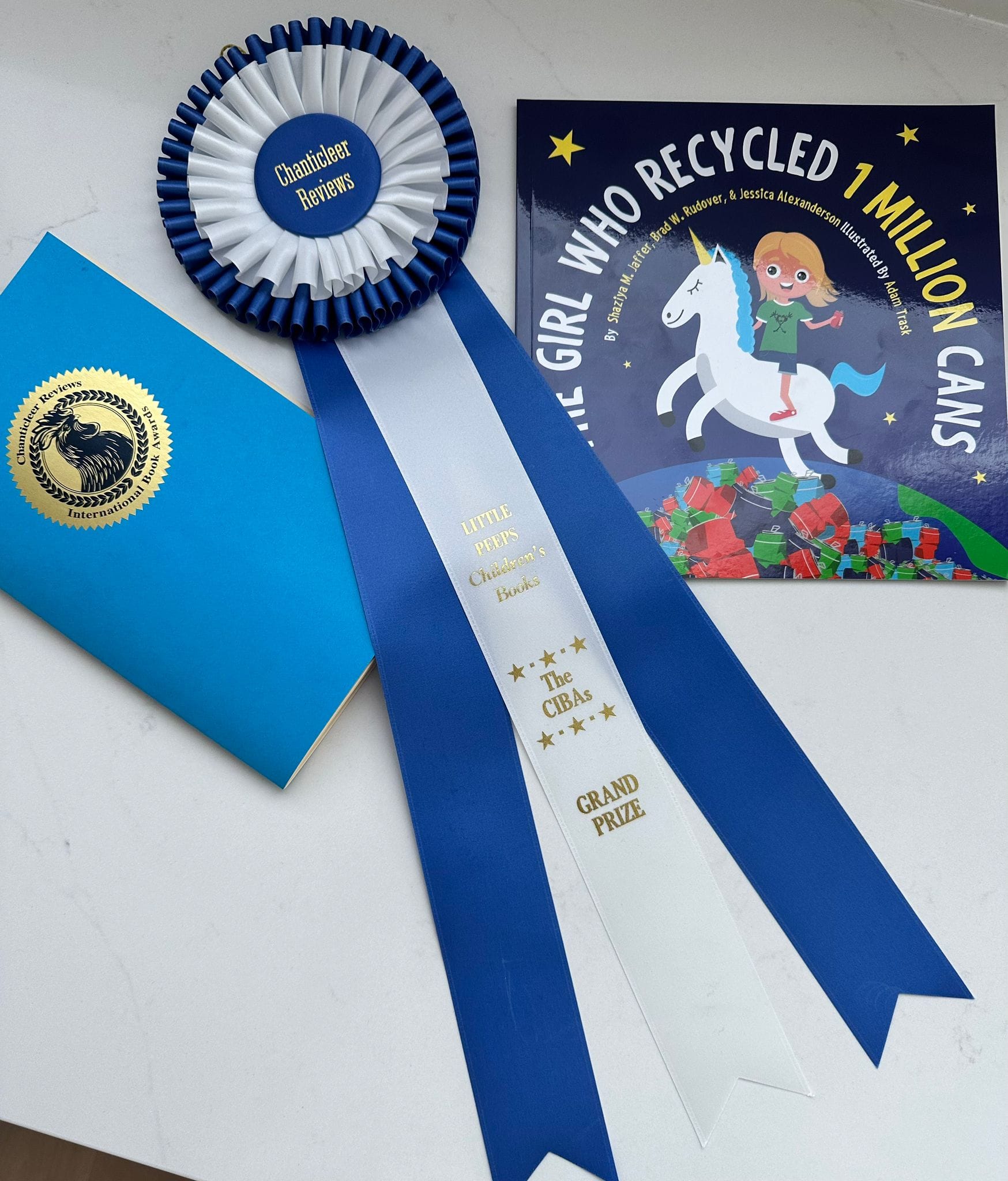
    We had the pleasure of speaking with the amazing writing team of Shaziya M. Jaffer, Brad W. Rudover, and Jessica Alexanderson (aka: Scuba Jess) recently. Together, they authored The Girl Who Recycled 1 Million Cans, the 2023 CIBA Grand Prize in the Little Peeps division.

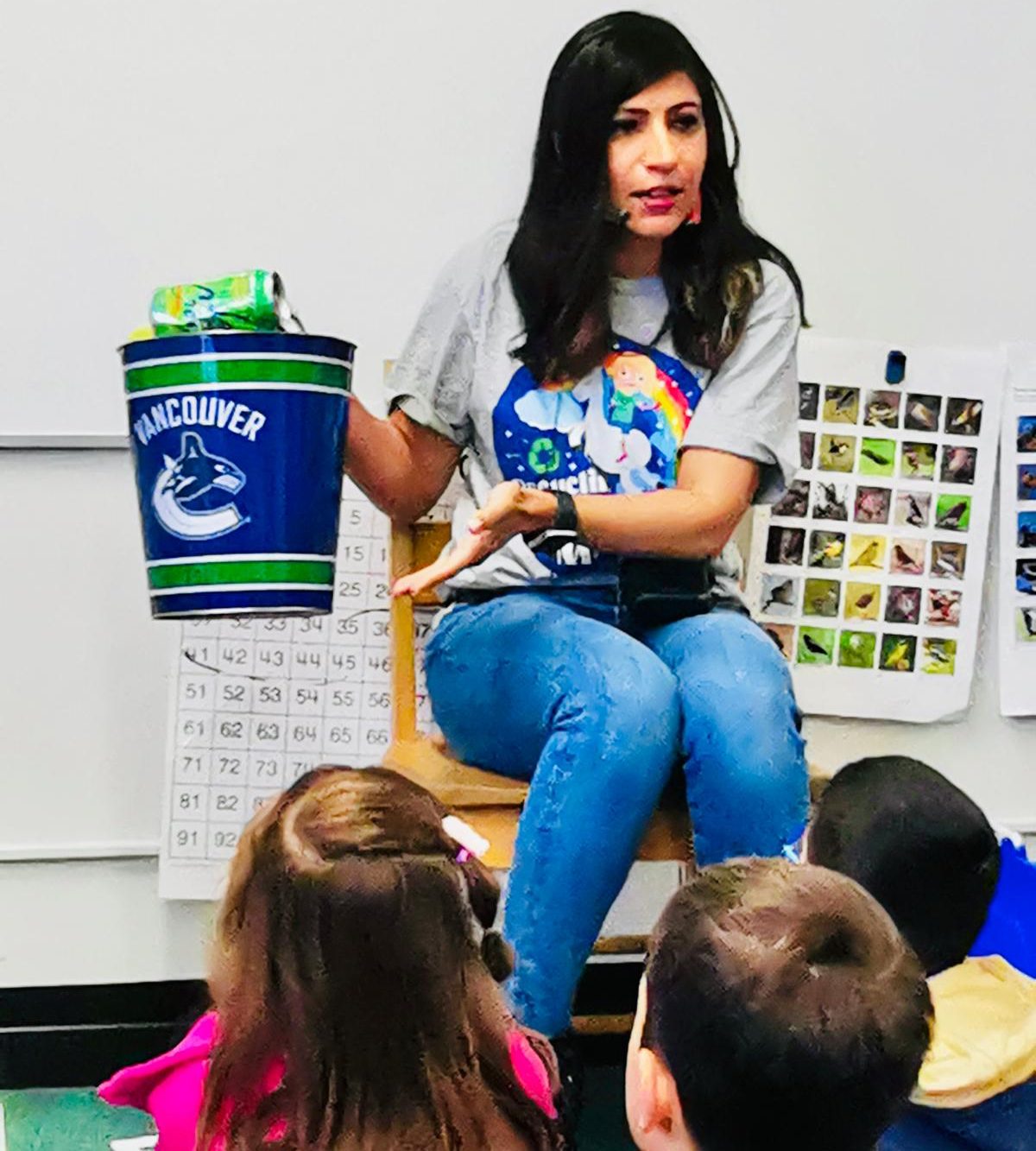
    Jaffer, Rudover, and Alexanderson have created a program called Recycling is Like Magic (formerly Scrap University Kids), which teaches children about how they can help make our world cleaner through recycling, and their award-winning book is read to schoolchildren across the Pacific Northwest to teach them about the importance of participating in environmental projects. Here’s what we talked about: 

    Book, women, man, gray, curtain

    Chanti:Let’s start with the basics. Can you tell us a little about how your writing team came together and what inspired you to start creating books to support your recycling education mission?

    Magic: We noticed a lack of recycling education books in the children’s book genre, so, we decided to write one that would share our recycling knowledge to increase the overall recycling rate. Now, the book, along with our other efforts have encouraged our AMAZING readers and recyclers to recycle over 3,516,695 cans!

    Chanti: That’s an incredible impact! I love that you’re combining child literacy with environmental education. When you think about your roles, do you see yourselves primarily as authors or as educators?

    Magic: Yes, we are authors, and we are very happy our book was so well received, but we really think of ourselves as educators. Engaging with children by reading our book to them is a great way to introduce them to the idea that we are all responsible for taking care of the earth.

    CIBA, ribbon, book, cover, program

    Chanti: That educator mindset really comes through in your work! When it comes to writing children’s books, do you find yourselves following traditional publishing conventions, or do you prefer to forge your own path?

    Magic: As entrepreneurs, we color outside of the lines. We are always looking for ways to connect with children and seek out opportunities to get our message out to them as well as the community at large. We see our children’s books as a way to teach children through a fun story where they can identify with the characters and see themselves as recyclers. Those kids then influence the behavior of their friends and family, resulting in even more lifelong recyclers. Because of this, The Girl Who Recycled 1 Million Cans far outweighs any public service announcement or political campaign we could have offered, and it has quickly become the catalyst for change.

    Chanti: How do you come up with your ideas for a story that is meant to grab the attention of young children?

    Magic: Our work in protecting the environment provides plenty of opportunities to be inspired. We work with people who tell us the stories of what they see and hear about the recycling efforts in their community and the results of those efforts. Our own children also provide great inspiration for our stories. Their inquisitive nature often presents the questions we aim to answer in our books.

    Shazia, trash can, kids, hand

    Chanti: Drawing from real-world experiences and your own children’s curiosity—that’s brilliant! Writing for children requires such a specific skill set. How do you continue developing and refining your craft?

    Magic: Because our books are aimed at educating children, we look for opportunities to explain difficult concepts in a way that children will understand. This helps to think about our word choice and sentence length when we’re writing.

    Chanti:That focus on accessibility is so important. Since you work as a collaborative team how do you organize your writing process? Do you have a structured approach, or is it more organic?

    Magic: Because we work as a team, we have created a repeatable process that we follow for each title, passing the book between us as we add new pages and, eventually, we end up with a story that we can edit to make sure it flows well, makes sense, and delivers a clear message. Having said that, we all generally let the process flow rather than forcing it to happen as we feel that is the best way to create a readable book that kids will enjoy. If we feel stuck we turn to nature to break through writers block—Brad Rudover goes for a walk in the forest and Scuba Jess goes for a dive (of course!)

    Chanti:I love how you each have your own way of reconnecting with nature when you need inspiration! Every writing team has their influences. Can you share some of the authors who have shaped your approach to children’s literature?

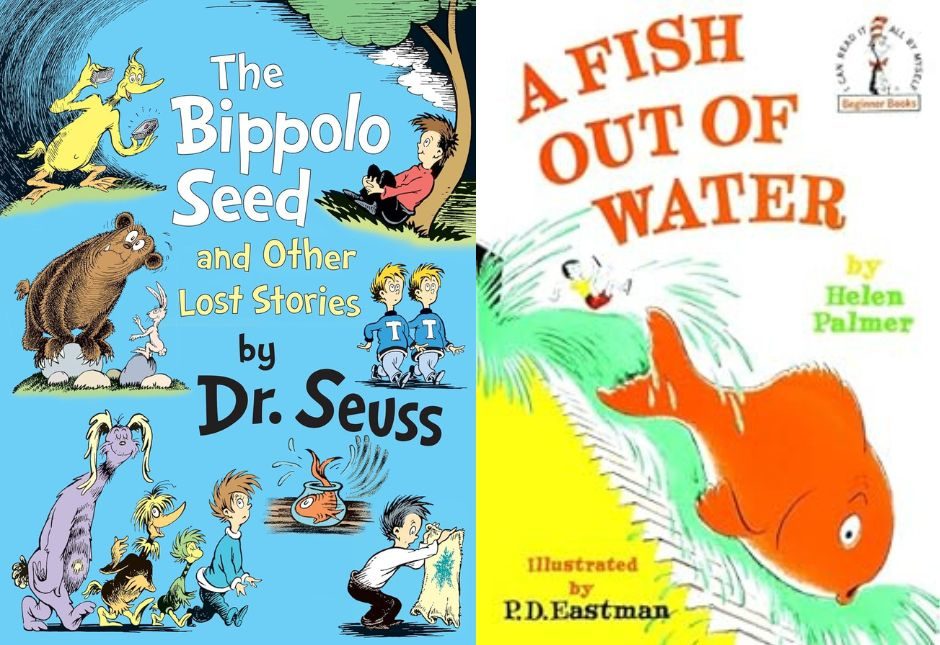
    Magic: Brad Rudover loves Dr. Seuss’s creative genius, and his bright, active characters. They are the perfect model to create the bright, active characters who love recycling in our books. Shaziya M Jaffer and Scuba Jess are influenced by Dr. Seuss’s wife, Helen Palmer, who wrote A Fish Out of Water. To learn more about the craft of writing a great children’s book, we turn to Dr. Seuss’s famous book, Green Eggs and Ham, and to learn about the business of writing we turn to From Good to Great by Jim Collins.

    Chanti:Dr. Seuss is such a perfect influence for what you’re doing! Your mission clearly extends far beyond just writing books. How has becoming published authors affected your involvement in your community?

    Magic: Our whole mission revolves around community engagement, beginning with children. As we’ve dived deeper into spreading the word about recycling, we’ve found ourselves focusing more on philanthropy and opening doors to engagment with the greater environmental movement.

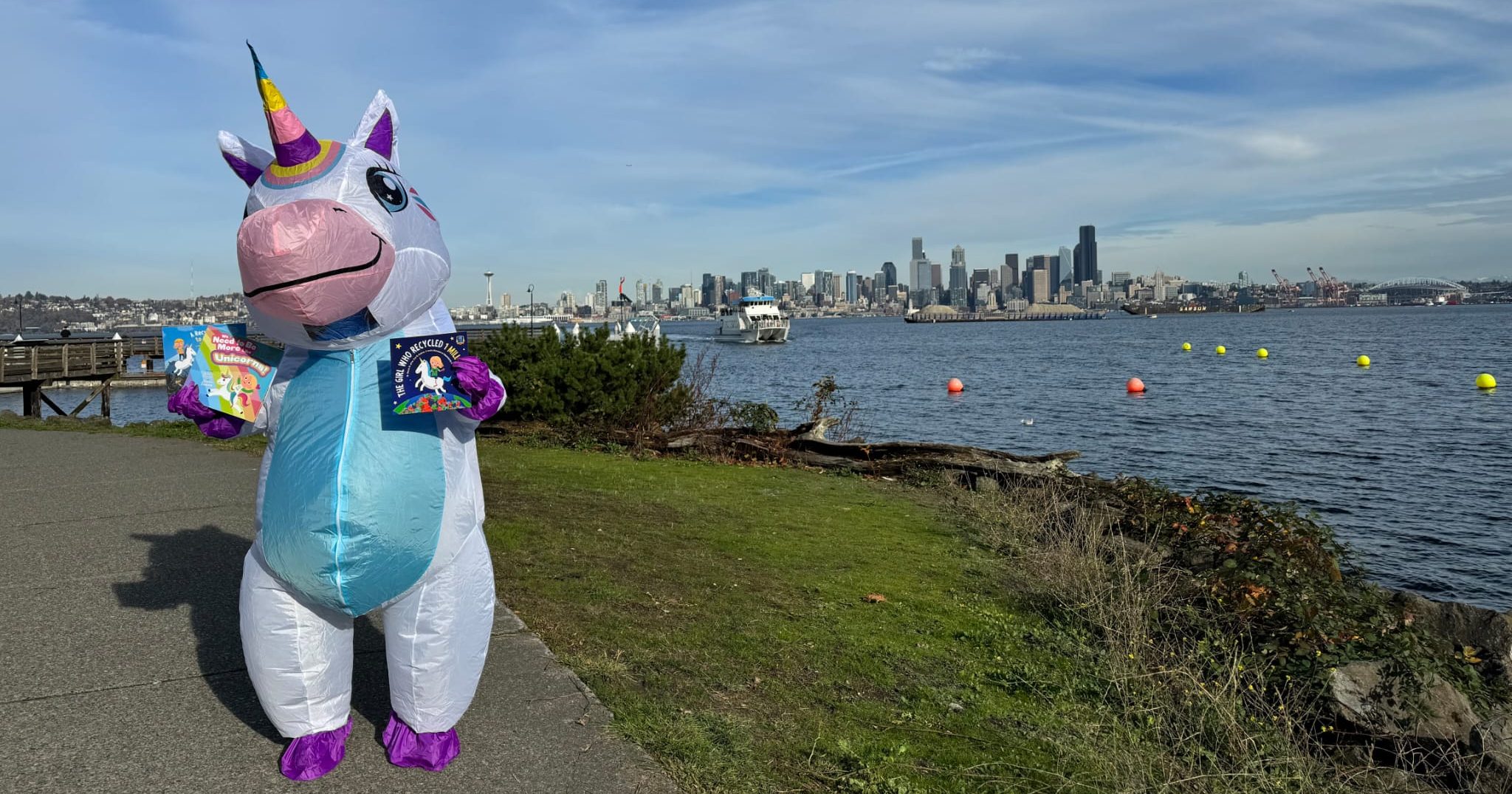
    unicorn, bay, water, city, grass, book

    Chanti:That community focus is wonderful to see. What specific things are you doing to promote literacy in your region?

    Magic:  We donate our books to elementary schools that need more recycling education in our region. Shaziya M. Jaffer always says, “Our perfect readers are children who want to make the planet a better place.” And Scuba Jess relies on her experience as a diver. “I love sharing my passion for ocean conservation through underwater photography and cleanup dives, and I bring these experiences to students by visiting classrooms, hosting Zoom calls and reading our books at libraries across Washington state. My goal is to inspire kids with fun and easy ways they can help protect our oceans. With over 10 years of diving and 1,465 dives, I’ve seen firsthand how much our amazing sea creatures in Puget Sound and beyond need our help. If there’s one thing I can ask of anyone reading this: please pick up litter when you see it, never toss cigarette butts on the ground and always recycle your aluminum cans—every action makes a difference!”

    Chanti:That hands-on approach is incredible, and Scuba Jess, your diving experience adds such authenticity to your environmental message! As we wrap up, what exciting projects is the Recycling is Like Magic team working on now? Are there more books in the pipeline?

    Magic: We are always looking for ways to enact behavioral change for the betterment of society, so we work to create many educational and actionable avenues into the recycling world. We’ve followed up The Girl Who Recycled 1 Million Cans with another book called, A Recycling Adventure to the Scrap Yard, and we have two more children’s books in mind for our four-book metal recycling series. The third book is being written now and will be called A Recycling Adventure to the Steel Mill. It focuses on the steel melting process after Daddy’s truck was shredded at the scrapyard, and we see what it will be turned into next.

    Our “Two Million Can Recycling Contest” is also a big project, with a goal to double contest participation by engaging with approximately 50 schools. It will feature more incentives for participating students, including a $500 bonus for collecting 150,000 cans, pizza parties, and more!


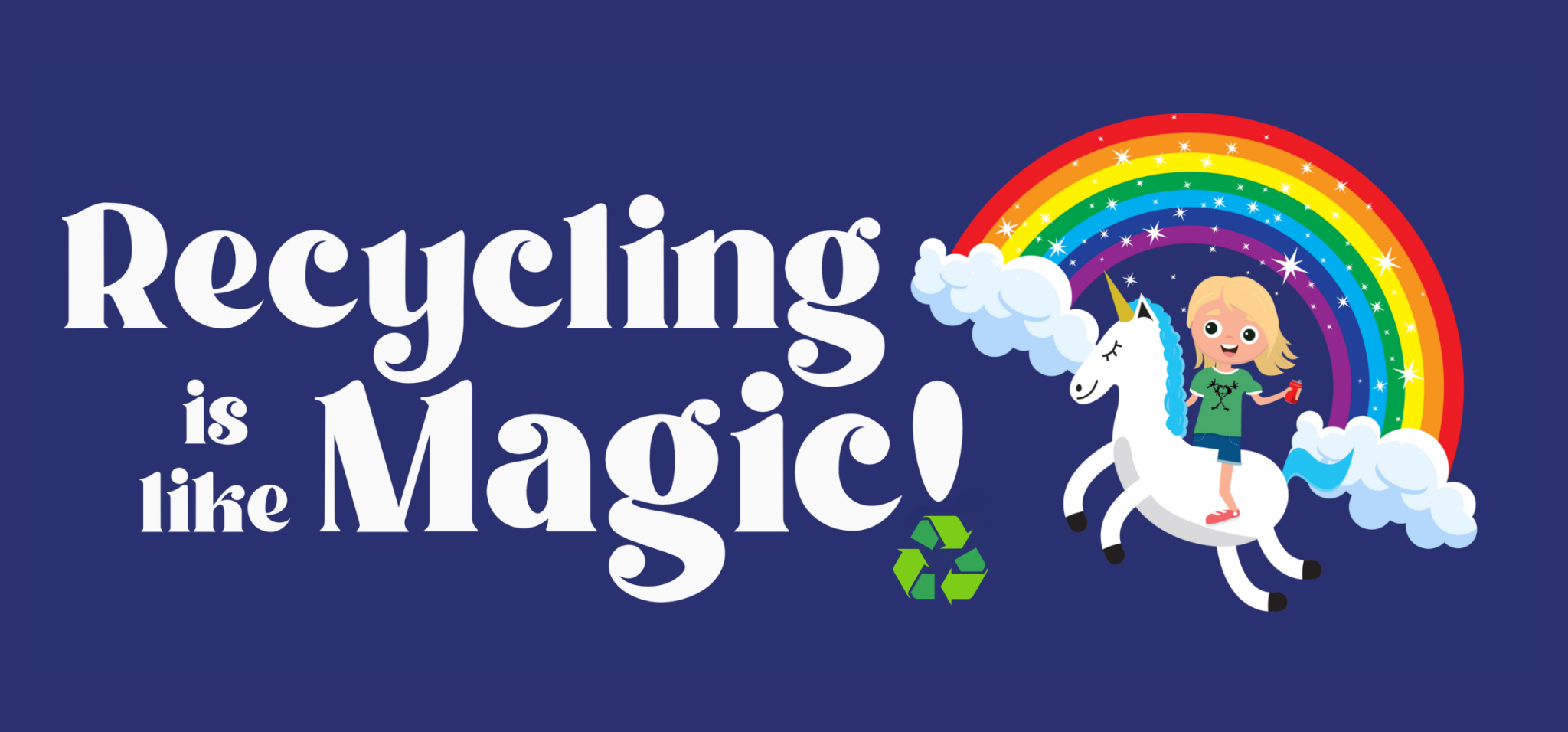
    Unicorn, rainbow, recycling., icon“Our goal is to eliminate metal from the waste stream within the next 30 years by providing recycling education to children.
    Given the success of our Million Cans Recycling Contest, Beverage Can Industry Champions sponsored by leading organizations driving sustainable aluminm packaging, we can say with confidence that our book is helping increase recycling rates. we can say with certainty our book is the solution to increasing the recycling rate.

    Kids gamify collecting cans which leads to immediate impact, but more importantly, it creates long-term behavioral change.  They quickly learn that throwing cans (or any metal) into the trash is an unacceptable because those materials are recyclable and valuable.” – Brad Rudover, Recycling is Like Magic!

    With the launch of our nonprofit, The Recycling Society, anyone who supports our mission can now donate or get involved. Learn more at: recyclingsociety.org

  • Chanticleer 10 Question Author Interview Series with Rae Knightly – Grand Prize Award-winning Author of Exostar

    CHANTICLEER 10 QUESTION AUTHOR INTERVIEW SERIES
    with Award-Winning Author, Rae Knightly

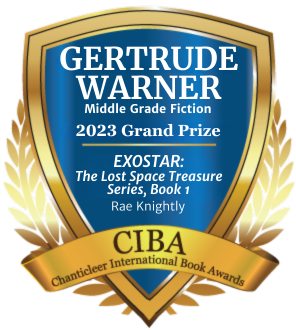
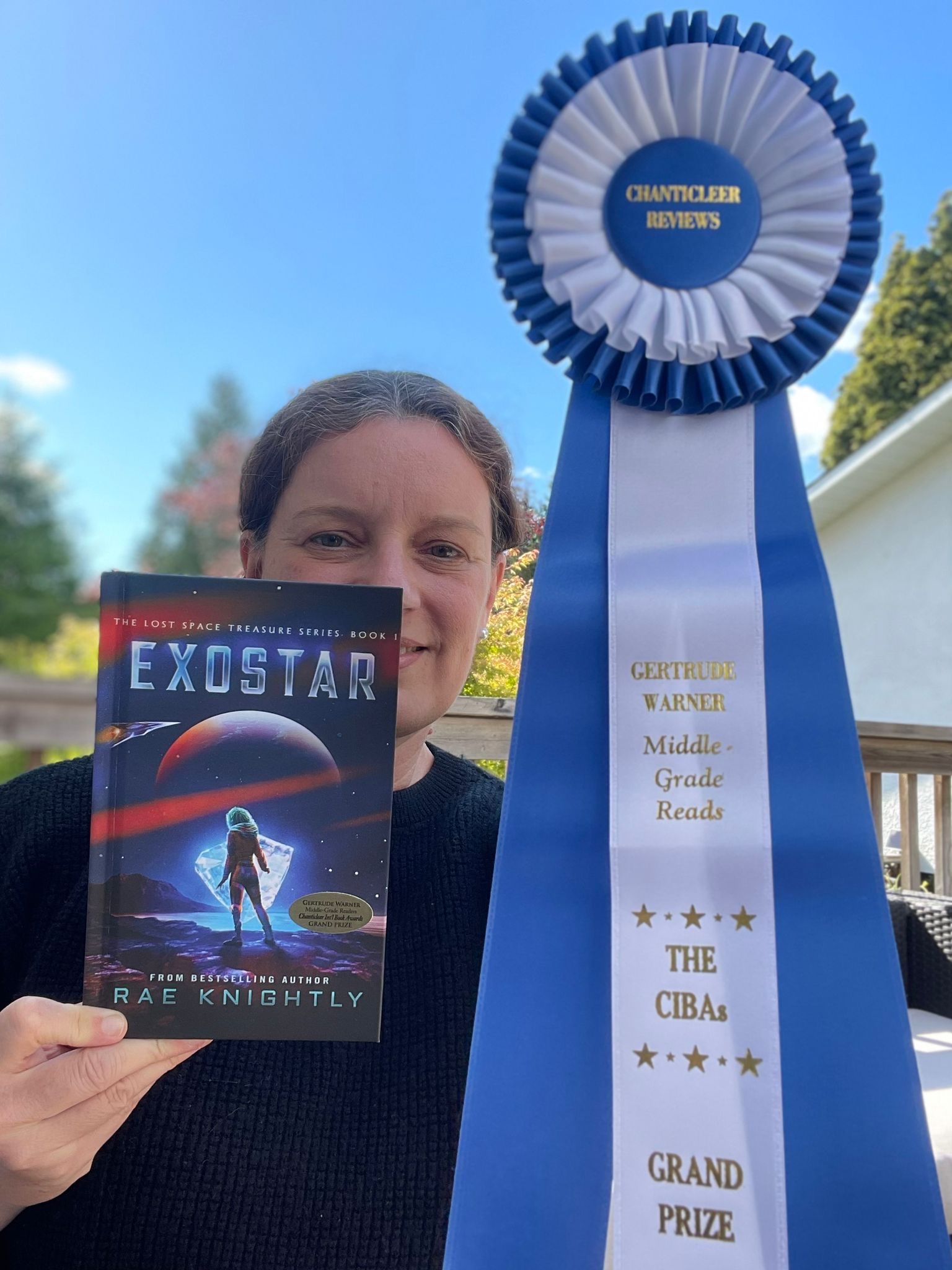
    Gertrude Warner 2023 GP Winner Exostar Rae Knightly

    Hello friends! We have another fabulous interview for you today, with author Rae Knightly! Her book Exostar took home the Chanticleer 2024 CIBA Grand Prize Award in the Gertrude Warner Division for Middle Grade Fiction, and we are excited to share with you the globe-trotting, star-gazing journey she took to becoming an author and what she’s planning next. Take a minute or two and get familiar with Rae and her incredible journey to becoming award-winning author!


    Chanti: Like all great heroes, we’d love to start with your origin story. Have you always considered yourself a writer, or was that an identity that developed over time?

    Rae Knightly, book, scarfKnightly: I was a reader before I became a writer. As a single child, I would devour books up until my teenage years. Fictional characters were my friends. I would go to my local library on Fridays after school, pick out three books (the maximum allowed) and read those until it was Friday again. The problem was that, after a while, I felt like I had gone through the middle-grade section. It was time for me to head downstairs to the adult section. Unfortunately, the switch proved too big of a step. I couldn’t find anything to my liking among the big boring-looking adult books. Where was the fantasy, science fiction and adventure section for my age? I guess “young adult” books weren’t a thing back then. So, instead, I turned to my imagination and carried on the stories I liked or created new ones in my mind.
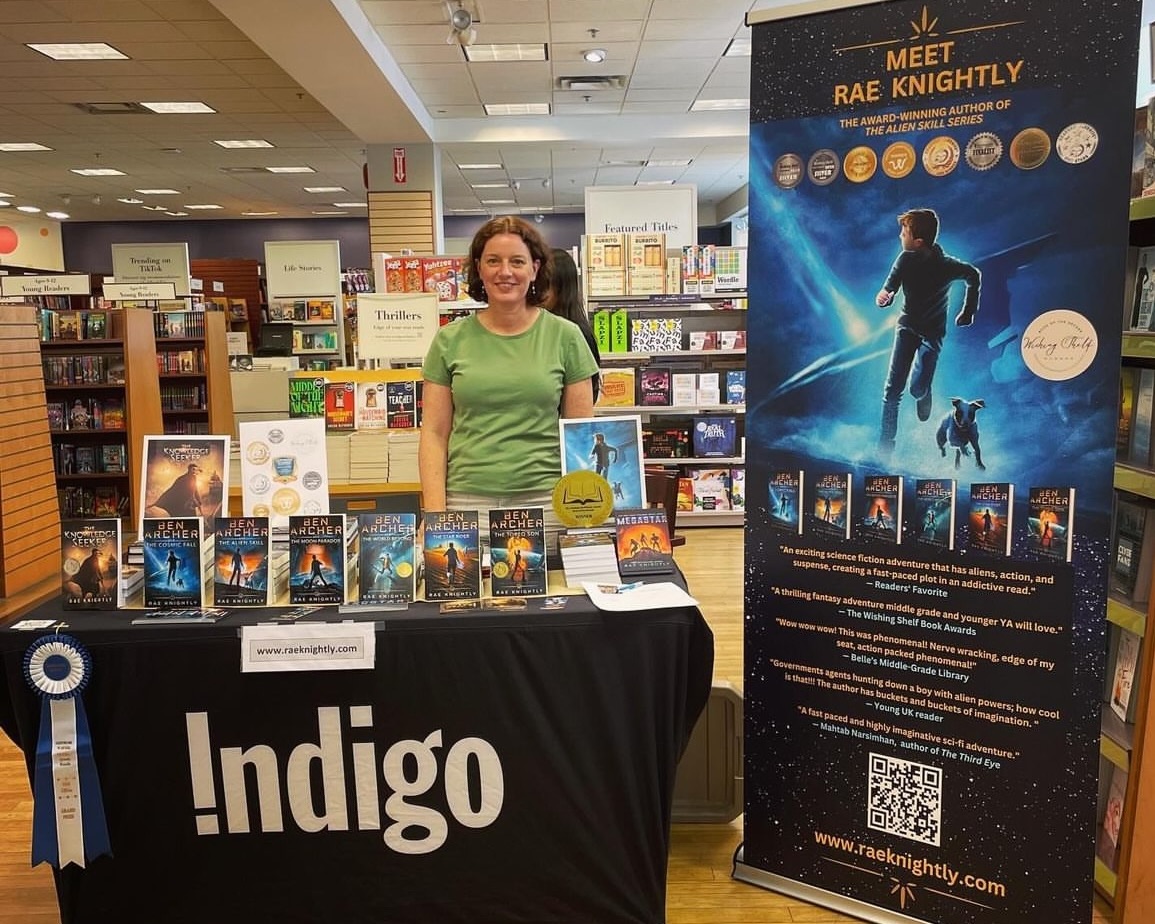
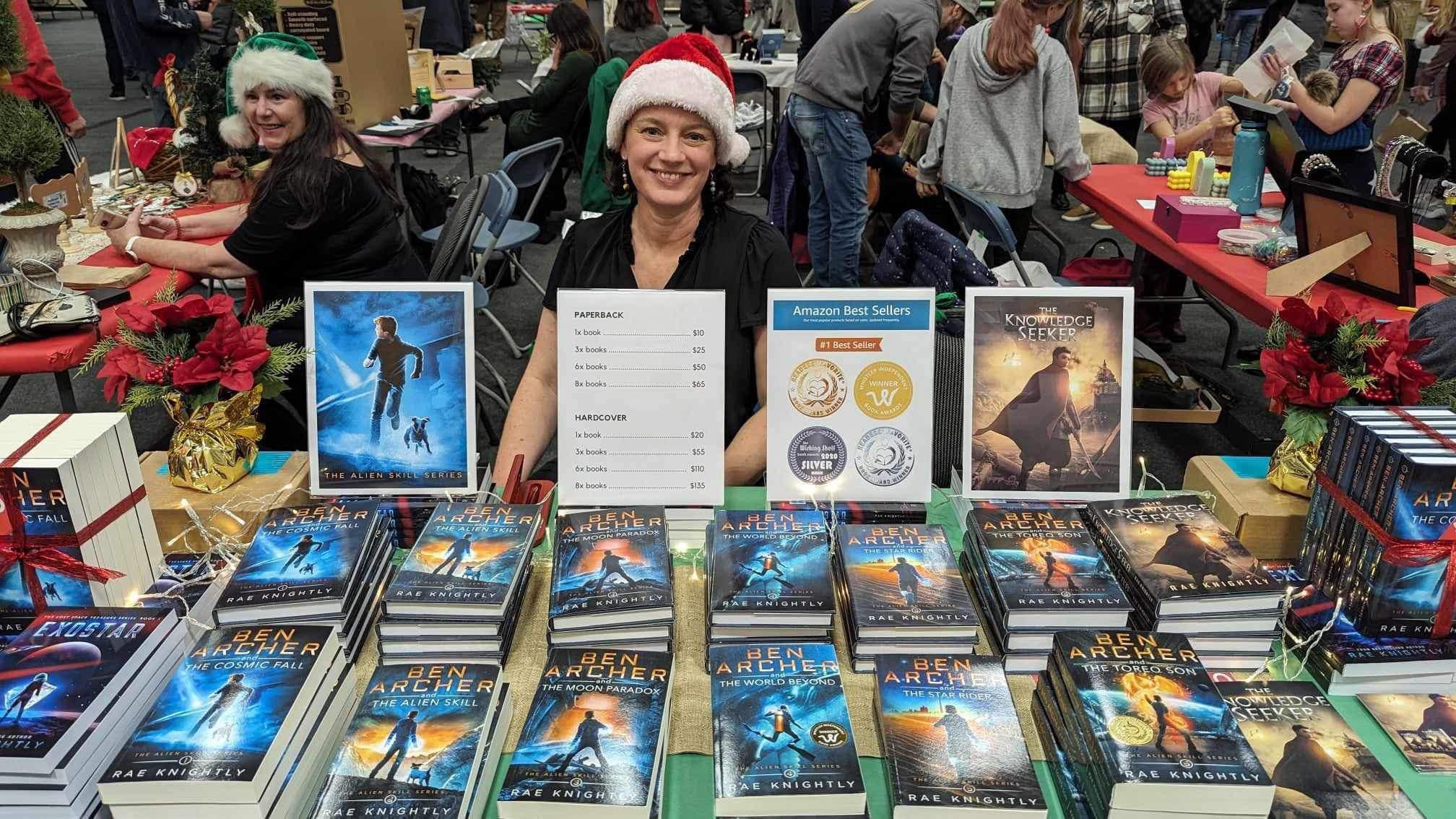
    It would be another thirty years before I got the chance to write these stories down. Once I had penned my first book, Ben Archer and the Cosmic Fall, I felt like a fish in water and knew that this was what I was born to do. You could say the books I am writing today strive to recreate the sense of wonder that I experienced as a middle-grade reader.

    Rae Knightly, bookstore, books, poster

    Chanti: What a beautiful way to describe it—recreating that sense of wonder! That really is the “write what you love” philosophy in action. What specifically inspires your science fiction storytelling?

    Knightly: I grew up in Africa where I became fascinated with the night sky. It made me ask profound questions: What is out there? Who are we? Why are we here? Are we alone in the Universe? Is there something beyond the Universe?

    Science fiction can be just as magical as fantasy and—in my mind—is even more so because this type of ‘magic’ might be real. Aliens might exist, we might settle on Mars one day, interstellar travel might be invented in the future, a young reader might invent clean energy when he/she grows up… I think it is vital in this day and age to inspire young people through science fiction because this could lead them to become compassionate scientists, inventors and politicians who will find answers to today’s challenges.

    I understand, though, that topics such as aliens, destructive inventions and climate change can be scary to young readers, so I strive to incorporate them in page-turning, thrilling adventures that are easier to absorb and understand. In this way, I hope to awaken a fascination for the marvels of our world and beyond—just as I was fascinated and inspired by the night skies as a child.

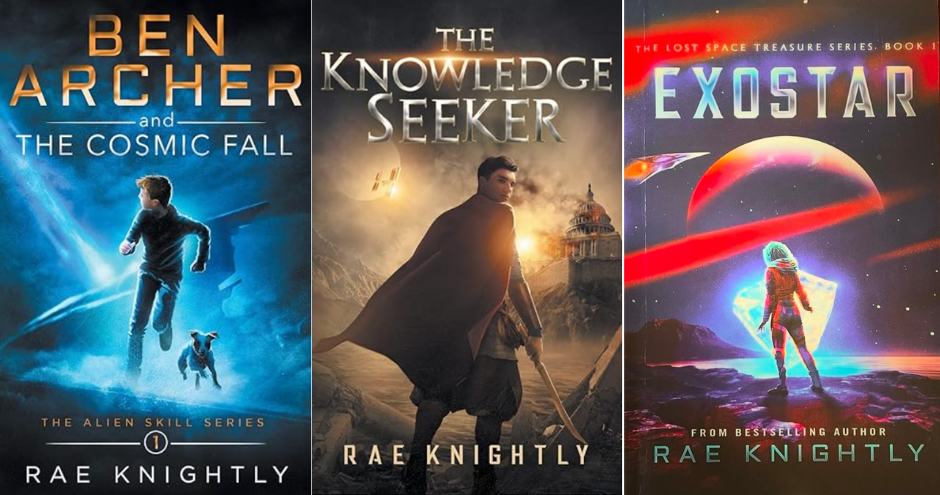
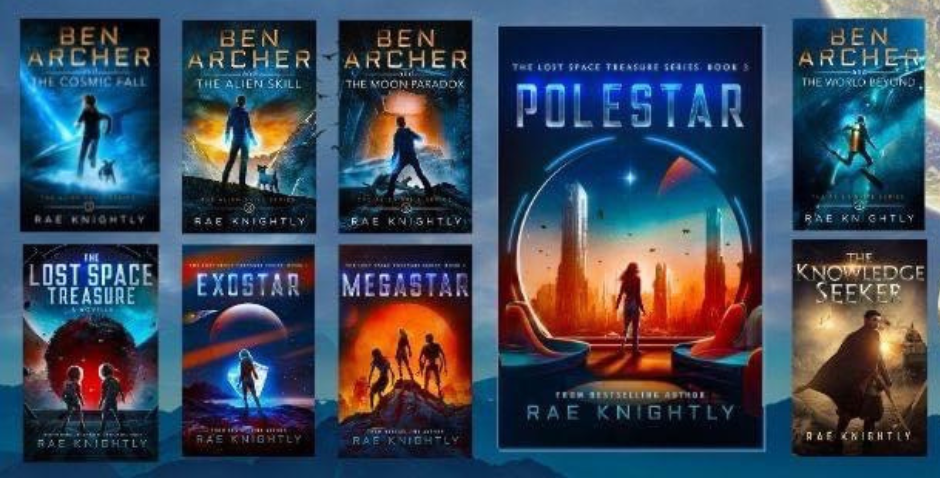
    I’m best known for the Ben Archer Series, which includes aliens, UFOs, superpowers and messages about how we treat our environment. My other series, The Lost Space Treasure, is a fun space opera in its purest form and appeals to fans of Star Wars. Exostar is book 1 in this series.

    Rae Knightly, books, awards, badges

    Chanti: That mission to inspire future scientists through storytelling is incredible! Do you find yourself following conventional writing rules, or do you prefer to chart your own course?

    Knightly: I highly doubt that I follow the rules. Middle-grade science fiction is not a common genre and I knew I was taking a big risk by writing it. But this was the genre I enjoyed above all as a child and I was disappointed when I couldn’t find more options to read. I also write from multiple points-of-view, which is not typical for middle-grade, and my main characters are loners. They don’t have a Hermione Granger or Ron Weasley tagging along.

    Adults play a huge role in my stories. This goes against the norm where middle-grade characters find themselves battling evil on their own, without adults around to help. Note that most middle-grade characters are orphans. Ben Archer is not one of them. In fact, the dad-figure in his adventures is a pretty big deal! As for Trin Moonrise in Exostar, she is a unique hero. Not only does she travel from one planet to another and encounter all kinds of alien civilizations, but she faces a hundred challenges while wearing a prosthetic leg.

    Rae KNightly, santa hat, books, people

    Chanti: Including adults and having more solo characters definitely pushes back against what we often seen in middle grade. When you’re not creating these amazing worlds and characters, how do you spend your time? What do you do to recharge and find inspiration?

    Knightly: I used to love exploring and got a lot of inspiration from visiting different places—especially ancient ones. I love reading about archeological and astronomical discoveries. The history of humankind fascinates me and I believe we still have a lot to discover when it comes to what our ancestors were capable of.

    I also love walking in nature and stopping every two minutes to take a picture of a leaf, a sunset, a landscape… I never make it very far because beautiful details are everywhere if you learn how to look. However, my walking and exploring days have been drastically reduced after I was diagnosed with a chronic illness called moderate ME/CFS. This mysterious illness has made it difficult for me to leave the house and I am currently spending most of my time learning how to manage symptoms.

    Fortunately, writing about superheroes has taught me what it means to be brave: it means that you have to stay true to yourself in the face of adversity. You can’t let the bad things that happen to you define you. I can still write and enjoy the company of my family. Also, my imagination allows me to travel way beyond the boundaries of Earth and I have explored many distant planets from the comforts of my sofa as I wait to get better.

    book covers, science fiction, rae knightly, blue, gold, red, black

    Chanti: The kind of resilience definitely shows up in your book and storytelling. When it comes to creative process, where do you say your ideas for those stories come from?

    Knightly: I get most of my ideas from small newspaper articles. Ben Archer and the World Beyond pulled inspiration from different newspaper articles related to our oceans. Some years ago, Keith Davis—a marine biologist—mysteriously disappeared while out at sea. He was researching factory ships that empty the oceans of fish (tuna, in this case). Another article revealed that, in 2019, Russia released hundreds of beluga whales and orcas from an illegal whale jail located in Srednyaya Bay, where they were being trained or sold. Unfortunately, this type of news does not hit the headlines much.

    The Knowledge Seeker was inspired by a short newspaper article reporting that several countries had restricted access to the internet. It made me wonder how a small group of people could take away access to knowledge to millions of citizens. The plot of The Knowledge Seeker—which takes place in the distant future—took form based on these questions: should everyone have access to all information everywhere and all the time? And, if not, who should have the right to decide what should/shouldn’t be made available? The main character, Eodain, fights to return knowledge to the people, while his arch-nemesis wants to keep knowledge for himself because knowledge is power. But even Eodain struggles with the meaning of free knowledge when he is forced to provide instructions on how to build a deadly weapon.

    And, lastly, Exostar and its sequels dive into the wonders of science and the Universe. Could we travel between the stars using quantum mechanics? What color is the sky on other planets? What do aliens on other planets look like according to their environment, gravity, evolution, etc.? Do exploding stars (supernovas) provide the necessary elements to create life? When you have civilizations where robots, androids, ancient aliens, and mortal beings interact, what does it mean to be human?

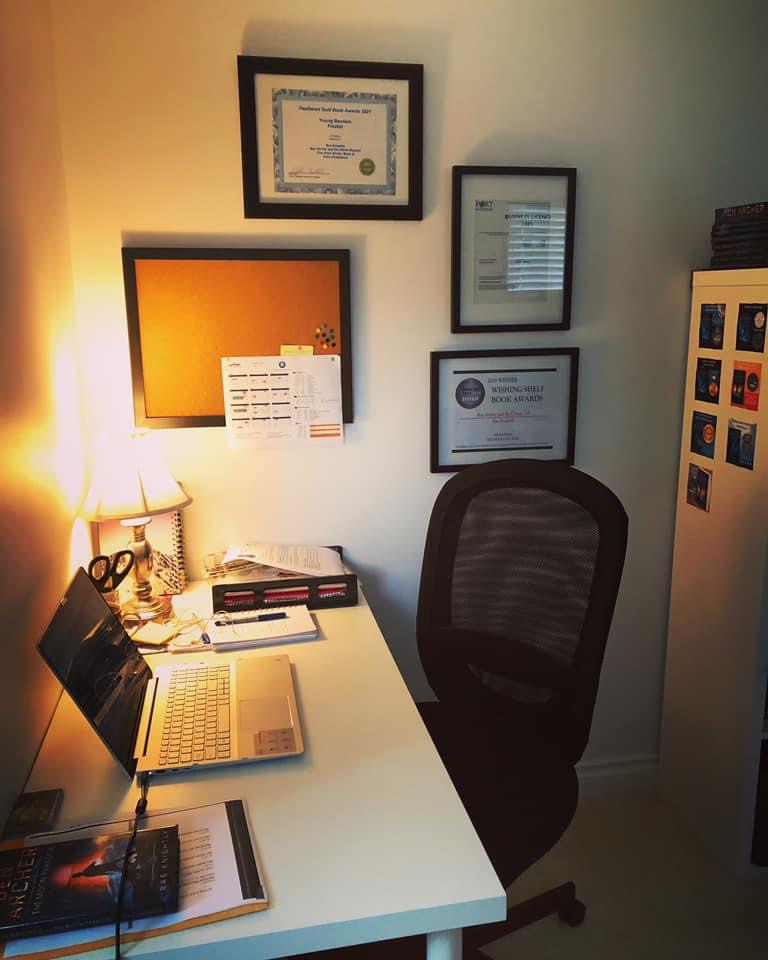
    office, chair, pictures, computer

    Chanti: Fascinating how you transform real-world issues into compelling science fiction! When it comes to your actual writing process, how organized are you? Do you plan everything out, or do you discover the story as you write?

    Knightly: By the time I sit down to write a new book, I have the full story well laid out in my head. It is very important to me to know the ending of a story and I will rarely start writing until I have figured that out. In fact, I often come up with the ending of a story first and then work my way backwards! This was crucial when I wrote The Knowledge Seeker, as the plot twist at the end had to blow the reader’s mind. The final sequel in the Exostar series will also have a mind-boggling ending.

    Since I have the plot all laid out, I am able to write a first draft in a short amount of time. I can write a 50,000 word book in five weeks. However, that’s when the hard work starts. This is when I go over the manuscript multiple times, one sentence at a time, one paragraph at a time, and back-and-forth and back-and-forth with the help of my editor, Cristy Watson. I also seek advice from beta readers who follow my work, know the characters and can point out errors in the manuscript. I will do seven or eight complete edits of the story before I’m satisfied, and this can take several months.

    book covers, science fiction

    Chanti: Working backwards from the ending makes a lot of sense! Can you talk a little bit about some of your literary influences, and how have they shaped your work?

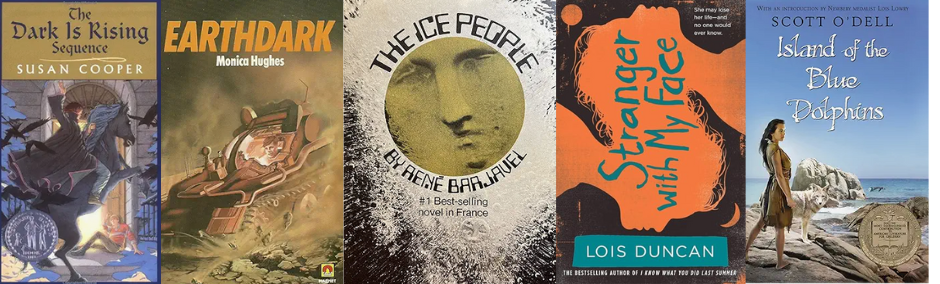
    Knightly: The Dark is Rising Trilogy by Susan Cooper opened my eyes to the power of imagination. Why? Because this Arthurian fantasy story took place in the real world and made me want to find ‘magic’ everywhere. It made me wonder if ‘magic’ was just around the corner, or hiding in the mist, or lost deep under the ocean. I love fantasy and science fiction stories that take place in the real world because they make the reader wonder, “What of this were true?” I sought to recreate this sense of ‘magic in the real world’ in my Ben Archer books.

    Monica Hughes was my go-to author while growing up. She wrote thrilling middle-grade science fiction like Earthdark, Space Trap or Ring-Rise, Ring-Set. The stories are exciting and ask interesting questions. They inspired me to write Exostar.

    The Ice People by French author Rene Barjavel is one of those books that stays with you long after you’ve finished it. It leaves you with the question: if humans have been around for tens of thousands of years, would it be possible that they developed advanced civilizations that are now lost and buried under the Arctic ice, under the dunes of the Sahara desert or in the deep trenches of the ocean? This fascinating question also lingers in the back of the Ben Archer and Lost Space Treasure Series.

    Lois Duncan’s Stranger with my Face is another of those stories that takes place in the real world but has elements of mystery in it. The characters in the author’s books face haunting topics such as telepathy, astral projection, spirit channeling, eternal life, etc. These themes make you wonder about the limits of the human mind and elements of this have seeped into Exostar and its sequels.

    Island of the Blue Dolphins by Scott O’Dell was a heart-shattering story that stayed with me for years. However hard the story, I believe that tough subjects in middle-grade books can teach young readers to better face real-life hardships as adults. For example, learning to deal with a fictional death might prepare readers to deal with it a little better in the real world. I channeled some of those raw, heart aching feelings in Ben Archer and the Alien Skill.

    Chanti: That is a rich tapestry of influences! With such a creative imagination constantly at work, do you ever hit those dreaded writer’s block moments?

    Knightly: Yes, I experience writer’s block. I guess it’s the bane of every author’s existence.

    However, I no longer shy from this debilitating fear of the blank page. I find that if I am unable to write, it usually means that my brain is saturated and I need to take a break. This break can last from a couple of days to several months, but I have learned to trust the process. Once an author, always an author, is my motto! Imagination never really leaves you. Creativity can come and go, like the ebb and flow of waves crashing on a beach, and if my characters are not talking to me, then perhaps it’s time to do something else for a while.

    Rae Knightly, CIBA winner, ribbon, exostar, book

    Chanti: That’s such a healthy perspective on the creative process! You’ve achieved remarkable success with your award-winning books. What marketing advice can you share with other authors?

    Knightly: The things that have helped sell over 120,000 books:

    • Paying for great, on-target book covers
    • Knowing who my readers are (10 to 14 year olds)
    • Always delivering as promised in a regular, timely manner
    • Learning to run Amazon ads
    • Creating clean, fun adventure stories that captivate readers
    • Joining joint book promotions and doing newsletter swaps
    • Creating excitement for the next book on social media
    • Putting up the next book for pre-order and adding links in the back-matter

    rae knightly, books, cover, science fiction

    Chanti: All fantastic, practical advice! As we wrap up, what exciting projects are you working on now? What can your devoted readers look forward to next?

    Knightly: The Lost Space Treasure Series continues. After writing book 1, Exostar, I published books 2 and 3: Megastar and Polestar. I am currently editing book 4: Grimstar.

    Trin Moonrise travels the stars in search of her identity which might be hidden on a legendary spaceship thought to hold the greatest treasure in the known galaxy. However, her arch-nemesis, the evil Remnant Supreme Leader, is always one step behind.

    Next, I plan on delving deeper into my young adult dystopian series, The Knowledge Seeker, and my readers have let me know that they would love to read more Ben Archer books.

    Even though middle-grade science fiction is less popular, I hope to continue exploring the genre for many years to come.

    Thank you, Rae Knightly, for sharing your writing journey with us and for bringing great young adult sci-fi to readers around the world! 


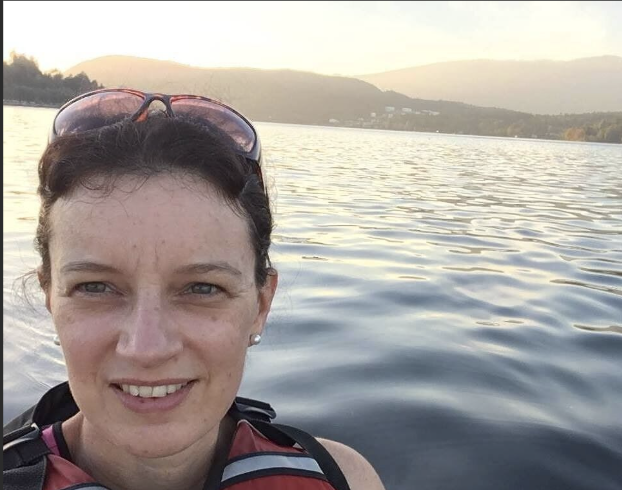
    Rae Knightly, water, woman, mountains

    Rae Knightly is an award-winning and Amazon bestselling author specializing in middle-grade and young adult fiction, with over 160,000 books distributed. She is the author of The Alien Skill SeriesThe Lost Space Treasure Series, and The Knowledge Seeker. Knightly was raised in various locations on Earth, during which time she picked up four languages and came to appreciate this blue pebble floating in the confines of space. Her current human mission is to keep the stars shining in her two children’s eyes, while hopefully igniting new ones within others across the globe. Rae spends her time spirit travelling to distant galaxies or exploring the breathtaking landscapes of British Columbia, Canada, before returning with more adventures for her Alien Skill Series.

  • Chanticleer 10 Question Author Interview Series with Steven Mayfield – Grand Prize Award-winning Author of Delphic Oracle

    CHANTICLEER 10 QUESTION AUTHOR INTERVIEW SERIES
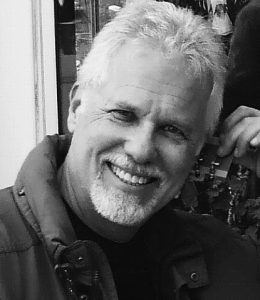
    with Award-Winning Author, Steven Mayfield

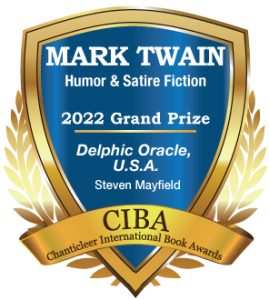
    Happy Summer Chanticleerians! We’re thrilled to bring you another fantastic interview with Humor & Satire Grand Prize Winner Steven Mayfield!
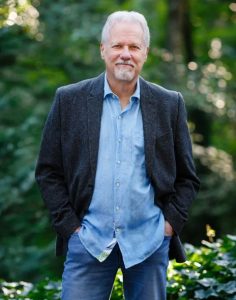
    From writing “bad poetry” at age nine to authoring award-winning novels, Steven Mayfield has taken quite the journey—including a two-decade detour through medical school and scientific writing. Here, he shares how that medical training actually made his fiction stronger, where he finds his story ideas (hint: be careful what you say around him!), and why he believes readers should give stories more than just one page to capture their attention.

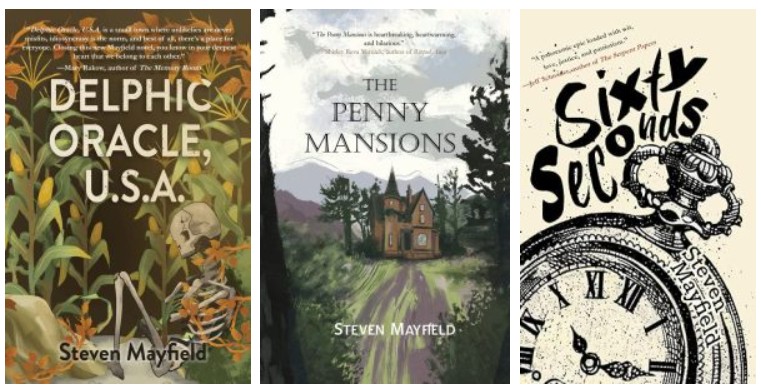
    While Mayfield won the Humor & Satire Grand Prize for his book Delphic Oracle, he also received Chanticleer recognition for his book The Penny Mansions, and his new book Sixty Seconds is available now!

    Chanti: Steven, let’s start at the very beginning. Can you tell us a little about yourself and how your writing journey first began?

    Mayfield: I began writing bad poetry when I was nine years old and started a novel at twelve. I drew from that history to create the protagonist of my next book. He also starts a novel at a tender age, which he describes it as “plagiarism by paraphrase.” That pretty much nails my early efforts, as well. In college and for a couple of years afterward, I wrote more poetry and short stories, began another novel, and wrote sketch comedy. I then gave up creative writing and went to medical school. Over the next two decades I authored or co-authored a number of medical and scientific pieces, and as a result, when I resumed writing fiction in the early ’90s, my work was tighter and more disciplined. I’ve been solely a writer for the last twenty years.

    Chanti: That’s such an interesting path from medicine back to creative writing! There’s often a moment when writers truly believe they can do this professionally. When did that realization hit for you—when did you truly believe you were an author?

    Mayfield: For me, the question is “When did I believe I could write?” After completing a sophomore college assignment to write a book review, the professor asked me if I’d ever thought about writing as a profession. I had but didn’t think it realistic until that moment. A year later, one of my short stories won the Mari Sandoz competition. After that, I always thought of myself as a writer, regardless of what I did to make a living.

    Chanti: The support from our educators can truly be all it takes to have that pivotal moment. Your background in medical writing is fascinating. Do you find that scientific training makes you more of a rule-follower, or do you like to break the conventional writing rules?

    Mayfield: Writing for the scientific and medical literature forced me to strictly adhere to rules of grammar and syntax. As a result I think it’s important to know those rules so that when you break them, it’s for a reason; e.g. using sentence fragments for emphasis or rhythm.

    red, pen, paper

    Chanti: That’s such a smart approach—knowing the rules so you can break them intentionally. I’m curious about your creative process. Where do your story ideas come from? How do you find those sparks of inspiration?

    Mayfield: I shamelessly exploit things people say or do. I’m being flippant but not entirely inaccurate. I wrote Treasure of the Blue Whale (Regal House 2020) after some friends told me an apochryphal story over dinner about the alleged discovery of whale ambergris on a beach in Northern California back in the 1920s; The Penny Mansions (Regal House 2023) was inspired by the Italian towns that are trying to stabilize their populations by offering one Euro houses for renovation; and Sixty Seconds (Regal House, July 2025) was prompted after I saw the movie, A Royal Night Out. My current work-in-progress, “The Bank House, was born from a conversation with a neighbor in my old Portland neighborhood who grew up in an Irish village where the bank was part of a residence provided to the bank manager. So…people should be careful about what they say when I’m within earshot. They might end up in a book.

    Chanti: I love that you’re constantly mining conversations and experiences for material! When it comes to the actual writing process, how structured are you? Do you have a daily routine or specific approach?

    Mayfield: I think I’m fairly structured. When I begin a book, I set up a log to track my daily word counts. I aim for a minimum of 250 words/day, a modest goal, but one that keeps me going on days when I don’t feel inspired. I then try to write every day, beginning by revising what I wrote the previous day and then adding new material. As the story builds, the daily word count builds with it, and once the first draft is done, I have typically averaged about 750 useable words/day.

    Chanti: That’s a strong and sustainable approach. Every writer has their literary heroes. Can you share five authors who have really shaped your work and tell us how they’ve influenced your writing?

    Mayfield: Muriel Spark: Does more with the simple declarative sentence than anyone I’ve read.

    Sinclair Lewis: Unmasks puffery, hypocrisy, and injustice.

    Kurt Vonnegut: Gives other writers permission to stray off-point as long as the reader is kept beside you and you don’t waste their time.

    Jean Shepherd: Like me, a yarn-spinner.

    From left to right we have Muriel Spark, Sinclair Lewis, Kurt Vonnegut, and Jean Shepherd

    A cumulative fifth choice comprised of several writers who share my publisher, Regal House: 1. Barbara Quick, whose elegant prose blends history and fiction, 2. Michael Strelow, whose command of language awes me, 3. Richard Martin, whose prose is inimitable, wise, and hilarious, 4. Michael Bourne, who has the ability to make unlikeable protagonists likeable, 5. Mimi Herman who is funny and understands how to mine small towns for literary gold.

    Chanti: What a diverse and thoughtful group of influences! I love the shoutout to your follow authors! Writing is definitely a craft that requires constant development. Beyond reading great authors, what do you do to keep growing and sharpening your skills?

    Mayfield: I listen when someone gives me feedback. If a reader is lost or bored, it’s my job to fix my work, not their job to guess what I was thinking when I wrote it. It’s also important to read work by other people and to workshop material in progress. I’ve been in the same workshop group for thirty-one years and their input is invaluable.

    Chanti: Thirty-one years with the same workshop group is incredible dedication! What exciting projects are you working on now? What can your readers look forward to seeing from you next?

    Mayfield: I’ve been engaged in final editing and pre-release marketing for Sixty Seconds (Regal House, July 2025) and I’ve just finished a sixth draft of a new novel, The Bank House. It follows a few months in the life of a thirteen-year-old boy who moves to a new town where his family will live in a former mansion that now has a bank in its living room. It’s a coming-of-age novel with my usual brand: heart, humor, and a dash of crime. I’m hoping for a spring/summer 2027 release.

    Chanti: The Bank House sounds absolutely intriguing, and I’m looking forward to reading Sixty Seconds now that it’s come out. You mentioned earlier that it’s the writer’s job to make things clear to the reader, but what is the most important thing a reader can do to support a writer they enjoy?

    Mayfield: Give us a chance. Agents would have us believe that a reader must be captured in the first page, but that’s marketing advice and doesn’t necessarily relate to good story-telling. It took me 100 pages to get into A Soldier in the Great War by Mark Helprin, one of my favorite books.

    Chanti: That’s such wise advice about patience with storytelling! Finally, on a more personal note—what excites you most about the actual process of writing?

    Mayfield: I can create a world where everyone does exactly what I want. Such power has always been restorative, but in our present climate of political chaos and heartlessness, it’s better and far cheaper than psychotherapy.


    Steven Mayfield is a past recipient of the Mari Sandoz Prize for Fiction and the author of over fifty scientific and literary publications. After a short stint as a sketch writer in Los Angeles, he attended medical school at the University of Nebraska followed by post-doctoral training and teaching/research appointments at the University of Iowa, Brown University Program in Medicine, and the University of Texas Southwestern in Dallas. After a hiatus away from creative writing that lasted almost twenty years—during which he published forty-two scientific articles, abstracts, chapters, and reviews—Steven began to again write fiction in 1993 with short stories appearing in literary journals and anthologies since 1994. He retired from medicine in 2004 and spent several years working as a free-lance editor before publishing Howling at the Moon in 2010 (Mount Parnassus Press). Regal House has been his publishing home since 2020 for three novels: Treasure of the Blue Whale (2020), Delphic Oracle, U.S.A. (2022), and The Penny Mansions (2023). A fourth novel, Sixty Seconds, is out now from Regal House!.
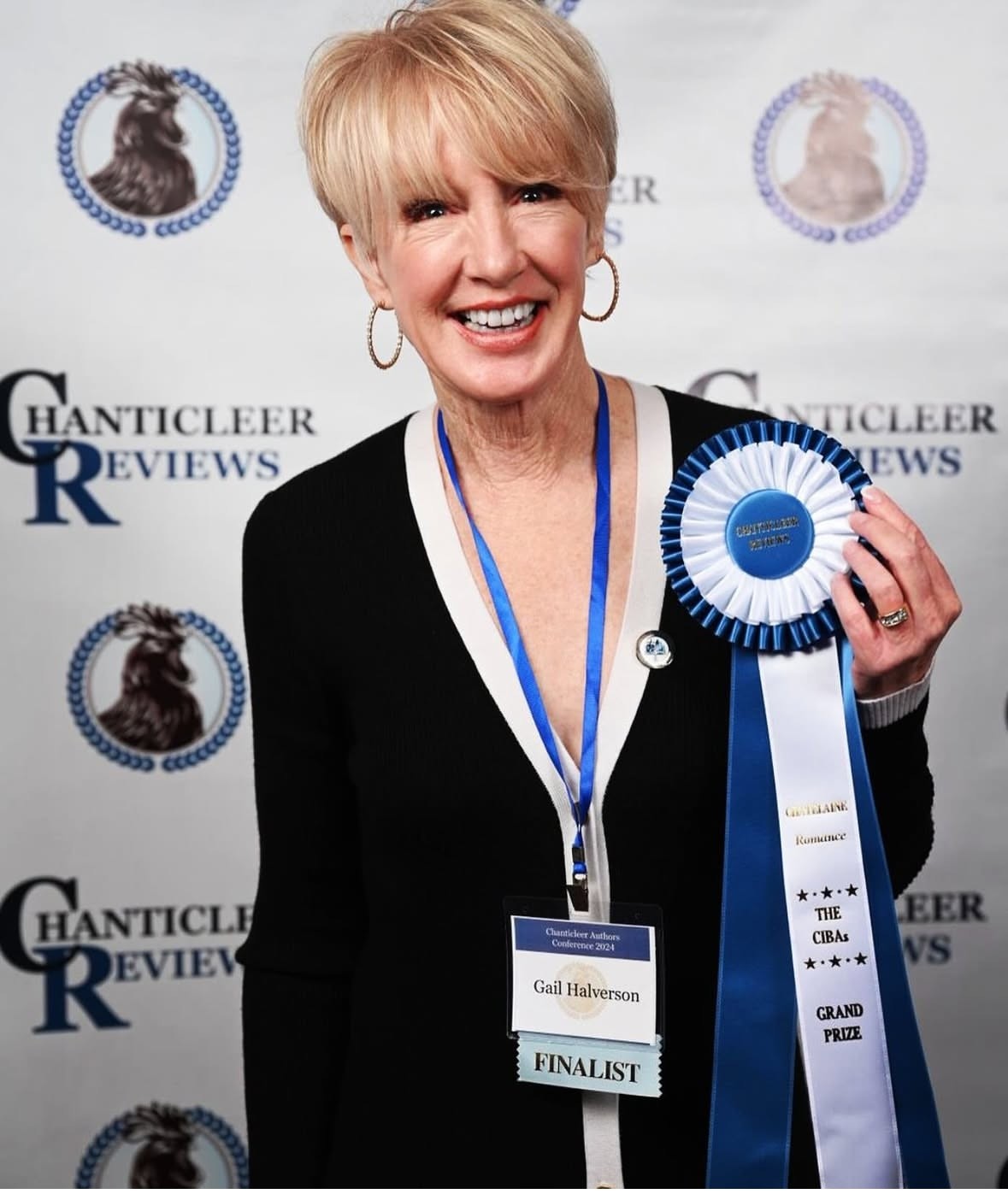
    Steven’s books have been honored with numerous awards, including an IBPA Benjamin Franklin Silver Medal, a CIBA Mark Twain Book Awards Grand Prize ribbon, and an Independent Publishers Group Gold Medal. His last three novels were all Foreword Indies Finalists.

    Steven currently resides in Oregon with his wife, Pam. He can order beer in four languages. His wife can say, “Pay no attention to this man” in five.

  • A Chanticleer 10-Question Author Interview with Gail Avery Halverson – Historical Fiction, Colonial America, Slavery

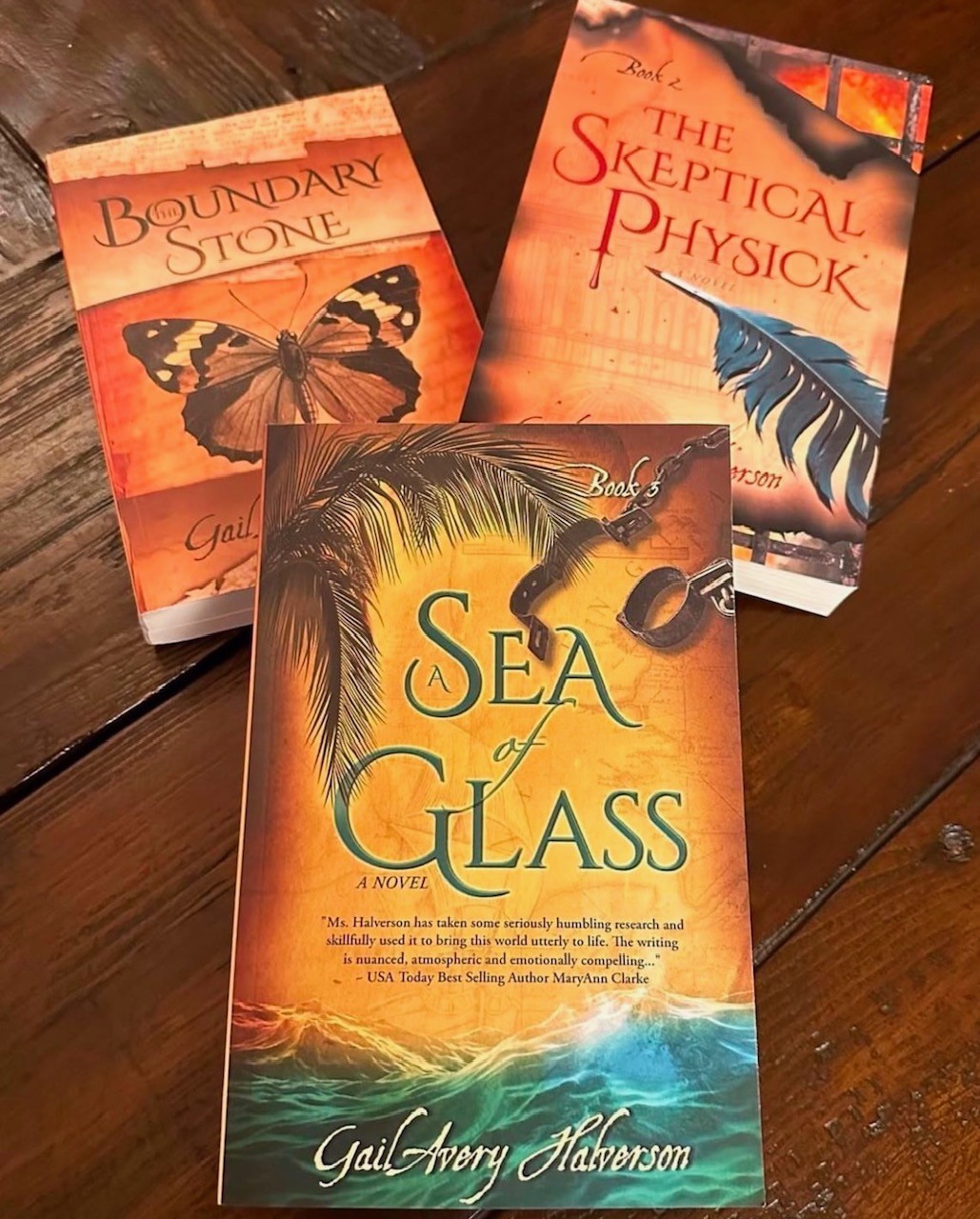
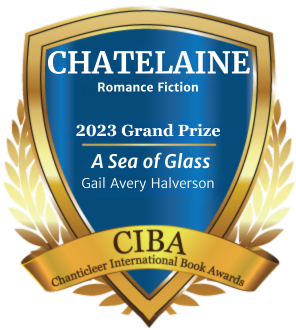
    blue and gold badge recognizing A Sea of Glass by Gail Avery Halverson for winning the 2023 Chatelaine Grand Prize For Historical Fiction RomanceHistorical Fiction Romance Author Gail Avery Halverson sat down for a 10-Question Interview with Chanticleer!
    We had the pleasure of speaking with Gail Avery Halverson recently. The author of the historical fiction romance novel Sea of Glass, Book Three in her Stockbridge Series. Avery Halverson took home the 2023 Chatelaine Grand Prize for Romance for Sea of Glass, and she’s sharing her journey to becoming an award-winning author with us today!

    Here’s what we talked about:


    Chanti: Your romance novel, Sea of Glass, also falls under the category of historical fiction. Can you talk about what drew you to both of these genres?

    Avery Halverson: I began writing in my twenties when I was a flight attendant and had a lot of days off during any given month. At first, I wrote mostly spec scripts for existing half-hour sitcoms to practice the craft of conveying a story through only what can be seen or heard. One of those spec scripts found its way to an agent in LA and after signing with her, I wrote two movie screenplays which were both optioned by Longbow Productions, but not made.

    I took some time away from writing to raise my son, and when he was a sophomore in high school, I began to toy with the idea of writing a novel. When I heard the story of ‘The Plague Village” in England, I knew I had my novel. From there, I had to learn a new style of writing that encompassed all the senses, in addition to creating accurate historical story arcs and believable, very real characters a reader would care about. After writing the first book, I was completely hooked!

    Chanticleer Book Reviews, CIBAs, woman, blonde, ribbons

    Chanti: Have you always been a writer? When did you realize you could write?

    Avery Halverson: There were several points along the way, and while I can’t say that any one of them were really a defining moment, when I was in third grade, I wrote a story about a little girl that had gone through the 1906 San Francisco earthquake. I knew in my heart the minute I finished the assignment that it was an A+ story. It turned out that the grade was exactly that, and when the teacher handed my story back, she told me that I had a real talent.

    The other defining writing moments were those early screenplay options; when I read the reviews of the first book; when I won the Chanticleer awards for all three books; and when a London agent at the agency representing Julian Fellows said I was very talented (sadly, due to a personal emergency, she was not taking on new writers). Although as all writers know, the most exciting, validating, and I think, thrilling “writer” moment, was the moment when I opened that first box of books with my name on the cover.

    Chanti: I can tell you have a good eye for accurate period details in your books. What draws you to write historical fiction?

    Avery Halverson: As I mentioned, the first fictional story I ever wrote was about a little girl going through the 1906 San Francisco earthquake, and as I think of it, that may be where my love of writing historical fiction began. Funnily enough, I don’t particularly read historical fiction – my tastes run more toward action – Ken Follet, Clive Cussler and the like, but I find I absolutely love the research involved in writing historical fiction. If I were to refine if further, I love using fictional characters to bring to light actual women in history who did not get the recognition they deserved for accomplishing some amazing things.

    books, covers, wood, planks

    Chanti: What areas in writing am I most confident about in writing?

    Avery Halverson: I feel very confident in two areas of the writing process. The first is story arc, and the second is dialogue. As to the former, I’ll insert another Chanticleer author question here – which is, which craft book(s) have helped the most. The answer to that question is the book How to Write a Screenplay in 30 Days by Viki King. She wrote the book many years ago, and while it was intended for screenplays, the information also applies beautifully to novels, as well. In the book, Ms. King describes a story arc as a clothesline, with clothespins evenly spaced. The clothespins are plot points, and the corresponding visual reference in her book made perfect sense to me, in that each book has a story arc, each chapter has a story arc, and each character has a story arc. In the case of my Stockbridge trilogy, I had to create an all-encompassing, three book story arc, as well, and I find the construction of all that fascinating. As to dialogue, I can only credit being a bit of a natural mimic – and many, many years of flying, listening carefully to not only a multitude of accents, but the vocabulary and word choices, the cadence, tone and even underlying sub-text of the conversations I heard from passengers.

    With respect to my books, I did a tremendous amount of research into the letters and formal writings of people in the 1600’s, not only in England but in early America as well and had to interpret that formality so that it captured the essence of what was being said, but did not sound as stilted as it did while reading the material. I also had to consider which social class a character belonged to and the way each group spoke, as well as in the case of Book Three, A Sea of Glass, the way a young, African American woman born in America, might have spoken. So, in terms of advice to a new writer, I would say eavesdrop all you can, then read your dialogue out loud after you’ve written it. Every single person on this planet has a different way of speaking – young vs. old, male vs. female, etc., and I’m always amazed when dialogue sounds stilted. People rarely, if ever, speak in grammatically correct sentences. Also, to a new writer, use the “find” button on your computer and try your very best to eliminate every single “ly’ adverb. Create a new way to say it – your writing will be clearer and far more concise.

    Chanti: Those are wonderful tips for writers getting started, and great advice for editing. Can you talk about what happens when you stall (if you do), with writer’s block?

    Avery Halverson: On occasion, I’ll run up against a brick wall where nothing comes to mind. When that happens, I usually dig deeper into history – nothing made up could ever top some of the things that actually happened. At one point in The Skeptical Physick, I needed a side character with a talent, which could then be something my heroine could learn. At that time, the Great Fire had just decimated nearly all of London, and my heroine had natural artistic talent, so I searched the history books and found Lady Elizabeth Wilbraham, a real-life 17th Century architect. Perfect. Lady Wilbraham and her story became that side character. I also try to read a few chapters leading up to wherever I am to get in the flow and that will usually get me started again. I also find that doing something else away from the computer – laundry, gardening, errands, or even soaking in the bath – allows my mind to wander and the creativity or solution to the current writing puzzle usually comes.

    Garden, flowers, house, blue door, terra cotta, pink, white, red

    Chanti: Taking time away from the screen can be one of the most valuable tools for moving forward. Would you talk a little bit about your writing “comfort zone?” Are you a structured writer, or do you write when the moment feels right?

    Avery Halverson: When I started writing my novels, I was very disciplined. At first, I tried every desk and office area in my house, but finally ended up sitting on the couch, feet up on the coffee table in front of the fire. I would start at 9am sharp and write until noon. If I hadn’t written 1500 words, I’d began again at 3:00pm, then continue until I hit that number. With that structure, I finished my first book, The Boundary Stone in six months.

    I confess that I relaxed a bit on the next two books in the trilogy. I still tried to meet that 1500 word a day goal, but if a natural break point came and I’d only written 750 words, I would not panic, but I would spend the other hours editing or researching. I had a lot more fun that way, rather than forcing myself to reach a hard goal. Interestingly, I found that on most days, I would still exceed that 1500-word goal.

    Chanti: 1500 words a day is impressive! What excites you most about writing to keep that drive?

    Avery Halverson: What excites me most about writing are those two magical words, “The End.” I absolutely love accomplishing a goal I’ve set for myself, and I don’t think there’s a more exciting moment than finishing a novel. I also love those writing days when the words just seem to flow out, and the days when I don’t even look at the word count until I close the computer for the night and find I’ve written far more than I thought I had. I love writing a great scene, or even a great sentence, and I especially love the research into and writing about the extraordinary accomplishments of ordinary people long forgotten by history – especially women.

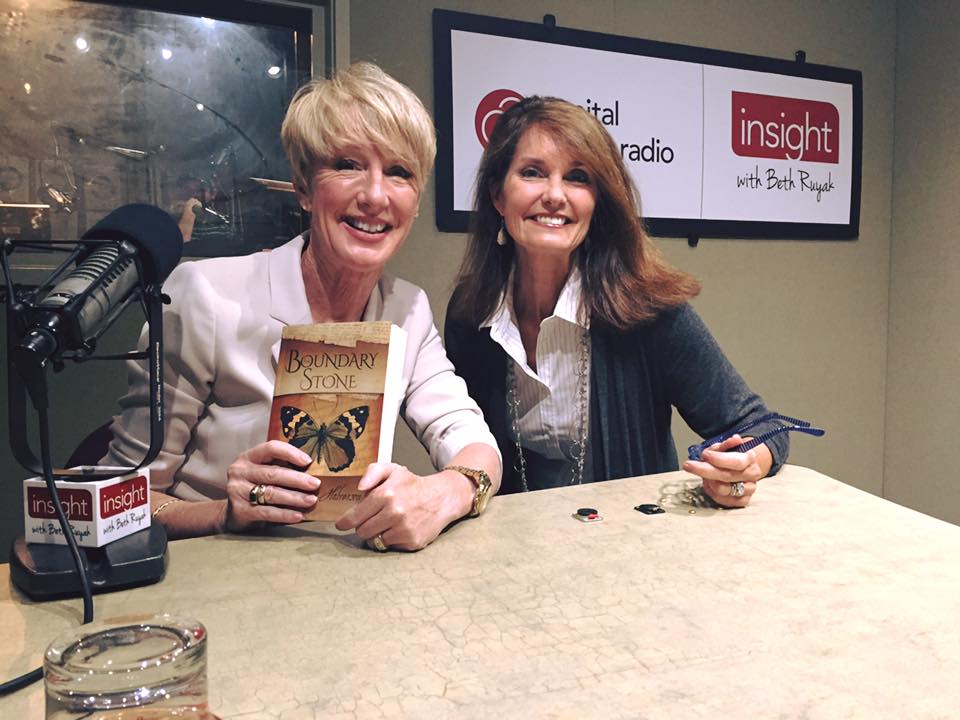
    two women, studio, book, cover design, blonde, brunette, blazer, white jacket

    Chanti: Your love of extraordinary people is clear in your intriguing cast of characters, absolutely! Who is the perfect reader for those forgotten stories of brilliant women?

    Avery Halverson: I think anyone who likes historical fiction with strong, intelligent characters and a touch of elegant romance. I’m not one for stories where someone deliberately makes a bad decision and ruins the lives of everyone else around them. I much prefer to write the stories of good people who are thrust into circumstances beyond their control and how they use their intelligence, their wits and their integrity to survive. It’s funny, I thought the trilogy would appeal to mostly women, but some of the best reviews I’ve had have been from men, so I hesitate to limit the category of readers.

    Chanti: I believe there are a lot of men who love romantic adventures! How do you come up with ideas?

    Avery Halverson: I read everything! I’ll read everything from the National Enquirer to Neuroscience News and anything in between, but my favorite thing to do is to go down Google rabbit holes. I’ll start with Wikipedia for a general introduction to historical figure or event, then start to dig from there, and in that digging I very often find the story.

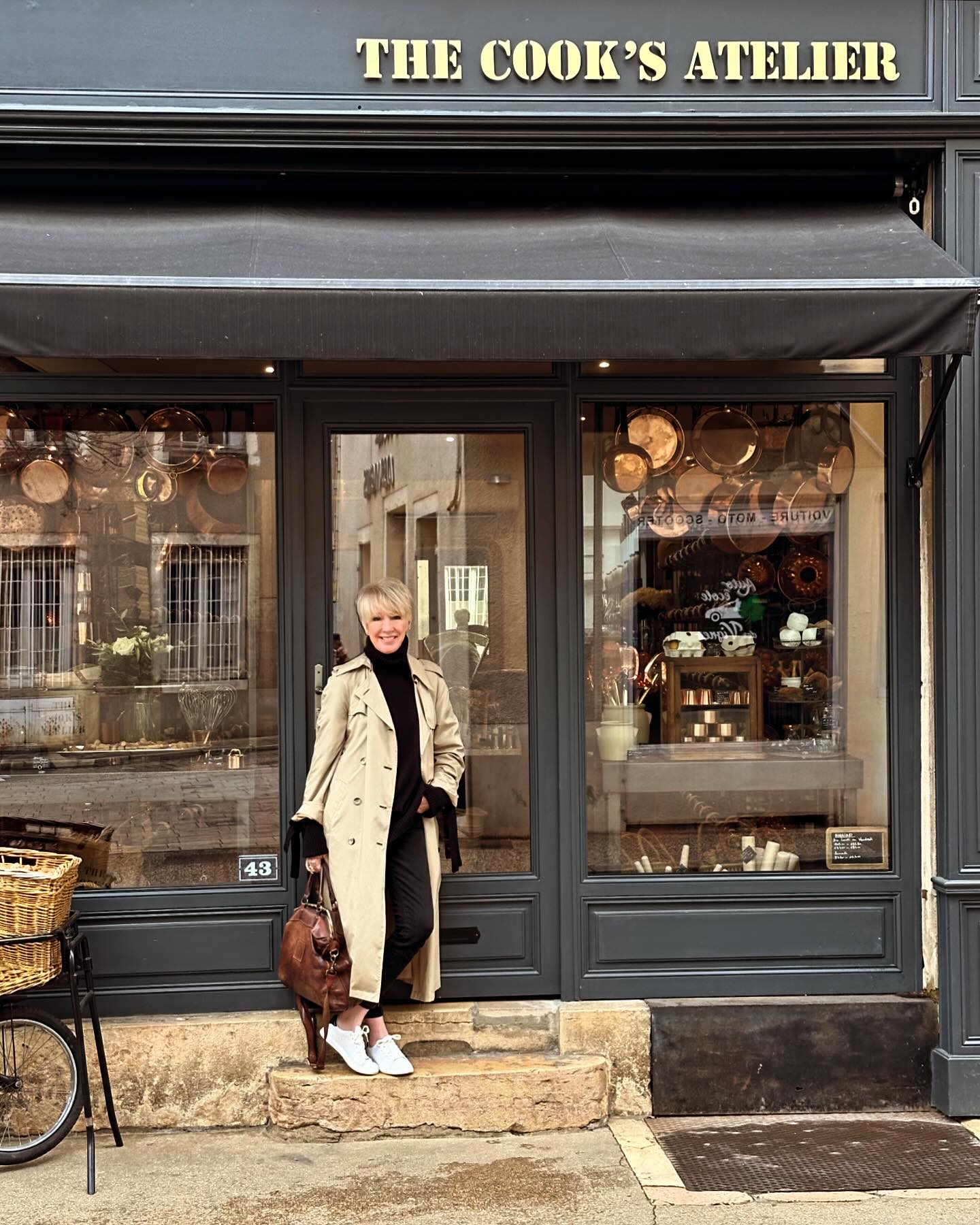
    Gail AVery Halverson, bookstore, bench, coat, purse

    Chanti: Reading deeply is definitely crucial! What about for readers? What is the most important thing they can do to support an author who they want to read more of?

    Avery Halverson: I’ve found that the most important things a reader can do to help an author is to post reviews on Amazon, Goodreads and other reader sites, to create social media posts about the books, and to generate interest via word of mouth and any other promotional ideas they can think of, and an especially helpful thing is to invite an author to their book clubs. All authors are tremendously grateful to any reader offering to help promote their books!


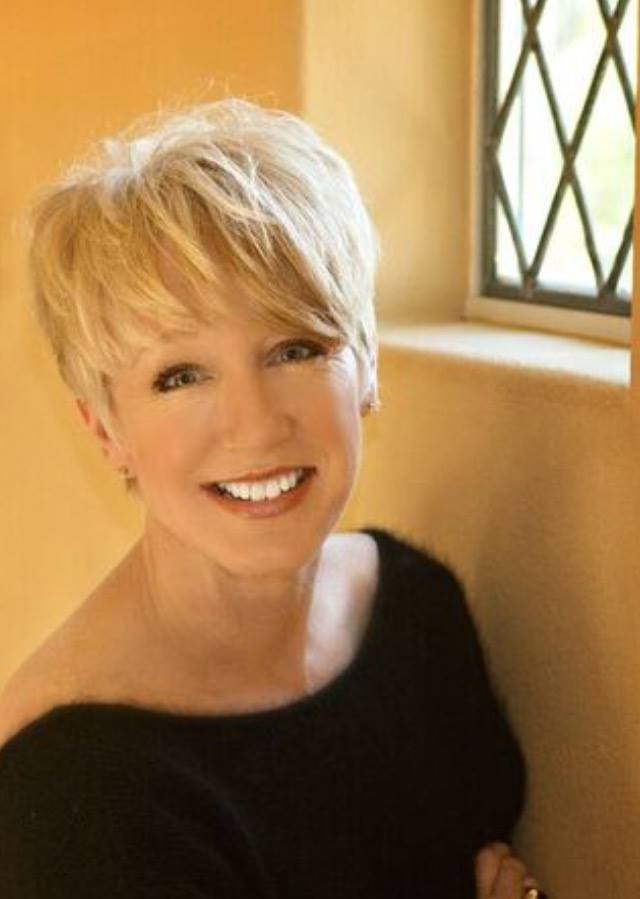
    blonde, woman, teeth, window, headshot, block, make up

    Award-winning writer, Gail Avery Halverson, is the author of The Boundary Stone, and its sequel, The Skeptical Physick, a historical romance novel set in 1666 England at the time of the Great Fire and the Scientific Revolution. The Boundary Stone is a Chaucer Award First Place winner (historical fiction) and The Skeptical Physick won First Place in the Chaucer Awards and 2019 Grand Prize in the Chatelaine Award. Sea of Glass was awarded Grand Prize in the Chatelaine Award in 2023. 

    Ms. Halverson is also the writer/producer for “Take it From The Top,” (sitcom pilot, Twin One Productions, Inc.), as well as the playwright and composer of musical plays that have been performed for nearly 300,000 children since 2004. Writing for both theater and television, she holds a B.A. in English Literature/Communications from the University of California, Davis, and is currently at work on the third novel in the Stockbridge Series. She lives in Northern California with her husband and son.

  • Chanticleer 10 Question Author Interview Series with Kathryn Caraway – Grand Prize Award-winning Author of Unfollow Me

    CHANTICLEER 10 QUESTION AUTHOR INTERVIEW SERIES with Award-Winning Author, Kathryn Caraway

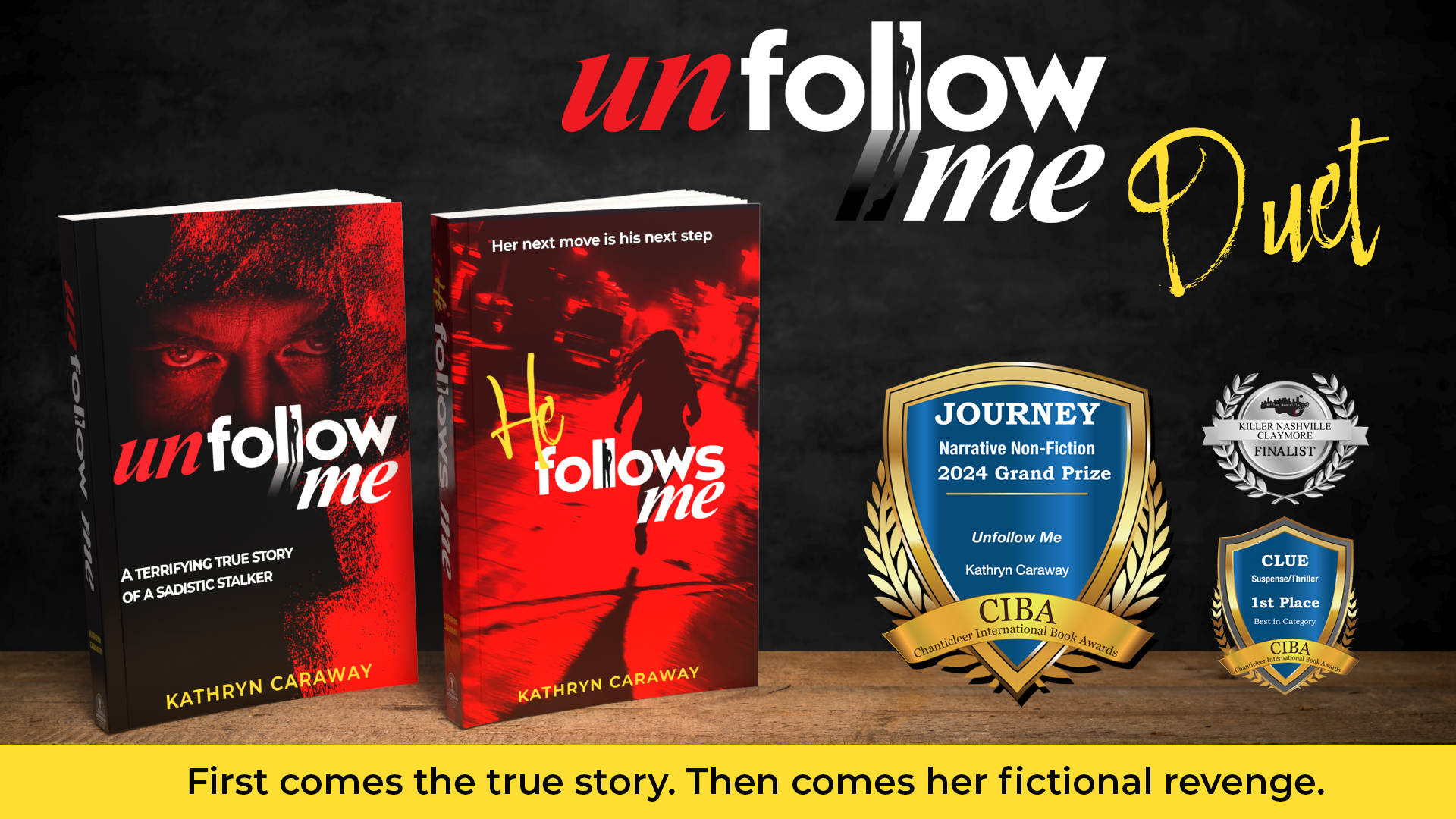
    Hello friends, we have another fabulous interview for you today, with author Kathryn Caraway! Her book Unfollow Me took home the Chanticleer 2024 CIBA Grand Prize Award in the Journey Division and we were excited to learn more about what inspired her to write her true crime novel and what she’s planning next. Take a minute or two and get familiar with Kathryn and her incredible journey to becoming award-winning author!

    Book, Award, CIBA, Chanticleer, Unfollow Me

    Chanti: Hi Kathryn, and thank you for making the time for this. Let’s start with the basics. How would you describe the genre you write in, and what drew you to it in the first place?

    Caraway: I write exclusively in the thriller genre. My dad loved reading Stephen King novels, but I wasn’t allowed. Instead, I snuck them off the bookshelf once he finished the book and read it at night under the covers with a flashlight. I became addicted to the pulse pounding, page turning, can’t-wait-to-read-the-next-chapter hallmarks of the thriller genre that drew me in as a reader and now, challenges me as a writer.

    Chanti: Something feels so right about the image of sneakily reading Stephen King under the covers. Like King, your writing is deeply compelling. Can you talk about where you draw inspiration from for you ideas?

    Caraway: Aside from the nonfiction and its companion fictional sequel, I create stories rooted in experience. After writing the first two books, I was so emotionally taxed that I wasn’t sure I would write again. But ideas came at random. For example, while driving down the interstate, a sign captured my attention and planted the seeds for my third book. Five months later, the first draft was written.

    Chanti: Inspiration really can strike anywhere! When it comes to actually sitting down to write, how structured is your approach?

    Caraway: Not structured at all, especially if I’m writing a first draft. If I need to think through a particular scene, I’ll do laundry. If I’m trying to figure out a plot point, I’ll clean the bathroom or do the dishes. I’m also easily distracted by my pup. I don’t pay attention to the technical elements of writing (character arc, story arc, etc.) during a first draft. I bounce between different parts of my manuscript so much that I once broke the wheel on my mouse!

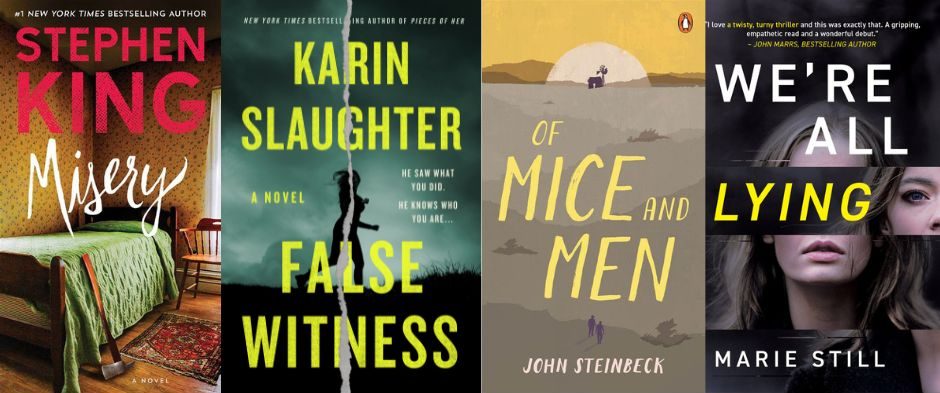
    Book, covers, Karin Slaughter, Stephen King, John Steinbeck, Marie Still

    Chanti: Ha! You definitely give your mouse and computer quite a workout! Speaking of influences, every writer has their literary heroes. Which authors do you turn to for inspiration, and how have they shaped your work?

    Caraway:

    Stephen King: You never forget the first book that wowed you and I always turn back to how I felt reading his books. This has been a big influence on me because I work hard to create those pulse pounding scenes that makes readers want to inhale the words and turn the page.

    Karin Slaughter: I binged a series she wrote many years before I started writing. I fell in love with the way she framed scenes that felt real, like I was living in the book with her characters. And that’s what I strive for in my writing.

    John Steinbeck: Of Mice and Men was required reading when I was in school. We had to annotate each chapter as we read. I still have the original book which, for many years, was my go-to on the nightstand when I couldn’t sleep. His use of short chapters makes time spent reading feel irrelevant and the story moving forward at a quick pace. This is something I keep in mind when I’m organizing chapters, harnessing that tempo that will appeal to readers.

    Marie Still: This is a newer author on the market that I had the good fortune to meet at a conference. She gifted me her book, We’re All Lying, and I devoured it. What captivated me was the way I connected with her main character because of my own life experiences. Since I was new at writing, I spent hours breaking down this character to understand the construction behind it. This is the experience I want to provide readers of Unfollow Me. While Marie’s character is fictional, I am the main character in Unfollow Me, so this meant I also had to get comfortable with revealing uncomfortable stuff to my readers.

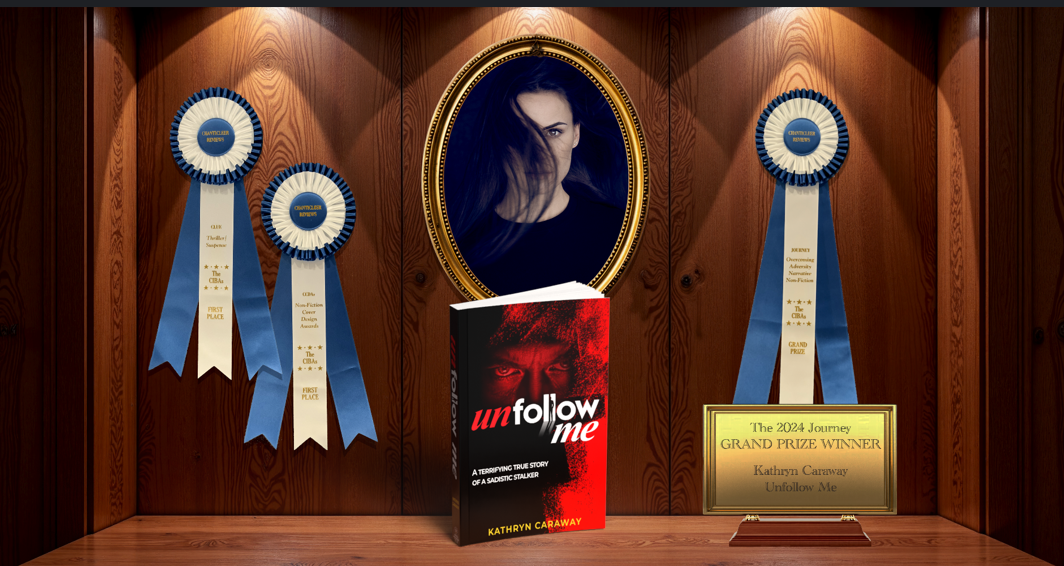
    CIBA awards, portrait, cabinet, unfollow me, book

    Chanti: What a diverse group of influences! Every writer has their strengths. What aspect of writing do you feel most confident about, and what advice would you give to someone struggling in that same area?

    Caraway: I feel the most confident in writing characters. I don’t really develop them until the second draft—once I have a big picture idea of their place in the story. One of the tricks I use is signs of the Zodiac. There’s so much information on each sign and the related personality that I give my characters birthdays. Before I write about them, I’ll read their horoscope and sometimes even get ideas from there. This method is especially helpful when I have multiple works in progress. If you’re struggling with a character, give them a birthday and read their horoscope!

    Chanti: That’s a great idea! Do you have any other ways to work on your writing? How do you grow your author chops?

    Caraway: Read, read, read! I read mostly in the thriller genre, but sometimes I need a break and will read something totally different. But it’s not just books you have to read, it’s reviews. To grow as an author, you have to understand your audience—what they want, what they’re looking for, what they’re turned off by. I’m not suggesting authors read their reviews, but I read the reviews of bestsellers in my genre to study the competition.

    Chanti: Smart strategy for understanding your market! When you think about your ideal reader—the person who would absolutely love Unfollow Me—who comes to mind?

    Caraway: Fans of true crime, as well as suspense/thriller fiction readers would be the best fit for my book. It is creative nonfiction which means it’s a true story written to read like fiction.

    Red wine, glass, book, cover, lights

    Chanti: The combination of true crime and thriller elements is certainly a natural one. What’s next on the horizon for you? What can your readers look forward to?

    Caraway: Getting the Unfollow Me Duet out has been the sole focus on my daily activities. I have two other books fully written in draft form that I will eventually turn back to. Stay tuned!

    Chanti: Exciting! Changing gears a little bit back to the mechanics of getting the work done—do you ever hit those dreaded writer’s block moments? And if so, what’s your secret for getting unstuck?

    Caraway: Funny you should ask! The same question recently came up with a group of young writers in the Hey, Young Writers group.

    Several years ago, when I first started writing, a friend of mine sent me an avatar that I named Pat/Patrick/Patricia. It’s framed and sits on my desk to represent my readers. When I get stuck, I think of what Pat/Patrick/Patricia might want to happen next and sometimes I even talk it out with the frame (yes, with an inanimate object). It doesn’t matter if it’s a silly idea because those often lead to the BEST ideas. The important thing I have to remind myself is not to force an idea to come. It always seems like when I push it from my mind, that’s when ideas on how to get unstuck hit me. Like, wham!

    scuba diving, woman, goggles, bubbles

    Chanti: I love the idea of having a reader avatar! Finally, writing can be emotionally intense work, especially given the nature of your stories. How do you unwind and recharge when you’re not writing?

    Caraway: I am an avid scuba diver with quite a few dive certifications. I love to travel, dive, and experience new ecosystems. I love that when I’m underwater, nothing else in the world matters. And, of course, reading—especially on a rainy day.


    If you would like to support Kathryn’s work, and get a pre-release copy of Unfollow Me and its sequel He Follows Me, her Kickstarter project is running through the end of June. Unfollow Me Duet Kickstarter


    Kathryn Caraway, black, hair

    Kathryn Caraway has lived the life she now writes about. Targeted by a stalker, she’s traveled through the justice system seeking help, protection, and the conviction of the man who turned her world upside down. After he received only a short sentence for three separate charges, and added two probation violations to his record, Caraway chose to erase her presence from public view. She quit her job, changed her name, relocated, and deleted all her social media profiles, only to find out that he continued to violate the protective order by attempting to locate her. 

    To deal with the stress of the situation, Caraway turned to her education, a Bachelor of Arts in the English degree family, and began to write about her experience. She’s always been an avid reader and has been writing stories as a hobby since she was fourteen. With a new name, in a strange place and no job, writing her story quickly became her passion. In 2022, she wrote her true crime memoir, Unfollow Me, and later that year she followed it up with a fictional alternate ending to the same story. The thrill of writing plot twists with characters developed from her imagination became a thrill, and, after writing the first book, she created the pseudonymKathryn Caraway” and decided to venture down the dark, scary path of publishing.

  • Chanticleer 10 Question Author Interview Series with Tim Facciola – Overall Grand Prize and Series Grand Prize Award-winning Author of The Scales of Balance Series

    CHANTICLEER 10 QUESTION AUTHOR INTERVIEW SERIES

    with Award-Winning Author, Tim Facciola

    Hello friends, we have another fabulous interview for you today. Author Tim Facciola took home the Chanticleer 2023 Overall Grand Prize for A Vengeful Realm, and the 2024 Grand Prize in the Series division for the first book in his The Scales of Balance Trilogy. We recently spoke with Tim to discuss his writing journey, his research methods, and the great success his series is seeing! Take a minute or two and get familiar with Tim—you won’t be sorry!

    Tim Facciola, A Vengeful Realm, books, smiling, beard

    Chanti: Your A Vengeful Realm series creates this fascinating blend of fantasy and historical elements. I’m curious—what originally drew you to fantasy as a genre, and what made you decide to weave those historical themes throughout your story?

    Facciola: Fantasy has always been my go-to. More specifically, sword and sorcery fantasy with a bend towards political intrigue that explores real-life social issues, interpersonal relationships, and the depth and nuance of the human condition. There is something special about the speculative genre that lowers a reader’s inhibitions and allows them to leave their preconceived notions, prejudices, biases, and sense of self outside the covers of the book. Divorced of the real-world for a time, they’re more likely to formulate new ideas, opinions, and understandings that aren’t swayed by our real-life culture. My hope is that my stories don’t necessarily provide answers, but rather they invite readers to ask better questions of themselves and how they see the world. I don’t think there is a better medium than fantasy to accomplish just that.

    Chanti: Fantasy does give writers incredible freedom to create their own rules and style. When you’re crafting your stories, do you find yourself sticking to traditional fantasy conventions, or are you more of a rule-breaker?

    Facciola: I spent a lot of time learning the rules, studying story structure and the psychology associated with story and how it impacts us. There’s an infinite amount of rules out there, and I do believe the people that came up with them are onto something; but as much as it’s important to know the rules, my favorite rule is the last rule at the bottom of all the best “rules of writing”: Do what serves your story best. I think you have to know the rules to break the rules, and even in breaking the rules, it’s important to know which rules and why. But I wouldn’t say I make up my own rules.

    bookstore, books, bookshelves, tim facciola, beard, hoodie

    Chanti: I love that philosophy! Speaking of your process, you sound like someone who puts a lot of thought into structure. How organized are you when it comes to your actual writing routine?

    Facciola: I am what people might call a plotter or an architect. I spend a lot of time in the pre-drafting phase building out my world, the history, cultures, religions, myths & legends, how accurate the perceptions of those things actually are, how the magic system works, etc. Then once I feel like I’ve established a world that could possibly feel lived in, I build out my cast of characters and the role functions they’ll serve within the story. Depending on how fleshed out my initial concept is, I might go into their internal arcs or the thematic development I want their arc to convey. Sometimes that is something learned along the drafting/revision journey. Once I have my characters and the world they’ll be challenging the status quo of, I start plotting. For plotting, I start out with a two to three sentence elevator pitch, then expand it into a 7-10 sentence synopsis, then a chapter by chapter outline. And if all goes well, then I might actually start writing the story!

    Chanti: That’s incredibly thorough! With all that detailed planning, I have to ask—do you ever hit those dreaded writer’s block moments? And if so, what’s your strategy for getting past them?

    Facciola: A complicated answer, but I don’t believe in it. Sure, there might be times in which a particular scene isn’t going the way you want, or you’re not quite sold on how the blocking is set up or how a particular plot point lines up. But just like any puzzle, there’s an answer. Whenever I feel stuck, I go through a series of questions to find out how I got to this point of “stuckness.” The writers I work with know me as the “Why-guy” because I ask them “Why?” about a dozen times. You have all the answers, you just need to ask yourself the right question, so Who, What, When, Where, Why, and How are my favorite places to start. I think that writer’s block only comes from an unwillingness to adapt, make changes, kill darlings, etc. So, when in doubt, get up, stretch, go for a walk, make sure you’ve drunk plenty of water, had a healthy snack—all those things can help too.

    Chanti: That’s a very practical approach. Pivoting a little bit, every writer has their influences, and I’m curious about yours. Can you share five authors who’ve really shaped your work and tell us a little about how they’ve impacted your writing?

    Facciola: George RR Martin got me back into reading with A Song of Ice and Fire. He also convinced me to finish my series before releasing it which was why I wrote all three books of the A Vengeful Realm trilogy before I published the first book. I never wanted to leave readers hung out to dry waiting from 14+ years for the next book to come. But in all seriousness, I am fascinated by his worldbuilding and how Martin incorporated history into fantasy.

    Some of my favorite books of the last decade were by Brandon Sanderson. I love the interconnected world he has built and all the easter eggs he’s laid for his most devoted readers, but simultaneously, I love how accessible a lot of his stories are. As a businessman, I’m awestruck by the way he has built his author brand on stories that always point to hope.

    Books, Game of Thrones, Brand Sanderson

    Joe Abercrombie’s character work is extremely well done. While I share a completely different stance on how I view humanity, there is no denying the man knows how to craft characters.

    I didn’t fully understand a character’s “voice” until I read Pierce Brown’s Red Rising series. That “you know it when you see it,” type of command that brings words on the page to life—I try to channel that element from him to find my own narrative voice.

    Theme is the point with Nathan Makaryk’s work. For me it’s the be all, end all, and proving that theme through the main characters’ journey throughout the plot—that’s where the magic happens. Makaryk’s Nottingham, did exactly that with supreme depth and from so many different angles. Truly a masterpiece that I try to emulate.

    Chanti: It’s clear you’ve dived in and truly studied this craft and genre. What would you say are your strongest areas as a writer? And if someone is struggling in those same areas, what advice would you offer them?

    Facciola: I run a Discord writing group through my Patreon, coaching writers on all sorts of areas. One area I particularly excel at is my combat scenes, but that’s not part of all stories. But what is part of all stories (at least the readers of those stories) is humans. So if we’re writing for humans, we as authors better be able to relate to those humans. Having a foundational understanding of psychology, moral reasoning, and relationships is imperative. I use psychologist Lawrence Kohlberg’s theories of moral development to better understand how my characters see themselves, each other, and the world. Understanding and communicating the “whys” behind the “whats” that our characters do is something I often see missing from most new writers’ work.

    book fair, table, bushes, books, covers, man

    Chanti: Using psychology to inform your character development is brilliant! We often ask about promoting a community of literacy and supporting other writers, and you mentioned your Discord group. Can you tell us more about that?

    Facciola: On my Discord server, I help fantasy writers through a combination of community building, education, and networking. It’s difficult being an indie author, and it’s so easy to suffer in silence all by your lonesome. Having struggled with this myself, I’ve made it my mission to create a place for fantasy writers to develop their craft, build their community, and connect with industry professionals through guest lectures and workshops.

    Chanti: That work in community building is essential! As we start to wrap up, I’m curious about what’s coming next. With the trilogy complete, what exciting projects are you working on? What can your fans look forward to?

    Facciola: With the A Vengeful Realm trilogy complete and the prequel novel released back on January 21st, 2025, I’m currently writing a new series within the same world. I’m pitching it as Mulan enters the Hunger Games to solve the murder of her betrothed. The working title is Boon Blessed in which aspirants compete in a series of trials to appeal to the gods and receive their favor in the form of magical abilities, but for every boon comes a bane, and not everyone is entitled to receive it.

    Tim Facciola, wife, costumes, beard

    Chanti: I’m already adding it to my TBR. When you think about your ideal reader for A Vengeful Realm or this upcoming Boon Blessed what kind of person comes to mind?

    Facciola: Not to give a complicated answer, but here is my complicated answer: I believe there are a few tiers to what fantasy readers want out of a story. Some readers just want distraction—escapism from their day to day. It’s a pretty low bar, but for some, that’s all they ask for in a story. For some, it is entertainment they are looking for—not only do they want to be distracted, but they want to be entertained! A third group of readers want connection—they want to feel something beyond simple distraction and entertainment. And lastly, some readers want to be challenged—mentally and/or emotionally.

    My perfect reader is in that third to fourth category. Yes, there is certainly escapism, and undoubtedly my goal is to entertain, but if that’s all you’re after, there are probably more accessible reads that you’ll enjoy more. But for readers who are looking to feel something or they’re open to being challenged about how they think or feel about particular topics—I write for readers like you.

    Chanti: That thoughtful consideration of audience is so important to connecting with readers. Here’s my final question, and it’s one I think every author should hear: What’s the most important thing a reader can do to support an author they love?

    Facciola: Word of mouth is always the best form of advertising. If you read a book and you love it, tell someone about it. Better yet, gift them a copy. Then, write a review on Amazon or Goodreads, or post about it on social media—whatever you’re into. But most importantly, reach out to the author and tell them that their creation meant something to you. Art was meant to be shared, so spread the love.

    Chanti: Yes! Authors and readers walk hand-in-hand, and their support for their favorite authors is very much appreciated! Thank you, Tim, for this peek into the world of Tim Facciola and his Vengeful Realm!


    beard, man, brows, glare

    Tim Facciola is an author, virtual fitness professional, and former punk rock musician based in Arizona. His debut novel, The Scales of Balance from the series A Vengeful Realm, combines his love for epic fantasy with insights from his fitness training. Alongside his writing, Tim offers Gladiator Training and author coaching.

    You can read more about Tim Facciola and his A Vengeful Realm series here.

  • Ralph R. “Rick” Steinke 10 Question Interview with Chanticleer – Global Thriller, Terrorism, International Mystery & Crime

    CHANTICLEER 10 QUESTION AUTHOR INTERVIEW SERIES

    with Award-Winning Author, Ralph R. “Rick” Steinke

    blue and gold badge recognizing Jake Fortina and the Roman Conspiracy by Ralph R 'Rick' Steinke for winning the 2023 Global Thriller Grand PrizeHello friends, we have another fabulous interview for you today. Rick Steinke took home the 2023 Chanticleer Grand Prize in the Global Thriller Awards for his fascinating novel Jake Fortina and the Roman Conspiracy. Here, he tells us how his Jake Fortina character came to be and the subsequent heights it is now reaching! Take a minute or two and get familiar with Rick. You won’t be sorry!
     

    Ralphe Steinke, Two books, Chanticleer backdrop, man, suit

    Chanti: Your books go deep into international intrigue. How did you come to write such high stakes thrillers? 

    Steinke: I started writing when I was passed over for a senior US government service position that I coveted and thought I’d be a good fit for. Shortly thereafter, I began to write, and it was like pushing through an open door for me. I felt spiritually led in that direction and realized that I very much enjoyed writing!

    Chanti: The thriller genre seems to fit right into your professional history, but they include so much more. Tell us about your military background and how you are able craft such authentic environments in your novels.

    Steinke: Political and political-military, high stakes global thrillers best describe my genre and work to date. I also love to write suspense stories in general. My almost 42 years of combined service in the US Army and US Department of Defense, as well as 28 years of overseas service, led me to write in the global thriller and suspense genres. While writing is obviously about fiction, I try to keep my work as authentic as possible. As my stories also have US-European settings to them, I also like to write about local culture. Thus far, that has meant a lot of French and Italian culture.

    book series awards, man, conference room, big screen


    Chanti: How do you come up with the trouble your character, Jake Fortina, faces in your novels?

    Steinke: For now, I like the “ripped from the headlines approach,” focused on real world scenarios, particularly when they involve major US national and international security issues or interests. But I’ve also written about national security issues that I’ve come across in my professional experiences. I also try to feature certain professional groups that I’ve served with or interacted with during my public service, including the military, law enforcement, diplomatic, and intelligence communities, as well as US military noncommissioned officers (sergeants) and military families.

    Rick Steinke, wife, woman, man, Spain

    Chanti: With your background in the military, are you able to apply the same high discipline to your writing time?

    Steinke: A full “writing day” is often a luxury, but I do my best to remain consistent, given the many family and travel opportunities throughout any given year. When traveling, I try to fit my writing into “downtime” as much as possible. I tend to always travel with my laptop, so most days – but not all days – allow for at least one and some days even two hours of writing. If I’m home, I try to get an early start, often rising around 5 a.m. and sometimes as early as 4 a.m., with the goal of getting in 3-4 hours or so of focused writing or editing. If I do much more than that in a day, I feel like I’m less effective.

    James Patterson, books, black, watch, novels

    Chanti: What do you do to grow your author chops? Do you have any authors you turn to learn from?

    Steinke: For starters, I keep learning. I believe learning should be a proactive daily and lifelong process. I still occasionally let the passive voice creep into my writing, but thankfully I have an excellent editor who is attuned to it. My best writing investments were in three Master Classes, taught by James Patterson, Dan Brown, and Ken Follett. I would say my writing style tends more to James Patterson’s style than the latter two. I strive to keep my chapters relatively short (3-5 pages, on average) and crisp.

    Stephen King, On writing, book, man, desk, chair

    Chanti: What craft books have helped you the most?

    Steinke: Without a doubt, Stephen King’s On Writing was the most consequential and revelational “craft book” for me. As Mr. King says, “Don’t write b—s—t.” That concisely sums up his style and wisdom!

    Trout, Pantagonia, camouflage, hat, man, blue thread, riverbank

    Chanti: How do you relax when you aren’t writing? Tell us a little about your hobbies.

    Steinke: I love spending time with my family, traveling the world with my wife Susan, going fly fishing, and participating in other outdoor activities like hiking and increasingly, pickleball. I’m trying to get in a bit more snow skiing but I’m not sure how much longer my body will stand up to the wear and tear of the ski slopes!

    Chanti: What can we look forward to seeing next from you? Will Jake Fortina be taking on more terrorist groups?

    Steinke: Change of Mission, the third book in the Jake Fortina series, was released last summer. Just like the first two books, Major Jake Fortina and the Tier One Threat and Jake Fortina and The Roman Conspiracy, this story is about an ordinary US Army officer who finds himself facing extraordinary national security threats. Thus far, thankfully, Change of Mission has been well received. In it, we follow Lieutenant Colonel Jake Fortina as he decides whether to continue with his same career path or make a change in his life’s mission. Meanwhile, he and his Italian bride, a Carabinieri officer, must confront a confluence of threats from Iranian extremists, as well as the Italian and Russian mafias.

    I’m currently more than halfway through writing my fourth book, Vital Mission, A Jake Fortina Series Love Story. Jake Fortina will be called upon by a dear Ukrainian friend to help with the rescue of two Ukrainian children who were abducted from their bombed-out Ukrainian city and taken to Russia. This latest book in the Jake Fortina series is projected for publication in the July-September 2025 timeframe.

    Ralph "Rick" Steinke, CIBA Winner, Chanticleer, Grand Prize

    Chanti: What is the most important thing a reader can do for an author?

    Steinke: Leave a review—and hopefully it will be a good one — on a major book selling or endorsing platform, such as Amazon, Barnes & Noble, Goodreads, or Audible. In today’s social media world, authors live and die by readers’ reviews.

    Chanti: What excites you most about writing?

    Steinke: The conceptual challenge and the entire creative journey! It’s like putting a puzzle together, but you must first create the pieces from pretty much a blank slate… or a good outline! I also enjoy entertaining, educating, and even occasionally enlightening readers. I would like them to experience the organizations and professionals out there who keep the United States and our Allies safe, with much of their work done behind the scenes, while we sleep comfortably.


    Man, woman, garden path, fall leavesRalph Richard “Rick” Steinke is the award-winning author of the Jake Fortina global thriller series, including Jake Fortina and the Roman Conspiracy, awarded the Grand Prize for 2023 in the Global Thriller – High Stakes category at the Chanticleer International Book Awards (the CIBAs) in April 2024. The Jake Fortina series, beginning with Major Jake Fortina and the Tier One Threat, was also selected as a Book Series Finalist at the CIBAs.

    Steinke has spent a lifetime in US national security roles, including twenty-eight years in the US Army and fourteen in the Department of Defense. His official duties have taken him from the U.S. Military Academy at West Point to over thirty countries on the Eurasian landmass, including Afghanistan and Ukraine.

    He holds master’s degrees in West European studies and diplomacy from Indiana and Norwich Universities, respectively, as well as post-graduation certificates in national and international security affairs from Harvard and Stanford Universities. His passions include faith, family, fly fishing, and travel.

    He can be contacted at Ricksteinke@alumni.harvard.edu.