And these stories are available to listen to at your convenience and just in time for the Holidays. And they are FREE to enjoy!
Perfect to listen to while wrapping presents, baking cookies, and preparing for the Holidays!
This Tellable Box of Chocolates writing contest challenged authors to write a “double chocolate” story for the Holidays using the Tellables voice app on Amazon Alexa.
A double chocolate story is a bite-sized 2-part tale, with each part represented by a piece of delicious (virtual) chocolate.
The authors were also asked to write in the voice of a virtual chocolatier and add “conversational elements” to their story. After all, the whole point of these chocolate stories is to engage listeners as they interact with an Amazon Alexa smart speaker (or other Alexa-enabled device).
They are pleased to announce the winning authors and their Holiday Box of Chocolate stories.
Holiday Double Chocolate Stories
It’s finally here! A delicious box of a dozen virtual candies with matching double chocolate stories! In case you missed the big news, here are the winners of our Holiday Writing Contest. All of their delicious 2-part stories are featured in this holiday assortment.
Michelle Rene – First Prize for White Chocolate Peppermint Bark
A young boy keeps returning to the chocolate shop in search of a treat for a very picky Santa. But what’s really going on?
He said he didn’t think Santa liked the last candy either. Maybe he’s allergic.
MichelleRene is a multi-award-winning author of historical and speculative fiction. Her novel, Hour Glass, was named Chanticleer Review’s Overall Grand Prize for Best Book of the Year.
Ellen Lyons – Second Prize for Timely Mint Twist
A last-minute holiday order, missing ingredients, and a roaming cat all combine to spell disaster for a frazzled chocolatier.
“Haste makes waste is not just a rhyme, it’s a reality.”
Ellen Lyons is a writer, poet, illustrator, and reader. She has previously published stories in the supernatural horror False Key fantasy series She also writes in many different genres for both children and adults. [Editor’s Note: We don’t believe that Ellen Lyons is a Chanticleerian, but we welcome her.]*
Kelly Abell – Third Prize (Tied for 3rd Place) for Peppermint Bonbon Miracle
A candy maker faces a devastating loss of business one holiday season, all because two sisters are having a spat.
“On Saturday, a week before Christmas, I stared out at the barren street.”
Kelly Abell is the author of internationally best-selling romances and romantic suspense. Her characters are filled with passion, power, and purpose in predicaments that keep a reader turning the pages. Currently, her work The Gamble: Lost Treasures has been Shortlisted for the 2019 Laramie Book Awards for N.A. Western Fiction, a division of the Chanticleer Int’l Book Awards.
PJ Devlin – Third Prize (Tied for 3rd Place) for Snow Chocolate
A chocolatier receives a strange visit to her shop shortly before Christmas, but the visit turns out to be especially auspicious.
“Once outside I was greeted by an entire row of unsightly smudges, three-feet high, lining my shop window.”
P.J. Devlin is an award-winning novelist and short-story writer. She lives in Northern Virginia, but her heart and stories are rooted in Philadelphia. Follow her on Facebook at PJ Devlin Author. She has won several Chanticleer Blue Ribbons!
Chris Rasmussen – Judge’s “Originality Award” for Jingle Bell Bonbon
A young ambitious chocolatier runs afoul with a local judge, but she perseveres in her attempt to win a holiday sweet stakes challenge.
“I circled the date, rolled up my sleeves, and did my Thanksgiving homework.”
Chris says he is doomed to scribble and that his loose vowels are heard daily, in Sweden, where he keeps his pencils. His work has been Shortlisted for the CYGNUS Book Awards for Science Fiction, a division of the CIBAs.
Veronica Fisher – Honorable Mention for Snowball Delight
Brandon steps out of his chocolate shop on a wintry night before Christmas and gets a surprise.
“As I walked to the door to lock up for the holiday, I noticed a rustle in the small snowdrift outside my shop.”
Veronica Fischer has a passion for telling stories. Living and working in Las Vegas in the world of fundraising, her storytelling skills are used to help spread the message about the importance of giving back to her community. In her spare time, she enjoys writing for younger audiences and published her debut children’s book, Oscar’s Christmas Wish, that took home a Chanticleer Blue Ribbon.
How to Listen to these Stories on your Alex-enabled device?
It’s easy peasy!
To experience this box of conversational stories, make sure to enable the skill by saying “Alexa, enable My Box of Chocolates.”
After you enable the skill on your device, you can simply ask Alexa to “Open My Box of Chocolates” whenever you have time to relax and enjoy a bite-sized story.
Any Alexa-enabled device will work, including Echo, Echo Dot, Echo Show, free Alexa App, Fire Tablet, and Fire TV. The stories are also great to share with friends and to listen to with the kids!
What’s New at Tellables?
In this assortment, Tellables is excited to present Alexa’s brand new storytelling voice. The team at Amazon has very recently released several new speaking “styles” for Alexa, and we’ve found the new “music / DJ” style to work very well for storytelling. Give the stories a listen and let us know what you think!
What’s New at Chanticleer?
Paul Cutsinger, Head of Amazon Alexa Code Labs, will present sessions and keynote at the 2020 Chanticleer Authors Conference.
Why Voice Enabled Technology is Here to Stay
The Publishing Industry and Voice Technology
StoryTelling and Voice Technology
Audiobooks and Voice
Amazon Alexa and Voice Assistants – Why You May Want to Give It a Chance
We often hear authors say they don’t have a smart speaker and they don’t trust them. We understand. But smart speakers and voice assistants are growing tremendously popular. Now’s the time to begin experimenting with the possibilities.
You might have access to an Alexa-enabled device and not even know it. Alexa isn’t only available on an Echo, Echo Dot, or Echo Show. You can access the Alexa voice assistant from most newer model Kindle Fire tablets, from your Fire TV, and from the Amazon Alexa or Amazon Shopping mobile app. The common requirement is that you need to be logged in with an Amazon account.
There are more than 100 million Alexa devices in use and that number is growing daily.
The future of publishing is in Voice-Enabled Technology! Voice-driven content is the New Media Publishing World.
And Tellables will be joining us at CAC20 and teach sessions on voice-driven content!
And, yes, I am a proud Mother Hen! – Kiffer, Head Hen at Chanticleer Reviews & Media.
The next Tellables’ Writing Contest will be announced after New Year’s Day on Chanticleer’s website as soon as we know the deadline and topic. So, stay tuned!
This is a great and fun way to experiment and learn about this leading-edge technology – and win some cash-ola too!
As always, please contact us at Chanticleer@ChantiReviews.com with any questions or concerns or, more importantly, suggestions. We would love to hear from you!
I wrote the first draft of my award-winning historical novel,Hour Glass, in sixteen days.You read that correctly—sixteen days. My experimental novella,Tattoo, was written in about three weeks. Both have been released in 2018.
Though I am intensely proud of this accomplishment, I’m not telling you this to brag. I’m telling you that you can do this, too.
“Sit down every day to write. Even if you don’t want to. A little every day.” – Michelle Rene
Sounds like a line you’ve heard before, right? Yeah, me too. It’s not that this is bad advice. Far from it. Many people find this the best way for them to consistently write draft after draft. But if you really want to knock that rough draft out of the park, I’m going to ask you to kick that notion to the curb.
I’m not magical; I’m a binge writer, and none of the ideas in this article are uniquely mine. Most of them are exercises I’ve stolen from other writers. I used to be just like you because I was led to believe novels should take years to write. I would write a chapter, go back and edit it, and then proceed to the next one. A first draft took me over a year to complete.
It wasn’t until I decided I really needed to finish my novel, I Once Knew Vincent, that I decided to shove my face in the cold, scary, deep end of the writing ocean. I went away to a writer’s retreat and forced myself to write as much as I could every day. I wrote the lion’s share of that book in six days, and those chapters were by far the best in the book.
Why is that?
Isn’t it counterintuitive that the chapters written in a whirlwind of typing be the best? I’m glad you asked, nebulous reader voice in my head. Let’s delve into that.
Why Write This Fast?
Nothing kills a book faster than never finishing that initial draft. A malaise sets in, often slowing a writer down to a crawl while they chip away over a long time and often give up entirely.
“Will I ever finish this book?” the writer asks, (fists raised to the sky for dramatic effect).
Maybe. Maybe not. That first draft is possible if you pick yourself up by your metaphorical bootstraps and do the work every day, but a large percentage of writers never cross the finish line. What a shame that is!
Strangely, there is a raw emotion that comes from writing something so fast you don’t have time to noodle it to death.
How excited are you when you first start fleshing out a story? How amazing does it feel to start naming your characters and setting up their scenes in your mind? Fan-freaking-tastic!
This is because you are in the beginning of abook affair.
Writing a book is like having a relationship. In the beginning, it’s like a honeymoon! You feel all the emotions. Love and pain and excitement and lust. Well, okay. Maybe not lust. Paper cuts hurt, so let’s not go there.
“Writing a book is like starting a new relationship.” Michelle Rene
The point is the first draft should be all elation and honeymoon. Leave the nitty-gritty for your fifteenth edited draft. You don’t want to be sitting in a rocking chair with your first draft complaining about how much he snores before you even get to edit. Taking years to write that first draft can land you in complacency town before you cross the finish line. Pour your heart and soul into the rough draft with reckless abandon.
“Pour your heart and soul into the rough draft with reckless abandon.”– Michelle Rene
“But nothing good can come from my sloppy first draft if I write it in a few weeks,” says the nebulous reader voice in my head that’s starting to sound whiny.
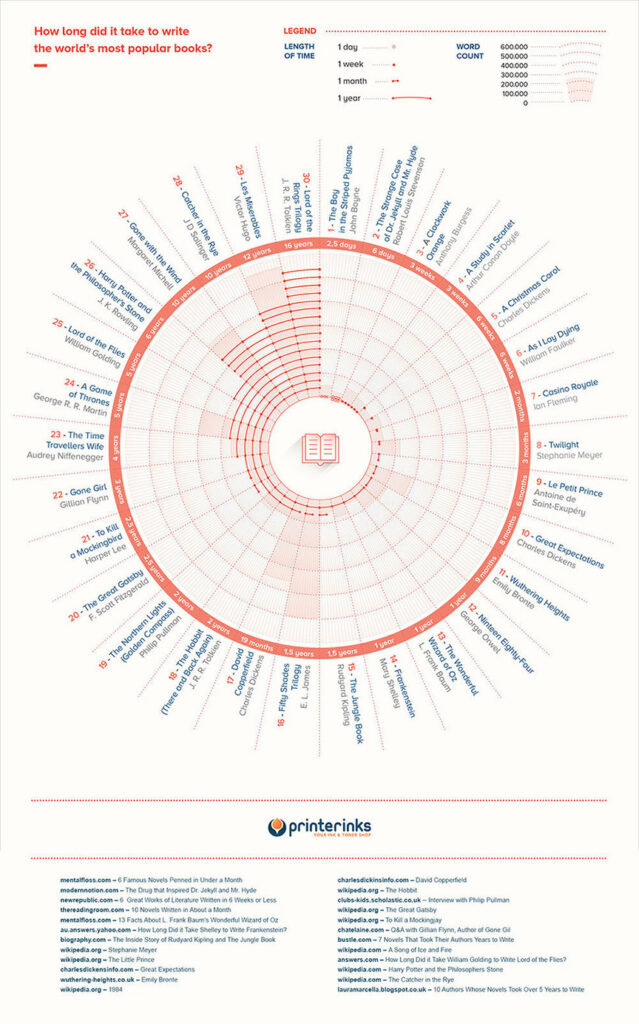
Please refer to the infographic below. It lists some of the most popular books and how long it took the writer to finish them. WhileLord of The Ringstook a whopping sixteen years to complete (no shocker there), I’d like to direct your attention to roughly a quarter of the chart that indicates books written under three months. If theBoy in the Striped Pajamaswas written in two and a half days, you can write something of quality in four weeks.
How Do I Start?
Let’s begin with talking about the snarky, three-hundred-pound elephant in the back of your mind. Your inner editor. We are going to bind and gag that jerk, and it may take fifty shades worth of rope because it’s three-hundred pounds and takes up a lot of headspace.
Sara Bale, an extremely prolific romance writer, has similar advice for your would-be-elephant editor.
“I think the biggest mistake an author makes when writing a rough draft is stopping and rereading/editing their work. The key is to keep moving forward and get the whole story out. Know the beginning and the ending. If you have those elements, the rest is easy.”
Sara Bale
“The key is to keep moving forward and get the whole story our.” Sara Bale
The passionate ideas come when the critic in our mind is silenced.
Your visceral idea is key, and I will not accept the old “I don’t know what to write about” excuse. You are here to pour your heart and soul into a story. If you are having a hard time with inspiration, here’s a handy dandy exercise to help that I stole from a writer’s workshop I attended.
Sit down with a piece of paper and a pen. Yes, a real piece of paper and pen. No cheating with keyboards. I know, I know. Your handwriting is horrible because all you do is type now. My handwriting looks like a serial killer’s ransom note, so I totally understand, but stick with me.
Next, set a timer for ninety seconds.
Hit start, write the first thing that comes to your mind and don’t stop until that timer goes off. No contemplating it. No editing your idea and wondering if Stephen King has already done it. He probably has. Just write, no excuses, for the whole ninety seconds.
Go ahead… I’ll wait…
You back? Okay. I’m not a betting woman, but I would put money on what you wrote was pretty damn good.
Whether or not that is the idea you run with doesn’t matter. It’s an exercise to get the creative juices flowing. Use that. Build your characters. Plot the story fast and loose. Fall in love with your story. Get down and dirty in that honeymoon phase…but not literally because remember the paper cuts. We talked about that.
And finally, outline! For the love of all that is holy, outline your story! Do not do this flying by the seat of your pants. That is a sure-fire way to crash and burn. It doesn’t need to be an in-depth outline. On the contrary, keep that pretty loosey-goosey, too.
My outlines are often little more than a few sentences for each chapter.
Time Management
Okay, you have your outline, your idea, and your story. Let’s do this. The clock begins when you type “Chapter One” or “Prologue” if you want to be fancy. Let’s use NaNoWriMo (National Write a Novel in a Month) rules as I find these to be the best guidelines: 50,000 words in four weeks.
So four weeks. That’s your mission.
Select a four-week span of time in your life that you can devote to writing. Don’t sabotage yourself by doing this during a family vacation or when it’s the busy season at work. Choose a month that will allow you some time to devote to this endeavor because it is important.
For that month, give up on being the best mom, husband, wife, etc. Let your family know that this is going to be what you are doing for this month, and they can have you back after it’s over. The laundry can wait. Order in food. Maybe shower because, well, hygiene.
Editor’s Note: I totally agree with Michelle. November can be an impossible time for many because of increased work demands, family demands for the approaching holidays, the doldrums due to shorter and shorter days. The main thing is to pick a time that works for you. It can be NaFebWriMo if you have to put in overtime starting in November for the holiday season, or NaJulyWriMo – if you are a teacher. Find a time period that works for you and stick with it! Put it on your calendar. Alert your friends and family.
I highly, highly, highly recommend you track your progress. Doing a rough draft during NaNoWriMo is a great idea. This happens in November, and the organization sets you up for a win. You have a word tracker, writer friends to cheer you on, and helpful articles when you get stuck. If November is not a good month for you, try a program like WriteTrack. It will help you keep up with your progress.
Insider secret: Don’t shoot for the minimum goal. If your tracker says you need to write 2,000 words that day, shoot for 3,000 or 4,000. It’s easy to fall behind only doing the bare minimum; but if you’re always ahead, you have a little breathing room.
The Black Hole of the Internet
Can someone say distractions? Turn those notifications off! Set your phone to do not disturb except for emergencies. Hang a banner on your doorknob with a picture of Gandalf saying, “Thou shall not pass!” Get away from the addicting vacuum of social media. It will be there when you get back.
“That’s all well and good if you are writing something you just made up, but what about people who need to research their content?” asks nebulous reader voice again.
WithHour Glass, I wrote a historical fiction novel about Calamity Jane. There was definitely some research involved there. I did as much as I could before the writing began, mainly broad stroke things: dates, places, and a few good details relevant to the story. Nothing more.
Research is the most unassuming trap in writing. You’re on a good writing jag, everything is flowing, and then you hit a spot where you need the name of a city or a date or a vocabulary word. You have to have that accurate information, right? So you switch to the internet and start researching. Well, that first page on a website leads you to another, which leads you to Facebook; and then before you know it, it’s been three hours, and you lost your momentum.
Broad stroke your research before you start; but while you’re writing, don’t research. If you need the name of a city, don’t go looking. Just write something like, “He rode into the sunset hoping his horse knew the way to {insert city name}.” Get the story down, and go back in later to fill in those brackets.
Write your story from the heart and with passion. Research and accuracy can be added later.
The Middle Stick
It’s right around the 30,000-word mark that this happens. The Middle Stick is what I call the point where your initial enthusiasm begins to wane, and your progress gets sluggish. What began as “yay, I’m writing a book” turns into “I don’t know if I can do this.” It happens to everyone.
This is where participating in programs like NaNoWriMo can be helpful. Having other writers in the same place can be encouraging, and they can hold you accountable. If you aren’t doing NaNoWriMo, I suggest getting a group of like-minded author friends to do this together. This is also where writing ahead of your minimum word count helps because The Middle Stick will almost certainly slow you down.
Here are some other helpful tips.
Try that writing something in ninety seconds exercise I mentioned earlier to get inspiration.
Go out of your comfort zone and experience something related to your book. For example, if you are writing a western, go see a rodeo. Get away from your computer.
Multi-award winning author, Janet Shawgo, has this to say about immersing yourself in your research outside the page when she was researching her book,Look For Me, set in the Civil War. “What helped me was putting feet on the ground at Gettysburg to get a feel of the area, what my characters saw, what they heard. To try on costumes true to that era. I walked some of the roads soldiers did in Virginia. If at all possible, put yourself there.”
Janet Shawgo Won the Chatelaine Grand Prize
Switch up your chapters. This is where outlining really helps you. If you are hitting a wall writing chapter thirteen, jump forward and write chapter twenty. Sure, you’ll have to go back to that chapter eventually, but this helps you jump over that block and continue to get your word count in.
I wroteTattooentirely this way. It’s made of seven parts of a story told chronologically backward. I didn’t write any of those parts in order. Not one. Yet, I still managed to piece them together in the end.
Just keep moving. The momentum will pick back up. You can do this.
Hurray! You Did It!
Out of breath and exhausted, you crossed that finish line. You did it! Rejoice! I told you you could do it!
Go celebrate. Treat yourself to a fancy dinner. Toast your deed with some friends. Eat a whole chocolate cake. I don’t care. Party it up because you managed to do what the vast majority of humans on this planet cannot do. Most people never dream about writing a book. Fewer attempt it. Only a small fraction actually finish a draft.
You are spectacular.
Now, put the book aside for at least a month (more like two). You will eventually go back and edit. You will fill in those empty brackets. You will allow that annoying three-hundred-pound editor elephant back into your life. But not right now. That’s for another day.
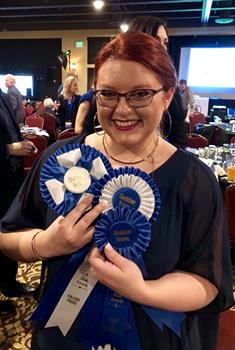
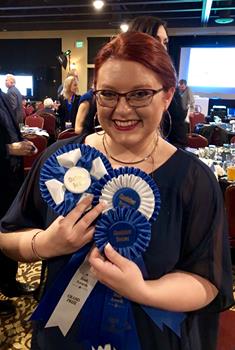
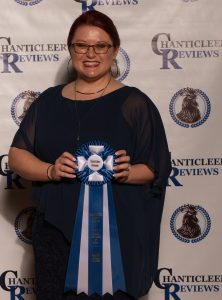
Michelle Rene and her Chanticleer Grand Prize Ribbons
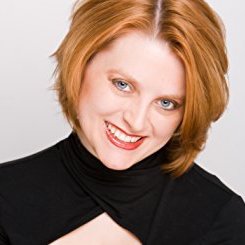
Michelle Rene, the author of this blog post, is a creative advocate and the author of a number of published works of science fiction, historical fiction, humor, and everything in-between.
She has won indie awards for her historical fiction novel,I Once Knew Vincent. Her latest historical novel,Hour Glass, won the Chanticleer International Book Awards Grand Prize for Best Book. It was released on February 20th to rave reviews from Chanticleer, Kirkus and Publishers Weekly. Her experimental novella,Tattoo, was released on March 7th.
When not writing, she is a professional artist and self-described an all-around odd person. She lives as the only female, writing in her little closet, with her husband, son, and ungrateful cat in Dallas, Texas.
A special thanks go out to the authorsSara BaleandJanet Shawgofor contributing their writing expertise to help others.
Chanticleer Editorial Services – when you are ready
Did you know that Chanticleer offers editorial services?We do and have been doing so since 2011.
Tools of the Editing Trade
Our professional editors are top-notch and are experts in the Chicago Manual of Style. They have and are working for the top publishing houses (TOR, McMillian, Thomas Mercer, Penguin Random House, Simon Schuster, etc.).
If you would like more information, we invite you to email Kiffer or Sharon at KBrown@ChantiReviews.com or SAnderson@ChantiReviews.com for more information, testimonials, and fees.
We work with a small number of exclusive clients who want to collaborate with our team of top-editors on an on-going basis.Contact us today!
Chanticleer Editorial Services also offers writing craft sessions and masterclasses. Sign up to find out where, when, and how sessions being held.
We are excited and honored to officially announce the Grand Prize Winner and the First Place Category Winners for the 2018 Laramie Book Awards at the annual Chanticleer Authors Conference and the 2018 Chanticleer International Book Awards ceremony. This year’s ceremony and banquet were held on Saturday, April 27th, 2019 at the Hotel Bellwether by beautiful Bellingham Bay, Wash.
We want to thank all of those who entered and participated in the 2018 Laramie Book Awards for Western Fiction, a division of the Chanticleer International Book Awards.
Michelle Rene,the author ofHour Glassannounced theGrand Prize Winner of the 2017 Laramie Book Awards for Western Fiction (CIBAs), announced the 2018 Laramie Award Winners at the Chanticleer International Book Awards Banquet and Ceremony.
Congratulations to the 2018 Laramie Book Awards for Laramie Book Awards Western Fiction First in Category Winners
Living Where the Rabbits Dance by Jr. R. Collins
Promise of Tomorrow by TK Conklin
Chasing Demonsby John Hansen
A Female Doctor in the Civil War –Richard Alan
Splinteredby Curt Locklear
And now for the LARAMIE Book Awards GRAND PRIZE WINNER for Western Fiction
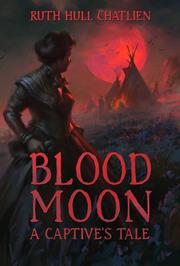
Blood Moon: A Captive’s Tale by Ruth Hull Chatlien took home the Laramie Grand Prize Ribbon.
An email will go out to all First Place Category Winners and Grand Prize Winners with more information, the timing of awarded reviews, links to digital badges, and more before May 31st, 2019 (approximately four weeks after the awards ceremony). Please look for it in your email inbox.
When we receive the digital photographs from the Official CAC19 professional photographer, Dwayne Rogge of Photo Treehouse, we will post the Laramie award winners on this page.
* On the weekend of her new release, The Dodo Knight, we invite you to get to know one of our favorite authors, the incomparable, Michelle Rene!
Recently I had the opportunity to interview the creative advocate and the 2017 CIBA Overall Grand-Prize Winning Author, Michelle Rene, in our 10 Question Interview Series. It is no wonder her novels, short stories, and articles are consistently gaining recognition and winning awards. She is not only over-the-top talented, she is also generous with her time.
Michelle Rene won the CIBA Overall Grand Prize in 2017 for her novel, Hour Glass, a unique and entertaining twist on the Calamity Jane legend, complete with engaging characters and extraordinary storytelling! A novel we highly recommend.
Chanticleer: Tell us a little about yourself: How did you start writing?
Michelle Rene: I’ve been writing since I was a kid. I actually spent a whole summer vacation hand-writing a two-hundred-page novel when I was thirteen. However, I was also very invested in art. I had my first artist job in video games at age sixteen, so when it was time to choose my career/college path, I chose to go to art school.
While art was paying the bills, I continued to write, honing my craft and learning all I could about
this ever-changing literary world. It was in 2014 that my first novel was published. I Once Knew Vincent went on to receive several indie awards, including Chanticleer’s First in Category for the Chaucer Award.
Since then, I’ve had numerous novels, novellas, short stories, and essays published. Several went on to win significant indie awards. I’m extremely proud to say my novel, Hour Glass, won Chanticleer Review’s Best Overall Book Award for 2017.
Chanticleer: We are very proud of your Overall WIN, as well! Congratulations! Let’s talk about genre. What genre best describes your work? And, what led you to write in this genre?
Michelle Rene: I have a love/hate relationship with genre. The necessities of it are obvious. In the world of marketing, we have to know how to market a story and who to market it to. As far as my reading habits, I just look for a good story. I don’t really care what kind of story. In writing, I like that same freedom.
That being said, I would say I write historical fiction and speculative fiction. Every once in a while, they overlap. I call myself a creative advocate, and most of my life has been in the pursuit of creativity. Writing speculative fiction quenches that thirst.
As for historical fiction, I’m a huge museum buff, and history fascinates me. I count it a duty to try to make time periods and historical figures come to life as something more than names and dates on a page.
Chanticleer: That’s what we love about you – and that’s why Hour Glass won! Do you find yourself following the rules or do you like to make up your own rules?
Michelle Rene: I’m not a fan of writing rules. The idea is rather rigid for something as creative as writing. I think there are good practices and guidelines to be aware of, but I always cringe when I hear someone say, “you can’t…” when criticizing someone’s stylistic choice. For every hard-and-fast writing rule, there is someone who broke it beautifully.
My advice for emerging authors who ask for my “rules” is rather unimpressive. Don’t give up. That’s my only rule for writing. Keep going. Write more. Figure out your voice through trial and error.
Chanticleer: Really, that’s the best advice anyone could give. Don’t Give Up. We should make t-shirts… What do you do when you’re not writing? Tells us a little about your hobbies.
Michelle Rene: I’m a trained artist, so I like to paint, sculpt, draw, etc. I’m a firm believer in the idea that all creative ventures work toward telling a story in some way. I adore museums, reading, audiobooks, and learning new things. I’m also a belly dancer and occasionally perform at festivals and Renaissance fairs.
Chanticleer: I’ve seen your costumes! You’re serious about everything you do. That’s very impressive. Where do your story ideas come from?
Michelle Rene: I have no idea. Get it?
Seriously, I tell everyone that my muse is extremely abusive. I once read that an author pictured her muse as this quiet girl who whispered beautiful, creative things to her through the bars of a vent.
Mine is a sledgehammer-wielding jerk who shows up when I’m trying to sleep and regularly bashes in my head until I write the story. Sometimes, I see something interesting at a museum or a get inspired by a painting, but the story I want to tell hits hard and is a nuisance until I write it.
Chanticleer: Good for you to pay attention to that muse. I mean, how could you help but pay attention! Name five of your favorite authors and describe how they influence your work.
Michelle Rene: I have an extremely eclectic taste in reading, so this will look like a random list. Harper Lee because To Kill a Mockingbird was one of the first books I read over and over again. She showed me how to inject poetry in your prose in a simple way. David Sedaris because I’ve never laughed so hard in my life, and he taught me about humor in the absurd. Mary Roach because I never knew I liked reading or writing nonfiction until I read Stiff. Neil Gaiman because he has the same skeptical beliefs I do about genres and writes that way. Finally, Charlaine Harris because she’s one of the only authors who can write about vampires, shifters, and fairies, and I’ll eagerly read every book in her series.
Chanticleer: Great list of authors. I, too, love Mary Roach for Stiff, but I suppose that’s no surprise to those who know me… Give us your best marketing tips, what’s worked to sell more books, gain notoriety, and expand your literary footprint.
Michelle Rene: There are two things I’d list here. One is a slow burn marketing technique, and the other is a quick one. The quick boost is to run a sale (either discounted or free) and blast it through every social media and subscription channel you can for the day the sale begins. I’m not a believer in keeping your book discounted for more than a few days though.
The slow burn technique takes a lot more effort but has the longest tail of benefit. Go to conferences, enter contests, and teach classes where you can. If you do those things, you will connect with amazing people who can help you along the way in ways you can’t imagine yet.
Some of Michelle Rene’s other books for you to explore!
Alice Liddell was the muse for Lewis Carroll’s Alice in Wonderland. But before the book was published, a rift opened between Carroll and the Liddell family. Also dubbed the “Liddell Riddle,” historians still speculate as to what happened to separate the famous author and his muse. Michelle Rene has imagined a beautiful and heart-breaking story of a special friendship and its unfortunate end. Told from the viewpoint of Alice herself, The Dodo Knight will transport you to Victorian England… and into the heart of a very special little girl. Pick up your copy of The Dodo Knight today!
Chanticleer: Good tips. Thank you for those. What are you working on now? What can we look forward to seeing next from you?
Michelle Rene: I’m working on two projects. One is a sci-fi mystery series about a psychoanalyst who can go into peoples’ minds. Currently, I have the first book done and am working on number two in the series.
The other project is a historical fiction novel based Dr. Mary Edwards Walker. She was a Civil War surgeon when women weren’t allowed to do that, and she was the only woman to be awarded the Medal of Honor.
Chanticleer: Oh, both sound delicious! I cannot wait to read them. Speaking of readers, what is the most important thing a reader can do for an author?
Michelle Rene: Rate our books, review our books, tell your friends, and share our posts. In today’s literary world, there is a sea of books coming out every day. Word of mouth is our best long-term sales generator. If you tell people you liked my book, they are more likely to believe you than any advertisement I put out there.
Chanticleer: This is so true. Thank you for saying that. What excites you most about writing?
Michelle Rene: It is a powerful and equalizing force in the world. As long as you can string sentences together, you have a voice. Your story can be told. It doesn’t matter how old or young you are. Your wallet and waistline have no bearing. You don’t even have to be formally educated. Everyone’s story is possible, and stories change the world.
Chanticleer: Thank you, Michelle, for participating in our 10-Question Author series. You are delightful!
Don’t you want to follow and like everything Michelle does? I do! Please check out her links – and share this interview with your friends!
Michelle Rene is a creative advocate and the author of a number of published works of science fiction, historical fiction, humor and everything in between. She is the author of novels, short stories, essays, and video games.
She has won indie awards for her historical fiction work. Her novel, Hour Glass released to rave reviews from Kirkus and Publisher’s Weekly. It won Chanticleer Review’s “Best Book of the Year” award in 2018. Her experimental novella, Tattoo, released with a starred review in Publisher’s Weekly and was listed in Foreword Reviews top eight sci-fi/fantasy books this spring.
When not writing, she is a professional artist and all-around odd person. She lives as the only female, writing in her little closet, with her husband, son, and ungrateful cat in Dallas, Texas.
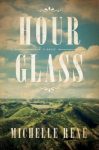
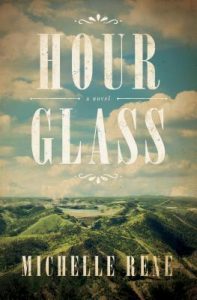
Hour Glass by Michelle Rene is the story of many lives, told through the lens of the young protagonist, Jimmy Glass. In non-linear fashion, Rene begins her story toward the end, when Jimmy and the infamous Calamity Jane once again cross paths. From there the story moves backward—to recount past events and the ways multiple lives are forever entangled. Hour Glass is a novel of strength, sadness, and perseverance.
Jimmy Glass’s father is dying of smallpox. With no options or way to help him at their homestead, Jimmy takes his dad and his younger sister Flower into the closest town—Dead Wood, South Dakota. A mining town is an unforgiving place, but Jimmy and his younger sister are quickly taken in by none other than Calamity Jane herself and a madam named Dora Duffran. The two siblings quickly find a home in the brothel and await news of their father’s health.
As their father’s life teeters on the edge, Jimmy’s dreams are full of visitations by his deceased Lakota stepmother Without Cage. She takes Jimmy to various times in their lives to show him things he needs to see and things he needs to remember.
Hour Glass is a novel driven by a complex cast of characters. There’s Calamity Jane, a belligerent drunkard with a kind heart. Jimmy Glass, a young boy with the burdens of manhood pushed on him far too early. Dora Duffran, the madam with a heart of gold and a spine of steel. Without Cage is seen only through memories, but her unbreakable spirit remains as strong as ever, and her character floats through the novel as any other earthly bound character with whom Rene gifts us.
Then there’s Flower Glass, Jimmy’s younger sister, a girl who many think of as peculiar for her anti-social behavior. She’s taciturn and reserved, dislikes loud noises and being touched, and appears not to pay any attention to what’s going on around her. Jane, however, seems to effortlessly bring Flower, or Hour as she comes to be known, out of her shell when others cannot.
This historical fiction manages to tell the story of many lives through only one character’s voice. Readers will find a sentimental novel that does an impressive job of recounting the meaningful ways in which lives can intersect, however briefly, and cause changes that will last forever.
Hour Glass by Michelle Rene won the 2017 Chanticleer Int’l Book Awards Overall Grand Prize!
We are excited and honored to announce the 2017 Winners of the Chanticleer International Book Awards. The winners were recognized at the fifth annual Chanticleer Authors Conference and Awards Banquet Ceremony on Saturday, April 21, 2018, at the Hotel Bellwether, Bellingham, Wash.
We want to thank all of the authors who participated in the 2017 Chanticleer Book Awards. Each year, we find the quality of the entries and the competitiveness of the division competitions increasing exponentially, which is why the contest judges wanted to add Shortlisters as a way to recognize and validate the entries that were not selected for the very few First Place Award positions within each genre division.
Congratulations to the Chanticleer Overall Grand Prize Book Award Winner for 2017
Hour Glass by Michelle Rene received top scores in three divisions: Laramie Book Awards, Somerset Book Awards, and Goethe Book Awards. It was also the Laramie Grand Prize Winner.
The Chanticleer International Book Awards Genre Divisions Grand Prize Winners for 2017 are:
The GLOBAL THRILLER Book Awards for International Thrillers & Suspense Novels is awarded to:
To compete in the current book market, where millions of books are published each year, you have to find interesting new ways to get your books in front of potential readers.
[fusion_builder_container hundred_percent=”yes” overflow=”visible”][fusion_builder_row][fusion_builder_column type=”1_1″ background_position=”left top” background_color=”” border_size=”” border_color=”” border_style=”solid” spacing=”yes” background_image=”” background_repeat=”no-repeat” padding=”” margin_top=”0px” margin_bottom=”0px” class=”” id=”” animation_type=”” animation_speed=”0.3″ animation_direction=”left” hide_on_mobile=”no” center_content=”no” min_height=”none”]Same old same old
Today, Janet Shawgo, award winning author of the Look for Me series, shares her experience with setting up book signings at wine bars—and how the right creative approach can help spread the word about your books.
Also, as an added advantage, your books will have more focused attention from potential readers. It is a great one-two promotional punch!
Setting Up Book Signings in Unique Places Other than Bookstores
Bookstore managers don’t always return calls or emails, dates may not be available, or dates may be reserved six months in advance.
But who says that you can only hold book signings in a bookstores?
If you can get the okay to set up a table with books, you can have a book signing wherever that may be. (Like a wine bar.) I know of one very successful western fiction author who has his best signings (read as sells more books) in grocery stores!
Another author whose romance novels have a natural healer as a protagonist holds some of her most successful signings in food co-ops and natural supplement stores. Yet another author holds her signings at outdoor equipment stores for her eco-mystery series.
The possibilities are endless.
The Point is to Engage Readers – Janet says:
“These days, you need to find something unique to get your books to new readers. But getting yourself in front of readers can be frightening. I get it! Making your book signing into an event where you can have more interaction than just signing books helps ease the awkwardness.”
“Think of what fits with the theme or genre of your book. If you have a cozy mystery about food, find a local restaurant. If you write romance, a little wining and dining might go a long way.”
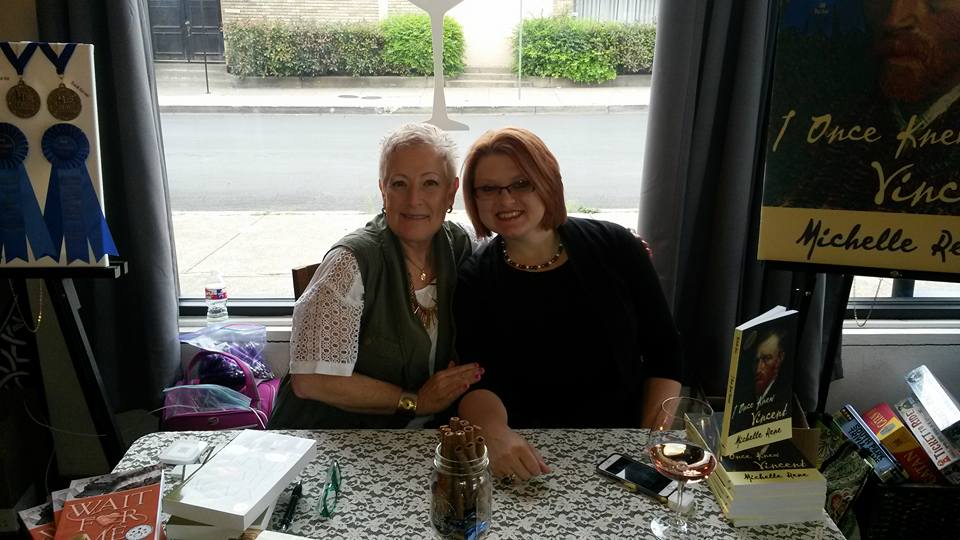
Janet Shawgo shares info about her Wine Bar Book Signings
“In April, another Dallas-area author, Michelle Renee, and I are hosting a book signing at a wine bar in the Bishop Arts district. We contacted the owner to ask if we could set up a table and sell our books on a slow weeknight. In return, we will purchase a few bottles of wine (white, red, and rose). We’ll hand out tickets to people, which entitles them to a glass on us.”
“I’ve had huge success with signings at wine bars. At another signing, I sold a good number of books, people enjoyed the glass of wine, and the wine bar had one of its best nights and welcomed me back to hold another signing.”
How to Make the Most of Your Book Signing – More Info from Janet Shawgo, award winning author of the WAIT FOR ME series
“To make sure people get to your book signing, be sure to spread the word! We’re on social media, sharing information about our wine bar book signing, but we’re also telling people at work, as well as family and friends. Don’t be afraid to ask the place that is hosting you to post on social media about the event, too. Targeted Facebook ads to locals might also help spread the word.”
“At the signing itself, we have a signup sheet for our newsletters to capture emails, and we also choose two or three people from it for door prizes at the end of the evening.”
“Be sure that your table is appealing and inviting. Readers love free items, so we have pens, bookmarks, candy, magnets, and key chains. Items that have information about our books on them keep us in readers’ minds.”
Thank you, Janet Shawgo, for the sharing your great idea with other Chanticleer authors!
Kiffer Brown asks: Where do your books’ targeted readers hang out?
kitchen stores?
gardening centers?
yarn shops?
trivia nights at pubs?
comic book stores?
boat supply stores?
pet stores?
coffee shops?
outdoor recreation suppliers?
The possibilities are endless!
Expand your readership—make your list of author/book signing opportunities today!
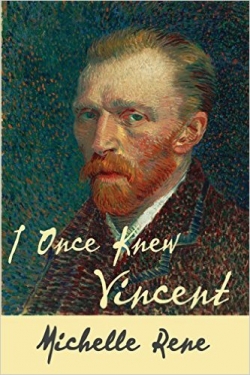
Seven-year-old Maria Hoornik already knows more about life than she should, hiding in a curtained alcove whenever her alcoholic prostitute mother, Sien, brings customers home. One day, Sien brings home a different kind of man—an unknown artist, Vincent Van Gogh.
Vincent, longing for stability amidst his frustrations and failures, is determined to create a cock-eyed semblance of family life with Sien, who is pregnant with another man’s child, and her daughter Maria, with whom he immediately bonds, admiring her critical honesty and calling her “Little Cat.”
The three, and then Sien’s baby Wilhelm, form a fascinating ménage in new author Michelle Rene’s speculative novel based on considerable historical fact. Rene depicts Maria as a prodigy who comprehends her mother’s self-destructive habits all too well. Rene elucidates, through Maria’s curious gaze, the made-up family’s grinding poverty, Vincent’s stubborn insistence on doing his art his way despite his lack of economic success, and the constant quarrels over money and morals.
The child unwillingly absorbs the distress when Vincent’s arrogant parents refuse to continue supporting their son’s liaison with a known whore, forcing Sien to revert to her old ways to provide food. Maria’s maturity is underscored in troubling vignettes: she sells her hair so they can all have one Christmas dinner, sacrifices a piece of cake to make a “soup” to feed baby Wilhelm when Sien’s milk runs dry, and rushes home in a thunderstorm to try to stop Vincent from discovering that Sien is once again up to her old tricks.
Rene has designed Maria’s story with verve, splashing colorful images across a well-planned canvas: “Silence crept into the room and pulled up a chair for a nice long visit.” She deftly conveys a child’s perception of Van Gogh’s mental miasma: “Knowing what mood he would be in became a fine art in itself. I quickly became a master of that art.” The text is satisfyingly interspersed with the artist’s actual sketches and paintings of Sien, a notably ugly woman, and Maria, a serious, self-contained little girl rocking a cradle or sitting quietly while her mother sew; a little girl who, like Vincent, clearly wishes for the security of a real family.
Told through the eyes of a child, I Once Knew Vincent offers an imaginative study of a tormented genius who would create some of the world’s most recognized artworks.

















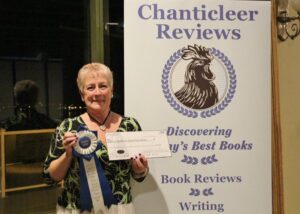



 We are excited and honored to officially announce the Grand Prize Winner and the First Place Category Winners for the 2018 Laramie Book Awards at the annual Chanticleer Authors Conference and the 2018 Chanticleer International Book Awards ceremony. This year’s ceremony and banquet were held on Saturday, April 27th, 2019 at the Hotel Bellwether by beautiful Bellingham Bay, Wash.


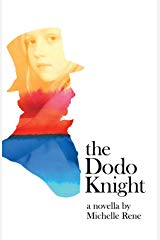 opened between Carroll and the Liddell family. Also dubbed the “Liddell Riddle,” historians still speculate as to what happened to separate the famous author and his muse. Michelle Rene has imagined a beautiful and heart-breaking story of a special friendship and its unfortunate end. Told from the viewpoint of Alice herself, The Dodo Knight will transport you to Victorian England… and into the heart of a very special little girl. Pick up your copy of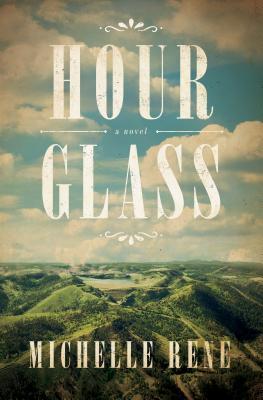

 The GLOBAL THRILLER Book Awards for International Thrillers & Suspense Novels is awarded to: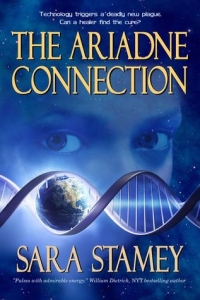







 The LARAMIE Book Awards for Western Fiction Grand Prize is awarded to:





 Bookstore managers don’t always return calls or emails, dates may not be available, or dates may be reserved six months in advance.
 Janet Shawgo shares info about her Wine Bar Book Signings
 “Be sure that your table is appealing and inviting. Readers love free items, so we have pens, bookmarks, candy, magnets, and key chains. Items that have information about our books on them keep us in readers’ minds.”