If you’ve been looking for a Fantasy to read, try out some of our Award winners!
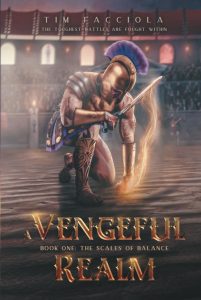
A Vengeful Realm Book 1: The Scales of Balance
By Tim Facciola
We’re coordinating the review with Tim to go out in October with his next book release! The full series is out now, and you won’t regret reading it! Check out his website here and see it on Amazon here!
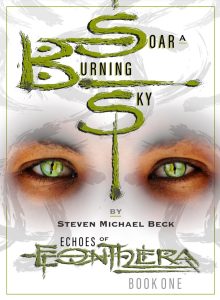
Soar a Burning Sky By Steven Michael Beck
Earth is linked in a symbiotic relationship with its spirit twin, a hidden utopia called EonThera. But as the paradise begins to inherit the harsh realities of Earth’s drastic climate change, EonThera urges action – before both realms collapse, in Steven Michael Beck’s Soar a Burning Sky.
What if there was an “earthly paradise,” a mirror of Earth – a terratopia that is an awe-inspiring existential representation of how amazing planet Earth could be? This fantasy fiction presents a synergic relationship between Earth and this soul, as together they sustain the Ticking – a heartbeat that nurtures both. But as Clayton Cramer puts it, “Abandon all thoughts of Utopia – humans are involved.”
As a result of the two realms’ mutual existence, one’s failing health accounts for the fall of the other. The soul of Earth, EonThera, is collapsing. It is plain that the enemy is ignorance, primarily Earth’s, and with this knowledge comes the recruitment of the four unlikely Earthly warriors to aid the two realms before they fall from a burning sky.
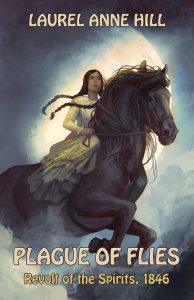
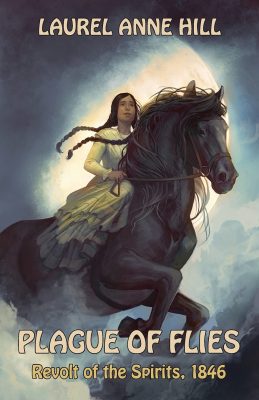
Sixteen-year-old Catalina Delgado’s hopes of marrying her love are troubled by strange, unnatural dangers, in Laurel Anne Hill’s novel, Plague of Flies.
Like every dutiful daughter in 1846, Catalina worries about her reputation. However, she must also gain the approval of Ángelo Ortega’s family. Unfortunately, when three strangers ride onto her family’s small ranch in Alta California, she knows that more than her dreams are at risk. Alta California has just been invaded by the men of the Bear Flag, and Catalina fears what will become of her homeland now that it has been claimed by the Yankees. The nearby ranch owned by the valiant General Vallejo has been raided, owners and their servants terrorized and held captive. Plus Bear Flaggers have murdered additional friends of Catalina’s family on a beach.
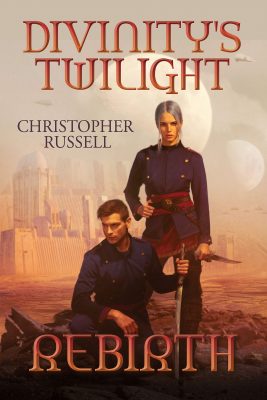
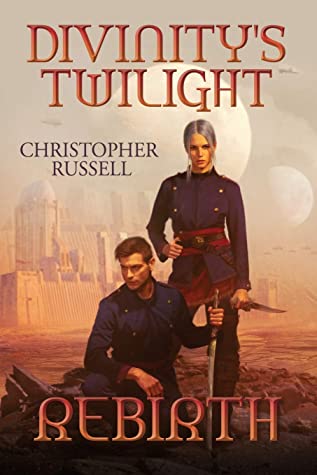
Divinity’s Twilight: Rebirth By Christopher Russell
Divinity’s Twilight: Rebirth by Christopher Russell is the opening of a High Fantasy epic about the rise and fall of vast empires.
The story grows from unfinished business between three brothers gifted with magic and power but chose different paths to achieve safety and security for themselves and the people who followed them.
These different paths culminated in a battle where the fate of their world is balanced precariously on a knife’s edge. Darmatus and Rabban are engaged in a war to the death with their oldest brother Sarcon. Sarcon believes the road to that safety lies in power alone, that the only way to be secure is to crush all his enemies, no matter how heinous the deeds required.
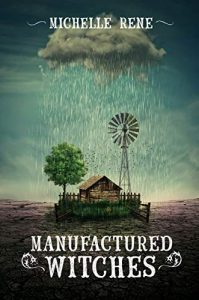
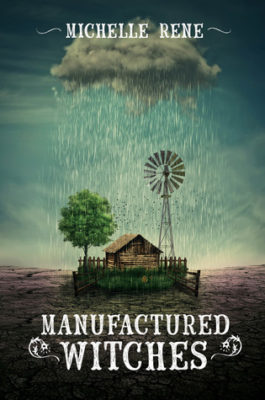
Sixteen-year-old Nat is a boxcar kid. It’s the Dust Bowl era, and Nat has lost everything: his grandmother, his family home, and a sense of belonging. He hops trains across Texas in search of a place for himself amid so much loss. Outside of Amarillo, Nat feels a peculiar sensation, a tug from destiny, that pulls him toward the small town of Tanglewood. However, instead of finding a job and some much-needed food, he discovers Polly Jones, a teenager like himself, chained to a post with a sign above her reading, “Thou shalt not suffer a witch.”
Nat can’t bring himself to abandon her to the small-minded, fearful townsfolk and immediately becomes her protector until the arrival of Camille Renoir Lavendou, a local woman who operates Miss Camille’s Home for Wayward Children. No one dares stop Camille from releasing Polly and taking both teens with her because Camille is reputed to be in the “witchin’ business” herself. Nat’s excitement at the prospect of food and a place to stay quickly turns to disbelief and wariness when he steps inside Camille’s sanctuary. What he thought was a ploy on Camille’s part to keep the nosey townsfolk at bay doesn’t seem to be a trick at all when he meets those who are under Camille’s care.
Remember to add your next reads to your StoryGraph or Goodreads account! Now that you’re set on your next five reads, what are you waiting for? The only way to join this amazing list of Ozma Winners is to submit today!
Those who submit and advance will have the chance to win the Overall Grand Prize of the CIBAs and $1000!
Our Chanticleer International Book Awards feature more than $30,000.00 worth of cash and prizes each year!
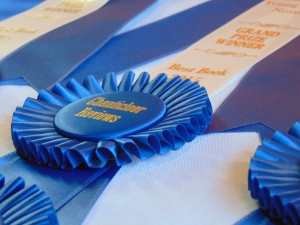
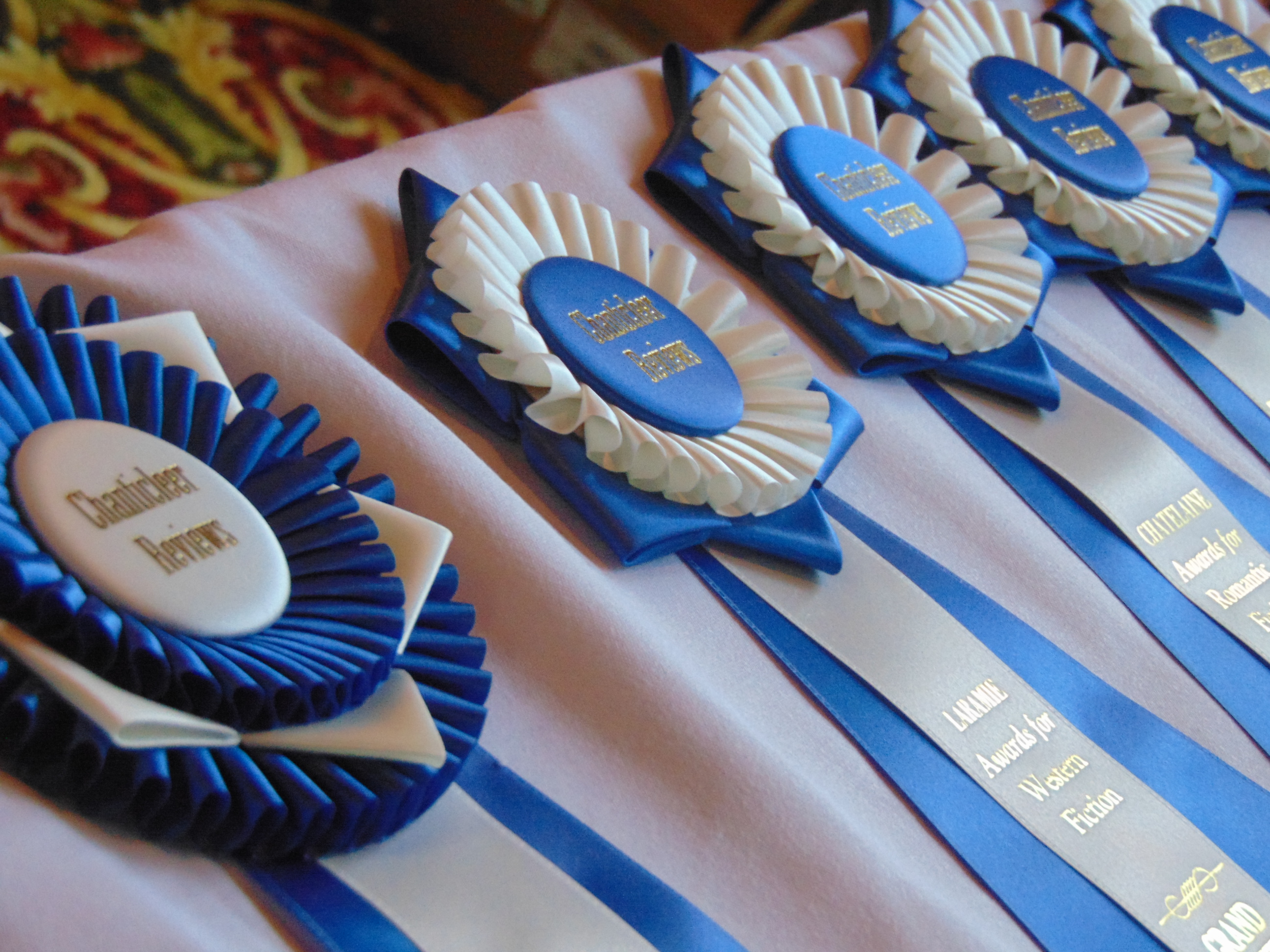
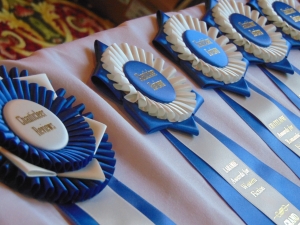
All First Place Winners Receive a coveted Chanticleer Blue Ribbon and discounts on our Roost Membership and Editorial Reviews.
All Division Grand Prize Winners a covetedChanticleer Book Review Package
The Ozma Grand Prize Winner is namedChanticleer ReviewsBest Fantasy Fiction Book of the Year and goes on to compete for the Chanticleer Overall Grand Prize Best Book of the Year
The Overall Grand Prize Winner is namedChanticleer Reviews Best Book of the Year and awarded the$1000 prize
All winners receive a Chanticleer Prize Packagewhich includes a digital badge, a ribbon and a whole assortment of goodies detailed below (winners outside the US pay a shipping & handling fee)
That’s more than $30,000.00 worth of cash and prizes! The Fine Print.
~$1000 for one lucky Overall Grand Prize Winner
~$30,000+ in reviews, prizes, and promotional opportunities awarded to Category Winners
You know you want it…
Currently accepting entries. Deadline: July 31, 2024
Are you a Chanticleer Author who has some good news to share? Let us know! We’re always looking for a reason to crow about Chanticleerians! Here are some recent achievements from our authors:
Fantasy Fiction presents a reflection of the world as we see it, showing us the undercurrents of power that surround us all. At Chanticleer, we seek to take up the quest and discover the magic in your classic fantasy, steampunk stories, urban tales, and your fairy tales and legends.
Let’s take a look at the Hall of Fame for Grand Prize Winners of the Ozma Awards
SOAR A BURNING SKY By Steven Michael Beck
A Manuscript
Earth is linked in a symbiotic relationship with its spirit twin, a hidden utopia called Eonthera. But as the paradise begins to inherit the harsh realities of Earth’s drastic climate change, Eonthera urges action – before both realms collapse, in Steven Michael Beck’s Soar a Burning Sky.
What if there was an “earthly paradise”, a mirror of Earth – a terratopia that is an awe-inspiring existential representation of how amazing planet Earth could be? This fantasy fiction presents a synergic relationship between Earth and this soul, as together they sustain the Ticking – a heartbeat that nurtures both. But as Clayton Cramer puts it, “Abandon all thoughts of Utopia – humans are involved.”
As a result of the two realms’ mutual existence, one’s failing health accounts for the fall of the other. The soul of Earth, Eonthera, is collapsing. It is plain that the enemy is ignorance, primarily Earth’s, and with this knowledge comes the recruitment of the four unlikely Earthly warriors to aid the two realms before they fall from a burning sky.
This book is still in development and the review is subject to change, but you can learn more about Steven Michael Beck here.
Plague of Flies: Revolt of the Spirits, 1846 by Laurel Anne Hill
Sixteen-year-old Catalina Delgado’s hopes of marrying her love are troubled by strange, unnatural dangers, in Laurel Anne Hill’s novel, Plague of Flies.
Like every dutiful daughter in 1846, Catalina worries about her reputation. However, she must also gain the approval of Ángelo Ortega’s family. Unfortunately, when three strangers ride onto her family’s small ranch in Alta California, she knows that more than her dreams are at risk. Alta California has just been invaded by the men of the Bear Flag, and Catalina fears what will become of her homeland now that it has been claimed by the Yankees. The nearby ranch owned by the valiant General Vallejo has been raided, owners and their servants terrorized and held captive. Plus Bear Flaggers have murdered additional friends of Catalina’s family on a beach.
In connection with the recent killings, the three strangers are harbingers of a dire prophecy repeated to Catalina by a dying vaquero. Catalina is destined to be carried off by a spirit man riding a black Andalusian stallion. She will be tasked to do the bidding of Coyote, a trickster spirit who is trying to stop the advancement of the Bear Flaggers. Catalina grapples with her uncertainty and disbelief, but she desperately wants to save her family. When Spirit Man appears to her, she must ask herself how far she is willing to go to keep her loved ones alive.
DIVINITY’S TWILIGHT: Rebirth By Christopher Russell
Divinity’s Twilight: Rebirth by Christopher Russell is the opening of a High Fantasy epic about the rise and fall of vast empires.
The story grows from unfinished business between three brothers gifted with magic and power but chose different paths to achieve safety and security for themselves and the people who followed them.
These different paths culminated in a battle where the fate of their world is balanced precariously on a knife’s edge. Darmatus and Rabban are engaged in a war to the death with their oldest brother Sarcon. Sarcon believes the road to that safety lies in power alone, that the only way to be secure is to crush all his enemies, no matter how heinous the deeds required.
Sixteen-year-old Nat is a boxcar kid. It’s the Dust Bowl era, and Nat has lost everything: his grandmother, his family home, and a sense of belonging. He hops trains across Texas in search of a place for himself amid so much loss. Outside of Amarillo, Nat feels a peculiar sensation, a tug from destiny, that pulls him toward the small town of Tanglewood. However, instead of finding a job and some much-needed food, he discovers Polly Jones, a teenager like himself, chained to a post with a sign above her reading, “Thou shalt not suffer a witch.”
Nat can’t bring himself to abandon her to the small-minded, fearful townsfolk and immediately becomes her protector until the arrival of Camille Renoir Lavendou, a local woman who operates Miss Camille’s Home for Wayward Children. No one dares stop Camille from releasing Polly and taking both teens with her because Camille is reputed to be in the “witchin’ business” herself. Nat’s excitement at the prospect of food and a place to stay quickly turns to disbelief and wariness when he steps inside Camille’s sanctuary. What he thought was a ploy on Camille’s part to keep the nosey townsfolk at bay doesn’t seem to be a trick at all when he meets those who are under Camille’s care.
When Polly, too, begins to exhibit extraordinary abilities, Nat begins to feel like an outsider. Despite his limitations, Nat’s intense loyalty quickly leads him into a much more dangerous situation, where his very life may lay in the balance.
Now that you’re set on your next reads, what are you waiting for? The only way to join this amazing list of Ozma Winners is to submit today!
Those who submit and advance will have the chance to win the Overall Grand Prize of the CIBAs and $1000!
You know you want it…
Are you a Chanticleer Author who has some good news to share? Let us know! We’re always looking for a reason to crow about Chanticleerians! Reach out with your news to info@ChantiReviews.com
The Goethe Book Awards recognize emerging new talent and outstanding works in post-1750s Historical Fiction. The Goethe Book Awards is a division of the Chanticleer International Book Awards (The CIBAs).
The Goethe Book Awards competition is named for Johann Wolfgang von Goethe who was born at the dawn of the new era of enlightenment on August 28, 1749.
Chanticleer International Book Awards is looking for the best books featuring Late Period Historical Fiction. Regency, Victorian, 18th Century, 19th Century, 20th Century, World and other wars before the 20th century, history of non-western cultures, set after the 1750s, we will put them to the test and choose the best among them.
The other three Historical Fiction Genres are the Laramie Awards for Americana Fiction, the Chaucer Awards for Early Historical Fiction, and the Hemingway Awards for 20th c. Wartime Fiction.
The 2021 GOETHE Book Awards First Place Category Winners and the GOETHE Grand Prize Winner were announced by David Beaumier on Saturday, June 25, 2022 at the Hotel Bellwether and broadcast via ZOOM webinar.
This is the OFFICIAL 2021 LIST of the GOETHE BOOK AWARDS First Place Category Winners and the GOETHE Grand Prize Winner.
Join us in celebrating the following authors and their works in the 2021 CIBAs.
Ron Singerton – The Refused
Drema Drudge – Victorine
Lee Hutch – Molly’s Song
Orna Ross – After the Rising
Adele Holmes, M.D. – Winter’s Reckoning
Mike Jordan – The Freedom Song
Michelle Rene – Maud’s Circus
The Grand Prize Winner for the CIBA 2021 GOETHE Awards is:
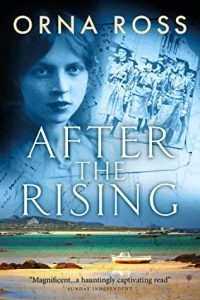
After the Rising by Orna Ross
PROMOTING OUR AUTHORS
Attn CIBA Winners: More goodies and prizes will be coming your way along with promotion in our magazine, website, and advertisements in Chanticleer Int’l Book Awards long-tail marketing strategy. Welcome to the CIBA Hall of Fame for Award Winners!
This post has been posted on the Chanticleer Facebook Page. We try to tag all authors listed here in the Facebook post. However, for Facebookto allow us to tag an author, that author must LIKE our page and Follow Chanticleer Reviews.
Additionally, we also post on Twitter. Chanticleer Twitter’s handle is @ChantiReviews
Or click here to go directly to Chanticleer’s Twitter feed.
The 2022 GOETHE Book Awards winners will be announced at CAC23 on April 29, 2023. Save the date for CAC23, scheduled April 27-30, 2023, our 10 year Conference Anniversary!
Submissions for the 2022 GOETHE Book Awards are open until the end of July. Enter here!
A Note to ALL the WINNERS: The coveted CIBA Blue Ribbons will be mailed out starting in August. We will contact you with an email to verify your mailing address and other items. We thank you for participating in the 2021 Chanticleer International Book Awards!
I wrote the first draft of my award-winning historical novel,Hour Glass, in sixteen days.You read that correctly—sixteen days. My experimental novella,Tattoo, was written in about three weeks. Both have been released in 2018.
Though I am intensely proud of this accomplishment, I’m not telling you this to brag. I’m telling you that you can do this, too.
“Sit down every day to write. Even if you don’t want to. A little every day.” –Michelle Rene
Sounds like a line you’ve heard before, right? Yeah, me too. It’s not that this is bad advice. Far from it. Many people find this the best way for them to consistently write draft after draft. But if you really want to knock that rough draft out of the park, I’m going to ask you to kick that notion to the curb.
I’m not magical; I’m a binge writer, and none of the ideas in this article are uniquely mine. Most of them are exercises I’ve stolen from other writers. I used to be just like you because I was led to believe novels should take years to write. I would write a chapter, go back and edit it, and then proceed to the next one. A first draft took me over a year to complete.
It wasn’t until I decided I really needed to finish my novel, I Once Knew Vincent, that I decided to shove my face in the cold, scary, deep end of the writing ocean. I went away to a writer’s retreat and forced myself to write as much as I could every day. I wrote the lion’s share of that book in six days, and those chapters were by far the best in the book.
Why is that?
Isn’t it counterintuitive that the chapters written in a whirlwind of typing be the best? I’m glad you asked, nebulous reader voice in my head. Let’s delve into that.
Why Write This Fast?
Nothing kills a book faster than never finishing that initial draft. A malaise sets in, often slowing a writer down to a crawl while they chip away over a long time and often give up entirely.
“Will I ever finish this book?” the writer asks, (fists raised to the sky for dramatic effect).
Maybe. Maybe not. That first draft is possible if you pick yourself up by your metaphorical bootstraps and do the work every day, but a large percentage of writers never cross the finish line. What a shame that is!
Strangely, there is a raw emotion that comes from writing something so fast you don’t have time to noodle it to death.
How excited are you when you first start fleshing out a story? How amazing does it feel to start naming your characters and setting up their scenes in your mind? Fan-freaking-tastic!
This is because you are in the beginning of abook affair.
Writing a book is like having a relationship. In the beginning, it’s like a honeymoon! You feel all the emotions. Love and pain and excitement and lust. Well, okay. Maybe not lust. Paper cuts hurt, so let’s not go there.
“Writing a book is like starting a new relationship.” Michelle Rene
The point is the first draft should be all elation and honeymoon. Leave the nitty-gritty for your fifteenth edited draft. You don’t want to be sitting in a rocking chair with your first draft complaining about how much he snores before you even get to edit. Taking years to write that first draft can land you in complacency town before you cross the finish line. Pour your heart and soul into the rough draft with reckless abandon.
“Pour your heart and soul into the rough draft with reckless abandon.”– Michelle Rene
“But nothing good can come from my sloppy first draft if I write it in a few weeks,” says the nebulous reader voice in my head that’s starting to sound whiny.
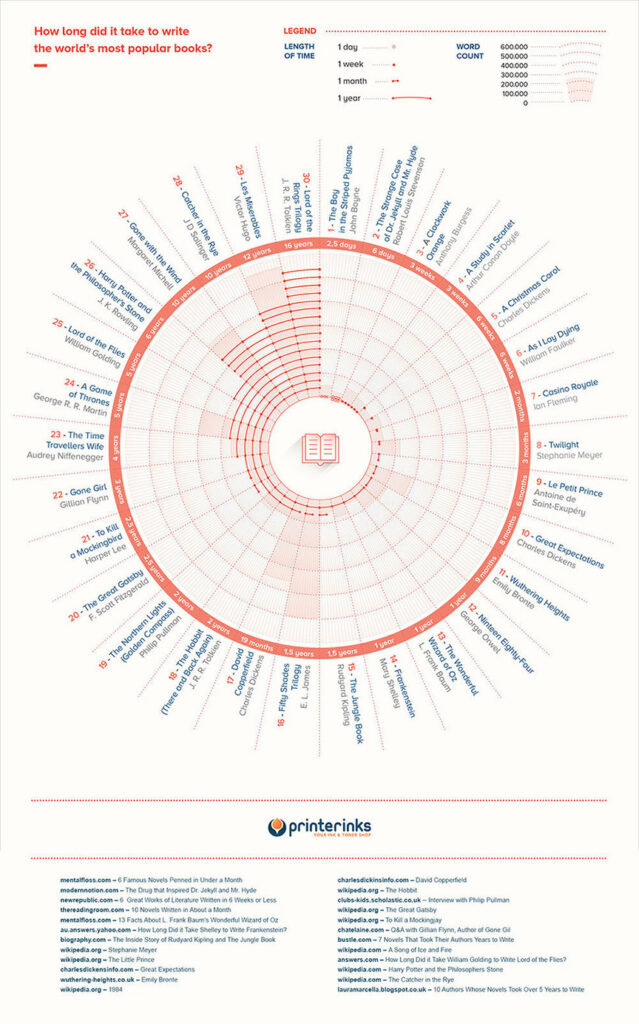
Please refer to the infographic below. It lists some of the most popular books and how long it took the writer to finish them. WhileLord of The Ringstook a whopping sixteen years to complete (no shocker there), I’d like to direct your attention to roughly a quarter of the chart that indicates books written under three months. If theBoy in the Striped Pajamaswas written in two and a half days, you can write something of quality in four weeks. Write Fast. Edit Slow.
Hugh Howey wrote the sensational bestselling science fiction story WOOL in four weeks during NaNoWriMo 2011.
Water for Elephants was drafted by Sara Gruen in four weeks.
Jack Kerouac’s semi-autobiographical tale, On the Road, took three weeks to write the first draft.
How Do I Start?
Let’s begin with talking about the snarky, three-hundred-pound elephant in the back of your mind. Your inner editor. We are going to bind and gag that jerk, and it may take fifty shades worth of rope because it’s three-hundred pounds and takes up a lot of headspace.
Write Fast! Edit Slow!
Sara Bale, an extremely prolific romance writer, has similar advice for your would-be-elephant editor.
“I think the biggest mistake an author makes when writing a rough draft is stopping and rereading/editing their work. The key is to keep moving forward and get the whole story out. Know the beginning and the ending. If you have those elements, the rest is easy.”
Sara Bale
“The key is to keep moving forward and get the whole story out.” Sara Bale
The passionate ideas come when the critic in our mind is silenced.
Your visceral idea is key, and I will not accept the old “I don’t know what to write about” excuse. You are here to pour your heart and soul into a story. If you are having a hard time with inspiration, here’s a handy dandy exercise to help that I stole from a writer’s workshop I attended.
Sit down with a piece of paper and a pen. Yes, a real piece of paper and pen. No cheating with keyboards. I know, I know. Your handwriting is horrible because all you do is type now. My handwriting looks like a serial killer’s ransom note, so I totally understand, but stick with me.
Next, set a timer for ninety seconds.
Hit start, write the first thing that comes to your mind and don’t stop until that timer goes off. No contemplating it. No editing your idea and wondering if Stephen King has already done it. He probably has. Just write, no excuses, for the whole ninety seconds.
Go ahead… I’ll wait…
You back? Okay. I’m not a betting woman, but I would put money on what you wrote was pretty damn good.
Whether or not that is the idea you run with doesn’t matter. It’s an exercise to get the creative juices flowing. Use that. Build your characters. Plot the story fast and loose. Fall in love with your story. Get down and dirty in that honeymoon phase…but not literally because remember the paper cuts. We talked about that.
And finally, outline! For the love of all that is holy, outline your story! Do not do this flying by the seat of your pants. That is a sure-fire way to crash and burn. It doesn’t need to be an in-depth outline. On the contrary, keep that pretty loosey-goosey, too.
My outlines are often little more than a few sentences for each chapter.
Time Management
Okay, you have your outline, your idea, and your story. Let’s do this. The clock begins when you type “Chapter One” or “Prologue” if you want to be fancy. Let’s use NaNoWriMo (National Write a Novel in a Month) rules as I find these to be the best guidelines: 50,000 words in four weeks.
So four weeks. That’s your mission.
Write Fast. Edit Slow.
Select a four-week span of time in your life that you can devote to writing. Don’t sabotage yourself by doing this during a family vacation or when it’s the busy season at work. Choose a month that will allow you some time to devote to this endeavor because it is important.
For that month, give up on being the best mom, husband, wife, etc. Let your family know that this is going to be what you are doing for this month, and they can have you back after it’s over. The laundry can wait. Order in food. Maybe shower because, well, hygiene.
Editor’s Note: I totally agree with Michelle. November can be an impossible time for many because of increased work demands, family demands for the approaching holidays, the doldrums due to shorter and shorter days. The main thing is to pick a time that works for you. It can be NaFebWriMo if you have to put in overtime starting in November for the holiday season, or NaJulyWriMo – if you are a teacher. Find a time period that works for you and stick with it! Put it on your calendar. Alert your friends and family.
I highly, highly, highly recommend you track your progress. Doing a rough draft during NaNoWriMo is a great idea. This happens in November, and the organization sets you up for a win. You have a word tracker, writer friends to cheer you on, and helpful articles when you get stuck. If November is not a good month for you, try a program like WriteTrack. It will help you keep up with your progress.
Insider secret: Don’t shoot for the minimum goal. If your tracker says you need to write 2,000 words that day, shoot for 3,000 or 4,000. It’s easy to fall behind only doing the bare minimum; but if you’re always ahead, you have a little breathing room.
The Black Hole of the Internet
Can someone say distractions? Turn those notifications off! Set your phone to do not disturb except for emergencies. Hang a banner on your doorknob with a picture of Gandalf saying, “Thou shall not pass!” Get away from the addicting vacuum of social media. It will be there when you get back.
“That’s all well and good if you are writing something you just made up, but what about people who need to research their content?” asks nebulous reader voice again.
WithHour Glass, I wrote a historical fiction novel about Calamity Jane. There was definitely some research involved there. I did as much as I could before the writing began, mainly broad stroke things: dates, places, and a few good details relevant to the story. Nothing more.
Research is the most unassuming trap in writing. You’re on a good writing jag, everything is flowing, and then you hit a spot where you need the name of a city or a date or a vocabulary word. You have to have that accurate information, right? So you switch to the internet and start researching. Well, that first page on a website leads you to another, which leads you to Facebook; and then before you know it, it’s been three hours, and you lost your momentum.
Broad stroke your research before you start; but while you’re writing, don’t research. If you need the name of a city, don’t go looking. Just write something like, “He rode into the sunset hoping his horse knew the way to {insert city name}.” Get the story down, and go back in later to fill in those brackets.
Write your story from the heart and with passion. Research and accuracy can be added later.
Write Fast! Edit Slow!
The Middle Stick
It’s right around the 30,000-word mark that this happens. The Middle Stick is what I call the point where your initial enthusiasm begins to wane, and your progress gets sluggish. What began as “yay, I’m writing a book” turns into “I don’t know if I can do this.” It happens to everyone.
This is where participating in programs like NaNoWriMo can be helpful. Having other writers in the same place can be encouraging, and they can hold you accountable. If you aren’t doing NaNoWriMo, I suggest getting a group of like-minded author friends to do this together. This is also where writing ahead of your minimum word count helps because The Middle Stick will almost certainly slow you down.
Here are some other helpful tips.
Try that writing something in ninety seconds exercise I mentioned earlier to get inspiration.
Go out of your comfort zone and experience something related to your book. For example, if you are writing a western, go see a rodeo. Get away from your computer.
Multi-award winning author, Janet Shawgo, has this to say about immersing yourself in your research outside the page when she was researching her book,Look For Me, set in the Civil War. “What helped me was putting feet on the ground at Gettysburg to get a feel of the area, what my characters saw, what they heard. To try on costumes true to that era. I walked some of the roads soldiers did in Virginia. If at all possible, put yourself there.”
Janet Shawgo Won the Chatelaine Grand Prize
Switch up your chapters. This is where outlining really helps you. If you are hitting a wall writing chapter thirteen, jump forward and write chapter twenty. Sure, you’ll have to go back to that chapter eventually, but this helps you jump over that block and continue to get your word count in.
I wroteTattooentirely this way. It’s made of seven parts of a story told chronologically backward. I didn’t write any of those parts in order. Not one. Yet, I still managed to piece them together in the end.
Just keep moving. The momentum will pick back up. You can do this.
Hurray! You Did It!
Out of breath and exhausted, you crossed that finish line. You did it! Rejoice! I told you you could do it!
Go celebrate. Treat yourself to a fancy dinner. Toast your deed with some friends. Eat a whole chocolate cake. I don’t care. Party it up because you managed to do what the vast majority of humans on this planet cannot do. Most people never dream about writing a book. Fewer attempt it. Only a small fraction actually finish a draft.
You are spectacular.
Now, put the book aside for at least a month (more like two). You will eventually go back and edit. You will fill in those empty brackets. You will allow that annoying three-hundred-pound editor elephant back into your life. But not right now. That’s for another day.
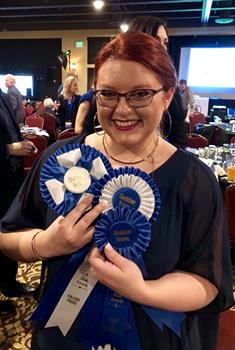
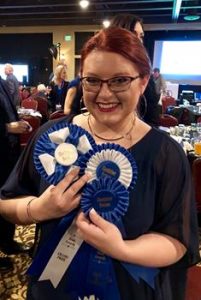
Michelle Rene and her Chanticleer Grand Prize Ribbons
Michelle Rene, the author of this blog post, is a creative advocate and the author of a number of published works of science fiction, historical fiction, humor, and everything in-between.
She has won indie awards for her historical fiction novel,I Once Knew Vincent. Her latest historical novel,Hour Glass, won the Chanticleer International Book Awards Grand Prize for Best Book. It was released on February 20th to rave reviews from Chanticleer, Kirkus and Publishers Weekly. Her experimental novella,Tattoo, was released on March 7th.
When not writing, she is a professional artist and self-described an all-around odd person. She lives as the only female, writing in her little closet, with her husband, son, and ungrateful cat in Dallas, Texas.
A special thanks go out to the authorsSara BaleandJanet Shawgofor contributing their writing expertise to help others.
Chanticleer Editorial Services – when you are ready
Did you know that Chanticleer offers editorial services?We do and have been doing so since 2011.
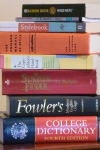
Tools of the Editing Trade
Our professional editors are top-notch and are experts in the Chicago Manual of Style. They have and are working for the top publishing houses (TOR, McMillian, Thomas Mercer, Penguin Random House, Simon Schuster, etc.).
If you would like more information, we invite you to email Kiffer or Sharon at KBrown@ChantiReviews.com or SAnderson@ChantiReviews.com for more information, testimonials, and fees.
We work with a small number of exclusive clients who want to collaborate with our team of top-editors on an on-going basis.Contact us today!
Chanticleer Editorial Services also offers writing craft sessions and masterclasses. Sign up to find out where, when, and how sessions being held.
This Chanticleer article is a little more personal than most. Normally we speak generally, but sometimes you can’t replace a good ol’ personal anecdote.
Haruki Murakami:“Writing a long novel is like survival training.”
Barbara Kingsolver: “I have to write hundreds of pages before I get to page one.”
Jodi Picoult: “You might not write well every day, but you can always edit a bad page. You can’t edit a blank page.”
Diane Gabaldon:“Writing is an active skill; the only way to learn is to do it, to actually sit down and write every day.”
With all this in mind, I want to talk here about my experience taking the advice of Rachel Aaron/Rachel Bach from her article “How I Went From 2,000 Words a Day to 10,000 Words a Day.” Whenever I see a new idea for improving writing, I try to play Peter Elbow’s “The Believing Game.” The Believing Game, in short, is an exercise where you ask yourself what would happen if you accepted a particular suggestion as true, and then practice acting as if it were true and seeing what happens as a result.
This man believes!
1. Track where you write.
This was the one I thought was the silliest. During a pandemic, I don’t write anywhere except my bedroom/office, the kitchen, or the living room. However, when I really pay attention to where I write best, I notice a few things.
First, I write well in groups, even if that’s just online at the Roost (Chanticleer’s Online Community) doing writing sprints with friends and the help of Sprinto. Generally, timers help me quite a bit in my writing, because they give me permission to ignore the rest of the world until the timer goes off.
Coffee Klatch Write In is held at the Roost on ZOOM. The next Write-Ins are currently scheduled for Tuesday mornings. However, any Roost member can set up a Write In group to accommodate their time zones—which is handy since Roost members live across North America and around the globe.
Check us out!
We meet up once a week to do some writing. Usually folks join, we chat about what we’re working on for 10-15 minutes, and then dive in to work! Light conversation and the Chat are excellent ways to check in.
Tuesday, Sept. 28, 2021 from 10 a.m. – Noon PST
Tuesday, Oct. 5, 2021 from 10 a.m. – Noon PST
Tuesday, Oct. 12, 2021 from 10 a.m. – Noon PST
I also found out, weirdly enough, that my most productive space is not my desk where I work from home and play videogames, but rather on my futon with plenty of pillows for back support using my laundry basket as a desk.
I don’t know what the magic is, but I really like working on this laundry basket. -DB
I have no idea what it is about these factors. Maybe it’s the giant stuffed pig that’s my quarantine companion, but that’s where I am happiest and most productive. The second-best place is at the dining room table with the roommate’s dog hanging out.
Maya Angelou passed away on May 28, 2014. She preferred writing lying down and leaning on one elbow.
Maya Lou Angelo rented hotel rooms for a few months at a time in her hometown. She would have the management move all of the paintings and decorations out of the room. Also, they were not allowed in to clean or straighten just in case she had thrown away piece of paper with writing on it that might later prove to be useful. Ms. Angelo said that she would head to around 6:30 in the morning and hang out there until about 2:30 then she would head home to edit. The hotel room was creating and writing only. She would average 10-12 pages of written material a day. She would then edit these pages down to three or four pages in the evening at her home.
“Nothing will work unless you do.” Maya Angelou
2. Track when you write.
This next suggestion helps you learn when you are most productive. I have always dreamed of being that person who wakes up at 5am, reads for two hours, writes about what I read for another two hours, and then eats breakfast and jumps into amazing creative work. It would help if I didn’t need at the very least thirty minutes to drag myself out of bed.
NaNoWriMo this year gave me a strong reset to my writing habits. Having the regular goals made me prioritize my work, and being in quarantine removed many of the distractions I usually have. The deep dive even gave me some great community locally and on The Roost that I’m still holding onto.
Things that I ask myself when tracking:
What Project am I working on?
When did I start?
When did I finish?
What was my general mood?
How many pages/words did I get through?
Where did I write?
Additional notes
Doing NaNoWriMo this last November, I’ve finally discovered that while I can sit down and do paid work at almost any time, I do my best creative writing between 8-11pm. This is tricky, because that’s when most people want to hang out, but I can usually make late afternoon work well, too. The times that don’t work for me?Anytime before 11am. I can always do brainstorm work, but if I want to do writing I’m happy with and make progress in a story, I need to set aside some time in the evening.
This isn’t so much how much time you make to write (though that can help). It’s also about how much writing you do in a particular amount of time. Generally, I write 250 words every 15 minutes. I also write about 250 words every 30 minutes. Depending on how I time myself, I come out with a different amount. Likewise, if Aaron/Bach (from the opening paragraph) sits down to write for only an hour, she writes about 500 words. However, if she sits down to write for 5 hours, she can manage 1500 words in that same hour! The amount of time we know we can get lost in the work affects us each differently.
Looking for more advice regarding what to do with your NaNoWriMo? See this article Chanticleer posted in November here.
3. What do you write on?
Rather than the material (desk, floor, laundry basket), this means more to the tools you use to write. Referring back to Aaron/Bach, I write different places for different things. When I first started at Chanticleer (and I still do), took and kept notes in a journal about how things work here. There are a lot of moving parts and “under the hood” technology here at Chanticleer. I’ve noticed that Kiffer carries around a small black notebook and old school small planning calender even though we use Google Calendar apps and the latest digital management apps (hat tip to Argus Brown) here at the home office of Chanticleer.
Using my journal is also handy for our weekly brainstorming meetings. I find that I can generate 7 “ideas” in ten minutes if I am utilizing my trusty journal instead of my laptop. Now, very little of a full article or project would come out this exercise. It’s just brainstorming and laying out my ideas some place where I can keep track of them until I can work on the details. But it works! I’ve noticed that I have much more trouble brainstorming on a computer where the cursor blinks at me with menace and mocking intent.
The mocking cursor and time flying by.
The other thing that drives me up the wall when trying to brainstorm on a computer is there are so many distractions. If I have an idea, I can focus in, but if I’m casting around for thoughts, I’m open to the world, and the internet adores it when I’m open to suggestion. Somehow social media rarely helps me generate ideas for any type of writing.
Now, of course, once I’m running with an idea, I love the speed that I can put words down and edit when I type rather than scribble. Plus, my writing is always legible on a computer.
4. Mood
You know how it is, you’re in a bad mood, you need to do your writing, you sit down to do the work, and you get maybe half what you usually do done. What if that’s a pattern that you can predict? For me, knowing that when I sit down and I’m grumpy that my roommates haven’t wiped down the counters after cooking spaghetti (my first thought always being there has been a murder in my house), or maybe someone has said something mean on social media (somehow social media always features as an obstacle to writing).
5. Where will the story go next?
EL Doctorow famously said, “Writing is like driving at night in the fog. You can only see as far as your headlights, but you can make the whole trip that way.”
While you probably have written down the broad strokes of what happens at the beginning, middle, and end of your story, it’s important to keep other ideas in mind.
I felt good seeing Aaron/Bach suggest this, as it’s been a longtime habit of mine to sketch out what I want to happen next after I bring a writing session to a close. Since I write late, often this is the point where I feel like I really need to sleep, I’ll do a brief summary of how I see the rest of the text going, and if any strong images come to mind, I’ll write those down as well, hoping to use them as the story goes on.
When I return and see those notes, I simply delete them as I write the scene it suggests, keeping my notes clean and easy to read for what comes next. With the images I can even copy and paste them directly into the work as the place I think they’ll fit best appears on the page.
6. What are you excited about in the story?
I just started editing the first draft of a novel I finished in October. One of the big critiques my writing group gives me is that the conflict doesn’t start soon enough, which I thought was ridiculous!
In the first chapter, my YA protagonist has the 3-person panel for his high school senior project possessed by a conduit of 100 dead souls who he has promised to guide from Limbo into Heaven! What could be more intense than that?!
However, in rereading the work with fresh eyes I notice that my characters eat. A lot.
Now, this is probably from my great love of all breakfast foods and missing going out to restaurants, but everyone in this book can’t get to any scenes because they’re too busy giving light exposition at The Old Spaghetti Factory. As I go through, I find myself skipping these scenes to get to the next on, which tells me that, yes, they are not exciting. If as the writer I don’t care about a scene, it needs to go. If there’s key information I feel like is in that scene, I write it down separately and keep an eye out for the right place to insert it, rather than dragging the reader through yet another pointless meal—even if I am craving a Dutch baby with powdered sugar, cinnamon, maple syrup, and fresh fruit. Maybe with a side of breakfast sausage. Mmm. And hmmm.
Dutch Baby with fruit and powdered sugar on it
7. Review your information
So, for me, what I’ve learned is that I write best in areas where I can be comfortable and don’t have easy access to videogames. I like having friends, either virtual, stuffed, or furry, because then I feel like I’m accountable to someone, even if they only want to listen to me brainstorm when I’m giving them pets.
I am officially an evening person. I love mornings for relaxing, watching the bay, drinking coffee, and making extravagant breakfasts. If you haven’t made yourself Spanish tortilla, it’s easier than you’d expect—give it a try.
A few times a week I need to set aside my evenings for creativity, and that means no Mandalorian with the roommates (sorry Baby Yoda) or virtual game night with friends. If they want to hang out, they can come co-work (write) with me.
I do my starting work in a journal of some sort, and then I do the writing work on a computer. Editing and marketing work also happen on computers, mostly out of necessity and the predominance of the internet.
I am gentle with myself when in a bad mood. Rather than lamenting that I couldn’t do as much as the day before or the week before, I remind myself that creativity is a process, and that even though I was in a bad mood I put in the time today, and that habit counts for more than any single day worth of word count.
I write best when I can work from notes that show me what scene I’m most drawn to write about next in my story. That lets me stay focused on excitement as I go through the work.
Finally, now that you can figure all this out for yourself, protect the things that let you write. They’re the loveliest tools you can give yourself.
8. Set goals
Nailed it
Ask yourself what your stretch goals are, and what goals are you confident you can meet. Go back to your goals periodically. Do they need to be adjusted for where you are in your w-i-p (work in progress). Editing requires a different focus than plotting. Plotting requires a different mind set than creating your characters or atmosphere.
What are your methods and writing habits?
We’d love to hear from you! What spurs you on? What trips you up?
Examine your own life to best see how you can maximize your own productivity and be the author you want to be!
Maybe this is getting something to the point where you can use one of our many Chanticleer services, from the Manuscript Overview, to the Editorial Book Review, to testing the mettle of your work in the Chanticleer Awards. Whatever goals you set, make sure that you keep your gaze on meeting them as you write!
Speaking of the Chanticleer Awards, did you know that we’ll be announcing the Finalists, First Place Winners, and Grand Prize Winners at our Tenth Anniversary Chanticleer Authors Conference (CAC22)? The CIBA Ceremonies will run in tandem with them from April 7-10, 2022! We’re optimistic we will be able to see you in person at the beautiful Hotel Bellwether here in Bellingham, WA.
Writer’s Toolbox
Thank you for reading this Chanticleer Writer’s Toolbox article.
Now that you’ve completed your beautiful manuscript and have made several draft revisions, you are ready for the next move.
You know, the one that comes before starting the editing process.
A writer before having a manuscript overview terrified about what comes next for their work-in-progress. Don’t let this happen to you.
Now for some Real-Life Ruthless Editorial Terms:
Reconciliation or Go Separate Ways
Search and Destroy (SAD)
Cull and Extract
Wrench Out Passive Voice – Mistakes Were Made
Clichés, Platitudes, and Banalities – Oh NO!
Kill Your Darlings – Stephen King
Are You Listening to How You Sound?
Are You Listening to How Your Work-in-Progress Sounds? Really?
Continue reading to the end of this post if you would like more information about these scary but necessary editing tactics.
Some writers like to put their draft into a drawer for six weeks or so to allow themselves fresh eyes before endeavoring on one more draft revision as Stephen King recommends in his On Writing: A Memoir of Craft.
Here at Chanticleer, we see basically two camps that writers fall into.
Writers who rework every sentence before moving on to the next sentence trying to reach perfection. If this is you, (And you know who you are.) then we advise you to click on this link to read an article by the multiple award-winning author, Michelle Rene.
OR
Writers who bang out work and then think they are ready to publish with perhaps just a quick once over for typos. (And you know who you are.) Just upload to Amazon and you are done. Au contraire, mon ami!, as Q from Star Trek notoriety might say.
Q from the Star Trek Next Generation Deja Q episode – Of course, the excerpt is on YouTube.
Is this conundrum the same as the age-old question of writing style: Are you a plotter or pantzer?
No, it isn’t. Writing styles are deeply personal. What we are discussing here is the editing process for novels.
So, what’s a writer to do?
Emulate what has worked successfully for traditional publishing houses.
After your draft, but before you begin the editing process, have a manuscript overview (MOV) – an evaluation performed on your work by a professional editor. If you are with a literary agent, or if you work with a traditional publisher or acquisitions editor, this is the time to turn it over to them for their feedback.
We hear you, “Well, if I had a literary agent or was working working with a traditional publishing house, I wouldn’t need to read this article.”
If you don’t have any of these professionals on your team, then consider using a professional manuscript evaluation service such as Chanticleer’s. A manuscript evaluation will save you time and money and it will give you feedback about your work’s pacing, plotline, characters, atmosphere, P-O-V structure, dialog, and if you have a compelling story—one that will keep your targeted reader engaged.
Here at Chanticleer Reviews, we come across many published works that skipped over this vital step. The work might have been copy-edited and proofed before clicking the publish button, but the story just isn’t compelling, or it has a saggy middle, or the characters are flat, or dialog stilted, or there is no “voice.” It is almost impossible for the author to “see” these issues because the story lives in the author’s head. The authors’ who receive this feedback generally exclaim to us, “But I’ve paid to have it edited. There are no typos.”
No typos, does not a story make. However, authors and writers can create story magic. But it is difficult to get the story out of the writer’s mind and into words that communicate the “mind-film” that many authors see. This is where having an unbiased reading of your work with feedback will make your work shine. kb
Others know there are choices they made at the end of the book that will require changes earlier in the book (maybe it started in 3rd person and the moved to 1st person). Whatever your process is, this article will help your work shine!
The Editor – going over the ms with an MOV.
1. Reconciliation or Go Separate Ways
Getting Ready to Polish Now that Your Work-in-Progress has had a MOV
There’s no universal way to use writing tools. As always, remember these are recommendations that have worked well for many of our authors, though it’s okay if they don’t work for you.
Consider the Following for when you receive your manuscript’s MOV
First off, give yourself time after reviewing notes from your MOV editor/agent/publisher. After receiving feedback try the following:
Consider recommended changes from your second pair of fresh eyes. It is good to keep in mind, that each one of the readers who decide to read your published book will be reading it with fresh eyes also.
Address issues. The editor will have made suggestions where needed. Deal with the biggest issues first.
Save a clean draft of your copy where the suggested changes don’t stand out. (Of course, you’ll want to save one where they do stand out as well, just in case.)
Wait two weeks.
Revisit the work. Ask yourself if anything stands out as odd or a change in voice.
And, yes, sometimes, we do receive a ms that is ready to move on to either a line-edit or a copy-edit. It does happen. If this is the case, won’t you breathe easier knowing that it is ready to invest editing and shining.
Rarely will suggestions from professional readers and editors let you down–just see the difference yourself!
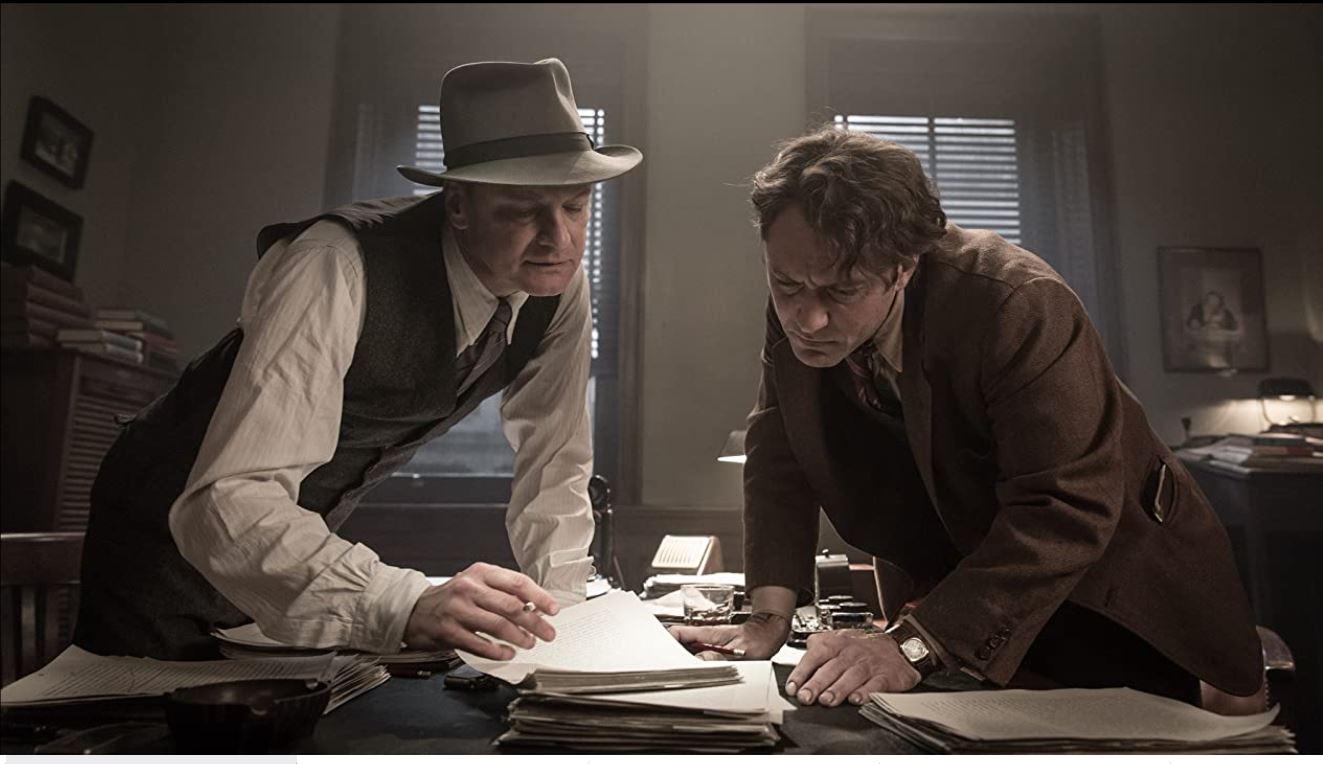
The Editor film is based on award-winning book Max Perkins: Editor of Genius by A. Scott Berg. “Max Perkins discovered Ernest Hemingway and F. Scott Fitzgerald. But he never met anyone like Thomas Wolfe.” The film’s tagline. Yes, even great authors such as these benefited from working with an editor.
When you are satisfied that you have a compelling story—the work has had a manuscript overview and then you have reconciled the w-i-p with the advice given, it is now the time to begin the Self- Editing Process! (Do the following before line editing or copy editing.)
2. Search and Destroy (SAD)
When we’re inspired by outside work, we love to tell you about it. The best line editing tools we know about come from Brenda Miller and Susan Paola’s book on creative nonfiction Tell It Slant, which features clear and direct steps to make your writing stronger. First, identify all your “to be” verbs. If you can think of a comfortable, easy replacement, use it. Obviously, not all of them need to go (just glance through this article and you’ll see plenty), but a “to be” verb, while almost always the easiest choice, is not always the best choice.
For example, here’s a piece of the short story Medusa by David Beaumier. First, with “to be” verbs shown in bold:
She isn’thappy about it, but she had beenencouraged to join Visitation to help people, not because it waspersonally comfortable for her. So she issent into decontamination, followed by the sound of a seal behind her as the hermetic vacuum in front of her isopened. Her hair isonly a little fluffed up by the experience, and iseasily coiffed back into place after the blast of ionization that would bedeadly to any foreign compounds in the air.
Sometimes fluffier hair can be dangerous.
And now revised without the repetitive verb choice:
She doesn’t like it, but she joined the Visitation to help people, not for her own personal comfort. So into the decontamination room she goes, followed by the locking of one hermetic seal behind her and a second one in front. Her hair only needs to be patted down a little bit after the blast of ionization that should kill any foreign compounds in the air.
3. CULL and EXTRACT
Second, find your adverbs and adjectives. These can be the condiments and spice of your piece that really give it life, but too much mayonnaise is never a good thing, so look at each of them and see if there’s a weak verb or noun that’s being propped up by them.
Hopefully someone has a napkin
Consider your proportion here, too. In one YA urban fantasy dredged up from the out of print pile was this unforgettable villainous dialogue spoken to the protagonist: “‘I’ll kill your whole family,’ he hissed maliciously.” While the intent is clearly to be evil, we can also see that the author didn’t trust the reader to understand that the villain wasn’t very nice.
Yes, evilly gnashing malignant teeth angrily with malintent
4. Wrench Out Passive Voice
The last suggestion from Miller and Paola is to look for passive voice, often indicated using “have” or “had.” A favorite trick for finding passive voice is to see if you can add “by zombies” to the end of the sentence. Like the previous rules, knowing why we use active and passive voice is important. Active voice tells us who does what to whom. Passive voice tells us what actions are done to whom, but not necessarily who did them.
Looking to get more weasel words? Check out this article here by Jessica Morrell on decluttering your sentences.
For a great example on passive voice, see this video below. (It is non-partisan, we promise.)
5. CLICHES, PLATITUDES, and BANALITIES — Oh NO!
Taking Advice from the Best: Jessica Morrell – Top-Tiered Developmental Editor
Jessica Page Morrell
Those who attended VCAC21 will know, Jessica Morrell is one of our favorite contributors. In her two workshops, Jessica goes deeper discussing the idea of “junk” words for writers. Maybe you’ve avoided all the pitfalls so far, but do you notice your characters do a lot of the following?
Jessica’s advice on eliminating junk words can be found on the link below:
Notice how all of those are also adverbs? Keep an eye on your work!
6. KILL YOUR DARLINGS and TOO MUCH EXPOSITION – TMIF
Show vs Tell
Showing and telling goes well with the debate about active and passive voice. In my mind, there is almost no writing rule more contentious or less understood than the rule that writers should always show rather than tell. Dialogue is often the heart of showing, but be careful! Occasionally dialogue can sneak in as a form of telling when it’s being used to explain something the characters probably already know for the sake of the reader.
Another video on the potential pitfalls of too much exposition and when dialogue tells too much. TMIF.
We dare you to see just how long you last watching Too Much Exposition. (Kiffer lasted about 30 seconds)
Go ahead, give it a try. We double dare you.
So how should we define Show and Tell? Well, Showing is an example of narrative scene—something happens in real time! Meanwhile, Telling is an example of narrative description where there’s either a moment of summary or interiority, something that probably isn’t happening in real time. Like passive and active voice, there’s a time and a place for each.
Consider the structure of your work. Has there been quite a bit of showing happening as characters flit from scene to scene? Even in a thriller, the reader will need a moment to rest, to have the narrator examine the main character’s interiority and explain a little bit of the backstory or the connection the hero makes just before solving the mystery.
The moment where everything clicks into place often isn’t a show, but a tell, directly informing the reader that the most important discovery of the book has been made. That lets it happen fast rather than laboring to show each and every scene.
We are quite proud of the articles on our website and to be a leading resource for writers, and you might also like some of what these websites say about writing craft:
The last secret here is one of the most useful things we’ve heard of for any writer or editor, and that is read your work aloud. You can ask a friend or loved one to do this for you, or you can find a screen reader that will take you through your story, but words always sound different when they’re vocal vibrations rather than fixed to a page.
Recording yourself can also let you play back your story and, no you do not need a fancy microphone like this.
Reading aloud, especially for dialogue, can help you better understand your tone, and it helps you find where words may have been repeated more than necessary. Sometimes, especially if writing a play, it can help to highlight the piece with different colors based on whose speaking. If there’s an emotion that should be conveyed in the story, assign colors to each emotion and highlight lines with how they should land. Then, while reading it aloud, you can check to make sure that the assigned tones fit.
Jessica Page Morrell has an excellent article on Glissando And Wordcraft you can read here.
If you’re looking for voice recording software beyond Voice Memos on your phone, consider the following programs:
In Conclusion, Remember that the Work is Always Yours
In the end, remember that you are the author of your work, which means you get final say. Peer review is excellent, and, as said above, it can be helpful to practice accepting all feedback and then reading your work after you’ve given it some space.
Remember, the earliest time we recommend submitting your work to one of our Twenty-Three divisions for the Chanticleer International Book Awards here or for a much sought after Editorial Review here is once you’ve reached the proofreading stage of your manuscript. Again, that’s the earliest we recommend sending your work in.
For further reading on what we’ve said in the past at Chanticleer, check out parts one and two of articles written by Jessica Page Morrell here and here, plus a bulleted list of tips she put together here.
Looking to demystify even more of the editing terminology? Learn about it here from Kiffer Brown herself.
Chanticleer Editorial Services – when you are ready
Did you know that Chanticleer offers editorial services?We do and have been doing so since 2011.
Tools of the Editing Trade
Our professional editors are top-notch and are experts in the Chicago Manual of Style. They have and are working for the top publishing houses (TOR, McMillian, Thomas Mercer, Penguin Random House, Simon Schuster, etc.).
If you would like more information, we invite you to email Kiffer or Sharon at KBrown@ChantiReviews.com or SAnderson@ChantiReviews.com for more information, testimonials, and fees.
We work with a small number of exclusive clients who want to collaborate with our team of top-editors on an on-going basis.Contact us today!
Chanticleer Editorial Services also offers writing craft sessions and masterclasses. Sign up to find out where, when, and how sessions being held.
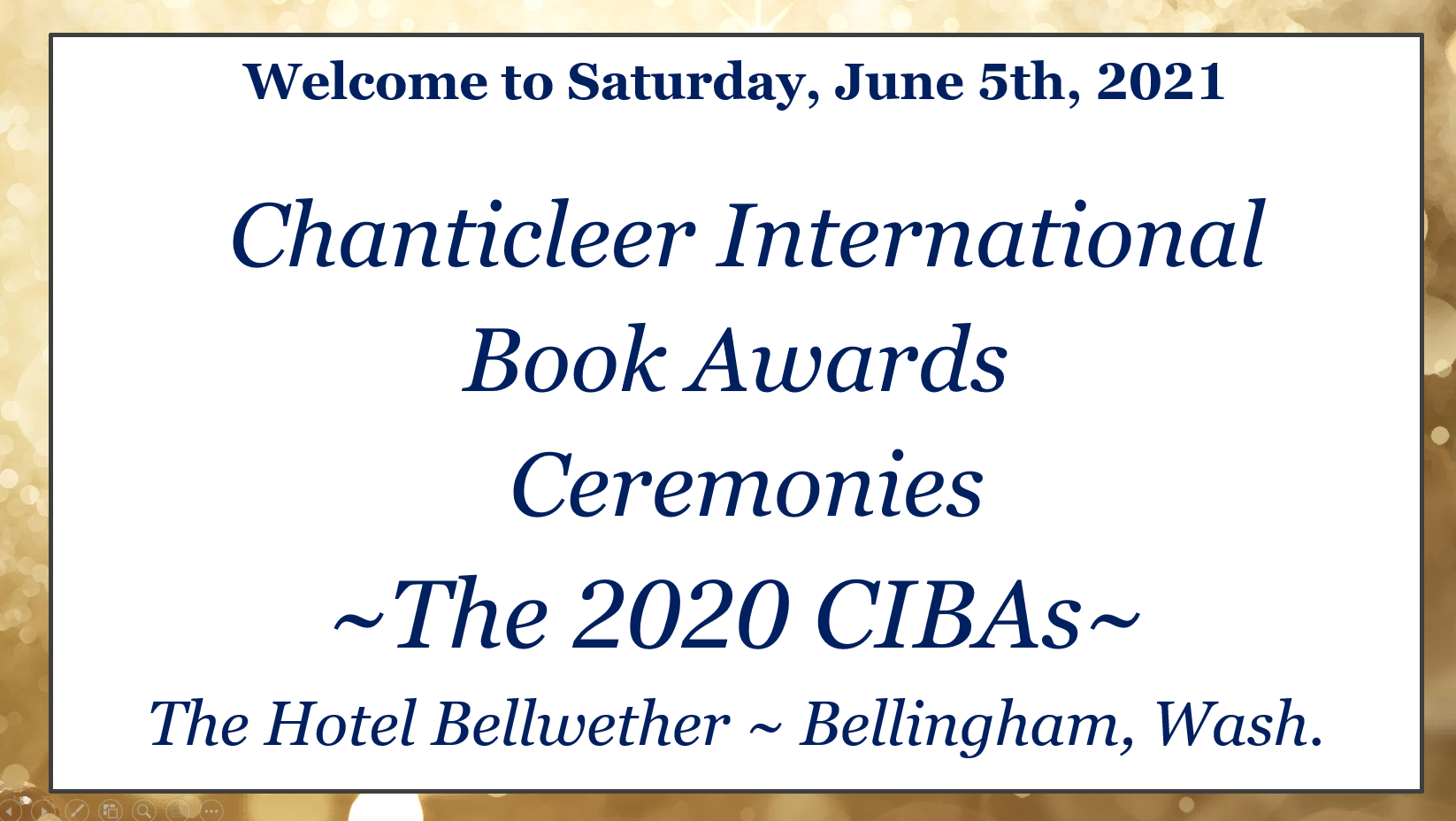
We are deeply honored and excited to announce the 2020 Winners of the Chanticleer International Book Awards (The CIBAs). The Finalists were recognized at the Virtual Chanticleer Authors Conference and Awards Ceremonies, and the First Place Category and Grand Prize Winners were announced June 5th, 2021 by ZOOM webinars based at the luxurious Hotel Bellwether, Bellingham, Wash.
The 2021 Chanticleer Authors Conference and the 2020 Chanticleer Int’l Book Awards Banquet and Ceremony was originally scheduled for April 21 – 25, 2021. Each year, Chanticleerians from around the globe come together to celebrate and cheer each other on at the annual CIBA banquet and awards evening at the luxurious Hotel Bellwether that is situated on beautiful Bellingham Bay, Washington State.
However, in order to celebrate being able to meet in person in even a limited capacity (due to the fact that we all able to be vacinated in time), we postponed the First Place Winner and Grand Prize Ceremonies to June 5th, 2021 at the Hotel Bellwether with local Chanticleerians attending cheering each other on along with cheering on the virtual attendees. Champagne was poured and shared as the 2020 CIBA Grand Prize Division Award Winners were announced. After the event the small gathering of Chanticleerians were able to dine together immediately after in the Admiral Room of the Hotel Bellwether.
CIBA Grand Prize Winners in Before Covid Times
We’ve now hosted two virtual events and are pivoting to yet another new normal where events will now be expected to be in person and virtual! We were glad to still host VCAC21 on schedule with inimitable presenters like Cathy Ace, J.D. Barker, Bradley Metrock, Dr. Janice Ellis, Jessica Morrell, Paul Hanson, and more! Many of our presenters have already contacted us about the 2022 Chanticleer Authors Conference currently scheduled for April 7-10, 2022, and we are optimistic that we will be able to host that one in person as vaccinations continue to sweep the US.
At the June 5th, 2021 Ceremonies, we are excited to recognize the 18 Fiction and 6 Non-Fiction CIBA Divisions for the First Place Category and Grand Prize Winners!
First of all, we want to thank all of the CIBA judges who read each and every entry and then comment, rate, and rank within each of the 23 CIBA Divisions. Without your labors of love for books, the Chanticleer International Book Awards would not exist. THANK YOU!
We want to thank all of the authors and publishers who participated in the 2020 Chanticleer International Book Awards (the CIBAs). Each year, we find the quality of the entries and the competitiveness of the division competitions increases exponentially. We added a new level to the judging rounds in 2019—the premier Level of FINALIST per each CIBA Division.
The CIBA judges wanted to add the Finalist Level of Achievement as a way to recognize and validate the entries that had outstanding merit but were not selected for the very few First Place Award positions within each genre division. You can order promotional stickers and such here.
A Recap of the CIBA Selection Process
The 2020 CIBAs have 18 Fiction Divisions and 6 Non-fiction Divisions.
First Place Category award winners were selected for each one of the 24 divisions from an overall field of titles that progressed to the Premier FINALIST Division Level from the Division Semi-Finalists positions from the Shortlists, the Long List, and the infamous beginning slush pile rounds.
One Grand Prize award winner was selected from the First Place Category Award Winners for the 23 CIBA divisions.
One Overall Grand Prize award winner was selected from the 24 divisions of Grand Prize Award Winners
All 2020 CIBA FINALISTS were recognized with their respective division at the CIBA awards ceremony that was held each evening of VCAC21.
This post will recognize the First Place and Grand Prize Winners for Cygnus, Ozma, Paranormal, Global Thrillers, M&M, Clue, Little Peeps, Gertrude Warner, and Dante Rossetti Book Awards.
THANK YOU to VCAC21 SPONSORS and FRIENDS
CIBA Grand Prize Ribbons!
We are honored to present the
2020 Chanticleer International Book Awards
Grand Prize Winners
The 2020 CIBA Winners!
The CYGNUS Book Awards
for Science Fiction Novels
Grand Prize Winner is
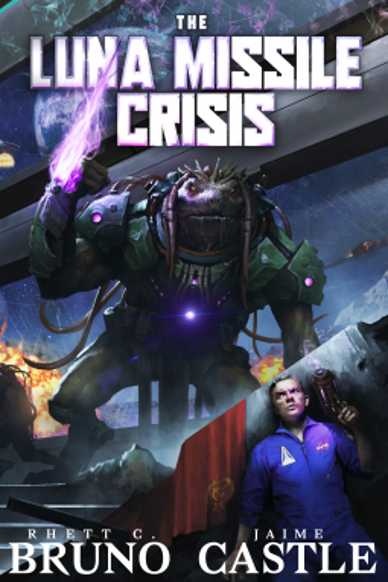
THE LUNA MISSILE CRISIS by Rhett C. Bruno & Jaime Castle
Mark T. Sneed – Bully Nation
JL Morin – Loveoid
Timothy S. Johnston – The Savage Deeps
PA Vasey – Trinity’s Fall
Russ Colson – The Arasmith Certainty Principle
Zach Fortier – Volk: Book one of The Overseer series
The OZMA Book Awards
for Fantasy Fiction
Grand Prize Winner is
DIVINITY’S TWILIGHT: REBIRTH BY Christopher Russell
T. Cook – Shin
Michelle Rene – The Canyon Cathedral: The Witches of Tanglewood, Book Two ( YA)
Gordon Preston – Zendragon
H.J. Ramsay – Ever Alice
Alison Levy – Gatekeeper: Book One in the Daemon Collecting Series
Jeny Heckman –The Warrior’s Progeny
Glenn Searfoss – Cycles of Norse Mythology: Tales of the AEsir Gods
As always, if you have any questions, concerns, or suggestions, please email us at Chanticleer@ChantiReviews.com We will try to respond within 3 business days.
Thank you for joining us in celebrating the 2020 CIBA Winners! – The Chanticleer Team
The Dante Rossetti Book Awards recognize emerging new talent and outstanding works in Young Adult Fiction. The Dante Rossetti Book Awards is a genre division of the Chanticleer International Book Awards (#CIBAs).
Named in honor of the British poet & painter Dante Gabriel Rossetti who founded the Pre-Ralphaelite Brotherhood in 1848.
Chanticleer International Book Awards is looking for the best books featuring stories of all shapes and sizes written to an audience between the ages of about twelve to eighteen (imaginary or real). Science Fiction, Fantasy, Dystopian, Mystery, Paranormal, Historical, Romance, Literary. These books have advanced to the Premier Level of Achievement in the 2020 CIBAs.
The 2020 DANTE ROSSETTI Book Awards First Place Category Winners and the DANTE ROSSETTI Grand Prize Winner were announced by Peggy Sullivan on Saturday, June 5, 2021 at the Hotel Bellwether and broadcast via ZOOM webinar and Facebook Live.
It is our privilege and profound honor to announce the 1st in Category winners of the 2020 DANTE ROSSETTI Awards, a division of the 2020 CIBAs.
This is the OFFICIAL 2020 LIST of the DANTE ROSSETTI BOOK AWARDS First Place Category Winners and the DANTE ROSSETTI Grand Prize Winner.
Congratulations to all!
Michelle Rene –The Canyon Cathedral: The Witches of Tanglewood, Book Two
Sara Hosey – Iphigenia Murphy
Felicia Farber –Ice Queen
Susanne Dunlap –The Paris Affair
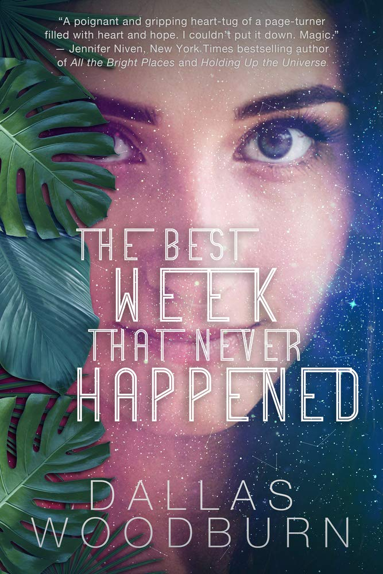
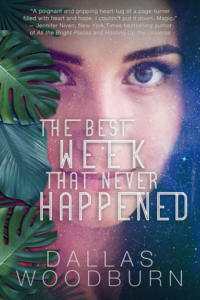
Dallas Woodburn –The Best Week That Never Happened
Chynna Laird – Just Shut Up and Drive
L.L. Eadie – Yearning for the Unattainable
Jodi Lea Stewart – Blackberry Road
Strider S. R. Klusman – Within Reach
Ivy Cayden – Everything All At Once (Book 1, Chorduroys and Too Many Boys™)
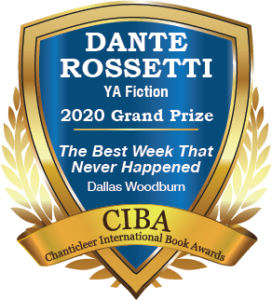
The Grand Prize Winner for the CIBA 2020 DANTE ROSSETTI Awards is:
Dallas Woodburn for
The Best Week That Never Happened
The 2021 DANTE ROSSETTI Book Awards winners will be announced at CAC22 on April 10, 2022. Save the date for CAC22, scheduled April 7-10, 2022, our 10 year Conference Anniversary!
Submissions for the 2021 DANTE ROSSETTI Book Awards are open until the end of June. Enter here!
A Note to ALL the WINNERS: The coveted CIBA Blue Ribbons will be mailed out starting in July. We will contact you with an email to verify your mailing address and other items. We thank you for your patience and understanding.
The OZMA Book Awards recognize emerging talent and outstanding works in the genre of Fantasy Fiction. The OZMA Book Awards is a genre division of the Chanticleer International Book Awards (The #CIBAs).
Chanticleer International Book Awards discovers the best books featuring magic, the supernatural, imaginary worlds, fantastical creatures, legendary beasts, mythical beings, or inventions of fancy that author imaginations dream up without a basis in science as we know it. Epic Fantasy, High Fantasy, Sword and Sorcery, Dragons, Unicorns, Steampunk, Dieselpunk, Gaslight Fantasy, Urban Fantasy, or other out-of-this-world fiction. These books have advanced to the Premier Level of Achievement in the 2020 CIBAs.
The 2020 OZMA Book Awards First Place Category Winners and the OZMA Grand Prize Winner were announced by David Beaumier on Saturday, June 5, 2021 at the Hotel Bellwether and broadcast via ZOOM webinar and Facebook Live.
It is our privilege and profound honor to announce the 1st in Category winners of the 2020 OZMA Awards, a division of the 2020 CIBAs.
This is the OFFICIAL 2020 LIST of the OZMA BOOK AWARDS First Place Category Winners and the OZMA Grand Prize Winner.
Congratulations to all!
Congratulations to the 2020 1st Place Winners in the Ozma Book Awards!
Christopher Russell – Rebirth: Divinity’s Twilight
T. Cook –Shin
Michelle Rene –The Canyon Cathedral: The Witches of Tanglewood, Book Two ( YA)
Gordon Preston –Zendragon
H.J. Ramsay – Ever Alice
Alison Levy – Gatekeeper: Book One in the Daemon Collecting Series
Jeny Heckman –The Warrior’s Progeny
Glenn Searfoss –Cycles of Norse Mythology: Tales of the AEsir Gods
KC Cowan & Sara Cole –Everfire
The Grand Prize Winner for the CIBA 2020 Ozma Awards is:
Christopher Russell for
Rebirth: Divinity’s Twilight
The 2021 OZMA Book Awards winners will be announced at CAC22 on April 10, 2022. Save the date for CAC22, scheduled April 7-10, 2022, our 10 year Conference Anniversary!
Submissions for the 2021 OZMA Book Awards are open until the end of October. Enter here!
A Note to ALL the WINNERS: The coveted CIBA Blue Ribbons will be mailed out starting in July. We will contact you with an email to verify your mailing address and other items. We thank you for your patience and understanding.
The OZMA Book Awards recognize emerging talent and outstanding works in the genre of Fantasy Fiction. The OZMA Book Awards is a genre division of the Chanticleer International Book Awards (The #CIBAs).
Chanticleer International Book Awards discovers the best books featuring magic, the supernatural, imaginary worlds, fantastical creatures, legendary beasts, mythical beings, or inventions of fancy that author imaginations dream up without a basis in science as we know it. Epic Fantasy, High Fantasy, Sword and Sorcery, Dragons, Unicorns, Steampunk, Dieselpunk, Gaslight Fantasy, Urban Fantasy, or other out of this world fiction, they will be put to the test and the best selected as winners of the prestigious CIBAs.
The following fantasy fiction works have advanced from the Short List to the Semi-Finalists of the 2020 OZMA Book Awards:
Susannah Dawn –Battle for the Armor of God
Christopher Russell –Divinity’s Twilight: Rebirth
T. Cook –Shin
David Fitz-Gerald –She Sees Ghosts: The Story of a Woman Who Rescues Lost Souls
Michelle Rene –The Canyon Cathedral: The Witches of Tanglewood, Book Two
Robert C. Feol –A Journey to Mouseling Hollow
MG Wilson and Phil Elmore –Ninja Girl Adventures
J. Nell Brown –Orphan Tree and the Vanishing Skeleton Key
Gordon Preston –Zendragon
H.J. Ramsay –Ever Alice
Jeny Heckman –The Warrior’s Progeny
Sandra A. Hunter –Daughter of Earth & Fire, The Fledgling
Jacob Andrew Emrey – Inferno Dawn
LaVerne Thompson –Wild Child
D.L. Jennings –Awaken the Three
Derrick Smythe –The Other Magic
KC Cowan & Sara Cole –Everfire
Dr. Anay Ayarovu –STAZR The World Of Z: The Dawn Of Athir
Alison Levy – Gatekeeper: Book One in the Daemon Collecting Series
Glenn Searfoss –Cycles of Norse Mythology: Tales of the AEsir Gods
T. K. Thorne –House of Rose
Lee Hunt –Dynamicist
Good Luck to All as your works compete for the FINALIST rounds of the CIBAs!
We will announce the Finalists of the 2020 CIBA divisions April 22, 23, & 24, 2021.
The 22 divisions of the 2020 CIBAs’ Grand Prize Winners and the Five First Place Category Position award winners will be announced at the April 25th, 2021 Chanticleer International Book Awards Annual Awards Gala, which takes place at the Chanticleer Authors Conference that will be held in virtually Bellingham, Wash.
The Semi-Finalists’ works will compete for the First Place Winner positions, and then all will be recognized each evening at VCAC21 April 22-24th from 6-8 p.m. PST.
The First Place Category Winners, along with the CIBA Division Grand Prize winners, will be selected from the 23 CIBA divisions Finalists. We will announce the 1st Place Category Winners and Grand Prize Division Winners the CIBAs Ceremonies June 5th, 2021 virtually (Free) and LIVE at the luxurious Hotel Bellwether in Bellingham, Wash.

 **Send Us Your Story by the End of July**