CHANTICLEER 10 QUESTION AUTHOR INTERVIEW SERIES
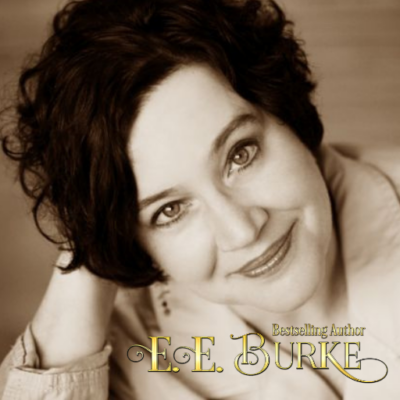
with Award Winning author, E.E. Burke
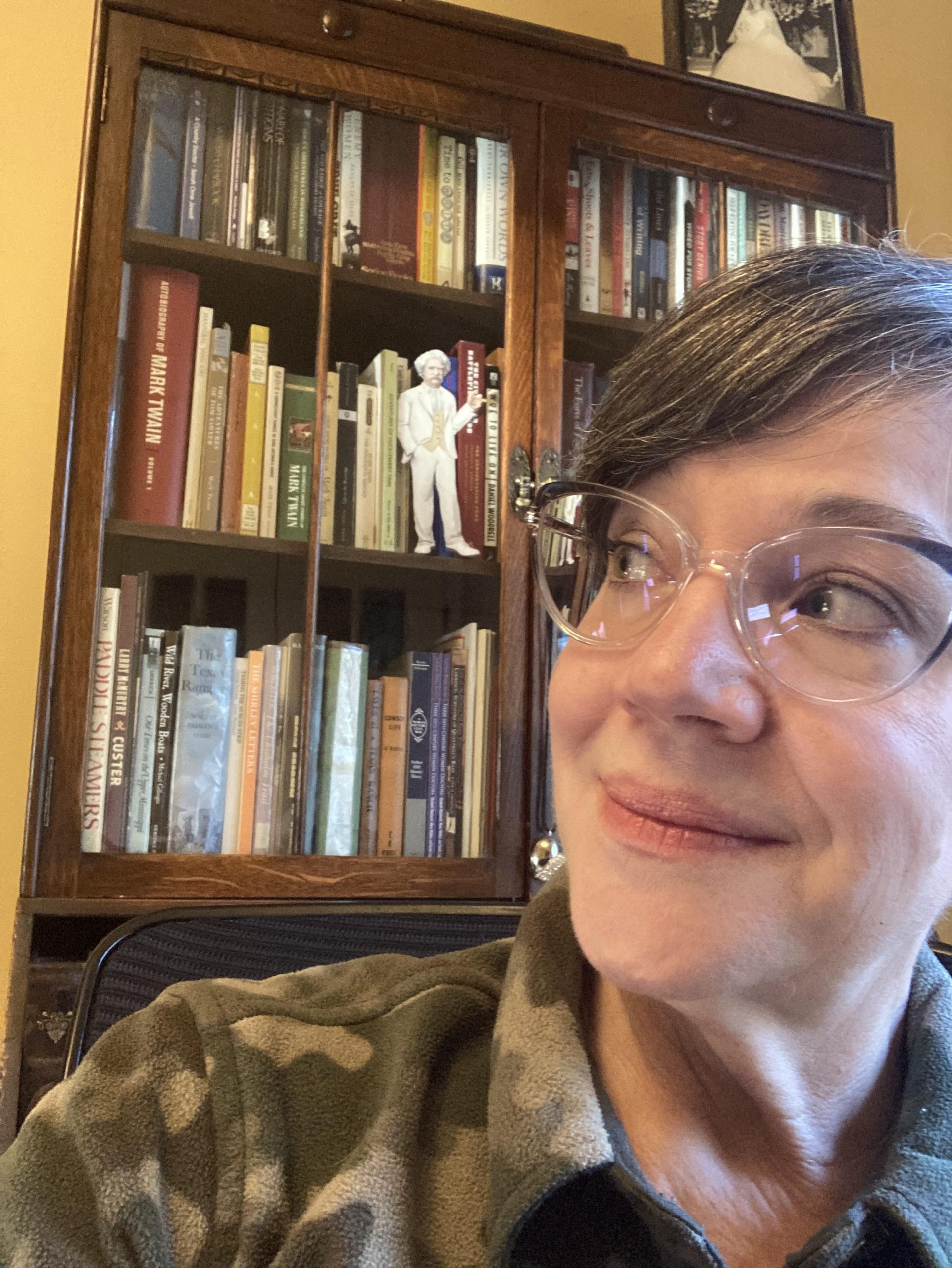
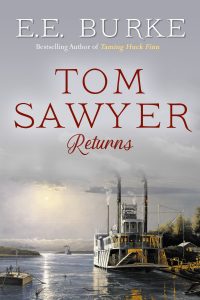
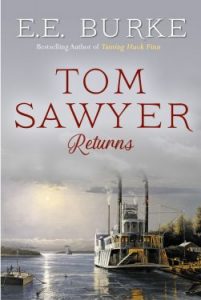
Two of my greatest honors came in succession last year when I won the Laramie Award for Tom Sawyer Returns and was featured by the Mark Twain House & Museum. Both honors were beyond my hopes and they fulfilled a dream. Leigh S. Stites w/a E.E. Burke
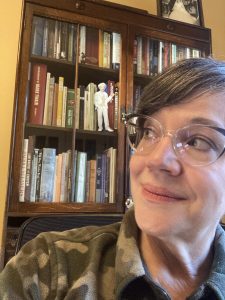
I’m excited for you to get to know award-winning author and historical maven, Leigh S. Stites aka (E.E. Burke) read on.
Chanti: Tell us a little about yourself: How did you start writing?
Stites: I’ve been an avid reader from an early age. My mother likes to tell the story of how I went to bed with books instead of my teddy bears. As a journalism major, I wrote for newspapers, and later, in public relations and advertising. Storytelling is my passion, but I didn’t start producing fiction professionally until I was nearly 50. I prefer to call it a midlife metamorphosis rather than a crisis.
Two of my greatest honors came in succession last year when I won the Laramie Award for Tom Sawyer Returns and was featured by the Mark Twain House & Museum. Both honors were beyond my hopes and they fulfilled a dream.
Chanti: Those are mighty fine honors, indeed! Congratulations! Let’s chat a bit about genre. What genre best describes your work? And, what led you to write in this genre?
Stites: All of my novels have historical settings, primarily the American frontier. I’ve been fascinated with that period since I was in grade school. In fact, my novel Tom Sawyer Returns was born out of a burning need to know what happened to the two boys I read about when I was in seventh grade.
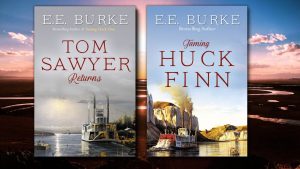
Huck and Tom had grown up, what professions would they have pursued? What great historical events would they get caught up in? What kind of women would they fall in love with? I envisioned a future for them as adults. It took me ten years to finish the two novels (Taming Huck Finn and Tom Sawyer Returns), but I think they represent the type the writing I do best—historical fiction with adventure, romance, and mystery. I recently released the 5th in my Steam! series, which is inspired by stories of the Katy Railroad, as it expanded across the Southwest. If you loved historical classics like James Michner’s Centennial or John Jakes’ North and South, you’ll enjoy this expansive, romantic saga.
Chanti: How do you come up with your ideas for a story?
Stites: From history mostly, and characters I read about, both fictional and real. After I came up with the idea of writing Tom and Huck as adults, I went beyond the facts in Twain’s classics for backstory. I delved into autobiographical elements from his life that inspired much of his fiction. For instance, Samuel Clemens’ adventures as a pilot shaped his love of the river and inspired Huckleberry Finn. Riverboat pilot seemed a perfect choice for Huck’s profession.
I approached Tom’s book in a slightly different way. Tom is the eternal adventurer. In a sense, he will never completely grow up. If he married, the woman he chose would have to stand toe-to-toe with him in courage and have an independent nature, or risk being left behind. Would the original Becky be right for Tom, I wondered. Could calamitous events bring forth her strengths and transform the spoiled girl into an independent woman? Do you see? This is how I come up with story ideas. I find characters, place them in historical situations, and then I ask myself, “What if…?”
Chanti: I swear, asking the “What if…” is a powerful tool in any author’s tool chest! How structured are you in your writing work?
Stites: Probably not as structured as I should be, but this is true of my entire life. As a writer, I worked for years to find a structure that works with my creative process. If there is one thing I’d advise writers, it is this: do not assume you can template someone else’s process and it will work for you in the same way. You can borrow tools, but how you apply them should serve your own unique gifts and proclivities.
E.E. Burke & Mark Twain!
For example, all those craft books on plotting. There are too many to list, but I’ve probably read them all. For a long time, I felt stupid because I couldn’t follow their structure precisely and come out with a good book. I would veer drunkenly off the path and then experience weeks of despair, as I flayed myself for not being a bright enough pupil to get the lesson right. I finally gave up on being the best student in someone else’s structure and began to insert the most helpful parts into my own messy process. I do the same thing with recipes and drinks. I taste, test, borrow and experiment. Some efforts fail. Others are amazing.
Chanti: I think we are kindred spirits. I could never follow a pattern or a recipe to save my life. Do things turn out? Better than expected! Well, tell us, how do you approach your writing day?
Stites: With at least two cups of coffee under my belt. If I’ve had a good writing day, I end it with a cocktail 😉
Chanti: Now, that’s what I’m talking about!
Readers, did you know? Tom Sawyer Returns is a double finalist in the 2022 M&M AND the Chatelaine Awards? Congratulations – and best of luck moving forward!
CIBA Multi-Awarded Book!
Give us five of your favorite authors and describe how they influence your work.
Stites: Mark Twain—his brilliance at characterization, his portraits of American culture in the 19th century, and of course, his biting humor. Charlotte and Emily Bronte—their tortured, romantic heroes. Michael Shaara—how to weave historical facts into spellbinding fiction. Charles Fraser—creating a world that does more than serve as a setting. Jill Marie Landis—the importance of emotion and how to convey it. Mary Oliver—observing and writing about nature, poetic language. Ok, I’ll stop at seven if I must. My favorites list is much longer.
Chanti: It’s important to work on your craft. What do you do to grow your author chops?
Stites: Read books by authors whose skills far exceed my own.
Chanti: Excellent! What craft books have helped you the most?
Stites: So many I can’t list them all without exceeding your word count. Scene & Structure by Jack M. Bickham taught me how to write the critical building block for a novel—the scene. GMC: Goal, Motivation & Conflict by Debra Dixon taught me how to keep readers turning the page. The Artist’s Way by Julia Cameron inspired me to pursue my dream of becoming an author. Bird by Bird by Anne LaMott is simply a must-read. My copy of The Art of Fiction by John Gardner was passed on by one of my favorite authors. It is an absolute classic on writing fiction. Pay particular attention to the chapter: Common Errors.
Chanti: Good ones. What are you working on now? What can we look forward to seeing next from you?
Stites: At the moment, I am stretching my Mystery Muscles and working on a Noir novel set in the 1930s in Kansas City, the town that gave birth to Scarface, the Pendergast machine, and modern jazz. I’m in the research process now so it will be a while before the book is written.
Chanti: That sounds exciting! I hope we get to see it in our upcoming CIBAs. Who’s the perfect reader for your book?
Stites: Someone who is historically engaged, with a literary interest, who doesn’t mind the mushy stuff. Put another way, a multi-genre reader with a romantic soul.
Chanti: I love that… What is the most important thing a reader can do for an author?
Stites: Write an honest review. At the very least, recommend a book you like to someone else.
Chanti: That’s so important! Word travels fast these days. What excites you most about writing?
Stites: I get to play God for a few hours a day.
Chanti: There you have it, dear readers! A day in the life of a highly talented, on-fire author. If you would like to reach out and read some of these delightful books, go to her website here and follow the directions.
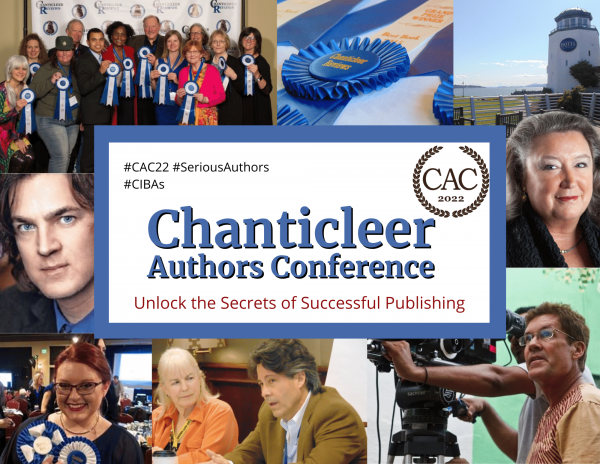
Join us for the Chanticleer Authors Conference held at the Hotel Bellwether, April 27 – 30, 2023. CAC23 is the proud sponsor and host of the 2022 Chanticleer Int’l Book Awards Banquet and Ceremony that will be held on Saturday evening of the conference.
The excitement builds as the 2022 CIBAs Best Book and Grand Prize Winners are determined and announced at this annual gala event!
You can have the last laugh by submitting to the Humor and Satire Book Awards.
The Humor and Satire Book Awards recognize emerging new talent and outstanding works in Humor and Satire. The Humor and Satire Book Awards is a division of the Chanticleer International Book Awards (The CIBAs).
Chanticleer International Book Awards is looking for the best books featuring satire, humor, political ideology, parody, fantasy, and allegory or fable. The Deadline for the 2022 Humor and Satire Book Awards is the end of November.
Looking to learn more about the Humor and Satire Awards? Click here!
A Newer Division of the CIBAs, the Humor and Satire is quickly establishing itself as a book award program for humor, satire, lampoons, and allegory.
Let’s take a look at some of the 2021 winners from the 10th Anniversary Chanticleer Author’s Conference!
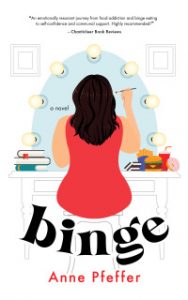
Twenty-seven-year-old Sabrina “Bree” Hunter has the chance to grasp her dream of being a published author, but will her binge eating spell the end of that dream?
After years of working for a demanding B-list talent agent in Los Angeles, Bree earned a publishing deal with Fast Track Books. She should celebrate, thrilled that her life will finally go down the right path since her graduation from Dartmouth. However, Bree has a problem that isn’t easily fixed. Her publisher expects the skinny beauty on her webpage, a picture taken many years previously.
Since the days of the photo, Bree has become a compulsive eater. She spends every moment of her day obsessing over junk food. Bree turns to food to comfort her, console her, and to bring her joy. This addiction has caused her to gain forty pounds since college. Finding dieting on her own harder than she expected, Bree agrees to attend a support group meeting. Her sister, Lena’s, boyfriend has recently found success in breaking his addiction to drugs and alcohol.
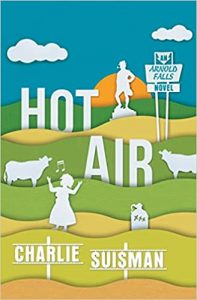
Arnold Falls bristles with zany events, quirky locals, and colorful newbies. Above all, this memorable enclave buoys its people through heart, soul, wit, and a true sense of collective spirit.
Jeebie Walker returns as the story’s central narrator.
The successful voice-over artist stands as a solid fixture in the town, now in a loving relationship with his partner Will. A volunteer fireman, illustrator, and candidate for an MA in Conservation Biology, Will jokingly claims that Jeebie makes “bossing others around” a superpower.
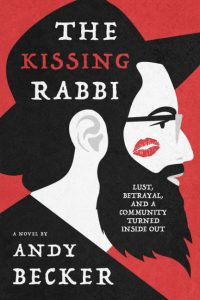
Based on a true story, Andy Becker’s taleThe Kissing Rabbiis a smart, witty, and engaging novel that takes readers into the heart of a Jewish community in the Pacific Northwest.
Here a young, self-serving rabbi sets a town on edge when his salacious desires and personal financial agenda are brought to light by the people he was brought there to serve.
Rabbi Mishegas Dreidel, a young orthodox leader, arrives in the quiet town of Destiny, Oregon. His intentions seem noble as he opens up a synagogue in his basement and establishes a flock of dedicated followers.
Babs and Basil, and the Hounds of the Hollywood Baskervilles
This book is still a manuscript, but we’re excited for it to come out!
A cute premise and a light-hearted beginning. Babs and Basil, and the Hounds of the Hollywood Baskervilles features humor, mystery, and action throughout that’s easy to read and follow.
An excellent book for older readers and Hollywood movie buffs that can catch the myriad of references. The lightheartedness storyline buoys the reader along naturally. A kindly read to escape into and keep your spirits afloat.
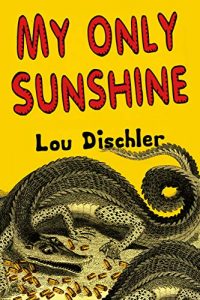
Lou Dischler delivers an intricately woven story about one well-meaning boy who tries to make sense of the crazy he’s been born into. Get ready for one belly laugh of an adventure in My Only Sunshine.
Welcome to the Louisiana low country, home of 9-year-old Charlie Boone, a kid growing up in 1962. Charlie, a most unreliable narrator, concerns himself with giant wingless wasps and biting red velvet ants. Combine his critter-concerns with the legend of the giant slugs, the story of his mother taken up by a hurricane, and the episode of the puddle he and his brother dug that grew into a pond, then turned into a lake, and we have one wildly imaginative ride well-worth taking.
Dischler delivers an epic tale that shifts from Charlie’s first-person point-of-view with his youthful ignorance coloring his observations to his Uncle Dan’s and “Aunt” Lola’s in third-person point-of-view. While Charlie ages and grows in wisdom as the story progresses, his uncle never seems to gain a lick of sense. Dischler skillfully applies the laws of magic realism to Charlie’s wonderful way of viewing his world. Uncle Dan’s story, on the other hand, derives from an inept conman’s rap-sheet – from failed grifts to bank robbery bungles that succeed only by accident. Dischler guides us, normalizing the ridiculous to the point that the characters jump off the page and set up camp in your living room.
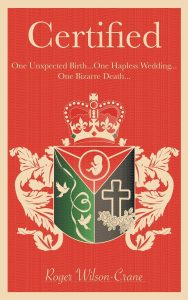
Certified by Roger Wilson-Crane is a multi-award-winning comedy-drama, following one man down three sharp turns in his life trajectory.
Based on real-life events, Certified shows the narrator’s birth, marriage, and death, three of the most significant milestones in human life. The book is divided into three sections.
“One Unexpected Birth” explores his flawed string of relationships until he meets Dawn, the love of his life. However, a woman from the past makes a comeback, threatening to shatter his newly found happiness.
“One Hapless Wedding” careens about his well-planned wedding in Puglia, Italy, which is trampled by Justin Timberlake who wants the same venue. “One Bizarre Death”, on the other hand, follows the loss of the narrator’s loved one and the pain and confusion that surrounds an unexpected death. Certified is full of humor, heart, and unexpected gems that one might find in a trunk of well-lived memories.
The last day to submit your work is November 30, 2022. We invite you to join us, to tell us your stories, and to find out who will take home the prize ribbons at CAC23 in April.
As our deadline draws near, don’t miss this opportunity to earn the distinction your novel deserves! Enter today!
The Humor and Satire Book Awards for Satirical and Allegorical fiction is a division of the Chanticleer International Book Awards – the CIBAs.
The Military & Front Lines Book Awards recognize emerging talent and outstanding works in Narrative Non-Fiction and Memoir, exploring the lives of those who serve their country and others. The Military & Front Lines Service Book Awards is a genre division of Chanticleer International Book Awards and Novel Competitions (CIBAs).
All of us at Chanticleer have family that has served. Kiffer Brown grew up as a military brat with many members of her family serving.
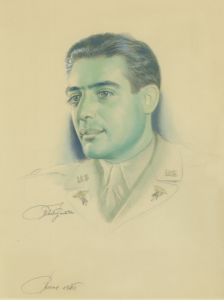
2nd Lt Billy Wayne Flynn, U.S. Army. West Point Graduate
Second Lieutenant Billy Wayne Flynn was killed in action, Vietnam, January 23, 1967. He was 24 years old. Billy Wayne gave to me a book of poetry from his studies at West Point before he left for Viet Nam. He was my cousin. It was my first book of poetry and has his notes. I was in fourth grade. I still have it and treasure it. – Kiffer
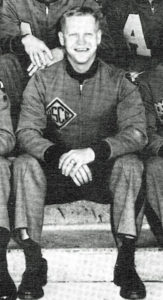
Robert Gerard Beaumier Sr. who served in WWII
My father would often tell the story of how his dad, Robert, was in France during World War II. At one point a dog came and wouldn’t stop barking at his unit, no matter how much they told it to go away. Finally, Robert said “Va t’en!” and immediately the dog ran off. Everyone was suitably impressed that the dog spoke French! – David
The new Division honors the following Non-Fiction Narratives:
Military and Armed Forces Service Narratives
Medical Stories focused on Nurses, Doctors, Health Care Workers, and other Essential Workers
Stories of Community Service Workers such as Firefighters and Police
CARE, Peace Corps, Red Cross, Doctors Without Borders, and other service organizations
Work in Agencies that serve their Community and Government
Families of those who serve in these Community Roles
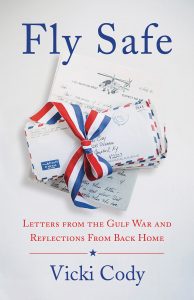
FLY SAFE: Letters from the Gulf War and Reflections from Back Home By Vicki Cody
Not many people can capture the emotions that coincide with war, but Vicki Cody joins the ranks of those who do in her wartime memoir, Fly Safe: Letters from the Gulf War and Reflections from Back Home.
This powerful memoir shows us the behind-the-scenes lives of the women, children, and families left at home while their soldiers set off for war, bringing us close to their raw vulnerability. Fly Safe fascinates as it informs readers of what one wife experiences as her commander husband leads his battalion to the middle east.
DEAR BOB: Bob Hope’s Wartime Correspondence with the G.I.s of World War II By Martha Bolton with Linda Hope
During World War II, Bob Hope traveled almost ceaselessly to outposts large and small, entertaining US troops – and inspiring them; Martha Bolton brings the extent of this work to light in Dear Bob.
Writer Martha Bolton worked with and for comedian Bob Hope. Now, with Hope’s daughter Linda, she has gathered and organized the letters written to Bob by the soldiers he helped.
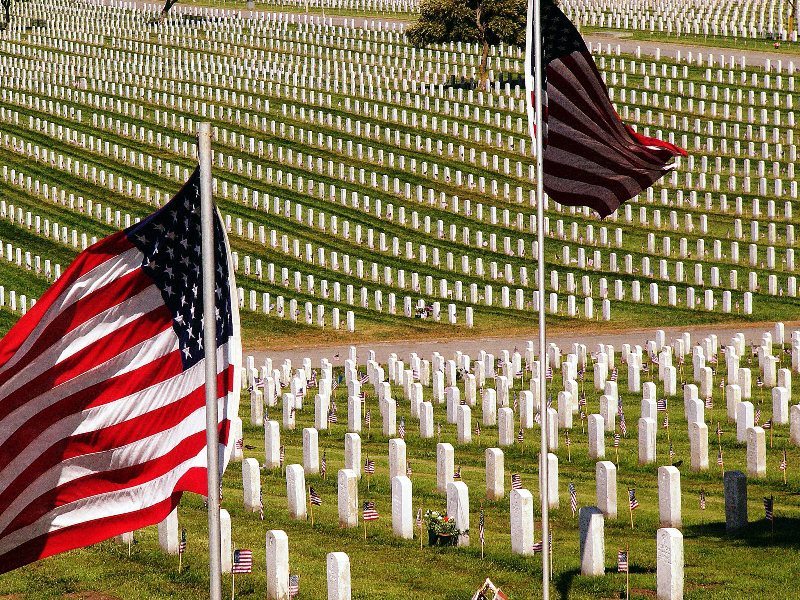
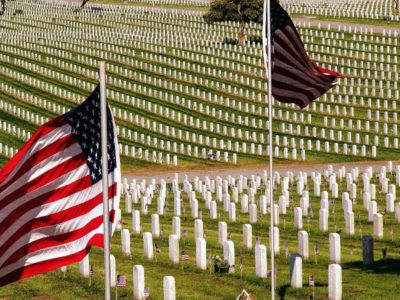
Memorial Day: Honoring Those Who Have Lost Their Lives in Service to Our Nation
In the U.S.A., Memorial Day, originally called Decoration Day, is a day of remembrance of those who died in service to their country. The holiday was officially proclaimed in 1868 to honor Union and Confederate soldiers who loss their lives in the Civil War.
The latest historical research has the Civil War death toll at 850,000. This number has surpassed all the other wars the U.S.A. has fought in combined. The population was estimated to be approximately 31 million (not counting Native Americans or Blacks).
This translates roughly to one out of ten white males of service age (ten-years-old to mid-forties) died as a result of the Civil War with the younger males incurring the biggest loss of life. [History.com]
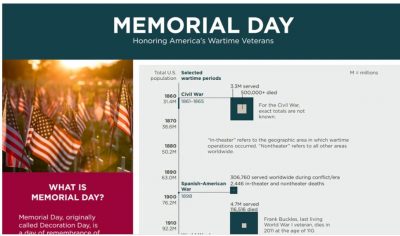
Click here to access the U.S. Census Memorial Day Infographic for more information and the complete infographic.
The important takeaway from this graphic is that all other wars, skirmishes, conflicts, and battles that the US has been involved with combined, none have taken the toll that the the war that took place on the U.S. soil—the Civil War—has. Period.
Civil War Death Toll: 850,000 deaths (latest research)
All Other US Military Involvements since 1870s until 2020: 707,081 deaths
Memorial Day is one of three official US Holidays to honor those who serve or who have served in the Armed Forces. To help keep them in order, those three holidays are:
Memorial Day, a federal holiday, is observed the last Monday in May, honors those who have lost their lives in action in service to our nation.
Veterans Day, a federal holiday, that is observed every year on November 11th to honor all those who have served in the Armed Forces.
Armed Forces Day is a celebration day that honors all active and former personnel across the six branches of the United States military. It is celebrated on the third Saturday of every May. This year’s was on May 21, 2022.
As any of you know, the head and founder of Chanticleer Book Reviews, Kiffer Brown is a self-described military brat. Her father, brother, nephews, and cousins have served in the military. Recognizing and honoring the service of those in the Armed Forces is a longstanding tradition for her and her family.
National Moment of Remembrance
On Memorial Day, remember that there is a National Moment of Remembrance. To honor the moment, pause for one minute at 3 p.m. at your local time, and remember those who have died in service to this nation.
2nd Lt Billy Wayne Flynn, U.S. Army. West Point Graduate
Second Lieutenant Billy Wayne Flynn was killed in action, Vietnam, January 23, 1967. He was 24 years old. Billy Wayne gave to me a book of poetry from his studies at West Point before he left for Viet Nam. He was my cousin. It was my first book of poetry and has his notes. I was in fourth grade. I still have it and treasure it. – Kiffer
We’ve been waiting for a long time to do something more to recognize those who served.
The Military and Front Line Book Awards
Every year we receive several non-fiction books that deal with serving in the military or some other frontline capacity in service to our nation. This year the number and quality of submissions was great enough that we are excited to announce the new division that recognizes work focusing on those in Military or Front Line Service.
The new Division honors the following Non-Fiction Narratives:
Military and Armed Forces Service Narratives
Medical Stories focused on Nurses, Doctors, Health Care Workers, and other Essential Workers
Stories of Community Service Workers such as Firefighters and Police
CARE, Peace Corps, Red Cross, Doctors Without Borders, and other service organizations
Work in Agencies that serve their Community and Government
Families of those who serve in these Community Roles
Interesting to Note and Why We Honor Our Military and Front Line Heroes:
To put the Covid Pandemic (2020 to Current Day – 26 months) into perspective: the USA Covid Fatalities are more than 1 million (1,004,726 as per John Hopkins University & Medicine (May 28, 2022). Additionally, the USA has the highest fatality rate per capita (accounting for population) from Covid than any other first world country on the planet.
The USA loss more people in 26 months to Covid than in all military involvements since the 1870s. And with those losses, the death toll includes first-line responders: nurses, doctors, health workers, caretakers, emergency responders, and health care workers.
The 1918 Flu Pandemic that spread worldwide in 1918 – 1919 took more than 675,000 lives in the U.S.A. So many physicians and nurses were called into military service for World War I that able-bodied persons were asked to take medical training to offer aid in fighting the epidemic.
Red Cross Volunteers – The 1918 Flu Pandemic
The Military and Front Line Awards will be a Division for the 2023 CIBAs. Get your work ready now, and the deadline to submit will likely be in the late fall. You can see the 2021 Finalists for the Military and Front Line Book Awards here.
Keep Telling Stories – They Are Needed!
We are always honored to be trusted with any book at Chanticleer. It is a pleasure to be able to highlight these stories in particular with their own division.
“Patriotism is supporting your country all the time, and your government when it deserves it.“–Mark Twain
“How important it is for us to recognize and celebrate our heroes and she-roes!” –Maya Angelou
“A hero is someone who has given his or her life to something bigger than oneself.” —Joseph Campbell
The esteemed WRITER Magazine (founded in 1887) has repeatedly recognized the Chanticleer Authors Conference as one of the best conferences to attend and participate in for North America.
Featuring: International Best Selling Author Cathy Ace along with experts in the business and marketing and promotion for authors from Kickstarter to Hindenburg.
A Chatelaine Finalist and current Laramie Short Lister (good luck in the following CIBA tiers!), E.E. Burke describes herself as a history geek and a sucker for a good love story. She has recently released a new edition of her bestselling series, Steam! Romance and Rails, which combines Western action and adventure with romance and suspense. Another five-star series, The New Adventures, features a re-imagining of two beloved American characters in Tom Sawyer Returns and Taming Huck Finn.
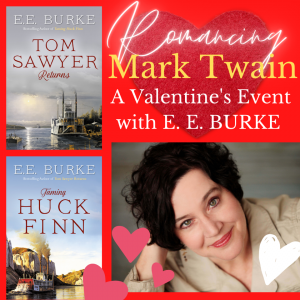
The Mark Twain House & Museum in Hartford, CT, sponsors spotlight programs with authors, many of whom are Pulitzer Prize winners, NYT bestsellers, and today’s leading literary voices. Burke credits the discovery of her work to reviews, which inspired the musem director to read her books and ask her too appear in their Valentine’s program, “Romancing Mark Twain.” Tune in to hear about what isnpired her to write these Mark Twain spinoffs and learn a little bit more about how Twain’s life influences writers today. You can sign up for this free event (Tuesday, February 15, 7pm EST) here!
FLEXIBLE REGISTRATIONS ARE AVAILABLE for these challenging times.
Seating is Limited. The esteemed WRITER Magazine (founded in 1887) has repeatedly recognized the Chanticleer Authors Conference as one of the best conferences to attend and participate in for North America.
It might seem odd, but Franz Kafka and his friends reportedly sat around at bars reading excerpts of The Metamorphosis with tears of laughter streaming down their faces.
Franz Kafka (1883-1924)
While he might not seem like a natural pairing with Mark Twain, Kafka certainly had a sense of humor. We may not quite understand his early 1900s thought process that would cause him to need to stop in the middle of reading “The Trial” due to laughing so hard (read more from The Guardian here), but we definitely can still appreciate a healthy dose of humor.
Fun Fact: Franz Kafka’s writing was known to deal with modernism, existentialism, Surrealism, and is considered a precursor to magical realism. Despite his fame, he never finished a single novel (unless you count The Metamorphosis as a short novel).
The Mark Twain Awards, named after the famous satirist, are still a fairly new division of The Chanticleer Int’l Book Awards. You can see a full write up on Mark Twain’s relationship with Bellingham, WA here.
Do you have a book that features Humor, Satire, or Allegory? Submit it here before the end of November to be entered into the 2021 Mark Twain Book Awards!
Let’s do a quick breakdown on the three main categories of Mark Twain books.
Satire: The Dangerous Tool
Probably one of the most difficult genres to write in, Satire can have trouble with rubbing people the wrong way. One of the most commonly known pieces of satire is “A Modest Proposal” by Jonathan Swift, made ubiquitous by English courses teaching it for decades. You can read the full essay here.
Jonathan Swift is best known as the author of Gulliver’s Travels. Above, Gulliver is restrained by the Lilliputians
The essence of it is that Swift proposes eating Irish children instead of feeding them, as it will save more money for England in the long run, and cause less suffering for the kiddos in the long run. This obvious, garish suggestion highlights the ways in which England may as well be eating the children in a way that both shames those who have acted poorly, and serves as a call to action to offer better care to the poor.
Satire in literature is a type of social commentary. Writers use exaggeration, irony, and other devices to poke fun of a particular leader, a social custom or tradition, or any other prevalent social figure or practice that they want to comment on and call into question.
Contemporary writers have used satire to comment on everything from capitalism (like Brett Easton Ellis’s American Psycho, which uses extreme exaggerations of consumption, concern with social status, and masculine anger and violence to skewer American capitalism) to race (Paul Beatty’s The Sellout, for example, features a young black male protagonist in Southern California who ends up before the Supreme Court for trying to reinstate slavery).
As you can see, satire is a sharp tool that must be wielded carefully to avoid cutting yourself on accident. A good rule of thumb when writing satire to always aim at those who are in power. Trying to poke fun or ridicule people who are already disadvantaged or targeted in some way will often leave a bad taste in your audience’s mouth, and that’s the fastest way to have your book closed.
Here are some classic examples of Satire:
Matt Groening – The Simpsons, Futurama
David Sedaris – Naked, Me Talk Pretty One Day
Chuck Palahniuk – Fight Club
Douglas Adams – The Hitchhiker’s Guide to the Galaxy
Kurt Vonnegut – Slaughterhouse-Five
Evelyn Waugh – Brideshead Revisited
“Get outta my sky!”
Now let’s talk allegory.
Allegory: Not Just for Kids!
When you want to talk around something or use a stand in to describe it you might try allegory.
The word “allegory” comes from the Latin “allegoria,” meaning speaking to imply something else. An allegory is a simple story that represents a larger point about society or human nature, whose different characters may represent real-life figures. Sometimes, situations in the story may echo stories from history or modern-day life, without ever explicitly stating this connection.
Allegories are similar to metaphors in that both illustrate an idea by making a comparison to something else. However, allegories are complete stories with characters, while metaphors are brief figures of speech.
Note: We are not affiliated with MasterClass in any way, we simply believe in sharing our sources, and they do great work with genre definitions.
One popular example of allegory is Aesop’s Fables. As you may know, the fables tend to follow animals as they make decisions regarding moral dilemmas, and then face the consequences – whatever those may be. Of course, those moralistic fables directed at children always run the risk of sounding paternalistic. Here are some great examples of allegory:
Allegory examples
Chaucer’s The Canterbury Tales
George Orwell – Animal Farm, 1984
Frank Baum’s – The Wonderful Wizard of Oz
Arthur Miller – The Crucible
C.S. Lewis – The Chronicles of Narnia
Finally, we have Humor.
Humor Writing
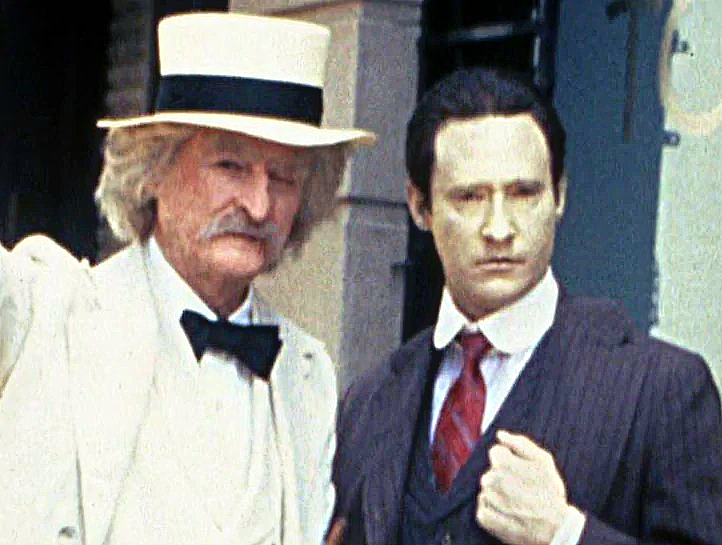
The key to humor writing is simple: it should make you laugh! There are countless different takes on what makes something funny – just try watching someone explain humor to the android Data in Star Trek.
Data experiencing laughter for the first time as a gift from the omnipotent being Q
So rather than go on too long, we’ll share our Editorial Reviews of books that make us laugh!
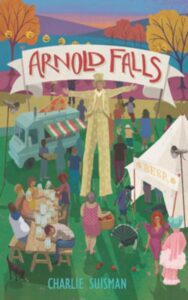
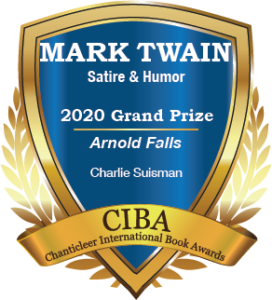
Arnold Falls By Charlie Suisman Grand Prize Winner in Mark Twain Awards
Charlie Suisman’s debut novel is a wonderful escape to a small fictional community in upstate New York. Here a melting pot of quirky residents brings Arnold Falls to life, a town with a unique history and charming inhabitants whose lives are intimately intertwined.
Settled in 1803 by the unscrupulous Hezekiah Hesper, the town for unknown reasons was named after Benedict Arnold. Adding to the oddities, the closest waterfall is twenty miles away. The area is known for sudden bursts of crab apple-size hail pelting the landscape without any scientific explanation. Hence the incentive for “Hail Pail Day,” a neighborly tradition surrounding the distribution of galvanized bucket head-coverings.
Lou Dischler delivers an intricately woven story about one well-meaning boy who tries to make sense of the crazy he’s been born into. Get ready for one belly laugh of an adventure in My Only Sunshine.
Welcome to the Louisiana low country, home of 9-year-old Charlie Boone, a kid growing up in 1962. Charlie, a most unreliable narrator, concerns himself with giant wingless wasps and biting red velvet ants. Combine his critter-concerns with the legend of the giant slugs, the story of his mother taken up by a hurricane, and the episode of the puddle he and his brother dug that grew into a pond, then turned into a lake, and we have one wildly imaginative ride well-worth taking.
A bitingly funny collection of life-stories from Christie Nicholls – stand-up comedian, actor, and writer – made all the more piquant by her repeated insistence that she has no short-term memory. Fortunately for us, her long-term reminiscences more than make up the deficit.
Nicholls has divided the book into four parts. In the first, “A Broad Abroad,” she recalls her experiences of traveling to far-flung places, beginning with a summer in Belém, Brazil as a child. She and her brother, for some reason nicknamed Beluga, slept in hammocks and played in a swimming pool, but much of her cherished time involved a German Shepherd named Ferdinand, from whom she learned dog talk. Raucous family bowling in Bologna, Italy, is contrasted with attendance at a staid English wedding. At a later period, Nicholls and her mother went to Sweden, where the budding comic tried her hand at stand-up in newly acquired Swedish, leading to an amusing mix-up of jargon.
Honey Beaulieu is going to get her man–no matter how many tries it takes. Determined to capture the elusive Boyce McNitt, Honey is off to Deadwood Gulch despite the warnings that the dangerous road is plagued by thieves and natives. But before she can pursue the $500 bounty, she needs to take care of issues at home, including finding a shop for a pregnant seamstress, sixteen-year-old Emma, a home for eight-year-old Myles Cavanaugh, his two younger sisters, and their pregnant mother. Between her do-gooding, denying her blossoming feelings for Deputy US Marshal Sam Lancaster, and a run-in with a herd of escaped pigs determined to destroy Fry Pan Gulch, Honey barely has time to get out of town before she gets trapped by winter. Once on the road, she comes face-to-face with Sean Chaney, the Badger Claw Kid, a bounty worth $400, and is intent on capturing him, as well. With a little otherworldly, albeit not entirely helpful, advice from her ghost guide Roscoe, Honey will have to take down two dangerous fugitives. But, when she runs into a fireball-throwing ghost bent on revenge, her real adventure begins.
Kiffer loves the undercurrent of a Shakespearean slant to Jacquie Rogers’ works. Sublime.
When a banged-up old bus pulls into his family’s driveway, Charlie has no idea that the rattling junker would be his ride to freedom. For years he’d been suffering under the thumb of a cold-hearted mother and a vindictive twin sister, while his father languished behind bars for tax fraud. The only family member with whom the young man held a loving bond was his grandfather, Opa Bill. Since Bill’s recent death, Charlie has been holding it together by listening to the music he and his grandfather loved. That musical thread weaves its way throughout the story as a sort of narrative jukebox.
Now Charlie’s respectable Oma Ruth has careened back into his life in a shocking new incarnation: a freewheeling hippie in kaftan and beads, unafraid to swap barbed words with her appalled daughter, nor to insist that Charlie accompany her on her road trip. He’s dead-set against it – he’d just found his dream job at a record store – and is disgusted when his mother dumps him on her mother without hesitation.
When you’re ready,did you know that Chanticleer offers editorial services?We do and have been doing so since 2011.
Our professional editors are top-notch and are experts in the Chicago Manual of Style. They have and are working for the top publishing houses (TOR, McMillian, Thomas Mercer, Penguin Random House, Simon Schuster, etc.).
If you would like more information, we invite you to email Kiffer or Sharon at KBrown@ChantiReviews.com or SAnderson@ChantiReviews.com for more information, testimonials, and fees.
We work with a small number of exclusive clients who want to collaborate with our team of top-editors on an on-going basis.Contact us today!
Chanticleer Editorial Services also offers writing craft sessions and masterclasses. Sign up to find out where, when, and how sessions being held.
A great way to get started is with our manuscript evaluation service, with more information availablehere.
And we do editorial consultations for $75. Learn morehere.
If you’re confident in your book, consider submitting it for a Editorial Book Reviewhereor to one of our Chanticleer International Awardshere.
Also remember! Our 10th Anniversary Chanticleer Authors Conference (CAC22) will be April 7-10, 2022, where our 2021 CIBA winners will be announced. Space is limited and seats are already filling up, so sign up today! CAC22 and the CIBA Ceremonies will be hosted at the Hotel Bellwether in Beautiful Bellingham, Wash. Sign up and see the latest updates here!
Featuring Cathy Ace and Robert Dugoni!
Writer’s Toolbox
Thank you for reading this Chanticleer Writer’s Toolbox article.
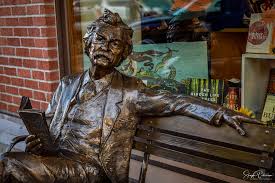
You might say we like Samuel L. Clemens, better known as Mark Twain, just a little bit here in Bellingham. We only put a statue of him right out front of our flagship local bookstore Village Books.
Samuel Clemons writing as Mark Twain statue in front of Village Books, Fairhaven (Bellingham, Wash.)
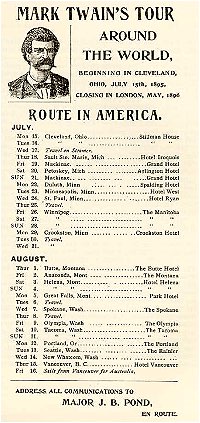
But why? Well, Bellingham was one of the stops on his world tour to inspire himself to write and hopefully pay off some of the massive debt he had accrued from bad business investments. The tour proved to be successful: 122 shows in 71 cities around the world.
Twain came to Bellingham (aka Fairhaven currently – aka at that time as New Whatcom) in August of 1895 , and he lectured under smoky skies (they had a fire season that summer, too).
The fires caused the visit to Whatcom County to look like it wasn’t going to work out, as he arrived to see a spare audience, and unfriendly skies. Just read the description written by his manager, Major JD Pond:
Wednesday, August 14th, Seattle to Whatcom.
“Mark’s” cold is getting worse (the first cold he ever had). He worried and fretted all day; two swearing fits under his breath, with a short interval between them, they lasted from our arrival in town until he went to sleep after midnight. It was with great difficulty that he got through the lecture. The crowd, which kept stringing in at long intervals until half-past nine, made him so nervous that he left the stage for a time. I thought he was ill, and rushed back of the scenes, only to meet him in a white rage. He looked daggers at me, and remarked:
“You’ll never play a trick like this on me again. Look at that audience. It isn’t half in yet.”
I explained that many of the people came from long distances, and that the cars ran only every half hour, the entire country on fire causing delays, and that was why the last installment came so late. He cooled down and went at it again. He captured the crowd. He had a good time and an encore, and was obliged to give an additional story.
And his trip had the added effect of reinvigorating his writing and his bank account, both vital for him. Luckily, with prohibition twenty years down the line, he managed to find some liquor and cigars to round out the successful night at what is now Sycamore Square, just down the road from where he was staying.
As a well-known humorist, Mark Twain employed satire to gently rib his audience and point out inconsistencies in the world as it appeared then, such as when Huck wonders why he would go to Hell for helping his friend Jim escape slavery.
One of Twain’s more well-known sayings is “Better to remain silent and thought a fool than to open one’s mouth & remove all doubt.”
BRAND NEW FOR 2020
The Mark Twain Book Awards
for Satirical and Allegorical Fiction
With our Somerset Awards having grown beyond capacity with literary fiction and satire, we decided to name the new division for satire and allegory for Mark Twain, for both his excellence in writing and our connection to him here in Bellingham. And, of course for his excellent works in satire and allegory.
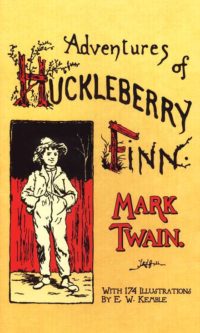
The incomparable The Adventures of Huckleberry Finn
The Adventures of Tom Sawyer
A Connecticut Yankee in King Arthur’s Court
The Innocents Abroad
Modern Satire examples:
Matt Groening – The Simpsons, Futurama
David Sedaris – Naked, Me Talk Pretty One Day
Chuck Palahniuk – Fight Club
Douglas Adams – The Hitchhiker’s Guide to the Galaxy
Kurt Vonnegut – Slaughterhouse-Five
Evelyn Waugh – Brideshead Revisited
Allegory examples
Chaucer’s The Canterbury Tales
George Orwell – Animal Farm, Nineteen Eighty-Four
L. Frank Baum’s – The Wonderful Wizard of Oz
Arthur Miller – The Crucible
C.S. Lewis – The Chronicles of Narnia
If your work is literary or contemporary, but not quite satire or allegory, check out our Somerset Awards!
The last day to submit your work is November 30, 2018. We invite you to join us, to tell us your stories, and to find out who will take home the prize ribbons at CAC21 in April.
As our deadline draws near, don’t miss this opportunity to earn the distinction your literary novel deserves! Enter today!
The MARK TWAIN Book Awards for Satirical and Allegorical fiction is a division of the Chanticleer International Book Awards – the CIBAs.
In a creative blend of existential memoir and artful travel journal, Kayce Stevens Hughlett’s SoulStroller takes readers along on an adventurous journey of self-discovery. Reminiscent of Elizabeth Gilbert’s popular Eat, Pray, Love, Hughlett focuses on family issues, ancestral memories, and dreams explored within the context of personal travels, focusing on the importance of moving beyond our comfort zones.
Here we come to learn that a SoulStroller is a term used for an individual who ventures into the fullest version of their true selves. Guided by intuition and spiritual essence, they stroll through life with a feeling of curiosity, compassion, contentment, and gratitude. Like a pilgrim on a quest, they follow their heart, rather than move ahead with a tourist mentality of set goals and to-do lists.
Raised with the traditional expectations of the “good girl,” Hughlett lived the first 30 years of her life within 150 miles of Oklahoma City, an area of white, middle-class, conservatives. The blinders came off when she moved to Seattle. Divorced, and remarried with two children, Hughlett indicates that when everything is FINE, sometimes that refers to the acronym for “fucked up, insecure, neurotic, and exhausted.”
It is during a trip to Mexico in search of a therapeutic boarding school for her troubled son that she finds a sense of peace and a firm idea of place as she falls in love with the desert landscape. With the outstretched arms of the saguaro cactus offering a sense of peace, it is in this moment that everything changes.
Hughlett’s journeys go far beyond visits to the likes of the Eiffel Tower and Louvre. Whether enjoying the delicacy of an eggplant and cheese sandwich on the banks of the Seine or meeting a charmingly eccentric and her poodle, Hughlett learns to distinguish the essential rhythms of her own life.
Hughlett writes with a comfortable conversational voice that invites readers into her world view; one that she approaches with both exuberance and trepidation. The overall narrative unfolds in a generally chronological sequence, though journal entries and recollections can at times reflect past memories or events.
Insightful words from several authors, poets, scholars, and artists are used to grace the opening of each chapter, including contributions as varied as those of Roald Dahl, Thich Nhat Hanh, Gloria Steinem, and Henry Miller. Mark Twain’s quote seems to epitomize the central “SoulStroller” sentiment in “Sail away from the safe harbor. Catch the trade winds in your sails. Explore. Dream. Discover.”
Each section of the book concludes with a simple practicum highlighting suggestions for readers to venture into their own SoulStrolling mindset. Exercises range from quiet meditation and writing prompts, to practicing self-kindness and ideas for travels off the beaten path.
While Hughlett considers that her story may be too personal or esoteric for some readers, her work speaks to her positive growth, as her travels and experiences have allowed her to trust her own voice and value the lessons of her own journey. This is a book that strings together individual pearls of wisdom that have universal appeal.
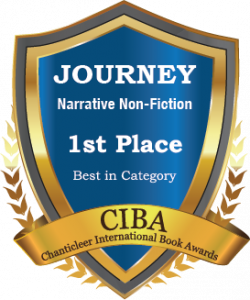
SoulStroller by Kayce Stevens Hughlett won 1st Place in the CIBA 2018 Journey Awards for Narrative Non-Fiction.

 Congratulations! Let’s chat a bit about genre. What genre best describes your work? And, what led you to write in this genre?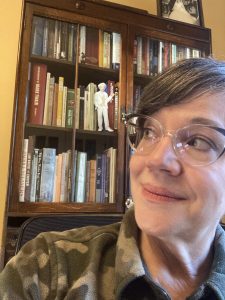













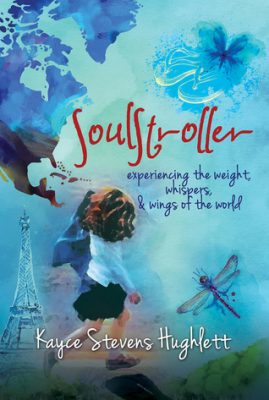
 In a creative blend of existential memoir and artful travel journal, Kayce Stevens Hughlett’s SoulStroller takes readers along on an adventurous journey of self-discovery. Reminiscent of Elizabeth Gilbert’s popular Eat, Pray, Love, Hughlett focuses on family issues, ancestral memories, and dreams explored within the context of personal travels, focusing on the importance of moving beyond our comfort zones.