The Goethe Book Awards recognize emerging new talent in post-1750s Historical Fiction. The Goethe Book Awards is a division of the Chanticleer International Book Awards (The CIBAs).
The Goethe Book Awards competition is named for Johann Wolfgang von Goethe who was born at the dawn of the new era of enlightenment on August 28, 1749.
Chanticleer International Book Awards is looking for the best books featuring Late Period Historical Fiction. Regency, Victorian,18th Century, 19th Century, 20th Century, World and other wars, history of non-western cultures, set after the 1750s, we will put them to the test and choose the best among them.
These titles have moved forward in the judging rounds from the 2020 Goethe Book Awards LONG LIST to the SHORT LIST and have now progressed to the 2020 SEMI-FINALISTS.
The 2020 Semi-Finalists for the Goethe Book Awards
James Hockenberry –Send The Word
Helena P. Schrader –Where Eagles Never Flew: A Battle of Britain Novel
Conor Bender –Jubilee
Linda Ulleseit –The Aloha Spirit
Eileen O’Finlan –Erin’s Children
Jon Duncan –Heart of the Few
Grahame Shannon –Bay of Devils
Leslie K. Barry –Newark Minutemen
Richard Alan Schwartz –Wind Chimes, War and Consequence A Novel of the Vietnam War Era
Kari Bovee –Folly at the Fair
Betty Bolte –Becoming Lady Washington
Kit Sergeant –The Spark of Resistance: Women Spies in WWII
Jomo Merritt –Sons of a Mauffen King
J.L.Oakley –The Quisling Factor
Brigitte Goldstein –Babylon Laid Waste-A Journey in the Twilight of the Idols
D.V Chernov –Commissar
Gail Noble-Sanderson –The Lavender Bees of Meuse
Michelle Cameron –Beyond the Ghetto Gates
Kathryn Gauci –The Poseidon Network
Dorothea Hubble Bonneau –Once in a Blood Moon
Nancy H. Wynen –We Did What We Could
Pamela Jonas – Beneath a Radiant Moon
John Hansen –Secrets of the Gros Ventre
Donna Scott –The London Monster
Jerena Tobiasen –The Crest, Book I of The Prophecy
Jule Selbo –Breaking Barriers: A Novel Based on the Life of Laura Bassi
Liza Nash Taylor – Etiquette For Runaways- A Novel
Theo Czuk –Hastings Street: Boulevard of Blues
Sandra Perez Gluschankoff –Thorns for Raisel
Ben Wyckoff Shore –Terribilita
Carmela Cattuti –Between the Cracks: one woman’s journey from Sicily to America
Lucinda Brant – Deadly Kin: A Georgian Historical Mystery
Wendy Long Stanley –The Power to Deny
David Selcer –The Old Stories, a.k.a Da Alt Geshikhtem
Pyram King –Destiny’s War – Part 1: Saladin’s Secret
These titles are in the running for the Finalists of the 2020 Goethe Book Awards for post-1750s Historical Fiction.
The Semi-Finalists’ works will compete for the Finalists positions, and then all Finalists will be announced at the VCAC21 ceremonies.
The 22 divisions of the 2020 CIBAs’Grand Prize Winners and the Five First Place Category Position award winners will be announced at theApril 25th, 2021 Chanticleer International Book Awards Annual Awards Gala,which takes place at the Chanticleer Authors Conference that will be held in virtually Bellingham, Wash.
Good luck to all as your works move on to the next rounds of judging.
The Semi-Finalists’ works will compete for the First Place Winner positions, and then all will be recognized in the evenings at VCAC21 April 22-24th from 6-8 p.m. PST.
The First Place Category Winners, along with the CIBA Division Grand Prize winners, will be selected from the 23 CIBA divisions Finalists. We will announce the 1st Place Category Winners and Grand Prize Division Winners the CIBAs Ceremonies June 5th, 2021 virtually (Free) and LIVE at the luxurious Hotel Bellwether in Bellingham, Wash.
We are now accepting submissions into the 2021 Goethe Book Awards for post-1750s Historical Fiction. The deadline for submissions is July 30, 2020. The 2021 winners will be announced in April 2022.
Appreciating International Women’s Day and looking at Women’s Fiction
The theme for 2021’s international Women’s Day is Choose to Challenge. We thought an excellent challenge to offer to our wonderful Chanticleerians would be to read more women’s fiction. To read more about International Women’s Day, click here. To jump into it though, we first want to define the genre.
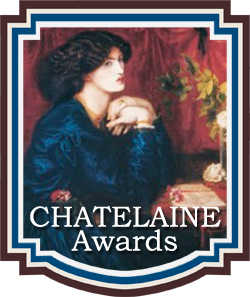
While one might the that the Chatelaine Awards would be the location of Women’s Fiction, especially with the image of Jane Morris being used when her story could be written as an excellent example of women’s fiction. If you’re interested in entering the Chatelaine Awards you can click here, and if you want to read more about our most recent Spotlight for the Awards, click here.
Jane Morris’ life is often said to be the inspiration for Eliza Doolittle in George Bernard Shaw’s My Fair Lady. Morris trained herself into being a lady, learning French and Italian while reading anything she could get her hands on. She was a renowned embroiderer, even running an embroidery company that did quite well. She was also the muse of pre-Raphaelite artist Dante Rossetti (the model for our Rossetti Awards). By the end of her life, she even managed to purchase the home she lived in so that her daughters would have an inheritance to support them after her death.
Audrey Hepburn as Eliza Doolittle
While Morris could be a great subject for a book of women’s fiction, her story is often peppered with romantic narratives, even in fictional retellings like My Fair Lady. It’s true that her husband and Rossetti all rented an apartment together, which allowed for Morris and Rossetti to have an affair while her husband was in Iceland, presumably with her husband’s knowledge as the painter and the subject were considered an open secret, though it seems a painful one for William Morris.
Surrounded by so much romance and intrigue, we couldn’t help but have Jane Morris’ portrait by her lover be the representation of the Chatelaine Awards, which leads us to the use of William Somerset Maugham as the representative of the Somerset Awards.
The Somerset Awards focuses on:
Contemporary Theme
Adventure/Suspense
Literary
Women’s Fiction + Family Themes
Satire/Allegorical
Magic Realism
Action/Adventure
Connections
Social/Psychological Themes
To read more or to enter the Somerset Awards, click here.
Of course, here we want to focus on the women’s fiction portion of that, though there is overlap. Somerset’s first novel that won him critical acclaim was Liza of Lambeth, (1897) which propelled him to become one of the highest paid authors of the turn of the century. He was inspired to write this novel while he was working as an obstetric clerk and medical student at a hospital in a working-class district of London. Somerset is known for his “shrewd understanding of human nature.Britannica
In the novel, Liza, like many women in novels of this era, has her life dictated by the men who surround her, unable to break free of the desires and expectations that surround her, ultimately leading to her death. This examination of consent and the harmfulness of denying women agency can be seen reflected in the urgency of the suffrage movement.
With his story of Liza, Somerset focuses on the hardships women face, especially concerning domestic violence and abuse. He highlights the lack of consequences men face for treating women like animals, and the ways in which people ignore clear signs of abuse as something that isn’t their problem or maybe even deserved. The novel Somerset writes is a critique of the time in which he lives, but is it women’s fiction?
Almost there…
Probably not by today’s standard.
Women’s fiction is difficult to define. Generally, we think Amy Sue Nathan did a good job in this article here, but our take is a little more personal. First, we do think that for a book to be considered in the genre of women’s fiction, it obviously has to focus on women. The next point is that the plot progresses alongside the narrator’s self, whether that be self-discovery, self-preservation, or even perhaps self-destruction (though storylines with a negative outcome can be difficult to fit into this genre).
Since Somerset’s telling of Liza’s story focuses on the ways in which she is denied agency rather than the ways in which she can focus on the self
The struggle with whether or not a book is women’s fiction resolves around the fact that the protagonist must be the one who, as Nathan says, “saves herself.”
The driving force of women’s fiction is the motivation of the main character to get herself from point A to point B to point C, learning and changing and growing and making mistakes along the way. What makes a women’s fiction main character tick is the methods by which she learns and changes and grows and makes mistakes. – Amy Sue Nathan
Even a little growth
Since the focus of women’s fiction is often growth, unhappy endings don’t always necessarily fit. Of course, endings that aren’t unhappy won’t automatically be happy, and women’s fiction often ends up with a complex ending that leaves the reader thoughtful and reflective on their own growth as they read along with the main character.
Of course a book that is considered women’s fiction can have many other themes, and could even fit into other Chanticleer International Book Awards (CIBAs) beyond the Somerset Awards. You can see the different genres in the books below:
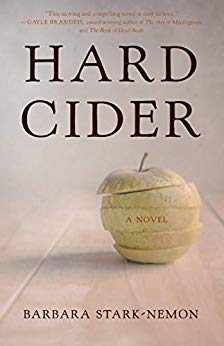
HARD CIDER by Barbara Stark-Nemon
Women’s Literature, Literary, Women’s Fiction
Grand Prize Winner in Somerset Awards (2018)
Abbie Rose Stone is a woman determined to follow her newly discovered dream of producing her own craft hard apple cider while navigating the ups and downs of family life with her grown sons and husband.
Abbie Rose knows how to deal with adversity, and dives headfirst into this new chapter of her life with energy and passion. She describes her early adulthood years of infertility struggles and the hardscrabble way she built her young family through invasive medical procedures, a surrogate attempt, and adoption barriers.
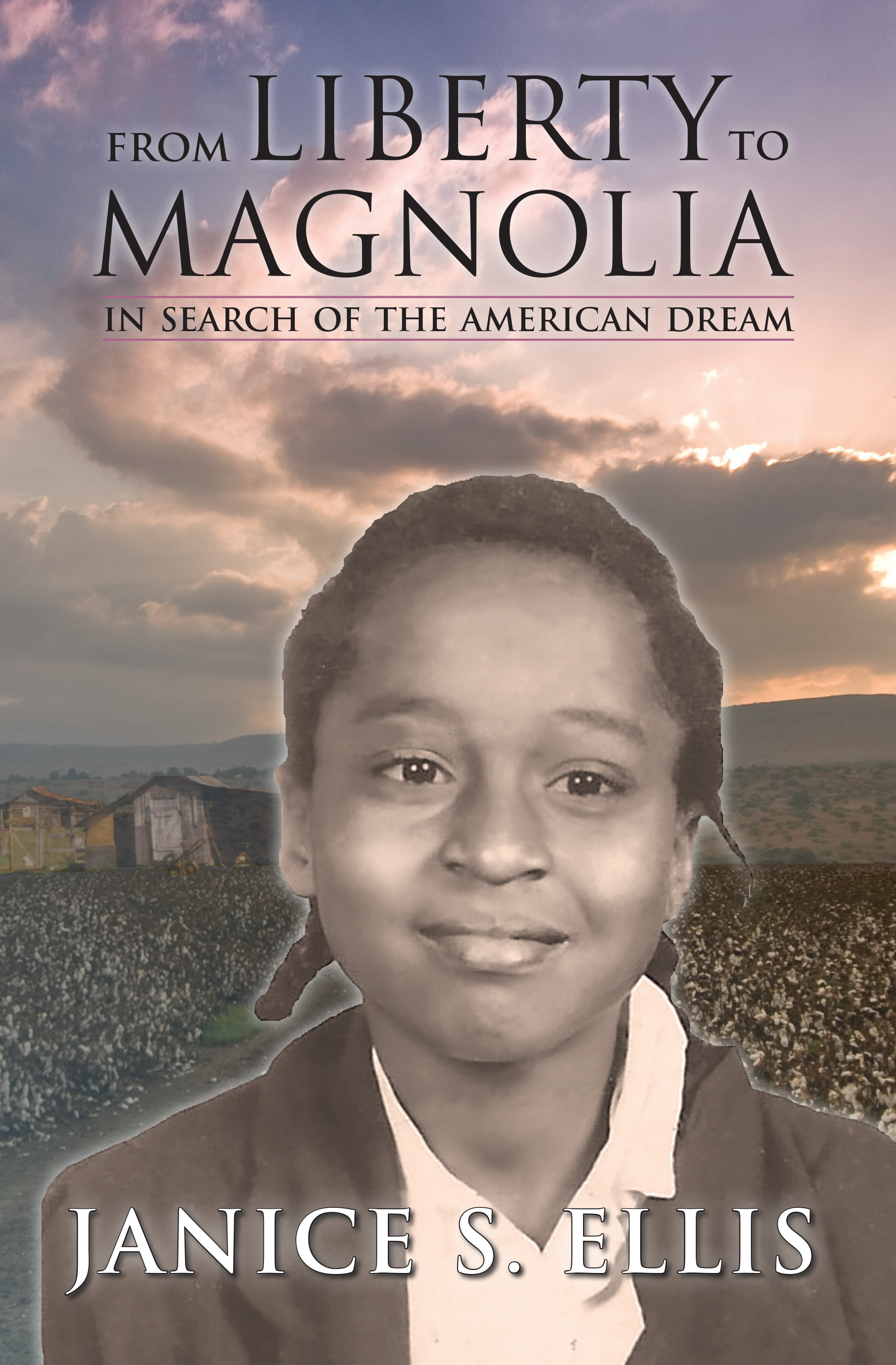
FROM LIBERTY to MAGNOLIA: In SEARCH of the AMERICAN DREAMby Janice Ellis, Ph.D.
Black History, Discrimination & Racism, Memoir, Non-Fiction
Grand Prize Winner in Journey Awards (2019)
As a black woman on a cotton farm in Mississippi in the 1960s, Janice Ellis could have resigned herself to a life full of status quo: never speaking up for herself, never speaking out against injustice or racism. Instead, she never let unsettling times define her or hold her back, even as a witness to some of the ugliest racial violence this country has seen. In her candid and thought-provoking memoir, From Liberty to Magnolia: In Search of the American Dream, Ellis vividly depicts her life in the South during the height of the Civil Rights and Women’s Rights movements.
Through fluid and skillful writing, Ellis recounts the battles she encountered due to her skin color or due to her gender: an abusive husband, discouragement to further her education, sexual and racial discrimination in the workplace, a lack of support from friends and family when she runs for election. Despite these mounting obstacles, she goes on to earn her Ph.D., lands leadership roles and furthers her career, and even runs for mayor in a major US city. Her faith in God and her unwavering belief that the American Dream should be accessible and attainable to everyone are what lead her.
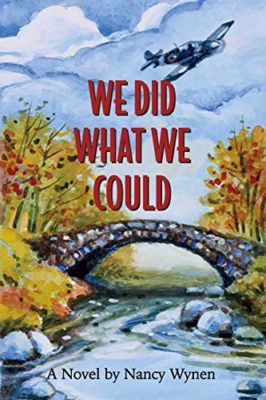
WE DID WHAT WE COULD by Nancy H. Wynen
Historical Fiction, WWII Women’s Fiction, Literary Fiction
Nancy Wynen’s We Did What We Could is a well-conceived, smart, character-driven novel set across a grand European landscape. Here a formidable trio of young women groomed for mere social status demonstrates their strength, endurance, and courage as they move beyond the walls of academia to experience careers. The three must also deal with relationships, family expectations, and life issues amidst the often devastating and upending climate of war.
Lady Archer is a widow from the Great War. As Assistant Head Mistress at St. Martin’s School, she feels girls should receive solid educations and prepare for real professions. With her high level of social ties, Archer looks for “future perfect leaders” within each new graduating class, possessing ideal traits of intelligence and creativity. In May of 1936, Archer sets her sights on three such proteges whose memorable antics foretell their potential for more significant life accomplishments.
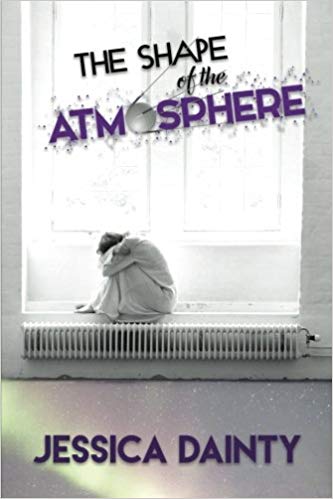
The SHAPE of the ATMOSPHEREby Jessica Dainty
Literary, Psychology, Women’s Fiction
Jessica Dainty’s, The Shape of the Atmosphere is remarkable for its startling realism, its gritty young heroine, and its hopeful conclusion.
When Gertie’s father and sister are killed in an accident on Gertie’s sixteenth birthday in 1957, she is left with one cherished memory: viewing the heavens with her father on the night of the world-changing Sputnik flight.
After the funerals, Gertie wounds herself as a way of coping with her inner anguish, after which her alcohol-addicted mother commits her to an insane asylum. Such institutions were considered modern and scientifically advanced for their time, but as author Jessica Dainty frankly depicts, Gertie’s new home is a combination prison and torture chamber. The naïve but intelligent girl soon becomes acquainted with such therapies as immersion in icy cold water and electroshock (both designed to calm the inmates), as she gradually gets to know her fellow patients, the women on Ward 2.
DISOWNED – The RED-HEELED REBELSSeries Novel One by Tikiri
Women’s Adventure, Thriller/Suspense, International Crime
Spanning three continents and taking on crucial issues of child marriage and human trafficking, Disowned features a brave teen heroine struggling against international criminality with nothing but her wits and grit.
Asha, born in Tanzania, is still a child when her parents are tragically killed while on a family safari in Kenya. Within a short period of time she is transported to Goa, India, to live with relatives she has never met. Her grandmother is an angry, culture-bound crone, her aunt and cousin living, as Asha now must, under the old woman’s seemingly heartless sway.
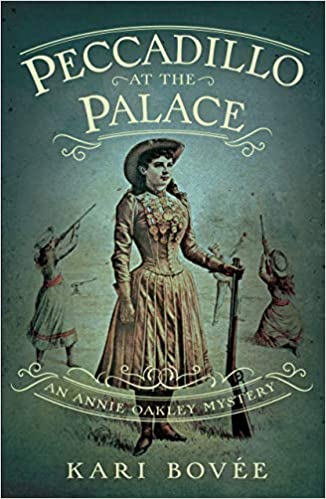
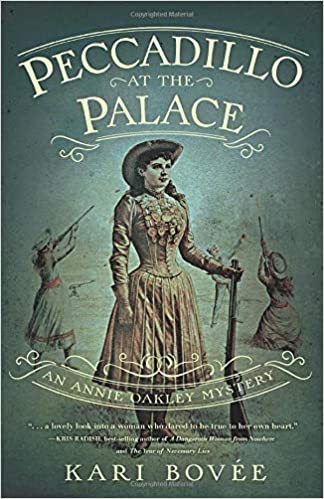
PECCADILLO at the PALACE: An Annie Oakley Mystery by Kari Bovée
Historical Thrillers, Women’s Historical Fiction, Biographical Fiction
Grand Prize Winner in Goethe Awards (2019)
Kari Boveé’s Peccadillo at the Palace, the second book in the Annie Oakley Mystery series, is a historical, mystery thriller extraordinaire. Fans of both genres will thrill at Boveé’s complex plot that keeps us guessing from its action-packed beginning to the satisfying reveal at the end.
The book opens with the Honorable Colonel Buffalo Bill Cody’s Wild West Show to England on a voyage to perform for Queen Victoria. They are not on the high seas long, when Annie’s beloved horse, Buck, jumps overboard. Her husband and the Queen’s loyal servant, Mr. Bhakta, jump in to save the horse, or was Mr. Bhakta already dead before he reached the water? Thus, begins the mystery of who killed Mr. Bhakta, leaving all to wonder, is the Queen safe?
We appreciate you spending time with us in celebration of International Women’s Day!
Looking to join the Chanticleer family?
Register for VCAC 21 here! Registration will include access to video recordings of the conference. April 21- 25, 2021. Multichannel Marketing for Authors and Intermediate and Advanced Writing Craft
See all our Chanticleer International Book Awards here.
Chanticleer’s own online community offering a private place to discuss craft and marketing with authors, in addition to receiving steep discounts on many Chanticleer services. Read more here.
Grace Michelle never asked for stardom or fame. Content to sew costumes with her mentor Lucile, Lady Duff Gordon, Grace doesn’t need adoration from anyone. Still, when her sister Sophia, a rising starlet in the Ziegfeld Follies, begins a rapid downhill spiral and then ends up dead, Grace is thrust into the spotlight by Florenz Ziegfeld Jr.
Florenz, or Flo, was her savior, rescuing Grace and Sophia from a life on the streets when they were mere children. He enrolled the girls in dance, voice, and acting lessons, too. Now, Grace feels obligated to take up the reins and save his floundering Follies. Grace knows her sister’s death was no accident and definitely not the suicide those around her believe. However, the only place to find the truth is California, where her sister was last seen alive with her new husband, Jack Pickford, brother to the famous actress Mary Pickford.
When Flo sends Grace to Hollywood on a promotional tour, Grace reluctantly agrees, even though it means traveling with Chet Riker, a private investigator indebted to mobster and Flo’s financier, Joe Marciano. Haunted by Sophia’s death and overwhelmed by the pressure to bring Flo success, Grace doesn’t need to fall for the handsome stranger, but neither can deny the longing they feel. As Grace gets closer to the truth, she realizes everyone is keeping secrets, even Chet, and the only person she can rely on is herself. But will she be enough?
A significant issue raised within the novel is that of female independence. At twenty years old, Grace is just beginning to understand who she is and what she wants from life. Having moved from seamstress to junior designer, she is finally on the path she most desires, one spent in the shadows of the stage, not in the gleaming gel lights her sister so loved.
As Grace finds her voice literally and figuratively, she knows she cannot follow in her sister’s footsteps, neither on stage nor in life. As she investigates Sophia’s death, she becomes emboldened and more sure of herself. Grace learns to challenge those in power, people who would have terrified her before. The more strength she finds, the more righteous anger develops. Though she will fulfill her obligatory role in Flo’s latest scheme, Grace vows to fight for freedom once the promotion trip is over and to never again allow a man to take care of her but to put her own feet on the ground when and where she chooses.
Chet Riker is more than just a pretty face. Tall, dark, and handsome, he fits the image of most romance heroes; however, Chet’s story adds another layer to this period thriller. Chet is haunted by his memories of World War I, a man with a complicated past, but not in the expected “brooding hunk” way. Chet was given up by his mother when he was a boy. Old enough to remember her, Chet spent his life wanting to find her again someday, but when he does, he discovers she is dying and in need of an expensive operation. Money is needed, and that need leads him indebted to a vicious mobster. That debt takes him to Flo, who then attempts to use him in an illegal scheme and eventually sets him up as an unwitting conspirator in his machinations to use Grace. He knows he must pay off his debts or risk his PI career–and possibly his life. Torn between his anger at being used by these two men and his newfound love of Grace Michelle, Chet will have to decide between honor and honesty or ruthlessness and reputation. His story, much like Grace’s, will force him to fight for independence or to remain a captured pawn in a game of titans.
Set against the glamorous stage of the Roaring Twenties, this star-studded whodunnit will not disappoint fans of mystery and history. Grace in the Wings won First in Category in the CIBA 2019 Chatelaine Awards for Romantic Mysteries.
The GOETHE Book Awards recognize emerging new talent in post-1750s Historical Fiction. The Goethe Book Awards is a division of the Chanticleer International Book Awards (The CIBAs).
The Goethe Book Awards competition is named for Johann Wolfgang von Goethe who was born at the dawn of the new era of enlightenment on August 28, 1749.
Chanticleer International Book Awards is looking for the best books featuring Late Period Historical Fiction. Regency, Victorian,18th Century, 19th Century, 20th Century, World and other wars, history of non-western cultures, set after the 1750s, we will put them to the test and choose the best among them. The Short Listers’ works will compete for the Semi-Finalists positions. Semi-Finalists will be announced and recognized at the CAC21 banquet and ceremony. We will announce the 1st Place Category winners and Grand Prize Division Winners at the CIBA Ceremonies April 21-25th, 2021 at the luxurious Hotel Bellwether in Bellingham, Wash. at the 2021 Chanticleer Authors Conference–whether virtual, hybrid, or in-person.
These titles are in the running for the SHORT LIST of the 2020 Goethe Book Awards for post-1750s Historical Fiction.Good luck to all as your works move on to the next rounds of judging.
James Hockenberry – Send The Word
Helena P. Schrader – Where Eagles Never Flew: A Battle of Britain Novel
Conor Bender – Jubilee
Linda Ulleseit – The Aloha Spirit
Eileen O’Finlan – Erin’s Children
Jon Duncan – Heart of the Few
Grahame Shannon – Bay of Devils
Leslie K. Barry – Newark Minutemen
T. Matt Ryan – One Hell of a Shipmate
Richard Alan Schwartz – Wind Chimes, War and Consequence A Novel of the Vietnam War Era
Kari Bovee – Folly at the Fair
James Padian – A Patriot’s Challenges
Betty Bolte – Becoming Lady Washington
Betty Bolte – Notes of Love and War
Carrie Kwiatkowski – Revolution
Kit Sergeant – The Spark of Resistance: Women Spies in WWII
J.P. Kenna – The Anarchist Girl’s Confession
Jomo Merritt – Sons of a Mauffen King
Lindsey Fera – Muskets and Minuets
J.L.Oakley – The Quisling Factor
Brigitte Goldstein – Babylon Laid Waste-A Journey in the Twilight of the Idols
D.V Chernov – Commissar
Gail Noble-Sanderson – The Lavender Bees of Meuse
Michelle Cameron – Beyond the Ghetto Gates
Kathryn Gauci – The Poseidon Network
Dorothea Hubble Bonneau – Once in a Blood Moon
Kate Dike Blair – The Hawthorne Inheritance
Nancy H. Wynen – We Did What We Could
John M. Millar – The Wars Among the Paines
Pamela Jonas – Beneath a Radiant Moon
John Hansen – Secrets of the Gros Ventre
Elizabeth Bell – Necessary Sins (Lazare Family Saga, Book One)
Eileen Harrison Sanchez – Freedom Lessons – A Novel
Elizabeth St. Michel – Lord of the Wilderness
Donna Scott – The London Monster
Jerena Tobiasen – The Destiny, Book III of The Prophecy
Jerena Tobiasen – The Emerald, Book II of The Prophecy
Jerena Tobiasen – The Crest, Book I of The Prophecy
Jenny Ferns – Ripple Effect: Because of the War
Gin Westcott – Tangle of Time
James Ross – Hunting Teddy Roosevelt
Jule Selbo – Breaking Barriers: A Novel Based on the Life of Laura Bassi
Linda Stewart Henley – Estelle: A Novel
Gregory Erich Phillips – Guilty as Angels
Vicky Oliver – Love and Suffrage in Manhattan
Roger Newman – Will O’ the Wisp: Madness, War and Recompense
Theo Czuk – Hastings Street: Boulevard of Blues
Sandra Perez Gluschankoff – Thorns for Raisel
Ben Wyckoff Shore – Terribilita
Carmela Cattuti – Between the Cracks: one woman’s journey from Sicily to America
Wendy Long Stanley – The Power to Deny
David Selcer – The Old Stories, a.k.a Da Alt Geshikhtem
Pyram King – Destiny’s War – Part 1: Saladin’s Secret
Lucinda Brant – Deadly Kin: A Georgian Historical Mystery
Cris Harding – Red Wing
Good Luck to All!
Which of these works will move forward in the judging rounds for the 2020 Goethe Book Awards for post-1750s Historical Fiction?
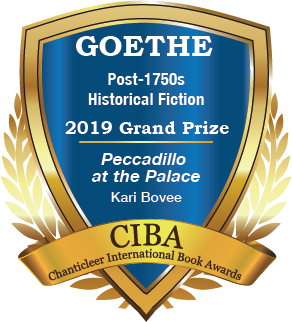
Congratulations to Kari Bovee whose work Peccadillo at the Palace – An Annie Oakley Mysterytook home the Grand Prize for the 2019 Goethe Book Awards.
Kari Bovée’s Peccadillo at the Palace, the second book in the Annie Oakley Mystery series, is a historical, mystery thriller extraordinaire. Fans of both genres will thrill at Bovée’s complex plot that keeps us guessing from its action-packed beginning to the satisfying reveal at the end.
The book opens with the Honorable Colonel Buffalo Bill Cody’s Wild West Show to England on a voyage to perform for Queen Victoria. They are not on the high seas long, when Annie’s beloved horse, Buck, jumps overboard. Her husband and the Queen’s loyal servant, Mr. Bhakta, jump in to save the horse, or was Mr. Bhakta already dead before he reached the water? Thus, begins the mystery of who killed Mr. Bhakta, leaving all to wonder, is the Queen safe?
Someone wanted the Queen’s man dead, and he is, but was it a matter of racism, intrigue, or an accident? Annie’s search for clues points her in several directions, but is it the doctor, or the woman dressed in rags with the posh accent, or the crass American businessman and his floozy wife? All have motive. Even Annie’s husband has motive with his Irish background and ties to the Fenians and the Irish Republican Army (IRA).
Annie rushes through her days, trying to find clues and care for her husband who fell ill on the voyage and isn’t recovering. Is her husband’s illness seasickness, flu, or something else? Her husband forbids her to search for clues, fearing that Annie will get herself in over her head, but “Little Miss Sure shot” has no fear – as long as she’s packing her pistols.
Annie follows her leads from the ship, the State of Nebraska, to the show’s camp at the Earl’s Court, the market, and the Queen’s court. In a sea of suspects, everyone looks guilty. But, are Annie’s hunches always right?
This wild romp through England’s royal court is sure to thrill readers as tantalizing clues lead us astray; even as the body count rises and suspects are murdered.
Peccadillo at the Palace by Kari Bovée is a page-turner from beginning to end, so much so, that Bovée took home the Grand Prize in the CIBA 2019 GOETHE Awards for Historical Fiction. Readers will burn the midnight oil with this one. Highly recommended.
A marvelous, riveting whodunit with a complicated hero in Annie Oakley at the helm. A perfect read for mystery lovers and one we love. Highly recommended.
We are deeply honored and excited to continue to announce the 2019 Winners of the Chanticleer International Book Awards (The CIBAs).
The winners were recognized at the Virtual Chanticleer Authors Conference and Awards Ceremonies that were held on during VCAC September 8 – 13, 2020 by ZOOM webinars based at the luxurious Hotel Bellwether, Bellingham, Wash.
We cheered on the CIBA Premier Finalists with our bubbly of choice from wherever we were Zooming!
The CIBA announcements were made LIVE with Chanticleerians participating and interacting from around the globe and North America. A virtual happy hour was held following each evening’s announcements.
We want to thank all of the CIBA judges who read each and every entry and then comment, rate, and rank within each of the 17 CIBA Divisions. Without your labors of love for books, the Chanticleer International Book Awards would not exist. THANK YOU!
We want to thank all of the authors and publishers who participated in the 2019 Chanticleer International Book Awards (the CIBAs). Each year, we find the quality of the entries and the competitiveness of the division competitions increasing exponentially. We added a new level to the judging rounds in 2019—the premier Level of FINALIST per each CIBA Division. The CIBA judges wanted to add the Finalist Level of Achievement as a way to recognize and validate the entries that had outstanding merit but were not selected for the very few First Place Award positions within each genre division.
Grand Prize Ribbons!
We are honored to present the
2019 Chanticleer International Book Awards
Grand Prize Winners
The 2019 CIBA Winners!
The LARAMIE Book Awards for American, Western, Pioneer, Civil War, and First Nation Novels
The Grand Prize Winner is
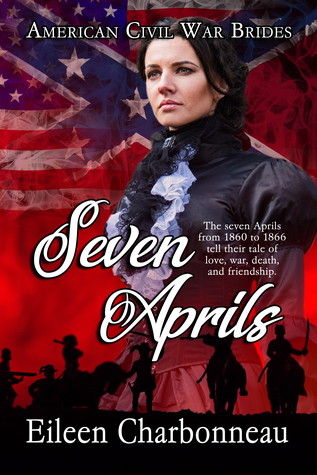
SEVEN APRILS by Eileen Charbonneau
E. Alan Fleischauer – Rescued
Lynwood Kelly – The Gamble: Lost Treasures
David Fitz-Gerald– Wanders Far-An Unlikely Hero’s Journey
Juliette Douglas – Bed of Conspiracy
John Hansen –Hard Times
J. R. Collins – Spirit of the Rabbit Place
The CHAUCER Book Awards for
Pre-1750s Historical Fiction
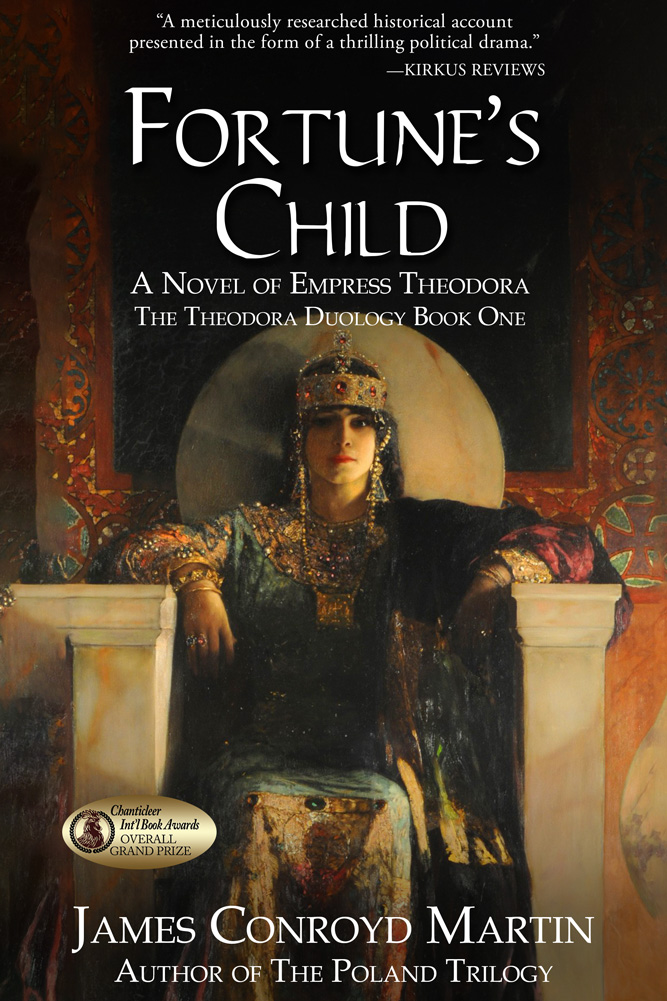
Grand Prize Winner is
FORTUNE’S CHILD: A Novel of Empress Theodora
by James Conroyd Martin
Gail Avery Halverson for The Skeptical Physick
Linda Cardillo for Love That Moves the Sun: Vittoria Colonna and Michelangelo Buonarotti
June Hall McCash for Eleanor’s Daughter: A Novel of Marie de Champagne
James Hutson-Wiley for The Sugar Merchant
Catherine Mathis for Death in Coimbra
Patricia J. Boomsma for The Way of Glory
A.L. Cleven for 26.2
The GOETHE Book Awards for
Post-1750’s Historical Fiction
Grand Prize Winner is
PECCADILLO at the PALACE by Kari Bovee
Vanda Writer for Paris, Adrift
PJ Devlin for Wissahickon Souls
Mary Adler forShadowed by Death: An Oliver Wright WWII Mystery
Mike Jordan forThe Runner
J.G. Schwartz forThe Pearl Harbor Conspiracy
LITTLE PEEPS Book Awards for
Early Readers and Picture Books
Grand Prize Winner is
GALDO’S GIFT: The Boovie
by Trevor Young & Eleanor Long
Sylva Fae and Katie Weaver forElfabet
Lauren Mosback forMy Sister’s Super Skills
Norma Lewis for Totem Pole
Kizzie Jones for A Tall Tale About Dachshunds in Costumes: How MORE Dogs Came to Be
Justine Avery forWhat Wonders Do You See… When You Dream?
Kasey J. Claytor for Pinky and The Magical Secret He Kept Inside
Robert Wright Jr forMummy in the Museum
GERTRUDE WARNER Book Awards for
Middle-Grade Books
Grand Prize is
The VALLEY of DEATH, Book 5 by Alex Paul
Amber L. Wyss – Phoenix Rising
M.J. Evans – PINTO!
Beth Stickley – Tarnation’s Gate
Rey Clark – Legends of the Vale
Laura M. Kemp – Burnt Feathers
Alex Paul – The Valley of Death, Book 5, Arken Freeth and the Adventure of the Neanderthals
C.R. Stewart – Britfield and the Lost Crown
Trayner Bane – Windhollow and the Axe Breaker (Windhollows, Book 3)
Carolyn Watkins – The Knock…a collection of childhood memories
The DANTE ROSSETTI Book Awards
for Young Adult Fiction
Grand Prize Winner is
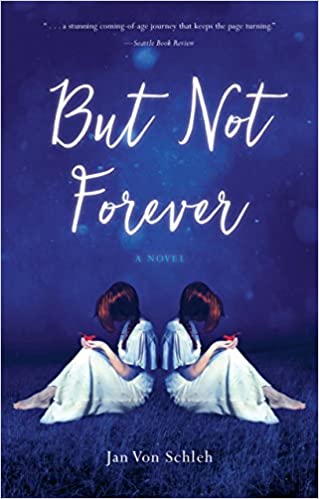
BUT NOT FOREVER by Jan Von Schleh
Michelle Rene–Manufactured Witches
Nancy Thorne–Victorian Town
Susan Brown–Twelve
Sandra L Rostirolla–Cecilia
David Patneaude–Fast Backward
John Middleton–Dillion & The Curse of Arminius
Congratulations to ALL!
We will email each winner with more information about their prize packages and more information.
Be sure to FOLLOW and LIKE us Facebook and on Twitter @ChantiReviews
Please standby for our next posts that will honor:
As always, if you have any questions, concerns, or suggestions, please email us at Chanticleer@ChantiReviews.com We will try to respond within 3 business days.
Thank you for joining us in celebrating the 2019 CIBA Winners! – The Chanticleer Team
Congratulations to the First Place Category Winners and the Grand Prize Winner of the GOETHE Book Awards for Post-1750s Historical Fiction, a division of the 2019 CIBAs.
The Search for the Best New Post-1750s Historical Fiction
Chanticleer Book Reviews is celebrating the best books featuring Late Period Historical Fiction. Regency, Victorian, 18th Century, 19th Century, 20th Century, World and other wars, History of Non-Western cultures – all set after the 1750s. We love them all.
The 2019 GOETHE Book Awards First Place Category Winners and the GOETHE Grand Prize winner were announced at the Virtual Chanticleer Authors Conference that was broadcast via ZOOM webinar the week of Sept 8 -13, 2020 from the Hotel Bellwether in Bellingham, Wash.
Kaylin McFarren, CLUE Grand Prize winner 2017 – Twisted Threads, announced the 2019 GOETHE Book Awards.
This is the Official 2019 LIST of the GOETHE Book Awards First Place Category Winners and the GOETHE Grand Prize Winner.
Congratulations to All!
Vanda Writer – Paris, Adrift
Kari Bovee – Peccadillo at the Palace
PJ Devlin – Wissahickon Souls
Mary Adler – Shadowed by Death: An Oliver Wright WWII Mystery \
Mike Jordan – The Runner
J.G. Schwartz – The Pearl Harbor Conspiracy
The GOETHE Book Awards
Grand Prize Winner is
Peccadillo at the Palace – An Annie Oakley Mystery
by Kari Bovee
This is the digital badge for the 2018 GOETHE Grand Prize Winner – The LOST YEARS of BILLY BATTLES by Ronald E. Yates.
How to Enter the GOETHE Book Awards?
We are accepting submissions into the2021 GOETHE Book Awardsuntil June 30, 2021. Submissions into the 2020 CHAUCER Book Awards are closed.
The 2020 GOETHE Book Awards winners will be announced at CAC 21 on April 17, 2021.
A Note to ALL the WINNERS: The coveted CIBA Blue Ribbons will be mailed out starting in mid-October. We will contact you with an email to verify your mailing address and other items. We thank you for your patience and understanding.
If you have any questions, please email info@ChantiReviews.com ==we will try our best to reply in 3 or 4 business days.

 The Goethe Book Awards recognize emerging new talent in post-1750s Historical Fiction. The Goethe Book Awards is a division of the Chanticleer International Book Awards (The CIBAs).









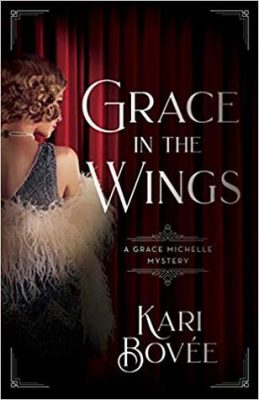
 Grace Michelle never asked for stardom or fame. Content to sew costumes with her mentor Lucile, Lady Duff Gordon, Grace doesn’t need adoration from anyone. Still, when her sister Sophia, a rising starlet in the Ziegfeld Follies, begins a rapid downhill spiral and then ends up dead, Grace is thrust into the spotlight by Florenz Ziegfeld Jr.



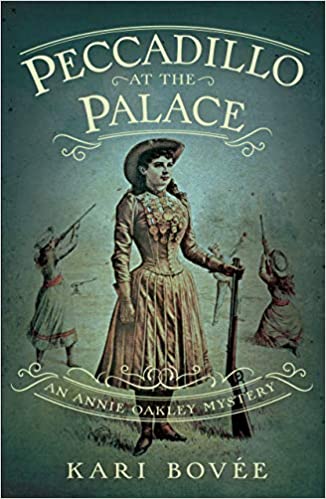
 Kari Bovée’s Peccadillo at the Palace, the second book in the Annie Oakley Mystery series, is a historical, mystery thriller extraordinaire. Fans of both genres will thrill at Bovée’s complex plot that keeps us guessing from its action-packed beginning to the satisfying reveal at the end.