The CIBA Banquet and Ceremony is the crowning event of the Chanticleer Authors Conference.
The FINALISTS
We recognize and celebrate the FINALISTS whose works have advanced up through the Levels of Achievement at the annual conference. Their works came a long way to reach the coveted FINALIST Level of Achievement. All Finalists are notified by direct email that includes links, digital Finalists Division Badges to use for promotion of the work in social media, digital and print promotions.
In addition to the digital badges, the Finalists for each CIBA division are posted on the Chanticleer website, emailed out to our entire subscriber list, posted on Facebook, Linked In, and Twitter.
Book to Film Sessions (See Maggie Marr, Atty workshop on Book to Film)
The Business and Marketing side of being an Author – Technologies, Trends, Legal, & Forecasts
FLYWHEELS: Book Promotion and Increasing Book Sales – Methods, Techniques, and Tools and Long-Tail Marketing Flywheels
The All Important ALPHABET SOUP for Book Distribution and Sales (SEO, AISEO, BISAC Codes, Meta-Data, Keywords)
Branding – Yes, you need it!
Audio-Books for Authors – Tried and True methods without breaking the bank
And waaaay too many other sessions to list here.
The CIBA Banquet and Awards Ceremony!
Janet Shawgo overjoyed with her Chatelaine Book Awards Grand Prize! We love this photo!Jesikah Sundin when her name was announced for the OZMA Fantasy Grand Prize
Avanti Centrae with coveted Blue Ribbons awarded to her at the CIBA banquet ceremony.
The Icing on the Cake, the Crowning Moment, the Highlight of the conference is the CIBA Banquet and Awards Ceremony that is held on Saturday evening of the conference.
The CIBA Banquet and Ceremony
First, we start with a cocktail hour (five-thirty in the afternoon with a cash bar, complimentary appetizers are served at six o’clock in the evening.
Most every one is dressed to impress – either “in brand,” posh, or “after-five” special. Of course, this is Bellingham, so there will always be those who bring out their best fleece and wool socks!
The ceremony photographer is set-up to take complimentaryheadshots, group photos, and, of course, photograph the ceremony announcements and presentations. After the event, he continues with division group photos, winner photos, cheering sections photos—a lot of photos—that attendees may download digitally for free!
FINALIST attendees are given a Finalist Ribbon to attach to their name badge upon registration pick-up—btw.
Who will take home the coveted Chanticleer Blue Ribbons?
At seven o’clock in the evening, each attendee is handed a ceremony program with all the Finalists listed by division.
Next, we are seated for a lovely dinner catered by the Hotel Bellwether. Acknowledgements, a short keynote presentation, and recognition of the Finalists in attendance during the salad course.
Then we enjoy the Northwest inspired dinner prepared by the Hotel Bellwether’s Executive Chef Marcello Mazzoleni.
After dinner, coffee and dessert (the cash bar stays open the entire time!) are served and we begin the announcements for the Division First Place Award Winners. We have a small break and photo opportunities.
Next, we announce the Division Grand Prize Winners. And, finally, the Overall GRAND PRIZE WINNER of the 2022 CIBAs!
More photos are taken!
At the end of the glorious evening, we all head to the Hotel Bellwether’s fireside bar to gather and enjoy each others company and congratulate the winners!
The next day is Sunday. We get started at 10 a.m. (due to the previous evenings festivities). The Book Fair opens to the general public at noon!
Each CIBA Division FINALIST receives a $100 discount code for CAC 23 and the 2022 CIBA’s Ceremony via email to attend and join in the celebrations!
OH! And I forgot to mention the $30,000 USD in cash and prizes awarded to the winners!
And the CIBAs HALL of FAME for continued long-tail marketing and promotion.
Do you have to attend to win? No. But it sure is a lot more fun!
Meanwhile, CAC attendees are learning from the BEST! And increasing their circle of other publishing industry professionals.
As always, if you have any questions please email KBrown@ChantiReviews.com or DBeaumier@ChantiReviews.com (Author Outreach).
I wrote the first draft of my award-winning historical novel,Hour Glass, in sixteen days.You read that correctly—sixteen days. My experimental novella,Tattoo, was written in about three weeks. Both have been released in 2018.
Though I am intensely proud of this accomplishment, I’m not telling you this to brag. I’m telling you that you can do this, too.
“Sit down every day to write. Even if you don’t want to. A little every day.” –Michelle Rene
Sounds like a line you’ve heard before, right? Yeah, me too. It’s not that this is bad advice. Far from it. Many people find this the best way for them to consistently write draft after draft. But if you really want to knock that rough draft out of the park, I’m going to ask you to kick that notion to the curb.
I’m not magical; I’m a binge writer, and none of the ideas in this article are uniquely mine. Most of them are exercises I’ve stolen from other writers. I used to be just like you because I was led to believe novels should take years to write. I would write a chapter, go back and edit it, and then proceed to the next one. A first draft took me over a year to complete.
It wasn’t until I decided I really needed to finish my novel, I Once Knew Vincent, that I decided to shove my face in the cold, scary, deep end of the writing ocean. I went away to a writer’s retreat and forced myself to write as much as I could every day. I wrote the lion’s share of that book in six days, and those chapters were by far the best in the book.
Why is that?
Isn’t it counterintuitive that the chapters written in a whirlwind of typing be the best? I’m glad you asked, nebulous reader voice in my head. Let’s delve into that.
Why Write This Fast?
Nothing kills a book faster than never finishing that initial draft. A malaise sets in, often slowing a writer down to a crawl while they chip away over a long time and often give up entirely.
“Will I ever finish this book?” the writer asks, (fists raised to the sky for dramatic effect).
Maybe. Maybe not. That first draft is possible if you pick yourself up by your metaphorical bootstraps and do the work every day, but a large percentage of writers never cross the finish line. What a shame that is!
Strangely, there is a raw emotion that comes from writing something so fast you don’t have time to noodle it to death.
How excited are you when you first start fleshing out a story? How amazing does it feel to start naming your characters and setting up their scenes in your mind? Fan-freaking-tastic!
This is because you are in the beginning of abook affair.
Writing a book is like having a relationship. In the beginning, it’s like a honeymoon! You feel all the emotions. Love and pain and excitement and lust. Well, okay. Maybe not lust. Paper cuts hurt, so let’s not go there.
“Writing a book is like starting a new relationship.” Michelle Rene
The point is the first draft should be all elation and honeymoon. Leave the nitty-gritty for your fifteenth edited draft. You don’t want to be sitting in a rocking chair with your first draft complaining about how much he snores before you even get to edit. Taking years to write that first draft can land you in complacency town before you cross the finish line. Pour your heart and soul into the rough draft with reckless abandon.
“Pour your heart and soul into the rough draft with reckless abandon.”– Michelle Rene
“But nothing good can come from my sloppy first draft if I write it in a few weeks,” says the nebulous reader voice in my head that’s starting to sound whiny.
Please refer to the infographic below. It lists some of the most popular books and how long it took the writer to finish them. WhileLord of The Ringstook a whopping sixteen years to complete (no shocker there), I’d like to direct your attention to roughly a quarter of the chart that indicates books written under three months. If theBoy in the Striped Pajamaswas written in two and a half days, you can write something of quality in four weeks. Write Fast. Edit Slow.
Hugh Howey wrote the sensational bestselling science fiction story WOOL in four weeks during NaNoWriMo 2011.
Water for Elephants was drafted by Sara Gruen in four weeks.
Jack Kerouac’s semi-autobiographical tale, On the Road, took three weeks to write the first draft.
How Do I Start?
Let’s begin with talking about the snarky, three-hundred-pound elephant in the back of your mind. Your inner editor. We are going to bind and gag that jerk, and it may take fifty shades worth of rope because it’s three-hundred pounds and takes up a lot of headspace.
Write Fast! Edit Slow!
Sara Bale, an extremely prolific romance writer, has similar advice for your would-be-elephant editor.
“I think the biggest mistake an author makes when writing a rough draft is stopping and rereading/editing their work. The key is to keep moving forward and get the whole story out. Know the beginning and the ending. If you have those elements, the rest is easy.”
Sara Bale
“The key is to keep moving forward and get the whole story out.” Sara Bale
The passionate ideas come when the critic in our mind is silenced.
Your visceral idea is key, and I will not accept the old “I don’t know what to write about” excuse. You are here to pour your heart and soul into a story. If you are having a hard time with inspiration, here’s a handy dandy exercise to help that I stole from a writer’s workshop I attended.
Sit down with a piece of paper and a pen. Yes, a real piece of paper and pen. No cheating with keyboards. I know, I know. Your handwriting is horrible because all you do is type now. My handwriting looks like a serial killer’s ransom note, so I totally understand, but stick with me.
Next, set a timer for ninety seconds.
Hit start, write the first thing that comes to your mind and don’t stop until that timer goes off. No contemplating it. No editing your idea and wondering if Stephen King has already done it. He probably has. Just write, no excuses, for the whole ninety seconds.
Go ahead… I’ll wait…
You back? Okay. I’m not a betting woman, but I would put money on what you wrote was pretty damn good.
Whether or not that is the idea you run with doesn’t matter. It’s an exercise to get the creative juices flowing. Use that. Build your characters. Plot the story fast and loose. Fall in love with your story. Get down and dirty in that honeymoon phase…but not literally because remember the paper cuts. We talked about that.
And finally, outline! For the love of all that is holy, outline your story! Do not do this flying by the seat of your pants. That is a sure-fire way to crash and burn. It doesn’t need to be an in-depth outline. On the contrary, keep that pretty loosey-goosey, too.
My outlines are often little more than a few sentences for each chapter.
Time Management
Okay, you have your outline, your idea, and your story. Let’s do this. The clock begins when you type “Chapter One” or “Prologue” if you want to be fancy. Let’s use NaNoWriMo (National Write a Novel in a Month) rules as I find these to be the best guidelines: 50,000 words in four weeks.
So four weeks. That’s your mission.
Write Fast. Edit Slow.
Select a four-week span of time in your life that you can devote to writing. Don’t sabotage yourself by doing this during a family vacation or when it’s the busy season at work. Choose a month that will allow you some time to devote to this endeavor because it is important.
For that month, give up on being the best mom, husband, wife, etc. Let your family know that this is going to be what you are doing for this month, and they can have you back after it’s over. The laundry can wait. Order in food. Maybe shower because, well, hygiene.
Editor’s Note: I totally agree with Michelle. November can be an impossible time for many because of increased work demands, family demands for the approaching holidays, the doldrums due to shorter and shorter days. The main thing is to pick a time that works for you. It can be NaFebWriMo if you have to put in overtime starting in November for the holiday season, or NaJulyWriMo – if you are a teacher. Find a time period that works for you and stick with it! Put it on your calendar. Alert your friends and family.
I highly, highly, highly recommend you track your progress. Doing a rough draft during NaNoWriMo is a great idea. This happens in November, and the organization sets you up for a win. You have a word tracker, writer friends to cheer you on, and helpful articles when you get stuck. If November is not a good month for you, try a program like WriteTrack. It will help you keep up with your progress.
Insider secret: Don’t shoot for the minimum goal. If your tracker says you need to write 2,000 words that day, shoot for 3,000 or 4,000. It’s easy to fall behind only doing the bare minimum; but if you’re always ahead, you have a little breathing room.
The Black Hole of the Internet
Can someone say distractions? Turn those notifications off! Set your phone to do not disturb except for emergencies. Hang a banner on your doorknob with a picture of Gandalf saying, “Thou shall not pass!” Get away from the addicting vacuum of social media. It will be there when you get back.
“That’s all well and good if you are writing something you just made up, but what about people who need to research their content?” asks nebulous reader voice again.
WithHour Glass, I wrote a historical fiction novel about Calamity Jane. There was definitely some research involved there. I did as much as I could before the writing began, mainly broad stroke things: dates, places, and a few good details relevant to the story. Nothing more.
Research is the most unassuming trap in writing. You’re on a good writing jag, everything is flowing, and then you hit a spot where you need the name of a city or a date or a vocabulary word. You have to have that accurate information, right? So you switch to the internet and start researching. Well, that first page on a website leads you to another, which leads you to Facebook; and then before you know it, it’s been three hours, and you lost your momentum.
Broad stroke your research before you start; but while you’re writing, don’t research. If you need the name of a city, don’t go looking. Just write something like, “He rode into the sunset hoping his horse knew the way to {insert city name}.” Get the story down, and go back in later to fill in those brackets.
Write your story from the heart and with passion. Research and accuracy can be added later.
Write Fast! Edit Slow!
The Middle Stick
It’s right around the 30,000-word mark that this happens. The Middle Stick is what I call the point where your initial enthusiasm begins to wane, and your progress gets sluggish. What began as “yay, I’m writing a book” turns into “I don’t know if I can do this.” It happens to everyone.
This is where participating in programs like NaNoWriMo can be helpful. Having other writers in the same place can be encouraging, and they can hold you accountable. If you aren’t doing NaNoWriMo, I suggest getting a group of like-minded author friends to do this together. This is also where writing ahead of your minimum word count helps because The Middle Stick will almost certainly slow you down.
Here are some other helpful tips.
Try that writing something in ninety seconds exercise I mentioned earlier to get inspiration.
Go out of your comfort zone and experience something related to your book. For example, if you are writing a western, go see a rodeo. Get away from your computer.
Multi-award winning author, Janet Shawgo, has this to say about immersing yourself in your research outside the page when she was researching her book,Look For Me, set in the Civil War. “What helped me was putting feet on the ground at Gettysburg to get a feel of the area, what my characters saw, what they heard. To try on costumes true to that era. I walked some of the roads soldiers did in Virginia. If at all possible, put yourself there.”
Janet Shawgo Won the Chatelaine Grand Prize
Switch up your chapters. This is where outlining really helps you. If you are hitting a wall writing chapter thirteen, jump forward and write chapter twenty. Sure, you’ll have to go back to that chapter eventually, but this helps you jump over that block and continue to get your word count in.
I wroteTattooentirely this way. It’s made of seven parts of a story told chronologically backward. I didn’t write any of those parts in order. Not one. Yet, I still managed to piece them together in the end.
Just keep moving. The momentum will pick back up. You can do this.
Hurray! You Did It!
Out of breath and exhausted, you crossed that finish line. You did it! Rejoice! I told you you could do it!
Go celebrate. Treat yourself to a fancy dinner. Toast your deed with some friends. Eat a whole chocolate cake. I don’t care. Party it up because you managed to do what the vast majority of humans on this planet cannot do. Most people never dream about writing a book. Fewer attempt it. Only a small fraction actually finish a draft.
You are spectacular.
Now, put the book aside for at least a month (more like two). You will eventually go back and edit. You will fill in those empty brackets. You will allow that annoying three-hundred-pound editor elephant back into your life. But not right now. That’s for another day.
Michelle Rene and her Chanticleer Grand Prize Ribbons
Michelle Rene, the author of this blog post, is a creative advocate and the author of a number of published works of science fiction, historical fiction, humor, and everything in-between.
She has won indie awards for her historical fiction novel,I Once Knew Vincent. Her latest historical novel,Hour Glass, won the Chanticleer International Book Awards Grand Prize for Best Book. It was released on February 20th to rave reviews from Chanticleer, Kirkus and Publishers Weekly. Her experimental novella,Tattoo, was released on March 7th.
When not writing, she is a professional artist and self-described an all-around odd person. She lives as the only female, writing in her little closet, with her husband, son, and ungrateful cat in Dallas, Texas.
A special thanks go out to the authorsSara BaleandJanet Shawgofor contributing their writing expertise to help others.
Chanticleer Editorial Services – when you are ready
Did you know that Chanticleer offers editorial services?We do and have been doing so since 2011.
Tools of the Editing Trade
Our professional editors are top-notch and are experts in the Chicago Manual of Style. They have and are working for the top publishing houses (TOR, McMillian, Thomas Mercer, Penguin Random House, Simon Schuster, etc.).
If you would like more information, we invite you to email Kiffer or Sharon at KBrown@ChantiReviews.com or SAnderson@ChantiReviews.com for more information, testimonials, and fees.
We work with a small number of exclusive clients who want to collaborate with our team of top-editors on an on-going basis.Contact us today!
Chanticleer Editorial Services also offers writing craft sessions and masterclasses. Sign up to find out where, when, and how sessions being held.
May 6th – 12th kicks off National Nurses Week which recognizes and honors Nurses around the world. And after the last year we’ve had and the healthcare struggles we continue to deal with at home and worldwide, we want to show them our appreciation and gratitude!
While Nurses Day was proposed twice to different administrations, it wasn’t until 1974 that Nixon recognized it, and in 1982 President Reagan officially proclaimed National Nurses Day in the US to celebrate those in one of our most trusted and important of professions.
This Thursday isn’t just the day in the US to recognize nurses, but it launches Nurses Appreciation Week, which culminates on May 12th, International Nurses Day! Why the twelfth? Because it’s the birthday of famous nurse, Florence Nightingale.
Who Is Florence Nightingale?
Also known as “The Lady of the Lamp,” Florence Nightingale is a statistician who revolutionized the field of nursing.
During the Crimean War, many people died in horrible hospital conditions. The care facilities lacked sanitation, and straw was often left on the floor to soak up excess blood. Nightingale brought in a regimen of cleanliness, cleaning the hospital for the wounded from top to bottom, and enforcing several hygiene practices, such as handwashing. In practicing these measures, the death rate of the injured reduced from 42% to 2%, an incredible achievement.
Improvements made to the field hospital at Üsküdar by British nurse Florence Nightingale revolutionized the treatment of wounded soldiers and paved the way for later developments in battlefield medicine. Britannica
We can see the effect of measures meant to maximize health today, as in the last year with the emphasis on mask wearing and handwashing that led to a steep drop in flu cases. This last year was the lowest hospitalization rate for people with the flu ever recorded (recording began in 2005), and only 1 pediatric flu death has been reported this year compared to the 196 in the 2019-2020 flu season. You can read more of what the CDC has to say about flu cases in the past year here.
Remember, when washing your hands you can count out 20 seconds by singing “Happy Birthday” twice, but we prefer to recite the intro from Star Trek, The Next Generation.
Space: the final frontier. These are the voyages of the starship Enterprise. Its continuing mission: to explore strange new worlds. To seek out new life and new civilizations. To boldly go where no one has gone before!
Back to Nightingale, after the Crimean War, she continued to advocate for sanitary conditions in hospitals and for living situations generally, lowering the death rate in peacetime by an impressive amount. In 1860, she also founded the first secular nursing school in the world, which is still a part of King’s College London.
On top of all of this, Nightingale was a prolific writer, which we always love to see at Chanticleer. We’re proud to have done our part with two virtual conferences to encourage social distancing and safety to care for both ourselves, and also be responsible for the larger community that we are a part of. As we say for our Non-Fiction Awards, “Truth matters now more than ever.”
We have book recommendations, of course, to support the nurses in your life, but before we move to that, we’d like to quote from “Santa Filomena” by Henry Wadsworth Longfellow, which refers to how Nightingale received her nickname through her tireless efforts to care for troops during the Crimean War:
Lo! in that house of misery A lady with a lamp I see Pass through the glimmering gloom, And flit from room to room.
We would like to introduce you to some of our favorite novels written by or about nurses.
Passage Home to Meuse
by Gail Noble-Sanderson
It’s 1923 and character Marie Durant Chagall is now 27 years old as she tells about her life-altering events in The Passage Home to Meuse, thanks to author Gayle Noble-Sanderson. This is the second historical novel in the Meuse Trilogy. The world around Marie is still reeling from the devastation of World War I. She and the other characters in the book are learning how to continue living, and perhaps more importantly, wishing to find joy once again in life.
Marie is at home in France, seeking peace within, as well as for those around her. She looks for ways to help others who are in need, and her nursing skills come in handy to help this farming community. Nearby she’s found a sense of belonging with the Sisters at the Chapel, and her friendships continue with Henri and others.
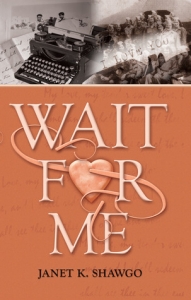
The first novel in a series of novels about war-time nurses written by travel nurse, Janet K. Shawgo.
A lantern, a medicine pouch, and a bell to stop the gunfire: That was all nurses took into the Civil War battlefields as they sought out injured men, boys, and women disguised as men. Among them is Sarah Bowen, a young healer from Georgia, whose use of herbal medicine brings her scorn from most field doctors even as it saves countless lives.
Look For Me begins with young, affluent New York-er Samuel White, who has just embarked on his career as a war correspondent. Through an early incident between their fathers, he is also Sarah’s longtime pen pal.
Meanwhile, Mack, a teenage girl traveling as a boy, delivers a letter from the youngest Bowen son to the family farm, lingering long enough to be tutored by Sarah and to fall in love with brother James before leaving to pursue her goal of becoming a Confederate spy. Soon after her departure, a band of traveling nurses comes looking for the local healer, and it doesn’t take much persuading for Sarah to realize her destiny. This is when all of the primary story-lines begin to intersect.
The Particular Appeal of Gillian Pugsley
by Susan Örnbratt
Irish-born Gillian McAllister knew she was meant for bigger things than a quiet life among her large extended family. Leaving home at seventeen against her protective father’s wishes, Gillian is looking for adventure – and that’s exactly what she finds. She was a nanny for a maharaja, a caretaker for WWII internees, and a nurse on the Isle of Man before finally becoming a wife, mother, and grandmother in London, Canada, where she spent the majority of her eighty-nine years.
However, with only weeks to live after being stricken by cancer, she knows her time with her beloved granddaughter and namesake is truly precious. Before she goes, she wants to pass on the poems that capture her long, adventurous life to the junior Gilly in hopes the girl will use the poems to write about her adventure – her hidden love story.
Our Dutyopens with a group of nursing students sunbathing on the roof of their apartment. Pauline Garrity, aka Polly, has a little bit of fun and decides to sunbathe sans robes. While this stirs some of the girls up a bit, others know Polly is only being Polly. When a fighter plane does a fly-by on a training mission, Polly has a little more fun.
Here’s a story of World War II with a slightly different bend. Rather than focus on the horrors of what was happening in the trenches, Gerri Hilger centers her novel around Polly and her close-knit group of friends who are attending nursing school together. Our Duty is a novel for fans of lighthearted historical fiction with a sprinkling of cozy romance and a thread of Christianity.
Five young friends from then-English Newfoundland and Ireland together join a regiment to serve in the war, as does a young nurse from Dublin. At first, a reader might be lulled into thinking this is a light-hearted Irish dialect-filled romp a la Finian’s Rainbow, but the novel takes us deep into the lives of its characters as they serve in the bloody trenches, convalesce, and try to live normal lives despite the physical and emotional damages they suffered.
Diedre, the tough but emotionally scarred nurse, Jack, who left “bits” of him on the battlefield, Will, with his invisible yet no-less devastating wounds—these are a few of the complex yet wholly identifiable characters who become alive through this novel’s pages. These are no simplistic people. Their humanness, their frailties confronted by the awfulness of the war, gives the book its special heart.
When you’re ready, did you know that Chanticleer offers editorial services?We do and have been doing so since 2011.
Our professional editors are top-notch and are experts in the Chicago Manual of Style. They have and are working for the top publishing houses (TOR, McMillian, Thomas Mercer, Penguin Random House, Simon Schuster, etc.).
If you would like more information, we invite you to email Kiffer or Sharon at KBrown@ChantiReviews.com or SAnderson@ChantiReviews.com for more information, testimonials, and fees.
We work with a small number of exclusive clients who want to collaborate with our team of top-editors on an on-going basis.Contact us today!
Chanticleer Editorial Services also offers writing craft sessions and masterclasses. Sign up to find out where, when, and how sessions being held.
A great way to get started is with our manuscript evaluation service, with more information available here.
And we do editorial consultations for $75. Learn more here.
If you’re confident in your book, consider submitting it for a Editorial Book Review here or to one of our Chanticleer International Awards here.
Also remember! We’re hosting our 2020 CIBA Ceremonies for First Place Category and Grand Prize Winners June 5th at the Hotel Bellwether in Beautiful Bellingham, Wash. Attending the June 5, 2021 VIRTUAL Ceremonies for the 2020 CIBAs is Free. However, registration is required. We will have the link posted on our website after the Finalists are announced.
Sessions will be recorded and available later viewing through VIMEO exclusively to all registered participants.
Only one session will be presented at a time so YOU select which ones you want to see LIVE and which ones you will want to view later via VIMEO or revisit the session. Master Classes and Workshops will be held the following week starting on Wednesday, Sept 16, 2020.
Virtual Author Events: How To Pivot from LIVE to VIRTUAL for Book Launches, Book Clubs, and Book Eventswith Janet Oakley, Sean Dwyer, & Gail Noble Sanderson
Book to Film Panel Discussionwith Scott Steindorff, Robert Dugoni, and J.D. Barker. Moderator is Chris Leibig
It Takes a Village to Make a Film – Authors, Actors, Screenwriters, Producers, & Directorsa Discussion with Tina Sloan, Scott Steindorff, & Kaylin McFarren, and Talk to Crows Production Company
The Critical Role Authors Play in Fostering a Better Society –Janice S. Ellis, Ph.D.
Exploration of New and Revolutionary Ways of Storytelling including Delving into Immersive, Mixed Reality, and Digital Art –Scott Steindorff
How to Have 1,048 Readers Requesting Your Book in the 1st Day of a 100 Book Giveaway –Kaylin McFarren shares her Goodreads and Amazon Secrets to increasing book sales.
Writing and Selling Children’s Books – Children’s Book Authors Share Their Tips & Tools – Denise Ditto Satterfield, Barbara Jean Hicks, M.J. Evans,
Voice Driven Technology and the Future of Publishing – Paul Cutsinger
Why Amazon Alexa Should Be Telling Your Story – 3 Sessions– Amy Stapleton and Wayne Richard
How to Create a Sustainable and Compelling Series – Panel : Diane Garland, Wendy Delaney, Pamela Beason, J.D. Barker
5 Reasons Why You Should Publish Your Epubs on Bookchain –Simon-Pierre Marion
Your Story World: Beyond Eye Color and the Weather – Diane Garland
Don’t be Left OUT and OFF the Airwaves – Intro to Podcasting with Hindenburg Systems’ expert Anita Michalski
Historical Fiction–Chris Humphreys will examine how to both fictionalize real characters and realize fictional ones.
Just Call Out My Name – Collaborating with Other Authors –Janet Shawgo & Sean Dwyer
Writers: Improve Your Productivity and Your Health by Correcting Posture with Tana Hope
5 Reasons Why You Should Publish Your Epubs on Bookchain –Simon-Pierre Marion
Sessions Start in just 7 Days! Tuesday, Sept. 8, 2020!
The 2019 CIBA Awards First Place Awards Winners will be announced every day (Tuesday – Saturday, Sept 8 -12, 2020) starting at 5 p.m. PST at the CIBA Virtual Ceremonies. All 2019 CIBA Finalists will be recognized during VCAC!
The 2019 CIBA Grand Prize Division Winners and the Overall Grand Prize for Best Book will be announced and recognized on Sunday, Sept 13, 2020 starting at 5: 30 p.m. PST ceremony.
All announcements are LIVE and we will have a Virtual Celebration Party after each day!
Have your favorite bubbly ready to cheer on your favorite authors! LIVE and INTERACTIVE!
Chanticleer Book Reviews is seeking today’s best books featuring romantic themes and adventures of the heart, historical love affairs, perhaps a little steamy romance, we will put them to the test and choose the best among them.
Find out more about the stunning beauty that Dante Rossetti painted, Jane Morris, at the end of this blog post.
Do you have a romance novel or manuscript ready for readers?
Do you want to see how it stands up to others in its category?
Then don’t delay! The CHATELAINE Book Awards division is accepting submissions from both recently published and complete manuscripts in romance and romantic fiction. But this year we’ve moved our deadline – to keep you on your toes!
The new deadline for the Chatelaine Awards is AUGUST31, 2020!
That’s right, the last day for submissions into the 2020 Chatelaine Book Awards is August 31, 2020. So, if you love Piña Coladas – and getting caught in the rain… I mean, if you like writing about those things, and other things having to do with matters of the heart, including these:
Insiders’ Tip: Other genre divisions of the Chanticleer International Book Awards have romance categories as well. Multiple submissions of the same work to a variety of CIBA writing competitions divisions are accepted. Check out our divisions here.
Please join us in congratulating and reading these top works in this diverse range of all reads Chatelaine: Romance, Chick-Lit, Women’s Fiction, Inspirational, Suspenseful, and, of course, Steamy and Sensual in the
CHATELAINE HALL of FAME!
Jane Austen Inspired:Pulse and Prejudice by Colette Saucier
Paranormal:Crimson Flamesby Ashley Robertson
Christian Inspirational Romance: Chasing Charlieby C. M. Newman
Restorative: A Path through the Gardenby Nancy LaPonzina
Classic Bodice Ripper:To Dare the Duke of Dangerfieldby Bronwen Evans
Who will win the CHATELAINE Book Awards Blue Ribbons for 2020?
The judging rounds will commence in August! Submit your works today!
The last day for submissions into the 2020 Chatelaine Book Awards is August 31, 2020. Winners will be announced at our CAC21 conference – scheduled for April
And remember our Insiders’ Tip: Other genre divisions of the Chanticleer International Book Awards have romance categories as well. Multiple submissions of the same work to a variety of CIBA writing competitions divisions are accepted. Check it out here!
A little information about the Chatelaine Book Awards icon:
We feel that Dante Gabriel Rossetti’s Pre-Raphaelite painting of Jane Morris (muse and wife of William Morris) in aBlue Silk Dress captures the many moods of the Chatelaine division of the Chanticleer International Book Awards. Jane Morris (nee Jane Burden—little is known about her childhood but that it was poor and deprived) was known for her keen intelligence. William Morris fell in love with her when she sat for him as a model. She was privately tutored to become a gentleman’s wife upon their engagement. It is said that she was the inspiration for George Bernard Shaw’s character Eliza Dolittle of My Fair Lady fame. The Blue Silk Dress was painted in 1868 by Rossetti and it currently resides in the Society for Antiquaries of London. She was 29 when Rossetti painted it. Rossetti and Jane Morris became closely attached until his death in 1882. To read more about the fascinating Jane Morris, click on this Wikipedia page.
Creating Your Marketing and Promotion Calendar for 2020 and Beyond… Part One
I’ve been in marketing a number of years (dare I say decades?). Marketing and Promotion have always been moving targets, but now with the internet they are targets that move at light speed.
If you want to sell books and you want to have your author career advance, you will need to have a promotion and marketing plan that can pivot and is flexible.
Plan for your Success!
And if you have an M & P plan already, you will need to constantly update it, add to it, and evaluate what works and what doesn’t.
First of all, the M & P Calendar is complex and integrated at many levels, which can make it overwhelming. But that is where Chanticleer can assist.
Do keep in mind, that many of the moving parts are small and incremental steps that are not hard to do, but they will add up and add up substantially.
Promotion of a book (or any product) is a continuous exercise of good marketing and promotional habits. Many are not difficult or time consuming but most be done on a regular basis. Marketing and Promotion are NOT one trick ponies.
Let us start at the beginning. Laying the Groundwork for your M&P calendar.
Strategy – First start with the Big Picture.
What I do is keep a notebook and a calendar. I tend to be old school and like paper and pencil for my reminders and calendar. I then add the information to my Google calendar so that it will remind me on my smart phone.
Andy prefers to go all digital with no paper. He uses integrated digital calendars and custom project management software—thank goodness because that is how we track and manage the CIBAs.
Here are 10 Points to consider and implement.
We will then fill in with more detailed information in Part Two of this blog-post.
One. Identify 10 best-selling author in your genre that you would like to ask for an author blurb?
It doesn’t matter if you are launching a new work or promoting your back list.
Write their names down in your M&P notebook. We will come back to this in the next blog post. Promise.
Two. Identify any seasons or holidays that are associated with your titles.
I always think of Love of Finished Years by Gregory Erich Phillips at Christmas time because of his touching WWI Christmas Eve scene that takes place in the heat of battle. It is book that I can read and reread.
Gregory Erich Phillips Love of Finished Years won Chanticleer International Book Award for Best Book while it was still a manuscript.
Or Ann Charles’ Deadwood Series that feature Violet Parker, real estate agent and single mom gets me in the mood for Halloween.
Would your books make awesome vacation reads? Or cozy sit by the fire reads? Or perfect for traveling?
Are your books page turning thrillers that will have readers consuming it at one sitting? Or something for a reader to look forward to reading a chapter or two a night? Know your readers.
A personal favorite cozy mystery series of mine that I like to read is Michelle Cox’s Henrietta and Inspector Howardmystery series because I enjoy tthe time frame that series takes place in, and I like the protagonists. Reading the series is a wonderful escape for me.
What holidays or seasons can you target to promote your works? Write them down in that notebook.
Three. Target Book Clubs – Online and Groups that meet in person
Book clubs tend to chart out their reads months in advance if not a year in advance. Start getting “Top of Mind” share and getting on the “think about list.”
Make sure that your website, author description, Facebook page, Twitter, blog posts, and any other media alerts readers that you are available for Skyping, showing up in person, supplying stimulating questions for the group, and that you just adore BOOK CLUBS. If there are libraries that have your books in their book club kits, list them on the Book Club section of your website.
Keep a running list of Book Clubs that you want to reach out to and keep in contact with them. Put reminders in your calendar to continually reach out to book clubs of all types. They can propel an author and have far reaching affects on readership gains.
The Roost at Chanticleer will have a running list of book clubs and how to contact them. This will be up and running before the end of January.
Four. Author Events
Again, dates fill up at book stores, retail outlets, book fairs, book conventions, libraries, and specialty events. Chanticleerians have passed on to me that they have had great success at wine bars, grocery stores, flower shops, seasonal events such at the Lavender events in the PNW, comic cons, brewpubs, entertainment events if your work has a connection with them, re-enactments, hobbyists, the list can go on and on.
The award-winning Janet Shawgo has presented sessions on this at the Chanticleer Authors Conference. All in attendance were inspired by her creativity and willingness to share.
Janet Shawgo’s author event at a winery.
And I have it good advice that one shouldn’t discount small events. It is better to be a big fish at a small event rather sitting idly by while a line a mile long forms for a celebrity author. I’ve seen this happen more times than I can count.
Guerrilla marketing is the friend of aspiring authors. It can even the playing field with its unconventional interactions and surprises. Remember, readers are acquired one by one—which makes guerrilla marketing especially effective.
Be creative. Be open. But get those gigs lined up and on the calendar. Pronto! And start on next year’s events.
Make your list with the venue, date, date of contact, date of recontact, results. Continuously add venues and events as you discover them.
Add the confirmed dates to your Promotion Calendar. There will be more work to be done.
Jesikah Sundin, award-winning author of The Biodome Chronicles excels at guerrilla marketing, branding, and author events that build loyal readership. And her books deliver and keep her readers coming back for more!
Jesikah Sundin
Five.Discover experts who will resonate with your books. (We call this SLANT in the marketing industry).
Who is an expert in the field that your work is associated with?
Ann Charles is a full-time author of mysteries. Her popular protagonist is Violet Parker, a real estate agent in Deadwood? Guess who her biggest fans are? Real Estate agents! And she has targeted them and they have become evangelical fans for her series. The real estate network is huge. And so is her fan-base.
For instance, Pamela Beason writes mysteries that tend to take place in wilderness areas. She is a career author (making a living at writing) and a retired private investigator. Pam targets hikers, backpackers, wilderness protectors. One of her mystery series is focused around Neema, a communicating gorilla who can communicate using sign language. Pam targets these folks in social media. Her YA series has a rescued elephant. You get the picture? Did I mention that I am a Neema fangirl?
Pamela Beason’s wildly successful Sam Westin wilderness series.
What are your books’ angles? What is the slant? (what is the voice? what is your underlying message?)
This exercise is one that you should repeat each year with your back list.
If you can get an endorsement from experts that have a common interest in your books, you will be able to broaden your target market. It doesn’t matter if the expert is a real estate agent, or a barista, or is leader in a knitting circle… This is how word of mouth is created. Create these bonds. It will make your next book launch much more easy.
Remember Jesikah from Point #Four. Her books crossover from fantasy, YA, cyber-punk, eco-punk, gaming, science fiction, steampunk, and … just imagine all the blurbs, recommendations, and READERS and their reviews that Jesikah’s marketing attracts.
Six. Identify 10 Authors to Network within Social Media and in Real Life.
These should be authors whose readers will also enjoy your works and authors that your readers will enjoy their books.
If you have ten, then add ten more. You can never have enough.
This is called increasing your CIRCLE of INFLUENCE. The relationship should be reciprocal. We will circle back around to this.
A good test is to determine if your works and the selected authors works would be shelved together at the book store or at the local library.
Write this list down in your M & P book/ledger. Each year, continue to expand it.
J.D. Barker, a masterful storyteller, recommends that your genre should crossover… just imagine having your books shelved in more than one location at booksellers. Get the picture?
Shameless self-promotion here … you should check out his interview in the last issue of the Chanticleer Reviews magazine.
Order your copy today… 🙂
Seven. Focus Your Author Brand.
Each and every visual element associated with you as an author should have focus and should move your author brand forward on your website, in your social media, in your type fonts, in the background imagery. A reader should be able to tell in less than three seconds what overall genre you are writing in. Are your books dark and mysterious? Fantastical? Sexy? Historical? Dystopian? Everything from the icon that marks your website in the browser to the background that coordinates with all of your internet and real marketing collateral (covers, book swag, business cards, etc.). Make sure that your author photos resonate with your works. That doesn’t mean you have to be brooding in person if your books are dark and mysterious, but you should have a persona, a brand that distinguishes you from the other millions of authors and writers. A visual brand.
Ann Charles is a maestro at author branding. Visit her website and Facebook pages for inspiration (and to buy her U.S.A Today bestselling books).
Ann Charles
Eight. Become an Expert in Some Area of Publishing and Share Your Knowledge
Writers by far make up the largest number of readers. We just can’t help ourselves. An excellent way to get on writers’ reading list is to present at writer’s conferences. It is widely known that after a writer gives a presentation, his/her/they see an increase in sales. Most would say a direct correlation.
Many best-selling authors have gotten their start and created an ever increasing fan-base by sharing their knowledge and expertise with other authors and aspiring writers. Diane Gabaldon shared (and continues to) her knowledge for years by presenting at writers’ conferences. She is known for being extremely generous with her knowledge and expertise as is Robert Dugoni. The list goes on and on with international best-selling authors who share and mentor authors—authors such as J.D. Barker, C.C. Humphreys, Ann Charles, Ursula Le Guin, George R.R. Martin, Pamela Beason, are among the authors who believe in mentoring aspiring authors and giving back to the writing community.
Robert Dugoni is one of our most popular speakers at CAC. Pam Beason is conducting the panel discussion.
Discover your publishing expertise. Is it coming up with inciting incidents? Or world building? Or a knack for dialogue? Or social media posts that garner attention? Or being creative in where to do book promotions? Or how to get that first draft out of your head and into black on white? Or discovering new platforms to sell works on? Or working ? Or posture while writing? Or?
The main thing is to share your knowledge and expertise.
So start asking to present or participate in panels at author events, in schools, at libraries, in your local writing groups, or the conferences that you are planning on attending.
Write down your opportunities. Find out the deadlines for proposals. Keep a list and add to it.
Nine. Podcasting and Video Blogging — Be the Interviewer or be the Interview-ee but be in the Podcast Airwaves
With the advent of voice-driven assistants, podcasts are becoming more and more a part of daily life. Just like audio books. ( the fastest growing segment of publishing).
Chanticleer has podcasts and video blogs. It is the new and latest that is certain to replace “blog hopping.” Make sure that you get your foot in the door! Even this blog post is converted to a podcast.
As with any transition, you will need to do both: blogging and podcasting. Learn how to build your content pyramid at the Chanticleer Authors Conference 2020.
Podcasting is going to be a feature at CAC20 this year with Hindenburg Systems (programs and apps to create podcasts and audio books) presenting sessions and podcast work shops.
Paul Cutsinger, head of Amazon’s Alexa Code Labs will present and keynote.
He will discuss
Why Voice Enabled Technology is Here to Stay
The Publishing Industry and Voice Technology
StoryTelling and Voice Technology
Audiobooks and Voice
Engaging Readers with Voice-driven Devices
With more than 100 million Alexa devices in use, this a market segment that should not be overlooked in any author or publisher’s marketing plan.
Time to start lining up your calendar with podcast and video blog events.
Ten. Enter Your Works into Book Award Competitions and Contests
Book awards are a time honored tradition that help to distinguish best books and manuscripts from the millions of books that are written each year (and published).
They give authors talking points, interviewers talking points, allow for point of sale marketing, social media marketing and so much more.
Make sure to enter your works and see how they stack up against the others in your genre.
Deadlines are closer than they appear! And there is nothing like a blue ribbon to help sell more books at a book fair or author event. #justsaying
CIBA Grand Prize Ribbons!
That calendar should be starting to fill in.
Click here for a Handy Worksheet that you can print out to help you to create your Market and Promotion Calendar.
This Second Installment will take time to complete and you may need to work on it intermittently (but consistently) to get everything logged.
Then the real work will begin.
The next post will discuss implementing these first 8 Goals and creating discrete tasks to implement on a regular basis:
Annually, Seasonally/Quarterly, Monthly, Twice a Month, Weekly, Almost daily.
And social media postings, and blog postings, and articles, and…
We elaborate on the first ten items and incorporate them into the calendar and create a schedule.
Thank you for joining us in this Writer’s Tool Box series: The 12 MUST-Do’s for Authors Number Two of Twelve blog-post articles.We hope these were handy reminders or something new to consider.
If there is something we should add to this blog-post or you have an experience that you would like to share or a question that you would like to ask about this blog post, please contact us at KBrown@ChantiReviews.com or SAnderson@ChantiReviews.com
We’d love to hear from you!
Thank you for joining us and please stay tuned for the next article!
Honoring those who are serving, have served, and those who have fallen while in military service is a tradition here at Chanticleer Reviews.
With Appreciation and Gratitude to Veterans who are actively serving and have served. THANK YOU!
Writing is known to be a “transformative therapy’ for veterans haunted by their experiences. “The Red Badge Project encourages Wounded Warriors to rediscover their personal voice and realize the value of their experiences and emotions.”
“RBP partners with Vet Centers and allows Veterans of all ages to take advantage of the Red Badge Project’s program while providing a link between veterans of multiple generations.”
Using the creative process of storytelling, Wounded Warriors begin to rebuild their individual sense of purpose and unique individuality.
For Wounded Warriors struggling to heal the invisible wounds of PTSD, Anxiety, and Depression, believing in the value of their story and finding the means to communicate it to family, friends, and community is a struggle of heroic proportions. Tom Skerritt is a founder and is part of the Red Badge Project faculty.
We here at Chanticleer Reviews have had the honor of reviewing top novels and narrative non-fiction written by outstanding authors whose stories enlighten, remind, empathize, and creates a better understanding with those who have served in the armed forces.
Michael M. Van Ness, the grandson of “the general in command,” has created a remarkable biography chronicling the adventures of a farm boy who rose high rank in the US military and served with distinction in two world wars as a combatant, officer, and sage observer.
Van Ness served in the Navy in a medical capacity and shares a deep understanding of his outstanding forebear in this well-organized life story, which offers a thorough, thoughtful exploration of the many issues that arose during his grandfather’s wartime service.
World War II veteran Quinton Kelley recounted his life story to an avid biographer – his daughter, S. L. Kelley, a documentarian and award-winning video producer. “…it took all of our personal sacrifices to go from war to peace.” Quinton Kelley
A Red Cross nurse finds herself in a refugee camp on Cambodia’s Thai border, in the midst of the war between the Vietnamese and Cambodia’s brutal Khmer Rouge. The courage and resilience of the Cambodians survivors who serve with her, their beauty in the midst of the horrendous conditions shine through, even as the camp itself becomes torn by war. Harvey draws a vivid picture of contrasts: the abysmal conditions of the camp with the green of the surrounding rice fields, the terrors of the Pol Pot regime with the loyal gentleness of the individual Cambodians who serve with her.
“A very personal, no-holds-barred yet ultimately empowering discussion of PTSD and its effects on those who suffer from it.” – CBR
The book has been written in a ‘How To’ format for combat soldiers which is reflected in examples and language.
“I went away to war one person and came back another, and in my wildest dreams would never have chosen to be the one who came back…I was a twenty-year-old Warrant Officer Helicopter Pilot fresh out of flight school when I arrived in South Vietnam in May of 1969 and was assigned to B Troop 7/17 Air Cav in Pleiku. I joined the Scout Platoon and spent my entire tour as a Scout Pilot in the Central Highlands, and in that time saw my friends killed, captured, wounded and lose their minds.”
Rhyan served nearly twenty years in the US Navy as a nurse, her final deployment taking place in Afghanistan to a medical unit run by the British where Rhyan upheld her duties to aid others, while inwardly feeling unprotected and helpless. After witnessing the many tragedies of war, primary among them multiple amputations, she comes home scarred in mind. Her trauma becomes so obvious that she is sent to a special private unit.
Rhyan’s memoir is frank, insightful, and a powerful reminder of the toll taken by those who wrestle with the fallout of the carnage of war. She also reminds us of the resiliency of the human spirit and the power of hope.
This ground-breaking initiativeoffers advice and hope to those who are trying to understand and cope with war’s many aftershocks.
“The critical issues surrounding post-traumatic stress among America’s wounded warriors is expanded here to include the challenges and concerns of military wives and families.
Barbara McNally was working as a physical therapist when she watched helplessly as a man jumped off a bridge to his death. Feeling involved in his tragedy, she learned he was a wounded veteran. The experience spurred her to find out more about PTS and its effects on those who have participated in war. Gradually her attention focused on the plight of the wives of these wounded military survivors.”
If you have a moment, take time to watchthis videothat offers an intimate look into the chaotic and demanding lives of military spouses as they adjust to living with mentally and physically injured combat veterans. Please feel free to share.
Fiction – Veterans Day Reads
In honor of Veterans Day: A celebration to honor America’s veterans for their patriotism, love of country, and willingness to serve and sacrifice for the common good, we are suggesting these three titles from among authors who are Veterans.
Dog Soldier Moon by McKendree Long
“Long goes far beyond the simplistic notion of the Civil War as told in American history texts to accurately portray the daily challenges faced by homesteading families, freed slaves, American Indians robbed of their ancestral lands, and ex-soldiers who face the disrespect of the Union army. Heart-warming and at times hilarious adventures are juxtaposed with gritty and emotionally wrenching moments such as Custer’s 1868 attack on Chief Black Kettle’s Cheyenne camp at Washita… Author McKendree Long displays a natural gift for storytelling.” Click here to read the full review.
McKendree R. (Mike) Long III is a former soldier whose awards and decorations include the Parachutist’s Badge, the Combat Infantryman’s Badge, the Silver Star, and the Vietnamese Cross of Gallantry (Gold and Silver Stars).
Tarnished Hero by Jim Gilliam
“It is when Kelly accepts an open invitation to spend some time in Guzman’s drug palace in Northern Mexico that his code of “trusting friends first” will force him to face not only the dilemma of a loyalty to be divided between Guzman and Dave Holt, but also of being thrust into a senseless and bloody border war that has more than a few parallels to the Vietnam conflict. As such, Gilliam’s novel stands not only as a complex and intriguing “band of brothers” romp but also as a reflection on the evils of unquestioned authority and corruption.” Click here to read the full review.
Jim Gilliam served on active duty with the Coast Guard from January 1957 until June 1966. In June 1978 he joined the Army as an airborne combat physician assistant. May 2001 he joined the Navy’s Military Sealift Command as a civilian mariner physician assistant. He is a veteran of multiple deployments to the Persian Gulf in support of operations Iraqi and Enduring Freedom.
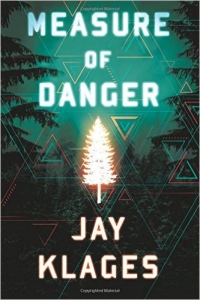
Measure of Danger by Jay Klages
“Measure of Danger,” Jay Klages’ debut novel is a page-turning techno-thriller written by a former military intelligence officer and a West Point graduate. Klages experience and expertise is revealed with his believable dialog, details, and operative descriptions. The work features military-trained Kade Sims, and his accountant sidekick, Alex Pace; we can’t wait to read what other dangerous puzzles this unlikely dynamic duo will be called on to solve.
Jay Klages is a former military intelligence officer and West Point graduate. He attended the MBA program at Arizona State University, where he successfully deprogrammed himself for service in corporate America. He enjoys desert trail running and is particularly good at falling down.
Three page-turning thriller novels with unlikely heroes that make for great reads –all authored by Veterans!
More outstanding novels!
We are honored of reviewing outstanding works by written by authors, many who are veterans, whose stories enlighten, remind, empathize, and create a better understanding with those who have served in the armed forces. We are honored to share these works with you.
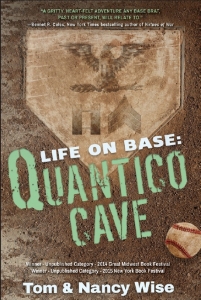
Life on Base: Quantico Cave by Tom and Nancy Wise – a riveting portrayal of the lives of children whose parents serve in the armed forces.
This book not only does an admirable job of giving readers an insight on military base life for youth growing up, but it also gives an accurate portrayal of life as a kid today. Challenges exist, personalities will clash, and there will always be that one person that tends to resort to bullying to prove that he or she is king/queen of the hill.
Authors Tom and Nancy Wise effectively use this book, while telling a suspenseful story, to show middle-grade readers that there are positive ways to handle these situations without sounding preachy or admonishing.
From the riveting opening that takes place in NYC’s Lower East Side’s sweatshops until its gripping conclusion after World War I, this enthralling novel vividly portrays the desperate times of German immigrants landing at Ellis Island in search of a better life intertwined with the story of a young man and his heroic military service during WWI.
Incorporating various themes into his absorbing plot, Phillips highlights the importance of workers’ rights (Triangle Shirtwaist Factory) the Women’s Suffrage movement; and the plight of immigrants, especially during The Great War. Some examples include the use of propaganda against the American Germans (via Liberty Bonds); again, the use of propaganda to boost American support, and the immorality of war.
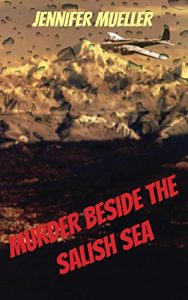
Brock Harker, World War II fighter pilot returns home to the Pacific Northwest on leave. He’s searching for a little peace once he finds his half Japanese wife who vanished while he was away. What he finds isMurder Beside The Salish Seaby author Jennifer Mueller, who artfully pulls Brock into an intriguing plot that hides the darkest of secrets.
The often-unknown role of women in wartime as travel nurses and pilots, as well as the use of herbs for natural healing, add interesting and relative historical content to this engaging American saga.
The WASP pilots and their active role in the war effort was particularly fascinating reflecting Shawgo’s vigilance with her medical and military history research.
The wide ensnaring net of the aftershocks of war is poignantly portrayed here — powerful and deeply affecting!
Raine wisely expands the narrative of the novel to reveal the wide net of war. Willis is not the only victim; the people in his life experience the after-shocks of fighting as well.
Not to give up on those who have already given up on themselves is the challenge. Raine reminds us that doing so requires a full heart, indeed, a crowded heart.
In a world of half-truths, crooked policemen, spies, and impersonators, the real question is who to trust. Watch Over Me shows a living portrayal of 1940s New York spinning wildly in the madness of espionage, where secrets and sacrifices threaten the bond of love and the hope of family.
The Code Talker Chronicles – by Eileen Charbonneau
While this book focuses on the nurses, the war is never out of the minds of our characters, as letters and news come in detailing the horrors and heartaches of life and death on the battlefields of war. In the end, Hilger has gifted us with a WWII historical fiction with a lighthearted side and an enjoyable sweet romance on the side.
A captivating historical military story that blends genres-crosses through time & space – an intriguing story & well-orchestrated action sequences.
Just a Note from Kiffer Brown:
On a personal note, many of my family members have served their country (many of whom have passed) and are serving their country: my father (Marine Corps, deceased), my brother (Army, with us but 100% disabled), my nephew Robert is currently serving in the Air Force, my dear Aunt Ellen (WWII nurse – she passed away recently), my cousin Billy Wayne (first 100 to die in the USA – Vietnam Conflict), and many other cousins too numerous to mention here.
This is my small way of honoring and recognizing my relatives along with other Veterans for their service to our country.
Thank you for taking the time to read my annual Veterans Day blog post.
I wrote the first draft of my award-winning historical novel,Hour Glass, in sixteen days.You read that correctly—sixteen days. My experimental novella,Tattoo, was written in about three weeks. Both have been released in 2018.
Though I am intensely proud of this accomplishment, I’m not telling you this to brag. I’m telling you that you can do this, too.
“Sit down every day to write. Even if you don’t want to. A little every day.” – Michelle Rene
Sounds like a line you’ve heard before, right? Yeah, me too. It’s not that this is bad advice. Far from it. Many people find this the best way for them to consistently write draft after draft. But if you really want to knock that rough draft out of the park, I’m going to ask you to kick that notion to the curb.
I’m not magical; I’m a binge writer, and none of the ideas in this article are uniquely mine. Most of them are exercises I’ve stolen from other writers. I used to be just like you because I was led to believe novels should take years to write. I would write a chapter, go back and edit it, and then proceed to the next one. A first draft took me over a year to complete.
It wasn’t until I decided I really needed to finish my novel, I Once Knew Vincent, that I decided to shove my face in the cold, scary, deep end of the writing ocean. I went away to a writer’s retreat and forced myself to write as much as I could every day. I wrote the lion’s share of that book in six days, and those chapters were by far the best in the book.
Why is that?
Isn’t it counterintuitive that the chapters written in a whirlwind of typing be the best? I’m glad you asked, nebulous reader voice in my head. Let’s delve into that.
Why Write This Fast?
Nothing kills a book faster than never finishing that initial draft. A malaise sets in, often slowing a writer down to a crawl while they chip away over a long time and often give up entirely.
“Will I ever finish this book?” the writer asks, (fists raised to the sky for dramatic effect).
Maybe. Maybe not. That first draft is possible if you pick yourself up by your metaphorical bootstraps and do the work every day, but a large percentage of writers never cross the finish line. What a shame that is!
Strangely, there is a raw emotion that comes from writing something so fast you don’t have time to noodle it to death.
How excited are you when you first start fleshing out a story? How amazing does it feel to start naming your characters and setting up their scenes in your mind? Fan-freaking-tastic!
This is because you are in the beginning of abook affair.
Writing a book is like having a relationship. In the beginning, it’s like a honeymoon! You feel all the emotions. Love and pain and excitement and lust. Well, okay. Maybe not lust. Paper cuts hurt, so let’s not go there.
“Writing a book is like starting a new relationship.” Michelle Rene
The point is the first draft should be all elation and honeymoon. Leave the nitty-gritty for your fifteenth edited draft. You don’t want to be sitting in a rocking chair with your first draft complaining about how much he snores before you even get to edit. Taking years to write that first draft can land you in complacency town before you cross the finish line. Pour your heart and soul into the rough draft with reckless abandon.
“Pour your heart and soul into the rough draft with reckless abandon.”– Michelle Rene
“But nothing good can come from my sloppy first draft if I write it in a few weeks,” says the nebulous reader voice in my head that’s starting to sound whiny.
Please refer to the infographic below. It lists some of the most popular books and how long it took the writer to finish them. WhileLord of The Ringstook a whopping sixteen years to complete (no shocker there), I’d like to direct your attention to roughly a quarter of the chart that indicates books written under three months. If theBoy in the Striped Pajamaswas written in two and a half days, you can write something of quality in four weeks.
How Do I Start?
Let’s begin with talking about the snarky, three-hundred-pound elephant in the back of your mind. Your inner editor. We are going to bind and gag that jerk, and it may take fifty shades worth of rope because it’s three-hundred pounds and takes up a lot of headspace.
Sara Bale, an extremely prolific romance writer, has similar advice for your would-be-elephant editor.
“I think the biggest mistake an author makes when writing a rough draft is stopping and rereading/editing their work. The key is to keep moving forward and get the whole story out. Know the beginning and the ending. If you have those elements, the rest is easy.”
Sara Bale
“The key is to keep moving forward and get the whole story our.” Sara Bale
The passionate ideas come when the critic in our mind is silenced.
Your visceral idea is key, and I will not accept the old “I don’t know what to write about” excuse. You are here to pour your heart and soul into a story. If you are having a hard time with inspiration, here’s a handy dandy exercise to help that I stole from a writer’s workshop I attended.
Sit down with a piece of paper and a pen. Yes, a real piece of paper and pen. No cheating with keyboards. I know, I know. Your handwriting is horrible because all you do is type now. My handwriting looks like a serial killer’s ransom note, so I totally understand, but stick with me.
Next, set a timer for ninety seconds.
Hit start, write the first thing that comes to your mind and don’t stop until that timer goes off. No contemplating it. No editing your idea and wondering if Stephen King has already done it. He probably has. Just write, no excuses, for the whole ninety seconds.
Go ahead… I’ll wait…
You back? Okay. I’m not a betting woman, but I would put money on what you wrote was pretty damn good.
Whether or not that is the idea you run with doesn’t matter. It’s an exercise to get the creative juices flowing. Use that. Build your characters. Plot the story fast and loose. Fall in love with your story. Get down and dirty in that honeymoon phase…but not literally because remember the paper cuts. We talked about that.
And finally, outline! For the love of all that is holy, outline your story! Do not do this flying by the seat of your pants. That is a sure-fire way to crash and burn. It doesn’t need to be an in-depth outline. On the contrary, keep that pretty loosey-goosey, too.
My outlines are often little more than a few sentences for each chapter.
Time Management
Okay, you have your outline, your idea, and your story. Let’s do this. The clock begins when you type “Chapter One” or “Prologue” if you want to be fancy. Let’s use NaNoWriMo (National Write a Novel in a Month) rules as I find these to be the best guidelines: 50,000 words in four weeks.
So four weeks. That’s your mission.
Select a four-week span of time in your life that you can devote to writing. Don’t sabotage yourself by doing this during a family vacation or when it’s the busy season at work. Choose a month that will allow you some time to devote to this endeavor because it is important.
For that month, give up on being the best mom, husband, wife, etc. Let your family know that this is going to be what you are doing for this month, and they can have you back after it’s over. The laundry can wait. Order in food. Maybe shower because, well, hygiene.
Editor’s Note: I totally agree with Michelle. November can be an impossible time for many because of increased work demands, family demands for the approaching holidays, the doldrums due to shorter and shorter days. The main thing is to pick a time that works for you. It can be NaFebWriMo if you have to put in overtime starting in November for the holiday season, or NaJulyWriMo – if you are a teacher. Find a time period that works for you and stick with it! Put it on your calendar. Alert your friends and family.
I highly, highly, highly recommend you track your progress. Doing a rough draft during NaNoWriMo is a great idea. This happens in November, and the organization sets you up for a win. You have a word tracker, writer friends to cheer you on, and helpful articles when you get stuck. If November is not a good month for you, try a program like WriteTrack. It will help you keep up with your progress.
Insider secret: Don’t shoot for the minimum goal. If your tracker says you need to write 2,000 words that day, shoot for 3,000 or 4,000. It’s easy to fall behind only doing the bare minimum; but if you’re always ahead, you have a little breathing room.
The Black Hole of the Internet
Can someone say distractions? Turn those notifications off! Set your phone to do not disturb except for emergencies. Hang a banner on your doorknob with a picture of Gandalf saying, “Thou shall not pass!” Get away from the addicting vacuum of social media. It will be there when you get back.
“That’s all well and good if you are writing something you just made up, but what about people who need to research their content?” asks nebulous reader voice again.
WithHour Glass, I wrote a historical fiction novel about Calamity Jane. There was definitely some research involved there. I did as much as I could before the writing began, mainly broad stroke things: dates, places, and a few good details relevant to the story. Nothing more.
Research is the most unassuming trap in writing. You’re on a good writing jag, everything is flowing, and then you hit a spot where you need the name of a city or a date or a vocabulary word. You have to have that accurate information, right? So you switch to the internet and start researching. Well, that first page on a website leads you to another, which leads you to Facebook; and then before you know it, it’s been three hours, and you lost your momentum.
Broad stroke your research before you start; but while you’re writing, don’t research. If you need the name of a city, don’t go looking. Just write something like, “He rode into the sunset hoping his horse knew the way to {insert city name}.” Get the story down, and go back in later to fill in those brackets.
Write your story from the heart and with passion. Research and accuracy can be added later.
The Middle Stick
It’s right around the 30,000-word mark that this happens. The Middle Stick is what I call the point where your initial enthusiasm begins to wane, and your progress gets sluggish. What began as “yay, I’m writing a book” turns into “I don’t know if I can do this.” It happens to everyone.
This is where participating in programs like NaNoWriMo can be helpful. Having other writers in the same place can be encouraging, and they can hold you accountable. If you aren’t doing NaNoWriMo, I suggest getting a group of like-minded author friends to do this together. This is also where writing ahead of your minimum word count helps because The Middle Stick will almost certainly slow you down.
Here are some other helpful tips.
Try that writing something in ninety seconds exercise I mentioned earlier to get inspiration.
Go out of your comfort zone and experience something related to your book. For example, if you are writing a western, go see a rodeo. Get away from your computer.
Multi-award winning author, Janet Shawgo, has this to say about immersing yourself in your research outside the page when she was researching her book,Look For Me, set in the Civil War. “What helped me was putting feet on the ground at Gettysburg to get a feel of the area, what my characters saw, what they heard. To try on costumes true to that era. I walked some of the roads soldiers did in Virginia. If at all possible, put yourself there.”
Janet Shawgo Won the Chatelaine Grand Prize
Switch up your chapters. This is where outlining really helps you. If you are hitting a wall writing chapter thirteen, jump forward and write chapter twenty. Sure, you’ll have to go back to that chapter eventually, but this helps you jump over that block and continue to get your word count in.
I wroteTattooentirely this way. It’s made of seven parts of a story told chronologically backward. I didn’t write any of those parts in order. Not one. Yet, I still managed to piece them together in the end.
Just keep moving. The momentum will pick back up. You can do this.
Hurray! You Did It!
Out of breath and exhausted, you crossed that finish line. You did it! Rejoice! I told you you could do it!
Go celebrate. Treat yourself to a fancy dinner. Toast your deed with some friends. Eat a whole chocolate cake. I don’t care. Party it up because you managed to do what the vast majority of humans on this planet cannot do. Most people never dream about writing a book. Fewer attempt it. Only a small fraction actually finish a draft.
You are spectacular.
Now, put the book aside for at least a month (more like two). You will eventually go back and edit. You will fill in those empty brackets. You will allow that annoying three-hundred-pound editor elephant back into your life. But not right now. That’s for another day.
Michelle Rene and her Chanticleer Grand Prize Ribbons
Michelle Rene, the author of this blog post, is a creative advocate and the author of a number of published works of science fiction, historical fiction, humor, and everything in-between.
She has won indie awards for her historical fiction novel,I Once Knew Vincent. Her latest historical novel,Hour Glass, won the Chanticleer International Book Awards Grand Prize for Best Book. It was released on February 20th to rave reviews from Chanticleer, Kirkus and Publishers Weekly. Her experimental novella,Tattoo, was released on March 7th.
When not writing, she is a professional artist and self-described an all-around odd person. She lives as the only female, writing in her little closet, with her husband, son, and ungrateful cat in Dallas, Texas.
A special thanks go out to the authorsSara BaleandJanet Shawgofor contributing their writing expertise to help others.
Chanticleer Editorial Services – when you are ready
Did you know that Chanticleer offers editorial services?We do and have been doing so since 2011.
Tools of the Editing Trade
Our professional editors are top-notch and are experts in the Chicago Manual of Style. They have and are working for the top publishing houses (TOR, McMillian, Thomas Mercer, Penguin Random House, Simon Schuster, etc.).
If you would like more information, we invite you to email Kiffer or Sharon at KBrown@ChantiReviews.com or SAnderson@ChantiReviews.com for more information, testimonials, and fees.
We work with a small number of exclusive clients who want to collaborate with our team of top-editors on an on-going basis.Contact us today!
Chanticleer Editorial Services also offers writing craft sessions and masterclasses. Sign up to find out where, when, and how sessions being held.

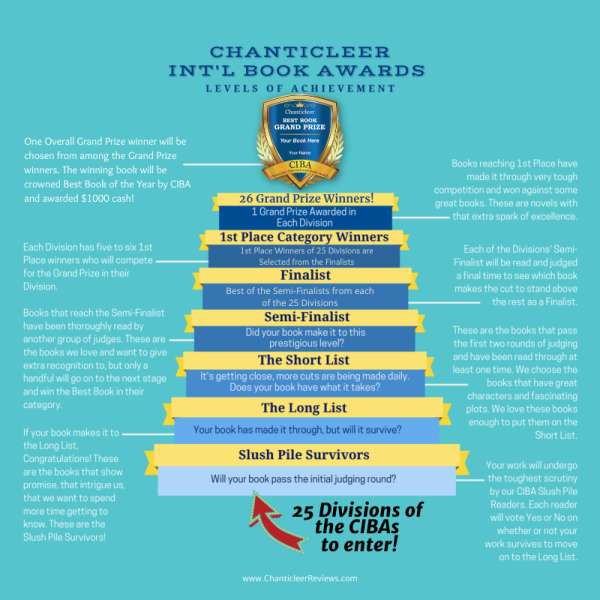
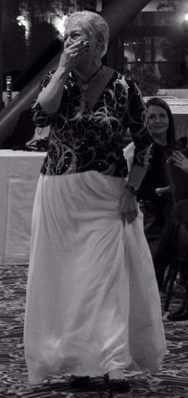

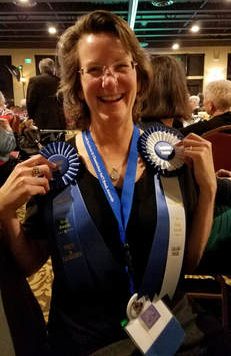

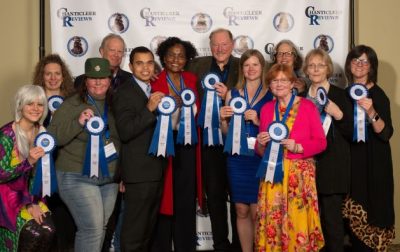
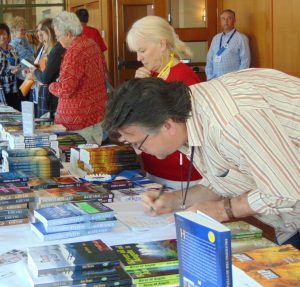
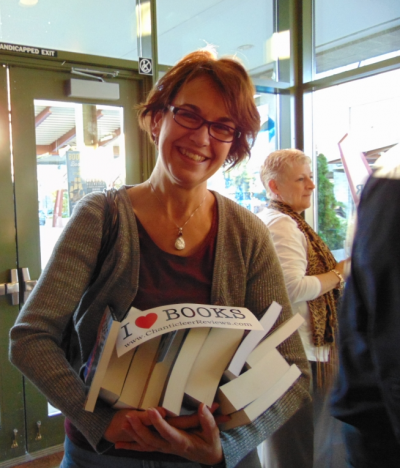

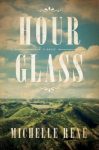



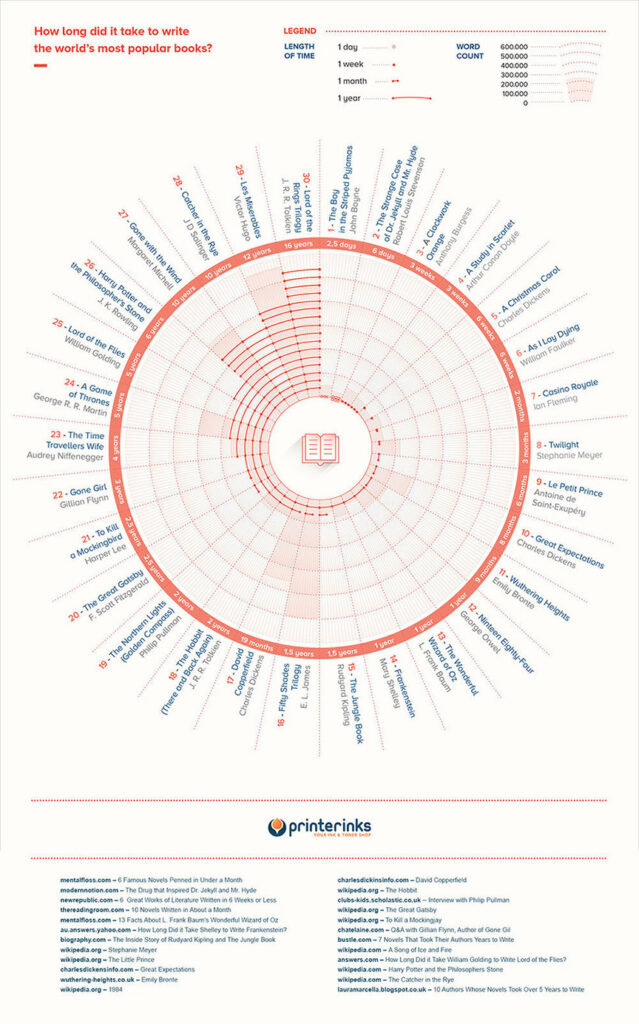





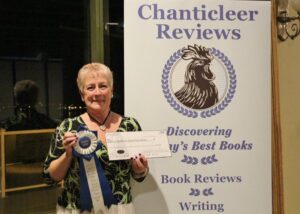

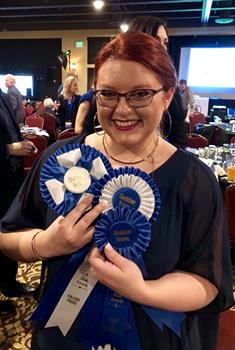

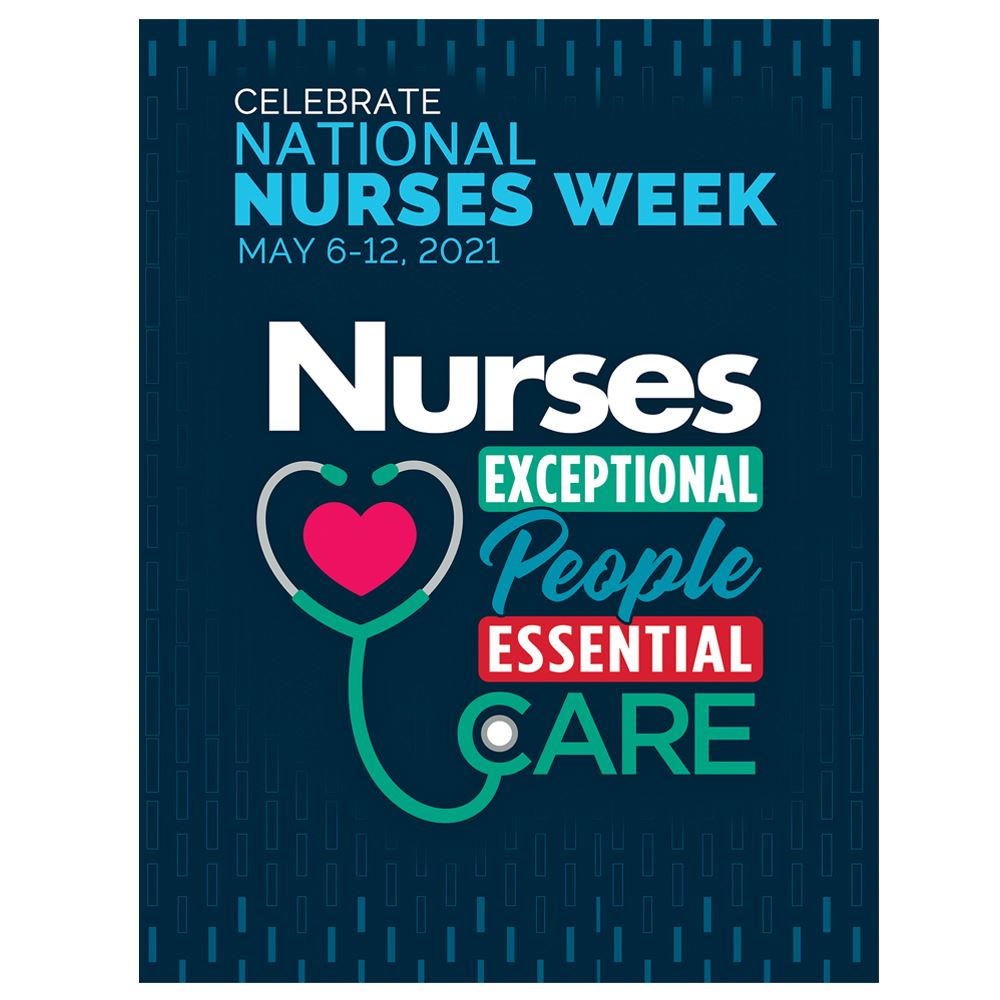






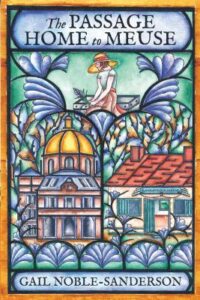


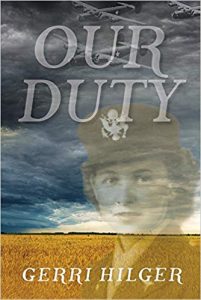



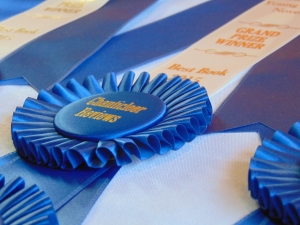






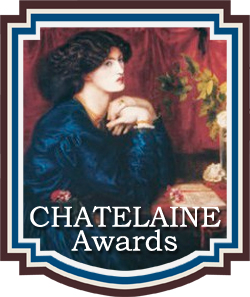 Chanticleer Book Reviews is seeking today’s best books featuring romantic themes and adventures of the heart, historical love affairs, perhaps a little steamy romance, we will put them to the test and choose the best among them.



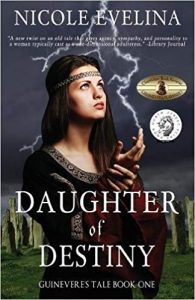




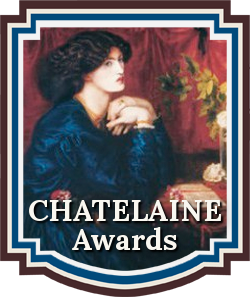



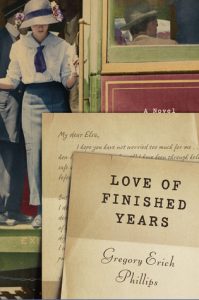
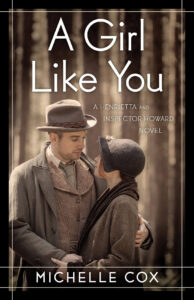
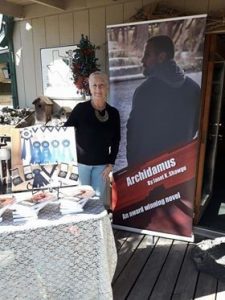



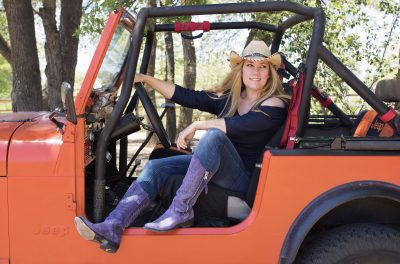
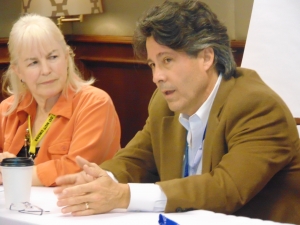
 Paul Cutsinger, head of Amazon’s Alexa Code Labs will present and keynote.
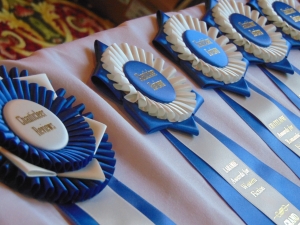



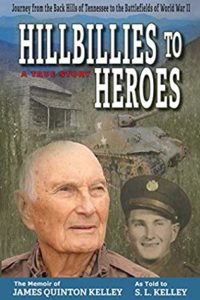
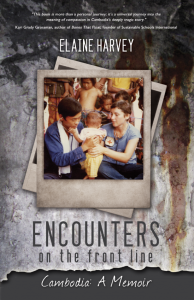
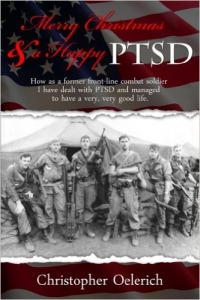
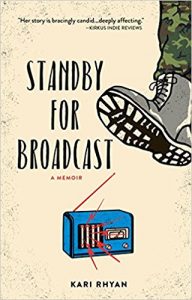
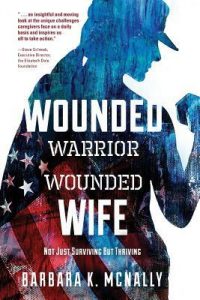 Wounded Warrior, Wounded Wife
 “Long goes far beyond the simplistic notion of the Civil War as told in American history texts to accurately portray the daily challenges faced by homesteading families, freed slaves, American Indians robbed of their ancestral lands, and ex-soldiers who face the disrespect of the Union army. Heart-warming and at times hilarious adventures are juxtaposed with gritty and emotionally wrenching moments such as Custer’s 1868 attack on Chief Black Kettle’s Cheyenne camp at Washita… Author McKendree Long displays a natural gift for storytelling.”
  “It is when Kelly accepts an open invitation to spend some time in Guzman’s drug palace in Northern Mexico that his code of “trusting friends first” will force him to face not only the dilemma of a loyalty to be divided between Guzman and Dave Holt, but also of being thrust into a senseless and bloody border war that has more than a few parallels to the Vietnam conflict. As such, Gilliam’s novel stands not only as a complex and intriguing “band of brothers” romp but also as a reflection on the evils of unquestioned authority and corruption.”