Author: j-l-oakley

  • LARAMIE Book Awards – SPOTLIGHT Focus on ALL Works of Western Fiction and Uniquely American Tales

    LARAMIE Book Awards – SPOTLIGHT Focus on ALL Works of Western Fiction and Uniquely American Tales

    Welcome to our SPOTLIGHT on LARAMIE Book Awards, the stories that stick!
    Western Pioneeer Civil War Fiction Award

    The Laramie Book Awards recognize emerging new talent and outstanding works in the Americana / Western, Pioneer, Civil War, Frontier, and First Nations Novels. The Laramie Book Awards is a division of the Chanticleer International Book Awards.

    Charles M. Russell painted the cowboy scene on Chanticleer’s very own Laramie Book Awards badge. It is one of many such paintings he did that encompassed the Old American Wild West. He was an advocate for the Northern Plains Indians. Charles M. Russell also helped establish a reservation in Montana for the Chippewa people.

    *More interesting facts about Laramie, Wyoming, and its historical icons are immediately after the Laramie Hall of Fame listing below. A fun read! 

    The Laramie Book Awards for American Western Fiction Hall of Fame First Place and Grand Prize winners!


    The 2018 Laramie Book Awards Grand Prize:

    Blood Moon: A Captive’s Tale by Ruth Hull Chatlien
    Laramie Book Awards

     2018 Laramie Book Awards for American Western Fiction First in Category Winners


    The 2017 Laramie Book Awards Grand Prize Winning Book also won the OVERALL Prize! Best book of 2017:

    HOUR GLASS by Michelle Rene

    2017 Laramie Book Awards for American Western Fiction First in Category Winners

    The 2016 Laramie Book Awards Grand Prize:
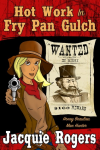
    Hot Work in Fry Pan Gulch: Honey Beaulieu – Man Hunter #1
    by Jacquie Rogers
    2016 Laramie Book Awards for American Western Fiction First in Category Winners


    The 2015 Laramie Book Awards Grand Prize:

    Widow (formerly known as Doctor Kinney’s Housekeeper) by Sara Dahmen
    2015 Laramie Book Awards for American Western Fiction First in Category Winners


    The 2014 Laramie Book Awards Grand Prize:

    Not on My Mountain Jared McVay

    Not On My Mountain by Jared McVay

    2014 Laramie Book Awards for American Western Fiction First in Category Winners

    The 2013 Laramie Book Awards Grand Prize:

    Unbroken Horses by Dale B. Jackson
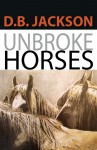
    Unbroke Horses clean

    Congratulations to the Laramie Awards 2013 1st Place Category Winners:
    • Mystery:  Double or Nothing by Meg Mims
    • Action/Adventure:  Haunted Falls by Ken Farmer & Buck Stienke
    • Historical Fiction: Because of the Camels by Brenda Blair
    • Civil War:  Ford at Valverde by Anita Melillo
    • Prairie Pioneer:  They Rode Good Horses by Dale B. Jackson
    • Literary Western:  Unbroke Horses by Dale B. Jackson
    • First Novel:  Confessions of  a Gunfighter by Tell Cotten
    • Best Manuscript: Lick Creek by Deborah Lincoln


    HOW DO YOU HAVE YOUR BOOKS COMPETE? Submit them to the Chanticleer International Book Awards –Click here for more information about The CIBAs! 
    Western Pioneeer Civil War Fiction Award

    Want to be a winner next year? The deadline to submit your book for the 2020 Laramie awards is July 31, 2020. Enter here!

    Grand Prize and First Place Winners for 2019 will be announced during our Virtual Conference in early September 2020.

    Any entries received on or after July 31, 2020, will be entered into the 2021 Laramie Book Awards. The Grand Prize and First Place for 2020 CIBA winners will be held on April 17, 2021.

     As our deadline draws near, don’t miss this opportunity to earn the distinction your American Western readers deserve!  Enter today!

    The LARAMIE Book Awards is a division of the Chanticleer International Book Awards – the CIBAs.

    The 2020 winners will be announced at the CIBA  Awards Ceremony, which will take place during the 2020 Live/Online Chanticleer Authors Conference. All Semi-Finalists and First Place category winners will be recognized, the first place winners will be virtually whisked up on “stage” to receive their custom ribbon and wait to see who among them will take home the Grand Prize. Covid19 has made our celebrations a bit different this year, but we still will celebrate!

    Don’t delay! Enter today!  

    As always, please do not hesitate to contact us with questions, concerns, or suggestions at Chanticleer@ChantiReviews.com

    [20] McDougall, Walt, “Pictures in the Papers,” American Mercury, 6:21 (September 1925), 72.

    What’s a Laramie?

    We thought you’d never ask!

    We titled the Chanticleer International Book Awards (CIBAs) division for Western American Fiction and all things that gather around the campfire singing a lonesome tune, the Laramie Awards, after the county and city in Wyoming. You know the one, tucked into the lower right-hand corner of the state between the Snowy Mountain Range and the Laramie Mountain Range.

    Yes, but why Laramie? 

    The small outpost was changed almost overnight when the Union Pacific Railroad moved their “Hell on Wheels” tent town from Cheyenne, Wyoming to Laramie after building the rails over the Sherman Summit at an elevation of 8,200 feet all the way to Laramie on May 4, 1868. Lawlessness and the Wild West ruled in Laramie. Luckily, “Hell on Wheels” moved on West as more track was laid down.

    But where did that name Laramie come from? 

    Laramie was named after Jacque LaRamie, a French or French-Canadian trapper who disappeared in the mountain range that was later named for him in the early 1810s. LaRamie was one of the first Europeans to visit the area. Laramie is a French name much like DuBois, Wyoming. And, yes, it is pronounced Doo – Boys (and NOT Du Bwai).
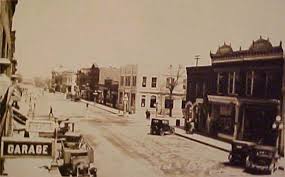
    There are several reasons we chose Laramie for our iconic Americana Book Awards. For us, and those in the know, Laramie, Wyoming immediately calls to mind the image of a Wild West town filled with rough-and-tumble cowboys. At one point, the only law in Laramie was “lawlessness. Wild Bill Hickok was even known to visit from time to time.

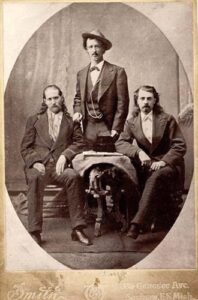
    Here’s a picture of the man, himself, on the left with his friends, Texas Jack Omohundro (center), and Buffalo Bill Cody on the right.

    Butch Cassidy and the Wild Bunch robbed trains and passengers with the first recorded train robbery taking place on June 2, 1899 in Wyoming. Butch was known to be very polite and dislike violence.

    But that’s not the only reason we chose Laramie.

    And, yes, there is yet one more reason we love Laramie! 

    The WOMEN!

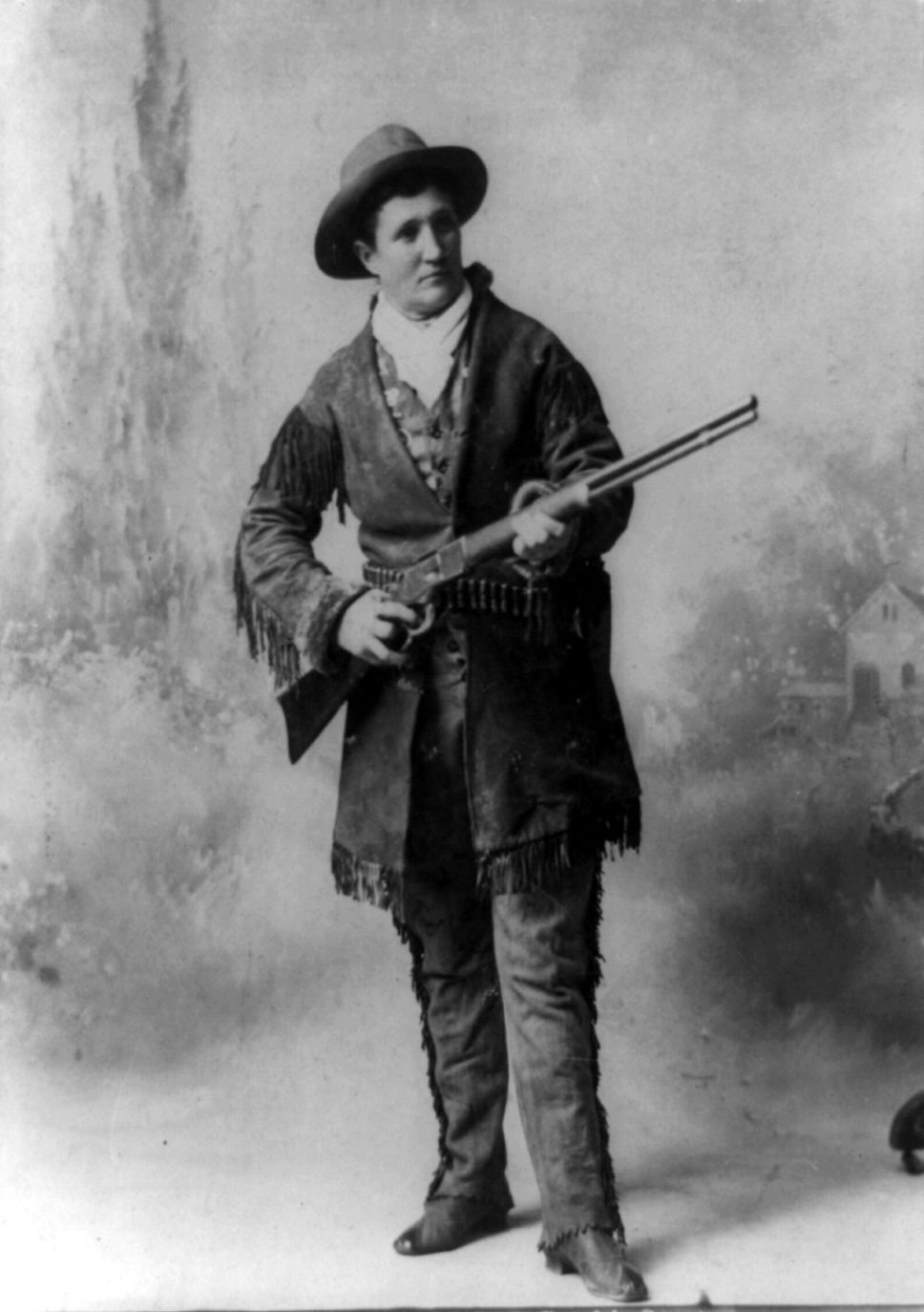
    Calamity Jane hails from Laramie, Wyoming – a skilled sharpshooter who was born to a gambler and a prostitute. She cared for her five younger siblings in Utah before traveling on to Wyoming in search of a better life. There she found work as a dance hall girl and then as a prostitute at Fort Laramie. It was there that she reinvented herself by wearing buckskins and dressing like a man. She was also known for her swearing and hard-drinking ways, but Calamity Jane was also known even more for her kind heart and helping folks out of calamities–thus her nickname.

    Calamity Jane — She was the inspiration for Michelle Rene’s HOURGLASS novel.

    While the men were wrestling in the streets and shooting up the place, it was really the women who brought civilization to Laramie and Wyoming Territory. They established the first school in 1869, served on a formal jury in the Spring of 1870,  and were the first to gain the vote; which is exactly what Louisa Swain and 92 of her friends did on September 6, 1870 –150 years ago!
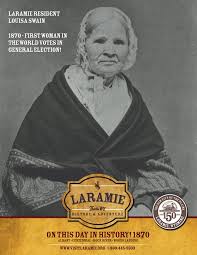
    Louisa Swain, the first woman to cast a ballot and she did it in Laramie, Wyoming!

    Louisa Swain – she was made of stern stuff!

    Early in the morning on September 6, 1870 in Laramie, Wyoming Louisa Swain became the first woman in the world to cast a ballot under democratically enacted laws granting women equal political rights with men. In the fall of 2008, 138 years later, the U.S. Congress passes a resolution proclaiming September 6th as “Louisa Swain Day” in recognition of this historic event.The Louisa Swain Foundation

    In 1870, Esther Hobart Morris (59 years old) became the first female Justice of the Peace. She served in South Pass City, Wyoming, which is to the northwest of Laramie.
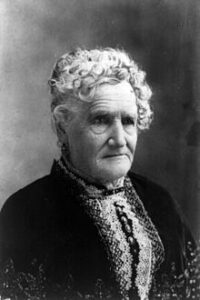
    Esther Morris "to pettifoggers she showed no mercy." Wyoming Tribune
    Esther Morris, first female Justice of the Peace — Wyoming

    Esther Morris “to pettifoggers she showed no mercy.” Wyoming Tribune

    The Union’s first all-female jury was assembled in Wyoming in 1870.

    Later, in 1894, Estelle Reel Meyer became Superintendent of Public Instruction, the country’s first female statewide elected official.

    And the grand coup d’etat was when in 1889 when Wyoming vied for statehood—and refused to join the Union if the laws giving equality to women were not upheld, telling Congress (which wanted the suffrage law rescinded) via telegram,

    “We will remain out of the Union 100 years rather than come in without the women.”

    Wyoming is also the first state in the USA to allow women to own property and sign legal documents.

    In 1910, Mary Godat Bellamy became the first woman to be elected to the Wyoming Legislature. Two other western states, Colorado and Idaho, elected women legislators in 1895 and 1899, respectively. Wyoming was third in the nation.

    Quotes are from the Smithsonian Magazine
    Read more: https://www.smithsonianmag.com/travel/women-voting-wyoming-150-years-here-how-state-celebrating-180971263/#6UKzMfMeCQsmbIIQ.99
    Give the gift of Smithsonian magazine for only $12! http://bit.ly/1cGUiGv
    Follow us: @SmithsonianMag on Twitter

    {https://www.wyohistory.org/encyclopedia/brief-history-laramie-wyoming}


  • The QUISLING FACTOR by J. L. Oakley – Historical European History, Wartime Fiction, Historical Military Thriller

    The QUISLING FACTOR by J. L. Oakley – Historical European History, Wartime Fiction, Historical Military Thriller

    During World War II “quisling” became a byword for a particular type of traitor, one who not only betrays their own country but also actively collaborates with the invaders. The origin of the term was taken from an actual person, a Norwegian named Vidkun Quisling, who didn’t merely cooperate with the Nazis but actually headed a collaborationist regime in his own country.

    The Quisling Factor takes place in the immediate post-war period, as the Nuremberg Trials are gearing up in Germany. Norway is conducting its own post-war legal purge of collaborators at all levels of government.

    The story is a direct follow-up to the author’s award-winning World War II novel, The Jøssing Affair. This second novel focuses on the physical and emotional toll of war, and its precarious weight of peace on the survivors.

    While the events of J. L. Oakley’s latest novel directly relate to those in The Jøssing Affair, each book is quite capable of standing alone. The first one deals directly with the dangers of war, particularly for those who were part of the anti-Nazi resistance. The Quisling Affair is a peacetime story. While the novel definitely deals with the war’s aftermath, it also sits on the chilling crossroad between a spy thriller and Nordic noir, as the dangers faced by former intelligence officer, Tore Haugland, his wife Anna and his Norwegian family face in two directions.

    During the war, Tore was captured by the Gestapo, then tortured by Henry Oliver Rinnan, a Norwegian who ran a notorious organization that targeted resistance organizations in the Trondheim region. He is now scheduled to testify against Rinnan and his vicious gang. While those leaders are in prison, someone on the outside clearly does not want Tore to testify. His family is being threatened to perhaps block his testimony. There is also the possibility of betrayal from within. Not all of Tore’s Norwegian family is willing to accept his half-German, half-American wife as they are unable to separate their suffering at the hands of the Nazis from her heritage.

    This meticulously researched historical epic delves deeply into the traumas of all the survivors, whether military, resistance, or civilian, as well as peering into the abyss that lies between the horrors behind them and the hopefully brighter future ahead. The reader sees into Tore’s mind and empathizes with the way that his war continues to eat at him – and his heart that has chosen not just to survive but to love again.

    We highly recommend The Quisling Factor for readers looking for an exceptional post-WWII story, for a fantastic thriller with both espionage and domestic elements, and for anyone who loves Nordic noir and would like to see it set in another era. This book is a winner.

    The Quisling Factor won the Hemingway Book Awards Grand Prize for the 2020 Chanticleer Int’l Book Awards.


  • ALL THINGS GOETHE! June 2020 SPOTLIGHT on Post-1750 Historical Fiction

    ALL THINGS GOETHE! June 2020 SPOTLIGHT on Post-1750 Historical Fiction

    Post 1750s Historical Fiction Award


    Welcome to the SPOTLIGHT on post-1750 Historical Fiction novels… in other words,
    Welcome to the GOETHE Book Awards!


    Why do we like Johann Wolfgang von Goethe so very much? It’s simple! He’s the guy who wrapped up everything we believe in with this simple sentence:


    “Whatever you can do or dream, you can begin it. Boldness has genius, power, and magic in it.” – Goethe


    Of course, this was also said about Goethe (Super Goethe by Ferdinand Mount) that “…[his] company could be exhausting. One minute he would be reciting Scottish ballads, quoting long snatches from Voltaire, or declaiming a love poem he had just made up; the next, he would be smashing the crockery or climbing the Brocken mountain through the fog.”  

    So…, moving on… Goethe was also a very cool guy. In his lifetime, he saw the beginning of the Industrial Revolution in 1750 through Mary Shelley’s publishing of Frankenstein in 1818 – and everything in between! Check out the list of what happened during those nearly seventy decades at the end of this post – you will be A-Mazed!

    Goethe Book Awards Semi-Finalist Badge


    Now, Welcome to the GOETHE Hall of Fame!

    We wish to congratulate 2018’s Goethe Book Awards Grand Prize Winner –

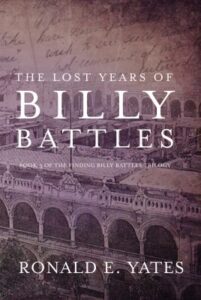
    The Lost Years of Billy Battles by Ronald E. Yates

    Billy Battles is as dear and fascinating a literary friend as I have ever encountered. I learned much about American and international history, and you will too if you read any or all of the books. Each is an independent work, but if read in relation to the others, the reader experiences that all too rare sense of complete transport to another world, one fully realized in these pages because the storytelling is so skillful and thoroughly captivating. Trust me; you’ll want to read all three volumes. Chanticleer Reviewer’s Note

    Mr. Ronald Yates not only won Grand Prize in the CIBAs 2018 GOETHE Awards – he won OVERALL GRAND PRIZE!


    To learn more about Ronald E. Yates, please click here.


    Congratulations to the 2018 Goethe Book Awards First Place Category Winners! 


    The GOETHE Book Awards for post-1750s Historical Fiction Grand Prize is awarded to:


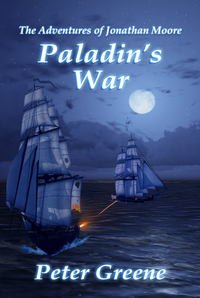
    Paladin’s War: The Adventures of Jonathan Moore by Peter Greene

    Congratulations to the 2017 Goethe Book Awards First Place Category Winners! 


    The Goethe Grand Prize Ribbon for Historical Fiction Post 1750s 2016 was awarded to:

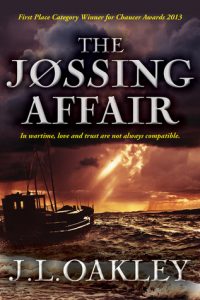
    The Jøssing Affair by J.L. Oakley

    Congratulations to the 2018 Goethe Book Awards First Place Category Winners! 

    • Women’s Historical: A Seeping Wound by Darryl Wimberley
    • Manuscript World Wars and Other Wars: In Their Finest Hour by Duncan Stewart
    • North American Turn of the Century: The Depth of Beauty by A.B. Michaels
    • Regency, Victorian, 1700s/1800s: A Woman of Note by Carol M. Cram
    • British/Europe Turn of the Century: Silent Meridian by Elizabeth Crowens
    • Historical Fiction Manuscript: Running Before the Wind by Carrie Kwiatkowski
    • 20th Century: The Boat House Cafe by Linda Cardillo


    Post 1750s Historical Fiction AwardThe deadline for entering manuscripts and recently published works into the 2020 Goethe Book Awards is coming up fast! JUNE 30, 2019 is the deadline!

    For more information, please click here!


    Submit your manuscript or recently released Historical Fiction (post-1750s) to the Chanticleer International Book Awards!


    Want to be a winner next year? The deadline to submit your book for the Goethe Awards is June 30, 2020. Enter here!

    Grand Prize and First Place Winners for 2019 will be announced during our 2020 conference, #CAC20.

    The Grand Prize and First Place for 2020 CIBA winners will be held on April 17, 2021.

    Any entries received on or after June 30, 2020, will be entered into the 2021 Goethe Book Awards that will be announced in April 2022.

     As our deadline draws near, don’t miss this opportunity to earn the distinction your historical fiction deserves!  Enter today!

    The GOETHE Book Awards is a division of the Chanticleer International Book Awards – the CIBAs.

    The 2020 winners will be announced at the CIBA  Awards Ceremony during #CAC20. All Semi-Finalists and First Place category winners will be recognized, the first-place winners will be whisked up on stage to receive their custom ribbon and wait to see who among them will take home the Grand Prize. It’s an exciting evening of dinner, networking, and celebrations! 


    Goethe

    Some events that occurred during  Goethe’s lifetime:

    1750 – The Industrial Revolution began in England
    1756 – Wolfgang Amadeus Mozart was born in Salzburg Austria
    1761 – The problem of calculating longitude while at sea  was solved by John Harrison
    1765 – James Watts perfects the steam engine
    1770 – Ludwig van Beethoven was born in Bonn, Germany
    1774 – Goethe’s romantic novel, The Sorrows of Young Werther, propels him into European fame
    1774 – Goethe’s play Gotz von Berlichingen, a definitive work of Sturm und Drang premiers in Berlin
    1776 –  America’s 13 Colonies declare independence from England. Battles ensue.
    1776 – Adam Smith publishes the Wealth of Nations (the foundation of the modern theory of economics)
    1776 –  The Boulton and Watt steam engines were put to use ushering in the Industrial Revolution
    1783 – The Hot Air Balloon was invented by the Montgolfier brothers in France.
    1786 – Le Nozze di Figaro by Mozart premiered in Vienna
    1789 – George Washington is elected the first president of the United States of America
    1780 – Antoine Lavoisier discovers the Law of Conservation of Mass
    1789 – The French Revolution started in Bastille
    1791 – Thomas Paine publishes The Rights of Man
    1792 – Napoleon begins his march to conquer Europe
    1799 – Rosetta Stone discovered in Egypt
    1802 – Beethoven created and performed The Moonlight Sonata
    1802 – A child’s workday is limited to twelve hours per day by the British parliament when they pass their first Factory Act
    1804 – Napoleon has himself proclaimed Emperor of France
    1808 – Atomic Theory paper published by John Dalton
    1811 –  Italian chemist Amedeo Avogadro publishes a hypothesis, about the number of molecules in gases, that becomes known as Avogadro’s Law
    1811 – Jane Austen’s Sense and Sensibility was published anonymously. It was critically well-received
    1814 – Steam-driven printing press was invented which allowed newspapers to become more common
    1818 – Mary Shelley publishes Frankenstein
    1832 – Goethe’s Faust, Parts 1 & 2 are published posthumously (March 22, 1832)

    In 1830, Eugene Delacroix  created Liberty Leading the People to epitomize the French Revolution. The movement officially began with the Storming of the Bastille on July 14, 1789, a day that is still celebrated in France.  The French people were rebelling against the extreme wealth of the French royal family who overtaxed and underpaid the people of France to the point where they could not even feed themselves and had nothing to lose by going to battle. They were starving to death.  The uprising of 1830 was featured in Victor Hugo’s Les Miserables (1862)

    Claude-Michel Schönberg and Alain Boublil’s (1980s) musical can look at Delacroix’s Liberty Leading the People and hear the lyrics of the song that serves as a call to revolution:
    Do you hear the people sing? Singing a song of angry men? It is the music of a people. Who will not be slaves again.
    Liberty Leading the People by Eugene Delacroix, 1830. On display at the Lourve, Paris.


    Resources 

    *Britannica Encyclopedia 

    ** Oxford Reference

    ***New Yorker Magazine

  • June SPOTLIGHT on CHAUCER AWARDS – Early Historical Fiction, Historical Fiction, Historical Romantic Fiction, Crusades, Medieval

    June SPOTLIGHT on CHAUCER AWARDS – Early Historical Fiction, Historical Fiction, Historical Romantic Fiction, Crusades, Medieval

    Pre 1750 Historical Fiction Award

    Do you have an early historical fiction manuscript or recently released novel? Submit your work to the CIBA 2019 CHAUCER Awards by
    June 30, 2020, and see how your work stacks up against others. 


    We know you want to – because we never tire of promoting our authors’ achievements!

    As in Chaucer’s words in the Nun’s Priest Tale of the Canterbury Tales,

    “For crowing there was not his equal in all the land.”


    Click here to find out more. 

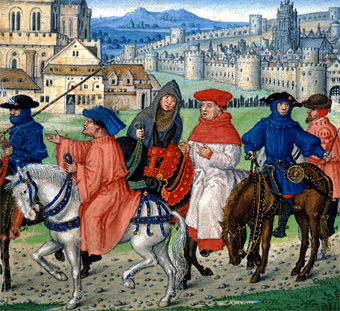
    We titled the Chanticleer International Book Awards (CIBAs) division for Pre-1750s Historical Fiction the Chaucer Awards, after the English poet and author of the Canterbury Tales, because #CHAUCER.

    But seriously, did you know that The Canterbury Tales is considered one of the greatest works in the English language? In fact, it was among the first non-secular books written in Middle English to be printed. So, yeah, #Chaucer

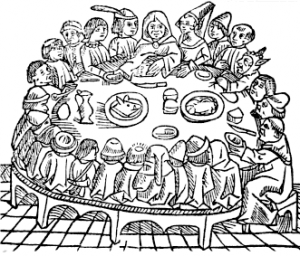
    A woodcut from William Caxton’s second edition 0f the Canterbury Tales printed in 1483

    Some interesting tidbits about Geoffrey Chaucer

            • born c. 1342/43 probably in London. He died on October 25, 1400
            • his father was an important London vintner
            • His family’s finances were derived from wine and leather
            • Chaucer spoke Middle English and was fluent in French, Latin, and Italian
            • He guided diplomatic missions across the continent of Europe for ten years where he discovered the works of Dante, Petrarch, and Boccaccio whose The Decameron had a profound influence on Chaucer’s later works
            • He married well as his wife received an annuity from the queen consort of Edward III
            • His remains are interred in the Westminster Abbey


     As our deadline draws near, don’t miss this opportunity to earn the distinction your historical fiction deserves!  Enter today!

    Welcome to the CHAUCER BOOK AWARDS HALL OF FAME

    Click on the links below to read the Chanticleer Review of the award-winning work!

    Pre 1750 Historical Fiction Award


    The 2018 Chaucer Book Awards Grand Prize Winner:

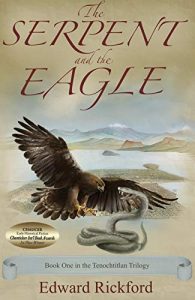
    The SERPENT and The EAGLE  by Edward Rickford 


    2018 Chaucer Book Awards for Pre-1750s Historical Fiction First in Category Winners:


    The 2017 Chaucer Book Awards Grand Prize:

    The Traitor’s Noose: Lions and Lilies Book 4 by Catherine A. Wilson and Catherine T. Wilson

    2017 Chaucer Book Awards for Pre-1750s Historical Fiction First in Category Winners:


    The 2016 Chaucer Book Awards Grand Prize Winner:

    (Chaucer Book Awards was the Historical Fiction division until we divided it for the 2016 CIBAs into two divisions because of the number of entries:

    Goethe Book Awards for post-1750s Historical Fiction and Chaucer Book Awards for pre-1750s Historical Fiction).

    The Towers of Tuscany by Carol M. Cram


    2016 Chaucer Book Awards for Pre-1750s Historical Fiction First in Category Winners:


            The 2015 Chaucer Book Awards Grand Prize Winner:

            (Chaucer Book Awards was the Historical Fiction division until we divided it into two divisions for the 2016 CIBAs because of the number of entries:

            Goethe Book Awards for post-1750s Historical Fiction and Chaucer Book Awards for pre-1750s Historical Fiction).

            Valhalla Revealed by Robert A. Wright

            Valhalla Revealed by Robert A Wright


            2015 Chaucer Book Awards for Pre-1750s Historical Fiction First in Category Winners:


            The 2014 Chaucer Book Awards Grand Prize:

            (Chaucer Book Awards was the Historical Fiction division until we divided it into two divisions because of the number of entries:

            Goethe Book Awards for post-1750s Historical Fiction and Chaucer Book Awards for pre-1750s Historical Fiction).

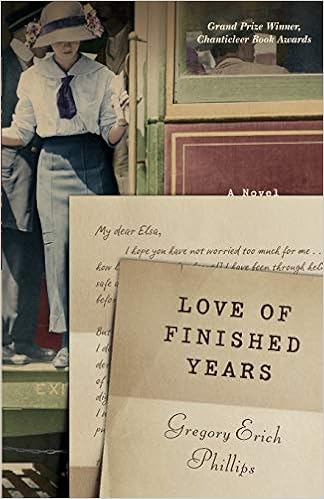
            The Love of Finished Years  by Gregory Erich Phillips

            2014 Chaucer Book Awards for Pre-1750s Historical Fiction First in Category Winners


            The 2013 Chaucer Book Awards Grand Prize Winner:

            Propositum - Front Cover 2

            Propositum by Sean Curley

            2013 Chaucer Book Awards for Pre-1750s Historical Fiction First in Category Winners:

            • Adventure/Young Adult:  I, Walter by Mike Hartner
            • N.A. Western:  Crossing Purgatory by Gary Schanbacher
            • World War II (European):  Deal with the Devil by J. Gunner Grey
            • Adventure/Romance/YA: “Lady Blade” by C.J. Thrush
            • Nordic History:  The Jøssing Affair by J.L.Oakley
            • Regency:  Traitor’s Gate by David Chacko & Alexander Kulcsar
            • Women’s Fiction/WWII: Wait for Me  by Janet K. Shawgo
            • Medieval/Dark Ages: Divine Vengeance by David Koons
            • Women’s Fiction/World History: Daughters of India by Kavita Jade

            What are you waiting for? Before long the CHAUCER Book Award deadline will be history.

            Submit your manuscript or recently released Historical Fiction (pre-1750s) to the Chanticleer International Book Awards!

            Want to be a winner next year? The deadline to submit your book for the Chaucer awards is June 30, 2020. Enter here!

            Grand Prize and First Place Winners for 2019 will be announced on September 5, 2020.

            Any entries received on or after June 30, 2020, will be entered into the 2021 Chaucer Book Awards. The Grand Prize and First Place for 2020 CIBA winners will be held on April 17, 2021.

             As our deadline draws near, don’t miss this opportunity to earn the distinction your historical fiction deserves!  Enter today!

            The CHAUCER Book Awards is a division of the Chanticleer International Book Awards – the CIBAs.

            The 2020 winners will be announced at the CIBA  Awards Ceremony on September 5, 2020, which will take place during the 2020 Chanticleer Authors Conference. All Semi-Finalists and First Place category winners will be recognized, the first-place winners will be whisked up on stage to receive their custom ribbon and wait to see who among them will take home the Grand Prize. It’s an exciting evening of dinner, networking, and celebrations! 

            Don’t delay! Enter today! 

          • 10 QUESTION INTERVIEW WITH MULTI-AWARD WINNING AUTHOR JANET OAKLEY – Author Interview, Historical Fiction, Award-Winner

            10 QUESTION INTERVIEW WITH MULTI-AWARD WINNING AUTHOR JANET OAKLEY – Author Interview, Historical Fiction, Award-Winner

            Janet Oakley is one of those authors who seems to show up everywhere – all at once! She’s won multiple awards and rightly so. Her novels and short stories are compelling, rich, and historically precise. She is a generous author and committed to her work. She knows what it takes to succeed in this business.

            Ladies and gentlemen, I give you multi-award winning author, Janet Oakley.

            Chanticleer: Tell us a little about yourself: How did you start writing?

            Oakley: I was born in D.C. and grew up Pittsburgh. It was a creative house with my mother a pianist, my dad a physicist. There was no TV in the house, so we pretty much used our imaginations. My parents both loved books and read to my brothers and I every night. The original Carnegie Library in downtown Pittsburgh was my haunt.

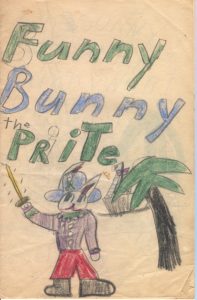
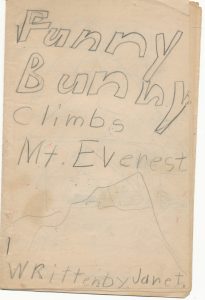
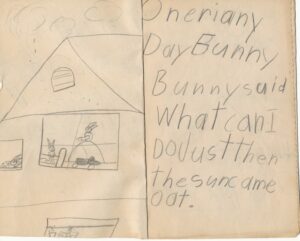
            Like many published authors, I started writing early—in second grade. My oeuvre was a series, illustrated by myself, called Funny Bunny.


            In fifth grade, I wrote my first historical fiction, with questionable historical facts. In college when I majored in history, my writing became more serious as I learned to do research and write essays and articles. In my sophomore year, I got an internship at the Smithsonian Institute. I was given an office in the annex of the Library of Congress and spent a whole quarter going through early 19th century magazines and newspapers looking for images of Native Americans. I returned to D.C. my senior year to research my thesis on the Comanche Indians as Prisoners of War and after graduation, I was awarded a stipend to work in the Smithsonian’s Anthropology Archives. I worked there until I left for Hawaii the following year. This experience of doing research and writing in my early years led to writing my first novel, The Jossing Affair. I haven’t looked back.

            Chanticleer: That’s quite a rich growing up there, Janet.  When did you realize you that you were an author and not only a historian?

            Oakley: I spent nearly ten years pitching and query Jøssing and the other novels I was developing with little success but it wasn’t until I took a writing intensive class in 1999 at UW that I found a different way to publish and expressed myself– the personal essay. Though not one of my assignments at UW, the first thing I ever had published, other than some letters to the editor at my local newspaper, was an essay in Rugby Magazine, entitled, “On Being Rugby Mom.” I had started the essay on lunch break at UW. That success led to sending in essays to the Cup of Comfort series (part of the Writer’s Digest publishing house) I had five essays published in anthologies with titles like A Cup of Comfort for Women, A Cup of Comfort for Mothers and Sons and others. In 2006, I won first place at Surrey International Writers for my essay, “Drywall in the Time of Grief.”  I realized then that I could write material acceptable for publication and get edited by a great editor. (We’re still friends) Then I could say I was an author. When indie publishing came into being, I was ready to publish my novels.


            Chanticleer What genre best describes your work?

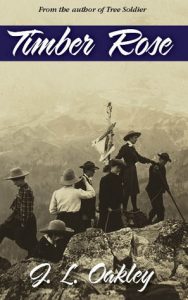
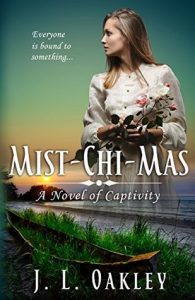
            Oakley: Historical fiction, for sure. I love history and those little known, often forgotten events in both local and international history. Like Hawaiians in the Pacific Northwest in the 19th century (Oakley’s novel Mist-Chi-Mas: A Novel of Captivity is a timeless and important story that addresses what life was like for Pacific Islanders in the PNW). Women climbing mountains in skirts in 1907 (Timber Rose is Oakley’s novel about the first women’s hiking club). These historical tidbits have become the background for several of my historical novels. Historical fiction, however, has many aspects to it and can fit into thrillers and mysteries.  My WWII novel, The Jøssing Affair, has been called a historical thriller and for the past three years, I have been writing mysteries set in Hawaii—a place I love—with some history in them. The Jøssing Affair was awarded the Goethe Book Awards Grand Prize  for Historical Fiction, a division of the Chanticleer Int’l Book Awards.

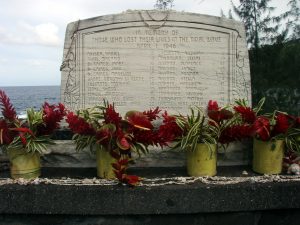
            Coconut Island for one. Its historical background rests on the 1946 April Fools Day tsunami that wiped out Hilo. I got an inkling of its destruction and loss of life while teaching at Hilo Adult School—one of my students, a 4th-grade teacher, was a survivor. It wasn’t until I researched the tsunami for Coconut Island, did I learn its full impact: 96 people lost, homes and businesses destroyed. The tsunami arrived from the Aleutian Islands in under 5 hours. History has its own compelling storyline which I love to set my characters in and see how they do. Even in a mystery. I can’t seem to get history out of anything I write!

            Chanticleer:  So even your mysteries have a strong vein of historical running through them. Can you tell us a little more about that? 

            Oakley: Curiosity and family stories of homesteading in Kansas, Indian Territory and the NW in the late 1800s got me hooked on history. I grew up on stories of one great-grandfather who was a Union surgeon at the Battle of Gettysburg, another great-grandfather in the 1870s Hayden expedition to Yellowstone. My great-grandmother saw Lincoln on his way to his inauguration, then later went out to Kansas where her parents taught at Shawnee Mission. I’ve always wondered about people who lived in different times. What type of technology did they have available? How did they manage with their technology? What their lives were like without our modern conveniences. What made them succeed, be happy in life? My mom also influenced me as she loved history and love historical fiction herself.

            Chanticleer: How does being an author affect your involvement in your community?

            Oakley: Writing historical fiction has opened opportunities to talk about the history behind my novels. The Jøssing Affair, set in Norway during WWII, has been a popular book club choice as we have a large community of Scandinavians in the state, but I think my first published novel, Tree Soldier, has a more important impact.

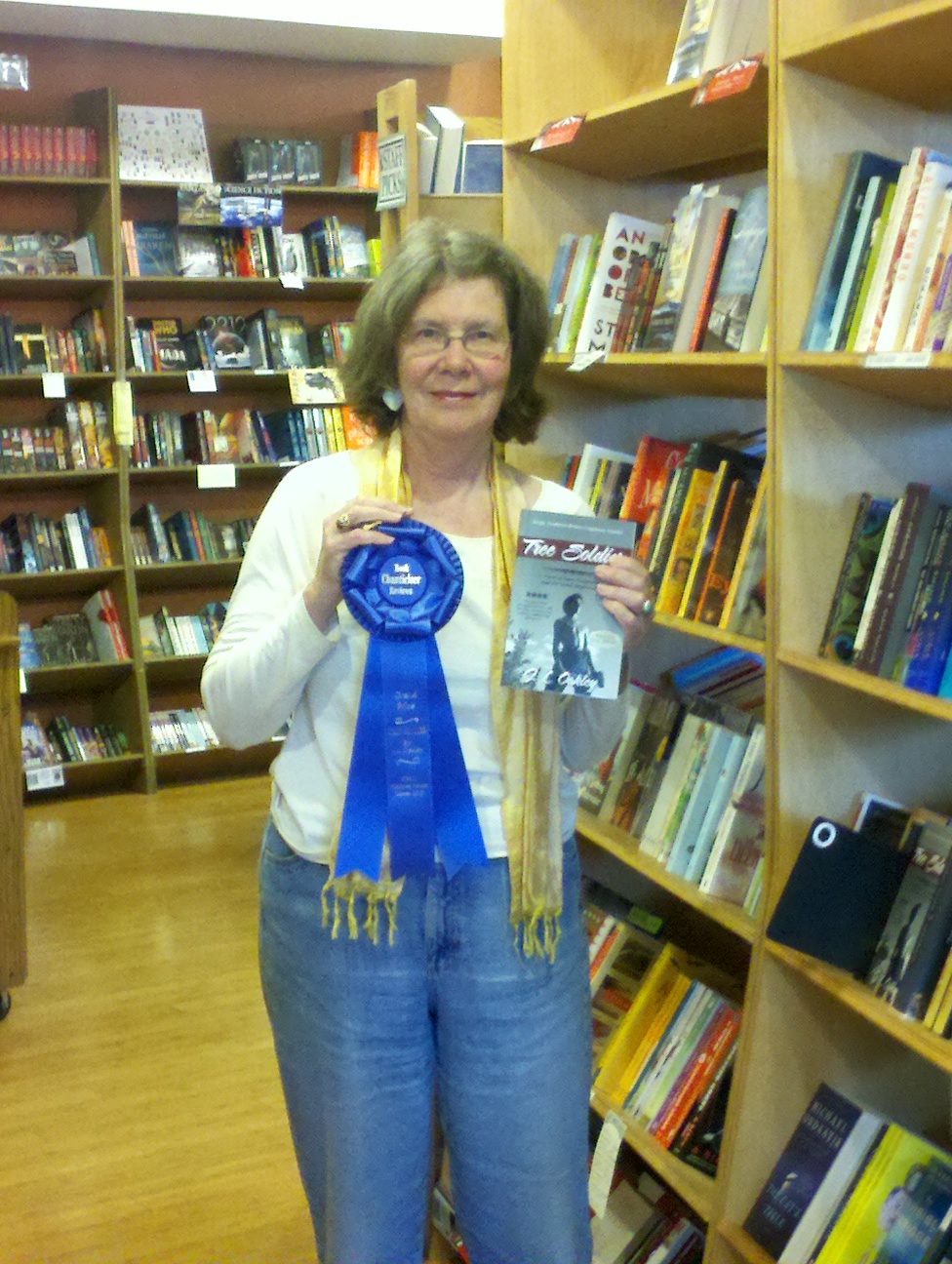
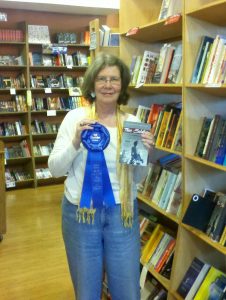
            Janet Oakley at Village Books with her Chanticleer Grand Prize Ribbon

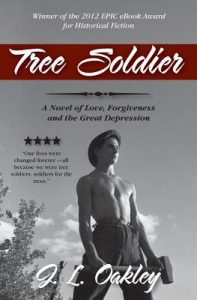
            I grew up listening to my mother’s stories of the Civilian Conservation Corps boys from New Jersey who showed up at Lowman, ID in 1933. Part of the New Deal was to put young men back to work in environmental projects, these young men had been lifted out of their block in Jersey City and sent West. Tree Soldier came as a result of my need for a history paper for my Master’s in Elementary Education. I interviewed five gentlemen who had been in the CCC. I began to present talks on the CCC and in 2013 was accepted into the Washington Humanities program. For two years, I went around Washington State talking about the CCC in Washington State (1933-1941) each time before I went to a new community, I researched the camps in their area and added the findings to my talk. Then Tree Soldier was awarded the Chanticleer Grand Prize for Best Book. A presentation in Clarkston, WA led to an invitation to have Tree Soldier be selected as an Everybody Read for the Palouse area in both Washington and Idaho. What an honor! And a learning experience on how to present and engage with readers in the libraries. Not much later, Tree Soldier was again a book read for four libraries on the Olympic Peninsula.

            I think the thing I am most proud of is being behind the installation of a CCC worker statue at Glacier Washington ranger station. As an educator, for me, this statue from a national CCC program, helps visitors to the Mount Baker National Forest learn and appreciate the work of out-of-work boys from long ago. When we dedicated the statue on June 16th, a 98-year-old CCC boy from Camp Glacier came. It was so wonderful to see the attention he received. Since then a 96-year-old CCC boy has contacted me through his granddaughter. I hope to meet him soon.

            Chanticleer: Good work, Janet! What are you working on now? What can we look forward to seeing next from you?

            Oakley: I’m working on the sequel to The Jøssing Affair, set in Norway a year after WWII. Rewriting my Kindle World mystery novellas and publishing them as Hilo Bay Mysteries. Once the third book is complete, I plan to do a boxset both in ebook and paperback.

            Chanticleer: Can’t wait to see where this book takes you. It’s important to work on your craft. What do you do to grow your author chops?

            Oakley: I write every day, usually in the morning starting at 8:00 AM. I belong to several writers groups, including a critique (going for 16 years now) and I am a member of the Independent Writers Studio where I work on WIPs with a wonderful editor and other members.

            Chanticleer: That seems to be more than a simple commitment – it’s a way of life! Good for you. What craft books have helped you the most?

            Oakley: Better than craft books, I have been taking classes from the authors and well-writing teachers such as Donald Maas on and off for over 25 years, Diana Gabaldon, Robert Dugoni and many other fine writers and teachers. Usually at conferences.

            Chanticleer: What is the most important thing a reader can do for an author?

            Oakley: Write a review on Amazon. It carries more weight than any other review site. Books need reviews in this crowded publishing world.

            Chanticleer: Good point. What do you do when you’re not writing? Tells us a little about your hobbies.

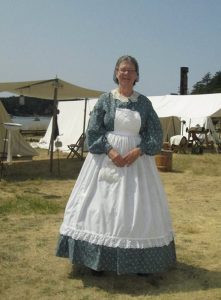
            Oakley: For the past 35 years, I have researched and then taught hands-on history workshops to at schools children through Allied Arts and on my own and at a county museum. I wrote several social studies curriculum for Whatcom County schools and a national park. Following the publication of the curriculum for the San Juan Island National Historical Park in 1995, I began to give demonstrations on 19th-century foodways there. Soon I joined English Encampment, an annual gathering of reenactors at the national park as Miss Libby, an 1860 schoolmarm. Great fun! I also garden. Like words, the flowers and veggies need nurturing.

            Chanticleer: Thank you for being with us, Janet Oakley. You are an inspiration and your passion is contagious!


            Now, it’s your turn to show your support! Please find and follow Janet as she shares her writing, life, and insight into living a successful author-life.

            You can find her here:

            Facebook:  https://www.facebook.com/janet.oakley.12

            Website: https://www.jloakleyauthor.com/ 

            If you would like to read Oakley’s books, here is a list of her titles can be found at Village Books, Barnes Nobles, or by clicking on the Amazon links below:

            Timber Rose

            Tree Soldier

            Mist-chi-mas: A Novel of Captivity

            The Jossing Affair

            The Hilo Bay Mysteries:

            Coconut Island

            Hilina Pali

            Volcano House


          • Books for Veterans Day –  Honoring Those Who Have Served in the Armed Forces

            Books for Veterans Day – Honoring Those Who Have Served in the Armed Forces

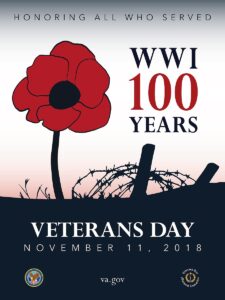
            Veterans Day honors and celebrates the service of all U.S. military veterans.

            November 11th, 2018, Veterans Day,  also celebrates the 100th anniversary of the end of World War I. The hostilities were formally ended at the 11th hour of the 11th day of the 11th month of 1918. 

            Honoring those who are serving, have served, and those who have fallen while in military service is a tradition here at Chanticleer Reviews.

            We here at Chanticleer Reviews have had the honor of reviewing top novels by written by outstanding authors whose stories enlighten, remind,  empathize, and creates a better understanding with those who have served in the armed forces.

            It is our pleasure to share these titles with you that bring important moments in history along with poignant storytelling to their readers.

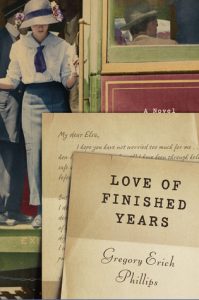
            Love of Finished Years by Gregory Erich Phillips,  WWI, Immigration, sweatshops

            Chanticleer International Book Awards Grand Prize Winner 

            From the riveting opening that takes place in NYC’s Lower East Side’s sweatshops until its gripping conclusion after World War I, this enthralling novel vividly portrays the desperate times of German immigrants landing at Ellis Island in search of a better life intertwined with the story of a young man and his heroic military service during WWI.


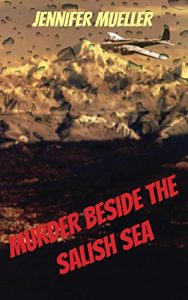
             Murder Beside the Salish Sea by Jennifer Mueller  WWII, Japanese Internment, PNW

            A Mystery & Mayhem Book Award First Place Winner

            Brock Harker, World War II fighter pilot returns home to the Pacific Northwest on leave. He’s searching for a little peace once he finds his half Japanese wife who vanished while he was away. What he finds is Murder Beside The Salish Sea by author Jennifer Mueller, who artfully pulls Brock into an intriguing plot that hides the darkest of secrets.


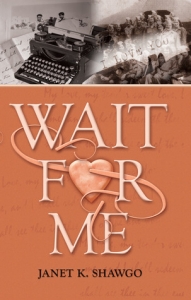
            Wait For Me – Janet Shawgo      WWII and Historical Romance

            Goethe (formerly Chaucer) Book Awards First Place Winner

            The often-unknown role of women in wartime as travel nurses and pilots, as well as the use of herbs for natural healing, add interesting and relative historical content to this engaging American saga.


            The Jøssing Affair by J.L. Oakley  – WWII, Norway, Resistance Fighters

            Goethe Book Awards Grand Prize winner for Historical Fiction

            A profound work of historical fiction recounting the Norwegian Resistance to the Nazi Occupation. A testimonial to the underground heroes who put aside personal safety for a cause much bigger than themselves. Their courage is acknowledged in this superbly gripping novel.


            A Crowded Heart by Andrea McKenzie Raine   PTS, Veterans, Military, Social Issues

            Shortlisted for the Somerset Book Awards

            The wide ensnaring net of the aftershocks of war is poignantly portrayed here — powerful and deeply affecting!

            Raine wisely expands the narrative of the novel to reveal the wide net of war. Willis is not the only victim; the people in his life experience the after-shocks of fighting as well. 

            Not to give up on those who have already given up on themselves is the challenge. Raine reminds us that doing so requires a full heart, indeed, a crowded heart.

            Watch Over Me by Eileen Charbonneau   WWII, Espionage, Code Talkers, Thriller

            Chatelaine Book Awards First Place Award Winner

            In a world of half-truths, crooked policemen, spies, and impersonators, the real question is who to trust. Watch Over Me shows a living portrayal of 1940s New York spinning wildly in the madness of espionage, where secrets and sacrifices threaten the bond of love and the hope of family.


            Non-Fiction Works that were written by Veterans

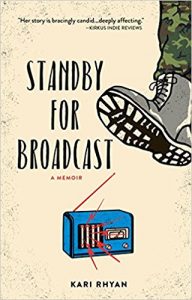
            Standby for Broadcast by Kari Rhyan     PTSD, Wartime nursing, Social Issues

            I & I Book Awards – Grand Prize Winner

            Rhyan served nearly twenty years in the US Navy as a nurse, her final deployment taking place in Afghanistan to a medical unit run by the British where Rhyan upheld her duties to aid others, while inwardly feeling unprotected and helpless. After witnessing the many tragedies of war, primary among them multiple amputations, she comes home scarred in mind. Her trauma becomes so obvious that she is sent to a special private unit.

            Rhyan’s memoir is frank, insightful, and a powerful reminder of the toil taken by those who wrestle with the fallout of the carnage of war. She also reminds us of the resiliency of the human spirit and the power of hope.

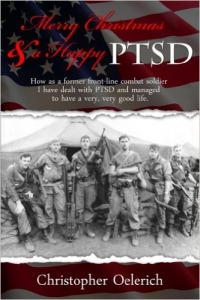
            Merry Christmas and a Happy PTSD by Christopher OelerichMerry Christmas and a Happy PTSD by Christopher Oelerich, author & Vietnam Veteran

            Shortlisted for the Journey Book Awards

            “A very personal, no-holds-barred yet ultimately empowering discussion of PTSD and its effects on those who suffer from it.” – CBR

            The book has been written in a ‘How To’ format for combat soldiers which is reflected in examples and language.

            “I went away to war one person and came back another, and in my wildest dreams would never have chosen to be the one who came back…I was a twenty-year-old Warrant Officer Helicopter Pilot fresh out of flight school when I arrived in South Vietnam in May of 1969 and was assigned to B Troop 7/17 Air Cav in Pleiku.  I joined the Scout Platoon and spent my entire tour as a Scout Pilot in the Central Highlands, and in that time saw my friends killed, captured, wounded and lose their minds.

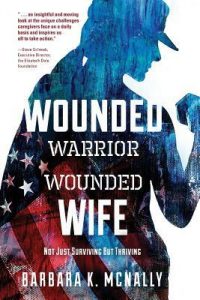
            Wounded Warrior, Wounded Wife by Barbara McNally

            This ground-breaking initiative offers advice and hope to those who are trying to understand and cope with war’s many aftershocks.

            “The critical issues surrounding post-traumatic stress among America’s wounded warriors is expanded here to include the challenges and concerns of military wives and families.

            Barbara McNally was working as a physical therapist when she watched helplessly as a man jumped off a bridge to his death. Feeling involved in his tragedy, she learned he was a wounded veteran. The experience spurred her to find out more about PTS and its effects on those who have participated in war. Gradually her attention focused on the plight of the wives of these wounded military survivors.”

            If you have a moment, take time to watch this video that offers an intimate look into the chaotic and demanding lives of military spouses as they adjust to living with mentally and physically injured combat veterans. Please feel free to share.

            Some interesting current statistics regarding U.S. Veterans*

            • 22 veterans, on average, commit suicide every day.
            • The suicide rate for younger veterans (18 -29) is 7 times higher than their civilian peers.
            • The rate of suicide among veterans is 21 percent higher than the rest of the country.
            • The suicide rate of among female veterans is a 140 percent higher than their civilian peers.
            • No one knows how many military spouses and families members commit suicide.
            • There are 18.8 million veterans living in the United States.
            • 3.8 million of these veterans are disabled (2014).
            • U.S. military is the world’s second largest (China’s army is the largest) and troops are deployed across the globe.
            • It is believed that 45 percent of all veterans who served in the Middle East are disabled.

            And another interesting and enlightening link from the PEW RESEARCH CENTER – The FACT TANK regarding Veterans in today’s society.

            Honoring those who are serving, have served, and those who have fallen while in military service is a tradition here at Chanticleer Reviews.

            With Appreciation and Gratitude to Veterans who are actively serving and have served. THANK YOU! 

            *Sources: U.S. Department of Veterans Affairs, American Community Survey 2015, United States Census Bureau.

            Just a Note from the blog post author, Kiffer Brown:

            On a personal note, many of my family members have served their country (many of whom have passed) and are serving their country: my father (deceased), my brother (with us but 100% disabled), my nephew Robert is currently serving in the Air Force,  my dear Aunt Ellen (WWII nurse – she passed away recently), my cousin Billy Wayne (first 100 to die in Vietnam), and many other cousins to numerous to mention here.

            This is my small way of honoring and recognizing my relatives for their service to our country.

            Thank you for taking the time to read my annual Veterans Day blog post.

            Semper Fi – Kiffer


          • The JøSSING AFFAIR by J. L. Oakley – Norwegian Historical Fiction, World War II, Thriller

            The JøSSING AFFAIR by J. L. Oakley – Norwegian Historical Fiction, World War II, Thriller

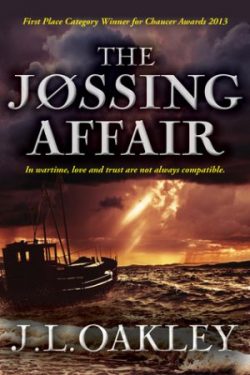
            At a time when true identities are carefully protected and information can get you killed, heroes emerge to fight the evils of Nazi-occupied Norway in J.L. Oakley’s highly suspenseful and beautifully penned historical fiction novel, The Jøssing Affair.

            In a quiet Norwegian fishing village during the Nazi occupation, risk lurks everywhere. Most residents are patriotic members of the resistance, “jøssings,” but there are “quislings,” too. Those who collaborate with the Germans and tout the Nazi propaganda of Nordic brotherhood between the nations. Mistaking the two is a matter of life and death.

            At the heart of the narrative is Jens Hansen who is an exceedingly mild-mannered handyman and a deaf-mute. Jens helps his friend Kjell on this fishing boat but mostly keeps to himself, communicating with paper and pencil when asked a question.

            But Jens has a secret. His real identity is that of Tore Haugland, a man who will risk his life repeatedly as a British-trained member of the resistance. He and Kjell coordinate the transport of weapons and agents via the “Shetland bus,” a fleet of small fishing boats and a few American submarine chasers, that make excursions from the coast of Norway to the Scottish Shetland Islands.

            Haugland and Kjell also assist the young Norwegian men who fled enlistment in the German army and are starving in the woods. Armed with the knowledge that war is ugly and men often break under brutal interrogation and tortured before their deaths, Haugland and Kjell share the scantest details about themselves with each other.

            There are many heart-stopping moments in this novel, deeply affecting episodes told with poignant precision and a sense of awe for the real-life counterparts Oakley’s characters portray.
            Amidst the intrigue and suspense occurring on the seas, daily life in the village may seem calmer, but Oakley deftly demonstrates the pervasiveness of suspicion and danger during wartime. Villagers snub Anna, a beautiful young widow whom they mistakenly believe to be a quisling. As the Allied Invasion progresses through Europe, liberating towns and countries alike, the residents of Fjellstad fear that the German forces will hang on until the last bitter moments in their beloved Norway. How many will die before that time comes?
            Oakley clearly did exhaustive research when writing this book.  A voluminous amount of details is provided on all aspects of the Resistance in Norway.  No stone is unturned and the reader benefits. In addition, the reader learns a great deal about Norwegian life and customs, about an exceptionally hearty people who annually experience four phases of winter and midnight sunshine during summer.  They are not a people to be subjugated, and this book showcases how they fought the German occupation with every means available to them.

            The Jøssing Affair is a highly enriching experience, a fascinating and profound work of historical fiction penned by, J.L. Oakley, one of the best in the business. A certain testimony to the underground heroes of WWII who put aside personal safety for a cause much bigger than themselves. Their courage is acknowledged in this superbly gripping novel.

            5 Star Best Book Chanticleer Reviews round silver sticker

          • TIMBER ROSE by J. L. Oakley – 1900s historical fiction in the PNW

            TIMBER ROSE by J. L. Oakley – 1900s historical fiction in the PNW

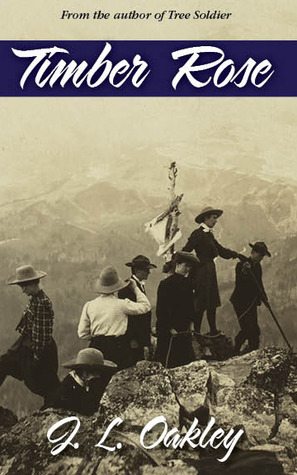
            In the early 1900s, an independent young woman is forced to choose between family ties and romantic love, and face the consequences of her decision.

            Caroline Symington could live out the privileged life that her birth in a well-to-do family entitles her to, but her nascent notions of feminism take her on adventurous hikes and climbs in the northwestern mountains, where she meets a man whose grit matches her own. He gradually lures her to a far different destiny—one that she willing embraces over the path her parents have planned for her.

            Bob Alford, son of Scandinavian immigrants, is a tough logger sympathetic to the  union struggles with Caroline’s wealthy relatives. He loves hiking just like Caroline. She disguises her surname when they first meet, with near-disastrous consequences to their growing and mutual affection. ​Once the two acknowledge their feelings with total honesty, marriage is the next logical step, even though it will alienate Caroline’s family.

            Life for Caroline with her chosen mate (rather than a husband preferred by her father) will involve unexpected sacrifices. His new job as a forest -ranger will take him away from home for days at a time. Pregnancy looms as a hoped for event, while childbirth, alone in the wilderness, is a terrifying prospect.

            Luckily, there is a female soul-mate in the wings for Caroline, a fellow feminist named Cathy, and, for Bob, a mysterious and canny mountain man, Micah, who will provide rescue more than once. But before the young couple can really be free to live as they choose, they must face down the hypocritical, haughty Symington clan and prove that love can conquer both snobbery and scurrilous terror tactics.

            ​Spanning the years from 1907 to the rumors of the world war in 1916, this historical romance by award-winning author J. L. Oakley assuredly creates and sustains a magical love affair between Caroline and Bob, while successfully tackling a multitude of overarching themes: the determination of American working men to act collectively against self-seeking business titans; the will of American women to demand their autonomy despite the many subtle societal forces holding them back; and the formation of American national parks to preserve and protect nature’s beauty.

            Set at a time when the old ways were yielding to the industrial age on a number of significant fronts, Timber Rose is a timeless love story on a human scale, but one with a heart as big as the mountains of the great Pacific Northwest.


          • Largest Book Club in the World Selects Chanticleer Award Winner for 2016 Book Reading List

            Largest Book Club in the World Selects Chanticleer Award Winner for 2016 Book Reading List

            BREAKING NEWS! This just in!

            Kiffer Brown here reporting from the 16th Anniversary Weekend Author Extravaganza in Nacogdoches, Texas, home of the Pulpwood Queens and Timber Guys Book Club — the largest book club in the world’s annual weekend gathering!

            Pulpwood QueensThe Pulpwood Queens Book Club was founded by Kathy (Patrick) Murphy sixteen years. Dreamworks Entertainment has announced plans to make a movie based on Murhpy’s life, and her book The Pulpwood Queens’ Tiara-Wearing, Book-Sharing Guide to Life along with the development of her international book club that has grown to 600-plus devoted chapters. 

            The Pulpwood Queens’ Book Club has be written about in the Oxford American Magazine, The Magazine of Good Southern Writing, and along with Oprah Winfrey’s OXYGEN NETWORK feature, to The Oprah Winfrey Show, to kicking off Diane Sawyer and Charlie Gipson’s READ THIS Book Club on Good Morning America, and has been featured in The Los Angeles Times, Time Magazine, Newsweek, and The Wall Street Journal to name a few.

            I met Kathy Murphy (formerly Patrick) at a conference last April and we had instant rapport, so we stayed in touch. Of course, I just had to attend the “Once Upon a Time in 2016,” Girlfriend Weekend that is being held right now (Jan. 14 – 17, 2016) in Nacogdoches, Texas.

            The authors of the 2016 selections are in attendance for panel discussions, author signings, and meeting their readers. The GREAT BIG BALL of HAIR costume themed ball “Once Upon a Time” will be held this evening and the Timber Guy of the Year and the Ball Queen will be announced at this time.

            But, most importantly, the 2016 Pulpwood Queen Book Club Selections will be officially announced at the gathering of authors and readers!

            Kathy L. Murphy, the founder of the book club, selects all the books with great care and deliberation from stacks and stacks of books (fiction and non-fiction) that she, herself, has read. She lists selections for each month in five categories:

            1. Main Selection of the Month
            2. Backlist Book: This Is a book she feels did not receive the attention it so deserves and should not be missed.
            3. Bonus Books selection is for voracious readers (like Kathy)
            4. Pinecones: Young Adult & Teen Selections
            5. Splinters: Children’s Selections

            Selections have been made for January through September 2016, so far! Selections for October, November, and December 2016 have not yet been made.

            And now we are honored and excited to announce: DRUM ROLL, please! 

            The Pulpwood Queens and Timber Guys just selected Chanticleer Reviews Grand Prize award winner J. L. Oakley’s latest book Timber Rose for their 2016 Book Club Selections for the month of February! 

            J. L. Oakley was awarded the Chanticleer Grand Prize for Tree Soldier for Best Book 2012. The manuscript for Timber Rose was awarded a  CHAUCER Historical Fiction Novel Competition 2014 First Place Award for Women’s Fiction.  The Chanticleer Review of Timber Rose is coming soon!

            timber-rose-v2-for-kindleWe are excited for Janet Oakley and her Timber Rose novel that is set in 1907 in the great timber forests of the Pacific Northwest and features timber roses, women who hike and climb mountains in skirts breaking rules and barriers.

            Congratulations to J. L. Oakley for her historical fiction novel, Timber Rose, being selected for the reading list of the largest book club in the world! Now this is something to CROW about!


            PULPWOOD QUEEN herself to attend and present at the Chanticleer Authors Conference 2016!

            [fusion_builder_container hundred_percent=”yes” overflow=”visible”][fusion_builder_row][fusion_builder_column type=”1_1″ background_position=”left top” background_color=”” border_size=”” border_color=”” border_style=”solid” spacing=”yes” background_image=”” background_repeat=”no-repeat” padding=”” margin_top=”0px” margin_bottom=”0px” class=”” id=”” animation_type=”” animation_speed=”0.3″ animation_direction=”left” hide_on_mobile=”no” center_content=”no” min_height=”none”]

            photo by Stephanie Chance
            photo by Stephanie Chance

            We are honored and excited that Kathy L. Murphy will be a keynote speaker at the Chanticleer Authors Conference 2016 that will take place on April 29, 30, and May 1, 2016. She will be present at the Chanticleer Awards Ceremony on Saturday evening and will be “Queen of the Books By the Bay Book Fair” on Sunday, May 1st, 2016.

            You can  read more information about CAC16 here! Don’t delay, seating is limited.


            cac16-150x1502.png

            This is Kiffer Brown, founder of Chanticleer Reviews, signing off from The Girlfriend Weekend in Nacogdoches, Texas. [/fusion_builder_column][/fusion_builder_row][/fusion_builder_container]

          • Tree Soldier by J.L.Oakley – Historical Fiction, FDR Era Work Camp, Pacific Northwest

            Tree Soldier by J.L.Oakley – Historical Fiction, FDR Era Work Camp, Pacific Northwest

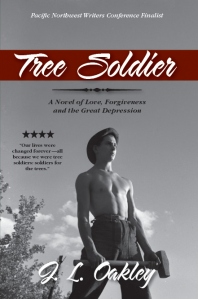
            In this action-packed, emotionally charged historical novel titled Tree Soldier, J.L. Oakley takes us back to the era of the Great Depression. With millions of Americans unemployed, President Franklin D. Roosevelt devised a New Deal work relief program called the Civilian Conservation Corps.

            Some three million unmarried young men went to work in CCC camps across America—building roads and bridges, establishing flood control, and replanting depleted forests. Of the men’s $30 monthly paychecks, $25 was sent to help their desperately poor families.

            Oakley skillfully weaves this history into a suspense-building story of love, forgiveness, and redemption. The story commences with the arrival in 1935 of a new squad of “Tree Soldiers” at Camp Kulshan, a CCC forestry camp in the rugged North Cascades, near the little village of Frazier, Washington.

            While most of the new recruits are sort of rough teenagers from urban New Jersey and New York, our protagonist is a college student who left school and his farm home in eastern Pennsylvania to join up.  The strong and handsome John Parker Hardesty has more than a paycheck on his mind, however. The pensive young man, who sometimes seeks solitude in the forest, is trying to escape his nightmare memories of two tragic events in his life. His fellow recruits nonetheless respect the polite, clean-cut, Park who can also hold his own in the physically competitive proving ground environment of camp life. Many of the new recruits seek out his company, especially a wiry, 18-year-old Italian kid named Mario Spinelli, who takes the upper bunk above Park. Before long Park becomes the squad’s “straw boss.”

            Camp Kulshan is no fun summer camp. The physical training is tough, camp chores are boring, and not all the Tree Soldiers are easy to get along with. The boys of “Joisey Squad” (from the Jersey accents of several) are dubbed “foreigners” and suffer some rough hazing. However, camp life is not all work and no play. The people of Frazier appreciate the camp’s contribution to the community and in friendship arrange baseball games and picnics. The Tree Soldiers reciprocate with a dance in the mess hall. Boys meet girls, sparking romance, but also jealousy. Park is drawn to the dance floor by a pretty, auburn-haired young woman, Kate Alford. He breaks in on an arrogant, self-serving camp officer, David Callister, who has his eyes possessively on Kate. As Park takes Kate in his arms, Callister stalks off the floor.

            As the story’s pace increases, so does the emotion it evokes. Suspense builds as reputations are undermined, treachery and deceit threaten lives on the verge of redemption, while storms brew and forest fires erupt. Oakley’s characters come to life as their respective roles are defined with the drama of trials and tests of wills, and determination builds. Love blossoms, but not without thorns. Friendships are solidified, and trust and support are developed in the face of duplicity and enmity. In the final pages of this compelling book, Oakley introduces one more human trait, one she saw fit to include in its title—forgiveness.

            J.L. Oakley’s Tree Soldier will draw you in and keep you turning the pages.  Tree Soldier won Chanticleer Book Reviews Blue Ribbon Award of Grand Prize in our Published Novels Contest 2012 earning it a coveted CBR star.