Author: helena-p-schrader

  • Spotlight on the 2021 HEMINGWAY Book Awards for 20th C. Wartime Fiction

    Spotlight on the 2021 HEMINGWAY Book Awards for 20th C. Wartime Fiction

    Chanticleer’s new Division for 20th Century Wartime Fiction: The Hemingway Awards

    The US fought five wars during the 1900s: World War I, World War II, the Korean War, the Vietnam War, and the Gulf War.

    Many of us have deep connections to these wars built into our family trees and history of military service. It’s no surprise that there are so many stories that delve into wartime fiction that we needed to create a new category for it this last year.

    Why Hemingway?

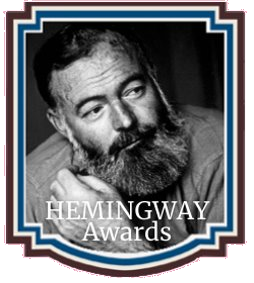
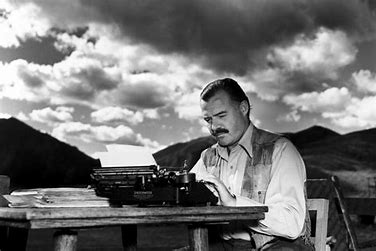
    Ernest Hemingway 1923 passport photo
    Young Hemingway

    Ernest Hemingway was one of the defining voices of his generation, especially in relation to The Great War where so many had to reconcile their lives as they were with the horrors of war they had experienced.

    “When you go to war as a boy you have a great illusion of immortality. Other people get killed; not you… Then when you are badly wounded the first time you lose that illusion and you know it can happen to you.” (read more here)

    While it’s well-known that Hemingway served in WWI and was honored for his bravery by the Italian government as an American Red Cross worker, it is less known that when Hemingway returned to post-war Europe he became a respected war correspondent. His grandson, Seán Hemingway describes the author’s reporting as “written in a new style of reporting that told the public about every facet of the war, especially, and most important, its effects on the common man, woman, and child.”
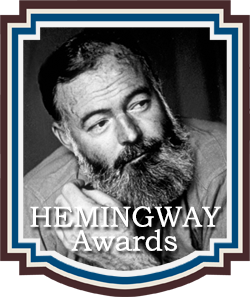
    Ernest Hemingway looking off to the right

    For those of you who know little about one of the most prolific war writers on the 20th century, he’s well worth a read, and shockingly modern in his thought. He was an early anti-fascist, being one of the first to decry Benito Mussolini.

    For all that Hemingway can dazzle and impress, there is another view of him.

    The Other Side of the Coin

    Despite his excellent writing, Hemingway is reputed to be a terrible person. An article from American Magazine, he’s described as follows:

    He was selfish and egomaniacal, a faithless husband and a treacherous friend. He drank too much, he brawled and bragged too much, he was a thankless son and, at times, a negligent father. He was also a great writer.

    Hemingway’s writing is reported to be the thing that he held above all else. More than his wives or the children he had, his writing and author platform always came first.

    Beyond that, his criticism of other works is scalding and harsh, beyond what anyone would reasonably consider helpful. This flies in direct contrast to a quote from LitHub where Hemingway opens up about the experience of being a new author, trying to break into the literary world:

    “The rejection slip is very hard to take on an empty stomach,” Hemingway later told a friend. “There were times when I’d sit at that old wooden table and read one of those cold slips that had been attached to a story I had loved and worked on very hard and believed in, and I couldn’t help crying.”

    We all know that he was published, many times:

    • The Torrents of Spring (1926)
    • The Sun Also Rises (1926)
    • A Farewell to Arms (1929)
    • Death in the Afternoon (1932)
    • Green Hills of Africa (1935)
    • To Have and Have Not (1937)
    • For Whom the Bell Tolls (1940)
    • Across the River and into the Trees (1950)
    • The Old Man and the Sea (1952)
    • A Moveable Feast (1964)

    Now we’d like to dive into some of the best books we’ve reviewed at Chanticleer with a focus on Wartime Fiction in the 20th Century.

    The QUISLING FACTOR
    By J. L. Oakley
    Grand Prize Winner in Hemingway Awards

    During World War II “quisling” became a byword for a particular type of traitor, one who not only betrays their own country but also actively collaborates with the invaders. The origin of the term was taken from an actual person, a Norwegian named Vidkun Quisling, who didn’t merely cooperate with the Nazis but actually headed a collaborationist regime in his own country.

    The Quisling Factor takes place in the immediate post-war period, as the Nuremberg Trials are gearing up in Germany. Norway is conducting its own post-war legal purge of collaborators at all levels of government.

    Keep Reading Here!

    HEART of the FEW
    By Jon Duncan
    First Place Winner in Hemingway Awards

    It is said that all is fair in love and war. In this wartime historical romance, young love is put to the ultimate test, and the love of family is strained to the breaking point. During World War II, the occupants of a ravaged England understand that all can be lost in a moment’s hesitation or in a hasty decision. Here, love is under attack by enemies seen and unseen. It’s the uncommon courage of many and the Heart of the Few that can hope to turn the fate of England during these dark days.

    Passion drives both sides in this wartime mystery/thriller about people who are determined to make a difference in the outcome of World War II. Like all powerful forces, passion has two sides. It’s a wondrous and beautiful emotion when applied to good purpose, but it becomes horrific and deadly when twisted and corrupt. The question author Jon Duncan asks amidst all the turmoil, treachery, death and desolation of war is: can love find a way?

    Keep Reading Here!

    The ACK-ACK GIRL (Love and War #1)
    By Chris Karlsen

    The Ack Ack Girl book cover

    Chris Karlsen’s new work, The Ack-Ack Girl, is the first in her World War II series, Love and War, and serves up plenty of story on both sides of that equation in its portrayal of Ava Armstrong, the “Ack-Ack” girl of the title. And what a story it is!

    Bombs are dropping on London in the heat and fire of the infamous Blitz. Shells are falling, as are the buildings that surround them, while fires spring up in the wake of the bombs that never seem to end. But when they finally stop, Ava and her friends are determined to get their loved ones somewhere safe and to find a way to serve up some revenge on the Germans.

    Keep Reading Here!

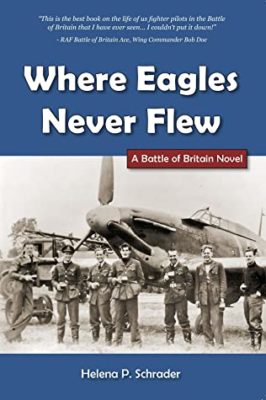
    WHERE EAGLES NEVER FLEW
    By Helena P. Schrader
    First Place Winner in Hemingway Awards

    The Royal Air Force struggles for control of the British sky, facing down the daunting numbers of Luftwaffe aircraft across the English Channel. At the forefront of these battles, the Royal Air Force’s young pilots fight to survive under mounting pressure and deadly German Messerschmitts.

    Where Eagles Never Flew follows the Battle of Britain as squadrons of the RAF must make do with undertrained pilots and little sleep if they want any chance at repelling the Luftwaffe bombing raids that become more and more frequent as the battle rages on. Operations rooms plot and direct the paths of aircraft, with members of the WAAF—Women’s Auxiliary Air Force—fielding waves of communications to and from the skies. Robert “Robin” Priestman flies on the front lines, dedicated to the fight despite weeks of unending tension and the great challenge of keeping his squadron awake and alive despite sortie after sortie.

    Keep Reading Here!

    LOVE OF FINISHED YEARS
    By Gregory Erich Phillips

    An immigrant’s journey, a forbidden love, a war to end all wars collide on the pages of a beautifully written historical fiction, Love of Finished Years by Gregory Erich Phillips.

    At twelve years of age, Elsa Schuller carries no expectations when she reaches Ellis Island in 1905. In fact, she has no idea why her father insists on leaving Germany for this supposed Land of Opportunity. Riddled with nothing less than challenges and hardship working in the sweatshops in lower Manhattan, Elsa’s only ray of hope is learning how to read and write English.
    Keep Reading Here!


    Have you written a 20th Century Wartime Fiction Novel? Submit before the end of November for the 2021 CIBAs! 
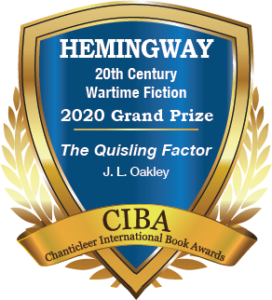
    Blue and Gold Badge for the Hemingway Grand Prize for 20th C. Wartime Fiction The Quisling Factor by J.L. Oakley

    See the 2020 Hemingway Awards Winners Here!

    When you’re ready, did you know that Chanticleer offers editorial services? We do and have been doing so since 2011.

    Our professional editors are top-notch and are experts in the Chicago Manual of Style. They have and are working for the top publishing houses (TOR, McMillian, Thomas Mercer, Penguin Random House, Simon Schuster, etc.).

    If you would like more information, we invite you to email Kiffer or Sharon at KBrown@ChantiReviews.com or SAnderson@ChantiReviews.com for more information, testimonials, and fees.

    We work with a small number of exclusive clients who want to collaborate with our team of top-editors on an on-going basis. Contact us today!

    Chanticleer Editorial Services also offers writing craft sessions and masterclasses. Sign up to find out where, when, and how sessions being held.

    • A great way to get started is with our manuscript evaluation service, with more information available here.
    • And we do editorial consultations for $75. Learn more here.
    • If you’re confident in your book, consider submitting it for a Editorial Book Review here or to one of our Chanticleer International Awards here.
    And remember! Our 10th Anniversary Chanticleer Authors Conference (CAC22) will be April 7-10, 2022, where our 2021 CIBA winners will be announced. Space is limited and seats are already filling up, so sign up today!  CAC22 and the CIBA Ceremonies will be hosted at the Hotel Bellwether in Beautiful Bellingham, Wash. Sign up and see the latest updates here!

    Writer’s Toolbox

    Thank you for reading this Chanticleer Spotlight article.

    Writers Recommended Helpful Links: 

    Hemingway on War and Its Aftermath

    Ernest Hemingway was a brilliant writer and a terrible person

    How Hemingway’s Bad Behavior Inspired a Generation

    The traditional publishing tool that indie authors can use to propel their writing careers to new levels?  The Seven Must-Haves for Authors – Unlocking the Secrets of Successful Publishing Series by Kiffer Brown
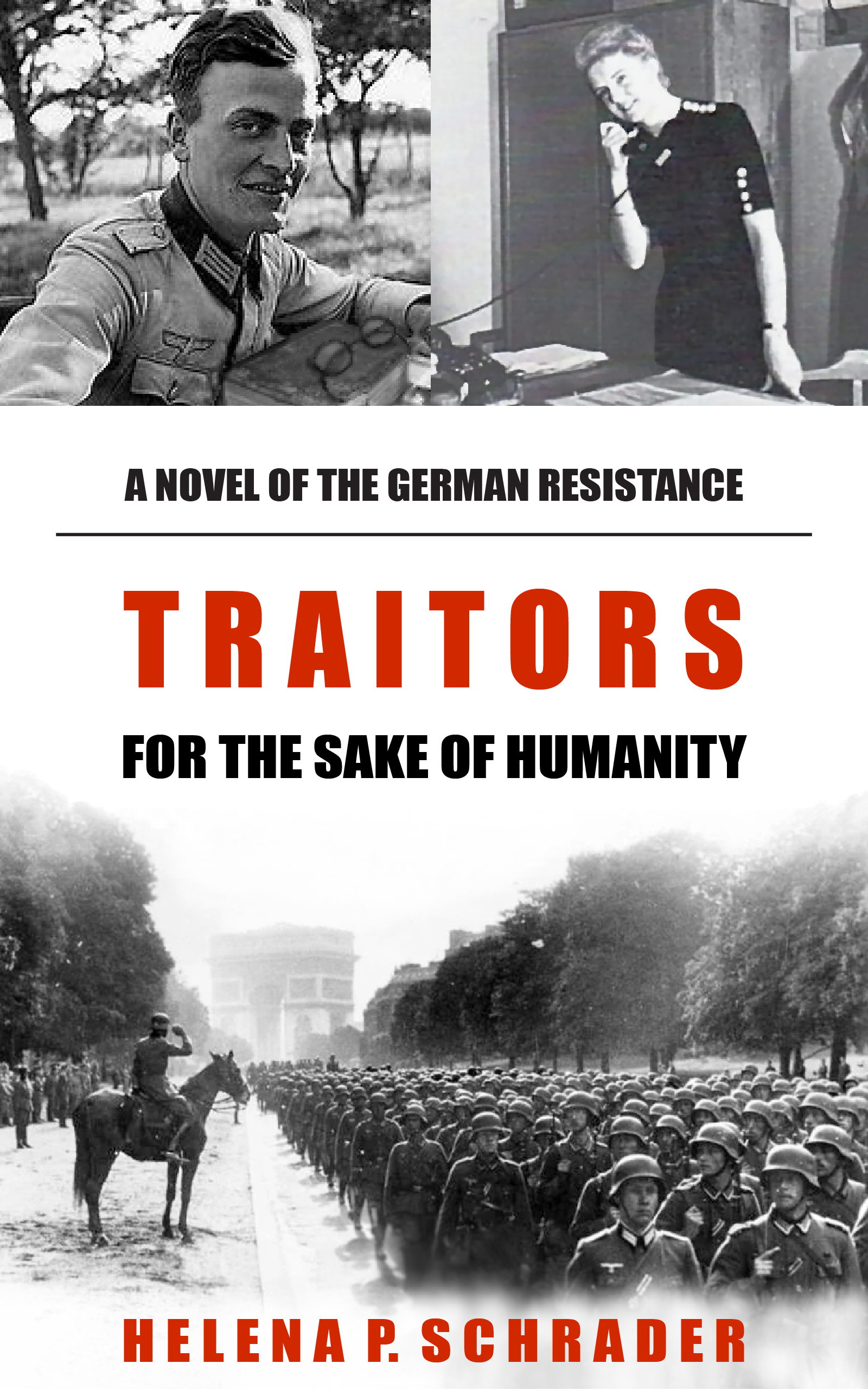
  • TRAITORS for the SAKE of HUMANITY: A Novel of the German Resistance to Hitler by Helena P. Schrader – Historical World War II Fiction, Political Fiction, World War II Fiction

    TRAITORS for the SAKE of HUMANITY: A Novel of the German Resistance to Hitler by Helena P. Schrader – Historical World War II Fiction, Political Fiction, World War II Fiction


    Traitors For the Sake of Humanity by Helena P. Schrader may be more terrifying today than when first released in 2008 as An Obsolete Honor and re-released in 2012 as Hitler’s Demons. 

    The chilling story reveals the means used under the leadership of Adolph Hitler to spread insidious Nazi socio-political ideology before and throughout WWII. Although a work of fiction, the grim, dehumanizing social transformation the tome reveals brings to mind the caution in George Santanya’s oft-quoted posit, “Those who cannot remember the past are condemned to repeat it.”

    Schrader masterfully utilizes the setting as an unseen, omnipresent character. Scenes imbued with equal parts of detached cruelty, greed, and hunger for power – acting as a control agent affecting everyone within its grasp.

    By Christmas, 1938, when the story begins, the Nazi Party dominates the German Parliament for nearly six years, and its influence alters the nation’s face. Within that period, during which Hitler becomes Chancellor, both welcome and unwelcome changes occur and spread beyond Germany’s large cities into and throughout the countryside.

    The German citizenry is conflicted.

    Many poor, disenfranchised citizens consider forfeiting their faith, culture, and free will for materially improved living standards and restoring their national pride as an acceptable trade-off. Others grow dismayed by the denigration and annihilation of traditional values, virtues, and mores. Residents find the mandated, unfettered obedience to the state’s authority and the flourishing of Machiavellian values an abomination.

    Within this setting, we meet the aristocratic, well-educated, and cultured Baron Phillip von Feldburg. Phillip, the eldest of three children, is an officer in the prestigious German General Staff and has been imbued from childhood with the importance of honor, integrity, and allegiance to his country.

    In the first chapter, Baron von Feldberg is juxtaposed with his immediate family, characters Schrader utilizes to reveal some of the varying socio-political views prevalent in Germany.

    Christian, his handsome, devil-may-care Luftwaffe fighter pilot brother, lives in the moment, exhilarated by his conquests and the thrill of adventure. Theresa, an envious, entitled, and defiant “youngest child,” marries an uneducated, self-made man with a knack for doing business in the Nazi regime and little use for breeding, manners, or culture. Their widowed mother, the Baroness, gracious, kind, and concerned – but not enough to make waves—completes the family circle.

    Phillip’s sense of honor and duty dominates his life, both personally and professionally.

    As he advances within the military and is given more and more leadership responsibility, he begins to have troublesome questions about the decisions coming “down,” along with the ongoing, less-than-honorable actions and events he witnessed while serving on the front lines against Russia. Not until he meets the astute and savvy secretary with connections, Alexandra Mollwitz, that he begins to act upon his inner conflict, and his life begins to change in ways he could never have imagined.

    Presented in multiple points of view of the von Feldburg family members, cohorts, and supporters, Schrader breathes life into some of the historically documented events occurring in Germany before and including WWII that forever changed the world. Each of their voices reflects their social status, belief systems, and loyalties—and their angst and fears as change turns evil and evil turns deadly.

    Traitors For the Sake of Humanity, based upon documented historical events and personal memoirs recounted to the author by individuals who lived through that time.

    In the end, the importance of this book cannot be underestimated. Traitors for the Sake of Humanity rises as a critical, provocative, and timely book that perhaps we would all benefit from reading. The Glossary and documentation alone impress.

    Helena P. Schrader puts a human face on some “monsters,” and exposes the monster faces of others. Kudos, Dr. Schrader.


    Chanticleer Book Reviews 5 Star Best Book silver foil sticker


  • Part Two of The 2020 Chanticleer International Book Awards (#CIBAs) Overall Grand Prize and Division Grand Prize and First Place Category Winners

    Part Two of The 2020 Chanticleer International Book Awards (#CIBAs) Overall Grand Prize and Division Grand Prize and First Place Category Winners

    We are deeply honored and excited to continue to announce the 2020 Winners of the Chanticleer International Book Awards (The CIBAs) with our second of three official postings.

    Click here to visit the First Posting out of Three Official Announcements for the 2020 CIBA Winners.

    Click here to visit the Third Posting out of Three Official Announcements for the 2020 CIBA Winners.


    VCAC21 laurel wreath


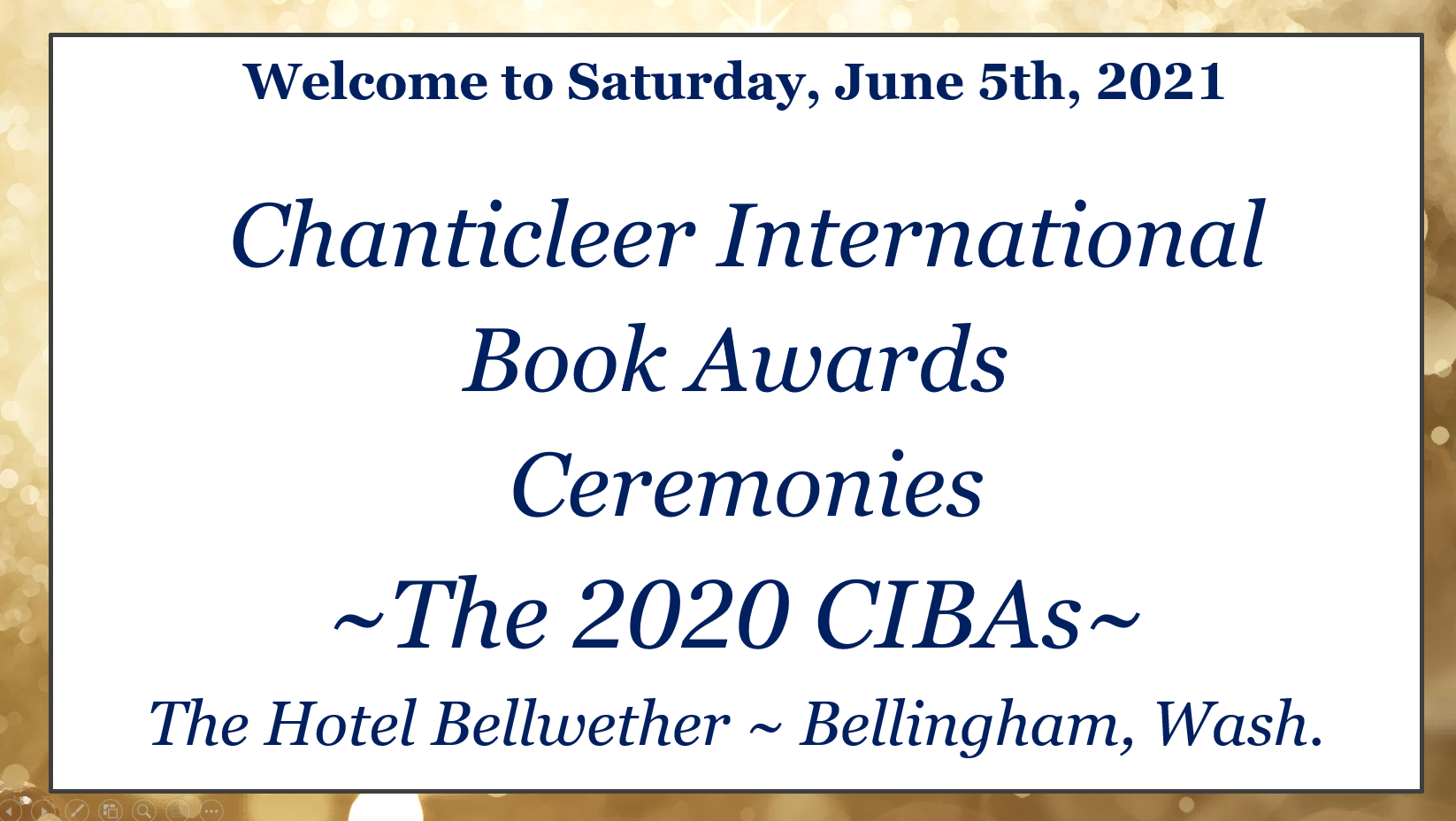
    The winners were recognized at a special CIBAs ceremony held on June 5th, 2021 in-person and by ZOOM webinars based at the luxurious Hotel Bellwether, Bellingham, Wash.

    The CIBA announcements were made LIVE with Chanticleerians participating and interacting from around the globe and North America.

    We cheered on the CIBA Premier Finalists with our bubbly of choice from wherever we were Zooming!

    Btw, Kiffer’s favorite Champagne!

    We want to thank all of the CIBA judges who read each and every entry and then comment, rate, and rank within each of the 24 CIBA Divisions. Without your labors of love for books, the Chanticleer International Book Awards would not exist. THANK YOU!


    We want to thank all of the authors and publishers who participated in the 2020 Chanticleer International Book Awards (the CIBAs). Each year, we find the quality of the entries and the competitiveness of the division competitions increasing exponentially. We added a new level to the judging rounds in 2020—the premier Level of FINALIST per each CIBA Division. The CIBA judges wanted to add the Finalist Level of Achievement as a way to recognize and validate the entries that had outstanding merit but were not selected for the very few First Place Award positions within each genre division.

    This post will recognize the First Place and Grand Prize Winners for the Laramie, Chaucer, Goethe, Hemingway, Chatelaine, Mark Twain, and Somerset Awards.

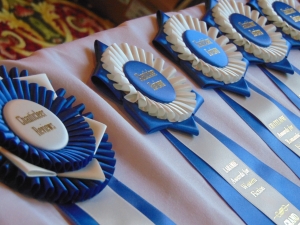
    Coveted Chanticleer Blue Ribbons!

    We are honored to present the

    2020 Chanticleer International Book Awards

    Grand Prize Winners 

    The 2020 CIBA Winners! 


    Western Pioneeer Civil War Fiction Award

    The LARAMIE Book Awards for

    American, Western, Pioneer, Civil War, and First Nation Novels

    The Grand Prize Winner isA blue and gold badge for the 2020 Grand Prize Winner for Laramie Westerns for Trouble the Water, a novel by Rebecca Dwight Bruff

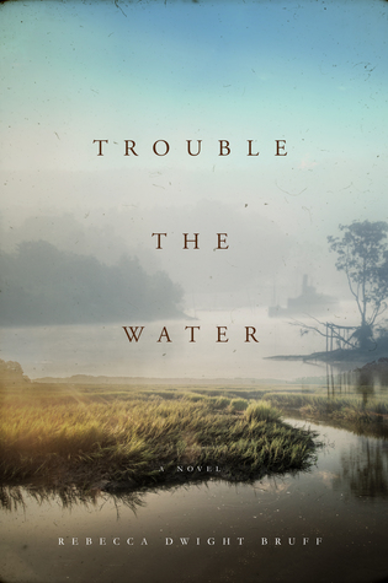
    TROUBLE THE WATER, A NOVEL by Rebecca Dwight Bruff

    Cover of Trouble The Water by Rebecca Dwight Bruff


    • Eileen Charbonneau – Mercies of the Fallen 
    • James Kahn – Matamoros 
    • Daniel Greene – Northern Wolf
    • David Fitz-Gerald – She Sees Ghosts? The Story of a Woman Who Rescues Lost Souls 
    • Gerry Robinson – The Cheyenne Story   
    • J.B. Richard – Jesse  
    • Mike Shellenbergar – Quail Creek Ranch 
    • Mike Shellenbergar –Refuge
    • J. Palma – The Chaffee Sisters   
    • Fred Dickey – Days of Hope, Miles of Misery – Love and Loss on the Oregon Trail 

    The Chaucer Awards for Historical Novels

    The CHAUCER Book Awards for

    Pre-1750s Historical Fiction 

    Grand Prize Winner is

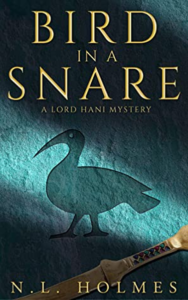
    BIRD IN A SNARE by N.L. Holmes

    Cover of Bird in a Snare by N.L. Holmes

    • B.L. Smith – The Fall of the Axe
    • Helena P. Schrader – The Emperor Strikes Back
    • Denis Olasehinde Akinmolasire – The Mission to End Slavery
    • Thoren Syndergaard – Ripley of Valor
    • Brook Allen – Antonius: Son of Rome
    • Janet Wertman – The Path to Somerset
    • Regan Walker – Summer Warrior    

    Post 1750s Historical Fiction Award

    The GOETHE Book Awards for

    Post-1750’s Historical Fiction 

    Grand Prize Winner is

    A blue and gold badge for the 2020 Grand Prize Winner for Goethe Post-1750s The Aloha Spirit by Linda Ulleseit

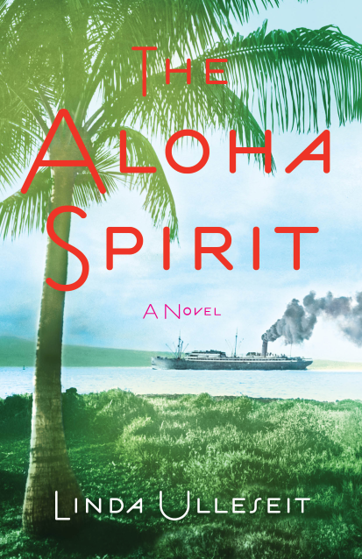
    THE ALOHA SPIRIT by Linda Ulleseit

    Cover of The Aloha Spirit by Linda Ulleseit

    • Wendy Long Stanley – The Power to Deny       
    • Ben Wyckoff Shore – Terribilita      
    • Donna Scott – The London Monster   
    • Michelle Cameron – Beyond the Ghetto Gates    
    • P. L. Jonas – Beneath a Radiant Moon     
    • Dorothea Hubble Bonneau – Once in a Blood Moon  
    • Jule Selbo – Breaking Barriers: A Novel Based on the Life of Laura Bassi

    Ernest Hemingway looking off to the right

    The HEMINGWAY Book Awards for

    20th Century Wartime Fiction

    Grand Prize Winner is

    THE QUISLING FACTOR by J.L. Oakley


    Romance Fiction Award

    The CHATELAINE Book Awards for

    Romantic Fiction and Women’s Fiction

    Grand Prize Winner is

    A blue and gold badge for the 2020 Grand Prize Winner for Chatelaine Romantic Fiction When the Wind Chimes by Mary Ting

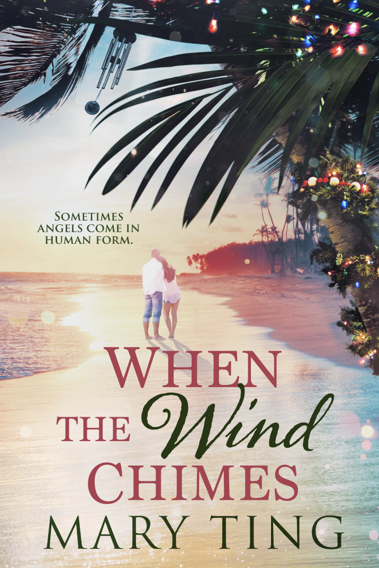
    WHEN THE WIND CHIMES by Mary Ting

    Cover of When the Wind Chimes by Mary Ting

    • Linda Stewart Henley –Estelle: A Novel
    • Lindy Miller –The Magic Ingredient
    • Alexandrea Weis – The Christmas Spirit
    • Linda Lee Graham – A Thimbleful of Honor
    • Gayle Woodson – After Kilimanjaro
    • Eileen Charbonneau –Mercies of the Fallen
    • Carol Van Den Hende – Goodbye, Orchid       
    • Gail Noble-Sanderson – The Lavender Bees of Meuse   
    • Barb Warner Deane – The Whistle Stop Canteen     
    • T.K. Conklin – Promise of Spring    

    Mark Twain Awards

    The MARK TWAIN Book Awards

    for Humor and Satire

    Grand Prize Winner is

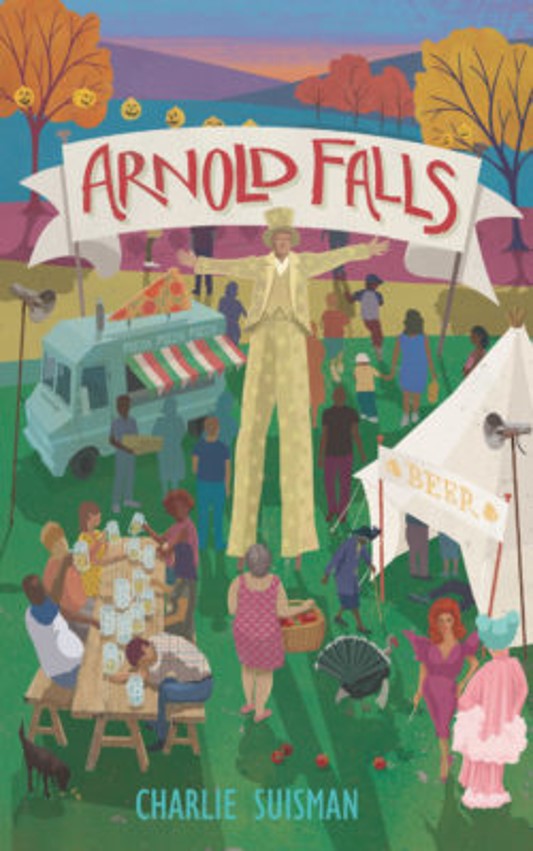
    A blue and gold badge for the 2020 Grand Prize Winner for Mark Twain Humor and Satire Arnold Falls by Charles Suisman

    ARNOLD FALLS by Charlie Suisman

    Cover of Arnold Falls by Charlie Suisman

    Blue and Gold Mark Twain First Place Winner Badge for Best in Category

    • Lenore Rowntree – Cluck
    • Wayne Edmiston – UNfatally Dead: to thaw or not to thaw?
    • Haris Orkin – You Only Live Once
    • Elizabeth Crowens – Dear Bernie, I’m Glad You’re Dead
    • Alex J. Tremari – Dragoncast
    • Matt Tompkins – Odsburg
    • J.P. Kenna – Toward A Terrible Freedom           

    The SOMERSET Book Awards

    for Literary, Contemporary, and Mainstream Fiction

    Grand Prize Winner is

    A blue and gold badge for the 2020 Grand Prize Winner for Somerset Literary and Contemporary Fiction A Season in Lights By Gregory Erich Phillips

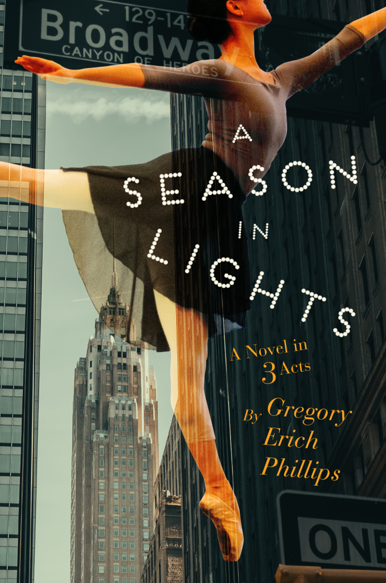
    A SEASON IN LIGHTS by Gregory Erich Phillips

    Cover for A Season in Lights by Gregory Erich Phillips

    Blue and Gold Somerset First Place Winner Badge for Best in Category

    • Sara Stamey –Pause
    • Candi Sary –Magdalena
    • Kathleen Reid –Sunrise in Florence
    • T P Graf – As the Daisies Bloom
    • Julie Weary – Knowing Marjorie Thane
    • Barbara Linn Probst – Queen of the Owls
    • Jennifer Gold – Keep Me Afloat
    • Lainey Cameron – The Exit Strategy
    • Susan Wingate – How the Deer Moon Hungers  


    Congratulations to ALL!

    We will email each winner with more information about their prize packages and more information.

    Be sure to FOLLOW and LIKE us Facebook and on Twitter @ChantiReviews

    Please standby for our next post ( that will honor:

    • Journey Book Award Winners
    • Hearten Book Award Winners
    • Harvey Chute Book Award Winners
    • Mind and Spirit Book Award Winners
    • Nellie Bly Book Award Winners
    • Instructional and Insight Book Award Winners
    • Short Story Book Award Winners
    • Book Series Book Award Winners

    And the OVERALL GRAND PRIZE for the 2020 CIBAs!

    Stay Tuned for Part 3 that will announce the Overall Grand Prize Winner!

    We are now accepting entries into the 2021 and 2022 Chanticleer International Book Awards.

    Click here for more information and submission deadlines: https://www.chantireviews.com/contests/

    As always, if you have any questions, concerns, or suggestions, please email us at Chanticleer@ChantiReviews.com   We will try our best to respond within 3 business days.

    Thank you for joining us in celebrating the 2020 CIBA Winners! – The Chanticleer Team


  • HEMINGWAY BOOK AWARDS for 20th Century Wartime Fiction – a division of the 2020 CIBAs

    HEMINGWAY BOOK AWARDS for 20th Century Wartime Fiction – a division of the 2020 CIBAs

    Ernest Hemingway looking off to the right

    The  Hemingway Book Awards recognize emerging talent in 20th Century Wartime Historical Fiction. The Hemingway Book Awards is a NEW division of the Chanticleer International Book Awards (The CIBAs). 


    Chanticleer International Book Awards is looking for the best books featuring 20th Century Wartime Fiction in Historical Fiction; Romance and Romantic Fiction; Mysteries, Thrillers, and Suspense Fiction of the time; Literary works and Satire and anything else that author imaginations can dream up for the HEMINGWAY Book Awards division. These books have advanced to the Premier Level of Achievement in the 2020 CIBAs in this new and important division.

    New Division at the CIBAs: The Hemingway Book Awards

    Ernest Hemingway 1923 passport photo
    Public Domain: Wikimedia

    The Hemingway Book Awards competition is our nod to one of our favorite 20th Century American novelists, journalists, and short story authors, Ernest Hemingway. Born on July 21, 1899, Hemingway was one of many who experienced the massive global shift from regional wars to large-scale, world wars. The events he lived through made him the man we know today. Winning the Nobel Prize in Literature in 1954, Hemingway’s influence reaches virtually all genres of literature. (Find out more about the man here.)

    The 2020 HEMINGWAY Book Awards First Place Category Winners and the HEMINGWAY Grand Prize Winner were announced by Gregory Erich Phillips, Overall Grand Prize Winner in the 2014 CIBAs for his manuscript, Love of Finished Years, which is now a top-selling historical fiction novel that deals with World War I.


    Congratulations to all!

    • Helena P. Schrader – Where Eagles Never Flew: A Battle of Britain Novel
    • J.L.Oakley  The Quisling Factor
    • Conor Bender – Jubilee
    • Leslie K. Barry – Newark Minutemen
    • Catherine A. Hamilton –Victoria’s War
    • Kathryn Gauci – The Poseidon Network
    • Brigitte Goldstein – Babylon Laid Waste-A Journey in the Twilight of the Idols
    • Jon Duncan – Heart of the Few
    • Gail Noble-Sanderson – The Lavender Bees of Meuse 


    The Grand Prize Winner for the CIBA 2020 HEMINGWAY Awards is:

    J. L. Oakley

    The QUISLING FACTOR

    Cover of The Quisling Factor by JL Oakley

    Blue and Gold Grand Prize Winner Badge for the 2020 Hemingway Awards for JL Oakley's The Quisling Factor

    The 2021 HEMINGWAY Book Awards winners will be announced at CAC22 on April 10, 2022. Save the date for CAC22, scheduled April 7-10, 2022, our 10 year Conference Anniversary!

    The HEMINGWAY Book Awards is  open to take submissions for 2021! Click here to enter the Hemingway Book Awards

    Don’t delay! Enter today! 

    A Note to ALL the WINNERS: The coveted CIBA Blue Ribbons will be mailed out starting in July. We will contact you with an email to verify your mailing address and other items. We thank you for your patience and understanding.

  • CHAUCER Book Awards for Pre-1750s Historical Fiction 2020 CIBA Award Winners

    CHAUCER Book Awards for Pre-1750s Historical Fiction 2020 CIBA Award Winners

    The Chaucer Awards for Historical NovelsThe CHAUCER Book Awards recognize emerging new talent and outstanding works in pre-1750s Historical Fiction. The CHAUCER Book Awards is a division of the Chanticleer International Book Awards (The CIBAs).


    The Chaucer Book Awards competition is named for Geoffrey Chaucer the author of the legendary Canterbury Tales. The work is considered to be one of the greatest works in the English language. It was among the first non-secular books written in Middle English to be printed in 1483.

    Chanticleer International Book Awards is seeking for the best books featuring Pre-1750s Historical Fiction, including pre-history, ancient history, Classical, world history (non-western culture), Dark Ages and Medieval Europe, Renaissance, Elizabethan, Tudor, 1600s.

    These books have advanced to the Premier Level of Achievement in the 2020 CIBAs.

    The 2020 CHAUCER Book Awards First Place Category Winners and the CHAUCER Grand Prize Winner were announced by Gregory Erich Phillips on Saturday, June 5, 2021 at the Hotel Bellwether and broadcast via ZOOM webinar and Facebook Live.

    It is our privilege and profound honor to announce the 1st in Category winners of the 2020 CHAUCER Awards, a division of the 2020 CIBAs.

    This is the OFFICIAL 2020 LIST of the CHAUCER BOOK AWARDS First Place Category Winners and the CHAUCER Grand Prize Winner.

    Congratulations to all!

    • Ancient Historical Fiction: B.L. Smith – The Fall of the Axe
    • Bronze Age – Pre-Historic: N.L. Holmes – Bird in a Snare 
    • Dark Ages/Medieval: Helena P. Schrader – The Emperor Strikes Back
    • World History:  Denis Olasehinde Akinmolasire – The Mission to End Slavery
    • Legend Based Historical Fiction:  Thoren Syndergaard – Ripley of Valor
    • Classical Roman/Greek:  Brook Allen – Antonius: Son of Rome
    • Elizabethan/Tudor: Janet Wertman – The Path to Somerset
    • Norse/Celtic Historical Fiction:  Regan Walker – Summer Warrior

    The Grand Prize Winner for the CIBA 2020 CHAUCER Awards is:

    N.L. Holmes for

    Bird in a Snare

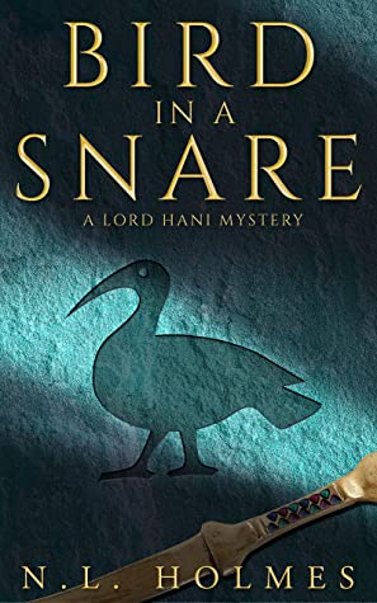
    Cover of Bird in a Snare by N.L. Holmes

    Gold and blue Grand Prize badge for the 2020 Chaucer Awards won by N.L. Holmes' Bird in a Snare

    The 2021 CHAUCER Book Awards winners will be announced at CAC22 on April 10, 2022. Save the date for CAC22, scheduled April 7-10, 2022, our 10 year Conference Anniversary!

    Submissions for the 2021 CHAUCER Book Awards are open until the end of July. Enter here!

    Don’t delay! Enter today! 

    A Note to ALL the WINNERS: The coveted CIBA Blue Ribbons will be mailed out starting in July. We will contact you with an email to verify your mailing address and other items. We thank you for your patience and understanding.

  • WHERE EAGLES NEVER FLEW by Helena P. Schrader – Military Aviation History, Historical WWII Fiction, WWII Fiction

    WHERE EAGLES NEVER FLEW by Helena P. Schrader – Military Aviation History, Historical WWII Fiction, WWII Fiction

    The Royal Air Force struggles for control of the British sky, facing down the daunting numbers of Luftwaffe aircraft across the English Channel. At the forefront of these battles, the Royal Air Force’s young pilots fight to survive under mounting pressure and deadly German Messerschmitts.

    Where Eagles Never Flew follows the Battle of Britain as squadrons of the RAF must make do with undertrained pilots and little sleep if they want any chance at repelling the Luftwaffe bombing raids that become more and more frequent as the battle rages on. Operations rooms plot and direct the paths of aircraft, with members of the WAAF—Women’s Auxiliary Air Force—fielding waves of communications to and from the skies. Robert “Robin” Priestman flies on the front lines, dedicated to the fight despite weeks of unending tension and the great challenge of keeping his squadron awake and alive despite sortie after sortie.

    Helena P. Schrader brings a wealth of knowledge to her story to make this one of the most authentic and well-told stories of the Battle of Britain we have ever read. The planes practically come alive in detail and clarity, both on their own and through their pilots’ maneuvers. Hurricanes, Spitfires, Messerschmitts, and more play out the breath-taking dogfights and bombing runs. Schrader takes time to show the small, vital differences between them all.

    This realism extends to the characters themselves. The pilots, Ginger and Banks, worry what their squadron thinks of them and whether they will ever belong with the more experienced pilots who go into battle beside them. Emily Pryce, a volunteer at the Salvation Army, struggles with her pacifist ideals even as she falls for Robin, who risks his life every time he climbs into the air. The characters come to us as individuals who are authentic, relatable, and unique.

    Schrader balances tension expertly between thrilling dogfight scenes and the more peaceful moments. Numerous perspectives tell this story, showing varied and sometimes deeply contrasting views on the Battle of Britain. From RAF pilots’ eyes to the Luftwaffe airmen, Schrader fleshes out her story with style. At the same time, she uses scenes of aerial battles and daily life as an opportunity to build a sense of impending danger, which becomes an all-encompassing nail-biter as the pilots of the RAF fight for victory.

    Where Eagles Never Flew doesn’t shy away from either love nor loss and, in fact, takes the opportunity to sit with the characters in their pain, their grief, and their frustration. The morale of individuals and squadrons – even the whole RAF is palpable on the page. What ties this story together is the incredible resilience and camaraderie of the pilots, airmen, and WAAFs, despite the danger and death looming over them.

    Schrader delivers a winning WWII account of the Battle of Britain that resonates with authenticity and will quickly find a place of honor on the shelf. In short, here’s a historical fiction novel that readers will find hard to put down. Highly recommended.


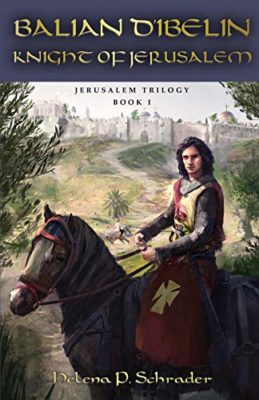
  • BALIAN d’IBELIN: Knight of Jerusalem (Book 1 of the Jerusalem Trilogy) by Helena P. Schrader – Biographical Historical Fiction, Medieval Historical Fiction, Crusader States

    BALIAN d’IBELIN: Knight of Jerusalem (Book 1 of the Jerusalem Trilogy) by Helena P. Schrader – Biographical Historical Fiction, Medieval Historical Fiction, Crusader States

    Welcome to the Outremer, where fealties are solemn, rivalries deadly, and intrigue is served up daily along with the wine. Here, well-connected women are worth their weight in gold, and the rules of primogeniture, along with the whims of a king or mandates from the Church can determine a person’s fate.

    In Balian d’Ibelin: Knight of Jerusalem (Book 1 of the Jerusalem Trilogy), Helena P. Schrader has re-created people, places, and events in the latter 12th-century kingdom of Jerusalem for the reader’s edification and enjoyment. With an elegance of language, detail, and setting rivaling that of Doctorow’s Jazztime or Tolstoy’s War and Peace, Schrader takes the reader on location to savor the world of Balian d’Ibelin in the times before he emerged as a pivotal player in the politics of the Crusader states.

    Young Balian d’Ibelin, while possessing the pedigree, social graces, and knightly skills of one raised to rule, has few prospects when his eldest brother, Hugh, dies unexpectedly.  Although Hugh’s stated desire that the Lordship of Ibelin title and holdings go to Balian, they fall to Balian’s next older brother, Barry, through rights of succession.

    Barry, Lord of Ramla, offers Balian only the position of Constable of Ibelin. Rather than accept this powerful, but subservient post, Balian seeks a future serving Amalric, the King of Jerusalem. The king, who owes Hugh a debt of honor, proffers a court position with some risk – tutor his son Baldwin in the arts of horsemanship, swordsmanship, and sport, as the debilitating infirmity of leprosy, has put the boy behind in this training.

    Accepting this offer moves Balian into the spheres of William, the Archdeacon of Tyre, Baldwin’s academic tutor, and Queen Maria Comnena, the boy’s young, educated, and savvy step-mother, people destined to be essential parts of his life.

    When Amalric dies young, and Balian swears fealty to Baldwin as the new king, the die is cast.  While honoring his oath, he earns the love of the queen, experiences the power of commitment, and learns the cost of honor.

    Balian d’Ibelin: Knight of Jerusalem (Book 1 of the Jerusalem Trilogy) is a joy to read. As in all of Schrader’s novels, the forward to this story is a must-read that serves to ground the reader in the time, place, and cultural multiplicities of the period. By interpreting, hypothesizing, and imagining motivations, actions, conversations, and events that may have occurred as Balian stepped forward into his future, Schrader has turned a narrow slice of history into a panoramic virtual reality that will surely delight fans of historical biographies and Crusader states – and give us something to look forward to in the release of books 2 and 3.

    Readers, brew a pot of tea and snuggle in, for Helena P. Schrader has cast her spell of intrigue and sent her invitation wide. In other words, prepare to get hooked!


  • June SPOTLIGHT on CHAUCER AWARDS – Early Historical Fiction, Historical Fiction, Historical Romantic Fiction, Crusades, Medieval

    June SPOTLIGHT on CHAUCER AWARDS – Early Historical Fiction, Historical Fiction, Historical Romantic Fiction, Crusades, Medieval

    Pre 1750 Historical Fiction Award

    Do you have an early historical fiction manuscript or recently released novel? Submit your work to the CIBA 2019 CHAUCER Awards by
    June 30, 2020, and see how your work stacks up against others. 


    We know you want to – because we never tire of promoting our authors’ achievements!

    As in Chaucer’s words in the Nun’s Priest Tale of the Canterbury Tales,

    “For crowing there was not his equal in all the land.”


    Click here to find out more. 

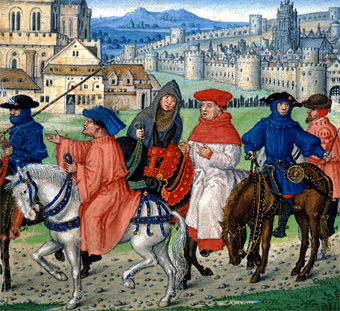
    We titled the Chanticleer International Book Awards (CIBAs) division for Pre-1750s Historical Fiction the Chaucer Awards, after the English poet and author of the Canterbury Tales, because #CHAUCER.

    But seriously, did you know that The Canterbury Tales is considered one of the greatest works in the English language? In fact, it was among the first non-secular books written in Middle English to be printed. So, yeah, #Chaucer

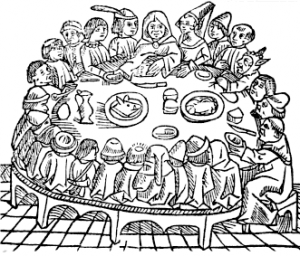
    A woodcut from William Caxton’s second edition 0f the Canterbury Tales printed in 1483

    Some interesting tidbits about Geoffrey Chaucer

            • born c. 1342/43 probably in London. He died on October 25, 1400
            • his father was an important London vintner
            • His family’s finances were derived from wine and leather
            • Chaucer spoke Middle English and was fluent in French, Latin, and Italian
            • He guided diplomatic missions across the continent of Europe for ten years where he discovered the works of Dante, Petrarch, and Boccaccio whose The Decameron had a profound influence on Chaucer’s later works
            • He married well as his wife received an annuity from the queen consort of Edward III
            • His remains are interred in the Westminster Abbey


     As our deadline draws near, don’t miss this opportunity to earn the distinction your historical fiction deserves!  Enter today!

    Welcome to the CHAUCER BOOK AWARDS HALL OF FAME

    Click on the links below to read the Chanticleer Review of the award-winning work!

    Pre 1750 Historical Fiction Award


    The 2018 Chaucer Book Awards Grand Prize Winner:

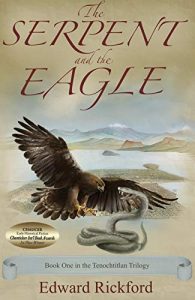
    The SERPENT and The EAGLE  by Edward Rickford 


    2018 Chaucer Book Awards for Pre-1750s Historical Fiction First in Category Winners:


    The 2017 Chaucer Book Awards Grand Prize:

    The Traitor’s Noose: Lions and Lilies Book 4 by Catherine A. Wilson and Catherine T. Wilson

    2017 Chaucer Book Awards for Pre-1750s Historical Fiction First in Category Winners:


    The 2016 Chaucer Book Awards Grand Prize Winner:

    (Chaucer Book Awards was the Historical Fiction division until we divided it for the 2016 CIBAs into two divisions because of the number of entries:

    Goethe Book Awards for post-1750s Historical Fiction and Chaucer Book Awards for pre-1750s Historical Fiction).

    The Towers of Tuscany by Carol M. Cram


    2016 Chaucer Book Awards for Pre-1750s Historical Fiction First in Category Winners:


            The 2015 Chaucer Book Awards Grand Prize Winner:

            (Chaucer Book Awards was the Historical Fiction division until we divided it into two divisions for the 2016 CIBAs because of the number of entries:

            Goethe Book Awards for post-1750s Historical Fiction and Chaucer Book Awards for pre-1750s Historical Fiction).

            Valhalla Revealed by Robert A. Wright

            Valhalla Revealed by Robert A Wright


            2015 Chaucer Book Awards for Pre-1750s Historical Fiction First in Category Winners:


            The 2014 Chaucer Book Awards Grand Prize:

            (Chaucer Book Awards was the Historical Fiction division until we divided it into two divisions because of the number of entries:

            Goethe Book Awards for post-1750s Historical Fiction and Chaucer Book Awards for pre-1750s Historical Fiction).

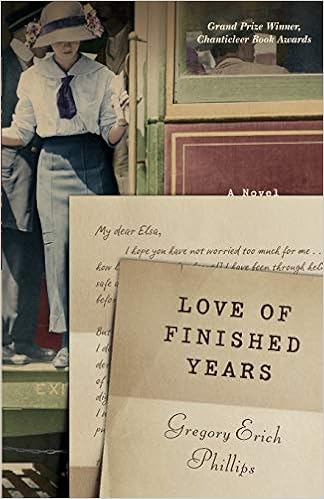
            The Love of Finished Years  by Gregory Erich Phillips

            2014 Chaucer Book Awards for Pre-1750s Historical Fiction First in Category Winners


            The 2013 Chaucer Book Awards Grand Prize Winner:

            Propositum - Front Cover 2

            Propositum by Sean Curley

            2013 Chaucer Book Awards for Pre-1750s Historical Fiction First in Category Winners:

            • Adventure/Young Adult:  I, Walter by Mike Hartner
            • N.A. Western:  Crossing Purgatory by Gary Schanbacher
            • World War II (European):  Deal with the Devil by J. Gunner Grey
            • Adventure/Romance/YA: “Lady Blade” by C.J. Thrush
            • Nordic History:  The Jøssing Affair by J.L.Oakley
            • Regency:  Traitor’s Gate by David Chacko & Alexander Kulcsar
            • Women’s Fiction/WWII: Wait for Me  by Janet K. Shawgo
            • Medieval/Dark Ages: Divine Vengeance by David Koons
            • Women’s Fiction/World History: Daughters of India by Kavita Jade

            What are you waiting for? Before long the CHAUCER Book Award deadline will be history.

            Submit your manuscript or recently released Historical Fiction (pre-1750s) to the Chanticleer International Book Awards!

            Want to be a winner next year? The deadline to submit your book for the Chaucer awards is June 30, 2020. Enter here!

            Grand Prize and First Place Winners for 2019 will be announced on September 5, 2020.

            Any entries received on or after June 30, 2020, will be entered into the 2021 Chaucer Book Awards. The Grand Prize and First Place for 2020 CIBA winners will be held on April 17, 2021.

             As our deadline draws near, don’t miss this opportunity to earn the distinction your historical fiction deserves!  Enter today!

            The CHAUCER Book Awards is a division of the Chanticleer International Book Awards – the CIBAs.

            The 2020 winners will be announced at the CIBA  Awards Ceremony on September 5, 2020, which will take place during the 2020 Chanticleer Authors Conference. All Semi-Finalists and First Place category winners will be recognized, the first-place winners will be whisked up on stage to receive their custom ribbon and wait to see who among them will take home the Grand Prize. It’s an exciting evening of dinner, networking, and celebrations! 

            Don’t delay! Enter today! 

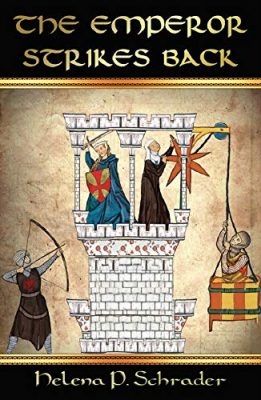
          • The EMPEROR STRIKES BACK: Frederick II’s War Against His Vassals by Helena P. Schrader – Medieval Historical Fiction, 13th Century Politics, Early Historical Fiction

            The EMPEROR STRIKES BACK: Frederick II’s War Against His Vassals by Helena P. Schrader – Medieval Historical Fiction, 13th Century Politics, Early Historical Fiction

            Welcome to the 13th century Beirut, Kingdom of Jerusalem, where chivalry is alive and well—along with treachery, greed, and the lust for power and control.

            The Emperor Strikes Back has a cast that would put Cecile B. DeMille to shame. Helena P. Schrader has successfully fleshed out historical characters and events, bringing them to life in the reader’s mind. She depicts a conflict that occurred in the Outremer during the first third of the 13th century when Frederic II, the ambitious Holy Roman Emperor, sought to usurp John d’Ibelin, the Lord of Beirut, and lay claim to his fiefdom.

            Schrader breathes life into the resulting, historically documented events, using the multiple voices of the Ibelin family, cohorts, and supporters, each of which reflects his or her own social status, belief system, and loyalties. As these characters share their experiences, the reader can almost smell the offal and blood, feel the pain of wounds, the effects of hunger, hardship, and fear, the taste of stale bread and sullied water, and the bittersweet taste of victory. Schrader’s detailed rendering of the ill-fated first marriage of Balian, Ibelin’s eldest son, and heir, to Eschiva de Montbéliard, a cousin by marriage, will capture readers hearts.

            In order to marry, Balian and Eschiva must receive a papal dispensation, which their family friend, Gerold of Lausanne, Patriarch of Jerusalem and Papal Legate, provides. The trouble comes when Pope Gregory learns of this from an Ibelin political rival whose support he seeks, and the pope excommunicates the young couple. The effects create emotional and social rents in the fabric of their lives and the lives and fortunes of their family and supporters in unimaginable ways.

            The Emperor Strikes Back gifts readers with a careful account of actual recorded events as told by the players involved, and at times utilizing their very own words. The wealth of details, characters, and situations, while true to life, can be confusing to those who have not read the foreword, research notes, and familiarized themselves with the glossary. In other words, we recommend familiarizing yourself with these fascinating additions to the novel before you dive right in. You will be greatly rewarded!

            A good book for a long winter weekend—put the teapot on, stoke the fire, and plan on spending some time in the 13th century. Odds are, you will find yourself searching for Schrader’s previous works to read in this series while impatiently waiting for the next installment. Here are just a few that we adore: Envoy of Jerusalem, Defender of Jerusalem, Knight of Jerusalem, and The Last Crusader Kingdom.


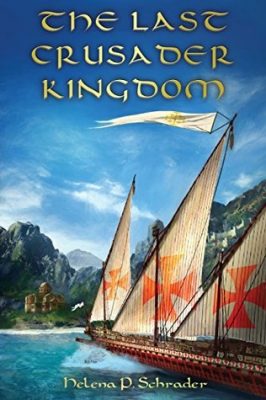
          • The LAST CRUSADER KINGDOM: DAWN of a DYNASTY in TWELFTH-CENTURY CYPRUS by Helena  P. Schrader

            The LAST CRUSADER KINGDOM: DAWN of a DYNASTY in TWELFTH-CENTURY CYPRUS by Helena P. Schrader

            In the Introduction and Acknowledgements section of her fascinating novel, The Last Crusader Kingdom: Dawn of a Dynasty in Twelfth-Century Cyprus, Helena P. Schrader notes that “. . . the historical basis for this novel is very thin,” and that the book serves as “a fictional depiction of events as I believe they could have happened.” Upon finishing the book, one concludes that only the rare reader would disagree with Schrader’s version of the historical events that comprise her narrative. Her comprehensive research and impressive scholarship are evident on every single page. This is a work of historical fiction, admittedly, but Schrader clearly was tireless in exhuming every possible detail to piece together as authentic a history of medieval Cyprus, 1193-1198, as possible.

            The establishment of a Latin Kingdom on the formerly Byzantine island of Cyprus in the late twelfth-century is as engrossing and intricate a chapter in history as possible, one that involved a plethora of cultures, religions, family dynasties, battles, treaties, and, inevitably, human greed and vanity. Schrader addresses both public and private lives and demonstrates how their intertwining shaped history. She considers all classes of society, from barons to beggars. It would be easy to get lost amongst the riveting and numerous details, but the author takes the reader by the hand and offers a guided tour to people, places, and events. The novel includes a Cast of Characters, Genealogical Charts for the Houses of Jerusalem, Lusignan, and Ibelin, as well as historical maps of Cyprus and the Outremer. Her Historical Notes underscore the depth of her research, and she also provides a glossary to orient the reader with historical and regional terms.

            Schrader matches her exhaustive research with a thoroughly captivating narrative. Her prose shimmers with elegant confidence and wit. The story traces how this strategically positioned island, formerly fraught with the greatest animosity between the inept and despised Frankish ruler, Guy de Lusignan, and the Greek Orthodox natives is pacified even after the influx of Latin immigrants.  How all this came about is as exciting and adventurous tale as anyone could imagine. Schrader pays keen attention to how power is grasped, nourished, and maintained, and her tale demonstrates the essential and timeless balance of politics, religion, economy, and public relations. Although the novel takes place in medieval times, much of it could serve as a primer for twenty-first-century global politics and diplomacy.

            One might expect the medieval world to be dominated by men, yet the author fully addresses the lives of women. Obviously siring male heirs was of importance in the twelfth century, but Schrader does not limit episodes involving female characters to pregnancy and birth. She emphasizes their role as astute advisers to their husbands and other male relations. The women understood that marriages were opportunities for strategic alliances and personal power. Queens and wives of public figures were keenly aware of the critical public relations roles they played in binding their subjects to the ruling families.

            The reader also learns a wealth of information on shipbuilding, irrigation, aqueducts, woodcarving, piracy, on and on.  The Last Crusader Kingdom is not just the story of key families ascending to power; it’s also an enlightening overview on the state of technology, the arts, and crime at the close of the twelfth century. The reader trusts Schrader’s depiction of events as accurate in large part because her meticulous research makes every scene vivid and memorable.  Schrader matches her exhaustive historical research with a thoroughly captivating narrative.  Her prose shimmers with elegant confidence and wit.

            Helena P. Schrader is an author who doesn’t just bring history to life but one who reminds us that each passing moment is also history. To understand the events reported on the front pages of today’s newspapers, there’s no greater teacher than the past. The Last Crusader Kingdom is filled with lessons we’d be foolish to neglect.

               5 Star Best Book Chanticleer Reviews round silver sticker