Author: diana-forbes

  • HOMAGE to the SUFFRAGE CENTENNIAL – Women’s Rights, Voting Rights, Suffrage, the 19th Amendment

    HOMAGE to the SUFFRAGE CENTENNIAL – Women’s Rights, Voting Rights, Suffrage, the 19th Amendment


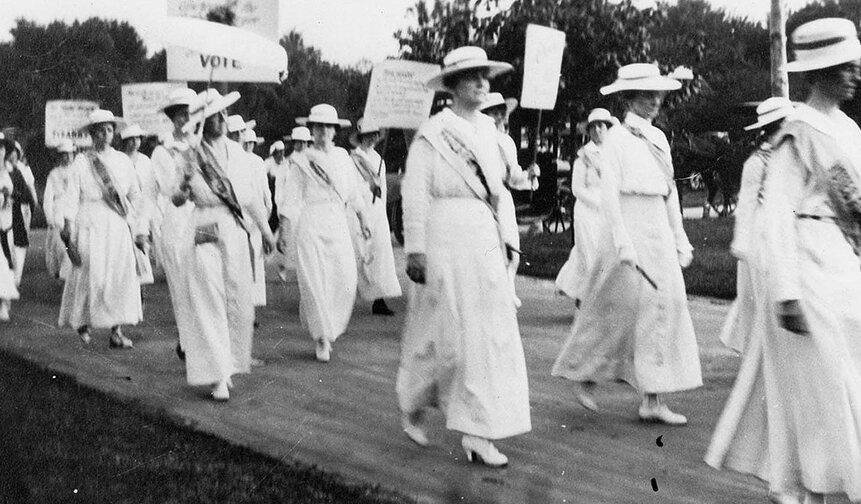
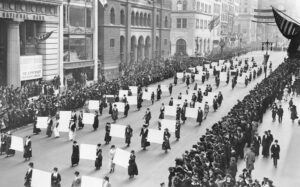
    Suffragists parade down Fifth Avenue, 1917.
    Advocates march in October 1917, displaying placards containing the signatures of more than one million New York women demanding the vote. The New York Times Photo Archives.

    On August 18, 1920, the Nineteenth Amendment to the United States of America Constitution was ratified and signed into law on the 26th that same month.

    We are celebrating the 100th anniversary of the Nineteenth Amendment’s adoption into the U.S. Constitution: the amendment that guarantees citizens the right to vote regardless of their gender, and the victory of the American Suffrage Movement. It took more than seventy years of protesting, picketing, and struggles for women to gain the civil right to vote in US elections. And many more decades passed before other disenfranchised groups  were systematically denied the right to vote.

    The Nineteenth Amendment was the capstone of that fight, but it took over seventy years to achieve it.

    And still, the vote was not granted to Black women and men. That right came about much later than most people realize, June 6, 1965, when President Lyndon Johnson signed the Voting Rights Act, which outlawed the discriminatory voting practices that some Southern states adopted after the Civil War.

    During this election season, we call all Chanticleerians to Vote Your Conscious and to not let anything get in your way!

    Women’s suffrage was not just a long fight, but one taken on by many pivotal figures. But the story of the suffrage movement is best told by remembering many of its impactful suffragists, such as Alice Stone Blackwell, Elizabeth Cady Stanton, Matilda Joslyn Gage, Ida B. Wells, Mary Church Terrel, and Josephine St. Pierre Ruffin.

    Suffragists were physically attacked by mobs of angry men and boys while police looked the other way. They’d been roughly arrested; been held in fetid, cold, vermin-infested cells; been shackled to the wall; and endured abuse and even torture in jail. When they went on hunger strikes, they were force-fed, tubes rammed up their noses. The Christian Science Monitor. 
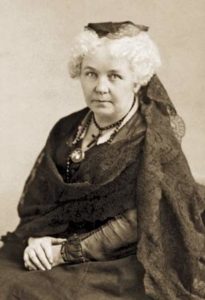
    Elizabeth Cady Stanton, c. 1880

    Elizabeth Cady Stanton was one of the women who first crystallized the Suffrage Movement, having helped organize the Seneca Falls Convention. Her unique background was pivotal in formulating the first demand for women’s suffrage in 1848.

    As the movement grew and drew public attention, Stanton proved herself to be a skilled orator and writer, working closely with Susan B. Anthony throughout the years; Stanton actually wrote some of the speeches that Anthony delivered, and– along with Anthony– was one of the founders of the National Woman Suffrage Association. Stanton wrote for a more equitable future in more than voting; in addition to the question of suffrage, she championed a broader view of women’s freedoms, supporting labor rights, property rights, and the right to divorce. She saw that women should have the chance to lead their own lives, taking part in all aspects of society equally to men.

    Movements don’t just happen, they come alive when a group of people decides to take action against injustice, and even small beginnings can lead to sweeping change.

    Elizabeth Cady Stanton came from a privileged background and used her position and means to propel her views. Her father was a prominent attorney, Congressman, and a judge. He also was a slave owner. Elizabeth was exposed to the study of law and the government mechanisms that govern by her father. She was particularly against how religion was used to justify the oppression of women. She penned The Woman’s Bible to tackle misogynistic traditions rooted in religious dogma after being sent to a seminary at the age of sixteen.

    She became an adamant abolitionist to end the practice of slavery in the United States in 1839 at the age of 24. Many historians believe that the Abolitionist Movement to End Slavery experiences and lessons were essential to pave the way for the Women’s Suffrage Movement.

    Stanton wasn’t the only suffragist who saw the reality of sexist injustice throughout her society, and one of her contemporaries joined her in drawing attention to these wrongs. Matilda Joslyn Gage was considered a radical in her time, having fought against traditionalist views as Stanton had. Matilda was on the revising and editing committee for Elizabeth’s  highly controversial The Woman’s Bible. 

    Matilda Electa Joslyn
    March 24, 1826

    This right to vote was a battle, fought and won 100 years ago by women we will never know, but by what they have written, what others have written about them, and what they have done for all of us.
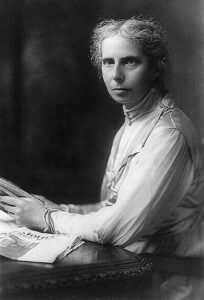
    Alice Stone Blackwell

    One of the women who played a significant role in uniting these two groups was Alice Stone Blackwell. She was in a position to do so because of her connection to the AWSA: her mother was Lucy Stone. Along with Alice’s father, Henry Browne Blackwell, they were some of the primary organizers of the group. As Alice Stone Blackwell grew up, she worked with her parents on their paper, the Woman’s Journal, and eventually ran the paper. Once the AWSA and NWSA had merged, Blackwell served as the NAWSA’s recording secretary.

    While the centennial celebrates the federal adoption of women’s suffrage, we shouldn’t forget the smaller victories and works that punctuated the movement’s length, those who spoke out against injustice in many forms, while seeking the vote. One such woman was Ida B. Wells, who played an active role in the suffrage movement of Chicago. The city had given partial suffrage to women. Wells, along with a fellow suffragist Belle Squire, started the Alpha Suffrage Club to advance women’s suffrage further and educate women on civic involvement.
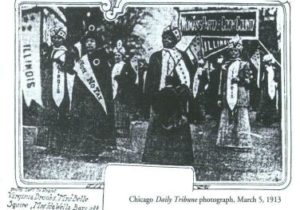
    Wells & Squire marching in 1913

    The club especially supported African American candidates for the city’s elections, working to break down multiple unjust barriers in politics. Wells participated in one of the NAWSA’s best-remembered marches, set in Washington D.C. the day before the inauguration of President Woodrow Wilson. At the beginning of the rally, she was told to walk at the back, but she refused. Ida B. Wells marched with her sister suffragists from Illinois at the front. The power of social change comes from unified work between many people, and Wells refused the idea that she, as a suffragist, could be divided from anyone else.

    Along with women like Wells and Ruffin, Mary Church Terrel was an advocate for racial equality. She was entwined with gender equality, which shows throughout her work with the NAWSA, where she frequently met with Susan B. Anthony and Elizabeth Cady Stanton. She insisted that the movement fight for the rights of black women alongside those of white women, and spoke highly of the suffragists who fought for everyone oppressed by the political and social systems of the time. She spoke at NAWSA meetings, delivered speeches, and called for the suffragists to remember all of the women whose vote they worked so hard to gain.

    Ida B. Wells

    Let’s not allow their work to be forgotten – and let us never give up our full Rights as U.S. Citizens to carry out this all-too-important privilege.

    Despite the NAWSA’s issues with racism, some black women did act within that organization, such as Mary Church Terrel, who was an advocate for racial equality entwined with gender equality, which shows throughout her work with the NAWSA, where she frequently met with Susan B. Anthony and Elizabeth Cady Stanton. Mary insisted that the movement fight for the rights of black women alongside those of white women, and spoke highly of the suffragists who fought for everyone oppressed by the political and social systems of the time. She spoke at NAWSA meetings, delivered speeches, and called for the suffragists to remember all of the women whose vote they worked so hard to gain.
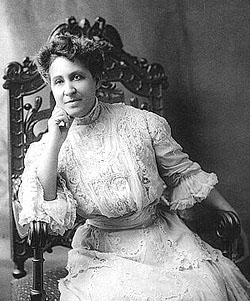
    Mary Church Terrel September 23, 1863

    Women’s suffrage had a complex relationship with black civil rights in large part thanks to the period of history in which the suffrage movement began: the Seneca Falls Convention took place in 1848, seventeen years prior to the abolition of slavery. This meant that the women’s rights movement was progressing and focusing at the same time that black people across were achieving freedom and directing themselves in a country that, while changing dramatically, still marginalized them.

    Harriet Tubman’s work is an example of how black women fought on both fronts; she’s a figure best remembered for her work as a liberator, freeing slaves prior to and during the civil war, but she took part in the suffrage movement as well. During the time of the NAWSA, she traveled to meetings and demonstrations to give speeches, telling of her experiences fighting for freedom and facing down oppressive and dangerous power structures during the time of slavery, and how important the struggle for freedom is. She bridged her advocacy for equality into the fight for the vote, and during this time, Ruffin’s The Woman’s Era wrote a profile on Tubman, as the country’s attention was once again drawn to her fight.
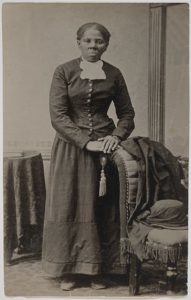
    Harriet Tubman after the Civil War

    All of these histories show that the suffrage movement’s victory– the adoption of the nineteenth amendment– was the result of disparate people, dedicated and idealistic people coming together and fighting hard for their rights. They gave time, energy, and passion to a movement that would, eventually, provide them with the right to participate in the democracy of their country. The fact that the suffrage movement stayed strong for 70 years united its two significant organizations, tackled legislation at both the national and local levels, is a testament to the people who refused to give up, and whose worked– together– to win the fight.
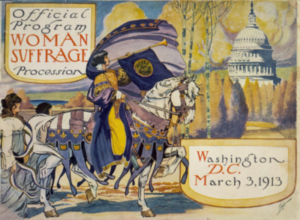
    It’s been a century since women won the right to vote, and more than 170 years since the American suffrage movement started in earnest. This movement has a lot it can teach us: the value of working together, across the country, to bring about change; the importance of remembering that there is always more than one fight for progress and rights, that we should listen to the voices of everybody who’s been pushed down and denied their rights and opportunities; and, of course, that even in the face of a power structure that calls rebellion and the fight for equal freedoms’ radical’, that fight is a good one, and worth taking on.

    At the Seneca Falls Convention, the call for women’s suffrage rang out in America, whereas before it had been considered a fringe idea, or even impossible. The fight was long, but after seventy-two years, the suffragists made what was ‘radical’ a reality.

    So, in the spirit that the right to vote is something that all people deserve, and should never have been restricted to any one group over another, let’s celebrate the centennial of a victory that brought America one step closer to the ideals of equality, freedom, and the rights of all. The power of the vote has shaped America’s history. We must all understand the importance of voting, and today we recognize those who fought for our rights. We are thankful for those brave suffragettes, for it is their struggle that has given us the right to participate in our democracy regardless of gender.

    It required three generations of fearless activists over a span of more than seven decades working in more than 900 state, local, and national campaigns to finally win the vote for American women. And that active verb – win – is important: Women were not given the vote; they were not granted the vote. As one commentator so aptly describes it: “They took it.” Christian Science Monitor

    Links to articles and sources are listed at the end of this blog post.

    We want to thank Scott Taylor, our newest member of the Chanticleer Team, for his research for the blog post in this collaborative effort of honoring and remembering the women who struggled and worked for ratifying the 19th Amendment on August 18, 1920.


    We thought you might enjoy viewing some of our very favorite books about Suffrage and Strong Women we admire: 
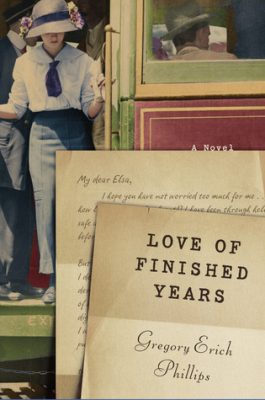
    Love of Finished Years by Gregory Erich Phillips

    Love of Finished Years is one of Kiffer’s favorite novels as it tackles workers rights, women’s suffrage, the looming shadow of World War One, the plight of immigrants, and the horrors of wars from the trenches. Phillips reminds us that love, light, and perseverance can help us find a way to overcome almost any obstacle. Love of Finished Years won the Chanticleer Overall  Grand Prize for Best Book while it was still in manuscript form. 
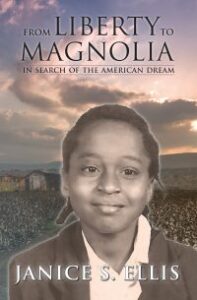
    From Liberty to Magnolia: In Search of the American Dream by Dr. Janice S. Ellis

    This pivotal work serves as an historical record which serves as a historical record amid one of the most tumultuous yet empowering eras in American history. Complete with a discussion guide in the Appendix, the book can serve as a text for a college course or a community book club exploring themes of race and gender.

     Janice’s overarching message is to stay true to oneself and continue to follow your heart, no matter how unpopular or uncomfortable your choices. From Liberty to Magnolia was awarded the Journey Book Awards Grand Prize. 
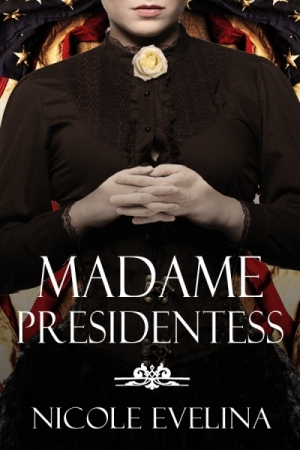
     

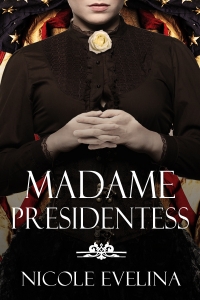
    Madame Presidentess by Nicole Evelina

    A story based on the mysterious, mystical Victoria Woodhull, a free-thinking woman well ahead of her time with a rags to riches story. Woodhull was the first woman to run for president of the United States, at a time when, with the full support of the law, most American men did not even regard their mothers, wives and daughters as citizens. She was also the first woman to own a brokerage firm on Wall Street. Nicole Evelina brings Victoria Woodhull vividly to life in this award winning novel. 

    Chanticleer Non-fiction Award-winning Books — just click on the link to read our reviews.
    The Romance Diet: Body Image and the Wars We Wage on Ourselves by Destiny Allison
     

    Wounded Warrior, Wounded Wife: Not Just Surviving, but Thriving by Barbara McNally
     

    Inside: One Woman’s Journey Through the Inside Passage by Susan Marie Conrad
     

    Fishing With Hyenas  by Teresa Matthews


    Links to Sources and Resources:

    A Timeline of Voting Rights Actshttps://www.businessinsider.com/when-women-got-the-right-to-vote-american-voting-rights-timeline-2018-10#1965-congress-passes-the-historic-voting-rights-act-removing-discriminatory-barriers-that-kept-many-people-of-color-from-voting-12

    Sources: US Department of Justice Brennan Center for Justice, Business Insider

    19th Amendment: The six-week ‘brawl’ that won women the vote https://www.csmonitor.com/USA/Politics/2020/0803/19th-Amendment-The-six-week-brawl-that-won-women-the-vote

    Why Celebrate the Centennial of the 19th Amendment?

    Britannica https://www.britannica.com/biography/Elizabeth-Cady-Stanton

    History.com

    https://www.history.com/topics/black-history/abolitionist-movement

    https://www.history.com/topics/womens-history/elizabeth-cady-stanton

    https://www.history.com/topics/womens-history/the-fight-for-womens-suffrage?li_source=LI&li_medium=m2m-rcw-history

    Brooklyn Museum – Alice Stone Blackwell: https://www.brooklynmuseum.org/eascfa/dinner_party/heritage_floor/alice_stone_blackwell

    Americans Who Tell the Truth – Elizabeth Cady Stanton   

    https://www.americanswhotellthetruth.org/portraits/elizabeth-cady-stanton

    https://socialwelfare.library.vcu.edu/woman-suffrage/gage-matilda-joslyn/

    NPS – Ida B. Wells

    https://www.nps.gov/people/idabwells.htm

    Blackpast – Josephine St. Pierre Ruffin

    https://www.blackpast.org/african-american-history/ruffin-josephine-st-pierre-1842-1924/

    Wikipedia – Josephine St. Pierre Ruffin

    https://en.wikipedia.org/wiki/Josephine_St._Pierre_Ruffin

    National Womens’ History Museum – Mary Church Terrell

    https://www.womenshistory.org/education-resources/biographies/mary-church-terrell

    Blackpast.org – Mary Church Terrell

    https://www.blackpast.org/african-american-history/terrell-mary-church-1863-1954/

    Harriet Tubman Historical Society – Harriet Tubman

    http://www.harriet-tubman.org/women-rights-suffrage/

    National Parks Foundation – Harriet Tubman

    https://www.nationalparks.org/connect/blog/beacon-resilience-and-love-harriet-tubman
    Alice Stone Blackwell, between 1880 and 1900
  • SPOTLIGHT on CHATELAINE and Its Hall of Fame Authors – Romance Novels & Romantic Fiction in all its Forms!

    SPOTLIGHT on CHATELAINE and Its Hall of Fame Authors – Romance Novels & Romantic Fiction in all its Forms!

    Chanticleer Book Reviews is seeking today’s best books featuring romantic themes and adventures of the heart, historical love affairs, perhaps a little steamy romance, we will put them to the test and choose the best among them.

    Find out more about the stunning beauty that Dante Rossetti painted, Jane Morris, at the end of this blog post.


    Do you have a romance novel or manuscript ready for readers?

    Do you want to see how it stands up to others in its category?

    Then don’t delay! The CHATELAINE Book Awards division is accepting submissions from both recently published and complete manuscripts in romance and romantic fiction. But this year we’ve moved our deadline – to keep you on your toes!

    The new deadline for the Chatelaine Awards is AUGUST 31, 2020

    That’s right, the last day for submissions into the 2020 Chatelaine Book Awards is August 31, 2020. So, if you love Piña Coladas – and getting caught in the rain… I mean, if you like writing about those things, and other things having to do with matters of the heart, including these:

    The Chatelaine Awards Categories are:|
    Contemporary Romance
    Historical Romance
    Adventure & Suspense
    Romantic Steamy/Sensual (Not Erotic)
    Inspirational/Restorative

    Send them in today! What are you waiting for?

    Click here for more information and submission form! 

    Don’t Delay! Enter Today! 

    Insiders’ Tip: Other genre divisions of the Chanticleer International Book Awards have romance categories as well. Multiple submissions of the same work to a variety of  CIBA writing competitions divisions are accepted. Check out our divisions here. 


    Please join us in congratulating and reading these top works in this diverse range of all reads Chatelaine: Romance, Chick-Lit,  Women’s Fiction, Inspirational, Suspenseful, and, of course, Steamy and Sensual in the
    CHATELAINE HALL of FAME!


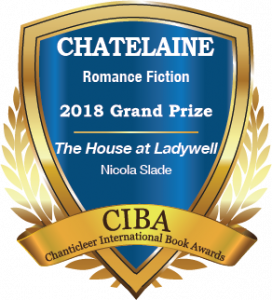
    Nicola Slade took home the Chatelaine Grand Prize Ribbon in 2018 for The House at Ladywell.

    Congratulations to the 2018 CHATELAINE Book Awards for Romantic Fiction  First in Category Winners!


    Leigh Grant’s MASK OF DREAMS  took home the Chatelaine Grand Prize Ribbon for 2017.

    The First Place Category Winners of the CIBA 2017 CHATELAINE Awards:


      M.A. Clarke Scott’s The ART of ENCHANTMENT took home the 2016 Chatelaine Grand Prize.


    The First Place Category Winners of the CIBA 2016 CHATELAINE Awards:


    Nicole Evelina’s DAUGHTER of DESTINY took both the Chatelaine Grand Prize and the OVERALL Grand Prize winner for 2015.


    The First Place Category Winners of the CIBA 2015 CHATELAINE Awards:


    Janet Shawgo’s FIND ME AGAIN won the 2014 Chatelaine Grand Prize.

    Find Me Again Janet Shawgo

    The First Place Category Winners of the CIBA 2014 CHATELAINE Awards:


    Kate Vale’s CHOICES was awarded the 2013 Chatelaine Grand Prize and took home the OVERALL Grand Prize for best book of the year!


    The First Place Category Winners of the CIBA 2013 CHATELAINE Awards:

    • Historical Romance: The Lily and the Lion by Catherine T. Wilson & Catherine A. Wilson
    • Southern Romance: Swamp Secret by Eleanor Tatum
    • Mystery: The Hourglass by Sharon Struth
    • Jane Austen Inspired: Pulse and Prejudice by Colette Saucier
    • Paranormal: Crimson Flames by Ashley Robertson
    • Christian Inspirational Romance: Chasing Charlie by C. M. Newman
    • Restorative: A Path through the Garden by Nancy LaPonzina
    • Classic Bodice Ripper: To Dare the Duke of Dangerfield by Bronwen Evans

     Who will win the CHATELAINE Book Awards Blue Ribbons for 2020?

    The judging rounds will commence in August! Submit your works today!

    The last day for submissions into the 2020 Chatelaine Book Awards is August 31, 2020. Winners will be announced at our CAC21 conference – scheduled for April

    Click here for more information and submission form! 

    Don’t Delay! Enter Today! 

    And remember our Insiders’ Tip: Other genre divisions of the Chanticleer International Book Awards have romance categories as well. Multiple submissions of the same work to a variety of  CIBA writing competitions divisions are accepted. Check it out here!


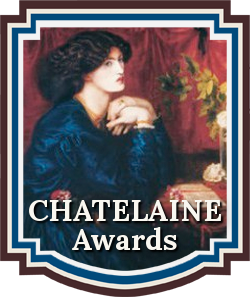
    A little information about the Chatelaine Book Awards icon:

    Romance Fiction Award


    We feel that Dante Gabriel Rossetti’s Pre-Raphaelite painting of Jane Morris (muse and wife of William Morris) in a Blue Silk Dress captures the many moods of the Chatelaine division of the Chanticleer International Book Awards.  Jane Morris (nee Jane Burden—little is known about her childhood but that it was poor and deprived) was known for her keen intelligence. William Morris fell in love with her when she sat for him as a model. She was privately tutored to become a gentleman’s wife upon their engagement. It is said that she was the inspiration for George Bernard Shaw’s character Eliza Dolittle of My Fair Lady fame. The Blue Silk Dress was painted in 1868 by Rossetti and it currently resides in the Society for Antiquaries of London.  She was 29 when Rossetti painted it. Rossetti and Jane Morris became closely attached until his death in 1882. To read more about the fascinating Jane Morris, click on this Wikipedia page.

  • In Celebration of Mother’s Day – Interesting Tidbits, Some History, and a Few of Our Favorite Books

    In Celebration of Mother’s Day – Interesting Tidbits, Some History, and a Few of Our Favorite Books

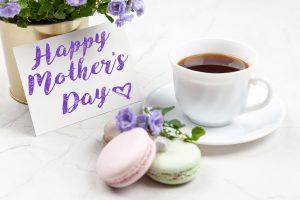
    Photo by George Dolgikh of Giftpundits


    While mothers are as varied and diverse as the many varieties of flowers in the world, none of us would be here without them! When I think of the word “mother,” there is no possible way I can disassociate the word from my mother. She is strong-willed, strong-minded, and strong-opinioned. And her love rivals the strength of the greatest army the world has ever known. She is my mother. She is the one person who loves me enough to tell me when I am wrong and, yet, loves me anyway.

    How and When was “Mother’s Day” Started

    As all things of Western Civilisation seem to have started in ancient Greece it seems (reference: My Big Fat Greek Wedding), so did Mother’s Day. Well, sort of, honoring the goddess, Cybele/Rhea (depending on time and region). The early Christian Church co-opted the day, calling it “Mothering Sunday,” a festival day in which the faithful would return to the church of their birth. 

    When is Mother’s Day Celebrated Around the World?

    • Mother’s Day is celebrated on the second Sunday in May, in the USA, Canada, most European countries, Australia, New Zealand, India, China, Japan, the Philippines, and South Africa.
    • The UK and Ireland celebrate Mother’s Day on the fourth Sunday in Lent.
    • Most Arab countries celebrate Mother’s Day on March 21st (vernal equinox).
    • Most East European countries celebrate Mother’s Day on March 8th. For a complete overview of the dates of Mother’s Day around the world see Mother’s Day on Wikipedia.

    The Rise of Mother’s Day in America

    Before the Civil War, Ann Jarvis and her friend, Julia Ward Howe decided to set up regional clubs, “Mothers Day Work Clubs” designed to teach young mothers how to care for their infants. Their involvement and the clubs continued throughout the Civil War and once the war ended, they held a Mothers’ Friendship Day and invited both Union and Confederate soldiers and their mothers to attend. Big strides toward reconciliation were made through the efforts of these women.

    The women who inspired Mother’s Day were social activists, abolitionists, suffragettes, and educators who wanted to make their world – and their children’s world a much better place. And that is something to celebrate!

    It was all made a legal holiday when Anna Jarvis, inspired by her social activist mother, Ann Maria Reeves Jarvis, decided to memorialize a day in which to celebrate her mother. In 1907, three years after her mother’s death, she did just that. She chose a white carnation to inspire people to remember their mothers and what they sacrificed for them.

    “Its whiteness is to symbolize the truth, purity and broad-charity of mother love; its fragrance, her memory, and her prayers. The carnation does not drop its petals, but hugs them to its heart as it dies, and so, too, mothers hug their children to their hearts, their mother love never dying. When I selected this flower, I was remembering my mother’s bed of white pinks (flowers)…”  – Anna Jarvis  (quote)

    It wasn’t until 1914 that Woodrow Wilson signed a decree that designated the second Sunday in May as the United States official day to celebrate Mother’s Day. Of course, Mother’s Day is celebrated all over the world (in at least 49 countries) on different days.

    It should be noted that Anna Jarvis wasn’t very happy with the commercialization of Mother’s Day and she fought long and hard to try and get it withdrawn as a national holiday, but we all know how that ended. And if you don’t, well, let’s just say it is a most intriguing mystery…

    Suggested Reads 

    Because mothers are incredibly diverse in their habits and reading lists, we invite you to dive into our reviews and choose what’s you think your mother would like to read most and to perhaps enjoy the books yourself.

    Chanticleer Mother’s Day Reading List!


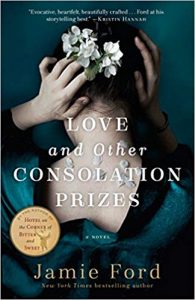
    Jaimie Ford‘s Love and Other Consolation Prizes is powerful storytelling from a master storyteller! Jaimie Ford breathes to life a little-known piece of Seattle history spanning the early to the mid 21st century. And a truly unique story of the many ways a mother’s love can manifest itself. 


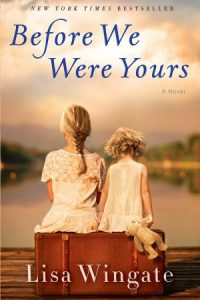
    Before We Were Yours by Lisa Wingate is a disturbing look into what those who should know better, choose to do to society’s most vulnerable during the 30-years between 1920 and 1950 at the Tennessee Children’s Home Society.


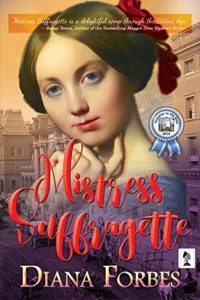
    DianForbesMistress Suffragette examines the facts of life, the challenges of social restrictions, and the woes of youthful love through the eyes of a sharp-minded, sharp-shooting young woman. Mistress Suffragette is now available on Audible


    Nicole Evelina‘s Madame Presidentess is a fascinating story of a woman’s meteoric rise from rags to riches, from subservience to achievement – based on a true story that was instrumental in propelling the Suffragette Movement. 


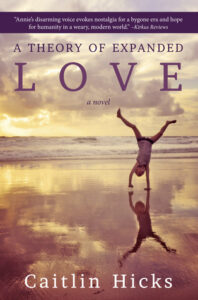
    A Theory of Expanded Love by Caitlin Hicks


    A Theory of Expanded Love by Caitlin Hicks is a bold, authentic, & captivating –a young teen in the 1960s confronts doctrine when it threatens to outweigh compassion.


    Caregiving Our Loved Ones by Nanette Davis, Ph.D. Dr. Davis passes on her knowledge to caregivers for dealing with the ongoing emotional, financial and health toll of taking care of someone who will never get better.


    Nick AdamsAway at War: A Civil War Story of the Family Left Behind is a rich and fascinating account of day-to-day life in rural America in the mid-19th century set against the backdrop of the Civil War. Taken from primary sources, this narrative brings to life all that was loved and all that was lost.


    This is just the beginning of our list! To find more amazing reads in every genre, please click here to discover our favorites!

    We would like to wish all mothers, mothers-to-be, stand-in mothers, and those who possess the mothering instinct, a very Happy Mother’s Day! 


    Electronic Bibliography:

    Mother’s Day Photo Attribution:  https://giftpundits.com/our-free-photos/

    History.com

    Wikipedia

    http://www.calendarpedia.com/when-is/mothers-day.html

  • VALENTINE’S DAY SWEET READS with LOVE from CHANTICLEER – Romance, Historical Romance, Western Romance, Thriller/Suspense Romance

    VALENTINE’S DAY SWEET READS with LOVE from CHANTICLEER – Romance, Historical Romance, Western Romance, Thriller/Suspense Romance

    A Valentine to Mark Twain, a beloved American Author 

    Both marriage and death ought to be welcome: the one promises happiness, doubtless the other assures it.
    – Samuel Clemens aka Mark Twain

    Editor’s Note: Samuel Clemons writing as Mark Twain is a beloved author to Fairhaven, a village in Bellingham, Wash. where Chanticleer Reviews’ home office is located and where the company was founded. On August, 14, 1895, Mark Twain spoke to  a full house at the Lighthouse Hall (700 seats) and received a standing ovation. Admission was seventy-five cents and one dollar for the best seats. This was the last stop in his United States tour. He arrived from presenting in Seattle on August 13, 1895. His next stop was Vancouver, British Columbia before heading out west across the Pacific Ocean for a world tour.

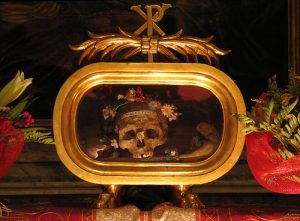
    February 14th is really one of the strangest holidays we celebrate with its origins in the early Church, mired with martyrs. No one really knows for sure if there was one Valentini or two, or perhaps an entire herd of them, but, it is believed that Saint Valentine lost his head over converting people to the Christian faith. The head in question now resides in “…glass reliquary in a small basilica in Rome, surrounded by flowers.” [Atlas Obscura

    Editor's Note: Did we mention that Sharon Anderson, the author of this article, writes horror...

    For us, February 14th is the day we all wear our hearts on our sleeves (literally), write little notes professing our love to one another, exchange candied hearts (Necco hearts may not be on the shelf this year because the company that purchased the popular brand said they, “Didn’t have time…” ), buy long-stemmed red roses for those we love (One site claims that in 2010, over 110 million long-stemmed roses were sold! That’s a lotta roses!), and chocolates… let’s not forget about the chocolates!

    Susan Marie Conrad offering CHOCOLATES at her book signing, The INSIDE PASSAGE.

    Whichever way you celebrate February 14th,
    we’ve got some fabulous reads lined up for you that are just
    too sweet to pass up!


    A Valentine of Great Reads for YOU from Chanticleer! 

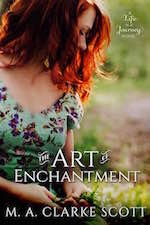
    The Art of Enchantment by M. A. Clarke Scott is a well-paced escape for those hungering for art, history and a hot ride with a handsome Italian hero.

    M.A. Clarke Scott won the 2016 Grand Prize in the Chatelaine Awards for this novel!


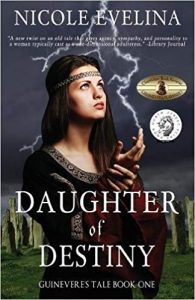
    Daughter of Destiny: Guineviere’s Tale, Book 1 by Nicole Evelina is rich in historical detail and fantastical landscapes. This novel takes a brilliant twist on the historical perception of Queen Guinevere: she has magical powers, but will her gift be enough to save her people?

    Nicole Evalina not only won the 2015 Chatelaine Grand Prize for this novel and took home the Overall Grand Prize!


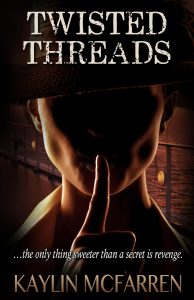
    Twisted Threads by Kaylin McFarren is a fast-paced romantic thriller complete with secret assassins, notorious secrets, steamy passion nights abound on this luxury Caribbean cruise – in other words, exhilarating! This is the fourth book in the Threads Romantic Thriller series and won Grand Prize in the 2017 CIBA CLUE Awards.


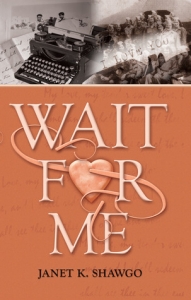
    Find Me Again by Janet Shawgo is a mystery, a conspiracy theory, and an amazing love story that crosses generations—all combined into one amazing read. Although there are two more novels in the series, each book stands alone.  Wait For Me.  WWII  Women  Look For Me.   Civil War Historical Fiction


    The Winters Sisters Series by Joanne Jaytanie contain elements of genetic engineering, strong women and the men who love them and nods to the author’s beloved dogs. These are hot romantic thrillers!


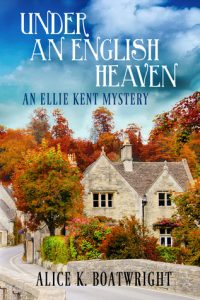
    Under an English Heaven by Alice Boatwright has twists and turns aplenty that will make any cozy fan enjoy this easy read, and enough descriptions of the bucolic village landscape and teas to make anyone who loves all things British happy. A second Ellie Kent Mystery is promised sometime this year.


    Building Mr. Darcy by Ashlinn Craven is a fun, fast-paced cozy reveals what happens when the witty and charming Mr. Darcy springs to life as an A.I. But, is he more than his two developers can handle?


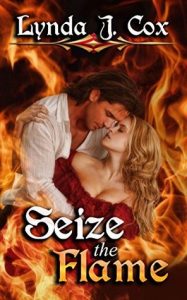
    Seize the Flame by Lynda J Cox is a romantic Western celebrating second chances and proving that lightning not only strikes twice – but sometimes in the exact same spot.


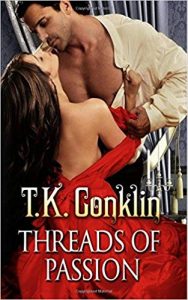
    Threads of Passion by T.K. Conklin is a paranormal romance, western-style, that will leave you begging for more!


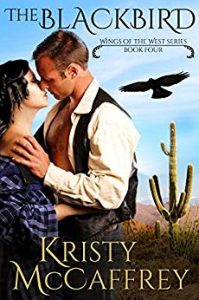
    The Blackbird by Kristy McCaffrey is a steamy, intelligent historical fiction set in the Arizona desert where the harsh environment matches the characters who populate it. This is the fourth book in McCaffrey’s Winds of the West series. 


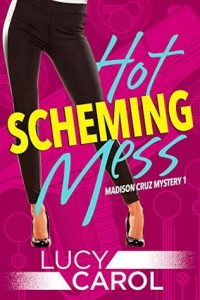
    Hot Scheming Mess by Lucy Carol is a hilarious, fast-paced sexy cozy mystery with a believable lead and a gripping plot. Sassy, smart, and FUNNY!


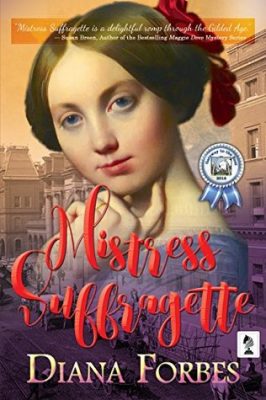
    Mistress Suffragette by Diana Forbes is an engaging, stimulating, and action-packed novel that examines the facts of life, the challenges of social restrictions, and the woes of youthful love through the eyes of a sharp-minded, sharp-shooting young woman.


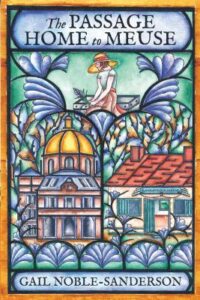
    The Passage Home to Meuse by Gail Noble Sanderson is an epic journey back to the post-war world of the 1920s where Noble Sanderson’s characters explore whether love can indeed conquer all.


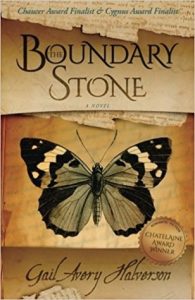
    The Boundary Stone by Gail Avery Halverson – This story is set against the backdrop of the black plague, one woman of note risks everything to follow her calling and find her true love…


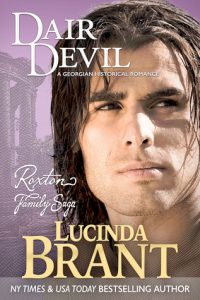
    Dare Devil: A Georgian Historical Romance, Book 3 of the Roxton Family Saga by Lucinda Brant


    A Girl Like You: A Henrietta and Inspector Howard Novel by Michelle Cox is about a brave and daring darling of the Great Depression puts herself in harm’s way to solve a mystery and endear herself to the handsome detective whose job it is to solve it.


    Check out our list of Chatelaine Award Winners here.

    Please let us know, who is your favorite romance author?


  • The Writer’s Life: Author Interview with DIANA FORBES – Chatelaine 1st Place Winner, Historical Romance, The Guilded Age

    The Writer’s Life: Author Interview with DIANA FORBES – Chatelaine 1st Place Winner, Historical Romance, The Guilded Age

    Diana Forbes writes romantic historical fiction. Her debut novel, Mistress Suffragette is easy to pick up and hard to put down. Recently, I had the opportunity to interview this author and I think you’ll enjoy what she had to say…


    Chanticleer: Tell us a little about yourself: How did you start writing?

    Forbes: I started writing when I was 6 years old. First I wrote poetry. Then I wrote diary entries, heavily influenced by Harriet the Spy. After that, I wrote articles for my school paper. Then I wrote restaurant reviews for the school paper. In college, I wrote features for the college paper.

    Chanticleer: So, basically as soon as you could form cohesive sentences, you were off to the races! Nice job, Diana. But when did you realize that you were an author?

    Forbes: I met with a career coach in 2003 and I told him, “I want to be a writer.” He said, “Why don’t we just say you are a writer since writing is in the doing?”

    Chanticleer: Smart – writing is an active verb… Let’s chat about genre. What genre best describes your work?

    Forbes: Mistress Suffragette, my debut novel, is best described as a romance. It’s historical, so sometimes it’s described as cross-genre: historical-romance. It also has a lot of humor in it.

    Chanti: Cross-genre sweet spot – best of both worlds. What inspired you to write historical/romance? 

    Forbes: I take two writing classes a week in Manhattan where I live, and one of my writing teachers used to tell me, “Don’t worry about the genre. A debut novel is what it is. Just write it.” But, I basically wrote the story I wanted to read. It’s a romance against a very interesting historical backdrop – the late 19th century or Gilded Age.

    Chanti: I love the fact that you continue to work on your craft by taking writing classes. That’s such an important thing to do! Do you find yourself following the rules or do you like to make up your own rules?

    Forbes: I like to break rules selectively. In other words, I love to know what the rules are, then break them if there is a very good reason.

    Chanti: Good. Know the rules, so you know when, why, and how to break them. What do you do when you’re not writing? Tells us a little about your hobbies.

    Forbes: I am an art buff. I like to go to museums and galleries and look around. Recently I have also started going to plays and musicals in Manhattan. I like to poke around antique stores and fairs, too. I have a great respect for history, so if I can learn a little history while I am having fun, that’s even better.

    Chanti: You’re in the perfect place to do all that! Tell us a little about how you structure your writing day.

    Forbes: I am very structured. I am fortunate to have an office that is separate from where I live. I roll into the office at 9 a.m., trying to get in one full hour of reading before the day officially starts, so from 7:30 a.m.-8:30 a.m. Then I write from 9 a.m. until 3:30 p.m., trying to stay off social media and email completely. At 3:30 or so, I return all my emails and hop on social media. After that, I work till between 7 p.m. and 8 p.m. on marketing Mistress Suffragette.

    Chanti: That’s a fantastically structured day! What has been the most helpful marketing tool you’ve used so far?

    Forbes: I really like awards shows. They offer the chance to have the work receive a little recognition as well as a great marketing push. Award shows can also help introduce the work to new readers.

    Chanti: What areas of your writing are you most confident in? What advice would you give someone who is struggling in that area?

    Forbes: Readers often tell me that my strengths are my research, the setting, and the voice. I love stories that whisk me away, and that’s what I aimed for with Mistress Suffragette. I also want to tell untold stories. Some of the things I learned while researching M. Suffragette, I had never ever heard before – even in Political Science classes at my university. Anything I discovered that was really new and really interesting about the time period I made sure to include in the novel.

    Chanti: That’s pretty cool. So, we know that you take two writing classes a week, what other things do you do to grow your author chops?

    Forbes: My writing classes in Manhattan require that I turn in 20 pages at a time to early readers (my classmates) who give me feedback. One of the classes concentrates more on the craft of writing. I also read books about writing. In addition, I look for award show contests that provide feedback, so that I can learn and grow and my writing can improve before I show my work to an agent or editor.

    Chanti: This is how we discovered each other! We’re thrilled you entered your novel into the Chatelaine Awards. What are you working on now? What can we look forward to seeing next from you?

    Forbes: I am working on the sequel to Mistress Suffragette. I see the story as a trilogy. I am not sure when the sequel publication date will be. I write many drafts of my novels before I show them to my agent and editor, so I am somewhere in the revision process.

    Chanti: I certainly hope we get to see the sequels of Mistress Suffragette. Thank you for stopping in! 

    If you love romance (and who doesn’t?) and the Gilded Age, you know what to do! Check out Diana’s website and follow the links to purchase her book, Mistress Suffragette.

    Like her Facebook page and follow her. Trust me, there is more to come from Forbes, and you’ll not want to miss out.


  • MISTRESS SUFFRAGETTE by Diana Forbes – Victorian Historical Fiction, Suffragette Movement, Political

    MISTRESS SUFFRAGETTE by Diana Forbes – Victorian Historical Fiction, Suffragette Movement, Political

    Against a backdrop of the Gilded Age, Mistress Suffragette follows a young woman as she fights with society and herself to find genuine freedom.

    New York debutante Penelope Stanton is on the verge of marrying Sam, a business acquaintance of her father, but when her father’s business endeavors begin to fail, Sam drops her. Her family will soon be in dire straits if they can’t marry Penelope off or find her a good job. At a dance, she meets Edwin Post, an older, married man, who forces himself on her—and she must admit, his kisses drive her wild.

    Torn by so many conflicting options, Penelope impulsively runs off to Boston with her old school chum Lucinda, to look for work and break free from obstructive social custom. In Boston, they meet Verdana, a brawny bloomer-wearer who draws Penelope into the movement for women’s rights. Soon Penelope finds that Verdana has forged an unconventional relationship with none other than her ex, Sam.

    Then Penelope’s mother joins them, and a strange ménage is formed. Verdana and Penelope get work as speakers for women’s suffrage, demonstrating the freedom of Verdana’s “rational” trousers contrasted with Penelope’s “irrational” corsets and flounces. On a bicycle ride, they run, literally, into a radical Jewish artist, John Sloan, who moves in with them while recovering from his bruises. Penelope is attracted to John, while fearing he may be a fraud.

    Meanwhile, Edwin is still pursuing her, driving her half mad with lust and indecision, and the whole gang is being stalked by a menacing neighbor who hates suffragettes, forcing Penelope to prove her secret skill with a pistol. All the chaos turns out to be good for Penelope, who is increasingly able to separate her negative feelings from her positive convictions, learning to say no—and someday, perhaps, yes.

    Diana Forbes is a New Yorker who writes historical fiction with gusto. She has clearly researched the era, adding details about the styles, current events, medicines and other small but enjoyable touches. But her central focus is on leading her heroine through the bends and switchbacks of a well-devised plot. While all her characters are intriguing, Penelope will be especially recognizable and appealing to modern females as she grapples with the strictures of a time when women were the virtual chattel of the males in their lives. Penelope experiences love, lust, and everything in between, balanced by a strong sense of reason unusual in one so young.