Author: bruce-gardner

  • The 2025 Hemingway Spotlight for 20th & 21st c. Wartime Fiction

    The 2025 Hemingway Spotlight for 20th & 21st c. Wartime Fiction

    In War’s Shadow, Humanity Endures
    Ernest Hemingway looking off to the right

    The Hemingway Awards Honor 20th & 21st Century Wartime Fiction

    The submissions for the 2025 Awards are underway, and Hemingway closes on August 31, 2025!

    Ernest Hemingway understood that war reveals both the worst and best of human nature, the capacity for cruelty and the resilience of the human spirit, the cost of conflict and the bonds forged in extremity. The Hemingway Awards carry forward this literary tradition, celebrating authors who explore the profound impact of modern warfare on individuals, families, and entire generations caught in history’s most turbulent moments.

    From the trenches of World War I to the complex conflicts of the 21st century, these stories preserve experiences that must not be forgotten. They honor the soldiers who fought, the civilians who endured, the families who waited, and the communities forever changed by the reverberations of war. In an age when conflicts can feel distant or abstract, wartime literature serves as an essential bridge to understanding war’s true human cost.

    The Sacred Trust of Wartime Stories

    Writing authentic wartime fiction requires both historical knowledge and deep empathy for human suffering. These stories serve as witnesses to history, preserving experiences that statistics and headlines cannot capture. They help readers understand that behind every battle, occupation, or campaign are individual human stories of courage, sacrifice, love, and survival. Whether based on family histories, extensive research, or personal experience, these narratives create emotional connections that ensure historical events remain meaningful to new generations.

    The authors recognized by the Hemingway Awards understand that wartime fiction carries special responsibilities, to honor those who served and suffered, to accurately portray the complexities of conflict, and to illuminate the lasting impacts of war on both individuals and society.

    Celebrating Our 2024 Grand Prize Winner!
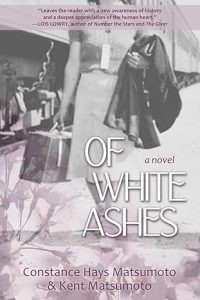
    Of White Ashes cover by Constance Hays Matsumoto and Kent Matsumoto

    We’re deeply honored to recognize Constance Hays Matsumoto and Kent Matsumoto, whose powerful novel Of White Ashes claimed the 2024 Hemingway Grand Prize with a story that captures the emotional impact of tragic events from a child’s heart and perspective. Inspired by their own family histories, the authors craft a sweeping narrative that follows two Japanese Americans whose lives are shattered by Pearl Harbor: Ruby Ishimaru, who loses her liberty and is forced from Hawaii to mainland incarceration camps, and Koji Matsuo, who endures the menacing clouds of war in Japan while concealing a dangerous family secret.
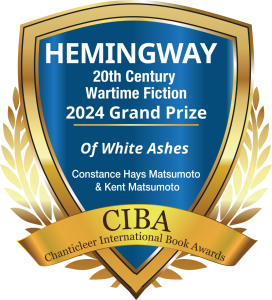
    When destiny brings Ruby and Koji together in post-war California, their magnetic chemistry must overcome the deep wounds of trauma that threaten to make their love another casualty of war. Of White Ashes exemplifies the finest wartime literature by illuminating “the remarkable lives of ordinary people who endure seemingly unbearable hardship with dignity and patience,” creating a story that compels reflection on both human resilience and the ongoing risk of history repeating itself. In addition to ongoing promotional features, Of White Ashes will be regularly promoted throughout the year and for the next five years in our upcoming Hall of Fame posts. Constance Hays Matsumoto and Kent Matsumoto will also be invited to participate in a Chanticleer 10-Question Interview, and Of White Ashes will receive a coveted Chanticleer Editorial Review.

    Categories That Honor Every Wartime Experience

    The Hemingway Awards recognize the full spectrum of modern wartime stories:

    • World War One – The Great War that changed the world forever, exploring the conflict that introduced modern warfare’s devastating scale
    • World War Two – The global conflict that defined a generation and reshaped international order
    • Women in War – Stories of the often-overlooked contributions and sacrifices of women during wartime
    • Occupation/Diaspora – Narratives of displacement, internment, exile, and the struggle to maintain identity under oppression
    • Espionage – The shadowy world of intelligence, resistance movements, and the moral complexities of wartime secrets
    • Love in Wartime – Romances tested by separation, danger, and the uncertainty that war brings to every relationship
    • Specific Campaign/Theater/Battle – Focused explorations of particular military operations, battles, or theaters of war

    Each category represents a different lens through which to examine war’s impact on the human experience, from the grand sweep of global conflict to the intimate stories of individual survival and love.

    Explore All Historical Fiction Divisions

    The Hemingway Awards complete Chanticleer’s comprehensive celebration of historical fiction across all time periods:

    Chaucer Awards for Early Historical Fiction – Ancient times through medieval periods, capturing the distant past

    Goethe Awards for Late Historical Fiction – Post-1750s historical fiction spanning The Georgian era through 20th century

    Laramie Awards for Americana Fiction – First Nation stories, the American frontier, pioneer tales, Civil War narratives, and contemporary westerns

    Whether your historical fiction explores ancient civilizations, peaceful periods, or the specific crucible of modern warfare, Chanticleer offers recognition for every historical perspective.

    Looking at Wartime Literature Excellence

    Check out some of these outstanding wartime fiction works we’ve celebrated recently!
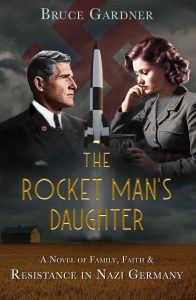
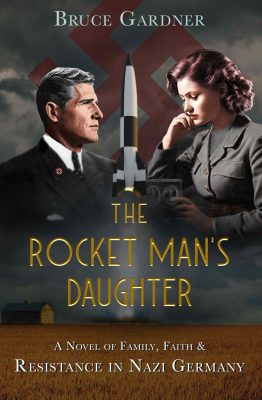
    The Rocket Man's Daughter Cover

    The Rocket Man’s Daughter
    By Bruce Gardner

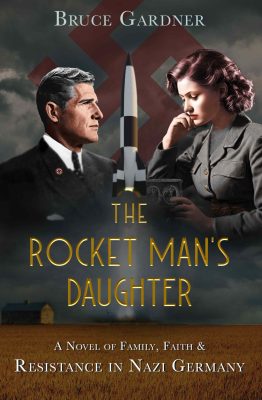
    The Rocket Man’s Daughter: A Novel of Family, Faith and Resistance in Nazi Germany by Bruce Gardner tells a harrowing story of German life under the Nazi Regime from 1934 to 1945.

    Through the experiences of a young woman whose family is torn by competing loyalties, this riveting tale shines a rarely seen spotlight on some of the most heart wrenching moral dilemmas faced by German civilians and soldiers caught up in the crucible of fascist tyranny and war.

    Klara Neumann is the Rocket Man’s Daughter. She’s only fourteen in 1934 when the Führer, Adolf Hitler, finally eliminates all rivals and consolidates his control of Germany under the Nazi Party.

    Klara’s family represents a microcosm of the country’s middle socio-economic class, working in government-sponsored roles that demand slavish obedience to the Führer and his decrees. Her father, Erich, is the quintessential ‘rocket man’, a university professor dragged into the Nazi war machine to help his friend and colleague Dr. Wernher von Braun develop the deadly new V-2 rockets intended to terrorize Germany’s future enemies. Her mother, meanwhile, strives to be a dutiful Nazi wife, her brother an honorable Wehrmacht army officer, and her elder sister Elke the devoted leader of a female Hitler Youth section.
    Read More Here

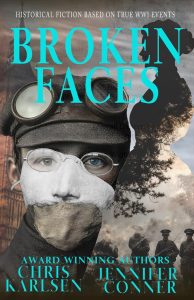
    Broken Faces Cover

    Broken Faces
    By Chris Karlsen and Jennifer Conner

    A towering achievement, Broken Faces: Historical Romance Based on True WWI Events by Chris Karlsen and Jennifer A Conner follows two young people who, for different reasons, embark on a journey to restore the self-esteem torn from wounded soldiers by bloody conflict.

    The assassination of Archduke Franz Ferdinand on June 28, 1914 plunged Europe into one of the most horrific wars in history. Daily British papers featured articles about a bleak future. London quickly felt the effects of the war, with stores closing and basic goods in limited supply.

    Abigail Belorman, a young American woman and talented sculptor, had relocated to Britain with her newlywed husband Theo, the US ambassador to England. Pained by Theo’s emotional neglect, Abigail finds comfort in visiting injured soldiers who had returned from the front to a nearby hospital. Each of the young men there has a story to tell and wounds to recover from. Some, however, suffered irreparable damage to their faces, along with any chance at a normal life taken from them, and they will be forced into isolation.
    Read More Here

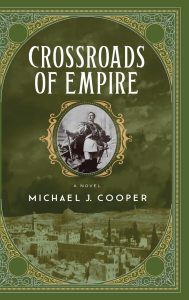
    Crossroads of empire, green

    Crossroads of Empire
    By Michael J. Cooper

    A Hemingway First Place Winner!

    Crossroads of Empire by Michael J. Cooper brings readers back into sixteen-year-old Evan Sinclair’s journey through the battlefields of WWI. The adventures and the war itself pick up right where the award-winning Wages of Empire left off.As in the first book, Evan begins his part of this story by going missing, this time not just from his father’s perspective, but from his own. Severely injured during his service with the Flemish resistance, Evan is discharged from a French field hospital. He’s on his way back to England by hospital ship when it is sunk by a German U-boat. When he reaches British shores as the sole survivor in a lifeboat, he’s left with amnesia and has no memory of who he is.

    Evan’s search for his own identity leads him to Rosslyn Castle, the Sinclair family’s ancestral home in Scotland. There he unravels secret family histories and connections long buried. Finally, with assistance from a wise woman, Evan regains his memory. Without the protection the amnesia provided, he faces a host of painful and traumatic memories.
    Read More Here

    See our Review of Book 1 Here

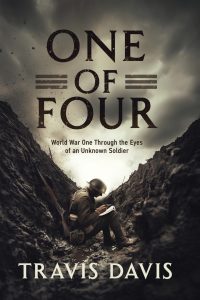
    One of Four Cover

    One of Four
    By Travis Davis

    A Hemingway First Place Winner!

    One of Four: World War One Through the Eyes of an Unknown Soldier by Travis Davis is a compassionate and intimate portrait of the tenuous and unforgiving First World War, as shown through the eyes of an American soldier on France’s front lines. Based on real people and events in 1918 France, One of Four begins with a young French girl, Camille, who stumbles upon a diary lying next to an unknown American soldier. He was killed among his comrades in a German ambush near the banks of the Aire River, as he tried to protect his fellow soldiers. When Camille comes of age, she leaves her hometown to seek a better life in Paris. There, she is killed after joining a German resistance group. But before her death, she tucked the soldier’s diary in her Bible and hid it in a local bookstore.

    Decades later, a man by the name of Walter travels to France with his son, Alex, to whom he’d become estranged after the painful divorce from Alex’s mother. He hopes this will be a journey of healing and exploration and that their time together will revive their shaky relationship. While there, Alex purchases the Bible left by Camille many years ago. By reading the hidden diary entries of the soldier together, Alex and Walter’s relationships takes an unexpected turn.
    Read More Here

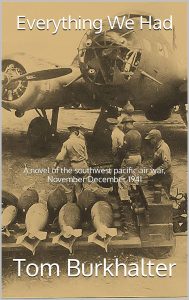
    Everything We Had Cover

    Everything We Had
    By Tom Burkhalter

    A Series First Place Winner!

    Everything We Had, book one of Tom Burkhalter’s No Merciful War series is an inexorable thrill that will grip readers tight. It starts with a poker game, through which a main character’s luck soon becomes evident. But will that luck hold out?

    Jack—the poker player—and Charlie—Jack’s older brother—have been separated by war, even though that war has yet to be declared. Everything We Had focuses more on the machinations leading up to US involvement in World War II than on actual combat. The gears of war that have so many young men caught in them move with gradual but inevitable force, and so Everything We Had takes a more thoughtful approach to a historic moment in time.

    Connecting with the characters is a gradual process as you get to know the intricacies that make up their individual personalities. This sets the reader up to feel the emotions of the characters as they face an uncertain fate, and throughout the book the author’s clear and methodical research shines with details such as specific views, locations, and—most notably—comprehensive descriptions of the airplanes Jack and Charlie pilot. This allows the reader to become deeply familiar with the motivations of the characters and the capabilities of the airplanes they fly.

    Read More Here

    These works demonstrate how the best wartime literature combines historical accuracy with profound emotional truth to honor both history and humanity.


    See the Chanticleer Difference for Yourself!
    We’re honored to receive the wartime stories that authors trust us with each year. The Chanticleer International Book Awards offers an incredible $30,000 in cash, prizes, and promotion across all divisions!

    The Hemingway Awards provide recognition for stories that preserve crucial historical experiences while exploring the timeless themes of courage, sacrifice, and resilience. Whether you’re drawing from family history, extensive research, or historical records, these awards celebrate both the literary craft and moral responsibility required to tell wartime stories with authenticity and respect.

    Your Wartime Story Matters

    In an era when the veterans of major 20th-century conflicts are passing away, preserving their experiences through literature becomes increasingly important. Your wartime story, whether based on family history, historical research, or imagined experiences grounded in historical truth, helps ensure that the lessons of war and the resilience of the human spirit are not forgotten.

    Ernest Hemingway looking off to the right

    Honor the legacy of those who endured war’s trials—the deadline is August 31, 2025!
    You know you want it…

    Submit to the Hemingway Awards today and help us preserve the human stories behind history’s greatest conflicts!
  • Celebrating Father’s Day with Some of Memorable Book Dads

    Celebrating Father’s Day with Some of Memorable Book Dads

    This Father’s Day remember that whether the Book Dads are good or bad, they’re often unforgettable

    From the steadfast wisdom of Atticus Finch to the murderous insanity of Jack Torrance, literature has long been shaped by the impact of fathers. These characters guide, challenge, and sometimes harm, but through their stories, they reveal the many shades of fatherhood — flawed, noble, complex, and deeply human. On this Father’s Day, we want to dive into those characters to honor the types of literary dad who’ve left their mark on our hearts and imaginations.

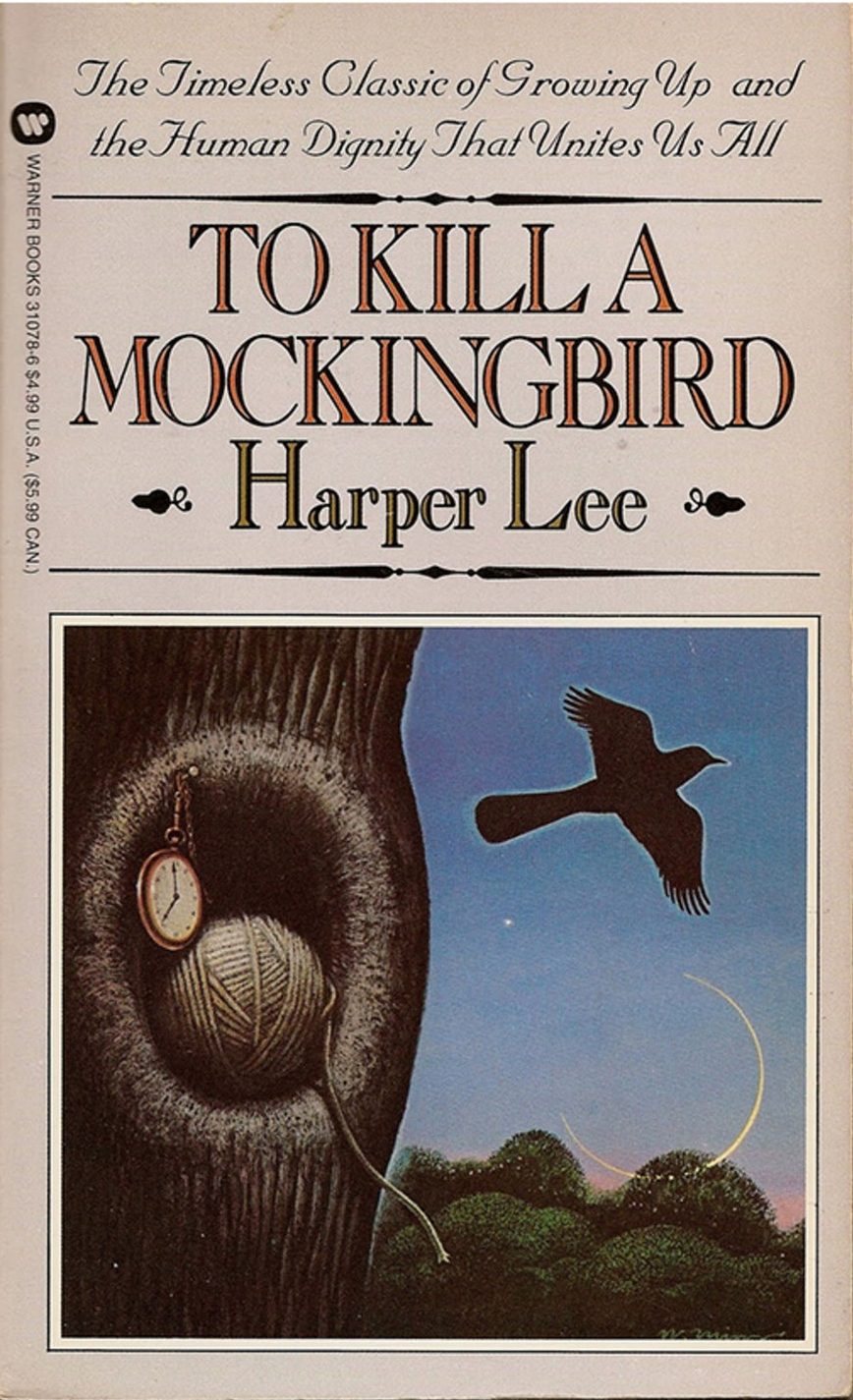
    Book cover, To Kill a Mockingbird, Harper Lee

    Atticus Finch in To Kill a Mockingbird, a great literary father
    By Harper Lee

    Atticus Finch stands as an example of moral integrity and wisdom in fatherhood. He doesn’t simply guide his children, Scout and Jem, with the rules of right and wrong—he teaches them how to think critically, empathize with others, and live with courage, even when it’s unpopular. He instills in them a strong sense of justice, fairness, and compassion, and encourages them to walk in someone else’s shoes before passing judgment. What makes Atticus such a great father is his ability to balance discipline with understanding, offering both structure and freedom for his children to develop their own convictions. Above all, he leads by example, showing them the importance of standing up for what’s right, regardless of the personal cost. His steady presence and unwavering principles make him not just a father, but a moral compass for his children—and for the reader. One of our favorite book dads.

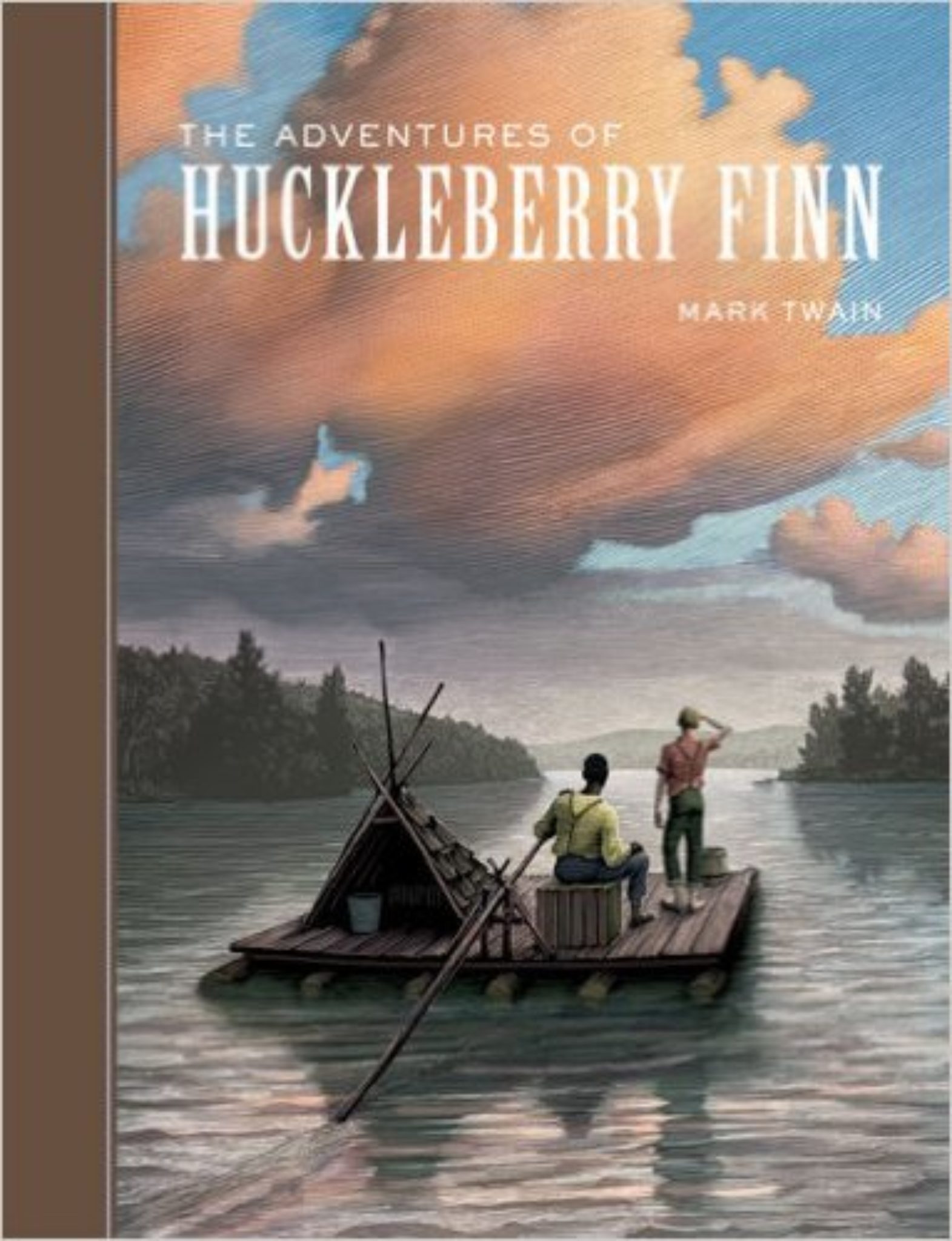
    Huckleberry Finn, Mark Twain, sky, river, raft

    Pap Finn in Adventures of Huckleberry Finn, a poor example for Father’s Day
    By Mark Twain

    Huck Finn’s father, known simply as Pap, is one of the most reprehensible figures in The Adventures of Huckleberry Finn. He’s an abusive, alcoholic, and selfish man, whose presence in Huck’s life is both oppressive and damaging. Pap’s sole interest is in controlling Huck and taking his money, rather than nurturing him. He represents the worst aspects of society, and his treatment of Huck pushes the young boy to seek freedom and independence. Unlike the noble fathers in literature, such as Atticus Finch, Pap is a stark reminder of how fatherhood can become a source of harm and dysfunction. His toxic influence leaves Huck with a profound desire to escape and forge his own path—making his journey down the Mississippi River as much about fleeing his father as it is about discovering who he wants to become.

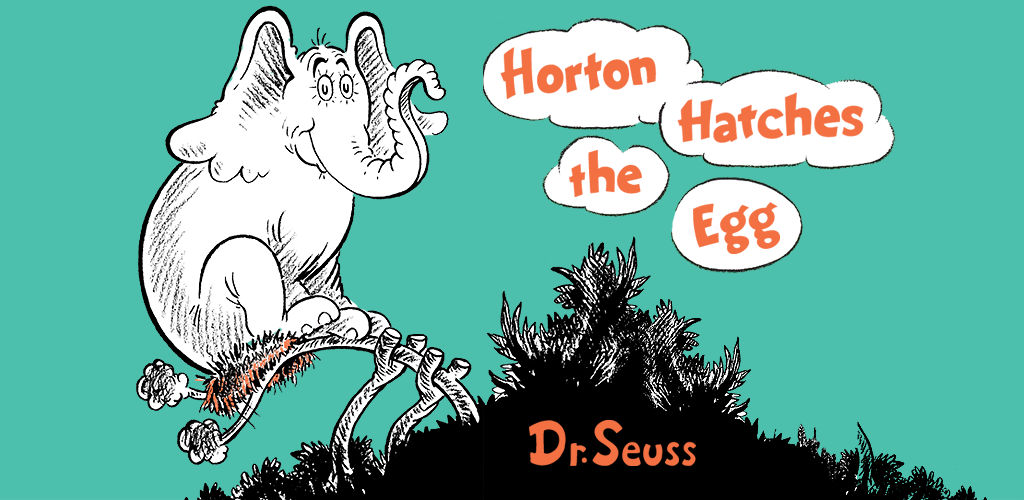
    Horton in Horton Hatches the Egg, book dad classic
    By Dr Seuss

    In Horton Hatches the Egg, Horton stands out as a great literary dad because of his unwavering dedication, kindness, and sense of responsibility. Despite being a gentle and loving elephant, he finds himself in an unexpected situation when he agrees to sit on Mayzie’s egg while she takes a break. Even though he faces numerous challenges and mockery from others, Horton never abandons the egg, displaying incredible patience and commitment. He demonstrates the importance of keeping promises, even when the task seems overwhelming. His genuine love and care for the egg, which eventually hatches into a baby bird, showcases his nurturing nature, making Horton a truly selfless and devoted father figure. His actions remind us that true parenting is about sacrifice, perseverance, and unconditional love.

    woman, black, dress, jewelry

    Mr. Bennet in Pride & Prejudice, a literary dad to be sure
    By Jane Austen

    Mr. Bennet in Pride and Prejudice may not fit the conventional mold of a “perfect” father, but his strengths as a parent lie in his wit, his ability to recognize his daughters’ individual personalities, and his deep love for them, even if it isn’t always shown in traditional ways. While often absent or detached in the face of his wife’s relentless push for marriage matches, Mr. Bennet demonstrates a unique form of care: his respect for his daughters’ intelligence and independence. He encourages Elizabeth’s sharp mind and wit, even if it sometimes leads to tension, and he ultimately supports her choices in matters of love and marriage, even when they challenge societal expectations. Although he may not always act as a pillar of emotional support, his genuine concern for his daughters’ futures—despite his sarcastic humor and frequent retreat to his library—reveals a quieter, yet significant form of fatherly devotion. He may not be perfect, but his occasional wisdom and love for his children make him a good figure to celebrate on Father’s Day.

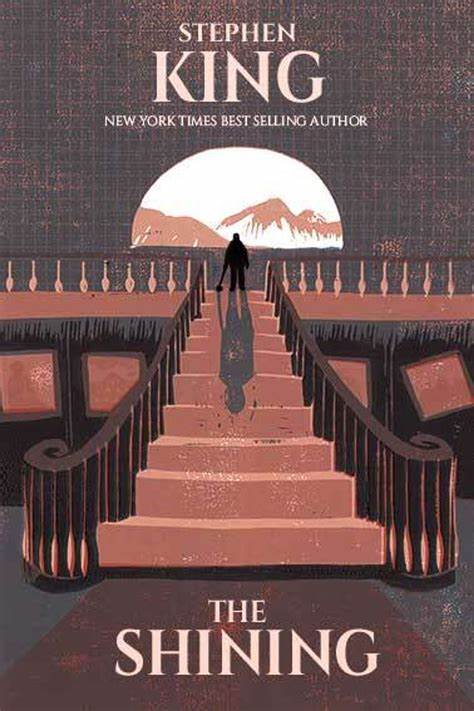
    The Shining, stairs, orange, black, stephen king, book cover

    Jack Torrance in The Shining, another one where maybe we skip Father’s Day
    By Stephen King

    Jack Torrance in The Shining is a deeply flawed and ultimately destructive father, whose internal demons and personal struggles prevent him from being a healthy, supportive figure for his son, Danny. On the surface, Jack seems like a man trying to rebuild his life and provide for his family, but his volatile temper, alcoholism, and the pressure of his own unfulfilled ambitions cause him to spiral into anger and violence. While he genuinely loves Danny, his inability to control his darker impulses makes him a danger to those he is supposed to protect. As the novel progresses, Jack’s descent into madness under the influence of the Overlook Hotel amplifies his worst qualities, turning him into a direct threat to his son’s safety. Instead of being the guiding, nurturing father figure Danny needs, Jack becomes a tragic example of how unresolved trauma and unchecked mental illness can warp a father’s relationship with his child. Jack’s journey highlights the tragic consequences of a father who is unable to overcome his flaws for the sake of his family. A top contender for a bad literary dad.

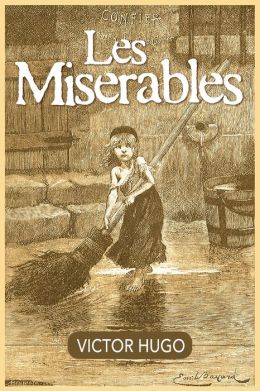
    Le Mis, Les Miserables, girl, book cover, brown


    Jean Valjean in Les Misérables, one to celebrate every Father’s Day
    By Victor Hugo

    Jean Valjean in Les Misérables is an extraordinary father figure because of his unwavering love, sacrifice, and redemption. Despite his troubled past as a convict, Valjean transforms himself into a man of integrity, guided by a strong moral compass. His devotion to Cosette, the orphaned daughter of Fantine, elevates him from a mere guardian to a true father. Valjean takes Cosette in when she is vulnerable, providing her with not only safety and care but also a sense of worth and love. He gives her the childhood she was denied and strives to protect her from the dangers of the world, even if it means sacrificing his own happiness and freedom. What makes him a great boo dad is his capacity for selflessness and the way he teaches Cosette—through his actions, not just his words—that love, compassion, and honor are far more important than wealth or status. Valjean’s fatherly love is not just about physical care but also emotional and moral guidance, offering Cosette the stability and values she needs to build her own future. In many ways, he becomes the father she never had, and his profound influence on her life is a testament to the redemptive power of love and sacrifice.

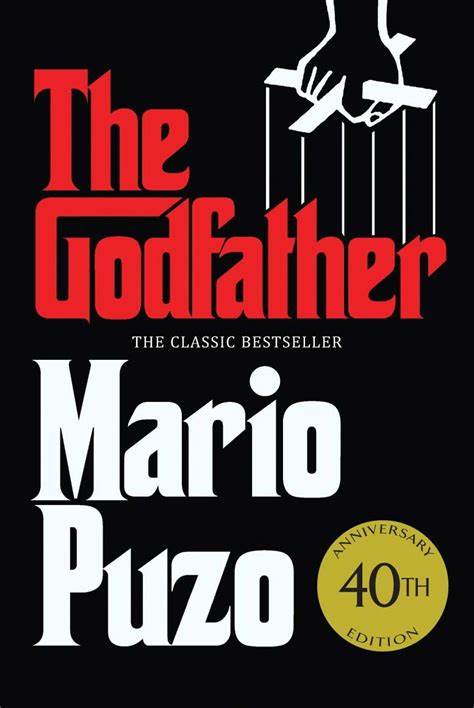
    The Godfather, book cover, red, black

    Don Vito Corleone in The Godfather, a controversial father figure
    By Mario Puzo

    Don Vito Corleone is an iconic figure because he embodies the complexities of power, loyalty, and love within the context of family. As the head of the Corleone crime family, he is a ruthless strategist who will stop at nothing to protect his empire and his loved ones. Yet, despite his criminal activities, his deep devotion to his family makes him a compelling character. His actions are driven by an unwavering desire to ensure the well-being of his children, even if it means sacrificing his own peace of mind or moral integrity. Don Vito’s blend of wisdom, compassion, and calculated ruthlessness paints him as a patriarch who, though bound by the violent realities of his world, is still deeply concerned with maintaining family unity and legacy. His belief in loyalty and his willingness to go to great lengths to keep his family safe is what ultimately makes him both a feared figure and a deeply sympathetic one.

    Happy Father’s Day

    to all the Dad, Grandads, Step-Dads, and all the Father Figures out there!

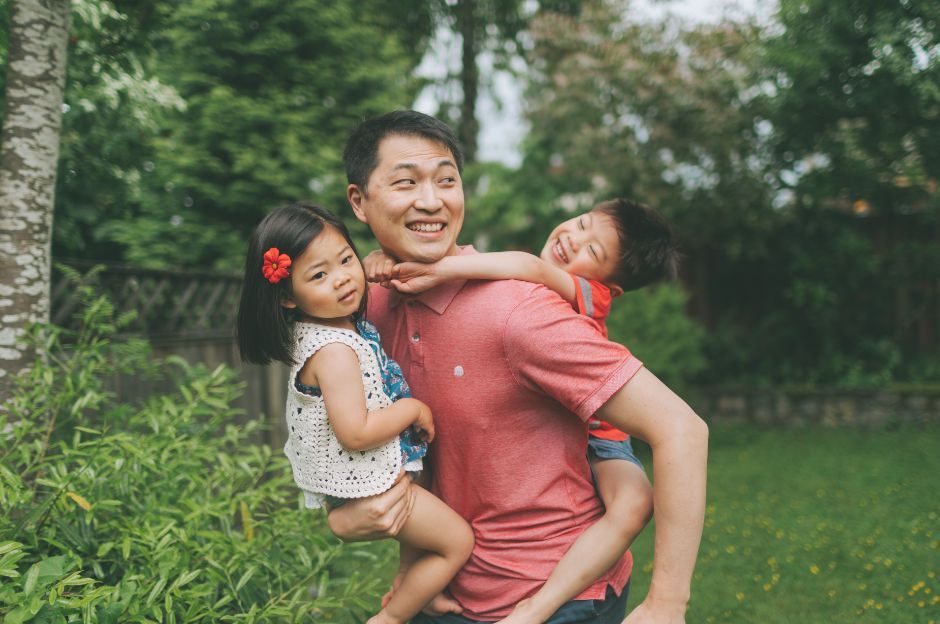
    A father holding his child on his shoulders like the best literary dad would.


    Interested in reading about more memorable fathers? We’ve put together a list of some of the best books about fathers and family dynamics we’ve seen this year.

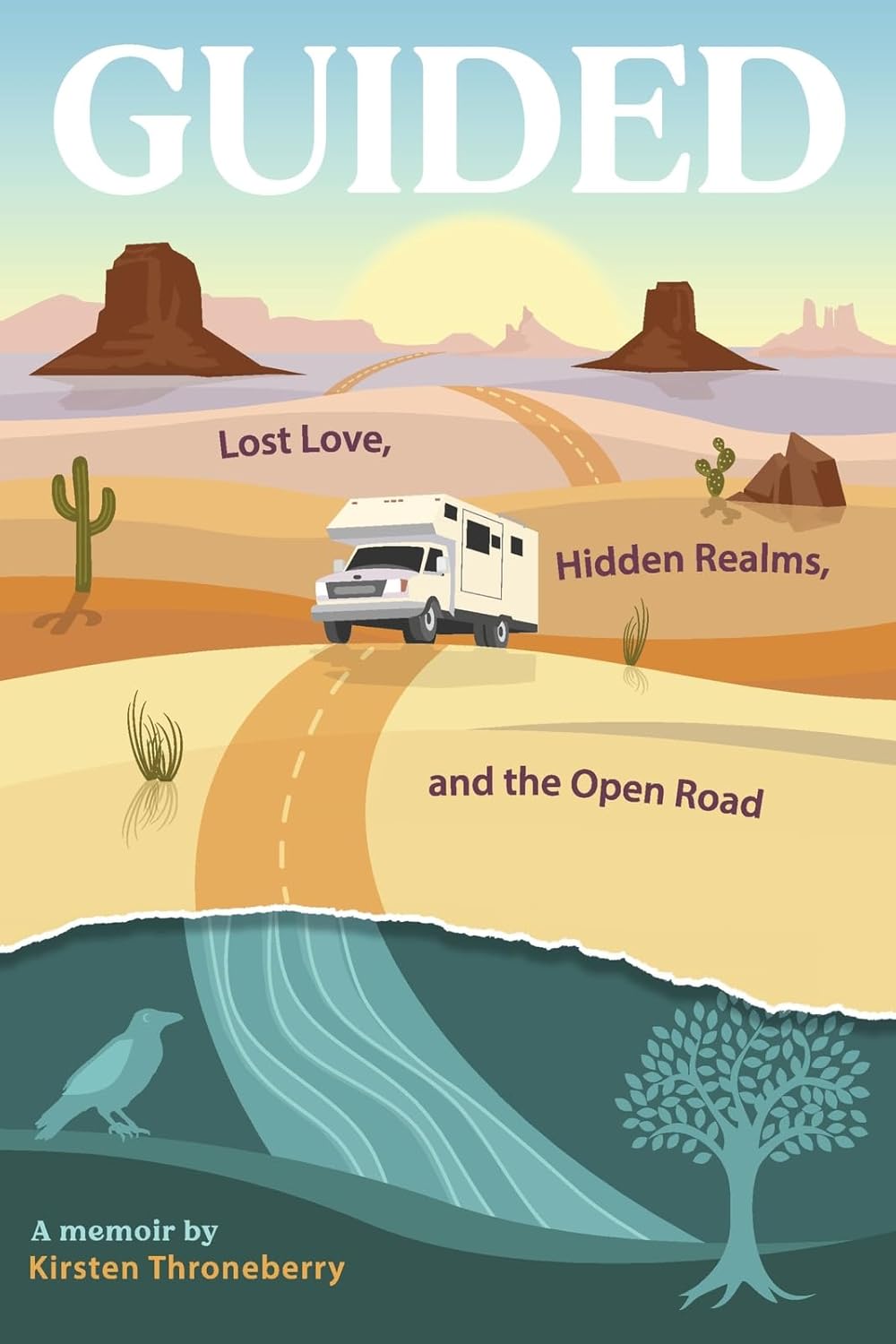
    Guided, book cover, rv, cactus, monument valley

    Guided: Lost Love, Hidden Realms, and the Open Road
    By Kirsten Throneberry
    CIBA First Place Winner in the Journey Division

    In her stunning memoir, Guided: Lost Love, Hidden Realms, and the Open Road, Kirsten Throneberry weaves together the highs and lows of a road trip packed with life wisdom, where she explores grief, spirituality, and rekindled hope.

    Throneberry’s achingly vulnerable memoir splits its readers’ hearts and tenderly sews them back together.

    In the aftermath of the devastating loss of her husband, Kirsten sells her home and takes her two small sons, two elderly pups, and eccentric mother on a year-long road trip around the United States in their new-to-them Bigfoot RV.

    Continue reading here…


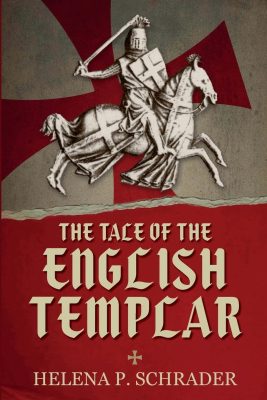
    The Tale of the English Templar Cover

    The Tale of the English Templar
    By Helena P. Schrader

    Far from the romantic legends of King Arthur and the Knights of the Round Table, Helena P. Schrader’s The Tale of the English Templar faithfully captures the harsh decimation of the Knights Templar. Schrader offers a sobering, immersive look at one of history’s darkest betrayals. This is historical fiction worthy of legend with its feet planted firmly in research—not myth.

    Set in the early 14th century, the novel captures the downfall of the Knights Templar at the hands of French King Philip IV. With the Pope’s reluctant cooperation, the Templars are accused of heresy and tortured until they confess to crimes they didn’t commit. The king’s true motive? Their immense wealth.

    Continue reading here…

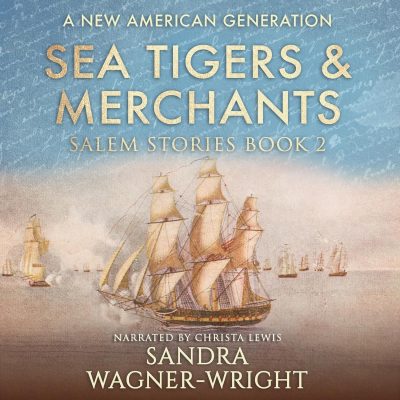
    Sea Tigers & Merchants Audiobook Cover

    Sea Tigers and Merchants: A New American Generation (Salem Stories Book 2)
    By Sandra Wagner Wright, narrated by Christa Lewis
    CIBA First Place Winner in the Goethe Division

    Sandra Wagner-Wright’s audible version of Sea Tigers & Merchants: A New American Generation, Salem Stories Book 2continues the sagas of two prominent families that dominate the shipping industry of young Salem. Narrator Christa Lewis fully embodies the unique characters of this swashbuckling historical adventure.

    Wagner-Wright takes us back to 1790. In recently independent America, the next generation of the Crowninshield and Derby families try to continue building their fortunes on the treacherous high seas. Threats of pirates, storms, and ever-changing economies drives their fates, their successes, and their failures. Wagner-Wright’s skillful pen brings to life each young person, female and male, as they variously seek out or shun a chance at love on shore.

    Continue reading here…

    The Rocket Man's Daughter Cover

    The Rocket Man’s Daughter: A Novel of Family, Faith and Resistance in Nazi Germany
    By Bruce Gardner

    The Rocket Man’s Daughter: A Novel of Family, Faith and Resistance in Nazi Germany by Bruce Gardner tells a harrowing story of German life under the Nazi Regime from 1934 to 1945. Through the experiences of a young woman whose family is torn by competing loyalties, this riveting tale shines a rarely seen spotlight on some of the most heart wrenching moral dilemmas faced by German civilians and soldiers caught up in the crucible of fascist tyranny and war.

    Klara Neumann is the Rocket Man’s Daughter. She’s only fourteen in 1934 when the Führer, Adolf Hitler, finally eliminates all rivals and consolidates his control of Germany under the Nazi Party.

    Klara’s family represents a microcosm of the country’s middle socio-economic class, working in government-sponsored roles that demand slavish obedience to the Führer and his decrees. Her father, Erich, is the quintessential ‘rocket man’, a university professor dragged into the Nazi war machine to help his friend and colleague Dr. Wernher von Braun develop the deadly new V-2 rockets intended to terrorize Germany’s future enemies. Her mother, meanwhile, strives to be a dutiful Nazi wife, her brother an honorable Wehrmacht army officer, and her elder sister Elke the devoted leader of a female Hitler Youth section.

    Continue reading here…

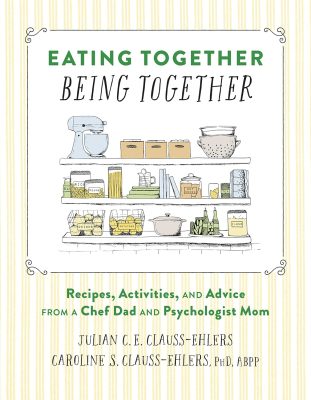
    Eating Together, Being Together Cover

    Eating Together, Being Together: Recipes, Activities, and Advice from a Chef Dad and Psychologist Mom
    By Julian C.E. Clauss-Ehlers and Caroline S. Clauss
    CIBA Grand Prize Winner in the Insight & Information Division

    Eating Together, Being Together is a rare, enlightening book that teaches the importance of family dining, both on the culinary side and in its benefits for childhood and young adult development beyond the kitchen walls.

    Co-authored by master Chef and Dad, Julian C.E. Clauss-Ehlers, and Ph.D. Psychologist and Mom, Caroline S. Clauss-Ehlers, Eating Together, Being Together offers up their parental wisdom and expertise from the heart of the home—the kitchen.

    With informative but relaxed conversations about food choices, preparation, and related activities, the two provide great insight into how family mealtime promotes well-being in a child’s life. As involved adults, they incorporate thoughtful discussions about spending quality time with their children, sharing and mitigating bad feelings, and making wonderful memories. Ultimately, they showcase family meals as nourishment for both the body and soul.

    Continue reading here…

    A dad who could be a great book dad with a kid on his shoulders wishing everyone a Happy Father's Day.

    We would like to wish all fathers, fathers-to-be, stand-in fathers, and those who possess the fathering instinct, a very Happy Father’s Day! 


    Two kids climbing on a handsome example of fatherhood.

    Thank you for joining us in celebrating the Fathers in our life!

    Do you have a book with fathers that deserves to be discovered? You can always submit your book for an Editorial Review with Chanticleer!

    Chanticleer Editorial Review Packages are optimized to maximize your digital footprint. Reviews are one of the most powerful tools available to authors to help sell and market their books. Find out what all the buzz is about here.

    Have an Award Winner?

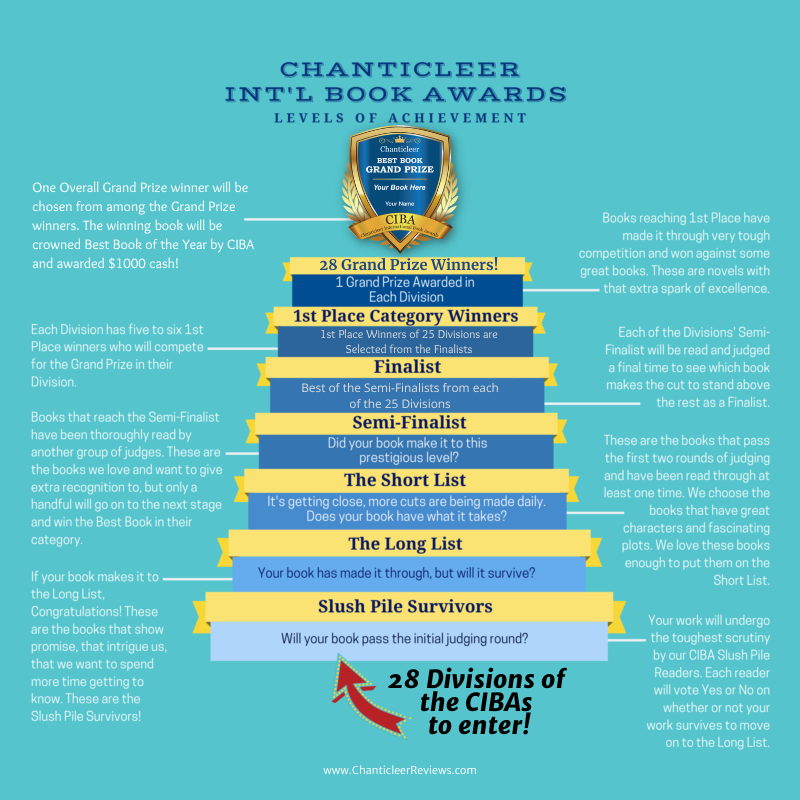
    The tiers of achievement for the CIBAs

    Submitting to Book Awards is a great way to get your book discovered! Anytime you advance in the Chanticleer Int’l Book Awards, your name and book are promoted right here on our website, through our newsletter, and across social media. One of the best ways to engage in long tail marketing!

    Thank you again to the authors who wrote these wonderful books, and to fathers and father figures around the world! You are so loved and appreciated!

  • THE ROCKET MAN’S DAUGHTER: A Novel of Family, Faith and Resistance in Nazi Germany by Bruce Gardner – Historical Fiction, WWII, Nazi Germany

    THE ROCKET MAN’S DAUGHTER: A Novel of Family, Faith and Resistance in Nazi Germany by Bruce Gardner – Historical Fiction, WWII, Nazi Germany

    The Rocket Man’s Daughter: A Novel of Family, Faith and Resistance in Nazi Germany by Bruce Gardner tells a harrowing story of German life under the Nazi Regime from 1934 to 1945.

    Through the experiences of a young woman whose family is torn by competing loyalties, this riveting tale shines a rarely seen spotlight on some of the most heartwrenching moral dilemmas faced by German civilians and soldiers caught up in the crucible of fascist tyranny and war.

    Klara Neumann is the Rocket Man’s Daughter. She’s only fourteen in 1934 when the Führer, Adolf Hitler, finally eliminates all rivals and consolidates his control of Germany under the Nazi Party.

    Klara’s family represents a microcosm of the country’s middle socio-economic class, working in government-sponsored roles that demand slavish obedience to the Führer and his decrees. Her father, Erich, is the quintessential ‘rocket man’, a university professor dragged into the Nazi war machine to help his friend and colleague Dr. Wernher von Braun develop the deadly new V-2 rockets intended to terrorize Germany’s future enemies. Her mother, meanwhile, strives to be a dutiful Nazi wife, her brother an honorable Wehrmacht army officer, and her elder sister Elke the devoted leader of a female Hitler Youth section.

    Klara—an aspiring nurse—is the philosophical polar opposite of her sister, as Elke is a literal poster girl for the Nazi Party, while Klara does her best to protect her secret Jewish friends from the ever-increasing Nazi persecutions.

    As Germany sinks ever deeper into the morass of world war after 1938, the Neumann family members travel further down their divergent paths.  Gardner describes with chilling, historically accurate detail the horrific Nazi medical experiments that eventually drive Klara to augment her nursing job by secretly joining a Berlin resistance cell led by relatives of Dietrich Bonhoeffer, the charismatic, anti-fascist Lutheran pastor. Brutally intense, emotionally draining scenes of danger and betrayal follow as Klara and her resistance partners struggle to avoid discovery by a powerful, cunning SS police superintendent who has drawn Klara’s father and sister into his dark web of control and manipulation. Through the ordeal, Klara gradually learns to view her personal sacrifices for the resistance effort as an expected cost of true Christian discipleship, as Bonhoeffer had taught her.

    The story moves relentlessly toward its gripping, unforgettable climax in 1945 when Hitler’s V-2 rocket campaign fails to stem the Allied tide and the Soviet Army invades Berlin.

    The reader feels the stark terror along with Klara and her fellow citizens as Russian soldiers invade their hiding places and attempt to satiate their pent-up taste for revenge.  At war’s end, tensions reach their peak as Klara’s father is hunted down by competing Soviet and American intelligence teams attempting to capture and exploit the expertise of Nazi rocket scientists for their own national purposes in the Space Race to come. Will Klara overcome the seemingly insurmountable odds against rescuing her father from a horrible fate? And can she ever forgive her father’s disreputable wartime decisions and actions?

    The defining moral issue, which hangs over everyone involved, is that of responsibility for the terrible crimes of the Nazi regime. On what basis should Nazi-supporting civilians and soldiers be considered war criminals? Were they merely protecting themselves and their families? Were they just following orders? Does that justify their actions?

    The Rocket Man’s Daughter expertly depicts the fractures within the fictitious Neumann family to offer the reader some possible answers to these perplexing questions. It’s left to the reader to finally decide.

    Despite its expected longer length due to the extended time period and epic nature of the story, The Rocket Man’s Daughter by Bruce Gardner absolutely flies along with suspenseful situations and compelling dialogue the entire way.  It’s diverse and vibrant characters raise for the reader many thought-provoking questions about family loyalty, faith, and moral obligation to society under extreme circumstances. In doing so, it proves itself a worthy successor to the author’s previous award-winning novels. The story of Klara Neumann and her family provides yet another example of Gardner’s ability to weave fictional and historical characters into a marvelous portrait of a time and place—one that’s guaranteed to keep readers of wartime historical fiction glued to the page from beginning to end.

    Highly recommended!

  • The Historical Resonance of Banned Books Week

    The Historical Resonance of Banned Books Week

    Banned Books Week

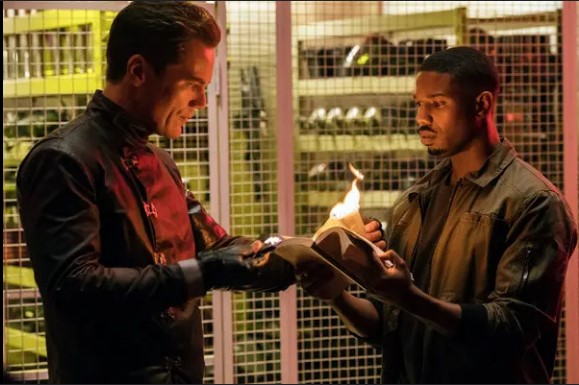
    Two men watching as a book burns from the movie Fahrenheit 451
    From left to right we have Michael Shannon as Captain Beatty and Michael B. Jordan as Guy Montag in the screen adaptation of Ray Bradbury’s Fahrenheit 451

    It’s still here because it still happens

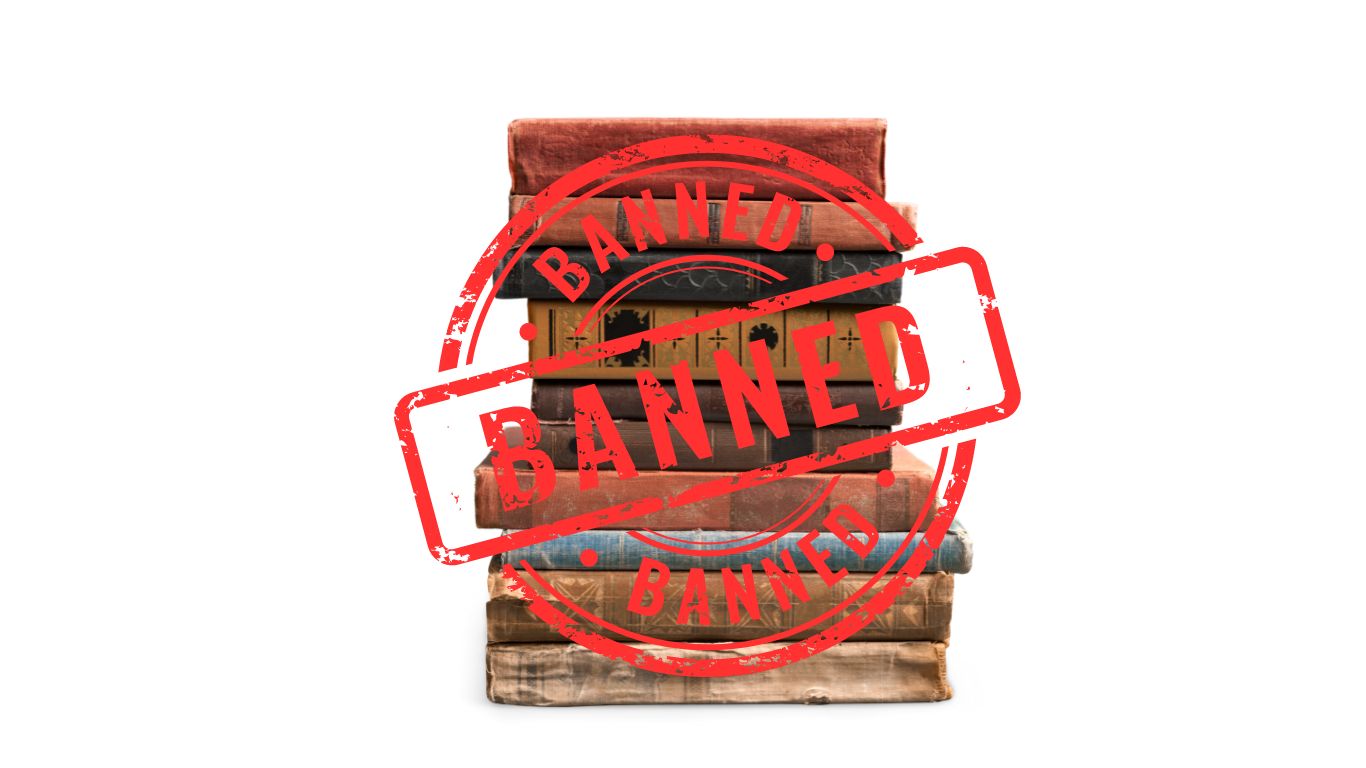
    Banned Books Week, celebrated during the last full week of September, brings authors, publishers, readers, educators, and activists together to underscore the importance of intellectual freedom and our constitutional right to access information. It’s an event that serves as a platform to advocate for free expression and to highlight the detrimental effects of censorship.books, banned, stamp, pile

    The Effects of Banning Books

    Banning books not only limits access to diverse perspectives but also stifles critical thinking and discussion. When we silence voices, we miss out on the chance to engage with different experiences and viewpoints and leaves underrepresented people isolated and oftentimes ostracized due to a lack of understanding and empathy for the struggles, triumphs, and complexities of others.

    Banned Books Week is an annual event first organized by the American Library Association (ALA) in 1982. It shines a light on the many books that have been challenged or banned in schools and libraries, and it reminds us of the vital role literature plays in shaping our understanding of the world and who we are as people. We are still advocating for these rights forty-two years later.

    People, library, books, reading, shelves

    Fighting Book Bans in the Golden Age of Russian Literature

    Bans have been used put into place since Biblical times, but a more modern version is found in Imperial Russia. It’s an interesting point in history when skilled authors used fiction as a way to subvert censors and challenge the structure of their societies through the written word.

    Russian writers, the great storytellers of the “Golden Age” of literature (18th & 19th century), were masters of observation during a time when their society was rapidly changing. Western ideas brought back with soldiers from the Napoleonic Wars provided Russian citizens the freedom of thought for the first time in their long history as a monarchy. In a matter of a few years the Russian intelligentsia absorbed the knowledge of over three hundred years of Western Enlightenment and became the catalyst for conversations on the rights of man and the role of church and state in the lives of their citizens. Suddenly, a feudal society’s eyes popped open from a deep sleep and they realized their dreams of freedom were real and within reach.

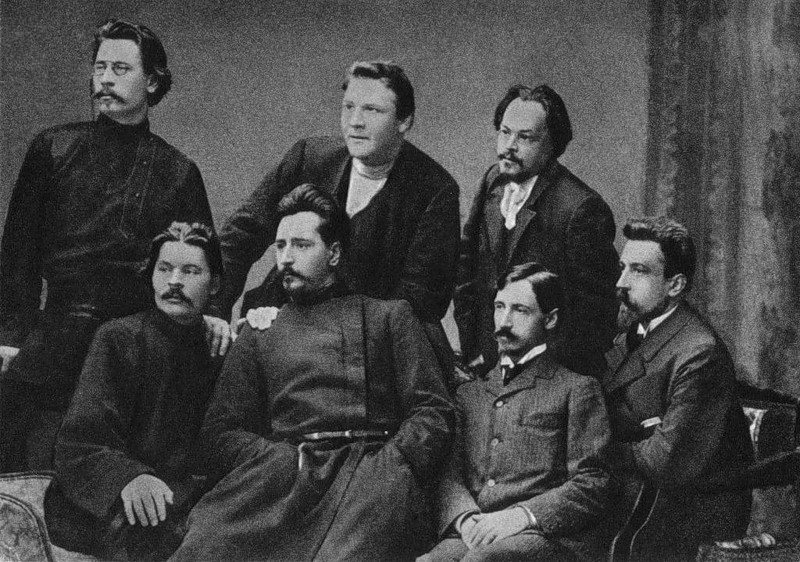
    A black and white photo of seven Russian men, all of whom wrote banned books.
    The great Russian writers–top row from left: Stepan Skitalets, Fyodor Chaliapin, Yevgeny Chirikov; bottom row from left: Maxim Gorky, Leonid Andreyev, Ivan Bunin, Nikolay Teleshov.

    The Russian people were in a position to expand their knowledge base exponentially and soon conversations heard in the salons and receiving rooms of St. Petersburg, Russia’s cultural capital at the time, had become passionate with talk of the “rights of man”. Influence the church and state had over the middle class decreased and their power over the people began slipping away. The common man gained the ability to ask his own questions and decide his own fate for the first time in Russian history, and as they sipped their vodka they began to speak of revolution.

    And a few wrote.

    Government censors, focused solely on traditional news sources, weren’t quick enough to pick up on the messages behind fictional plots and this gave writers a way to move the private conversations they were having out into the mainstream. As a result, Russian literature stands to this day as some of the most important novels in our society, regardless of where your origins lie. By examining the human condition with compelling narratives these great Russian writers succeeded in questioning the way we live and think about our lives, and all under the watchful eyes of those who would have banned those same ideas if presented as non-fiction.

    boy, reading, book, lightbulb, question mark

    Celebrating the Freedom to Read and Write

    During Banned Books Week, libraries, schools, and bookstores host a variety of events to celebrate the freedom to read. Read-alouds and panel discussions highlight the significance banned books, and social media campaigns are now engaging audiences online, encouraging them to share their favorite banned books, quotes, and personal stories.

    How You Can Get Involved

    1. Read a Banned Book: Pick up a book from the list of frequently challenged titles. Some notable examples include To Kill a Mockingbird, The Catcher in the Rye, and The Hate U Give.
    2. Support Your Local Library: Visit your local library and participate in Banned Books Week events. Libraries often provide resources and information about the challenges they face.
    3. Raise Awareness: Use your social media platforms to spread the word. Share posts about your favorite banned books and why they matter to you.
    4. Engage in Conversations: Discuss the importance of free expression with friends, family, and colleagues. Encourage open dialogue about challenging topics often found in literature.
    5. Advocate for Change: Get involved with local advocacy groups that support intellectual freedom. Attend school board meetings to voice your support for diverse literature in schools.

    hand, book, bookshelves, blue

    Banned Books Week serves as a powerful reminder of the importance of free expression and the need to protect the right to read whatever we want to read. By celebrating literature that has been challenged or banned, we reaffirm our commitment to fostering an inclusive society that values diverse perspectives. So, let’s turn the page, open our minds, and embrace the stories that challenge us to think critically and compassionately about the world around us.


    If you are interested in reading books that challenge beliefs and ideas, we suggest these title:

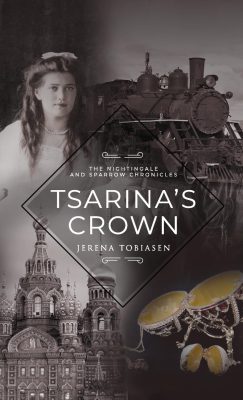
    Tsarina's Crown Cover

    Tsarina’s Crown

    Jerena Tobiasen delivers a sharp, first-rate novel in Tsarina’s Crown,first installment in TheNightingale and Sparrow Chronicles,capturing a precise panorama of Russian politics and British espionage during a delicate period in time.

    The year is 1915 and Simon Temple, a young naval officer aboard the RMS Guardian— a British Royal Navy Ship— patrols the North Sea for questionable communications and marine activity. Months later, he is entrusted by the British crown to serve as a liaison on a covert mission in Petrograd, Russia. Simon is careful not to blow his cover as a young aristocrat while he is thrust into the world of international politics, the ruthless Russian Revolution, and becomes caught right in the middle of two powerful royal families.

    Read More here…

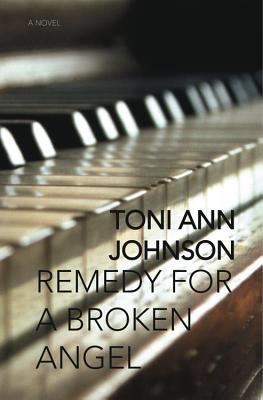
    Remedy for a Broken Angel

    Remedy for a Broken Angel by Toni Ann Johnson is an intense examination of the troubled personal histories of two beautiful and talented women of color.

    Their stories are told in alternating chapters which reveal the mother’s and her daughter’s attempts to reclaim and understand their broken pasts. Each chapter is a revelation into the pain and damage caused by unknown family secrets. Both women struggle with a legacy of shame and self-blame for the price they’re paying for never hearing the truth. Each must learn the lessons found in past years of failure to communicate.

    Read More here…

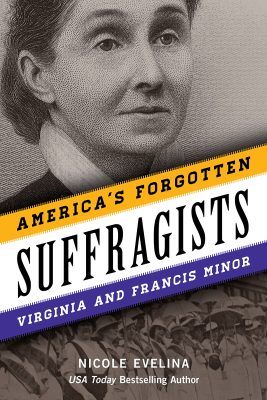
    America's Forgotten Suffragists Cover

    America’s Forgotten Suffragists
    Nellie Bly Awards Grand Prize Winner

    Comprehensive in its own right, America’s Forgotten Suffragists by Nicole Evelina is an essential addition to the canon of women’s suffrage and first-wave feminism.

    Equal parts local history of women’s right to vote in the nineteenth century and biography of Virginia and Francis Minor, America’s Forgotten Suffragists illuminates the story of a wife-and-husband feminist duo who were the first to fight for women’s suffrage at the Supreme Court level.

    Read More here…

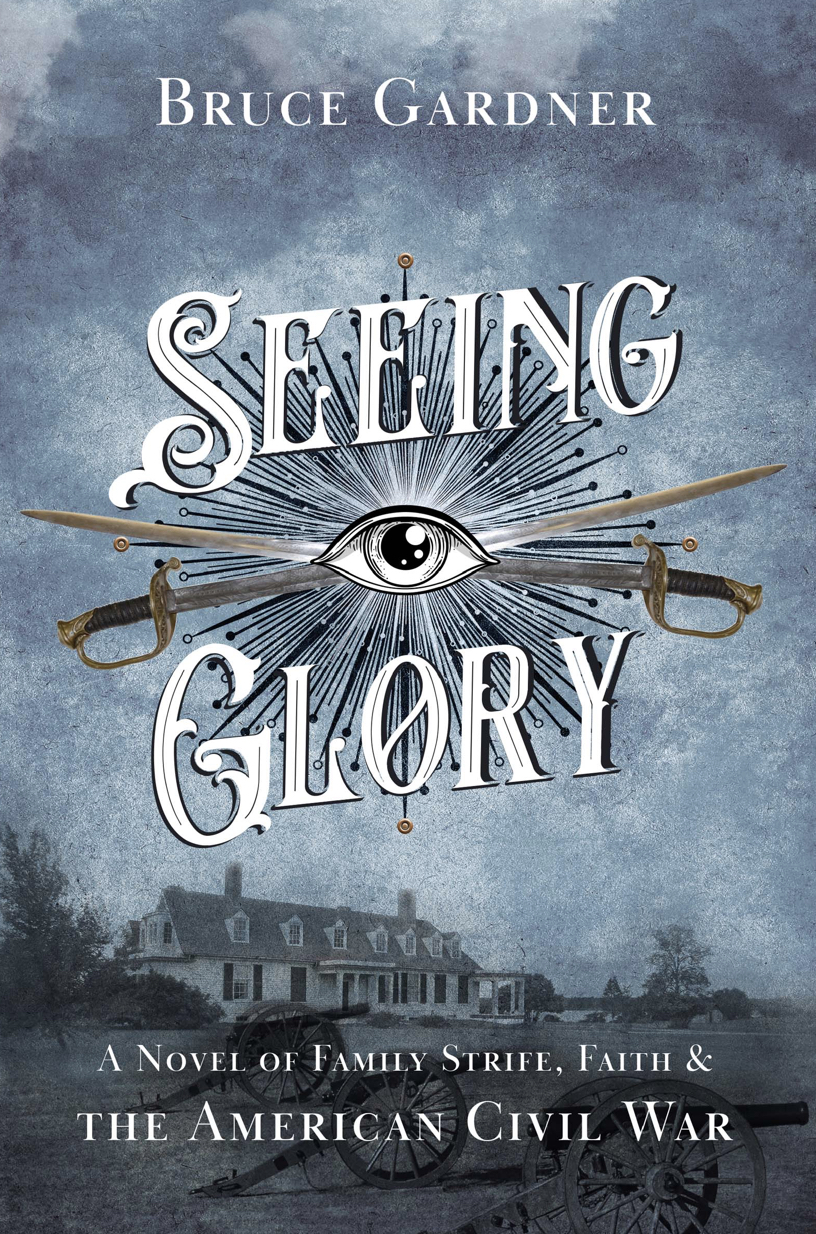
    Seeing Glory

    Seeing Glory by Bruce Gardner is a sweeping, thought-provoking Christian historical novel of the American Civil War. The novel portrays the critical roles of family ties and religious faith in shaping personal attitudes and actions towards the horrors of slavery and the war itself.

    Spanning the era from the famous abolitionist John Brown’s Pottawatomie Massacre in 1856 through the end of the war nine years later, Seeing Glory focuses on the gut-wrenching conflicts over slavery and the southern way of life faced by David, Emma, and Catherine Hodge, fictional siblings, raised on a wealthy plantation in Virginia.

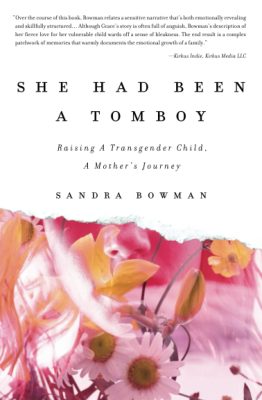
    She Had Been a Tomboy Cover

    She Had Been a Tomboy

    She Had Been a Tomboy: Raising a Transgender Child, a Mother’s Journey by Sandra Bowman is a deeply revealing memoir about a protective mother who watches her sensitive child grow into someone who is familiar, yet new.

    This moving narrative tells the story of her two children: how they were born and how they grew. She Had Been a Tomboy hops from one period of the children’s lives to another, showing how the elder child matures and how the female within slowly blooms into being, little by little revealing herself.

    But the long journey to realization and understanding of self was not easy, nor was it gentle.

    Read More here…


    Open a banned book this week and prove you are a champion for the freedom of thought during Banned Books Week! 

    book, reading, cup, desk, bracelets, pages, hands


    Thank you for joining us for this Writer Toolbox Article

    A red toolbox with the words "What's in your toolbox

    There is so much to learn and do with Chanticleer!

    From our Book Award Program that has Discovered the Best Books since the early 2010s to our Editorial Book Reviews recognizing and promoting indie and traditional authors, Chanticleer knows your books are worth the effort to market professionally!

    Helpful Toolbox Articles:

    When you’re ready,did you know that Chanticleer offers editorial services?We do and have been doing so since 2011.

    Our professional editors are top-notch and are experts in the Chicago Manual of Style. They have and are working for the top publishing houses (TOR, McMillian, Thomas Mercer, Penguin Random House, Simon Schuster, etc.).

    If you would like more information, we invite you to email us at info@ChantiReviews.com for more information, testimonials, and fees.

    We work with a small number of exclusive clients who want to collaborate with our team of top-editors on an on-going basis. Contact us today!

    Chanticleer Editorial Services also offers writing craft sessions and masterclasses. Sign up to find out where, when, and how sessions being held.

    A great way to get started is with our manuscript evaluation service, with more information available here.

    And we do editorial consultations for $75. Learn more here.

  • Happy Fourth of July from Chanticleer 2023

    Happy Fourth of July from Chanticleer 2023

    Celebrating the 4th of July – Independence Day in the U.S.A.

    In July 1776 the United States declared Independence from England.

    John Dunlap printed copies of the Declaration of Independence in his Philadelphia shop on the night of July 4, 1776. (National Archives Identifier 301682)

    The primary freedoms that everyone remembers from the Declaration of Independence is “Life, Liberty, and the pursuit of Happiness.” You can read the full Declaration here via the National Archives. It’s about two pages long and worth taking the time to review it.

    Of course, the Declaration of Independence didn’t mean freedom for all…

    Since US Independence was declared, the path to voting rights for all has been a long one getting from there to here, and there’s still more work to be done. You can read an abridged history of the journey of voting rights for women and people of color here, with special attention paid to the 19th Amendment.

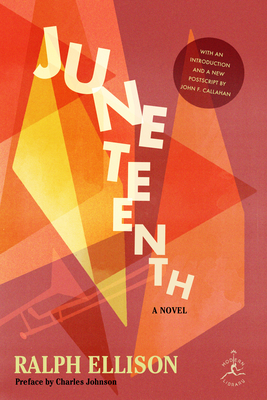
    And we now have Juneteenth, a Texas holiday that is now celebrated nationwide. . The holiday celebrates a June 19, 1865 proclamation that freed enslaved peoples in Texas. Texas then, in 1979, became the first state to recognize Juneteenth as an official holiday. You can learn more about Juneteenth here.

    You can also read Ralph Ellison’s posthumously released novel by the same name.

    Clearly, the US Independence Day has a deep, rich history that still lives on and evolves today. The traditions to celebrate the Fourth of July also continue to change and grow with the world.

    Here in Bellingham, Wash., there will be a celebration at Zuanich Point Park and the Squalicum Boathouse. Events begin at 2pm, and, with sunset around 9:16pm, the big event begins at 10:30pm! You can learn more about this and other Whatcom County Events here.

    Fireworks go off behind Bellingham's Old City Hall for the Fourth of July Independence Day
    Bellingham’s Old City Hall

    It is also a time to remember those who serve and have served to preserve our nation’s independence and democracy.

    We invite you to  visit Chanticleer’s most recent Memorial Day post here.

    Finally, we want to celebrate the US Independence Day in the most Chanticleer way possible — by recognizing wonderful titles . We hope you enjoy them as much as we did!

    Great Reads from Chanticleer Reviews

    US Fiction and Early History

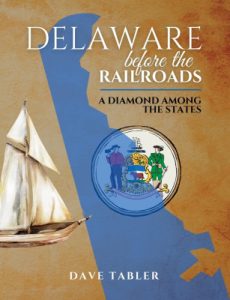
    Delaware Before the Railroads

    DELAWARE BEFORE The RAILROADS
    By Dave Tabler

    Delaware Before the Railroads by Dave Tabler presents a captivating visual tale of this tiny state, from 1638 to 1832, ranging between early colonial settlements and the aftermath of America’s Independence.

    Delaware’s place in this seminal time of United States history is carefully illustrated through pictures with wonderful captions. Delaware Before the Railroads highlights the significant role played by Delaware in America’s creation, uncovering surprising historical details such as the origin of log houses, a heroic figure who thwarted the British invasion of Canada, and the intriguing connection with Captain Kidd.

    The pictures and captions are highlighted by sidebar paragraphs that deliver more knowledge about what life was like for the Swedes and Dutch who settled near Delaware Bay. They found, for instance, a “new world” of seafood they didn’t recognize, such as the crabs they called “sea spiders.”

    Read more here.

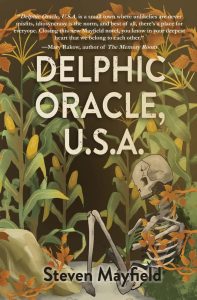
    Delphic Oracle Cover

    DELPHIC ORACLE, U.S.A.
    By Steven Mayfield
    Mark Twain Grand Prize Winner

    The Coen Brothers meet Garrison Keillor in Steven Mayfield’s quirky, offbeat, and often hilarious Delphic Oracle, U.S.A.

    One June afternoon in 1925, seventeen-year-old Maggie Westinghouse, out walking alone as was her custom, comes upon a stranger in a railroad switch-house asleep on a pile of gunnysacks. Maggie, who has always stood a little apart from the town, has recently begun to experience visions that come upon her “in a leisurely way,” ending in a swoon and a restless sleep filled with exotic talk of which she later has no memory. No one knows what to make of it, but they soon will. After this afternoon’s chance encounter with July Pennybaker, a charming grifter on the lam, her world will never be the same. Neither will the town of Miagrammesto Station.

    Eighty-nine years later, in the days leading up to and following the July 4th weekend, domestic dramas are playing out across Delphic Oracle, Nebraska (nee Miagrammesto Station).

    Read more here.

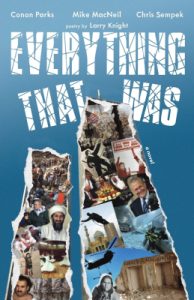
    Everything That Was Cover

    EVERYTHING THAT WAS
    By Conon Parks, Chris Sempek, Mike MacNeil, Larry Knight
    Somerset Grand Prize Winner

    Everything That Was echoes myriad broken emotions born of the world in turmoil after 9/11, intricate and politically bold, and as disturbing in its brutal humanity as it is satisfying with witty jests.

    The 9/11 terrorist attack has shattered the psyche of the American people. A volcanic eruption of questions demands the whys and hows of the attack. From this anger, a massive war on terror begins. This historical fiction reflects the chaos of 9/11 and its ensuing global chaos – resulting in a series of violent endeavors and events. Throughout Everything That Was, one can find a swarm of fragmented ideologies, mini memoirs of war veterans, and witness accounts – all screeching reasons for the attack, the ensuing war, and its consequences: political, ideological, and theological.

    The book’s very structure expresses the central ideas of its content, making for an affecting read.

    Read more here.

    Wartime Fiction and Non-Fiction

    Dear Bob Cover

    DEAR BOB: Bob Hope’s Wartime Correspondence with the G.I.s of World War II
    By Martha Bolton with Linda Hope
    Military and Front Line Grand Prize Winner

    During World War II, Bob Hope traveled almost ceaselessly to outposts large and small, entertaining US troops – and inspiring them; Martha Bolton brings the extent of this work to light in Dear Bob.

    Writer Martha Bolton worked with and for comedian Bob Hope. Now, with Hope’s daughter Linda, she has gathered and organized the letters written to Bob by the soldiers he helped.

    Hope, English born, and born to entertain, once said he could not retire and go fishing because “Fish don’t applaud.” Among his sizzling lines – and there are hundreds recorded here – he told one audience that he’d gotten a wonderful welcome when he arrived at their camp: “I received a 10-gun salute… They told me on the operating table.”

    Read more here.

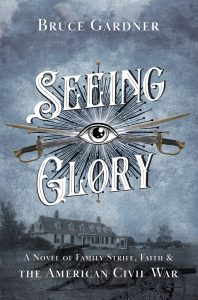
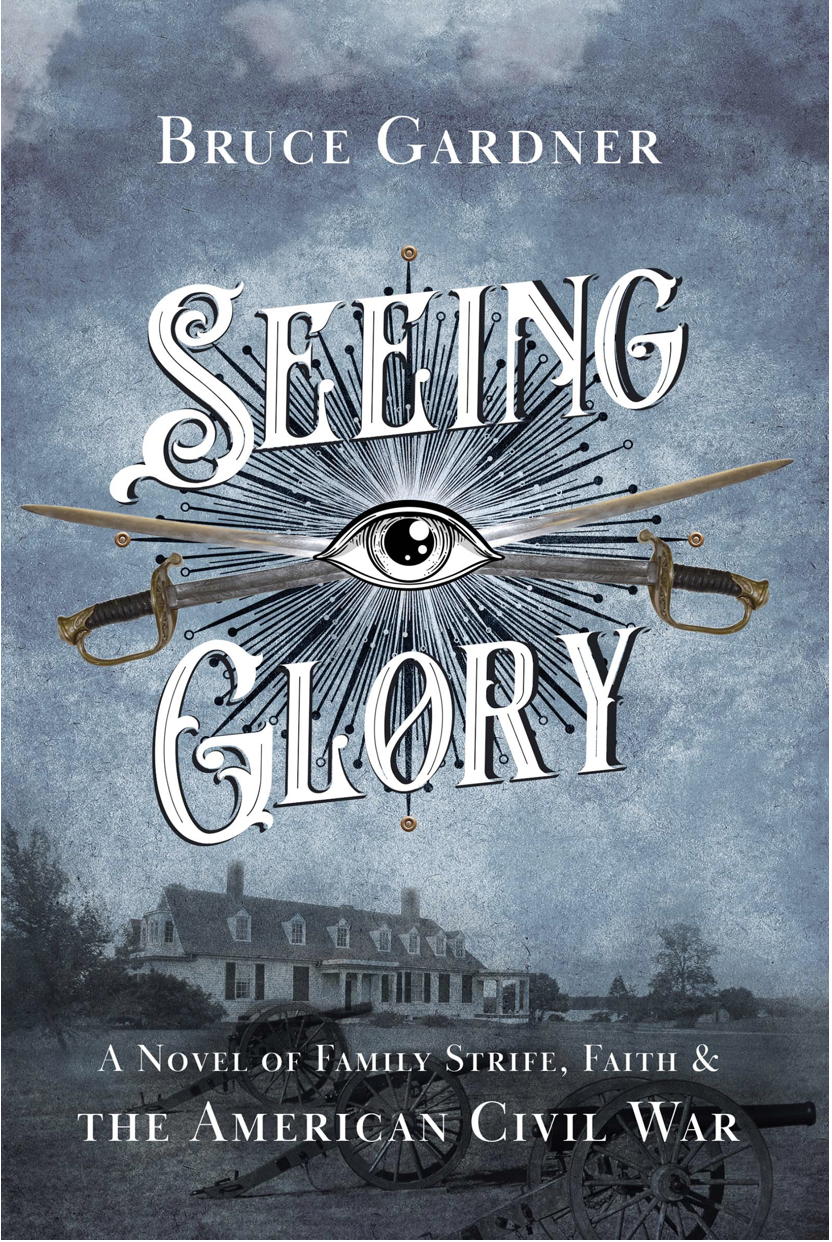
    SEEING GLORY: A Novel of Family Strife, Faith & the American Civil War
    By Bruce Gardner

    Seeing Glory by Bruce Gardner is a sweeping, thought-provoking Christian historical novel of the American Civil War. The novel portrays the critical roles of family ties and religious faith in shaping personal attitudes and actions towards the horrors of slavery and the war itself.

    Spanning the era from the famous abolitionist John Brown’s Pottawatomie Massacre in 1856 through the end of the war nine years later, Seeing Glory focuses on the gut-wrenching conflicts over slavery and the southern way of life faced by David, Emma, and Catherine Hodge, fictional siblings, raised on a wealthy plantation in Virginia.

    David returns home from a prestigious northern college filled with radical new perspectives. He challenges his father’s and his southern church’s assurances that the Bible says slavery is approved by God. When David calls out the truth as he now sees it, he ignites a firestorm that tears him away from his family at the beginning of the Civil War, sparking huge changes in their individual destinies. Soon after meeting Abel Bowman—an ardent abolitionist and follower of John Brown—David moves north to Ohio and becomes an embedded war reporter with Abel’s Union army regiment. Mutual zeal for the abolitionist cause abounds, but will it help or hinder the two men’s endurance of horrific battlefield violence and scandalous personal accusation?

    Read more here.


    US Flag in the wind

    This Independence Day, we wish you the following:

    May your family and loved ones be close and happy. May we share in the benefits of a community that cares for and loves each other.

    Happy Fourth of July from Sharon, Kiffer, David, Scott, Anya, Andy, and the whole Chanticleer Team!


    And Remember! You can join the Chanticleer Family Anytime!

    CAC 23 featured atty Maggie Marr, magazine editor Eric Lucas, author Mark Berridge, podcaster and broadcast journalist Reenita Malhotra Hora, and more!

    To stay up to date with exciting news about our conference, your next great read, or contest deadlines, sign up for our Newsletter here!

    Check out our Editorial Services here and our Manuscript Overviews here, OR, if your work is already polished to a fine shine, it’s time to submit to our Editorial Reviews here and our Chanticleer International Book Awards (CIBAs) here!

    Your book deserves to be discovered!

  • SEEING GLORY: A Novel of Family Strife, Faith & the American Civil War by Bruce Gardner- Christian Historical Fiction, Civil War, American Slavery

    SEEING GLORY: A Novel of Family Strife, Faith & the American Civil War by Bruce Gardner- Christian Historical Fiction, Civil War, American Slavery

    Seeing Glory by Bruce Gardner is a sweeping, thought-provoking Christian historical novel of the American Civil War. The novel portrays the critical roles of family ties and religious faith in shaping personal attitudes and actions towards the horrors of slavery and the war itself.

    Spanning the era from the famous abolitionist John Brown’s Pottawatomie Massacre in 1856 through the end of the war nine years later, Seeing Glory focuses on the gut-wrenching conflicts over slavery and the southern way of life faced by David, Emma, and Catherine Hodge, fictional siblings, raised on a wealthy plantation in Virginia.

    David returns home from a prestigious northern college filled with radical new perspectives. He challenges his father’s and his southern church’s assurances that the Bible says slavery is approved by God. When David calls out the truth as he now sees it, he ignites a firestorm that tears him away from his family at the beginning of the Civil War, sparking huge changes in their individual destinies. Soon after meeting Abel Bowman—an ardent abolitionist and follower of John Brown—David moves north to Ohio and becomes an embedded war reporter with Abel’s Union army regiment. Mutual zeal for the abolitionist cause abounds, but will it help or hinder the two men’s endurance of horrific battlefield violence and scandalous personal accusation?

    Devastated by David’s departure from the plantation, his younger sister Emma is torn between the realities of slavery and her Christian faith. Unable to bear the cruelty that she sees her family’s slaves being subjected to, Emma flees north with her maidservant Sallie, one seeking freedom, the other seeking purpose.

    Meanwhile, the elder Hodge daughter, Catherine, strives to be the perfect southern plantation mistress after her mother’s death.  After marrying a Confederate officer, she is forced to manage both her ailing father’s and her 0wn plantation once her husband is off to war. The pressure of her siblings’ abandonment weighs on her as the war creeps closer, threatening to destroy everything she’s worked for.

    Christian beliefs were a big part of the historical abolitionist movement. In Seeing Glory, each of the Hodge siblings and Abel Bowman face their own personal issues of faith, privilege, and forgiveness. It is through the lens of faith that these engaging characters discover their unique paths for surviving the war and supporting the abolition of slavery in the United States. On their journeys, they become involved in many historical events, interacting with famous people like Frederick Douglass, Abraham Lincoln, and Angelina Grimké—a former plantation daughter from South Carolina who eventually became a nationally known abolitionist, journalist, teacher, and women’s rights advocate.

    Although Seeing Glory falls within the Christian Historical fiction genre, Gardner doesn’t shy away from describing how the Bible was too often used by southern politicians, pastors, and churches to justify slavery—but on the other hand how ardent commitment to a “glorious cause” like abolition could at times be taken too far. Likewise, Gardner doesn’t downplay the brutality of slavery nor the destruction and devastation of the Civil War, though his novel is not excessively gruesome or overly explicit in its descriptions.

    Fans of historical fiction will appreciate the compelling mix of fictional and historical characters woven through the emotion-packed saga of Seeing Glory, eager to discover what will happen next. Highly recommended!


    5 Stars! Best Book Chanticleer Book Reviews

  • June SPOTLIGHT on CHAUCER AWARDS – Early Historical Fiction, Historical Fiction, Historical Romantic Fiction, Crusades, Medieval

    June SPOTLIGHT on CHAUCER AWARDS – Early Historical Fiction, Historical Fiction, Historical Romantic Fiction, Crusades, Medieval

    Pre 1750 Historical Fiction Award

    Do you have an early historical fiction manuscript or recently released novel? Submit your work to the CIBA 2019 CHAUCER Awards by
    June 30, 2020, and see how your work stacks up against others. 


    We know you want to – because we never tire of promoting our authors’ achievements!

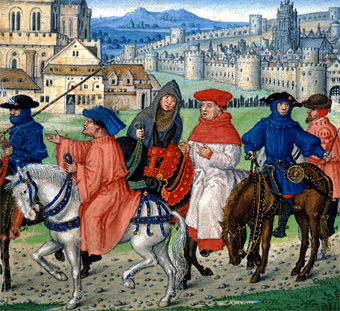
    As in Chaucer’s words in the Nun’s Priest Tale of the Canterbury Tales,

    “For crowing there was not his equal in all the land.”


    Click here to find out more. 

    We titled the Chanticleer International Book Awards (CIBAs) division for Pre-1750s Historical Fiction the Chaucer Awards, after the English poet and author of the Canterbury Tales, because #CHAUCER.

    But seriously, did you know that The Canterbury Tales is considered one of the greatest works in the English language? In fact, it was among the first non-secular books written in Middle English to be printed. So, yeah, #Chaucer

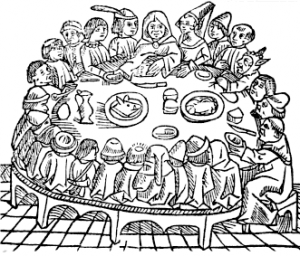
    A woodcut from William Caxton’s second edition 0f the Canterbury Tales printed in 1483

    Some interesting tidbits about Geoffrey Chaucer

            • born c. 1342/43 probably in London. He died on October 25, 1400
            • his father was an important London vintner
            • His family’s finances were derived from wine and leather
            • Chaucer spoke Middle English and was fluent in French, Latin, and Italian
            • He guided diplomatic missions across the continent of Europe for ten years where he discovered the works of Dante, Petrarch, and Boccaccio whose The Decameron had a profound influence on Chaucer’s later works
            • He married well as his wife received an annuity from the queen consort of Edward III
            • His remains are interred in the Westminster Abbey


     As our deadline draws near, don’t miss this opportunity to earn the distinction your historical fiction deserves!  Enter today!

    Welcome to the CHAUCER BOOK AWARDS HALL OF FAME

    Click on the links below to read the Chanticleer Review of the award-winning work!

    Pre 1750 Historical Fiction Award


    The 2018 Chaucer Book Awards Grand Prize Winner:

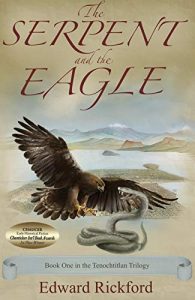
    The SERPENT and The EAGLE  by Edward Rickford 


    2018 Chaucer Book Awards for Pre-1750s Historical Fiction First in Category Winners:


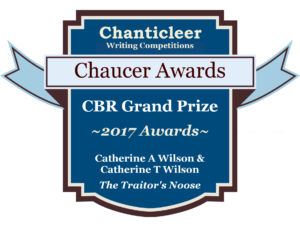
    The 2017 Chaucer Book Awards Grand Prize:

    The Traitor’s Noose: Lions and Lilies Book 4 by Catherine A. Wilson and Catherine T. Wilson

    2017 Chaucer Book Awards for Pre-1750s Historical Fiction First in Category Winners:


    The 2016 Chaucer Book Awards Grand Prize Winner:

    (Chaucer Book Awards was the Historical Fiction division until we divided it for the 2016 CIBAs into two divisions because of the number of entries:

    Goethe Book Awards for post-1750s Historical Fiction and Chaucer Book Awards for pre-1750s Historical Fiction).

    The Towers of Tuscany by Carol M. Cram


    2016 Chaucer Book Awards for Pre-1750s Historical Fiction First in Category Winners:


            The 2015 Chaucer Book Awards Grand Prize Winner:

            (Chaucer Book Awards was the Historical Fiction division until we divided it into two divisions for the 2016 CIBAs because of the number of entries:

            Goethe Book Awards for post-1750s Historical Fiction and Chaucer Book Awards for pre-1750s Historical Fiction).

            Valhalla Revealed by Robert A. Wright

            Valhalla Revealed by Robert A Wright


            2015 Chaucer Book Awards for Pre-1750s Historical Fiction First in Category Winners:


            The 2014 Chaucer Book Awards Grand Prize:

            (Chaucer Book Awards was the Historical Fiction division until we divided it into two divisions because of the number of entries:

            Goethe Book Awards for post-1750s Historical Fiction and Chaucer Book Awards for pre-1750s Historical Fiction).

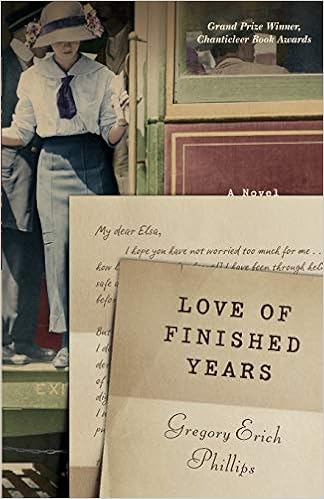
            The Love of Finished Years  by Gregory Erich Phillips

            2014 Chaucer Book Awards for Pre-1750s Historical Fiction First in Category Winners


            The 2013 Chaucer Book Awards Grand Prize Winner:

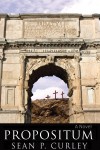
            Propositum - Front Cover 2

            Propositum by Sean Curley

            2013 Chaucer Book Awards for Pre-1750s Historical Fiction First in Category Winners:

            • Adventure/Young Adult:  I, Walter by Mike Hartner
            • N.A. Western:  Crossing Purgatory by Gary Schanbacher
            • World War II (European):  Deal with the Devil by J. Gunner Grey
            • Adventure/Romance/YA: “Lady Blade” by C.J. Thrush
            • Nordic History:  The Jøssing Affair by J.L.Oakley
            • Regency:  Traitor’s Gate by David Chacko & Alexander Kulcsar
            • Women’s Fiction/WWII: Wait for Me  by Janet K. Shawgo
            • Medieval/Dark Ages: Divine Vengeance by David Koons
            • Women’s Fiction/World History: Daughters of India by Kavita Jade

            What are you waiting for? Before long the CHAUCER Book Award deadline will be history.

            Submit your manuscript or recently released Historical Fiction (pre-1750s) to the Chanticleer International Book Awards!

            Want to be a winner next year? The deadline to submit your book for the Chaucer awards is June 30, 2020. Enter here!

            Grand Prize and First Place Winners for 2019 will be announced on September 5, 2020.

            Any entries received on or after June 30, 2020, will be entered into the 2021 Chaucer Book Awards. The Grand Prize and First Place for 2020 CIBA winners will be held on April 17, 2021.

             As our deadline draws near, don’t miss this opportunity to earn the distinction your historical fiction deserves!  Enter today!

            The CHAUCER Book Awards is a division of the Chanticleer International Book Awards – the CIBAs.

            The 2020 winners will be announced at the CIBA  Awards Ceremony on September 5, 2020, which will take place during the 2020 Chanticleer Authors Conference. All Semi-Finalists and First Place category winners will be recognized, the first-place winners will be whisked up on stage to receive their custom ribbon and wait to see who among them will take home the Grand Prize. It’s an exciting evening of dinner, networking, and celebrations! 

            Don’t delay! Enter today! 

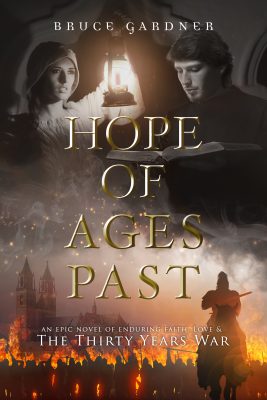
          • HOPE of AGES PAST by Bruce Gardner – Historical Fiction, Thirty Years War, Historical Romance, Family Saga

            HOPE of AGES PAST by Bruce Gardner – Historical Fiction, Thirty Years War, Historical Romance, Family Saga

            A saga writ large on the stage of 17th Century Central Europe,  Hope of Ages Past portrays the deeply personal impacts of religious faith and love amidst the brutality of war.

            Peter Erhart and Hans Mannheim are teenagers when they first meet in the Bohemian capital city of Prague at the outbreak of the Thirty Years War in 1618. These are two of the three central, fictional, characters in Bruce Gardner’s noteworthy interweaving of fact and reasoned conjecture set during the first half of the war. The boys represent the two religious factions in that conflict: Peter is Protestant; Hans, Catholic. The meeting in Prague, based on a real event including actual historical participants, provides the backdrop for a fictional drama that is set in motion when Peter reaches beyond the sectarian divide to help Hans at a moment of deep disgrace. Hans will never forget that kindness.

            As rebellion and conquest fire up across Europe, Peter, in his twenties, becomes a contentedly married Lutheran pastor in Magdeburg, Germany. Opposed by powerful rivals and threatened by the Catholic imperial army now approaching the city, he encounters Anna Ritter – a country peasant girl of uncommon beauty and inner strength who has secretly admired him for years and who is destined to share his trials. Each must fight bravely for the survival of their families and friends when local villains invade countryside cottages and the army, led by an awe-inspiring Black Knight, besieges the city. At the pinnacle of their trial, unthinkable tragedy brings Peter and Anna together and links their fates with Hans, now a grown man with a reputation to prove. Events eventually bring the three together in the siege’s aftermath, and a strange and unexpected reconciliation occurs — one that is put to the ultimate test in a final, horror-filled ordeal.

            Gardner, delving deeply into the philosophical issues at the core of the Thirty Years War, very deftly maintains an over-arching theme of religious differences – and similarities – in the midst of a thrilling, continually evolving panorama of warfare, intrigue, and romance. Interlocking the two storylines – interpersonal and international – is the repeated possibility for human compassion to emerge despite deep religious disagreements. Gardner’s skillfully drawn characters, both Catholic and Protestant, are confronted with choices – to kill, to help, or to ignore their fellow human beings in times of terrible suffering. Gardner fairly and intelligently presents the positions of both groups.

            Love conquers hate and uplifts two great faiths in Bruce Gardner’s Hope of Ages Past, contrasting romance, religion and family cohesion with the upheaval of battle and blood, all balanced by a thought-provoking, well-considered overview of the western world’s Christian heritage.

            Ultimately, Gardner has gifted us with an epic novel of enduring faith and love set amidst the brutality of the Thirty Years War in Europe. A very good read.