Mastering Life’s Skills
The I&I Awards can show you how!
In an era where knowledge is power and practical skills unlock new possibilities, readers are seeking guides that deliver real results. From mastering specific crafts and hobbies to developing personal growth strategies and exploring the world through informed travel, the best instructional works combine expert knowledge with clear, actionable guidance. The Instruction & Insight Awards for How-To and Self-Help celebrate the exceptional authors who transform complex subjects into accessible learning experiences, empowering readers to expand their capabilities and enrich their lives.
Celebrating Our Grand Prize Winner!
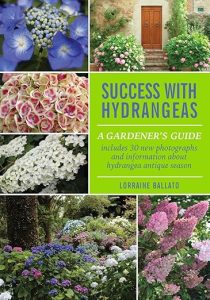
We’re proud to celebrate our 2024 I&I Division Grand Prize Winner, Lorraine Ballato for her comprehensive guide Success with Hydrangeas: A Gardener’s Guide. This expertly crafted work addresses one of gardening’s most beloved yet challenging plants, providing gardeners with the scientific insights and practical techniques needed to achieve reliable blooms and healthy growth. Ballato, who serves as the resident hydrangea expert at the New York Botanical Garden and has been teaching hydrangea classes for over a decade, brings both professional expertise and real-world teaching experience to this thorough guide.
What makes Success with Hydrangeas exemplary is its comprehensive approach to solving common gardening challenges. The book features over 150 photos and illustrations across thirteen color-coded chapters that cover everything from propagation and fertilizing to pruning techniques, pest management, and achieving desired flower colors. Ballato addresses the most frequent gardener concerns like proper pruning timing, optimal watering practices, and transplanting strategies paired with clear scientific explanations and practical solutions. The inclusion of garden design applications and a detailed index ensures readers can quickly find answers when they need them most. Ballato will receive a Chanticleer Editorial Review and be invited to participate in an Author Interview, offering deeper insights into her expertise and approach to hydrangea cultivation.
The I&I Awards recognize the remarkable breadth of instructional and self-improvement literature, encompassing categories from Travel Guides and Culinary arts to Health & Fitness, Writing Guides, and Home & Garden expertise. This comprehensive scope reflects our understanding that learning takes many forms, whether through Arts & Crafts tutorials, Nature & Environment education, Psychology insights, or Business & Money strategies that enhance personal and professional development.
Explore All Business & Self-Help Divisions
The I&I Awards are part of Chanticleer’s comprehensive celebration of transformative non-fiction:
- Mind & Spirit Awards for Spirituality and Enlightenment: Spiritual growth, mindfulness, meditation, and personal enlightenment
- Harvey Chute Awards for Business & Finance: Business strategy, finance, investing, technology guides, and professional development
We’d love for you to join us in reading about some of our favorite guides that we’ve reviwed!
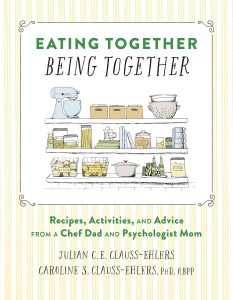
Eating Together, Being Together
By Julian C.E. Clauss- Ehlers and Caroline S. Clauss-Ehlers
Chanticleers 2023 I&I Grand Prize Winner!
Eating Together, Being Together is a rare, enlightening book that teaches the importance of family dining, both on the culinary side and in its benefits for childhood and young adult development beyond the kitchen walls.
Co-authored by master Chef and Dad, Julian C.E. Clauss-Ehlers, and Ph.D. Psychologist and Mom, Caroline S. Clauss-Ehlers, Eating Together, Being Together offers up their parental wisdom and expertise from the heart of the home—the kitchen.
With informative but relaxed conversations about food choices, preparation, and related activities, the two provide great insight into how family mealtime promotes well-being in a child’s life. As involved adults, they incorporate thoughtful discussions about spending quality time with their children, sharing and mitigating bad feelings, and making wonderful memories. Ultimately, they showcase family meals as nourishment for both the body and soul.
Within the pages of the book readers will find ways food can serve as a message of care and support, as well as a way to model kindness in the face of questions and concerns.
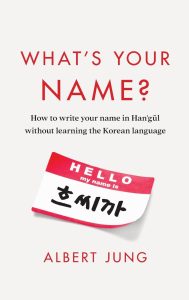
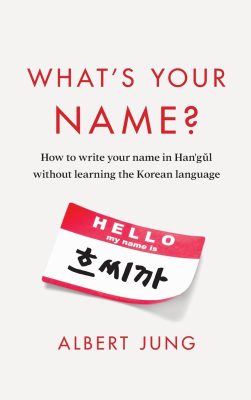
What’s Your Name?
By Albert Jung
Albert Jung’s What’s Your Name?, subtitled How to Write Your Name in Han’gŭl Without Learning the Korean Language, is more than a primer for learning how to write in the Han’gŭl script — it’s a study of the evolution of the Korean writing system and, through it, the history of Korea itself.
What’s Your Name? offers a crash course in how to write your name in Han’gŭl for anyone who attends international conferences, hosts Korean exchange students, or simply has Korean speakers in their social sphere. Although the reader quickly plunges into the components of the Han’gŭl alphabet, Jung suggests a light read for the basics, and a comprehensive read for those seeking a deeper understanding of Han’gŭl and its evolution.
From absolute beginners to linguistics scholars and students, readers will find valuable reference material and guidance for practice in this extensive text.
Disability is Human
By Stephanie W. Cawthon, PhD
In Disability is Human: The Vital Power of Accessibility in Everyday Life, Dr. Stephanie W. Cawthon advocates for the rights and needs of a group that is often underrepresented, ignored, or misunderstood.
Disability is Human offers a broad scope of examples and advice that has proven to enhance lives through accessibility, whether implemented in programs, institutional practice, or daily life. The book also has a companion workbook for those interested in incorporating its ideas into programs, institutional practice, or daily life.
Cawthon contrasts ableism against accessibility, including her own experiences as a person born deaf who uses hearing aids and sign language to communicate. She tells of a time before anti-discrimination laws were enacted to protect disabled peoples’ rights and make the world available to everyone.
Cawthon comes to this conversation with deep, personal knowledge of the issues faced by disabled people.
Dementia Home Care
By Tracy Cram Perkins
An I&I First Place Winner!
Dementia Home Care: How to Prepare Before, During, and After, by Tracy Cram Perkins, offers the lived experience of a caregiver, sharing the experiences that impressed upon her the enormity of the physical, emotional, and psychological task she undertook.
These same experiences made Perkins aware of the dearth of practical resources for the novice embarking on this journey. She hopes to fill that gap with this comprehensive, “user-friendly” guide that goes well beyond the limits of a self-help book, impersonal how-to manual, or clinical tome. From Dementia Home Care, readers will gain new insights into human behavior and how to become an effective caregiver without sacrificing their own well-being.
Perkins’ written voice captivates from the beginning. Her first-person accounts of caring for afflicted loved ones are both relatable and authentic. The reader will find themself laughing aloud, or filled with dread, as the author recounts actual experiences that are otherwise hard to imagine happening to oneself.
These reviews represent just a glimpse of the practical expertise and transformative guidance waiting to be discovered in today’s instructional and self-help literature.
See the Chanticleer Difference for Yourself!
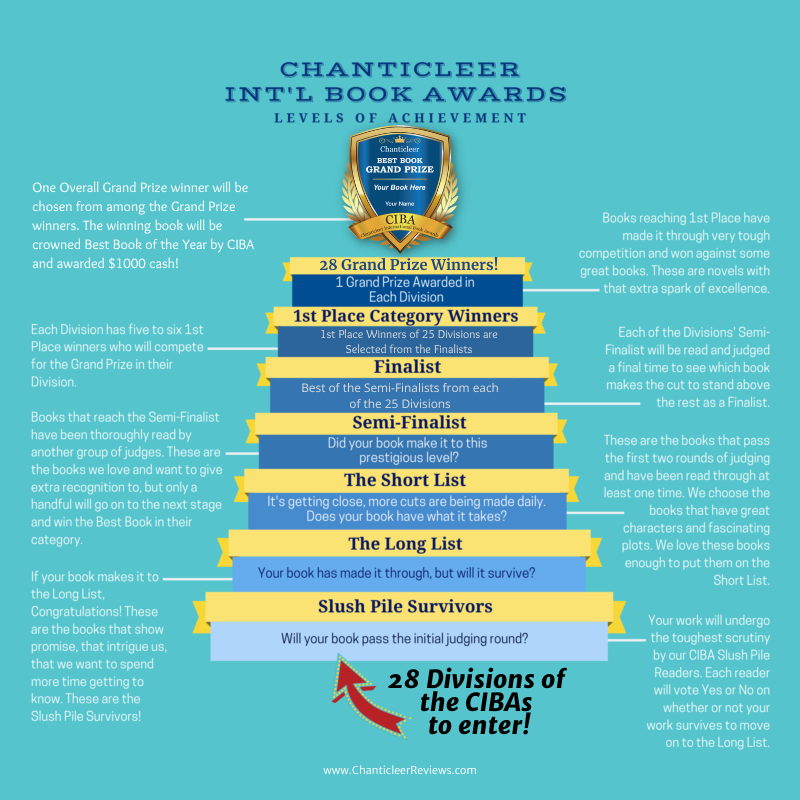
We’re excited about all the outstanding instructional and self-help works we receive every year for both the CIBAs and for our Editorial Reviews. Throughout this year’s I&I Book Awards, we had the pleasure of promoting numerous valuable guides as they advanced through our competition tiers. The Chanticleer International Book Awards provide ongoing recognition that amplifies authors’ digital footprints through high-traffic website features, social media promotion, newsletter spotlights reaching thousands of industry professionals, and long-tail marketing that continues promoting winners throughout the year and beyond!
This is the journey from beginning to end for the CIBAs! Every list you make means more promotion for you and your work as each advancement tier is posted right here on our website, on our social media, and also out in our newsletter! Your book deserves to be discovered.
Don’t Let Your Expertise Go Unrecognized!
The instructional and self-help market continues to thrive as readers seek trusted guidance for improving their skills, expanding their knowledge, and enhancing their quality of life. Whether your work provides step-by-step craft tutorials, transformative self-help strategies, comprehensive travel insights, or specialized knowledge in areas from cooking to psychology, the I&I Awards provide the recognition and promotional platform your expertise deserves.
Instructional literature has the unique power to unlock human potential, solving problems and opening new worlds of possibility. From practical guides that help readers master tangible skills to self-help works that facilitate personal transformation, every well-crafted instructional book has the potential to become an indispensable resource. Don’t let your knowledge remain untapped—submit to the I&I Awards today and join the skilled authors who’ve found their eager audience through Chanticleer!
Enter the I&I Awards today! Deadline: September 30th