Blog

  • Chanticleer Staff Picks Fav Reads – What are your current favs? We want to know!

    Chanticleer Staff Picks Fav Reads – What are your current favs? We want to know!

    What are your current favorite top 2 picks from the Chanticleer Collection?

    Chanticleer Reviews Staff Picks are books reviewed by Chanticleer and selected by Chanticleer team members as their current favorite reads.

    Lacey Longpre Professional PhotoFirst up,we have picks from Lacey Longpré. Lacey began as an intern for Chanticleer several years ago while attending Western Washington University. She has since become a valuable asset to the team as a proofreader, helping to organize our annual conference, staff reviewer, administrative assistant, social media pixie, and community relations.

    Lacey picked 2 titles from among our many reviews and tells us why she liked them.

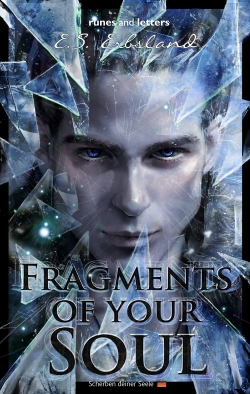
    Fragments of your Soul by E.S. ErbslandFragments of Your Soul by E.S. Erbsland

    I’ve always been a fan of alternative worlds with mysterious creatures. Erbsland does a fantastic job of building the world Arvid Bergen is thrusted into; there are shapeshifters, runes, and a mysterious god who seems untrustworthy. The universe is really strange and brilliant, and the vivid description guided me through the plot and kept me wanting more. I can’t wait for the next book in The Mirror Worlds Series!!

    Read the Chanticleer Review of Fragments of Your Soul.

    Broken Places by Rachel ThompsonBroken Places by Rachel Thompson
    As an aspiring memorist, this narrative hit close to home for me. I’m not a sexual abuse survivor, but I can relate to using books and music as a way to escape from a problem, or if I just need to forget about my emotions. Books and writing have always been a safe place for me. The story is touching and courageous, and I felt a deep connection to the author as she took the reader through her journey of recovery. A beautiful narrative, highly recommended.

    Read the Chanticleer Review of Broken Places.

    Give your favorite author some booklove!

    1000IheartchanticleerSTICKER6-25x1-75


    What are your current TWO favorite reads from the Chanticleer Collection?

    Tag us on Twitter at @ChantiReviews or Facebook and tell us why they are your current favs:  https://www.facebook.com/chantireviews/


    We will promote the top ten favorite books from the Chanticleer Reviews Collection, along with their covers and book links, that received the most recommendations on Tuesday, July 19, 2016 and send the list out to our entire e-news subscriber list and post to our social media platforms!

    Don’t delay! Anyone can tag her/his favorite current top picks–just be sure to tag us so that we can include your pick in the tally.

    Twitter: @ChantiReviews

    Facebook: Chanticleer Book Reviews

    Hashtag #CBRfavs


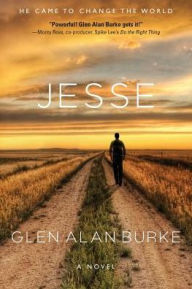
  • JESSE by Glen Alan Burke, an impactful coming-of-age story

    JESSE by Glen Alan Burke, an impactful coming-of-age story

    Readers are transported to the 1960s in the deep South by Jesse, a gripping and engaging read. With a dynamic, inspirational protagonist amidst the struggle of segregation, Jesse is a compelling and gut wrenching fiction for anyone interested in past and present social issues.

    Jesse takes place primarily in Alabama, with some flashbacks to Louisiana. The protagonist Jessup Christopher Savorié faces the challenges of being a black youth growing up in the sixties. Life was not easy for Jesse, and Burke does a fine job bringing this fictitious character to life, while dealing with the pain and hurt of racism in the segregated South.

    As the story unfolds, Jesse’s life doesn’t start off so well. He is frequently called out by a class bully for having black lineage, but Jesse resists no attacks that come his way, either physical or verbal. Jesse initially is the only black student at Jess Rulam School, and he learns to be quiet and keep to himself.

    We get our perspective of Jessie through the eyes of a classmate named Matt. Matt is the narrator of the book and tells us early on,

    “The first time I felt pity was when I saw Jessup Christopher Savorié. Oh, I had felt the sympathy for farm animals that were hurt, birds that tumbled out of the nest and such in my brief six years, but this was different, and I didn’t like it. My young brain couldn’t quite process what I was supposed to do. Helping someone is what the grownups do, so I just sat in my seat and did nothing.”

    The racial abuse Matt witnesses is typical for the era only magnifies itself when the nearby, all black school named Orr closes and the black student population is sent to the white Jess Rulam high school. Things certainly aren’t getting much better, but there is one glimmer of hope for Jesse and his classmates. The book tells the tale of not only Jesse’s coming of age, but of a community struggling to overcome racial divide.

    Jesse can play football and he can play it well. Amidst all the hate and racial angst Jesse, reluctantly, draws the focus away from the social issues of the day and unites an entire community.

    As one character states, “Did you ever notice it’s always the ones with inauspicious starts that do things in the world— you know, the ones that make a difference.”  In one magical game Jesse caused a miracle. A miracle that drew the attention of Coach Bear Bryant of Alabama football lore.

    “That one huge dose of humanity known as Jessup Christopher Savorié had taught the entire school, town, and community what it was like to be a human being— to care for something other than yourself, to trouble yourself for others.”

    Pushing through the dense racism of the South stands a tall and proud character. Burke has crafted Jesse as a character that teaches us all a lesson in how to live harmoniously with our fellow man. Jesse is a fearless figure of equality in a time and place where racism ran rampantly.  

    Burke shines a light on a subject matter not often spoken of beyond hushed whispers amongst like-minded friends. He tackles sensitive social issues that we still face today in the United States. The narrative is vivid in its details and plucks at your heartstrings as you read about children facing adult issues at a young age.  

    A moving, coming of age story set in a hapless time, Jesse demonstrates how the power of love and friendship triumphs over discrimination in a place where all hope seems lost and the odds are against you.

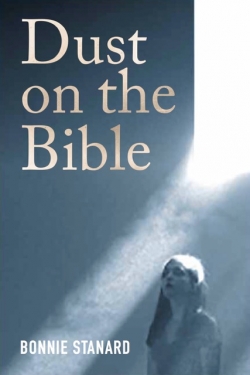
  • DUST ON THE BIBLE by Bonnie Stanard, a moving coming-of-age story

    DUST ON THE BIBLE by Bonnie Stanard, a moving coming-of-age story

    A poignant tale from start to finish, Dust on the Bible by Bonnie Stanard is a vivid and emotionally captivating story about the strife of a family living in rural South Carolina in 1944.

    Lily, a twelve-year-old farm girl, wraps readers around her heart. While struggling to understand the mysteries of death, God, family, and school bullies, she endures poverty and agonizes over her missing father. Lily is hungry for knowledge, but a sixth grade bully turns school attendance into misery. Lily is an easy target; she is quiet, poor, and wears homemade feed sack dresses. This is Lily’s story, one year of her life when she transitions from childhood innocence to the edge of her awakening.

    Readers first see Lily on a cold, October morning, while she warms her backside in front of the cook stove. Stanard does a superb job in crafting imagery that evokes the senses; readers can see the small kitchen and feel the morning chill. The author’s descriptive words and phrases are fresh and easy to relish as readers follow Lily through the seasons, from bitter winter to scorching summer.  

    Lily’s consummate yearning to know what happened to her father moves the plot steadily forward. No one will talk to her about him, but she keeps asking. And every time she does, it causes trouble. Lily is bright, curious, and needs answers. When family members do reply to her questions, they keep comments short and simple; they shirk her questions to try to shield her from something they believe that she doesn’t need to know. But, this creates even more questions and adds fuel to her active imagination. Nonetheless, their answers paint character sketches of each person in the story.

    Grandpa owns the one-thousand-acre cotton farm that he runs without the help of a tractor. He and Grandma have opened their home for four of their five adult children, including Lily’s mother and Lily herself. The overcrowded home is without indoor plumbing, cold on frosty winter mornings, and oppressing with stifling heat in the summer. They all share the endless chores and the long days of hard-scrabble living for a meager living.

    Stanard creates a family with a non-nonsense way of life, but the family also carries a deep abiding love for each other; no matter what. Even when Lily’s youngest uncle, Archie, goes overseas, despite the family’s subdued fear, their love for him shines through in their reaction to the letters he writes to them.

    Stanard has created a strong protagonist in Lily—one  in whom we can feel the relentlessness and restlessness of youth as shown in one of my favorite lines in her work.

    “She daydreamed of sleeping late as she wanted to. Of swimming in Ma George’s pond. Of catching lightening bugs and building forts. Of shooting the .22 rifle.  Most of all she wanted Grandpa to teach her to change gears so she could drive the pickup.”

    A few paragraphs later, Lily’s reality ensues.

    “Don’t matter whether she wants to. Lily’s old enough to know what work means,” said Florence. [fusion_builder_container hundred_percent=”yes” overflow=”visible”][fusion_builder_row][fusion_builder_column type=”1_1″ background_position=”left top” background_color=”” border_size=”” border_color=”” border_style=”solid” spacing=”yes” background_image=”” background_repeat=”no-repeat” padding=”” margin_top=”0px” margin_bottom=”0px” class=”” id=”” animation_type=”” animation_speed=”0.3″ animation_direction=”left” hide_on_mobile=”no” center_content=”no” min_height=”none”][Lily’s mother replied to Grandpa when he told Florence that maybe it was too hot for the twelve-year-old Lily to work in the summer afternoons.]

    Stanard’s writing deftly shapes the narrative and the setting. Her pitch perfect dialogue conveys Lily’s “tween” age while conveying the social strata of her world. Readers are pulled into her thoughts, her reactions, and the family dialogue––walking through her world, seeing it through her eyes, and feeling it through her heart. Lily is a brave individual seeking to find her own place in the world while enduring difficult times on many fronts.

    Dust on the Bible is a moving novel with an honest perspective of what it was like for some who grew up in poverty in the South during the Second World War. The coming-of-age story of Lily is candidly related, drawing on all the senses. Lily’s story and her world will linger with readers long after they’ve finished reading the final pages.

     [/fusion_builder_column][/fusion_builder_row][/fusion_builder_container]

  • The CYGNUS AWARDS for Science Fiction and Speculative Fiction Book Awards 2016 Official Finalist List

    The CYGNUS AWARDS for Science Fiction and Speculative Fiction Book Awards 2016 Official Finalist List


    Cygnus

    The CYGNUS Awards writing competition recognizes emerging new talent and outstanding works in the genre of  Science Fiction and Speculative Fiction. The Cygnus Awards is a division of the Chanticleer Book Awards & International Writing Competitions.

    We are pleased to announce the CYGNUS  Awards Official Finalists List for 2016. They will now compete with each other for coveted spots on the “Short List” from all the 2016 entries received. The Official Finalists Listing is comprised of works that have passed the first three rounds of judging from the entire field of entrants. To pass the first three rounds of judging, more than sixty pages of the works below have been read and been deemed worthy by the CBR judges of continuing in competition for the Short List  and then compete for the 2016 CYGNUS Awards FIRST IN CATEGORY positions and their prize packages.

    Congratulations to the CYGNUS AWARDS 2016 FINALISTS and Good Luck as they compete for the Short List Positions:

    NOTE: This IS the COMPLETE OFFICIAL LISTING of 2016 CYGNUS FINALISTS as of December 31, 2016.

    • Sara StameyThe Ariadne Connection
    • Howard LoringPiercing the Elastic Limit: An Epic Fable
    • Adrian P.And A Bullet Screamed Through The Sky
    • Rhett C BrunoTitanborn
    • Joan Carney Fated Memories 
    • Gail Avery HalversonThe Boundary Stone
    • Nikki McCormack for Dissident (Forbidden Things, Book 1)
    • Phillip Buchanon for The Supernal’s Experiment #3
    • M. D. Ireman for The Axe and the Throne
    • Linton Rembert for The Aura
    • Stephanie R. Sorensen Toru: Wayfarer Returns
    • Clint HollingsworthThe Road Sharks
    • Jonathan Renshaw Dawn of Wonder
    • L. Woodswalker Tesla’s Signal
    • Gary Grossman – Old Earth
    • Robert L. Slater Straight Into Darkness
    • Sean P. CurleyOver
    • Cyril AdamsThe Peace Proxy
    • Dennis M. ClausenThe Accountant’s Apprentice
    • Diane WylieMagic of the Pentacle
    • Jim MusgraveLife in 2050
    • K. N. Salustro Unbroken Light
    • Rachel LoepkerBleeding Ink
    • Ryan London Prophecy of the Immortals
    • MW HuffmanBlackStar
    • Jesikah SundinELEMENTS (The Biodome Chronicles #2)
    • Timothy S. JohnstonThe Void
    • Greg McLeodKing of Dreams
    • Elizabeth CrowensSilent Meridian: The Transparency of Time

    Good luck to all the CYGNUS Awards Finalists who made the Finalist Listing as they compete for the Short List and then the First In Category Positions !

    More than $30,000 dollars in cash and prizes are awarded to Chanticleer International Blue Ribbon Awards Winners annually.

    cac16The CYGNUS First Place Category book award winners will compete for the CYGNUS Grand Prize Award for the 2016 Best Science Fiction and Speculative Fiction. Grand Prize winners, blue ribbons, and prizes will be announced and awarded on April 1, 2017 at the Chanticleer Authors Conference and Awards Gala, Bellingham, Wash.

    The First In Category award winners will receive an book award package including a complimentary book review, digital book award badges, shelf talkers, book stickers, and more.

    We are now accepting entries into the 2017 CYGNUS Awards. The deadline is January 31st, 2017. Click here for more information or to enter. We have split CYGNUS Awards in to two separate competitions: Cygnus for Science Fiction and the OZMA awards for Fantasy. Visit our contest page for more information.

    More than $30,000 worth of cash and prizes will be awarded to the 2016 Chanticleer Novel Writing Competition winners! Ten genres to enter your novels and compete on an international level.


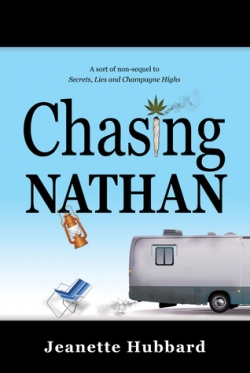
  • CHASING NATHAN by Jeanette Hubbard, a humorous suspense novel

    CHASING NATHAN by Jeanette Hubbard, a humorous suspense novel

    An epic convoy of bad men, good guys, tough women, and international operatives who zigzag across the Oregon wilderness chasing a truck-load of marijuana briquettes, a million bucks in cash, and one lovable border collie in this fast-paced satire by Jeanette Hubbard.

    Claudie, independent and relationship-weary, encounters Nathan, an affable bookstore owner, when the two camp side-by-side in what should be an idyllic woodsy retreat. Sparks of mutual interest waft over grilled salmon and chilled sauterne, until a nasty character named Hammer in a clapped-out truck decides to park nearby, barely squeezing in among the boulders. He’s loud and foul-mouthed, and he abuses his border collie. 

    The next morning, Nathan and his Winnebago are gone, along with Hammer – only the broken-down truck and the nervous collie remain. Claudie, a bit miffed at Nathan’s defection and suspecting foul play, stows the mistreated canine in her car and buzzes off to find the nearest lawman. Little does she realize that she has become part of a massive dope deal gone wrong, with Nathan and his old female friend Dani, an espionage expert, in the thick of it.  

    Claudie will learn a lot about Nathan, who, it turns out, is not just the jolly bookworm he appears to be; and there’s a lot Nathan will discover about the surprisingly intrepid Claudie. She worries about Nathan as she fends off the weirdos trying to take her dog away, while Nathan thinks of her fondly even as he makes a daring escape from the violent Hammer and his evil twin Sprocket.

    Author Jeanette Hubbard introduced Claudie, a seasoned sixty-something, in her first novel, Secrets, Lies and Champagne Highs. In this rollicking sequel, Hubbard displays her knowledge of highways, weaponry, dopers, and spies. Chasing Nathan criss-crosses genres: part hippie, biker, road-tripper’s fantasy, part thriller with intellectual undertones, love interest, and liberal lacings of humor.

    Claudie appeals as a gutsy heroine with one hand on the steering wheel, the other flipping a bird at the thugs who try and fail to grab the collie. But she has her smarmy side, too, secretly admitting that despite her best defenses against a new romance, Nathan makes her feel all warm and fuzzy.

    Chasing Nathan has a non-stop plot that celebrates the back roads, the great Northwest, and two saucy seniors who can flirt, fight, and floor the accelerator as the situation demands.

  • LEGACY by Jesikah Sundin, Book One of the Biodome Chronicles

    LEGACY by Jesikah Sundin, Book One of the Biodome Chronicles

    A captivating YA hybrid of sci-fi and medieval fantasy, mystery, and romance, Legacy opens The Biodome Chronicles series with divergent worlds on a carefully planned collision course.

    Cyberpunk culture in 2054: hard-living, nihilistic youth who hate themselves as well as the world. Fillion Nichols, a brilliant but dissolute hacker, can claim a third object of hatred: his father, Hanley Nichols, mastermind—and, as Fillion suspects, cult leader—of New Eden Enterprises. He is the creator of New Eden, a hand-picked community living within the real-life Biosphere 2, to test the psychological effects of long-term isolation. To study the second generation of Biospherians who’ve never interacted with the Outside world, Nichols’ team created The Code, a strict set of rules to which the inhabitants closely adhere.

    The first generation play along—quite literally, as LARPers role-playing per a script created by Hanley Nichols, one that includes a noble class divided into four houses and social mores gleaned from medieval times. For the young people of New Eden Township, however, although they have a vague sense of being an experimental colony, all they really know of life is that it’s an agrarian affair based on ritual, work, and the laws of nature.

    Heirs to the Earth Element noble house, chivalrous Leaf and temperamental Willow Oak Watson, discover all is not as idyllic as it seems. They learn soon after their father’s death that secrecy and murder have also been scripted into the game. A mysterious death card, a lost scroll, and a secret underground room lead the siblings to a portal to the Outside world, and to Fillion Nichols, self-professed Dungeon Master of New Eden.

    Once Willow conquers her terror of “magic” satellite communications, she finds herself spellbound by the strangely dressed, tattooed, and pierced young man. Fillion is equally captivated: not only by Willow’s beauty, but by the fact that the Watson children supposedly died nearly six years ago. His father went to trial on charges of negligence and manslaughter, and though never convicted, the infamy lingered on the family name.

    Although he is now the Earth Element, Leaf finds that the other Elements are determining his future, even making conditions for his marrying the daughter of the Fire Element, whose son passionately pursues Willow. Meanwhile, Fillion endures his own trial for falsifying IDs, resulting in a 90-day sentence, which, as he’ll soon find out, was also manipulated by his father from the start.

    As Leaf and Fillion grapple with understanding their respective legacies, New Eden Enterprises begins preparation for the project’s completion, Even as their increasingly twining paths are set out by their elders, the two young men are determined to discover the mystery behind Joel Watson’s murder and the unexplained faking of his children’s death.

    Laced through with excerpts from news reports and interviews with both the real Biosphere 2 participants and the fictional members of New Eden Enterprise, and infused equally with near-future technology and ancient ceremony, Legacy will entice readers into its unfolding story.
    2014 winner of Chanticleer Book Reviews Great Beginnings Cygnus winner for Sci-Fi/Fantasy, National Indie Excellence Award Finalist for Science Fiction, Cygnus Award for Sci-Fi/Cyberpunk, Dante Rossetti Award First in Category for Sci-Fi/Cyberpunk, and the Dante Rossetti Grand Prize Award for Young Adult Fiction.

  • FRAGMENTS OF YOUR SOUL by E.S Erbsland, a thought-provoking fantasy novel

    FRAGMENTS OF YOUR SOUL by E.S Erbsland, a thought-provoking fantasy novel

    Shape-shifters, runes, and mystical creatures all collide to create an engaging story in E.S. Erbsland’s fantasy novel Fragments of your Soul. Lovers of the fantasy genre and anything relating to magic will not be disappointed by this compelling plot-line.

    The tale begins by showing the protagonist, Arvid, a woman who is almost thirty, feeling trapped by a mundane life. Her desire is granted to her when she falls through a portal into an alternate dimension. The utter weirdness of her new dwelling is dangerous and repugnant. Grieving for her mother, she longs for all that is familiar. She burns with livid anger at the “gods” who created these portals, but claim they don’t know how to un-create them … or send someone back.

    Instead of showing the demanded reverence for these gods, she shows contempt and fury. To her, the concept that the gods are good and deserve obedience is utterly false. The story reveals fragments of one powerful male character’s soul little by little as he interacts with Arvid. She has something he needs to accomplish his goal. Is he good? Will he help her? Or is he ruled by a devious heart?

    Readers watch magic powers develop within some characters, and learn about runes, the written language of this world––and runes which are tools used to create magic. We meet gods, humans, demons, cave worms, dwarves, giants, and shape-shifters. Immersed in this new foreign world, the reader experiences Arvid’s adventures eliciting fear, loss, pain, horror, anger, guilt, and love.

    The Shadow World designed in the novel creates vivid pictures of a place totally foreign to readers, but one that our imagination accepts. Nonetheless, readers will be drawn in by how realistic the world is. Each word engages the five senses and racks up an emotional response that creates an unbreakable connection to the protagonist. Readers will wonder if they could endure Arvid’s tragedy, and they will hope that she will pull through.

    Arvid doesn’t give up on her quest to return home, but at times she comes close to defeat. Readers will cringe when they measure her courage against their own. While she navigates through ordeals, reader empathy grows for her exhaustion in the fight, for the bitter cold, and for her loneliness. Arvid’s goals and motivations are clear, driving her through tremendous hardships. The characters interacting with Arvid let us know who she is and how she thinks.

    Readers can also expect to be enthralled by the carefully crafted plot. Unexpected conflict boils and simmers throughout the novel and seduces readers into turning the next page. Many settings and characters exist in the story, but they are so well introduced that the reader maintains a vivid picture and remembers them when referenced again. The multiple types of beings and their interactions reveal how the Shadow World functions.

    Erbsland has crafted a thought-provoking novel that will engross readers of fantasy and beyond. This reviewer looks forward to continuing reading this riveting story in the second novel of the Mirror Worlds series.
    Reviewer’s Note: This book is recommended for readers over seventeen due to some brief sexual content.

  • BROKEN PLACES by Rachel Thompson, a Memoir of Abuse by Rachel Thompson – Child Abuse, Women’s Poetry, Sexual Abuse, Self-Help

    BROKEN PLACES by Rachel Thompson, a Memoir of Abuse by Rachel Thompson – Child Abuse, Women’s Poetry, Sexual Abuse, Self-Help

    While the incidence* of childhood sexual abuse continues to grow, thankfully there are survivors like Rachel Thompson who have conquered the horror.

    In Broken Places: A Memoir of Abuse, Thompson conveys the facts and feelings of being an 11-year-old at the hands of a trusted neighbor who turns out to be a pedophile. The book dutifully begins with a “Trigger Warning,” notifying abuse survivors that the subject matter could be painfully harsh.

    Through poems, prose, and reflective pieces written with candor and literary charm, she shares how she coped: retreating to her room surrounding herself with books and music, and feeding her already introverted personality. She rarely went out except to earn good grades or do chores. “Because if I did, I faced the glaring, accusatory stares of his wife and children—as if I were the one who committed such ghastly crimes.” Later, she drank, got high, and considered suicide.

    Not until her thirties, depressed, anxious, and following the birth of a daughter, Thompson sought therapy for the first time after a doctor’s visit left her with a PTSD diagnosis and a prescription for an anti-depressant. Therapy was “life-changing,” leading her to the realization that she, not her abuser, was in the driver’s seat of her recovery. “I love, I breathe, I work, I write, I live. What happened does not stop me.”

    Today, in her fifties, she is an advocate for sexual abuse survivors and runs the Twitter chat #SexAbuseChat. She owns a social media and book marketing company and previously wrote the essay collection Broken Pieces, A Walk In The Snark and the more humorous The Mancode: Exposed.

    A talented writer with a journalism degree, Thompson adeptly plays with point of view employing both first person singular (“I”) to convey her experiences, and first person plural (“We”), perhaps to denote a kinship among survivors: “We are no longer whole—we are bits of cells made up of dread, and fear, and shame. We speak in terms that separate us from ourselves because even now, all these many years later, we don’t want to own what happened.”

    Also, she sneaks in literary gems, like alliteration: “The bad thing takes your brain hostage, fills it with the detritus of denial, becomes dead leaves waiting for the deep scratch of the rake.”

    The only weakness of Broken Places is its arrangement, as it seems like a random assortment rather than an intentioned story. Perhaps this organization, or lack thereof, speaks to the uncertainty Thompson faced during a time in her life that was more about second-guessing and doubting rather than chasing butterflies and riding bikes like little girls that age should be doing.

    Most importantly, the book is recommended reading for adults, college students, and youngsters alike as it serves as the impetus for a much-needed culture shift—telling children that it’s okay to report abuse and for grown-ups to hear them.

    Broken Places: A Memoir of Abuse by Rachel Thompson won 1st Place in the CIBAs 2017 JOURNEY Awards for Memoir. 

    *1 in 5 girls and 1 in 20 boys is a victim of child sexual abuse, according to the National Center for Victims of Crime.


  • What’s the big deal with 1750? Contest Spotlight: June brings us TWO historical writing competitions

    What’s the big deal with 1750? Contest Spotlight: June brings us TWO historical writing competitions

    [fusion_builder_container hundred_percent=”yes” overflow=”visible”][fusion_builder_row][fusion_builder_column type=”1_1″ background_position=”left top” background_color=”” border_size=”” border_color=”” border_style=”solid” spacing=”yes” background_image=”” background_repeat=”no-repeat” padding=”” margin_top=”0px” margin_bottom=”0px” class=”” id=”” animation_type=”” animation_speed=”0.3″ animation_direction=”left” hide_on_mobile=”no” center_content=”no” min_height=”none”][fusion_text]June is the perfect time to tidy up your historical fiction novel and submit it to one of our contests. In previous years all of our Historical Fiction was judged under the Chaucer awards. But we had so many entries in 2015 that we had to divide it into two novel competitions. There are too many different categories of Historical Fiction all deserving of their own contest, creating nearly  impossible decisions for the judges. So, we have divided the Chaucer contest in two by a date some might consider arbitrary—1750, and named the categories the Chaucer Awards (pre-1750) and the Goethe Awards (post 1750).

    What is so special about 1750?

    1750 is considered by many historians to be a pivotal date in the history of humankind–in both Western and Eastern history. There are several movements that shaped this new era. Prior to 1750, monarchy was the prevailing form of government. “Citizenry” (as opposed to being a “subject”) was a radical new concept that was taking root due to the British Colonies in America revolting against the British monarchy. The concept that individuals were not just “subjects” of a monarchy, but humans with inalienable rights spread like wildfire throughout Europe leading, to the French Revolution.  The 1750s brought about a completely new way of thinking about governance. With this came the concept of the right to own private property rather than being “entrusted” with it by royalty and subjected to the whims of the monarch granting the property.

    Frodsham_chronometer_mechanismSecondly, the Secular Revolution with its scientific enlightenment  began to take hold in the mid-1700s as an accepted way to see and understand the Universe and our place within it. For the first time in recorded human history, the cultural concepts of religious dominance and doctrine were being challenged. The 1750s brought us the Age of Enlightenment.

    Migrants-to-AmericaNext, the first phase of the Industrial Revolution (1750 – 1914) was brought about by the harnessing of the energy of coal and steam rather than biomass energy (humans and animal muscle power). This lead to mass migrations of humans escaping famine, poverty, and intolerance to take place for the first time in history. Railroads and trains, and steamships, as well as sailing ships with more dependable navigational tools such as the marine chronometer (1748) that allowed for safer passage across the oceans made the migrations possible.

    And so, our Historical Fiction Genre Writing Competition now features the Chaucer Awards (pre-1750) and the Goethe Awards (1750 until 1954).
    goethe portrait

    But who is Goethe?

    And why was he selected to represent the post-1750’s historical fiction writing competition? Also, here is a handy link about how to pronounce his name.

    Johann Wolfgang von Goethe was born at the dawn of the new era of enlightenment on August 28, 1749. He is considered to be the last true polymath.

    “Goethe was a contemporary of thinkers—Kant, Herder, Fichte, Schelling, Hegel, Wilhelm and Alexander von Humboldt—who carried out an intellectual revolution that is at the basis of most modern thinking about religion, art, society, and thought itself. He knew most of these people well, furthered the careers of several of them, promoted many of their ideas, and expressed his reaction to them in his literary works.
    The age they helped to make was an age dominated by the idea of freedom, of individual self-determination, whether in the intellectual and moral sphere or in practical politics—the age both of German Idealism and of the American and French revolutions.
    If there is a single theme running through Goethe’s huge and varied literary output, it is his reflection on subjectivity—his showing how in ever-changing ways we make our own selves, the world we inhabit, and the meaning of our lives. Yet he also shows how, without leaving that self-made world, we collide all the time with the reality of things.” Written by Nicholas Boyle for Britannica (2016)

    Geoffrey-Chaucer-9245691-1-402-150x150.jpgThe beloved Chaucer Awards remain, but have metamorphosed into the Pre-1750 Historical Fiction awards. For those authors whose works are on the cusp of 1750 and who need to decide which contest to enter, the Chaucer Awards or the Goethe Awards, we suggest you determine if your work is influenced by the markers of the Industrial Revolution or if it is more to the medieval times and mores to decide which contest to enter–the Chaucer Awards (pre-1750) or the Goethe Awards (post 1750).

    We are excited about our expansion on the Historical Fiction Awards competitions. We eagerly await your submissions into whichever contest suits them best.

    June 30th is the Submission Deadline for the 2016 Goethe and Chaucer Awards!

    Chaucer Awards Hall of Fame

    Valhalla Revealed by Robert A. WrightThe Chaucer awards have a long and proud tradition of winners. Most recently at our Chanticleer Author Conference Awards Banquet (a Gala event held every year in April) we awarded the 2015 Chaucer Grand Prize to Robert A. Wright, author of Valhalla Revealed, a historical thriller set in the post-WWII era weaving intense family drama, survivors guilt, and the mystery of a missing family member into an action packed saga bristling with CIA intrigue and Cold War conspiracies. We were so thrilled to award the author of this astonishing novel a well-deserved grand prize.

    Last year, our Chaucer Grand Prize was awarded to Gregory Erich Phillips for his yet-to-be-published manuscript The Love of Finished Years. This thrilling post-war love story not only won in Chaucer but it went on to win our Overall Grand Prize, and was named Chanticleer’s Best Book of 2014. This was the very first time a manuscript has risen to those height in our contests, and we are very proud to award such a  talented author.

    Watch for The Love of Finished Years coming soon!

    Goethe Awards Hall of Fame

    This is the first year that we have been running our Goethe awards, so we do not have any past winners, but we are looking forward to putting your Late Period Historical Fiction novels into their own contest where they can really shine! Manuscripts and recently Published Books accepted.

    Your book could earn a place in our hall of fame for 2016.

    All you have to do is enter.[/fusion_text][/fusion_builder_column][/fusion_builder_row][/fusion_builder_container][fusion_builder_container backgroundcolor=”” backgroundimage=”” backgroundrepeat=”no-repeat” backgroundposition=”left top” backgroundattachment=”scroll” video_webm=”” video_mp4=”” video_ogv=”” video_preview_image=”” overlay_color=”” overlay_opacity=”0.5″ video_mute=”yes” video_loop=”yes” fade=”no” bordersize=”0px” bordercolor=”” borderstyle=”” paddingtop=”20px” paddingbottom=”20px” paddingleft=”0px” paddingright=”0px” menu_anchor=”” equal_height_columns=”no” hundred_percent=”no” class=”” id=””][fusion_builder_row][fusion_builder_column type=”1_1″ background_position=”left top” background_color=”” border_size=”” border_color=”” border_style=”solid” spacing=”yes” background_image=”” background_repeat=”no-repeat” padding=”” margin_top=”0px” margin_bottom=”0px” class=”” id=”” animation_type=”” animation_speed=”0.3″ animation_direction=”left” hide_on_mobile=”no” center_content=”no” min_height=”none”][fusion_title size=”2″ content_align=”left” style_type=”single solid” sep_color=”transparent” class=”” id=””]Call for Submissions![/fusion_title][/fusion_builder_column][fusion_builder_column type=”3_5″ last=”no” spacing=”yes” background_color=”” background_image=”” background_repeat=”no-repeat” background_position=”left top” border_size=”0px” border_color=”” border_style=”” padding=”” class=”” id=””][fusion_text]Pre 1750 Historical Fiction AwardOur Chaucer Awards are the Chanticleer Reviews search for the best Early Period (pre-1750) Historical Fiction books of 2016!

    We are seeking the best books featuring Pre-1750s Historical Fiction, including pre-history, ancient history, Classical, world history (non-western culture), Dark Ages and Medieval Europe, Renaissance, Elizabethan, Tudor, 1600s, we will put them to the test and choose the best among them.

    Manuscripts and Recently Published Books (books must be published after Jan. 1, 2014) are accepted into these writing competitions.

    Post 1750s Historical Fiction AwardOur Goethe Awards are the Chanticleer Reviews search for the best Late Period (post-1750) Historical Fiction books of 2016!

    We are seeking the best books featuring Late Period Historical Fiction. Regency, Victorian,18th Century, 19th Century, 20th Century, World and other wars, history of non-western cultures, set after the 1750s, we will put them to the test and choose the best among them.[/fusion_text][/fusion_builder_column][fusion_builder_column type=”2_5″ last=”yes” spacing=”yes” background_color=”” background_image=”” background_repeat=”no-repeat” background_position=”left top” border_size=”1px” border_color=”#606060″ border_style=”solid” padding=”10px” class=”” id=””][fusion_text]

    Our Chanticleer Review Writing Contests feature more than $30,000.00 worth of cash and prizes each year! 

    ~$1000 Overall Grand Prize Winner
    ~$2800 in Genre Grand Prizes
    ~$28,980 in reviews, prizes, and promotional opportunities awarded to Category Winners

    [/fusion_text][fusion_button link=”/services#!/Historical-Fiction-Pre-1750s-Writing-Contest-Chanticleer-Book-Reviews/p/21521105/category=5193080″ color=”darkgray” size=”” type=”” shape=”” target=”_blank” title=”” gradient_colors=”|” gradient_hover_colors=”|” accent_color=”” accent_hover_color=”” bevel_color=”” border_width=”1px” shadow=”” icon=”” icon_position=”left” icon_divider=”no” modal=”” animation_type=”0″ animation_direction=”left” animation_speed=”1″ alignment=”center” class=”” id=””]Enter Chaucer[/fusion_button][fusion_separator style_type=”none” top_margin=”” bottom_margin=”” sep_color=”” icon=”” width=”” class=”” id=””/][fusion_button link=”/services#!/Historical-Fiction-Post-1750s-Writing-Contest-Chanticleer-Book-Reviews/p/57936173/category=5193080″ color=”darkgray” size=”” type=”” shape=”” target=”_blank” title=”” gradient_colors=”|” gradient_hover_colors=”|” accent_color=”” accent_hover_color=”” bevel_color=”” border_width=”1px” shadow=”” icon=”” icon_position=”left” icon_divider=”no” modal=”” animation_type=”0″ animation_direction=”left” animation_speed=”1″ alignment=”center” class=”” id=””]Enter Goethe[/fusion_button][/fusion_builder_column][/fusion_builder_row][/fusion_builder_container]

  • ALMOST MORTAL by Christopher Leibig — a high octane legal thriller

    ALMOST MORTAL by Christopher Leibig — a high octane legal thriller

    The physical and metaphysical collide in this award-winning legal thriller that promises to leave the reader hungering for more.

    Part saint, part sinner, Deputy Public Defender Sam Young has an uncanny ability to work the legal system to his best advantage. With a super-human ability to ride the thought waves of others, Sam plays his hand like a mesmerist, planting ideas like seeds in people’s minds, “massaging” their thoughts to suit his needs. But underneath his self-serving agenda is an almost naïve desire to do good – a desire that compels him to take on private cases outside of his overloaded court schedule, not to mention outside of the law.

    Sam’s mastery of the gray areas of the law hits a wall when drop-dead gorgeous Camille Paradisi, a nun from Sam’s former Parish, dumps the proverbial Catch-22 problem in his lap. The Rosslyn Ripper, a serial killer stalking their streets, is confessing. The catch? He’s using the protection of the confessional to unburden his soul.

    With the clock against him Sam must find a way to break through the protective barrier Camille has built around her priest and access the information needed to reveal the killer. The only clue she’s willing to relinquish is a time-worn journal left at the church. Whether its contents reflect the grandiose ramblings of a delusional mind or of the killer himself remains to be seen. But one thing is certain. The DNA recovered from its pages present improbable if not impossible results, propelling Sam into world where the physical and metaphysical collide.

    Attorney Sam Young is clearly a protagonist for the new millennium. Cynical, self-destructive and heroic to a fault, Sam Young is a modern-day standard bearer for the underserved segment of society. But no one in this extraordinary cast of characters is who they appear to be: leaving Sam to juggle conflicting agendas, hidden truths and a reality so mind-bending that it defies everything he believes.

    With equal doses of insight and imagination, author Christopher Leibig draws on his experience as a defense attorney to provide a keen sensory awareness of the hectic and often desperate inner workings of an ego-driven legal system.

    Blending the high-octane thrust of a contemporary legal thriller with the magical realism of Gabriel Garcia Marquez, “Almost Mortal” cleaves a new, inventive niche in the legal thriller genre. This fast-paced legal thriller will leave the reader hungering for more. A terrific read!