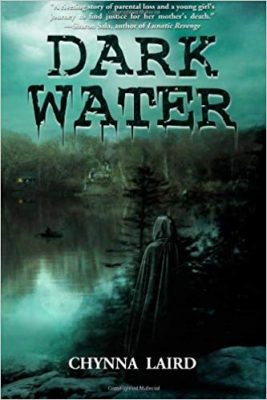
Sixteen-year-old Freesia Worth should be enjoying her summer break, not looking for her missing mother. Almost a year ago, Tamara went missing. Unwilling to admit the likely truth that her mother is deceased, Freesia takes on the mission of finding her.
Having lost her father in a peace-keeping mission in Afghanistan, Freesia is desperate to find her mother, who was last seen at Hawk Lake, the location of the family’s yearly summer retreat and Tamara’s favorite place in the whole world. As a psychologist, Tamara counseled many soldiers who served with James and suffered from PTSD. And with the police getting ready to close their investigation, Freesia understands that if she wants to find any last clues to her mother’s disappearance, the lake is the best place to look.
It isn’t long before her hopes turn to resignation as she uncovers clues that something horrible happened to her mother and that one of the men her father called a friend is likely involved. As Freesia wades deeper into the mystery, she becomes intertwined with a supernatural being and a deadly killer.
The supernatural elements within this novel greatly enhance the mystery. Readers not only get a great “whodunit” but also a paranormal twist in the legend of “The Watcher,” a First Nation man who is the guardian of Hawk Lake and of all those who love it. The Watcher also helps souls seeking retribution, vengeance for the misdeeds of evildoers.
The Watcher leads a mysterious gothic girl to reveal the fragmented clues Freesia needs to unravel the disappearance of her mother. As this girl plants the “seeds” of justice, the more difficult the book is to put down!
Dark Water brings awareness to two important disorders, PTSD and SPD. Several characters within the novel have post-traumatic stress disorder, and the author sympathetically showcases the suffering of these men, haunted by images no one should see. Freesia develops compassion for the often-frightening behavior of the men in her father’s former unit, and here Laird’s strength leads the reader carefully through the torture these men and their families endure.
At the same time, Sage, Freesia’s eight-year-old sister, has been diagnosed with SPD, sensory processing disorder. Sage hasn’t spoken since her mother’s disappearance and only truly connects with Freesia, who must patiently help Sage communicate what she’s seen and heard. Just as Tamara fought for the PTSD soldiers that she counseled, Freesia fights to bring her sister back in order to unlock the secrets buried within her.
A blue sweatshirt, a pair of broken sunglasses, a strange girl, and a mystery worthy of a television drama, Dark Water will captivate and intrigue mystery-lovers and paranormal fans alike.
The SOMERSET Book Awards recognize emerging talent and outstanding works in the genre of Literary, Contemporary, & Satirical Fiction. The Somerset Book Awards is a genre division of the Chanticleer International Book Awards (The #CIBAs).
Chanticleer International Book Awards is looking for the best books featuring contemporary stories, literary themes, adventure, satire, humor, magic realism or women and family themes. This division of the CIBAs is the SOMERSET Book Awards. We will put them to the test and choose the best among them.
These SHORTLISTED titles are in the running for the SEMI-FINALIST positions of the 2018 SOMERSET Book Awards novel competition for Contemporary, Literary, and Satirical Fiction.
SHORTLISTERS please click here to access the digital badge and for information about book stickers.
Congratulations to the 2018 Somerset Book Awards Shortlisted Titles and their Authors!
Nanette Littlestone –Bella Toscana
R. J. Hershberger –Kicked by a Sparrow
J.P. Kenna –Allurement Westward
Debu Majumdar –Night Jasmine Tree
Chief John J. Mandeville –Bar Tales
V. & D. POVALL – Jackal in the Mirror
V. & D. POVALL –Secrets of Innocence
Bob Holt – Cowboy
Patrick M. Garry – In the Shadow of War
Chynna Laird – Passing Loop
Tim Gingras – RVN
Barbara Stark-Nemon – Hard Cider- a novel
Joe English – A Place Called Schugara
Donna LeClair – Inch By Inch
Patricia Sands – Drawing Lessons
Edythe Anstey Hanen – Nine Birds Singing
Michelle Rene – Maud’s Circus
Ellen Notbohm – The River by Starlight
June N. Foster – The Girl and the Golden Leaf
PJ Devlin – Wishes, Sins and the Wissahickon Creek
Beth Burgmeyer – Silent Echo
Megan A. Clancy – The Burden of a Daughter
Helen Bea Kirk – Done Running
Elizabeth Crowens – Dear Bernie, I’m Glad You’re Dead
Priscilla Audette – Lost
Conon Parks – Some Kind of Ending
Lenore Rowntree – Cluck
Tikiri –Disowned
Claire Fullerton – Little Tea
Yorker Keith – Awakening of the Summer
Linda Watkins – Summer Girl, A Novel
John Hansen – Unfortunate Words
Bob Holt – Cowboy
Diane B. Saxton – Peregrine Island
Susan St. John – Mad Mischief, A Novel
Petra March – A Different Kind of Lovely: A Novel
Claire Fullerton – Mourning Dove
Markus McDowell – To and Fro Upon the Earth: A Novel
Chad Boles – Blinded Authority
Information about the #CIBAs Long Lists and Short Lists and Announcement Rounds.
These titles have moved forward in the judging rounds from SLUSH pile to the 2018 Long List (aka the Slush Pile Survivors) to the Shortlist. We incorporate the Long List when the judges request an additional round of judging to accommodate the number and/or quality of entries received. These entries are now Shortlisted and are in competition for the 2018 SOMERSET SemiFinalist positions. The Semi-Finalists positions will compete for the coveted First Place Category Winners of the 2018 SOMERSET Book Awards.
All Shortlisters and SemiFinalists will be acknowledged at CAC19.
The First Place Category winners will automatically be entered into the SOMERSET GRAND PRIZE AWARD competition. The 16 CBR Grand Prize Genre Winners will compete for the CBR Overall Grand Prize for Best Book and its $1,000 purse. First Place Category and Grand Prize Awards will be announced and recognized at the Chanticleer Awards Banquet and Ceremony on Saturday, April 27th, 2019, Bellingham, Washington.
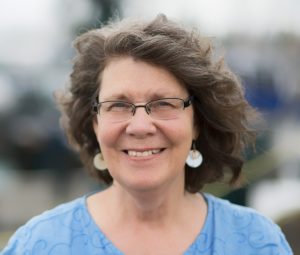
Janet Oakley is one of those authors who seems to show up everywhere – all at once! She’s won multiple awards and rightly so. Her novels and short stories are compelling, rich, and historically precise. She is a generous author and committed to her work. She knows what it takes to succeed in this business.
Ladies and gentlemen, I give you multi-award winning author, Janet Oakley.
Chanticleer: Tell us a little about yourself: How did you startwriting?
Oakley: I was born in D.C. and grew up Pittsburgh. It was a creative house with my mother a pianist, my dad a physicist. There was no TV in the house, so we pretty much used our imaginations. My parents both loved books and read to my brothers and I every night. The original Carnegie Library in downtown Pittsburgh was my haunt.
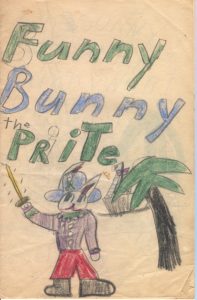
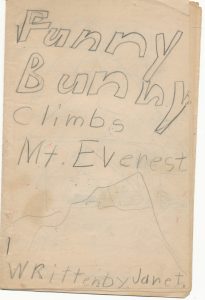
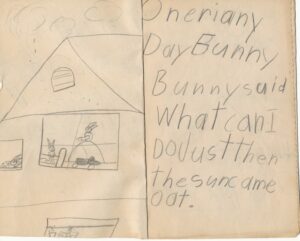
Like many published authors, I started writing early—in second grade. My oeuvre was a series, illustrated by myself, called Funny Bunny.
In fifth grade, I wrote my first historical fiction, with questionable historical facts. In college when I majored in history, my writing became more serious as I learned to do research and write essays and articles. In my sophomore year, I got an internship at the Smithsonian Institute. I was given an office in the annex of the Library of Congress and spent a whole quarter going through early 19th century magazines and newspapers looking for images of Native Americans. I returned to D.C. my senior year to research my thesis on the Comanche Indians as Prisoners of War and after graduation, I was awarded a stipend to work in the Smithsonian’s Anthropology Archives. I worked there until I left for Hawaii the following year. This experience of doing research and writing in my early years led to writing my first novel, The Jossing Affair. I haven’t looked back.
Chanticleer: That’s quite a rich growing up there, Janet. When did you realize you that you were an author and not only a historian?
Oakley: I spent nearly ten years pitching and query Jøssing and the other novels I was developing with little success but it wasn’t until I took a writing intensive class in 1999 at UW that I found a different way to publish and expressed myself– the personal essay. Though not one of my assignments at UW, the first thing I ever had published, other than some letters to the editor at my local newspaper, was an essay in Rugby Magazine, entitled, “On Being Rugby Mom.” I had started the essay on lunch break at UW. That success led to sending in essays to the Cup of Comfort series (part of the Writer’s Digest publishing house) I had five essays published in anthologies with titles like A Cup of Comfort for Women, A Cup of Comfort for Mothers and Sons and others. In 2006, I won first place at Surrey International Writers for my essay, “Drywall in the Time of Grief.” I realized then that I could write material acceptable for publication and get edited by a great editor. (We’re still friends) Then I could say I was an author. When indie publishing came into being, I was ready to publish my novels.
Chanticleer What genre best describes your work?
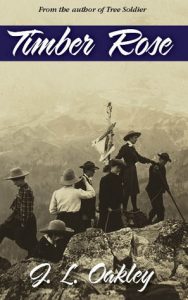
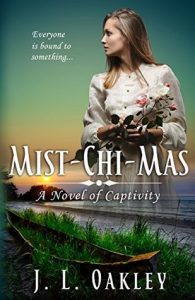
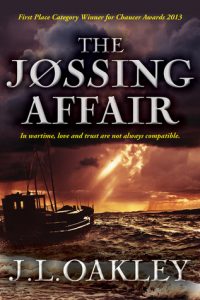
Oakley: Historical fiction, for sure. I love history and those little known, often forgotten events in both local and international history. Like Hawaiians in the Pacific Northwest in the 19th century (Oakley’s novel Mist-Chi-Mas: A Novel of Captivity is a timeless and important story that addresses what life was like for Pacific Islanders in the PNW). Women climbing mountains in skirts in 1907 (Timber Rose is Oakley’s novel about the first women’s hiking club). These historical tidbits have become the background for several of my historical novels. Historical fiction, however, has many aspects to it and can fit into thrillers and mysteries. My WWII novel, The Jøssing Affair, has been called a historical thriller and for the past three years, I have been writing mysteries set in Hawaii—a place I love—with some history in them. The Jøssing Affair was awarded the Goethe Book Awards Grand Prize for Historical Fiction, a division of the Chanticleer Int’l Book Awards.
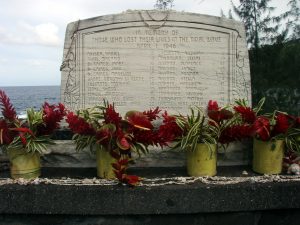
Coconut Island for one. Its historical background rests on the 1946 April Fools Day tsunami that wiped out Hilo. I got an inkling of its destruction and loss of life while teaching at Hilo Adult School—one of my students, a 4th-grade teacher, was a survivor. It wasn’t until I researched the tsunami for Coconut Island, did I learn its full impact: 96 people lost, homes and businesses destroyed. The tsunami arrived from the Aleutian Islands in under 5 hours. History has its own compelling storyline which I love to set my characters in and see how they do. Even in a mystery. I can’t seem to get history out of anything I write!
Chanticleer: So even your mysteries have a strong vein of historical running through them. Can you tell us a little more about that?
Oakley: Curiosity and family stories of homesteading in Kansas, Indian Territory and the NW in the late 1800s got me hooked on history. I grew up on stories of one great-grandfather who was a Union surgeon at the Battle of Gettysburg, another great-grandfather in the 1870s Hayden expedition to Yellowstone. My great-grandmother saw Lincoln on his way to his inauguration, then later went out to Kansas where her parents taught at Shawnee Mission. I’ve always wondered about people who lived in different times. What type of technology did they have available? How did they manage with their technology? What their lives were like without our modern conveniences. What made them succeed, be happy in life? My mom also influenced me as she loved history and love historical fiction herself.
Chanticleer: How does being an author affect your involvement in your community?
Oakley: Writing historical fiction has opened opportunities to talk about the history behind my novels. The Jøssing Affair, set in Norway during WWII, has been a popular book club choice as we have a large community of Scandinavians in the state, but I think my first published novel, Tree Soldier, has a more important impact.
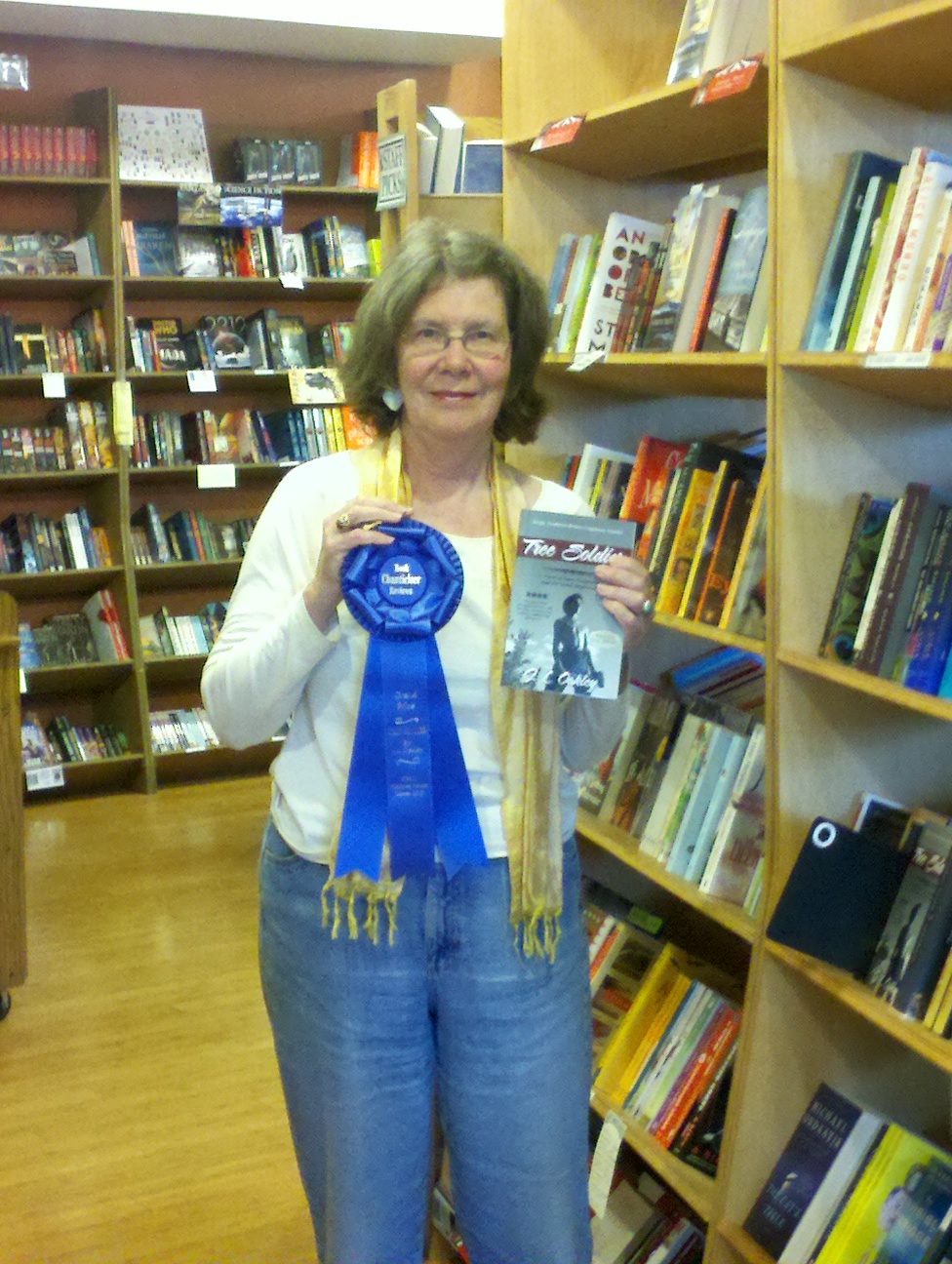
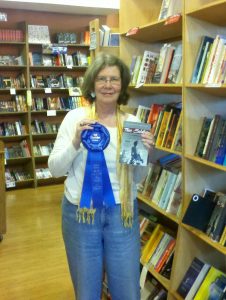
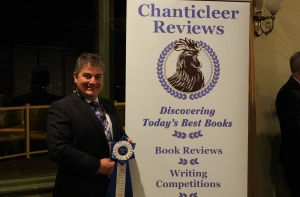
Janet Oakley at Village Books with her Chanticleer Grand Prize Ribbon
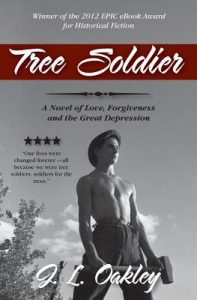
I grew up listening to my mother’s stories of the Civilian Conservation Corps boys from New Jersey who showed up at Lowman, ID in 1933. Part of the New Deal was to put young men back to work in environmental projects, these young men had been lifted out of their block in Jersey City and sent West. Tree Soldiercame as a result of my need for a history paper for my Master’s in Elementary Education. I interviewed five gentlemen who had been in the CCC. I began to present talks on the CCC and in 2013 was accepted into the Washington Humanities program. For two years, I went around Washington State talking about the CCC in Washington State (1933-1941) each time before I went to a new community, I researched the camps in their area and added the findings to my talk. Then Tree Soldierwas awarded the Chanticleer Grand Prize for Best Book. A presentation in Clarkston, WA led to an invitation to have Tree Soldier be selected as an Everybody Read for the Palouse area in both Washington and Idaho. What an honor! And a learning experience on how to present and engage with readers in the libraries. Not much later, Tree Soldier was again a book read for four libraries on the Olympic Peninsula.
I think the thing I am most proud of is being behind the installation of a CCC worker statue at Glacier Washington ranger station. As an educator, for me, this statue from a national CCC program, helps visitors to the Mount Baker National Forest learn and appreciate the work of out-of-work boys from long ago. When we dedicated the statue on June 16th, a 98-year-old CCC boy from Camp Glacier came. It was so wonderful to see the attention he received. Since then a 96-year-old CCC boy has contacted me through his granddaughter. I hope to meet him soon.
Chanticleer: Good work, Janet! What are you working on now? What can we look forward to seeing next from you?
Oakley: I’m working on the sequel to The Jøssing Affair, set in Norway a year after WWII. Rewriting my Kindle World mystery novellas and publishing them as Hilo Bay Mysteries. Once the third book is complete, I plan to do a boxset both in ebook and paperback.
Chanticleer: Can’t wait to see where this book takes you. It’s important to work on your craft. What do you do to grow your author chops?
Oakley: I write every day, usually in the morning starting at 8:00 AM. I belong to several writers groups, including a critique (going for 16 years now) and I am a member of the Independent Writers Studio where I work on WIPs with a wonderful editor and other members.
Chanticleer: That seems to be more than a simple commitment – it’s a way of life! Good for you. What craft books have helped you the most?
Oakley: Better than craft books, I have been taking classes from the authors and well-writing teachers such as Donald Maas on and off for over 25 years, Diana Gabaldon, Robert Dugoni and many other fine writers and teachers. Usually at conferences.
Chanticleer: What is the most important thing a reader can do for an author?
Oakley: Write a review on Amazon. It carries more weight than any other review site. Books need reviews in this crowded publishing world.
Chanticleer: Good point. What do you do when you’re not writing? Tells us a little about your hobbies.
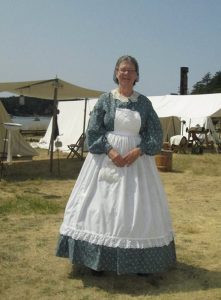
Oakley: For the past 35 years, I have researched and then taught hands-on history workshops to at schools children through Allied Arts and on my own and at a county museum. I wrote several social studies curriculum for Whatcom County schools and a national park. Following the publication of the curriculum for the San Juan Island National Historical Park in 1995, I began to give demonstrations on 19th-century foodways there. Soon I joined English Encampment, an annual gathering of reenactors at the national park as Miss Libby, an 1860 schoolmarm. Great fun! I also garden. Like words, the flowers and veggies need nurturing.
Chanticleer: Thank you for being with us, Janet Oakley. You are an inspiration and your passion is contagious!
Now, it’s your turn to show your support! Please find and follow Janet as she shares her writing, life, and insight into living a successful author-life.
If you would like to read Oakley’s books, here is a list of her titles can be found at Village Books, Barnes & Nobles, or by clicking on the Amazon links below:
One day when Jessica was driving during the holidays she heard a show on NPR discussing how Americans play virtual reality games. It was reported that almost 70% of our fellow citizens play every day.
We were both shocked by the number.
United States Census Bureau (great source of information) states that as of July 1, 2018 the population estimate is 327,167,434 people. So according to the NPR report, the amount of the US population that play “video games” daily would be approximately 229 million people (who are gaming and not reading, by the way).
Now back to Jessica…
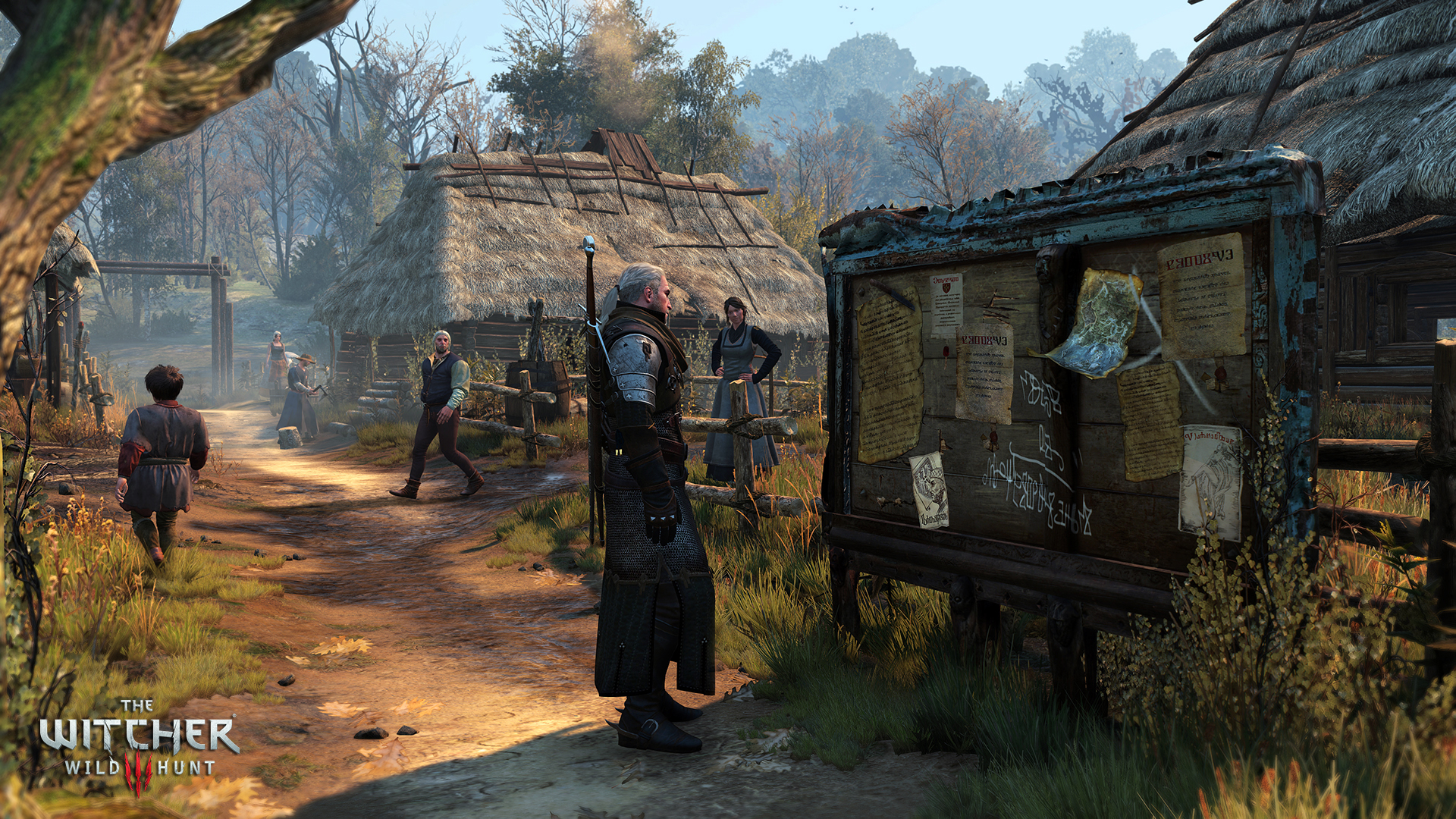
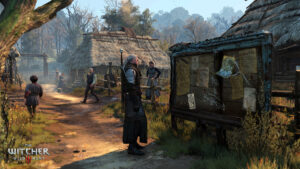
The people calling into the show to join the discussion were game developers, writers, and gamers. And the term ‘immersive’ kept coming up in the conversation, as in players felt like they were living amid the game universe that they were gaming in. One could experience Mars (Doom), The Old West (Red Dead Redemption). A World War II battlefield (Call of Duty), Sword & Sorcery (Witcher), automobile racing (Forza Horizon), Ancient Nordic/ Norse Times (Hellblade: Senua’s Sacrifice), and other imaginary worlds.
Witcher
In a distracting world, your stories need to feel similarly immersive. Your story settings must be nuanced, intricate, and alive with significant details, intriguing characters, and most of all, trouble. Bad trouble. Soul-sucking problems that need solving. In fact, a large portion of games is about survival, the rawer and scarier the better.
Think about it: millions of people are spending millions of hours in other permeable realities.
Readers also want to feel as if they’re part of a world as if they’re navigating layers of complexity as they interact via viewpoint characters.
So we thought it would advantageous to do a little research about how game developers create the “immersive experience.” This article, of course, just scratches the surface, but it is a starting point.
Point of View Guidelines Apply to Video Games Also and Help to Create What is Known as “Gameplay.”
According to Altug Isigan’s classic article Three Types of Point-of-View in Video Games, there are: (Isigan goes into more detail in his post. We will have a link to it at the end of these excerpts.)
Perceptual Point of View (what our mind’s eye sees, thinks, hears, and desires equates to feeling) = First Person
“The efforts of the designer and artist (think – you the writer) in the visual constrution of this rendering must achieve that we think of this image as if it were the moment-to-moment perceptions of a perceiver. This is in particular important if the designers and artists (writers) want us to assume this perceptual construct as our own view.”
Ideological Point of View (World or Ideological View)
“The second definition of POV takes seeing rather in the metaphorical sense and implies not only a view, but a worldview.Hence the term ideological. Here, a second lense is applied to the lense that sees: thoughts, beliefs, and feelings. What we call point-of-view has gained another dimension and is no longer only the perceived sense-data… Not only are we presented a view of, but also a view on the event that is presented. It’s not only perception anymore, but also cognition; not mere sight, but vision.”
Point-of-View of Interest (when our actual interests conflict with what we believe our interests are or should be).
“In other words, we may not be aware of our actual interests, or blinded by our beliefs to a degree at which we can’t perceive them thorougly. Interest, is therefore not about perception or ideology, but rather about an awareness in regard to the consequences of events.”
“This can create interesting situations. For example a character may be aware of the negative consequences of a particular choice, but he may still chose to face that consequence due to his beliefs (ideology) as is the case in situations that involve sacrifice. Or sometimes a character may find himself in a dilemma: He may not be able to decide whether to follow his belief or his interests.”
His conclusion states, “…An interesting point to consider here is that what we usually call “the gameplay” has a lot to do with these intertwinings of different POV-types. It could be a good idea to make use of these concepts in order to refine our notion of gameplay, and also realize how close it is related to storytelling methods. I believe that an awareness of the existence of various POV-types can only improve a narrative designer’s ability to create compelling and immersive gameplay experiences.” (Altug Isigan)
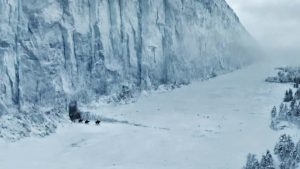
The Wall – Game of Thrones from George RR Martin’s A Song of Ice and Fire
So how do you coax readers to have similar experiences?
By placing theminthe action,with a stake in shaping outcomes. By creating circumstances that require decision-making and problem-solving as characters tackle moral dilemmas and a stacked deck. By setting up difficult-to-obtain outcomes. By tossing in bad luck, screw-ups, and sometimes poor judgment. By making the outcome really matter to characters we come to understand and care about.
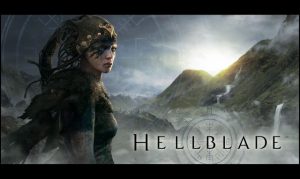
Hellblade: Senua’s Sacrifice
This means writers build a fictional world detail by detail, from a complex social matrix to a government and history. Harry Potter’s wizarding world is a good example as is George R. R. Martin’s The Known World from his A Song of Ice and Fire series.
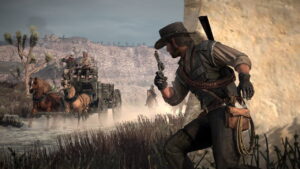
Red Dead Redemption
Maybe your story world is a ravaged, lawless hellhole. Intriguing concept, but readers need to understand how the lawlessness came about. This means you’ll be establishing the ‘rules’ for your universe. And keep the pressure coming by creating a breathing, weather-plagued, climate-influenced place. Well, I guess that weather could be balmy and calm, but what’s the fun in that?
Keep writing, keep dreaming, have heart. – Jessica
Chanticleer Editorial Services Writer’s Toolbox Series
Jessica is focusing on immersive writing throughout this year, so keep checking back here for more information and writing tips and tools for your writer’s toolbox and consider registering for her Master Class at CAC19 and Summer Workshops with Chanticleer.
Jessica Morrellis a top-tier developmental editor and a contributor to Writer’s Digest magazine, and she teaches Master Writing Craft Classes at the Chanticleer Authors Conference that is held annually along with teaching at Chanticleer writing workshops.
Jessica understands both sides of the editorial desk–as a highly-sought after content development editor and an author. Her work also appears in multiple anthologies and The Writer and Writer’s Digest magazines. She is known for explaining the hows and whys of what makes for excellent writing and for sharing very clear examples that examines the technical aspects of writing that emphases layering and subtext. Her books on writing craft are considered “a must have” for any serious writer’s toolkit. For links for her writing craft books, please click on here.
Chanticleer Reviews andOnWord Talkswill interview Jessica for more of her writing tips and advice. Stay tuned! ~ Chanticleer (who hails from Chaucer’sCanterbury Tales).
Please contact Sharon or Kiffer if you would like more information about Chanticleer’s Editorial Services at KBrown@ChantiReviews.com or SAnderson@ChantiReviews.com.
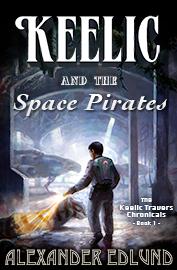
Alexander Edlund’s Keelic and the Space Pirates is a classic coming-of-age in an anything-but-classic environment. Eleven-year-old Keelic Travers wants what most young boys want, adventure and friendship, and he hopes to find both in his new home in Ermol, an “unspoiled oasis.”
Having left his best friend and the overpopulated world-city on Pesfor, Keelic initially finds excitement in the mostly rural world where his family has been sent to work. His award-winning exobiologist father shows Keelic how to properly explore and even allows him to explore on his own, but Keelic’s joy evaporates when he begins attending his new school, where he is constantly bullied. His only refuge is his advanced mathematics classroom, where he is the only student with an instructor who actually listens to him.
He believes he’ll never find a friend until he meets an alien left at his school by military officers. Thotti, a sentient creature who communicates non-verbally with colors and images, becomes Keelic’s constant companion when Keelic’s mother brings the creature home with them. He and Thotti discover a secret hidden deep in the Ermolian forest, a secret which could end up saving the lives of the entire planet.
Keelic is far from perfect. Though extremely smart, his adventurous, impish nature proves his strength and his downfall. Whether collecting specimens for his father or battling imaginary spaceships with Thotti, Keelic loves anything that forces him to use his wits, but at the same time, he’s still the fragile new kid who just wants to be accepted, or better yet, left alone.
This spunky fighter has a heart of gold and begins to question very grown-up concepts like self-awareness and free-will before the novel’s end. Dreaming of a war that occurred over two hundred years ago, Keelic sees only the glory of being a war hero until he must face real death at the arrival of the space pirates. This dynamic protagonist learns that life isn’t a game, and defending yourself often means less than defending others. His emotional growth isn’t linear; he often spins in moral circles, much like the real world.
Hardcore space opera fans of all ages will appreciate how seamlessly the author integrates the technical jargon of the novel. Readers will be fully immersed in a world three-hundred-years in the future, where humans are only one species of many, and small details create a believable environment that is such an intricate part of excellent science fiction.
Please click here to enjoy Keelic and the Space Pirates book trailer.
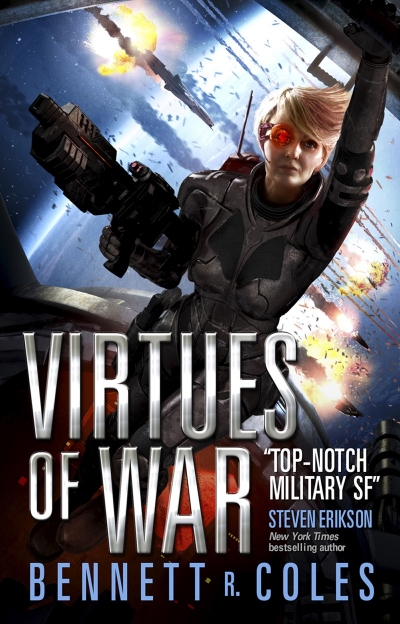
Bennett R. Coles CYGNUS Grand Prize for VIRTUES of WAR
#justsaying We call ’emlike we see ’em! – Kiffer
The CYGNUS Book Awards, a division of the Chanticleer International Book Awards, is looking for the best books featuring space, time travel, life on other planets, parallel universes, alternate reality, and all the science, technology, major social or environmental changes of the future that author imaginations can dream up. Hard Science Fiction, Soft Science Fiction, Apocalyptic Fiction, Cyberpunk, Time Travel, Genetic Modification, Aliens, Super Humans, Interplanetary Travel, and Settlers on the Galactic Frontier, Dystopian, we will put them to the test and choose the best among them.
AND we have found some great reads!
More CYGNUS Book Awards Grand Prize Winners with links!
We will announce the CYGNUS First Place Category Winners and the CYGNUS Grand Prize Winner on Saturday, April 27th, 2019 at the Chanticleer International Book Awards Ceremony and Banquet that will be held at the Hotel Bellwether.
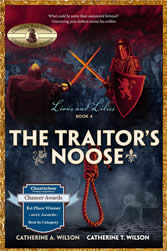
Fans of this widely admired and masterfully written series, Lions and Lilies, will not be disappointed with its concluding, volume, The Traitor’s Noose. The impressive scholarship, riveting dramatic scenes, and sweet romances that characterized the previous books are on full display here as well. The co-authors note, “…this is not a historic account but a ‘medieval adventure with a dash of romance, using history as its background. We have tried at all times to remain faithful and accurate to that history, but it is a fictional story.” Nonetheless, the reader need only review the lengthy bibliography included to gain a sense of the breadth of work the authors undertook to put this magnificent story on the page.
Set mainly in England and France during the 14th century, the main characters are Lady Cecile de Bellegarde, Catherine Marshall, and their husbands. Catherine and Cecile, twin sisters separated at birth, have forged a bond that no person or event can break. While they live in different nations, Catherine in England and Cecile in France, their lives have many parallels. They are both married to courageous but unjustly maligned knights. Simon Marshall and Gillet de Bellegarde love their wives deeply, seek to protect them at all costs, and avenge any harm or cruelty done to them. That does not mean that they will readily divulge their fears to their spouses or recount the horrifying episodes they have survived, however.
Catherine is aware that Simon is under suspicion for murder, she knows her husband’s melancholy and reserve are caused by deeper worries. While Gillet experiences traumas on and off the battlefields from his involvement in the campaign to reclaim Brignais and rid France of routiers (mercenary soldiers.)
The husbands have their secrets and the sisters will share their marital woes with one another via a correspondence that beautifully dovetails the major events taking place in England and France. When finally apprised of what their husbands have been facing – blackmail, extortion, incarceration, and torture – they not only stand by their spouses but play key roles in extricating them from the darkest of situations. Amongst royals and routiers, there is no end of conniving, jealousy, brutality, and treason. One must understand the game to outplay enemies, and the sisters will do whatever is necessary to have their husbands by their sides. But who is the true traitor and whose neck should be lassoed with the noose? The authors weave a rich and intricate plot, every strand shimmering with suspense and romance.
Along the way, readers will delight in the details provided of everyday medieval life. The authors’ attention to dress, food, architecture, and language bring the late Middle Ages alive as the main characters experience opulence during the heralded era of knighthood and chivalry. (Oh, to be attired in an exquisitely embroidered gown, hair held in place by a headdress and veil! Or to be lifting a goblet of wine at a sumptuous feast held in lavish quarters in Windsor Castle or Orthez Castle!)
The darker side of medieval life is also examined, however; details of incarceration and of torture via racks and pins in fingers will likely send shivers down readers’ spines. A fascinating section of the book deals with apothecary science, the wonders, and horrors that can be wrought with oils and herbs. Anyone with a love for all things medieval must read this book and, indeed, the entire series.
While the ending of the novel is most satisfying, it’s also bittersweet. It’s hard to say good-bye to these captivating characters and close the book on the 14th century. How wonderful, then, to turn the page and discover that the authors have provided a sneak peek of the first volume in their second series! Stay tuned for Roar of the Lion. The adventure continues!
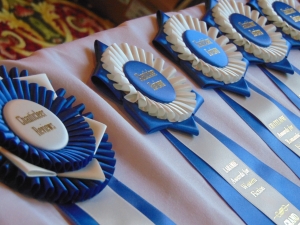
The PARANORMAL Book Awards recognize emerging talent and outstanding works in the genre of Paranormal and Supernatural Fiction. The Paranormal Book Awards is a genre division of the Chanticleer International Book Awards (The #CIBAs).
Chanticleer International Book Awards is looking for the best books featuring magic, the supernatural , weird otherworldly stories, superhumans (ex.Jessica Jones, Wonder Woman) , magical beings & supernatural entities (ex.Harry Potter), vampires & werewolves (ex. Twilight), angels & demons, fairies & mythological beings, magical systems and elements. We will put them to the test and discover the best among them for the 2019 Paranormal Book Awards!
These titles are in the running for the SEMI-FINALIST positions of the 2018 PARANORMAL Book Awards novel competition for Paranormal and Supernatural Fiction. SHORTLISTERS please click here to access the digital badge and for information about book stickers.
The Official 2018 PARANORMAL Book Awards SHORTLIST List!
Congratulations to:
Christine Grabowski –Dickensen Academy
T. L. Augury –Witches Brew
Vince Bailey –Path of the Half Moon
K.A. Banks –Anthesteria
A. P. Caruso –Open Clarity
Gina Detwiler –Forsaken
Lydia Staggs –Zera
Jeny Heckman –The Sea Archer
Nick Korolev –The 13th Child
Franklin Posner –Suburban Vampire Ragnarok
Linda Watkins –Storm Island: A Kate Pomeroy Mystery
Elaine Williams Crockett –Do Not Ask
M. Goldsmith and A. Malin –The House of Fire
London Clarke –The Meadows
Joy Ross Davis –Peaches and Lace
Joy Ross Davis –Countenance
C.A. Larmer –Do Not Go Alone(A Posthumous Mystery 2)
Anne Francis Scott – Lost Souls
Gurpreet Kaur Sidhu –Storm: It’s a curse to remember
Claudia Herring –Obsessions of a Djinni
C.A. Larmer –Do Not Go Gentle
Joy Ross Davis –The Madwoman of Preacher’s Cove
D.B. Sieders –Raising the Dead
Olivia Bernard –The Balance and the Blade
Elizabeth Crowens –Dear Mr. Hitchcock
Andrea Murray –Something New
Information about the #CIBAs Long Lists and Short Lists and Announcement Rounds.
These titles have moved forward in the judging rounds from SLUSH pile to the 2018 Long List (aka the Slush Pile Survivors) to the Shortlist. We incorporate the Long List when the judges request an additional round of judging to accommodate the number and/or quality of entries received. These entries are now Shortlisted and are in competition for the 2018 PARANORMAL SemiFinalist positions. The Semi-Finalists positions will compete for the coveted First Place Category Winners of the 2018 PARANORMAL Book Awards.
All Shortlisters and SemiFinalists will be acknowledged at CAC19.
The First Place Category winners will automatically be entered into the PARANORMAL GRAND PRIZE AWARD competition. The 16 CBR Grand Prize Genre Winners will compete for the CBR Overall Grand Prize for Best Book and its $1,000 purse. First Place Category and Grand Prize Awards will be announced and recognized at the Chanticleer Awards Banquet and Ceremony on Saturday, April 27th, 2019, Bellingham, Washington.
A dark, medieval fantasy with a hopeful message from debut author, S. J. Hartland will draw attention for its atmospheric settings, evil twists, and righteous triumphs.
Lord Vraymorg is a seemingly ageless warrior whose duty is to train young bladesmen for their heavy task. These specially selected assassins, called bonded warriors, have the onerous responsibility of killing ghouls – and only ghouls – and always running the risk of being attacked. Being attacked by ghouls means certain death. And dying by ghoul is something everyone naturally wants to avoid. But something is different with Kaell, Vraymorg’s latest charge. In fact, the 19th bladesman carries a special destiny, one directed by the gods. Kaell is bright, defiant, and, though Vraymorg cannot bear to think of it, lovable, like a son. This fatherly love is the crux of the warrior lord’s struggle. How can he put this young man into harm’s way? For it is a death sentence to be trained as a warrior and pick up arms against the ghouls. Vraymorg doesn’t have it easy, and we get it.
Told from multiple points of view, Hartland’s story offers strong, masculine heroes like Kaell and Vraymorg, and intriguing feminine heroes like Rozenn, whose passion is matched by her infinite knowledge of Vraymorg’s past, and Azenor, a seer bound to Kaell in death. Even Archanin, the eerie, bloodthirsty leader of the ghouls, has his say, as he urges his band to spare Kaell’s life so that he can become one of them, a fate, perhaps, worse than death. When word comes that Kaell has died, leaving only his sword, Rozenn tells Vraymorg that the sword is a mysterious instrument with magical powers, powers that may save the lost boy, if wielded by someone who cares more for him than anyone else.
This is Hartland’s debut novel. It is a prodigious undertaking, notable for its length (more than 600 pages), and is worth the time spent, as it becomes an experience, a journey into an ancient, fabled world that beckons with echoes of Lord of the Rings and Game of Thrones. Journalist Hartland has fleshed out each of the many characters and given them their place in this complex saga – and, one imagines, in the broadening tale to come, since we are told she has a sequel in the works. She has a gift for prose, proven on nearly every page.
At its heart, The 19th Bladesman examines the love of a father for an adoptive student/son he refuses to allow himself to care about, suspecting that the young man’s fate will be tragic and that his demise will come at his teacher’s hand. The mystery of Vraymorg’s relationship with Kaell and of Kaell’s indomitable will to please his mentor are the twin forces that buoy Hartland’s grandly conceived work and keep the constantly burgeoning plot afloat.
Mr. Martin Swanholm, Software Development, Hindenburg Systems, Denmark.
Martin is a Digital Audio Editing Expert who is an experienced information architect and software developer with a background in physics and computer science.
Martin first started working with digital audio editing 25 years ago and has been passionate about the field ever since.
During the past 12 years, Martin has worked with all aspects of IT and the software life cycle such as architecture, development, maintenance, documentation, test, training and support and is a key developer of Hindenburg Systems software development for podcasts and audiobooks.
Martin, together with Chris Mottes, will teach the Hindenburg Systems workshops on audiobook development and podcast creation. They both will be available for questions regarding the Hindenburg Systems at 2019 Chanticleer Authors Conference.