M&M BOOK AWARDS for Mystery & Mayhem Fiction, a division of the Chanticleer International Book Awards (CIBAs)
We are excited and honored to officially announce the Grand Prize Winner and the First Place Category Winners for the 2018 M&M Book Awards at the annual Chanticleer Authors Conference and the 2018 Chanticleer International Book Awards ceremony. This year’s ceremony and banquet were held on Saturday, April 27th, 2019 at the Hotel Bellwether by beautiful Bellingham Bay, Wash.
We want to thank all of those who entered and participated in the 2018 M&M Book Awards for Mystery & Mayhem Fiction, a division of the Chanticleer International Book Awards.
Lawrence Verigin, the author of the Dark Seed thriller series and winner of CLUE and Global Thriller awards (CIBA), announced the First Place Award Winners and the Grand Prize Winner for the 2018 M&M Book Awards at the Chanticleer International Book Awards Banquet and Ceremony.PublishDriveandHindenburg Systemsawarded additional prizes to the 2018 M&M Book Award winners. Thank you!
2018 M&M Book Awards for Mystery and Mayhem Fiction First in Category Winners
Bert Mintenko and the Minor Misdemeanors by B.L. Smith
Fiction Can Be Murder by Becky Clark
A Promise Given by Michelle Cox
Campari Crimson by Traci Andrighetti
Evil Under The Stars: The Agatha Christie Book Club 3 by C.A. Larmer
Hair Brained by Nancy J. Cohen
Blood on a Blue Moon: A Sheaffer Blue Mystery by Jessica H. Stone / Stone Winkler
Moriarty Takes His Medicine by Anna Castle
Congratulations to the First Place Category Winners of the 2018 M&M Book Awards!
And now for the M&M BOOK AWARDS GRAND PRIZE WINNER for Mystery & Mayhem Fiction
A PROMISE GIVEN by Michelle Cox took home the M&M Book Awards for Mystery & Mayhem Grand Prize Ribbon
An email will go out to all First Place Category Winners and Grand Prize Winners with more information, the timing of awarded reviews, links to digital badges, and more before May 31st, 2019 (approximately four weeks after the awards ceremony). Please look for it in your email inbox.
When we receive the digital photographs from the Official CAC19 professional photographer, Dwayne Rogge of Photo Treehouse, we will post the M&M award winners on this page.
The JOURNEY BOOK AWARDS for Narrative Non-Fiction, a division of the Chanticleer International Book Awards.
We are excited and honored to officially announce the Grand Prize Winner and the First Place Category Winners for the 2018 JOURNEY Book Awards for Narrative Non-fiction at the annual Chanticleer Authors Conference and the 2018 Chanticleer International Book Awards ceremony. This year’s ceremony and banquet were held on Saturday, April 27th, 2019 at the Hotel Bellwether by beautiful Bellingham Bay, Wash.
We want to thank all of those who entered and participated in the 2018 Journey Book Awards.
Susan Marie Conrad, the author of the previous Journey Grand Prize Winner,INSIDE: One Woman’s Journey Through the Inside Passage, announced the First Place Award Winners and the Grand Prize Winner for the 2018 JOURNEY Book Awards at the Chanticleer International Book Awards Banquet and ceremony.
2018 Journey Book Awards for Narrative Nonfiction First in Category Winners
A Quest for Tears: Overcoming a Traumatic Brain Injury by Sean Dwyer
From Liberty to Magnolia: In Search of the American Dream by Janice S. Ellis
SoulStroller: experiencing the weight, whispers, & wings of the world by Kayce Stevens Hughlett
No Tougher Duty, No Greater Honor – a memoir of a Mortuary Affairs Marine by GySgt L. Christian Bussler
Goodbye to Main Street by Dennis M. Clausen
HENRY: A Polish Swimmer’s True Story of Friendship from Auschwitz to America by Katrina Shawver
The Day the Musick Died by Cheryl Hughes Musick
Honorable Mention: The Loose Ends Become Knotsby Austin M. Hopkins
Congratulations to the First Place Category Winners of the 2018 Journey Book Awards for Narrative Non-Fiction
And now for the JOURNEY Book Awards Grand Prize Winner
From Liberty to Magnolia: In Search of the American Dream by Janice S. Ellis took home the 2018 JOURNEY Book Awards for Narrative Non-Fiction Grand Prize Ribbon!
An email will go out to all First Place Category Winners and Grand Prize Winners with more information, the timing of awarded reviews, links to digital badges, and more before May 31st, 2019 (approximately four weeks after the awards ceremony). Please look for it in your email inbox.
When we receive the digital photographs from the Official CAC19 professional photographer, Dwayne Rogge of Photo Treehouse, we will post the photographs of the JOURNEY winners on this page.
CYGNUS BOOK AWARDS for Science Fiction, a division of the Chanticleer International Book Awards.
We are excited and honored to officially announce the Grand Prize Winner and the First Place Category Winners for the 2018 CYGNUS Book Awards for Science Fiction Novels at the annual Chanticleer Authors Conference and the 2018 Chanticleer International Book Awards ceremony. This year’s ceremony and banquet were held on Saturday, April 27th, 2019 at the Hotel Bellwether by beautiful Bellingham Bay, Wash.
We want to thank all of those who entered and participated in the 2018 Cygnus Book Awards for Science Fiction, a division of the Chanticleer International Book Awards.
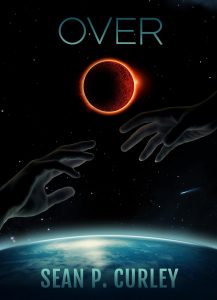
Sean Curley, the author of the previous Cygnus Grand Prize Winner, OVER, announced the First Place Award Winners and the Grand Prize Winner for the 2018 CYGNUS Book Awards at the Chanticleer International Book Awards Banquet and Ceremony. PublishDrive and Hindenburg Systems awarded additional prizes to the 2018 CYGNUS Book Award winners. Thank you!
2018 Cygnus Book Awards for Science Fiction First Place Winners – Best in Category
The Fortune Follies by Catori Sarmiento
It Takes Death to Reach a Star by Stu Jones & Gareth Worthington
Solar Reboot by Matthew D. Hunt
Apex Five by Sarah Katz
The One Apart: A Novel by Justine Avery
The Selah Branch by Ted Neill
Honorable Mention: Ten Directionsby Samuel Winburn
Congratulations to the First Place Category Winners of the 2018 Cygnus Book Awards for Science Fiction.
And now for the
CYGNUS BOOK AWARDS
GRAND PRIZE WINNERfor Science Fiction
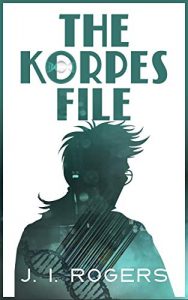
The Korpes File by J.I Rogers took home the 2018 CYGNUS Book Awards for Science Fiction Grand Prize Blue Ribbon.
An email will go out to all First Place Category Winners and Grand Prize Winners with more information, the timing of awarded reviews, links to digital badges, and more before May 31st, 2019 (approximately four weeks after the awards ceremony). Please look for it in your email inbox.
When we receive the digital photographs from the Official CAC19 professional photographer, Dwayne Rogge of Photo Treehouse, we will post the CYGNUS winners on this page.
The 2019 Chanticleer Authors Conference (CAC) and the Chanticleer International Book Awards (CIBAs) for 2018 wrapped up on Sunday, April 28th at five o’clock in the afternoon. Attendees and presenters began arriving on Wednesday, April 24th to participate in the Master Writing Craft workshops presented by the internationally bestselling author—Master of Suspense J.D. Barker and Top Senior Editor, Jessica Page Morrell.
This unique and progressive conference was jammed packed with sessions serious authors featured sessions and workshops on the business, marketing, and technologies of publishing and of being an author. CAC19 attendees were also offered advance writing craft sessions and workshops. Hollywood was also represented at #CAC19 with Scott Steindorff, the ‘Hollywood Bookman’ and Major A-list Film Producer – and president of Stone Village Productions shared with us in his sessions and interviews his knowledge about “What Hollywood Wants,” “How to Construct Big Ideas,” “How Storytelling is Changing,” and more.
2018 Chanticleer International Book Awards
The 2018 Chanticleer International Book Awards winners for sixteen divisions were announced on Saturday evening at the CIBA banquet and awards ceremony along with the 2018 Overall CIBA Grand Prize in conjunction with the annual Chanticleer Authors Conference. The ceremony was held at the ballroom of the luxurious Hotel Bellwether on the waterfront of Bellingham, Wash.
The CIBA celebration began at six o’clock in the evening with a cocktail party. Hindenburg Systems out of Denmark had a drawing for three excellent prizes that included a 2-year subscription to their state-of-the-art audiobook and podcast software systems, a one-year subscription, and a really cool Hindenburg computer/commuter bag during the cocktail party.
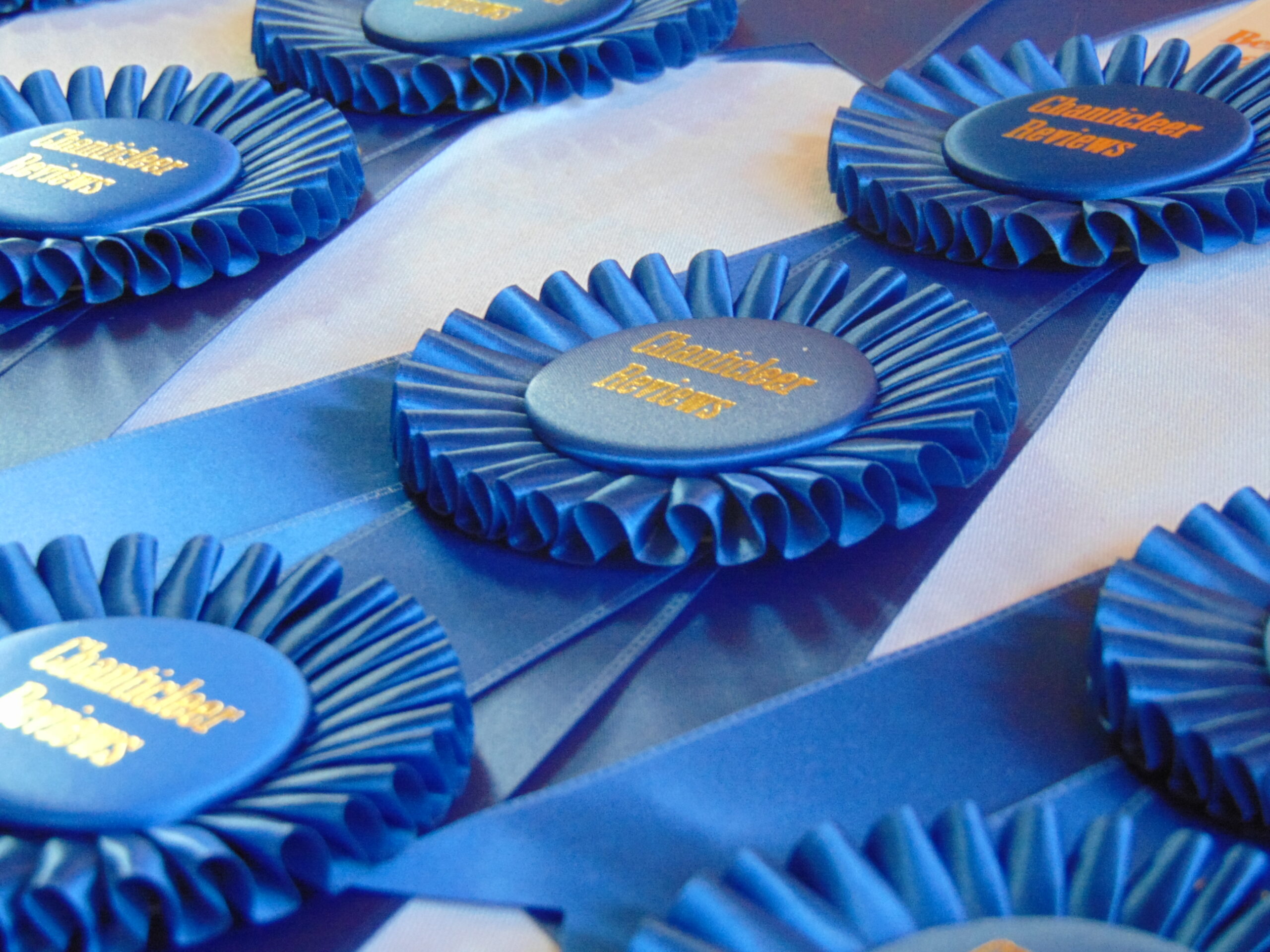
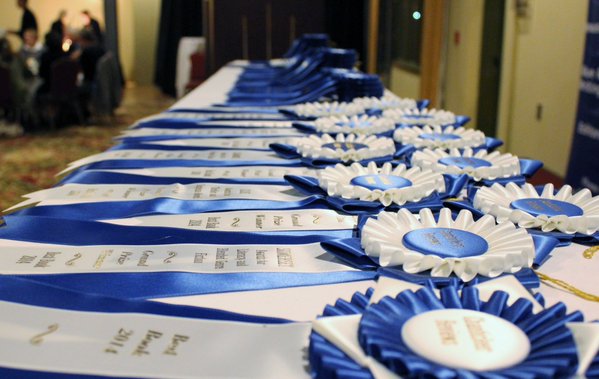
A coveted Chanticleer Blue Ribbon—You know you want one!
The Chanticleer International Book Awards Ceremony
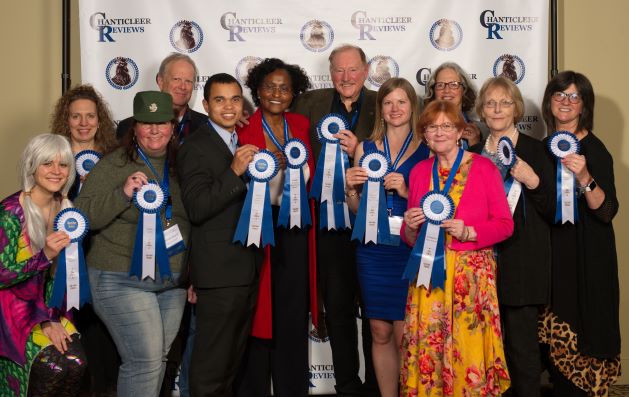
The CIBA Banquet and Ceremony began at seven-thirty in the evening with the banquet catered by the Hotel Bellwether and the Executive Chef Peter Birk. We began the CIBA announcements at eight o’clock with an explanation of the judging rounds and process. There were sixteen presenters who individually recognized all of the CIBA Semi-Finalists who were in attendance before announcing his or her division’s First Place Category winners for each of the sixteen divisions. PublishDrive and Hindenburg Systems presented each CIBA Blue Ribbon Award Winner with a prize certificate. After a short intermission, the awards presenters announced and recognized each divisions’ grand prize winners. Each one of the CIBA Grand Prize Award Winners was presented with a grand prize package from PublishDrive and Hindenburg Systems along with the coveted grand prize ribbons. The 2018 Chanticleer International Book Awards ceremony concluded with the announcement of the 2018 Overall Chanticleer Book Awards Grand Prize winner.
Professional photographer Dwayne Rogge of Bellingham based Photo Treehouse was available during the cocktail hour to take headshots and souvenir photos. He and his assistant also took photographs to record the award winners and division grand prize winners. These photos will be for digital download available by May 20, 2019. The link to the website for the complimentary digital photos will be emailed to all of the conference attendees. Printed photos will also be available for purchase on the website.
The CIBA winners will be revealed—please standby…
2018 CIBA Award Winners Announcements
We will begin creating the website posting that recognizes the First Place Award Winners and the Grand Prize Winners of the sixteen divisions of the 2018 Chanticleer International Book Awards starting today, April 29, 2019. We appreciate your patience with us as it takes time to double-check, create the links, recognize the winners and create the website posts. The CIBA website postings announcements will be in the order of the sixteen divisions’ submission deadlines starting with the Cygnus Book Awards for Science Fiction moving on to the last submission date for the Instruction & Insight Book Awards. We appreciate your patience as we move through the list.
Each of the 2018 CIBA divisions winners will be posted on the homepage of the Chanticleer website under WRITING CONTEST NEWS.
Please visit the Chanticleer Reviews’ website for more of our exciting updates and CIBA announcements! We will also post to our social media platforms:
SAVE the DATE: The next Chanticleer Authors Conference is scheduled for April 17 – 19, 2020 with Master Classes held on Thursday, April 16, 2020. We will announce the 2019 Chanticleer International Book Award Winners on April 18, 2020.
Beautiful and imaginative, Flowerantha is a magical tale of two young girls who fall through a portal into an unknown world. With the help of restless boy Mash and aspiring soldier Bushraal, Beverly and May Lynn must travel among rising tensions to make it home safe.
No visitors have traveled to Flowerantha since its last visitor turned corrupt and started a war ten years prior. Mash is a young tree dwelling boy who desires nothing more than to go to the strange land that the visitors come from. When Mash finds out there are visitors, he volunteers to help them get home with the intention of following them through the portal.
Getting Beverly and May Lynn home is not as simple as initially believed. Magic is weakening, and Bushraal, ready to prove his worth as a future soldier, sees Mash as a burdened addition to his quest. All must put their particular prejudices aside to keep Flowerantha off the brink of another war and to keep two innocent girls protected on their journey home.
Bek Castro is a skillful writer who excels at building a world that feels alive. Flowerantha is a world saturated with magic and is in everything from the flowers that cover the sprawling landscapes to the wishing abilities of its people. The success and beauty of this short novel come from its central theme that no matter if a family is small, big, or adopted, they are all still family. Loss of loved ones is also prevalent and is not simplified for the sake of young audiences.
Settle in a comfy car during a rainy spring day and learn all about the world of Flowerantha as the rain feeds the flowers outside.
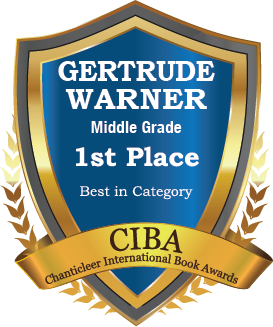
Floweranta won First Place in the 2017 CIBAs for Early Readers, the Gertrude Warner Awards.
Seventeen-year-old mathematical genius Willoughby has the weight of the world on his shoulders ─ literally. As part of a secret time travel organization known as Observations, Inc., Willoughby and his team, usually silent observers in their travels, are tasked with keeping the balance between control and chaos.
Yet after the murder of their friend and mentor H.S. a year ago, Willoughby and his team have sought answers to questions they don’t even know how to ask. Everyone on the team has suffered, and Willoughby can’t help but feel he could have done more to help H.S. and more to keep his team, namely his girlfriend and musical prodigy Sydney, safe.
Willoughby can “see” time code and take advantage of time junctions, he has a natural connection with time and can sometimes even track people throughout the time grid, a skill his nemesis, a man-like creature known as Beelzebub, takes credit for. Unfortunately for the Observations, Inc. crew, Beelzebub can also manipulate time but in a much more advanced way.
Hellbent on finding the Prime Hole Facility, a time hub created by Earth’s historians the otherworldly Atlanteans, Beelzebub wants to recreate history, restructure mankind’s past, and plunge the planet into chaos. He and his Dark Edge Brotherhood will stop at nothing, having already killed Willoughby’s boss and mentor since Willoughby is the key to unlocking a gateway of power, unleashing unlimited control over man. Before he can harness his full potential, he and his team will have to solve millennia old clues while searching for a lost ancient princess and steering clear of the Dark Edge, but very soon, both Willoughby and Sydney will learn the real cost of his power.
A prevailing idea within the novel is self-discovery. The characters often delve deep within themselves to find that hidden spark, that “push a little harder” mentality to solve the issues thrown at them by forces that want nothing more than to drown creativity, thus ridding the world of enlightenment and plunging it back into darkness. The characters have to stop fear’s subjugation and free themselves enough to look inside for the answers that are quietly waiting for daylight. Through that self-discovery comes growth but only when the characters stop looking to the world to define themselves (a lesson most people need). Only by genuinely finding the power within can Willoughby save humanity, but he can’t do that alone.
The bond between the characters is not only the key to survival in this high-stakes time game but is also a strength of the novel. Since Dark Edge Rising is the third in the Cryptic Spaces series, the Observations, Inc. team is firmly established; however, this pre-established bond will not keep the reader from enjoying the character interactions. Each team member has their own unique ability or place on the team in this something-for-everyone narrative. Despite their individualism, the characters’ friendship dominates. Repeatedly, the theme of unity saves the day and keeps the plot rolling steadily along. Each member brings something new to the story, and the alternating point of view keeps the story fresh and the reader engaged.
Cryptic Spaces, Book Three: Dark Edge Rising won First Place in the 2017 CIBAs in the Dante Rossetti Awards for Young Adult novels.
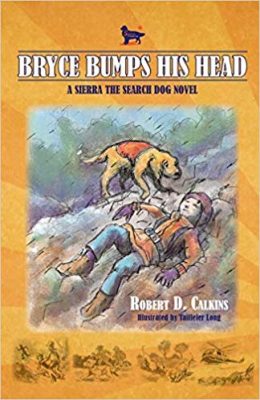
Bryce Bumps His Head: A Sierra the Search Dog Novel is a heartwarming chapter book perfect for the young reader who loves animals. Despite being the fourth book in the Sierra the Search Dog series so far, readers will not have any trouble jumping right in with this story of a dog’s not so typical day on the job.
Sierra and her handler, fifteen-year-old Bryce, are having a practice session when Rusty the Great Dane, and Sierra’s best friend, escapes his house and is set on playing with Sierra, but Sierra takes her job seriously and only plays with her friend once she finishes her job. The next day, a Girl Scout Troop is hiking on a rather cold and rainy day. Mrs. James almost cancels the hike but decides it would be a great opportunity to teach her girls how to stay safe in inclement weather. At the same time, Bryce is giving a rundown of the basics of Search and Rescue to David and his dog Harper.
After giving a successful survival lesson to her troops, Mrs. James is negligent in keeping track of the Girl Scouts on the hike back and notices two Scouts are missing and cannot be found anywhere. Bryce and Sierra are called in to help in the search, and Sierra catches onto the scent right away after diverging off the beaten path. The rescue mission then takes a dangerous turn and Sierra finds herself in a situation where she doesn’t only have to save a missing girl in the woods, but her own handler and companion. She must rely on her training from Bryce to save the day.
Robert D. Calkins delivers a charming story for middle-grade readers. The writing style is relatively simple while still being engaging and exceptionally educational, teaching many lessons on service animal etiquette, survival skills, following directions, and always trying your best in any situation. And while the author includes educational aspects to tell the story, readers will have to fill in details with their own imaginings of the characters’ surroundings, which is especially difficult if readers are not familiar with the Pacific Northwest. That being said, this shortcoming is rather minor as readers will be too busy caught up in the suspenseful tale of Sierra trying to save the day.
Set in the beautiful landscape of Green Mountain along the Suiatte River in Washington State, readers will be instantly enchanted by the courageous Sierra and her young handler Bryce, as she aids in the search for lost people in the wilderness.
We all, probably, know these writing tips, but if you are like me, I can always use a reminder to rid my writing of “spiderwebs,” “dust bunnies,” and the “clutter” that can gradually accumulate in my writing.
It is time to Spring Clean our writing habits with precise, fresh language. Jessica Morrell suggests searching for these culprits that can easily sneak into our writing.
Add this checklist to your Writer’s Toolbox.
Said exclamations:Today’s readers are sophisticated and understand when characters are talking and that at times the character’s voices and emotions change. The notion is the ‘he said, she said’ parts of fiction appear invisible. Readers understand that a character might sound shrillby the circumstances and dialogue spokenso you don’t need to proclaim,Mary Ellen shrieked shrilly. Never write Jason emoted, pleaded, bantered, snarked, smirked, blasted, bleated, peeped, groused. Now occasionally in the midst of a horror story, you might want to underline how terrified a character is, but consider dabbing these attributions in only for the most terrifying or surprising moments.
Clichés. Oh how, I hate thee. Eliminate all yourI took a deep breath. Ditto foreyes widened, out of the corner of my eye, jaw dropped, raven locks, and steely blue eyes. Then there is: Each and every, knife to my heart, piece of cake, fire in the belly, he/she took my breath away.And before you write about your characters staring into each other’s eyes, think about how often it happens in real life and how often it happens in your stories.
Mind matters, especially in the first person. You don’t need to report on how the character is reviewing things in his/her mind because this distances the reader and reminds her there is a narrator instead of the reader living amid the story world. So eliminate ‘mind raced‘ ‘thoughts raced‘ ‘mind’s eye‘ (a truly lame term), and ‘searching her mind.‘
I saw. If you’re writing in close first person you don’t need theI saworI looked part of the sentence. Example: I saw ahead of me three leprechauns frolicking merrily in the grass. Instead:Ahead three leprechauns frolicked merrily in the grass. Why? The reader wants to pretend that he or she is spotting the leprechauns along with the character. Also describing the leprechauns implies the narrator or character is seeing or observing. No need to state it.
Prepositional phrases. Prepositions are the carbohydrates of language. Of course, we need them for clarity but use with care. Instead of a book of poetry, use poetry book. Instead of a tower of flames, use towering flames.
So here’s the trick: Don’t always use the first word or phrase that pops into your head because you might be using rusty, old clichés. Or fix these dullards when you edit. Likestock still, fast asleep, choking back tears, stirred up a hornet’s nest, did a double take, under the radar, and never in her wildest dreams.
Keep writing, keep dreaming, have heart. Jessica Morrell
Jessica Page Morrell
Jessica Morrell is a top-tier developmental editor and a contributor to Writer’s Digest magazine, and she teaches Master Writing Craft Classes at the Chanticleer Authors Conference that is held annually along with teaching at Chanticleer writing workshops.
Once you’ve finished a draft of your novel it’s time to buckle down. Because writers need to learn how to revise and edit themselves. Period. Revision skills are what separate amateur writers from polished and publishable writers.
It’s not easy, and yes it can seem daunting. But then, it’s a learned skill like many others, so we’re going to dig in with a four-step program. Why four steps you ask? You cannot work effectively at all levels of a novel or memoir at the same time. You need to work first with the structure and straighten out the big problems, then move down to the next level. It’s pointless to become preoccupied with single paragraphs or sentences if the whole structure is shaky. After all, some of those paragraphs you’re obsessing over might not make it to the final draft. In fiction, you’re assuring that each of the three acts—intro or set up, adding complications, resolving the conflict, all exist in the right proportion and contain the appropriate twists and reversals. In the same way, you need to tackle each chapter, section, subsection, paragraph, and sentences.
This workshop is designed for fiction writers and memoirists to refine your first draft in thoughtful, organized steps.
Workshops and Sessions Jessica will teach at the 2019 Chanticleer Authors Conference:
During the Conference:
Immersive Fiction in 3 Sessions:
Writing Fiction so Readers Land Amid Your Story and Don’t Want to Leave. Ever.
We live in a clattering, distracting world that pulls at readers’ attention and senses. To compete your fiction needs be immersive, as in an alternate reality that your reader can enter into. Thus your readers are experiencing it, not simply reading it. An immersive story is an intimate, sensory story. It takes place in a world that a reader can see, smell, feel, and hear and it’s based on characters readers come to know and care deeply about. With the opening pages, readers are swept into a world that is so resoundingly real and intricately constructed that they leave their ordinary lives to venture forth and live daily along with the characters.
Immersive Fiction Part 1: Atmospherics
Readers want to feel as if they’re part of a story world interacting with viewpoint characters. Fictional worlds that are immersive are nuanced, intricate, and alive with significant details. We’ll sort through what makes details significant and necessary. Plan to delve into atmosphere and tone, often under-appreciated techniques in a writer’s toolbox, yet they can be so effective to heighten suspense, create reality, and underline emotions and key moments. We’ll highlight how to use weather, lighting, interiors, unsafe places, and what I call “surround sound.” Finally, we’ll also discuss the key elements needed of world build in realistic genre fiction such as historical, sci-fi, and fantasy, and to make your stories memorable and immersive.
Immersive Fiction Part 2: Your Sometimes Heart-breaking, Sometimes Messed-up, Sometimes Heroic Fictional Cast
For many writers, the most fun of creating a story is fleshing out characters who battle, grow, and plop into heaps of trouble. Because readers need relatable, yet irksome, yet potent story people to follow and fret over. Their flaws and mistakes drive us crazy, their choices and moral dilemmas worry us sick, their triumphs feel as sweet as our own.
Characters first need to be intriguing and readers need to meet them at a pivotal, irreversible moment. From there they’ll tread where we dare not, fall in love with losers and sometimes winners, and take on monsters when we’d be cowering. But still characters, including secondary characters, need a vivid essence and need to be bigger than life. And by story’s end they need to grow, also called an arc. This workshop will delve into the more intricate aspects of character building and creating arcs, the art of creating characters who will live in the reader’s heart and memory.
Immersive Fiction Part 3: Stakes and Motivations
One major reason that people ‘buy into’ storytelling of all types is that there are serious stakes involved. Readers need to feel as if they also have a stake in the story. Stakes create tension, but most of all dread in a story because a character’s happiness, perhaps even his life, depends on them. The stakes might mean saving a vulnerable child snatched by a creepy predator, or saving the galaxy, or defeating Voldemort and his Deatheater.
Motivations are the reason characters attempt any action in a story. You’ll learn that motivations are deeply felt, drive a story, and will require a character’s chief personality traits to fulfill. We’ll discuss how motivations reveal backstory and a character’s inner world, create goals, and will exact a cost as the story progresses. We’ll discuss a variety of stakes, motivations, and goals so that you’ll learn clear examples of how all are entwined with plot and character.
Aged in Charcoal by Jeffrey Ridenour is a classic hardboiled detective novel set in 1960s Bay area California. This novel features dirty cops, bribes, an inept justice system, and Stu Fletcher, an ex-cop turned detective, who despite his jaded outlook wants to do the right thing.
Fletcher has been hired by Maggie Ogilvy following her husband’s apparent suicide to find his long-lost sister, Bernie. Maggie doesn’t let Fletcher know what she plans to do once Bernie is found, only that she wants to know her whereabouts. It seems to have been her husband’s last wish to see his sister because Charles Ogilvy—a wildly successful architect who had his eye on running for lieutenant governor before his death, strangely didn’t leave behind any sort of suicide note. Instead, his last writing was a note to himself reading: “Find Bern. Must apologize.”
With nothing much more to go on, Fletcher finds himself embarking on what feels like a wild goose chase and more than once realizes he has run into a wall and must backtrack. He soon gets the idea to ask a local artist to draw pictures of Bernie, each one progressively aging her so that he may be able to show people what she possibly looks like now. But the closer he seems to get to finding Bernie, the farther away he gets from what is to be expected from a case like this. Along the way, Fletcher also has to contend with the local mob and soon finds himself in mortal danger.
This is the first book in the Stu Fletcher, PI thriller series. And while Ridenour unravels his story at a leisurely pace where nothing seems to happen quickly in the world of private investigating, the plot doesn’t want for twists and turns. This mystery uses slang from the time period in which it’s set, the ‘60s, and as such, some modern readers may cringe at some of the time-authentic slang. What readers will also find is a large cast of characters who serve to flesh out the setting, and an often-stark writing style that wastes no time in getting right to the point.
Aged in Charcoal reveals the seedy underbelly of the justice system—from dirty cops to inefficient courts. And in the end, the only good ending may be the justice you make for yourself.
Aged in Charcoal won First Place in the CIBA 2017 Clue Awards for Mystery novels.
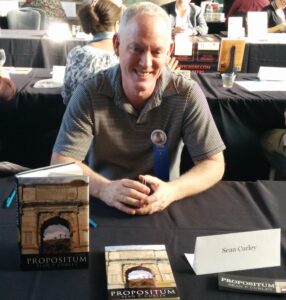
Sean Curley with his Chaucer Grand Prize novel. Propositum, at the Historical Novel Society Book Fair.
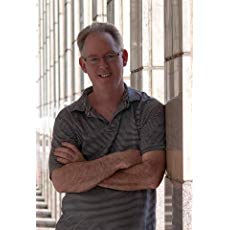
Sean Curley is a computer scientist, technical executive, humanist, and author. We at Chanticleer know him as a true renaissance man.
His accomplishments include building out seven software companies, founding and spearheading numerous non-profit, humanist organizations, running Oracle’s documentation and engineering teams (Sean is Vice President of Oracle’s* Product Development division) consisting of over 10,000 books, implementing deep-learning to automatically translate books into ten languages, working overseas multiple times, and publishing two award-winning novels—Propositum, historical fiction and OVER, Science Fiction. You can read Chanticleer’s reviews by clicking on the titles.
Sean will present a session on BLOCKCHAIN and PUBLISHING at the 2019 Chanticleer Authors Conference. Blockchain and publishing were right up there with audiobooks for buzz-worthiness at the Digital Book World, London Book Fair, and ALA (American Library Association) publishing conferences. It is looming on the radar and is touted to be the next big thing in the INDIE publishing industry. We are fortunate to have Sean Curley decipher the techno talk for us. I know of no one else who would be qualified to speak to authors about Blockchain and the publishing industry than author and computer scientist, Sean Curley.
The New Paradigm of Blockchain Publishing
What is Blockchain and how could it impact the publishing industry? You’ve heard about bitcoins or cryptocurrency, which are one of the many uses of Blockchain technology, but did you know that the same concepts that have made bitcoins so popular can be applied to books? How might that work?
There are advantages to a blockchain-enabled publishing paradigm, but the industry may be slow to adopt this cutting-edge technology. This talk will cover the basics of blockchain technology, how it could be used for publishing, and more importantly tracking, books, and some of the caveats.
Admittedly, these concepts are fairly new and somewhat technical. Nevertheless, these ideas are something every writer, especially self-published, should understand.
*About Oracle
With more than 380,000 customers—including 100 of the Fortune 100—and with deployments across a wide variety of industries in more than 145 countries around the globe, Oracle offers an optimized and fully integrated stack of business hardware and software systems. Oracle engineers hardware and software to work together in the cloud and in your data center–from servers and storage to database and middleware, through applications. Learn more about Oracle http://oracle.com/us/corporate.
You can find Sean through Amazon, Linked-In, or Facebook, or at writer’s conferences where he is a frequent speaker.
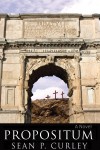
PROPOSITUM by Sean P. Curley CHAUCER Grand Prize Winner for Historical FictionOVER by Sean P. Curley CYGNUS Grand Prize WInner for Science Fiction

 M&M BOOK AWARDS for Mystery & Mayhem Fiction, a division of the Chanticleer International Book Awards (CIBAs)


 The JOURNEY BOOK AWARDS for Narrative Non-Fiction, a division of the Chanticleer International Book Awards.


 CYGNUS BOOK AWARDS for Science Fiction, a division of the Chanticleer International Book Awards.
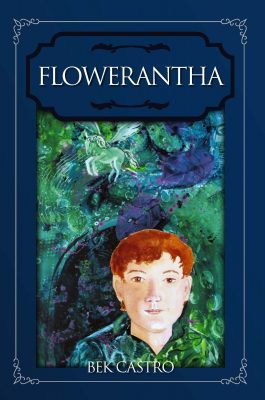
 Beautiful and imaginative, Flowerantha is a magical tale of two young girls who fall through a portal into an unknown world. With the help of restless boy Mash and aspiring soldier Bushraal, Beverly and May Lynn must travel among rising tensions to make it home safe.



 Add this checklist to your Writer’s Toolbox.

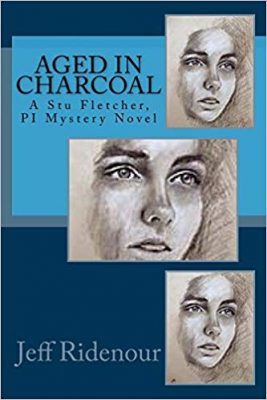
 Aged in Charcoal by Jeffrey Ridenour is a classic hardboiled detective novel set in 1960s Bay area California. This novel features dirty cops, bribes, an inept justice system, and Stu Fletcher, an ex-cop turned detective, who despite his jaded outlook wants to do the right thing.