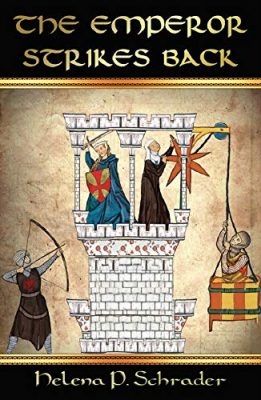
 Welcome to the 13th century Beirut, Kingdom of Jerusalem, where chivalry is alive and well—along with treachery, greed, and the lust for power and control.
The Emperor Strikes Back has a cast that would put Cecile B. DeMille to shame. Helena P. Schrader has successfully fleshed out historical characters and events, bringing them to life in the reader’s mind. She depicts a conflict that occurred in the Outremer during the first third of the 13th century when Frederic II, the ambitious Holy Roman Emperor, sought to usurp John d’Ibelin, the Lord of Beirut, and lay claim to his fiefdom.
Schrader breathes life into the resulting, historically documented events, using the multiple voices of the Ibelin family, cohorts, and supporters, each of which reflects his or her own social status, belief system, and loyalties. As these characters share their experiences, the reader can almost smell the offal and blood, feel the pain of wounds, the effects of hunger, hardship, and fear, the taste of stale bread and sullied water, and the bittersweet taste of victory. Schrader’s detailed rendering of the ill-fated first marriage of Balian, Ibelin’s eldest son, and heir, to Eschiva de Montbéliard, a cousin by marriage, will capture readers hearts.
In order to marry, Balian and Eschiva must receive a papal dispensation, which their family friend, Gerold of Lausanne, Patriarch of Jerusalem and Papal Legate, provides. The trouble comes when Pope Gregory learns of this from an Ibelin political rival whose support he seeks, and the pope excommunicates the young couple. The effects create emotional and social rents in the fabric of their lives and the lives and fortunes of their family and supporters in unimaginable ways.
The Emperor Strikes Back gifts readers with a careful account of actual recorded events as told by the players involved, and at times utilizing their very own words. The wealth of details, characters, and situations, while true to life, can be confusing to those who have not read the foreword, research notes, and familiarized themselves with the glossary. In other words, we recommend familiarizing yourself with these fascinating additions to the novel before you dive right in. You will be greatly rewarded!
A good book for a long winter weekend—put the teapot on, stoke the fire, and plan on spending some time in the 13th century. Odds are, you will find yourself searching for Schrader’s previous works to read in this series while impatiently waiting for the next installment. Here are just a few that we adore: Envoy of Jerusalem, Defender of Jerusalem, Knight of Jerusalem, and The Last Crusader Kingdom.


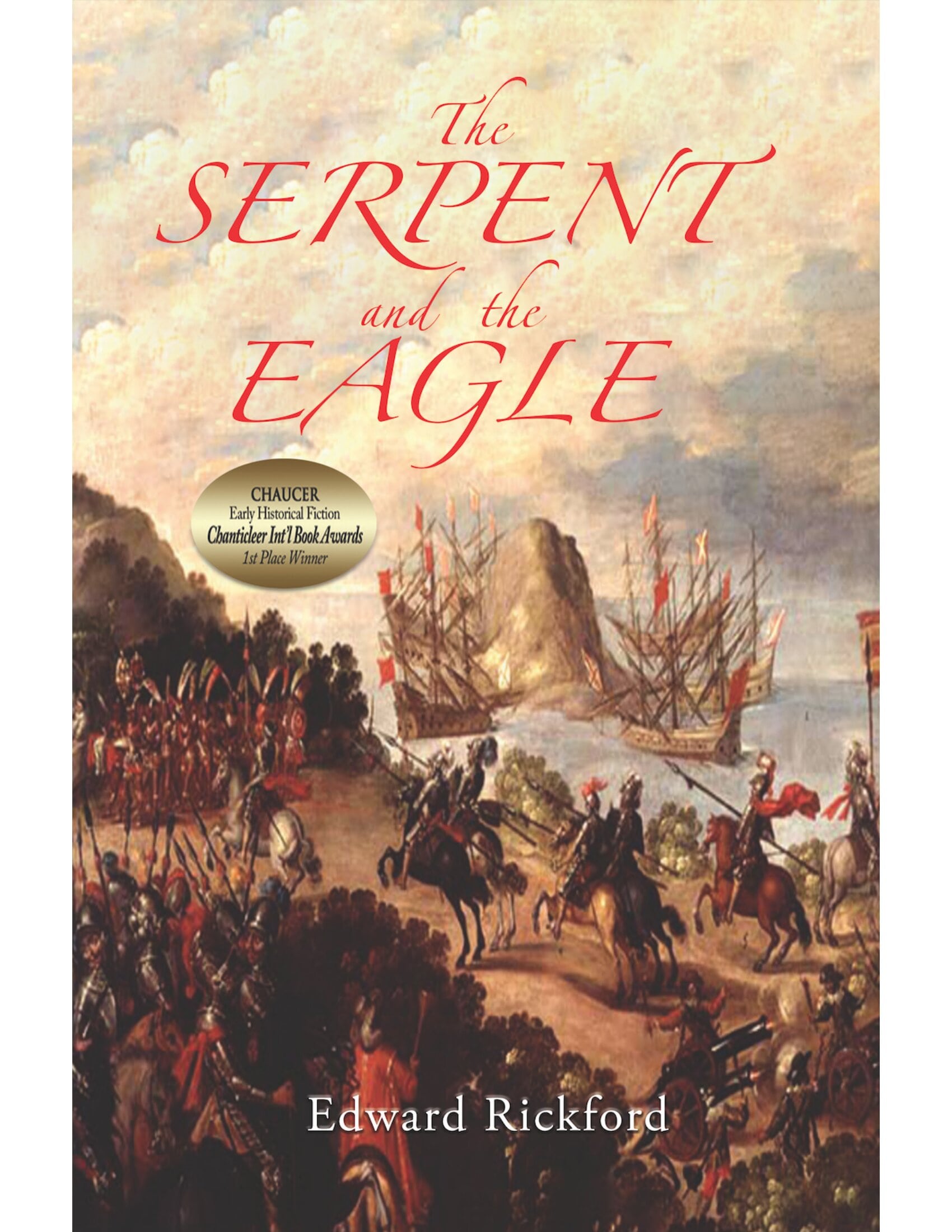
 In The Serpent and the Eagle, Edward Rickford details Hernan Cortes’ 1519 expedition to explore and secure the interior of Mexico for colonization, fleshing out known facts with the human factor—it is, to the typical depiction of Cortes’ exploration of the Yucatán peninsula, what a chorus is to a solo or a tulip to a bulb. Primarily narrated by individuals who were actual members, or may have been members, of this expedition, Rickford has crafted a fascinating tale of intrigue, love, lust, greed—essentially all seven of the deadly sins—within two diametrically opposed political and cultural systems.

 An ill-fated Spanish expedition in 1541 plays into present-day concerns about preserving Santa Cruz County’s (Arizona) heritage and environment. Along with an engaging yarn, Jane and Carl Bock offer the reader food for thought by presenting a microcosmic picture of the mindless destruction of time-honored customs, traditions, and mores in the pursuit of money and power.






 In the tradition of H. G. Wells and Isaac Asimov, K.B. Shaw’s From the Shadows piques the reader’s imagination. In the world where Cameron Rush, a shy, geeky boy from Wisconsin, and Rosa Costas, the bright, sassy daughter of a New Mexico ranch foreman, live, twenty-first-century technology makes a quantum leap and changes the nature of human experience.
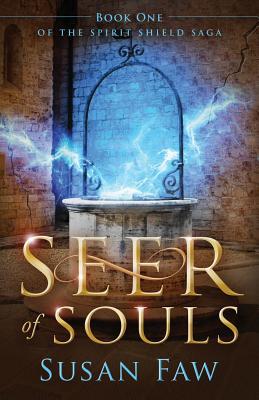
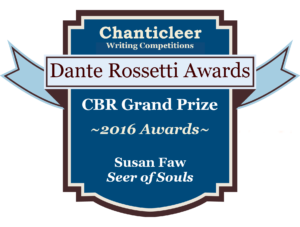 Be ready for Susan Faw’s grand adventure, where she serves up a world in which humans and the not-quite-human Primordials must make peace and work in harmony against a common foe. This young adult novel, liberally seasoned with mysticism and magic, incorporates themes from mythology, folk/fairytale, and legend, with an Adonis-like hero, a battle between good and evil, and the restoration of a monarchy to its rightful ruler.