
Author: D Beaumier

  • VALENTINE’S DAY SWEET READS with ALL THE LOVES from CHANTICLEER

    VALENTINE’S DAY SWEET READS with ALL THE LOVES from CHANTICLEER

    Books count as safe social distancing

    As we step toward Valentine’s in quarantine, we might be a little further from our loved ones than normal, but hopefully that doesn’t mean we’re further away from love. Just like we can stay in touch with each other in different ways, we can take a moment to appreciate the different types of love we still have access to.

    Love is a gross exaggeration of the difference between one person and everybody else. Like all young men, you greatly exaggerate the difference between one young woman and another…. And the only way to make sure of that is to keep changing the man; for the same man can never keep it up. – George Bernard Shaw

    Now we like Shaw for his obscure connection to our Chatelaine Awards, which you can read about here (the long and short of it is that Shaw based Eliza Doolittle’s character from My Fair Lady off of Jane Morris, the woman, Jane Morris,  in the Chatelaine portrait by Dante Rossetti).

    Anyway, Shaw’s opinion on the ability of men to offer variety aside, did you know the Greeks have seven different names for love? Let’s dive in!

    The Greeks Seven Names for LOVE with Recommended Book Titles from Chanticleerian Authors whose works we love. 

    1) Eros:

    Eros is what we normally think of when we first hear the word love, the romantic and the passionate. Here are some great titles we recommend for the Eros readers out there.
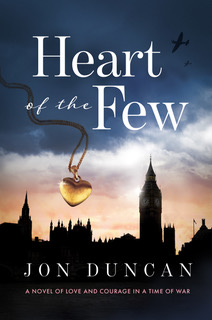
    Heart of a Few by Jon Duncan: It isn’t distance that makes the heart grow fonder in this novel, but the thrill of trying to save the world from fascism in WWII. Here the aristocratic Livy Ashford falls for pilot Jamie Wallace. Like the couple’s passion for each other, the reader’s own delight will draw them through this book in a flash!
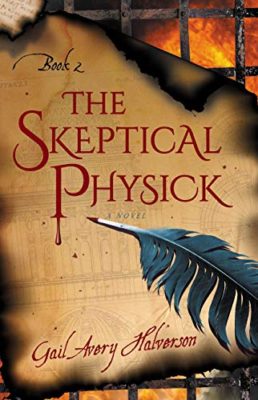


    The Skeptical Physick by Gail Avery Halverson: Fire, plague? Nothing can keep these Simon McKensie and Catherine Abbott apart! Gail Avery Halverson dives deep into the romance and the historical details that inspired the background setting for this whole novel. Winner of the Grand Prize in the Chatelaine Awards


    2) Philia:

    Philia is more of the love for our intimates and friends, those who we choose to keep close to us. Titles for the friendly readers out there.
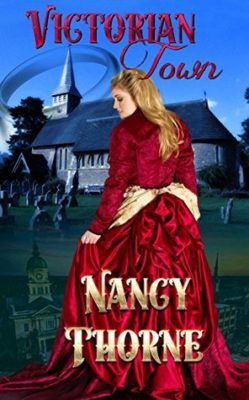
    Victorian Town by Nancy Throne: A Time Traveling young woman finds friendship and joy in the past. Abby Parker never quite felt she belonged at home, but a magic ring that transports her back in time gives her a chance to make real connections and stand out in a time where outspoken women are often pushed to the side. First Place Category Winner in the Dante Rossetti Awards
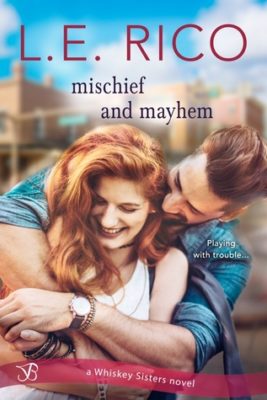
    Mischief and Mayhem by L.E. Rico: Jameson O’Halloran might be surrounded by steamy looking men, but don’t be fooled. This story focuses most on the ties of family and the family we choose as we move through this veil of tears to live our best life. First Place Category Winner in the Chatelaine Awards


    3) Ludus

    Ludus is a close cousin of Eros, the playful, flirtatious love that is a little harder to make work over a Zoom room. For all you sassy flirts, we recommend the following
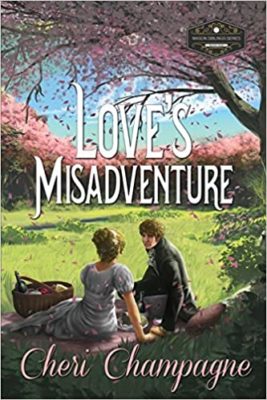
    Love’s Misadventures by Cheri Champagne: The title says it all as you jump into Miss Anna Bradley’s hurried search for a husband, being in danger of forever living as a spinster at the ripe old age of 25. Written in the tradition of Jane Austen for the modern reader, this novel features debonair gentlemen who can keep their distance and pack a picnic, while delightful friendships make up a wonderful background cast of characters. First Place Category Winner in the Chatelaine Awards


    Secrets Revealed by Kate Vale: Sometimes what’s meant to be fun and easy turns into something more, as happens when Owen Haskins and Faith Russell’s initial tense relationship breaks through to romantic as the casual adversaries turn into casual lovers and then maybe more. First Place Category Winner in the Chatelaine Awards


    4) Storge

    Storge is the unconditional love that we hope comes from family, chosen or otherwise. These titles are great reads for those who love family connection.
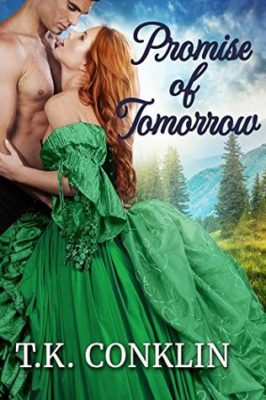
    Promise of Tomorrow by T.K. Conklin: When Shyfawn Tucker’s adventure with her friend Mabel leads to disaster, the two need to figure out how to survive on their own. Meanwhile, Shyfawn’s sister Jo isn’t the type to sit around while her family is kidnapped. A story rich in romance, but that explores the ties that bind family together and what it means to find the best in everyone while still being true to yourself.
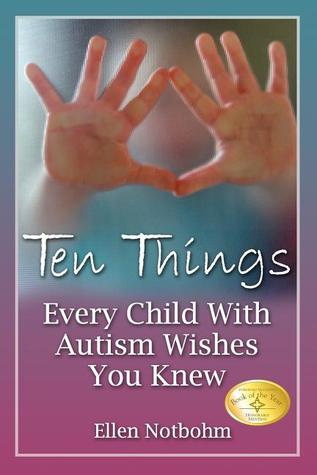
    Ten Things Every Child with Autism Wishes you Knew by Ellen Notbohm: A beautiful book for parents who are struggling to better understand their children. Probably the highlight of the list is 10. “Love me unconditionally.” Don’t base approval on an “if” along with an emphasis on people with autism being whole and not promoting a harmful narrative of fixing people. A thoughtful look at the ways we can unconditionally accept people regardless of difference. Winner of the Grand Prize in the Nonfiction Instructional & Insight Awards

    5) Philautia

    Philautia is probably the most forgotten love we need to try and remember, which is self-love.
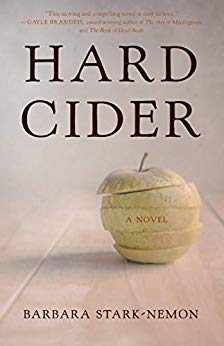
    Hard Cider by Barbara Stark-Nemon: After building up a family and life that she can be proud of, Abbie Rose isn’t one to call it quits. She embarks on a totally new career path to keep living life to the fullest and be the truest version of herself that she can be. Winner of the Grand Prize in the Somerset Awards


    The Knock by Carolyn Watkins: Sometimes understanding your family’s love means loving yourself when they can’t be there. Carolyn Watkin’s beautiful look at childhood with a deployed parent will tug on your heartstrings. First Place Category Winner in the Little Peeps Awards

    6) Pragma

    Pragma is another good overlapping love that’s usually connect to other loves. This one encompasses committed, companionate love.

    Seize the Flame by Lynda J. Cox: A story of forgiveness and finding a way to love again. Will Drake Adams and Jessie Depre be able to overcome the traumas of their past and their current betrayals to find love together again?


    My Sister’s Super Skills by Lauren Mosbeck: Sometimes commitment and love mean helping our family through tough times. Mosbek does an excellent job laying out fun tools to help kids deal with anxiety and depression, especially with the current state of the world. First Place Category Winner in the Little Peeps Awards

    7) Agápe

    Agápe: The last and biggest love that is empathetic and universal love.

    Blossom – The Wild Ambassador of Tewksbury by Anna Carner: The story of how Carner and her husband took a deer into their family and then try to raise awareness to keep her safe. Balanced with reflection of Carner’s own youth, a beautiful reminder that we are all connected with the tone of a nature thriller. First Place Category Winner in the Journey Awards
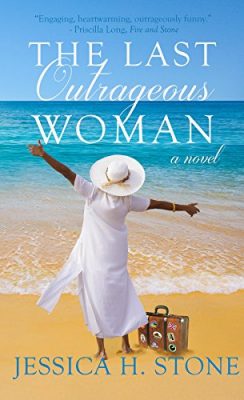
    The Last Outrageous Woman by Jessica Stone: Sometimes a past lover’s dream can take you places you never dreamed possible. That’s what happens eighty-six-year-old Mattie decides to embark on a worldwide adventure with her best friend Edna and Edna’s niece. It’s a whirlwind of fun where each woman seeks fulfillment in their own way while jumping into an international stage and connecting with the wider world at large.

    Do you have another type of LOVE to add to the list? We do!

    BIBLIOPHILIA – The LOVE of BOOKS

    Are you a Bibliophile?  We are!

    Here are some of Kiffer’s favorite earworms (aka lyrics) concerning love.

    Because all you need is love. Love is all you need. The Beatles

    Love will bring us together.  Captain and Tennille

    Love lifts us up where we belong.  Joe Cocker and Buffy Sainte-Marie

    What the world needs now is love, sweet love. Hal David

    Happy Valentines Day! From all of us Chanticleer Reviews! 


    Love comes in many forms and so do our contests! Submit here! Want to tell us about some of the favorite loves you’ve read? Talk to us on Twitter, Facebook, or join us here on The Roost.

  • The Third Blogpost of 2021 — Mastering the Zoom Meeting and Hosting! – A Chanticleer Writers’ Toolbox Post

    The Third Blogpost of 2021 — Mastering the Zoom Meeting and Hosting! – A Chanticleer Writers’ Toolbox Post

    Thankfully, Zoom is an intuitive program for most people, at least if you’ve had your morning coffee. These tips will cover more advice for people who are ready to take their Zoom meetings to the next level and even start hosting meetings!

    Author Events, Book Club Meetings, Book Launches, Socials – Just to Stay in Touch, Presentations, and More are just a few of the Interactive Activities that Authors and Publishers can facilitate using ZOOM! 

    Morning Coffee Music for your morning coffee: 2 hours of Morning Coffee Music Playlist - YouTube

    1. Framing

    Some people have discussed a rather strange problem with all these virtual conversations we have nowWhen talking put their face right next to the camera, filling up the entire camera and giving them an impressive head size. Then, when they see each other in person for some safe social distancing, their heads look extraordinarily tiny.   

    Do you remember Big Head Todd and the Monsters? 

    Big Head Todd and the Monsters – I’ve met him in person. He does have a big head. Nice guy! – Kiffer

    To fight big-head-syndrome you can work on framing yourself. With friends, there’s of course plenty of wiggle room here, but in more professional settings, it seems that from the shoulders up is the recommendation.  

    David speaking from Chanticleer's offices with several ribbons and logos behind him
    A proper ratio and perspective of David!

    Even better is if you move your hands up into the frame when you talk. This provides a helpful hint to watchers of who is currently talking, and it helps give us a better understanding of the body language you’re trying to convey than if your hands are hidden somewhere beneath the frame.  

    2. Manage Your View

    If there are fewer than 10 people in your meeting, you can probably stay in “Gallery View.” However, if you often find your mind wandering during the meeting, try to set up “Speaker View,” which will have the screen focus on whoever is the last person to have spoken (though it well never focus on you). The options for these can often be found on the top right of your screen on desktop.  

    Drop down menu of Speaker View and Gallery View


    The Brady Bunch

    Or sometimes you can have more people on the Gallery View—also know as the “Brady Bunch” view like we do when we have Happy Hours at the Roost! We  try  to  make  room  for  everyone.

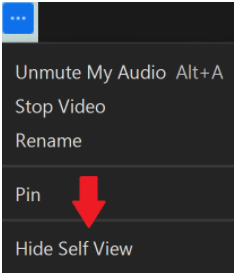
    The next thing that will help anyone who has trouble looking away from her or his reflection is to “Hide My Self View.” Make sure to do this after you set up your framing, and remember that others can still see you! You can usually hide your self view by clicking on the three little dots in the top right of your image box, and then to show it a new button will appear in the top right of your screen to start showing your self view again.  See the three little dots in the blue box below. Yeah, it is sort of like a secret code…

    Drop down menu that allows you to hide self view

    Remember, you never need to appear in a Zoom meeting if you don’t want to, but with these tips and tricks, you’ll be able to look professional while still staying comfortable. 

    The Following Tips Will Help You HOST your OWN ZOOM MEETINGS for Book Launches, Book Clubs, Author Events, and Outreach to Your Readers and Potential Readers  

    3. Set up a Meeting (for PC)

    While these are fairly similar processes, if the instructions for a PC doesn’t work for your Mac, read the instructions here about hosting from an Apple or Mac computer (from the Zoom website).

    For PCs, you’ll want to look in the top right of your screen once you log into your Zoom.us account. In the top right corner you’ll see the following three options:

    The option for “Join a Meeting” of course allows you to join a meeting. You might think that “Host a Meeting” is the next natural option, but really that only allows you to host a meeting immediately instead of later. What will allow you to plan and schedule a meeting for your book release or the next meeting with your publisher is when you click on the “My Account” link.

    Remember, Zoom only offers unlimited meeting times to people who pay for an official account, but anyone can have a meeting with a free account. If your 40 minute free meeting runs out of time, people can rejoin the meeting using the same link that they used to get into the meeting in the first place.

    Once you click on “My Account” you will see a list of options on the left side of the screen.

    As highlighted in the image above, you’ll want to click on “Meetings”

    Once “Meetings” are selected, you’ll see all the meetings that you’ve set up in the past, and there will be a button on the far right that says “Schedule a Meeting”

    From this screen there are a few sections to focus on.

    • Topic — This is the title of your meeting. It’s more important to have this labeled if you are using it for a big marketing event like a book release event. Less important for an individual meeting with somebody.
    • When — While technically you can join a Zoom meeting at anytime provided the host hasn’t closed the meeting, setting the time is a great way for people who try to join at the wrong time to double check when you’re actually supposed to be there.

    Download Meme Unicorns Missed The Ark | PNG & GIF BASE

    • Registration — This can be a handy way to ensure people sign up with their email and makes it so they’ll receive a reminder email for your event. This works better for more formal meetings.
    • Security
      • Passcode: We always recommend using a password. You can set your own or use the one randomly generated by Zoom.
      • Waiting Room: Waiting Rooms are great if you want to screen who comes into your meeting, but make sure you keep an eye on your participant’s tab. Keep reading to learn more about the participant’s tab.
    • Meeting Options
      • Allow participants to join anytime: Yes, check this box.
      • Mute participants upon entry: Yes, check this box.
    • Save! At the very bottom is the “Save” button. Always click Save once you’ve finished making a meeting so as to not lose it!

    4. Always include a link to the meeting with the date and time.

    Something about digital information lets information slip out of everyone’s head. Instead of sending out an email that says “See you at the next meeting, here’s the link!” If you include the date and time of each meeting you have, that will save you several replies (maybe even a feared “Reply All”) that will make your meeting run a little smoother.  

    5. Always include the password if there is one.

    This one is simple. Like the date and time, always including this will help streamline people’s ability to join your meeting. 

    If you’re the host, you can find information about the Meeting ID and password by clicking on the ⓘ symbol on the top left of your screen to see this information.  

    A menu with the Meeting ID and Password information

    6.The Waiting Room

    A Zoom Participant window with one participant labeled in the Waiting Room

    If you decide to use a “Waiting Room” make sure you have the “Participants” tab open at all times to let people in. If you need help managing the “Participants” tab, feel free to assign a responsible party in your meeting the “Co-Host,” and they will have the power to admit people, too.  

    A symbol of two people labeled Participants

    7. Post the instructions on how to join the meeting by phone. 

    You can find the long version of that here on the Zoom support site, but the quick version as is follows. 

    Audio conferencing participant will need to call: (415) 762-9988 or (646) 568-7788. AND follow the verbal instructions. 

    Enter the meeting ID, 11 digits long followed by the # key. 

    You will be asked to enter your participant ID. If you do not know your participant ID, simply press the # key. 

    As the person logs in to the Zoom call using their phone, they will be given instructions on how to mute and unmute themselves.  

    Zoom Meetings Review | PCMag

    8. Manage the Mute

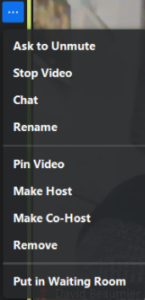
    If someone wants to make a comment every now and then, that’s fine, but if their spouse is watching the big game and yelling behind them, it may be worth it to just click that “Mute” button. No need to call attention to it, most people will think the person realized that their sound was a distraction and muted themselves. There’s no shame in being muted.  

    A Dropdown List of Controls related to Zoom attendees

    As a related note, occasionally it might be good to turn off someone’s video, but this is usually not necessary. I did attend one writer social where an author who worked an early morning shift fell asleep partway through. Not a huge issue, but probably something the host could have hidden to keep the energy level up instead of letting everyone really consider whether they, too, wanted a nap. 

    SOMETHING FUN for YOU to WATCH! The Official ZOOM Song (an anthem for quarantine ZOOM meetings) song to the theme of The Brady Bunch

    ENJOY! And please leave your comments below (or your fav YouTube videos). 

    https://www.youtube.com/watch?v=wEDksgXpGeU&ab_channel=TheWarpZone

    And that’s it! You are now a new Zoom Meeting expert! Go forth and be digital.  


  • Susan Lynn Solomon, author of “Abigail’s Window”

    Susan Lynn Solomon, author of “Abigail’s Window”

    Thank you for the marvelous event Chanticleer put on. I’ve been touting Chanticleer and the awards given to me on all the sights on which Abigail’s Window is being promoted. (2019)

    Kiffer and the entire Chanticleer team for another wonderful ceremony. God willin’ and the Creek don’t rise, I’d like to meet you all in person next year. (2020)

    — Susan Lynn Solomon, author of Abigail’s Window and First Place Category Winner of the M&M Awards and Grand Prize PARANORMAL Awards

  • CR Stewart, author of “Britfield”

    CR Stewart, author of “Britfield”

    Thank you, we are quite honored to have Britfield receive this prestigious award. We will wear it proudly! 

    — C.R. Stewart, author of Britfield and 1st Place Category Winner for the GERTRUDE WARNER Awards

  • Nancy Thorne, author of “Victorian Town”

    Nancy Thorne, author of “Victorian Town”

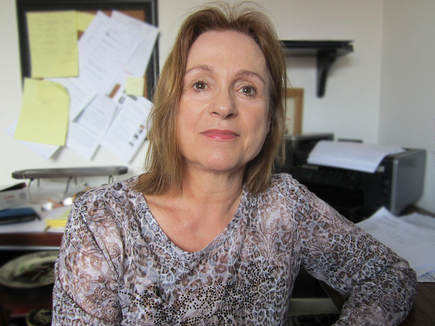
    A woman sits at a desk surrounded by papers. Now THAT was an incredible conference. Can’t wait to take part in another one (in person) at the Hotel Bellwether in the future. Thanks so much for all the hard work that must have gone into it. Did you sleep for days after?  

    — Nancy Thorne, author of Victorian Town and 1st Prize Category Winner of the Dante Rossetti Awards

  • Susan Brown, author of “Twelve”

    Susan Brown, author of “Twelve”

    A woman in a red jacket and glasses

    Dear Kiffer (and all the great people you work with!), 
     
    I am so excited and honored to have won this award! I personally love Twelve, the book that won it, and I can’t tell you the pleasure I’ve experienced that someone else sees value in it too. I’ll be publishing it in the next couple of months, and the award will be prominently featured on the book and my web page. 

    It was rather great too that my other two entries made the semi-finalist list. You folks obviously have great taste! 

    Susan Brown, author of several books including Twelve and 2019 1st Place Category Winner for the Dante Rossetti Awards.

  • Palmer Pickering, author of “Moon Deeds”

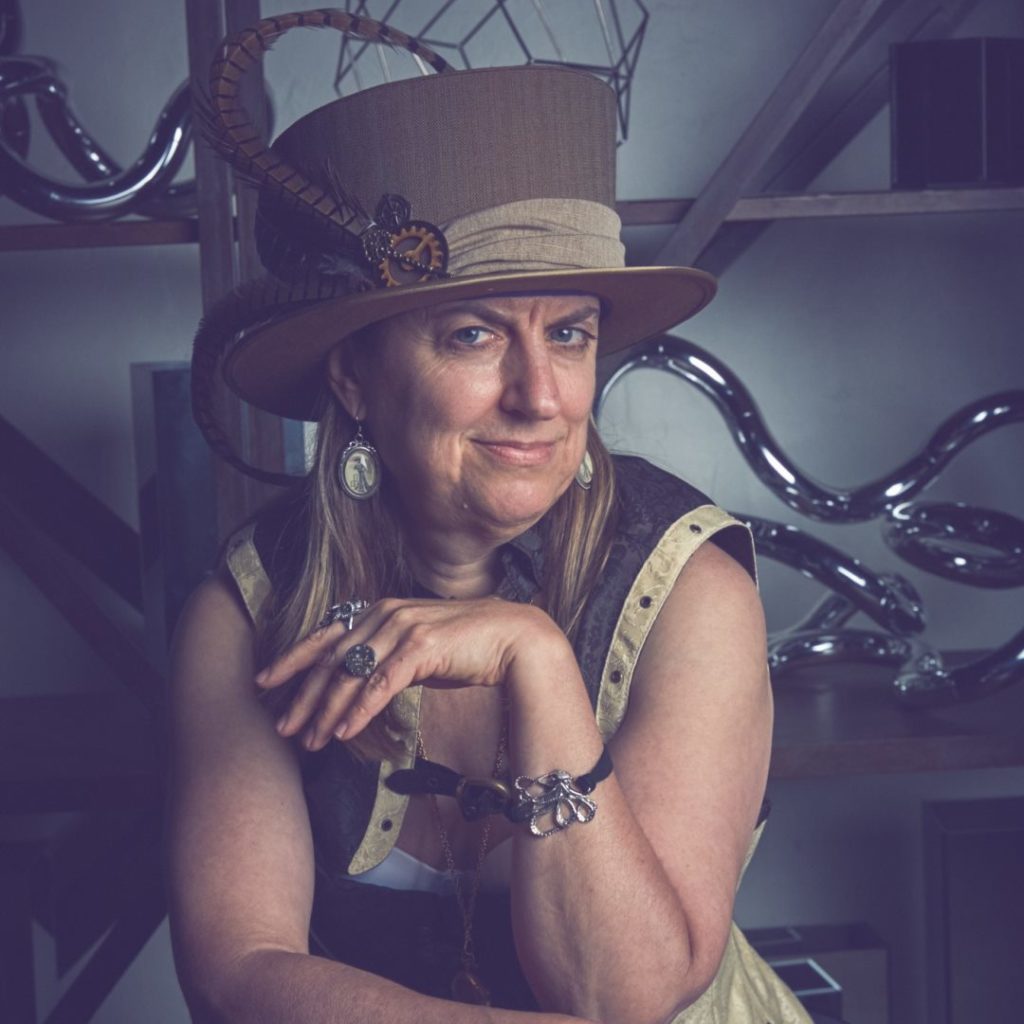
    Palmer Pickering in a Top HatThank you! Fantastic! It was great meeting everyone virtually in the Zoom conference. I really enjoyed it and appreciate all your incredibly hard work and dedication. It’s invaluable to indie authors that organization like yours support us. 

    Palmer Pickering, Author of Moon Deeds and winner of the First Place Category in CYGNUS, OZMA, and PARANORMAL Awards.

  • Tim Cole author of “Insynnium”

    Tim Cole author of “Insynnium”

    Black and White Photo of man outsideThanks again for this great honor. I feel very privileged to have received this award.  

    –Tim Cole, author of Insynnium, winner of the 2019 CYGNUS Grand Prize Award.

  • Noah Lemelson author of “The Sightless City”

    Noah Lemelson author of “The Sightless City”

    A man dimly lit looking to the left.

    It was awesome being part of the competition, and I think being on the shortlist helped my book stand out when I was sending to Tiny Fox. 

    Noah Lemelson, author of The Sightless City, and 2019 1st Place OZMA Award Winner

  • You’ve Finished Your Work In Progress or NaNoWriMo or Perhaps Not – That is Okay by David Beaumier

    You’ve Finished Your Work In Progress or NaNoWriMo or Perhaps Not – That is Okay by David Beaumier

    You’ve finished NaNoWriMo!

    Or perhaps not — that is okay! 

    You have more words than you did at the beginning of November. Congratulations!

    Or perhaps you are one of the ones who will do February or June Writing Month. If so, bookmark this post for future use.

    Or, you are creating your work-in-progress? This post may be of particular interest to you.

    The first thing to do is to take a deep breath, maybe take an Epsom salt bath, massage your wrists, roll out those shoulders, and maybe let out a primordial scream into the darkness. You know, whatever helps you relax.

    Finish, Celebrate, Plan

    Now, let’s say you haven’t quite finished— Give yourself some time to relax, and brainstorm the ways you’re going to now fit writing into your life. For me, having a daily word goal of 1667 is great for short periods, but really what I need is time boxes to get the work down. I usually tell myself that I can shut myself away for at least twenty minutes a day writing until I finish, with the only rule being I write. Even if I need to struggle through something and get really meta in the writing process, I know that will come out later. Don’t forget to reward yourself, maybe with a day off, that fancy mocha you never spring for, or chocolate.

    So, whether you NaNoWriMo or not, if you are writing, be sure to reward yourself!

    Treat Yourself!

    Edit, Space, Edit

    Once you’ve finished your novel on your new schedule (or maybe you skipped that last paragraph because you’re so gosh darn prolific), the next stage will be editing. You know yourself better than I do, so if you need space from your writing, take that space.

    Before you hide it away though, consider taking the time to write what you know to be true about it now. Note down what parts mean a lot to you that you don’t want to change later, explain to yourself where you know you’ve decided you want to expand things, and then make a quick list of items that you know will need to be fixed (for me, I always need to fix the fact that my characters have very little interiority, so the reader doesn’t know why they do what they do.

    My other big struggle is setting, (everyone just exists in an empty void where their heads can talk). Leave yourself these notes and then get some space by taking Stephen King’s advice and hiding your work in a drawer or somewhere out of sight for at least six weeks.

    Meanwhile, start conjuring your next writing creation.

    Allowing your work to “rise” in a drawer while you start your next project.

    David’s Self-Editing “Trick” — He shares it with you, dear Chanticleerians.

    When the six-plus-weeks of letting your work “rise or proof” in a drawer somewhere is up, David offers this advice:

    For the next editing step, I treat myself like I would any other editorial client. I take the first ten pages of my work, and then skip ahead to the middle and grab ten pages from there. For many of us, the start and end of the book already appear clearly in our mind, and for something like NaNoWriMo, we start out fresh and excited to get the job done. So you can notice what you do well in your first ten pages, and if anything pops up that you know you need to fix, write those down as well. Then, in the section from the middle of your book, look at what parts that worked well in the beginning are still there, and what maybe fell out as the story weighed itself down in the middle of the month, heavy from the expectations and reaching that week three or week four point of exhaustion.

    We imagine this is David

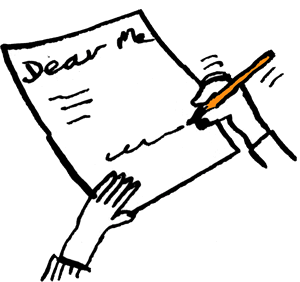
    Having taken notes one what worked and didn’t work at the beginning and middle, I write myself a letter explaining what I should watch out for as I move through my own work, and how I recommend shoring up the strengths and how I can correct any weak points. For me, again, this usually means taking time to give every setting and character a unique description, and then to make sure that I use my strengths, like dialogue, especially if I notice there’s a section where I skipped over dialogue in favor of narrative description.

    Then, I connect this letter with the note I left for myself when the story was still fresh in my mind, and I buckle down and do my first read through and selection of edits.

    Manuscript Overview or Peer Review, Rewrite, Repeat

    Now it’s time to get some other eyes on your work. This may be the time to have a manuscript overview if you are serious about publishing your work. Do this before you get into editing (line or copy editing). Click here if you would like to read more about this process:

    https://www.chantireviews.com/manuscript-reviews/

    If you are undecided about whether or not to publish your work-in-progress, this might be a good time to bring in a few Beta Readers for their general impressions—how do they see the structure of the story? What do they think of my character development? And what do they see as the heart of the story? That last question nets me some really interesting answers that help me better understand the themes of the story that maybe weren’t clear to me initially. Then I compile these notes into another letter of sorts to myself, and go through the entire book again. I would recommend doing this one more time, and this time asking for more specific feedback on theme, plot, characterization, dialogue, structure, world building (as applicable), and then just anything that just stands out as a hold up for the reader.

    Remember, when receiving peer review or manuscript overview, you are the author and no one else can force you to make changes. Even if a suggestion really bothers you and gets under your skin, reframing it as a question of why the reviewer gave you that feedback can always help. For example if someone hates your character, Beth, because “she just doesn’t seem real.” Ask yourself what you’ve done to develop Beth as a character. Read her dialogue aloud. Figure out why you love Beth (even if she’s actually awful—which is often a reason we back away from loving our bad characters), and put that love into her character. She can still be unsympathetic, but at least now she’ll draw your reader in.

    What should you do if you are not wanting to proceed with your w-i-p. Our suggestion here at Chanticleer is to print it and file it away. Also, save it digitally in at least two other places such as your computer or a USB stick plus some place off premise such as in the “cloud.” Never throw any writing away…just squirrel it away because you never know…

    Squirrel away your cuts and works that you are not moving forward on. Don’t toss them away.

    Let’s get Professional – You’ve Decided that You Want to Publish Your Work-In-Progress 

    At this point, if you still want to move forward with your story, which I’m imaging is quite good, it’s time to bring in a professional. Chanticleer can provide you with a Manuscript Overview, which is a great first step, and then you can work on finding an editor who understands your vision and whose style matches with the way you respond to feedback. Go through it with your editor, and then proceed with the editorial and cover design process. Remember, your cover has the greatest influence on whether or not a potential reader will choose your book to to consider.

    Line editing, copy editing (you can save $$ by creating and developing your own Style Guide and Story Bible).

    Here is a link about creating your Story Bible/ Story Guide by Continuity Editor Diane Garland.

    SERIES or Not to Series 

    In the process that you’ve been going through with your Work-In-Progress (w-i-p), are you considering turning it into a series? Indie Booksellers, Entertainment Producers, Literary Agents, etc. and especially READERS, enjoy book series.

    Do you need to reconsider your story structure in order to sustain a book series? 

    You may want to read this blogpost by mystery series award-winning author Wendy Delaney. https://www.chantireviews.com/2020/02/29/writing-a-series-primer-by-award-winning-author-wendy-delaney-a-chanticleer-writers-toolbox-article/

    To Series or Not to Series– What is Your Strategy?

    Publication? 

    This, for many people is seen as the big goal, and it deserves an article all on its own for the different facets of self-publishing versus traditional publishing, how to market, what to do about cover design, contests, book reviews, and so much more. At this point, the important thing to realize is that you are entering a period of extraordinary fine-tuning and a different kind of work with your book, from making it come to life to putting it in people’s hands. Good luck!

    On a final note, don’t forget about the COVER!

    THE COVER – The Number One Marketing Tool to Sell More Books – Don’t Sell Yourself Short. Start on your cover design as soon as you are serious that you want to publish your story then start working on the cover and the brand (Stories are products!)

    Here is link for you to take a look at on Five Essential Book Cover Elements by Kiffer Brown