You have until August 31st to share your book with us and enter the 2023 CIBAs!
Elevate the literary journey of young minds with the Dante Rossetti Book Awards for Young Adult Fiction. Beyond genre confines, these awards unlock gateways to captivating narratives that resonate with the vibrant spirit of youth. Whether your tale unfolds in the realms of fantasy, romance, or mystery, the Dante Rossetti Awards celebrate stories that bridge the gap between imagination and reality. With each page turned, young readers are transported to worlds unknown, where characters mirror their aspirations, struggles, and triumphs. These awards recognize the power of storytelling to forge connections, foster empathy, and kindle a lifelong love for literature. Illuminate the path for emerging voices that leave an indelible mark on the hearts and minds of the next generation.
Join us in celebrating the previous Grand Prize Winners of the Dante Rossetti Awards!
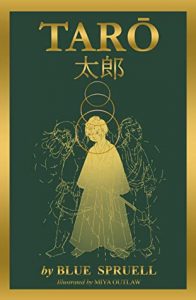
Taro: The Legendary Boy Hero of Japan By Blue Spruell
Adventure, classic tales, fantasy, and exciting action combine in TARO: Legendary Boy Hero of Japan, a well-poised debut novel by award-winning author Blue Spruell.
In the turbulent final decades of the sixteenth century, feudal Japan reeled in mayhem as the central hereditary dictatorship collapsed, and tyrannical powers fought to control the empire. TARO: The Legendary Boy Hero of Japan is the story of how one man revolutionized a nation by taking its reigns and forging a new destiny through his depths of compassion and determination.
The story begins with Taro as a young boy. As an heir to the Takeda family, Taro enjoyed reading, much to his father’s disapproval, as he wanted him to follow in his footsteps as a skilled Samurai. Tragedy changes Taro’s presumed destiny when his parents are murdered in a fierce power struggle, leaving him an orphan. Shortly after, a witch saves him from drowning and begins Taro’s new life of adventure, introducing him to a world of mythical creatures. On this new journey, Taro discovers shocking secrets about his lineage, and with them, his ultimate purpose in medieval Japan.
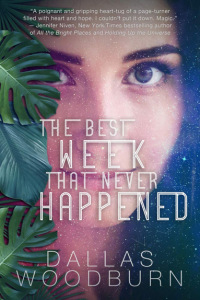
The Best Week That Never Happened By Dallas Woodburn
Dallas Woodburn’s debut novel The Best Week that Never Happened is a roller-coaster ride through Hawaii and the mysterious depths of its briny deep, sparkling with unreal magic, a poignant romance, and incessant hope.
Tegan Rossi, a freshly graduated eighteen-year-old, awakens in the secretive hideout she discovered with Kai Kapule as two eight-year-old children on her first trip to Hawaii Island. She needs to make amends with Kai as they had a major squabble over something very important that she now oddly forgets. When Tegan catches up with Kai in Hawaii, she enters her best week yet – the Best Week That Never Happened.
The first-person narrative is a fusion of Tegan’s past three years ago and ten years ago, as well as a mystified chronicling of her present with Kai on the Big Island of Hawaii.
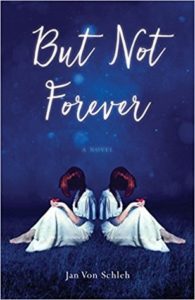
Like most fifteen-year-olds, Sonnet McKay loves a good adventure. Still, when she, her siblings, and cousins discover a deserted Victorian mansion in the middle of the woods outside a ghost town near Seattle, they get much more than they bargained for. In an upstairs bedroom, Sonnet inadvertently steps inside a time travel portal and is whisked away to 1895. In her place stands Emma Sweetwine, an identical doppelganger for Sonnet.
Emma’s family was prominent when Monte Cristo was a booming mine town, but life is not what it seems for the oldest of the Sweetwine children. With a mother who seems to despise her and a secret engagement, Emma’s life is oppressive and controlled – a sharp contrast to the spirited, independent Sonnet. With no idea how or why they were switched, Sonnet and Emma must quickly adjust to their new environments and rely only on their closest friends and family. But like any good story, time is running out for the girls as both of their lives rush in opposite directions. They must find a way back to their own times before their chance is gone forever.
Whispers by Lynn Yvonne Moon explores the issue of incest through the life of twelve-year-old Musetta, whose father has just died. We meet Musetta at her father’s funeral and realize that this girl is dealing with serious issues. Still, more than grief, she’s filled with rage – and relief. And we cannot blame her. Whispers is filled with enough intrigue and family secrets to glue readers’ eyeballs to the page and hug their parents when they reach the end of the tale.
Musetta can’t get the attention of her grieving mother, and she’s not sure who she can turn to for help. Who will believe her story? But she knows what happened to her. After her father’s funeral, she believes the Friday night ritual of rape is over and that the molestation will stop. However, it’s not quite that easy.
First off, there are voices in her bedroom walls – and worse, the molestation continues. Is it her father’s ghost? She can’t go to her mother for help, and she won’t go to the law unless her mother is by her side. Who would believe her over her late father’s reputation as an upstanding citizen and the favorite local judge?
Don’t miss your chance to light up the minds of young readers everywhere. Send us your Young Adult stories by the end of August for the chance to be recognized and celebrated for your amazing work!
And remember! Our 12th Anniversary Chanticleer Authors Conference (CAC24) will be April 18-21, 2024, where our 2023 CIBA winners will be announced. Space is limited and seats are already filling up. Sign up and see the latest updates here!
You have until August 31st to share your Love Story and enter the 2023 CIBAs!
Everyone deserves more love, and we’ve got lots of it for you to read! Steamy (Not Spicy), Historical and more! Other categories also include romantic themes, but if you’re looking for Romance- look no further!
Lets take a look at the Grand Prize Winners for the Chatelaine Award
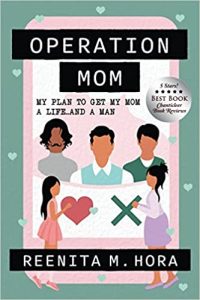
Operation Mom By Reenita Hora
Master storyteller Reenita Malhotra Hora’s YA romance Operation Mom: My Plan to Get My Mom a Life and a Man takes us on a charming journey through the life of one teen, Ila Isham.
Hora introduces Ila and her best friend Deepali, two boy-crazy teens on a summer quest. Readers will fall in love with the smart, sassy, angst-filled, rebellious Ila. A typical teenage girl, Ila lives in Mumbai with her mom and Sakkubai, their house manager. Ila’s mother calls her obsessed, but that seems unfair. Is she obsessed just because her every waking minute is spent thinking of Ali Zafar, famous pop icon, singer, and heartthrob? Or is she obsessed with fellow classmate Dev?
No, Ila couldn’t be taken with Dev because he’s one of three young men that her best friend Deepali is juggling in her summer experiment of exploring her “feminine mystique.” This turn of phrase becomes just one of many opportunities for Hora’s humor to shine as Ila remarks, “That’s a book by Gloria Steinem . . . no Betty Friedan.” Deepali’s response? “Yaar. Don’t be so literal.” The delightful balance between Ila’s book smarts versus Deepali’s street smarts carries us through Hora’s expertly crafted story.
Alex Sirotkin’s debut novel, The Long Desert Road, navigates the emotional arcs of life in contrast with the greater expanse of the cosmos. Here a young woman must face her addictions while the people around her try to move beyond her backlash.
We meet Henry Spinoza, a 44-year-old quirky science writer. He ponders his life as half over, looks for the right woman, and wonders if there isn’t more to existence.
For twenty years, Henry, a science writer, has been researching a non-fiction book on the universe that he intends to write. Henry’s feeling “bored, boring, and budget-conscious…the trifecta of gloom,” as he puts it. But in the middle of this ennui, his sister-in-law invites him to dinner, along with her divorced friend, Isabel Dalton, an attorney, and “the setup is afoot.”
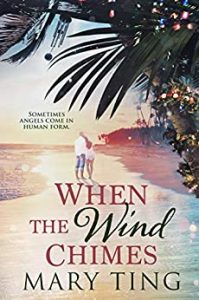
In When the Wind Chimes by international best-selling author Mary Ting, Kate Summers wants to make this Christmas extra-special for her older sister, Abby, and four-year-old nephew.
A year ago, she’d given up Christmas with her family to spend the holiday with her boyfriend, Jayden, whom she had caught cheating on her the next day. Not only is she hoping to erase that memory, but she also has another even more important reason to make this Christmas special. A few months after her disastrous break-up with Jayden, her brother-in-law, Steve, passed away from cancer, so Abby and Tyler will be spending their first Christmas alone.
After taking a leave from her job as a graphic designer in LA, Kate flies to Poipu, Kauai, determined to make this an amazing holiday, but on her way to her sister’s house, she meets a mysterious man, who gives up his cab for her. Kate can’t get the handsome stranger out of her head, and when she sees him again in her sister’s art gallery–and destroys his expensive shirt with paint–she is both mortified and excited.
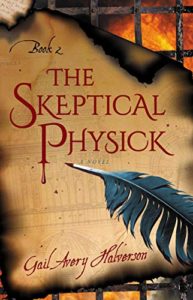
In the second in a series by author Halverson, an aristocratic, intellectually curious young woman has fallen in love with a young physician, a commoner whose radical experimentations have jeopardized his reputation. The couple is just recovering from the professional and personal rigors of dealing with London’s plague victims when the city is overwhelmed by fire. Their services are needed now more than ever.
Supported by mentor hospital administrator Father Hardwicke in his medical endeavors, Simon McKensie is finally on the verge of marrying the woman he adores, Catherine Abbott. Even the wealthy, protective Aunt Viola has come to terms with the fact that, though she might not approve the match on social grounds, she sees that Catherine will be happy with Simon.
If winning her aunt’s approval and administering aid to plague victims wasn’t enough, just days before their planned nuptials, a fire breaks out that threatens to delay them yet again. Worse, Catherine sustains a severe injury on her way to the hospital to help Simon treat burn victims. It seems that there may not be a wedding. But Simon acts quickly and effectively to save the life of his beloved, exchanging wedding vows with her even as she is barely recuperating from her accident.
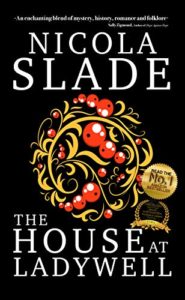
A surprise bequest, a cryptic benediction, and a box of long-lost letters thrust Freya Gibson in the middle of a life-changing mystery. As the personal assistant to successful novelist Patrick Underwood, Freya never takes a vacation. She believes herself content to be surrounded by the hustle and bustle of London, keeping Patrick on track and reigning in her newly discovered and completely uncertain feelings for her boss.
When Freya inherits a house from a heretofore unknown relative, she isn’t sure what to do. What’s more, the house comes with a clause preventing the immediate selling off of the relic. Freya has no choice but to visit the estate, still reasonably sure she will rid herself of the property; until, of course, she sets foot in the ancient home in Ramalley.
With Patrick gone on a business trip to the US, Freya decides to spend a week getting to know her new home and the village nearby. She quickly decides she wants to keep the enigmatic house with the enormous stone mantle, former church windows, and hand-carved hares. Still, as she falls in love with the house, she uncovers evidence that Violet, her cousin, and the former owner, knew a great deal more about Freya than Freya knows about herself. With each step closer to the truth, the house seems to draw her closer in a protective grip, perhaps giving her a chance at a new future.
Now that you’re set on your next reads, what are you waiting for? The only way to join this amazing list of Chatelaine Winners is to submit today!
Those who submit and advance will have the chance to win the Overall Grand Prize of the CIBAs and $1000!
Submit to the CIBAs Today!
Now is your chance to touch the hearts of readers everywhere. Your Romance story deserves to be discovered, and you can submit to the 2023 Chatelaine Awards by the end of the month. Don’t miss this chance to give your book the recognition it deserves.
And remember! Our 12th Anniversary Chanticleer Authors Conference (CAC24) will be April 18-21, 2024, where our 2023 CIBA winners will be announced. Space is limited and seats are already filling up. Sign up and see the latest updates here!
At the heart of the Mind & Spirit Awards is a celebration of transformation and enlightenment. It embraces the power of words to uplift, inspire, and guide, creating a ripple effect that resonates with readers on a soulful level. This division acknowledges the significance of the mind-spirit connection, delving into the realms of spirituality, mindfulness, well-being, and self-discovery.
Let’s celebrate the Grand Prize Winners of the Mind and Spirit Awards
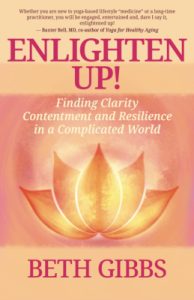
Enlighten Up By Beth Gibbs
Beth Gibb’s Enlighten Up! Finding Clarity Contentment and Resilience in A Complicated World is not a simple how-to book, but rather an invitation to begin a journey of self-discovery.
This journey follows the “five-layer method,” based on the Upanishads, a 3,000-year-old East-Indian wisdom tradition. After a quick history lesson on the pursuit of self-awareness, Gibbs walks readers through the five layers of achieving it, for a happy and fulfilling life. Throughout the book, Gibbs includes breaks for mindfulness and grounding exercises to get the most out of each section.
Gibbs writes about the assumption that the goal of enlightenment is to, “suppress or eliminate their emotions, live everlasting bliss, and face every situation with equanimity,” and how that assumption is unrealistic.
Exit The Maze: One Addiction, One Cause, One Cure by Dr. Donna Marks is a welcoming and comprehensive enchiridion of untapped wisdom that offers a step-to-step guide to getting out of any form of addiction.
No one sets out to become an addict; it catches us off guard. An addiction can happen quickly or slowly and can affect anyone regardless of intelligence, social class, ethnic group, or religion. With pitch-perfect prose, Dr. Donna Marks invites readers into the root causes of different forms of addiction, while offering pragmatic and evidence-based solutions that are bound to yield results.
Buoyed by the personal experiences of the author along with numerous case studies, Dr. Marks further offers deep insights into the inadequacies of traditional treatment models. For example, she notes that most rehab centers lack adequate staffing and overstep the limits of their capabilities. Another example is the famous 12 steps of fighting addiction which she believes do help to stop a behavior and develop a solid support system, however, she also sees that the program falls short.
Imprisoned in a boys’ institution for a crime he did not commit, Curtis Jefferson must again face his nemesis, Harvey Huish. In Courses of the Cursed, the second installment of Vince Bailey’s paranormal Curtis Jefferson series, the fight comes with much higher stakes.
Estranged from his constant companion, Randy, Curtis continues his training alone, bewildered as to why Randy believes Harvey to be more than a vicious bully. But as Curtis’s strange visions and dreams increase, he needs Randy more than ever. He begins to question whether Randy has been preparing him for an encounter beyond the violence between boys.
Unbeknownst to Curtis, he isn’t the only one being tortured by the evil of Fort Grant. A local artist, Ray Cienfuegos, has his own date with destiny. As the last male descendant of his family, Ray’s fate is tied to the massacre that occurred near the fort almost one hundred years ago.
Two young men, one a savior and one a sacrifice, will be tested by the wicked power of the sacred land. But who will survive the encounter?
This complex work twists its way through a maze of interconnected storylines and characters who each, in their own way, embody the age-old battle between good and evil.
Ezra, an old Apache shaman, embodies something horrible and ancient. Whether he is Satan or some malicious pagan entity, he facilitates the cruelty done to the characters in the novel. However, upon closer examination, Ezra’s “evil” becomes much more complicated. While he tortures Ray and sometimes takes the form of an enormous would-be rapist were-coyote, he is also the voice of a long-dead, long-forgotten people, innocents slaughtered in a sick game of commerce.
Ezra does unforgivable harm, but he does so in the name of justice, begging the question of whether justice can be achieved through bloody vengeance.
The idea of justice defines many characters, including Lieutenant Roy, the cavalry commander who refused to serve out the original retribution for which Ezra fights. In opposition to Ezra’s malignancy stands Isabel Cienfuegos, Ray’s aunt. She serves as foil to all that Ezra represents and becomes an avenging angel, toting a 12-gauge instead of a fiery sword.
Numerous other characters strive to do good in the world around them.
Vince, the narrator, admits that his faith is the very reason he must tell the story. Leon and Georgy, fellow inmates of Curtis, drag him to church to pray for guidance and courage for what lay ahead, leading the reader to question if Curtis’s actions are divine justice, or if he is merely a pawn in Ezra’s plan.
The symbology of fire frames this story.
If Ezra is – or is in league with – the devil, the use of fire is a pointed reference to the retribution forced upon those who have done wrong in life. However, when Ray receives his blood money from Ezra, Isabel throws it into a fire to rid them of the thing that led to Ray’s abduction and torture. The fort’s original inhabitants were complacent in the massacre of the tribe, so when it partially burns down, the flames cleanse part of that history. Ray uses fire as a healer, to help him rehabilitate after his disfigurement at Ezra’s hands.
But fire takes its most questionable form when a beloved character, a “knight” in search of justice, is set ablaze by Ezra. Fire here is only a punishment, wrought on someone who has done nothing to deserve it. The role of fire, just like that of good and evil, is a complicated one with a multitude of interpretations.
Courses of the Cursed asks what sort of justice can come from vengeance, and what really will bring peace to the past. A thrilling paranormal adventure that we highly recommend!
On August 18, 1920, the Nineteenth Amendment to the United States of America Constitution was ratified and signed into law on the 26th that same month.
Celebrating the 103rd Anniversary of the 19th Amendment: A Triumph of Perseverance and Equality
In the tapestry of history, some threads are woven with courage, resilience, and indomitable will. This year, as we commemorate the 103rd anniversary of the 19th Amendment to the United States Constitution, we honor the relentless dedication of those who paved the path to gender equality and universal suffrage.
Join us in celebrating this significant milestone, reflecting on the arduous journey that spanned over seven decades. The suffrage movement wasn’t a mere campaign; it was a movement that transformed society and opened doors to empowerment.
This commemoration takes us back to the historic victory that marked the amendment’s ratification on August 18, 1920, forever engraving the right for women to vote into the framework of American democracy. The amendment stood as a testament to unity, courage, and the conviction that change is attainable.
The Nineteenth Amendment was the capstone of that fight, but it took over seventy years to achieve it.
We are celebrating the 103rd anniversary of the Nineteenth Amendment’s adoption into the U.S. Constitution: the amendment that guarantees citizens the right to vote regardless of their gender, and the victory of the American Suffrage Movement. It took more than seventy years of protesting, picketing, and struggles for women to gain the civil right to vote in US elections. And many more decades passed before other disenfranchised groups were systematically denied the right to vote.
And still, the vote was not granted to Black women and men. That right came about much later than most people realize, June 6, 1965, whenPresident Lyndon Johnson signed the Voting Rights Act, which outlawed the discriminatory voting practices that some Southern states adopted after the Civil War.
Women’s suffrage was not just a long fight, but one taken on by many pivotal figures. But the story of the suffrage movement is best told by remembering many of its impactful suffragists, such as Alice Stone Blackwell, Elizabeth Cady Stanton, Matilda Joslyn Gage, Ida B. Wells, Mary Church Terrel, Josephine St. Pierre Ruffin, and Harriet Tubman whose unwavering dedication rallied people to challenge oppressive norms. Their legacy echoes through the ages, inspiring us to continue championing justice and equality.
Suffragists were physically attacked by mobs of angry men and boys while police looked the other way. They’d been roughly arrested; been held in fetid, cold, vermin-infested cells; been shackled to the wall; and endured abuse and even torture in jail. When they went on hunger strikes, they were force-fed, tubes rammed up their noses. The Christian Science Monitor.
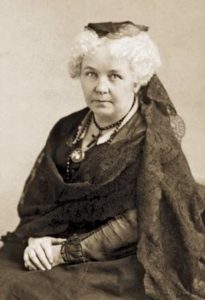
Elizabeth Cady Stanton, c. 1880
Elizabeth Cady Stanton was one of the women who first crystallized the Suffrage Movement, having helped organize the Seneca Falls Convention. Her unique background was pivotal in formulating the first demand for women’s suffrage in 1848.
As the movement grew and drew public attention, Stanton proved herself to be a skilled orator and writer, working closely with Susan B. Anthony throughout the years; Stanton actually wrote some of the speeches that Anthony delivered, and– along with Anthony– was one of the founders of the National Woman Suffrage Association. Stanton wrote for a more equitable future in more than voting; in addition to the question of suffrage, she championed a broader view of women’s freedoms, supporting labor rights, property rights, and the right to divorce. She saw that women should have the chance to lead their own lives, taking part in all aspects of society equally to men.
Movements don’t just happen, they come alive when a group of people decides to take action against injustice, and even small beginnings can lead to sweeping change.
Elizabeth Cady Stanton came from a privileged background and used her position and means to propel her views. Her father was a prominent attorney, Congressman, and a judge. He also was a slave owner. Elizabeth was exposed to the study of law and the government mechanisms that govern by her father. She was particularly against how religion was used to justify the oppression of women. She pennedThe Woman’s Bible to tackle misogynistic traditions rooted in religious dogma after being sent to a seminary at the age of sixteen.
She became an adamant abolitionist to end the practice of slavery in the United States in 1839 at the age of 24. Many historians believe that the Abolitionist Movement to End Slavery experiences and lessons were essential to pave the way for the Women’s Suffrage Movement.
Stanton wasn’t the only suffragist who saw the reality of sexist injustice throughout her society, and one of her contemporaries joined her in drawing attention to these wrongs. Matilda Joslyn Gage was considered a radical in her time, having fought against traditionalist views as Stanton had. Matilda was on the revising and editing committee for Elizabeth’s highly controversialThe Woman’s Bible.
Matilda Electa Joslyn March 24, 1826
This right to vote was a battle, fought and won 103 years ago by women we will never know, but by what they have written, what others have written about them, and what they have done for all of us.
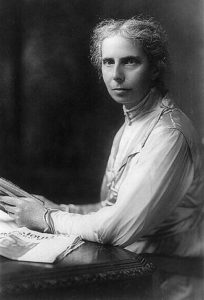
Alice Stone Blackwell
One of the women who played a significant role in uniting these two groups was Alice Stone Blackwell.
She was in a position to do so because of her connection to the AWSA: her mother was Lucy Stone. Along with Alice’s father, Henry Browne Blackwell, they were some of the primary organizers of the group. As Alice Stone Blackwell grew up, she worked with her parents on their paper, theWoman’s Journal, and eventually ran the paper. Once the AWSA and NWSA had merged, Blackwell served as the NAWSA’s recording secretary.
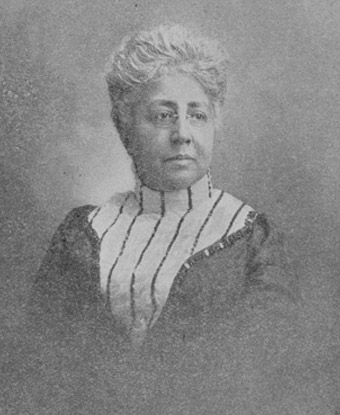
Publisher and founder of the Woman’s Era Club (which laid the foundation for NAACP), Josephine St. Pierre Ruffin, an activist at heart, a community leader, and a national organizer, grew up surrounded by the abolitionist ideals of justice, equality, and political representation. Her earliest public service dates to the Civil War, during which Ruffin recruited African American men for the 54th and 55th Massachusetts infantry regiments. After the war, Ruffin served on several charities that helped Southern Blacks. Ruffin dedicated her life to bettering the lives of women and Black Americans both locally and nationally. NPS.Gov/People/Josephine-St-Pierre-Ruffin.
Josephine St. Pierre Ruffin
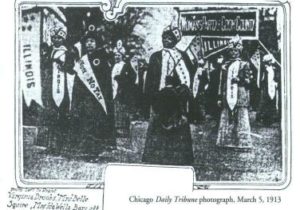
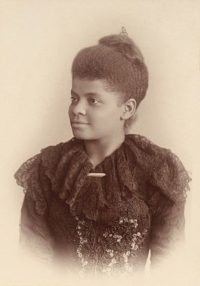
While the centennial celebrates the federal adoption of women’s suffrage, we shouldn’t forget the smaller victories and works that punctuated the movement’s length, those who spoke out against injustice in many forms, while seeking the vote. One such woman was Ida B. Wells, who played an active role in the suffrage movement of Chicago. The city had given partial suffrage to women. Wells, along with a fellow suffragist Belle Squire, started the Alpha Suffrage Club to advance women’s suffrage further and educate women on civic involvement.
Ida Wells & Belle Squire marching in 1913
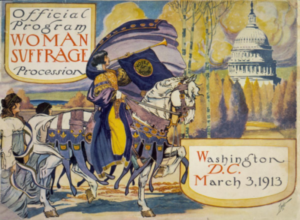
The club especially supported African American candidates for the city’s elections, working to break down multiple unjust barriers in politics. Wells participated in one of the NAWSA’s best-remembered marches, set in Washington D.C. the day before the inauguration of President Woodrow Wilson. At the beginning of the rally, she was told to walk at the back, but she refused. Ida B. Wells marched with her sister suffragists from Illinois at the front. The power of social change comes from unified work between many people, and Wells refused the idea that she, as a suffragist, could be divided from anyone else.
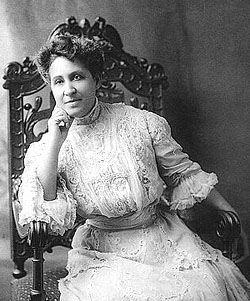
Along with women like Wells and Ruffin, Mary Church Terrel was an advocate for racial equality. She was entwined with gender equality, which shows throughout her work with the NAWSA, where she frequently met with Susan B. Anthony and Elizabeth Cady Stanton. She insisted that the movement fight for the rights of black women alongside those of white women, and spoke highly of the suffragists who fought for everyone oppressed by the political and social systems of the time. She spoke at NAWSA meetings, delivered speeches, and called for the suffragists to remember all of the women whose vote they worked so hard to gain.
Ida Wells
Let’s not allow their work to be forgotten – and let us never give up our full Rights as U.S. Citizens to carry out this all-too-important privilege.
Despite the NAWSA’s issues with racism, some black women did act within that organization, such as Mary Church Terrel, who was an advocate for racial equality entwined with gender equality, which shows throughout her work with the NAWSA, where she frequently met with Susan B. Anthony and Elizabeth Cady Stanton. Mary insisted that the movement fight for the rights of black women alongside those of white women, and spoke highly of the suffragists who fought for everyone oppressed by the political and social systems of the time. She spoke at NAWSA meetings, delivered speeches, and called for the suffragists to remember all of the women whose vote they worked so hard to gain.
Mary Church Terrel Sept 23, 1863
Women’s suffrage had a complex relationship with black civil rights in large part thanks to the period of history in which the suffrage movement began: the Seneca Falls Convention took place in 1848, seventeen years prior to the abolition of slavery. This meant that the women’s rights movement was progressing and focusing at the same time that black people across were achieving freedom and directing themselves in a country that, while changing dramatically, still marginalized them.
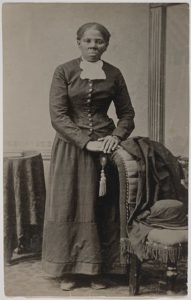
Harriet Tubman’s work is an example of how black women fought on both fronts; she’s a figure best remembered for her work as a liberator, freeing slaves prior to and during the civil war, but she took part in the suffrage movement as well. During the time of the NAWSA, she traveled to meetings and demonstrations to give speeches, telling of her experiences fighting for freedom and facing down oppressive and dangerous power structures during the time of slavery, and how important the struggle for freedom is. She bridged her advocacy for equality into the fight for the vote, and during this time, Ruffin’sThe Woman’s Erawrote a profile on Tubman, as the country’s attention was once again drawn to her fight.
Harriet Tubman after the Civil War
All of these histories show that the suffrage movement’s victory– the adoption of the nineteenth amendment– was the result of disparate people, dedicated and idealistic people coming together and fighting hard for their rights. They gave time, energy, and passion to a movement that would, eventually, provide them with the right to participate in the democracy of their country. The fact that the suffrage movement stayed strong for 70 years united its two significant organizations, tackled legislation at both the national and local levels, is a testament to the people who refused to give up, and whose worked– together– to win the fight.
It’s been a century since women won the right to vote, and more than 170 years since the American suffrage movement started in earnest. This movement has a lot it can teach us: the value of working together, across the country, to bring about change; the importance of remembering that there is always more than one fight for progress and rights, that we should listen to the voices of everybody who’s been pushed down and denied their rights and opportunities; and, of course, that even in the face of a power structure that calls rebellion and the fight for equal freedoms’ radical’, that fight is a good one, and worth taking on.
At the Seneca Falls Convention, the call for women’s suffrage rang out in America, whereas before it had been considered a fringe idea, or even impossible. The fight was long, but after seventy-two years, the suffragists made what was ‘radical’ a reality.
So, in the spirit that the right to vote is something that all people deserve, and should never have been restricted to any one group over another, let’s celebrate the centennial of a victory that brought America one step closer to the ideals of equality, freedom, and the rights of all. The power of the vote has shaped America’s history. We must all understand the importance of voting, and today we recognize those who fought for our rights. We are thankful for those brave suffragettes, for it is their struggle that has given us the right to participate in our democracy regardless of gender.
It required three generations of fearless activists over a span of more than seven decades working in more than 900 state, local, and national campaigns to finally win the vote for American women. And that active verb – win – is important: Women were not given the vote; they were not granted the vote. As one commentator so aptly describes it: “They took it.” Christian Science Monitor
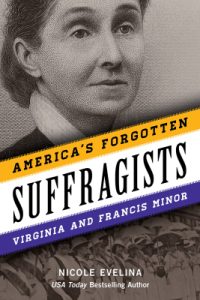
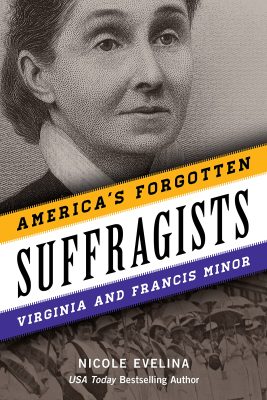
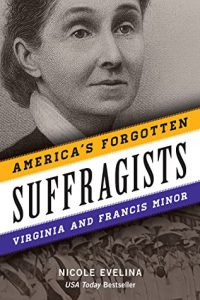
This year holds a special place in our hearts as we also celebrate the exceptional work of Nicole Evelina, whose groundbreaking book, ‘America’s Forgotten Suffragists: Virginia and Francis Minor,’ sheds light on the indelible contributions of lesser-known suffragists. Evelina’s meticulously researched biography illuminates the lives of Virginia and Francis Minor, who, alongside their better-known contemporaries, shaped the course of women’s rights and equality. Their story, like many others, exemplifies the unyielding spirit that fueled the suffrage movement.
As we honor the remarkable journey that brought us to this juncture, we are reminded that progress is a collective endeavor. The road to universal suffrage was marked by sacrifices, courage, and a shared vision of a more just world. The fight for equality continues to resonate, urging us to safeguard the rights that were hard-fought and won.
Join us in commemorating the 103rd anniversary of the 19th Amendment, a testament to the power of determination, unity, and the enduring spirit of change. Let us remember the past, honor those who blazed the trail, and carry forward their legacy as we champion equality and justice for all.
Comprehensive in its own right, America’s Forgotten Suffragists by Nicole Evelina is an essential addition to the canon of women’s suffrage and first-wave feminism.
Equal parts local history of women’s right to vote in the nineteenth century and biography of Virginia and Francis Minor, America’s Forgotten Suffragists illuminates the story of a wife-and-husband feminist duo who were the first to fight for women’s suffrage at the Supreme Court level.
We learn about the lives of Virginia and Francis Minor by way of historical records, intersecting timelines with other suffragists, and news articles and letters. Virginia Minor was raised on the new and intellectually stimulating University of Virginia campus, where her father worked. Born into a colonial settler and slave-owning family, Virginia came into her own as she grew older, forming abolitionist and feminist beliefs.
In 1869, Virginia realizes that, through implication, the Constitution could grant women the right to vote by way of the Fourteenth Amendment, which acknowledged the freedom, citizenship, and human rights of Black men freed from enslavement. She shares her thoughts with Francis — a practicing lawyer and constant ally for women’s financial independence. And when Virginia is denied from registering to vote in 1872, she sues and goes to court with Francis as her attorney, to introduce her interpretation of the law.
As history reveals, the Minors lost their case. However, they ignited conversations about women’s suffrage nationwide, pushing others to take up the charge.
Virginia became good friends with Susan B. Anthony, collaborating on suffrage campaigns in the Midwest, and giving speeches in territories that were becoming states. Francis Minor continued his advocacy for the feminist cause by publishing his writing on women’s rights. To preserve their words, biographer Evelina includes many of the Minor’s speeches and articles, as well as Virginia and Francis’s petition in full calling for the Supreme Court to acknowledge women’s right to vote based on the Fourteenth Amendment.
What truly shines about this book — along with its gentle prose and historical scene-setting — is what it teaches about the origins of first-wave feminism and why the American voting system continues to disenfranchise Black citizens.
Nicole Evelina takes great care to analyze Virginia’s 1875 Supreme Court case, Minor v. Happersett, from all angles.
Minor v. Happersett has been (mis)used over seven times since the trial to reinforce voter suppression tactics. Evelina demonstrates through this extensive biography of Virginia and Francis Minor that the issues we face today — election tampering, gerrymandering, expunged registration records, and restrictions on accessible voting methods for the working class — can, in part, be traced back to this case.
This biography documents one woman’s bold path to securing women’s rights, a beacon of hope for a world where no person is lesser than another.
You have until August 31st to submit to the 2023 CIBAs!
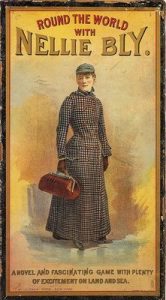
Elizabeth Cochran Seaman (Better known by her Pen Name, Nellie Bly) created a new brand of Investigative Journalism. Best known for beating Jules Verne’s Around The World in 80 Days in 72 days, and even more amazingly, Going undercover to get herself put into a New York Mental Hospital to then publish an exposé on the unlivable conditions and mistreatment of marginalized women. Journalist, Novelist, Inventor and overall amazing Woman. So its only fitting that our Division for Investigative Journalism be named for the woman who made the genre.
We’re excited to celebrate the excellent caliber of work that we have had the honor of promoting in the CIBAs for Longform Journalism.
The Nellie Bly Awards are one of a kind. Check out the following books to find out why!
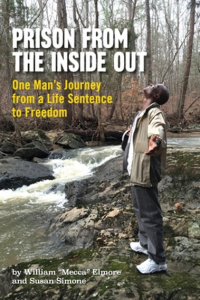
Prison From The Inside Out By William “Mecca” Elmore and Susan Simone
Prison from Inside Out: One Man’s Journey from a Life Sentence to Freedom is an illuminating chronicle that tells the story of a man who not only survived the stoniest soil but used his experiences to thrive as a human being.
This arresting memoir is essentially a road trip of William ‘Mecca’ Elmore, a man with a tumultuous childhood, growing up in a neighborhood chock full of social problems. It is in this environment that Elmore is involved in a crime that consequently leads to his arrest and trial. The story builds upon his incarceration in various correctional facilities, his experiences, his release through a Mutual Agreement Parole Program, and his eventual redemption.
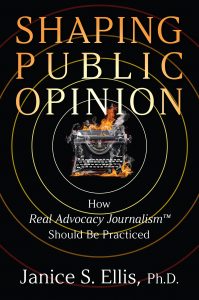
Janice S. Ellis, Ph.D., introduces the journalistic theories of Walter Lippmann in her new non-fiction work, Shaping Public Opinion: How Real Advocacy Journalism™ Should be Practiced.
Walter Lippmann, considered one of the foremost journalists in the field over the last 100 years, was a mentor in absentia of Dr. Ellis in the art of advocacy journalism. During Lippmann’s 40+ year career, his columns were syndicated in over 250 newspapers nationwide and over 25 other international news and information outlets. Lippman focused on the ethical dissemination of information, especially about communities, society, and the world. A theory, which Dr. Ellis calls Real Advocacy Journalism™.
Reviews are forthcoming for recent winners, and you can see the full list of 2021 winners here and 2022 winners here. Huge congratulations again to all our Winners!
The Grand Prize Winner for the CIBA 2021 NELLIE BLYAwards is:
America’s Forgotten Suffragists: Virginia and Francis Minor
by Nicole Evelina
The Grand Prize Winner for the CIBA 2022 NELLIE BLYAwards is:
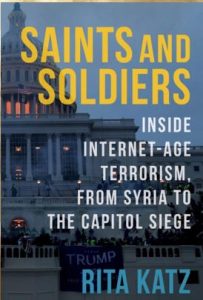
Saints & Soldiers
by Rita Katz
Now that you’re set on your next reads, what are you waiting for? The only way to join this amazing list of Nellie Bly Winners is to submit today!
Those who submit and advance will have the chance to win the Overall Grand Prize of the CIBAs and $1000!
Be Part of the Legacy: Join the Illustrious Roster of Winners
As the deadline for the 2023 Nellie Bly Awards creeps closer, we extend our heartfelt congratulations to all the exceptional achievers.
Join us as we delve into the Hall of Fame for Grand Prize Winners of the Shorts Awards – a realm where short fiction goes beyond genre. Starting in with the 2021 winners while the reviews for 2022 are processed!
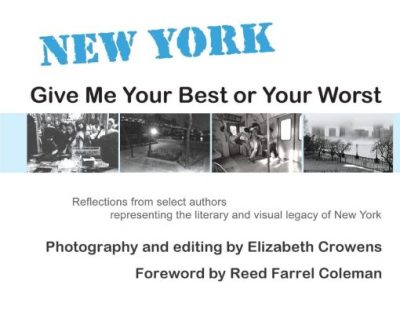
New York: Give Me Your Best or Your Worst By Elizabeth Crowens
Prepare to be carried away to bustling, vivacious streets as you read Elizabeth Crowens’ New York: Give Me Your Best or Your Worst.
This captivating literary anthology is a love letter to the great city from a group of brilliant artists and authors, which delves into the multifaceted lives of New Yorkers.
Short fiction and a few poems describe the ins and outs of New York living. Murder mysteries, revenge, family struggles, family sagas, and, of course, the most important questions regarding real estate. Finding the perfect place to live in the city may be difficult, but this story brings into vivid relief the heart of what makes New York special: the people.
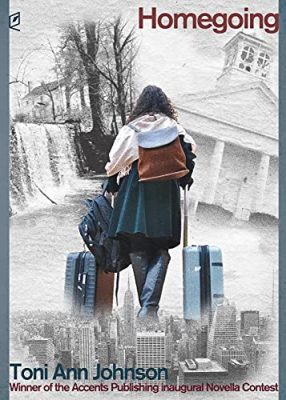
Homegoing by Toni Ann Johnson is an intimate portrait of a middle-aged African-American woman dragging herself hand over hand out of grief and despair.
This story begins with her aching, echoing pain after the one-two punch of a miscarriage and the dissolution of her marriage. Her journey takes her back to the upper-middle-class white suburb where she grew up, through childhood memories that refuse to be denied and to, of all times and places, a funeral.
Something and someone is supposed to be buried. Certainly the deceased. But quite possibly the woman who has held on to her losses and her grudges long enough to poison her own future.
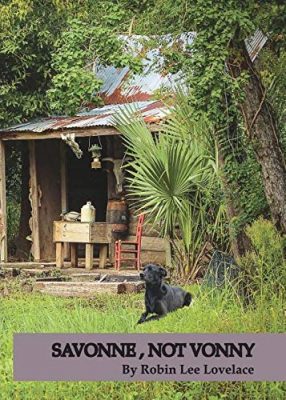
Robin Lee Lovelace evokes a world in which the mystical intertwines with the everyday in Savonne, Not Vonny, a coming-of-age story set in rural Louisiana.
Nine-year-old Savonne lives in a small room at the back of Mama Gwen’s whorehouse, in Indianapolis in the ’60s. Her mama is one of the working girls, and her father is Mama Gwen’s own son. Savonne’s daddy dotes on her, and Mama Gwen loves Savonne like the daughter she never had; the two of them together make a loving home for Savonne, in the midst of their raucous brothel.
By contrast, Savonne’s birth mother rarely pays her any mind. A “crazy-ass woman” with a temper “as hot as a Mississippi afternoon,” Coco is not at all opposed to beating the bejesus out of someone. In a fury one night, she does something that cannot be undone, and in her headlong flight out of town, she takes Savonne with her.
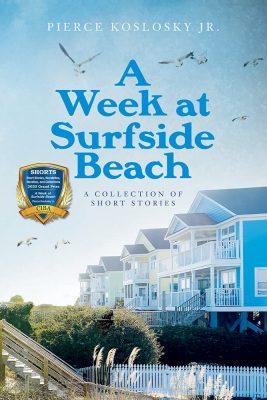
Vacationers from all walks of life converge on Portofino II-317C, South Carolina, a quaint blue beach house, in Pierce Koslosky Jr.’s short story collection, A Week at Surfside Beach.
From May 30th-December 26th each group of people comes to stay one week at a time, to forget their cares of the big city, to work, to celebrate, or to simply get away. Surfside Beach has much to show them, including temperamental weather.
The small town itself offers a charming supermarket where fishing supplies, whoopie pies, and local southern favorites can be found. The Christmas vacationers, the final of the thirteen beach house renters, struggle to find a tree in time; a real tree simply wouldn’t allow enough space for the family to sleep, and the fake tree would cost too much. But they find arts and crafts supplies in town, to fashion a paper Christmas tree during a day of rainy weather.
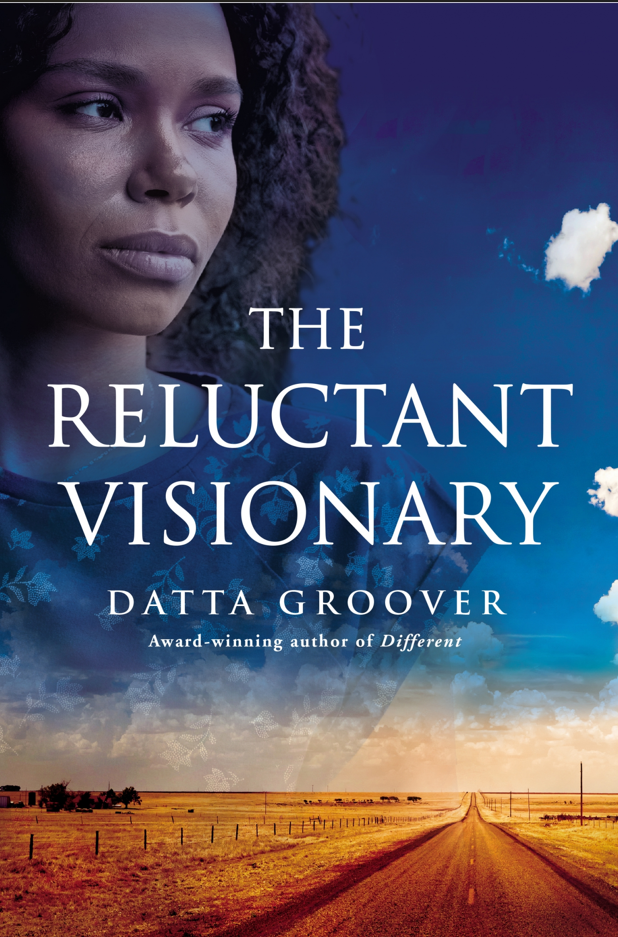
Visions of the future swirl, unclear and contradictory, giving dire warnings of lives soon to be cut short, in Datta Groover’s The Reluctant Visionary.
Three women, Anna Mae, Kat, and Jess each confess to being the visionary of her era. They never asked for the ability to glimpse danger ahead, to have the opportunity to save others from a terrifying destiny. It’s a heavy burden when people refuse to believe them, and the dangerous consequences of their visions lay in wait. The best of intentions lead the ladies further into a dire struggle. Can they survive all that life throws their way, and learn how to reshape the future? Or will they lose their way in the blur of chilling prophecy?
Jess is in her mid-twenties, a resident of a rural town in contemporary Texas. She works hard with her family to hold on to the ranch that’s been with them for generations.
No matter what they try, they continue to experience misfortune and lose more money. As they slip further and further into debt, they wonder what is the root of all their bad luck. Jess juggles this financial struggle with her visions of the future, just like her mother, Kat, did. Visions of violent and heart-wrenching crimes haunt Jess and drive her to act defiantly and protect the innocent victims.
As she delves into a criminal mystery, she has no idea the danger she’ll face along with her family, and the secrets she’ll uncover in her mission to change the future. She partners with the lone law enforcement officer who believes in her and her visions, but can she resist his charms?
In the 1960s, an entrancing story set in rural Tennessee plays out parallel to Jess’.
Anna Mae has just turned eighteen and lives at home with her abusive parents. Her visions of the future are met with anger and fear from the people she’s trying to help, and someone even reports her to the police when her attempt to save a child in danger is deliberately misinterpreted. Anna Mae seeks a tranquil and happy life but her disturbing visions make that wish impossible.
She finds herself in the middle of an investigation when the police accuse and arrest the wrong person for a crime. She’s determined to save him. In the midst of the chaos, Anna Mae falls in love with the wrong man and is faced with a drastic, life-altering decision. Will she find a wise path forward in her visions?
Author Datta Groover tells a story of three generations of strong female protagonists.
These women show how a determination to light a hopeful way forward ignites courage despite threats of desperation and peril. Their contrasting struggles, inherent to different decades and settings, leap off the page, relatable and emotionally vivid. And just as in real life, the ending of the story is filled with unexpected surprises, even for these visionaries.
In the quiet moments of introspection, where the mind converges with the essence of being, profound narratives unfold.
The allure of spiritual exploration and the quest for well-being beckon authors and seekers alike. The Mind & Spirit Awards stand as a tribute to these transformative works, celebrating the realms of Spirituality, Enlightenment, Self-Help, Mindfulness, Well-being, Meditation, and Energy. Join us as we traverse the corridors of consciousness and unveil the power of the mind-spirit connection.
The Mind & Spirit Awards weave tales of enlightenment, offering guidance in the pursuit of mindfulness, or illuminating the path to well-being, your words have the potential to inspire, uplift, and transform.
In the vast tapestry of human experience, countless paths lead to enlightenment. The Mind & Spirit Awards embrace a diverse array of genres and voices, uniting the realms of spirituality, wisdom, and personal development. From profound self-help manuals to enlightening explorations of mindfulness, this division encapsulates the boundless journey of the human soul.
Navigating the Spiritual Landscape: A Harmonious Blend
As self-help literature finds its way into the hearts of readers, the concept of mindfulness has flourished, becoming a beacon of inner awareness. Publishers Weekly offers a word of caution for this difficult to write genre:
The term mindfulness can be “very fraught,” agreed Lil Copan, senior acquisitions editor at Broadleaf Books, particularly if it has been “diluted in its origin” in Buddhism. Christian authors often want to avoid acknowledging the Buddhist roots of mindfulness as a practice, connecting it instead with Christian contemplative practices they trace to the early church, or merely using “mindfulness” as a substitute for words like “presence” or, in the Quaker context, “quietude.” Still, Copan said that even amid concern about using the term, mindfulness is “such a good word. It does so much work that I can’t think of another word in which you aren’t saying 30 words or long sentences to get at what most people think of as mindfulness.”
Ananta Ripa Ajmera – The Way of the Goddess: Daily Rituals to Awaken Your Inner Warrior and Discover Your True Self
Nico Marceca and illustrated by Karen Sue Chen – The One Week Journal
Deborah Vinall, PsyD, LMFT – Gaslighting: A Step-by-Step Recovery Guide to Heal from Emotional Abuse and Build Healthy Relationships
D Terrence Foster. M.D – The Stress Book: Forty-Plus Ways to Manage Stress & Enjoy Your Life
Donna McCart Welser – Rue’s Butterfly
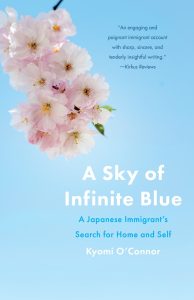
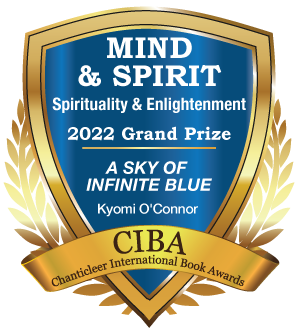
The Grand Prize Winner for the CIBA 2022 MIND & SPIRIT Awards is:
A Sky of Infinite Blue
By Kyomi O’Connor
The Mind & Spirit Awards are uniquely attuned to works that delve deep into the spiritual journey, resonating with readers seeking solace, clarity, and transcendence. Every word penned in a Mind & Spirit book holds the potential to ignite transformation. As an author, your role in guiding readers toward inner growth is paramount. Vulnerability and authenticity are powerful tools that invite readers to embark on a journey of self-discovery.
Seize the opportunity to share your enlightening narrative with the world. Submit your work to the Mind & Spirit Awards by the August 31, 2023 deadline. Join the lineage of authors who have contributed to the evolution of spiritual literature and well-being.
When you’re ready,did you know that Chanticleer offers editorial services?We do and have been doing so since 2011.
Our professional editors are top-notch and are experts in the Chicago Manual of Style. They have and are working for the top publishing houses (TOR, McMillian, Thomas Mercer, Penguin Random House, Simon Schuster, etc.).
If you would like more information, we invite you to email Kiffer or David at KBrown@ChantiReviews.com or DBeaumier@ChantiReviews.com for more information, testimonials, and fees.
We work with a small number of exclusive clients who want to collaborate with our team of top-editors on an on-going basis.Contact us today!
Chanticleer Editorial Services also offers writing craft sessions and masterclasses. Sign up to find out where, when, and how sessions being held.
A great way to get started is with our manuscript evaluation service, with more information availablehere.
And we do editorial consultations for $75. Learn more here.
If you’re confident in your book, consider submitting it for a Editorial Book Reviewhereor to one of our Chanticleer International Awardshere.
And remember! Our 12th Anniversary Chanticleer Authors Conference (CAC24) will be April 18-21, 2024, where our 2023 CIBA winners will be announced. Space is limited and seats are already filling up. Sign up and see the latest updates here!












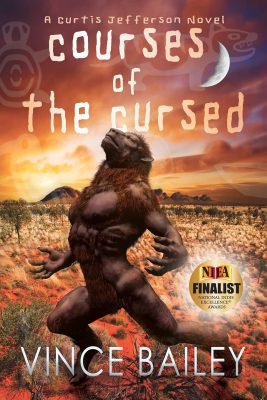
 Imprisoned in a boys’ institution for a crime he did not commit, Curtis Jefferson must again face his nemesis, Harvey Huish. In Courses of the Cursed, the second installment of Vince Bailey’s paranormal Curtis Jefferson series, the fight comes with much higher stakes.