Author: chanti

  • The 2024 Shorts Spotlight for Brief but Spectacular Writing

    Short but Sweet

    ***Send us your short story today***

    Shorts Awards submissions close at the End of August!

    H.G. Wells once described the purpose of a short story to be “The jolly art, of making something very bright and moving; it may be horrible or pathetic or funny or profoundly illuminating, having only this essential, that it should take from fifteen to fifty minutes to read aloud.”

    A Story doesn’t need a long winding plot to get it’s point made. Compelling characters and plot twists in 5 pages can have much the same effect as 100.

    In 1846, Edgar Allan Poe wrote an essay called The Philosophy of Composition. In it he described his theories on writing Short Stories, using The Raven as the example. He had 3 theories for writing Length, Method and ‘Unity of Effect.’

    According to Poe, the limits on the length of a short story is what makes them so good.

    In his words “For it is clear that the brevity must be in direct ratio of the intensity of the intended effect.” On length, Poe said for one of his stories: “[W]hat I conceived the proper length for my intended poem – a length of about one hundred lines. It is, in fact, a hundred and eight.”

    In terms of method, He states that a writer should first think of how they want a story to end. Of course, that’s just how he wrote, you can start from the beginning, or the end, or maybe the middle. His last theory is everything together. Emotion, Length, Tone, and making them all work together.

    The Shorts Awards launched just a few years ago and is already one of our most competitive divisions!

    Your Short Fiction and Non-Fiction deserve to be discovered!

    There are several options when submitting to the Shorts Awards to match your type of writing:

    • Single Story or Essay – also great for Novellas and Novelettes!
    • Short Story Collection
    • Novelette Collection
    • Novella Collection
    • Essay Collection

    You can also submit anthologies to any of the collection options! Just pick the one that best describes the type of work found in the anthology! This includes anthologies with a mix of fiction, non-fiction, and even poetry!

    Let’s dive into some wonderful short work that we’ve reviewed recently!

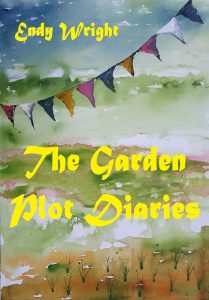
    THE GARDEN PLOT DIARIES
    By Endy Wright
    Shorts Finalist

    Endy Wright’s The Garden Plot Diaries is a delightful collection of four short stories about life, relationships, and consequences.

    Wright captures the gossip and rivalries between factious groups of town folk, all between sixty and ninety-something, who have known each other since childhood and carry the grudges to prove it. Our delightful narrator professes, “I am a rambling old man with a tale to tell and in no hurry to tell it.” So, settle in.

    Read more here!

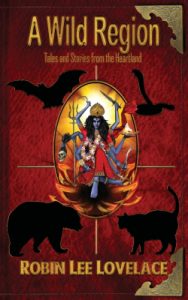
    A WILD REGION: Tales and Stories from the Heartland
    By Robin Lee Lovelace
    “Savonne, not Vonny” won the Shorts Grand Prize!

    A Wild Region: Tales and Stories from the Heartland by Robin Lee Lovelace is a wonderful collection of Weird fiction (emphasis on Weird), showcasing the oddities and fantastic adventures which hide among the everyday people of the midwestern United States.

    Lovelace opens with ‘Virgie’s Headless Chicken’, setting the tone for the full collection as Virgie attempts to reproduce a circus sideshow act. Lovelace shares her familial inspiration for this story in a fascinating preface.

    Read more here!

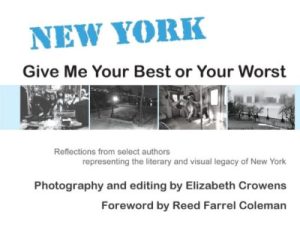
    NEW YORK: Give Me Your Best or Your Worst
    By Elizabeth Crowens
    Shorts Grand Prize Winner

    New York Cover

    Prepare to be carried away to bustling, vivacious streets as you read Elizabeth Crowens’ New York: Give Me Your Best or Your Worst.

    This captivating literary anthology is a love letter to the great city from a group of brilliant artists and authors, which delves into the multifaceted lives of New Yorkers.

    Short fiction and a few poems describe the ins and outs of New York living. Murder mysteries, revenge, family struggles, family sagas, and, of course, the most important questions regarding real estate. Finding the perfect place to live in the city may be difficult, but this story brings into vivid relief the heart of what makes New York special: the people.

    Read more here!

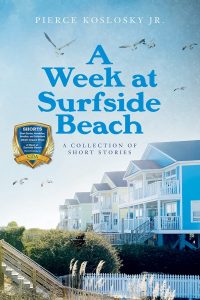
    A WEEK at SURFSIDE BEACH
    By Pierce Koslosky, Jr.
    Shorts Grand Prize Winner

    A Week at Surfside Beach

    Vacationers from all walks of life converge on Portofino II-317C, South Carolina, a quaint blue beach house, in Pierce Koslosky Jr.’s short story collection, A Week at Surfside Beach.

    From May 30th-December 26th each group of people comes to stay one week at a time, to forget their cares of the big city, to work, to celebrate, or to simply get away. Surfside Beach has much to show them, including temperamental weather.

    The small town itself offers a charming supermarket where fishing supplies, whoopie pies, and local southern favorites can be found. The Christmas vacationers, the final of the thirteen beach house renters, struggle to find a tree in time; a real tree simply wouldn’t allow enough space for the family to sleep, and the fake tree would cost too much. But they find arts and crafts supplies in town, to fashion a paper Christmas tree during a day of rainy weather.

    Read more here!

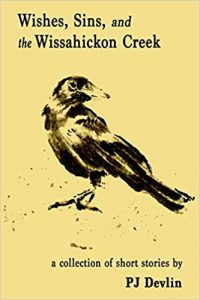
    WISHES, SINS, and the WISSAHICKON CREEK
    By PJ Devlin
    Somerset First Place Winner

    Wishes Sins and the Wissahickon Creek

    Wishes, Sins, and the Wissahickon Creek by PJ Devlin emulates the lives of fictional characters brimming with hope and promise yet living a truthful life of existence in the gorgeous setting of Pennsylvania’s Wissahickon Creek.

    The book encompasses ten short stories making it a complete work of fiction. Devlin creates characters which are rich in both experience and struggle. Not only do they live in a real world created by Devlin, but her characters, a mix of children and adults, both struggle with daily, real-world issues most Americans deal with. The stories are all relatable in this sense, which makes the text come alive, page after page.

    Read more here!


    Thank you to everyone who submitted to the 2024 Shorts Awards! We can’t believe that the whole adventure starts again when the Shorts Chanticleer Int’l Book Awards close on August 31st, 2024.

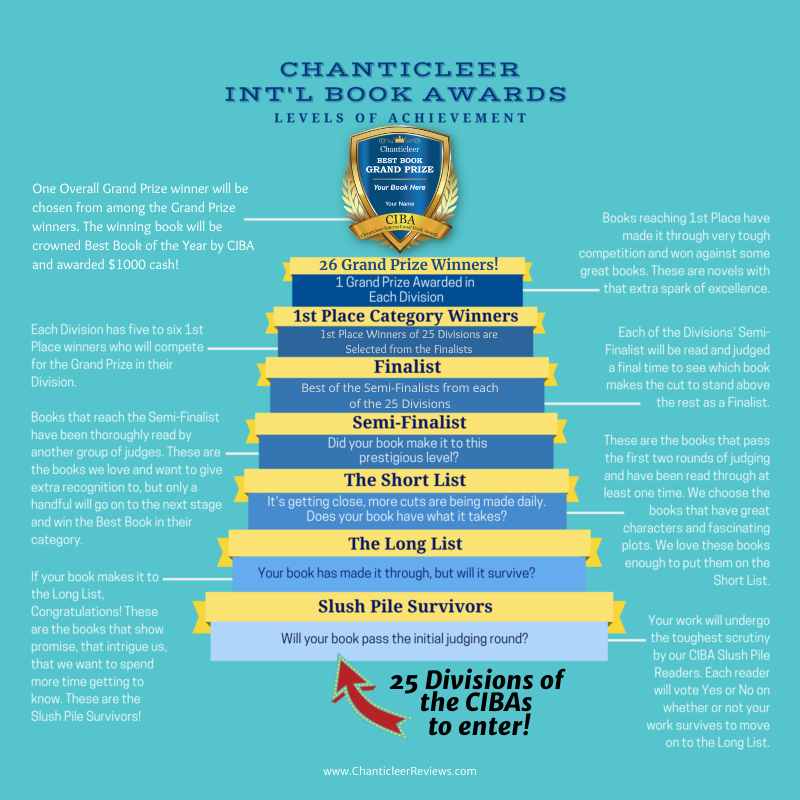
    The tiers of achievement for the CIBAs

    This is the journey from beginning to end for the CIBAs Levels of Achievement is so worthwhile! Every list you make means more promotion for you and your work as each list is posted right here on our website, on our social media, and also out in our newsletter! Your book deserves to be discovered.

    You know you want it…

    Submit to the Shorts Awards today!

  • Chanticleer 10 Question Author Interview Series with Thomas Goodman – Award-winning book, The Last Man, Laramie Grand Prize Award, Author Life

    Western Pioneeer Civil War Fiction Award

    From the 2023 Laramie Division Grand Prize Winner for Americana and Western for his book The Last Man, we have a brand new Chanticleer Author Interview!

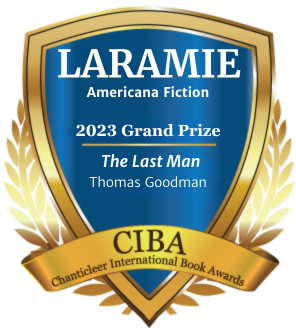
    Thomas Goodman won the Grand Prize in the Laramie Division of the 2023 Chanticleer International Book Awards for his novel, The Last Man. The Laramie Book Awards recognize emerging new talent and outstanding works in the Americana and Westerns fiction genre. The Laramie Book Awards is a division of the Chanticleer International Book Awards (The CIBAs).

    The Laramie division includes:


    Western Romance, Adventure, Caper, Classic  Western Romance, Adventure Caper Classic Western,

    Civil War/Prairie/Pioneer, Contemporary Western, Americana, and First Nation

     Join us in getting to know the thrilling writing of the Western genre’s newest talent, Thomas Goodman!


    Blue and Gold badge recognizing The Last Man by Thomas Goodman for winning the 2023 Laramie Grand Prize

    Chanti: Tell us a little about yourself: How did you start writing? 

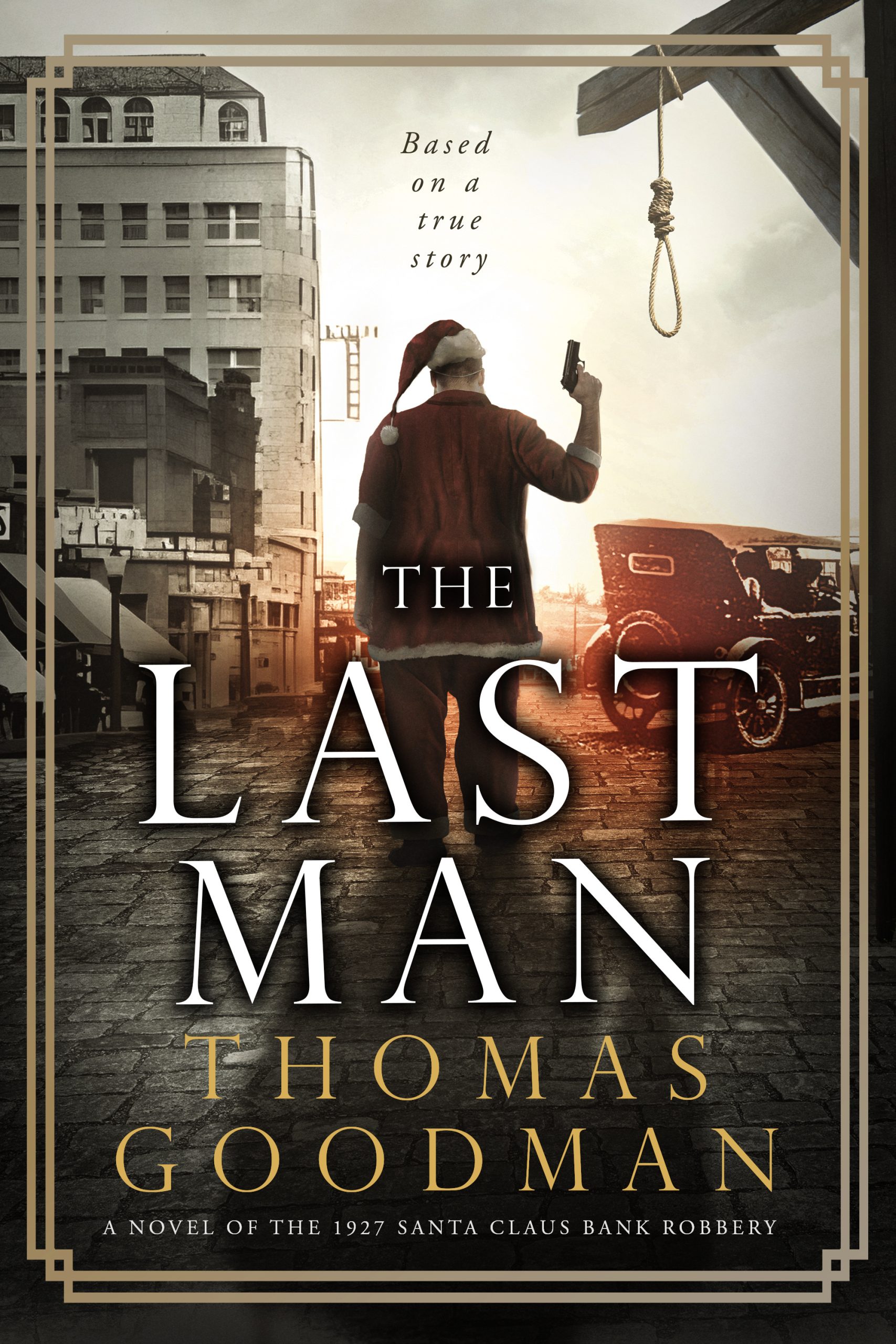
    Goodman: I first heard the story of the 1927 Santa Claus Bank Robbery in the 1990s when I lived in the small Texas county where it took place. All the accounts ended with the deaths of three of the four robbers, with little information about the life of the last surviving member of the gang. As it turns out, the details of his spectacular prison escapes and eventual rehabilitation are as fascinating as the violent endings of the other three robbers. By the time he died in his 90s around the same time I learned of the robbery, he had received a full pardon and had been a married model citizen for 50 years. In his honor, I named my book, The Last Man: A Novel of the 1927 Santa Claus Bank Robbery.

    The Last Man, Tom Goodman, green shirt, brown carpet, tripod stand, poster, award
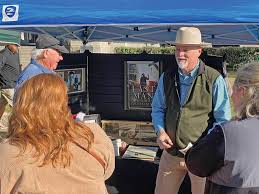
    Thomas Goodman donating his book, The Last Man, to “Books for the Brave,” which stocks military bases with books the troops can read for free.

    Chanti: Let’s talk about genre. What genre best describes your work, and what led you to pick that genre for your writing?

    Goodman: Identifying the genre was a challenge. It’s closely based on a true crime, so it’s non-fiction; but telling the story required some measure of speculation, so it’s fiction. Like any good novel in the crime genre, it’s a grim and violent story; and yet like any compelling novel in the inspirational genre, it’s a redemption story, too. And the story begins in the 1920s with an old-fashioned bank robbery in a small Texas town, which makes it a Western; but the story ends in post-WW2 society, which makes it historical fiction.

    Thankfully, booksellers and libraries allow books to be cataloged in various genres, but my “go-to” answer when asked about the genre is “historical crime fiction.”

    Chanti: What about your own personal writing structure day to day? Do you have a routine?

    Goodman: Since I have a full time job, I write 3 days a week from 6:00-8:30am before the office day begins. Between the 2 approaches to writing–the “plotters,” who create a broad outline of the plot before they begin, and the “pantsers,” who start writing and just see what develops–I am definitely a “plotter.” That said, I’m often surprised at what a character decides to do or what turn my well-planned plot takes when I’m in the middle of writing.

    Book cover, The Last Man, Thomas Goodman, Santa Claus, hangman's noose, western, americana,


     Look for the Chanticleer Review of this Laramie Grand Prize Winner! Coming soon and will link to this article! 

    Chanti: It’s difficult finding time to consistently write. How do you approach your writing day to stay consistent?

    Goodman: When I was at a writers conference six years ago, I met an author who had traditionally-published a series of cozy mysteries. She told me she would get up at 5am and write until 7:30am when it was time to go to her “real job” as an assistant elementary school principal. That gave me the idea to write from 6am until 8:30am when my office opened. Once I began to write under that schedule, I completed my book in 2 years.


    Chanti: Who are a few of your favorite authors and how have they influenced your work. 

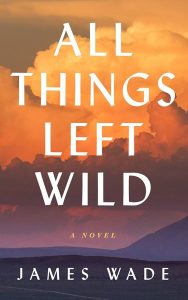
    Goodman: James Wade’s All Things Left Wild gave me the confidence to believe that the Western genre wasn’t a dead genre. 

    Clouds, sunrise, orange, salmon, purple, All Things Left Wild, James Wade

    I also really like Texas author Paulette Jiles (News of the World, Chenneville, and especially Stormy Weather.) She strikes the right balance between situating her story in a world over a 100 years ago without bogging the plot down with a lot of details and explanations of how life used to be—a constant temptation for a historical fiction writer.

    For prose that’s beautiful but not syrupy, I love Marilynne Robinson’s Gilead, Cormac McCarthy’s All the Pretty Horses, and Annie Proulx’s Close Range: Wyoming Stories

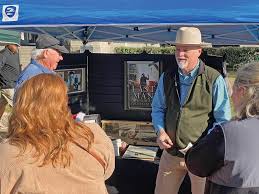
    Tom Goodman, peple, green vest, red hair

    Chanti: Reading books in our genre is so crucial to developing voice. What else has helped you grow your author chops?

    Goodman: John Trumby’s The Anatomy of Story is helpful. So is Steven James’s Story Trumps Structure. Anne Lamott’s Bird by Bird is next on my list.

    Chanti: Those are both great. Lamott is the starting inspiration for so many wonderful writers. Do you have any books about the business of writing that have helped you?

    Goodman: Ricardo Fayet’s How to Market a Book and Amazon Ads for Authors was helpful. And David Gaughran’s book, Following, Strangers to Superfans, and Let’s Get Digital. Every author should read Tammi Labrecque’s Newsletter Ninja. 

    Chanti: And from that wealth of knowledge, what are your best marketing tips? What’s helped sell more books? How have you gained notoriety? What strategies have you used to expand your literary footprint?

    Goodman: Get a desirable reader magnet and build your newsletter list; sign up for the festivals that fit your genre and engage with customers at your book table; convince customers to leave starred reviews at their favorite online bookstore and review sites, and give them the direct link(s) to those sites.

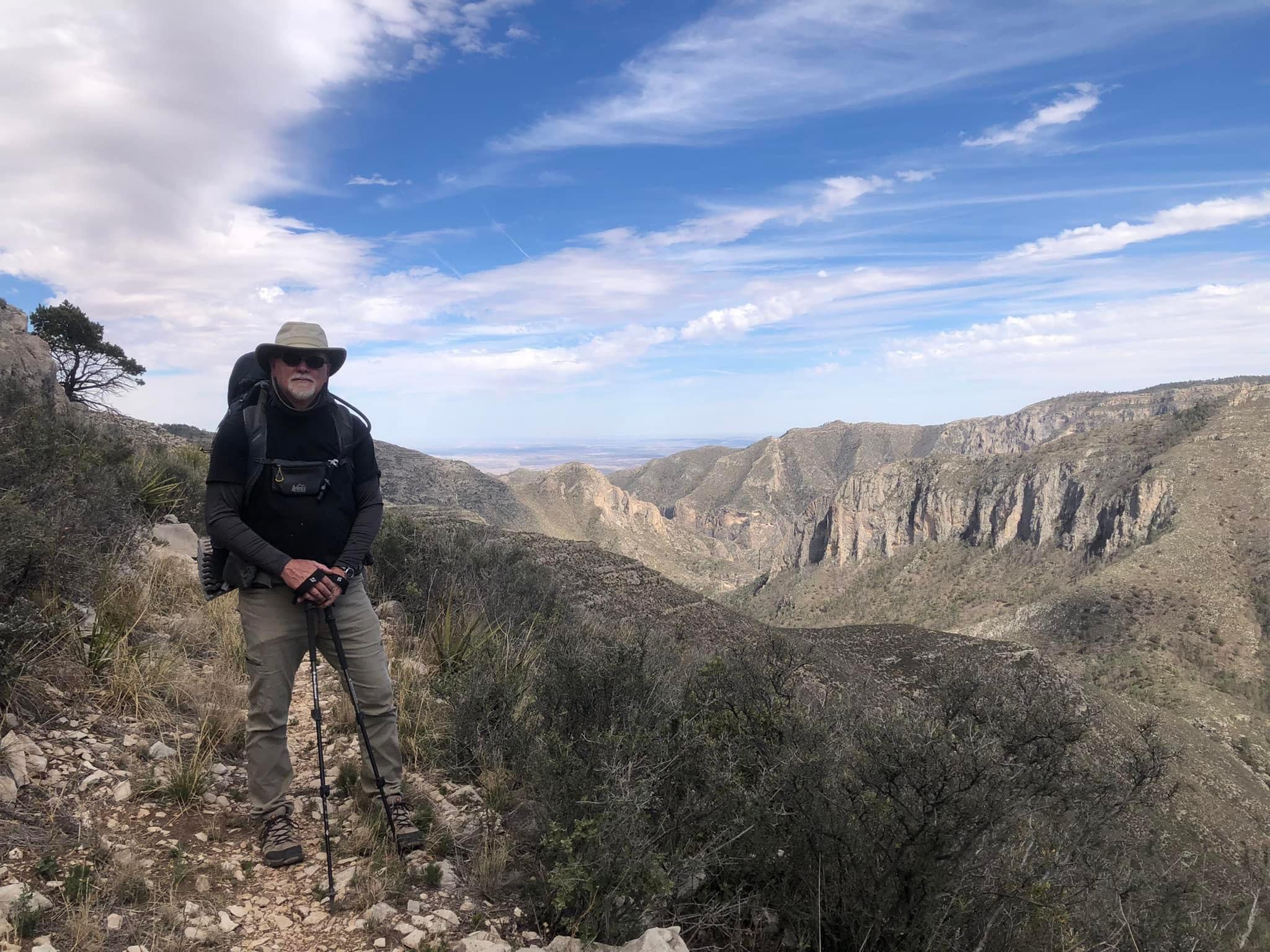
    sky, rock, cliffs, man, hiking, tom goodman, backpack, clouds
    Author Tom Goodman, hiking McKittrick Canyon in the Guadalupe Mountains National Park.

    Chanti: What are you working on now? What can we look forward to seeing next from you?

    Goodman: I’m writing a novel around a minor character who showed up late in my debut novel. She’s in her 70s when readers meet her as a boardinghouse owner in The Last Man. I go back to 1905 when she was 35. It’s turning out to be a gentler family drama as opposed to the grim and violent story of my first novel. But I’m liking it so far. After that, I’ll probably return to the crime genre. I’ve discovered a true story from the very early 1900s in East Texas about a “pistol-packing preacher” who faced down a violent gang of bootleggers who was shredding his town to bits. Irresistible story!

    Chanti: Before we let you go, who is the perfect reader for your book?

    Goodman: Someone who likes historical fiction that closely tracks with real characters and events.

    Chanti: Thank you, Thomas Goodman, for sharing your author journey with us. I am looking forward to seeing you at the next Chanticleer Authors Conference!

    You can follow Thomas Goodman through his Facebook page here.


    Tom Goodman, writer, author, the last man, westerns, black shirt, gotee, grey hair, bald Thomas Goodman won the Laramie 2023 Grand Prize for his amazing true crime/historical fiction novel, The Last Man! And also, because he believed in his work enough to enter it into the Laramie division of the Chanticleer International Book Awards

    In other words, if you don’t enter, you will never know how your work stacks up against the other entries.

    If you want a shot at the HONOR of Laramie Americana & Western Awards  for 2024, don’t delay, enter the Laramie B00k Awards today!

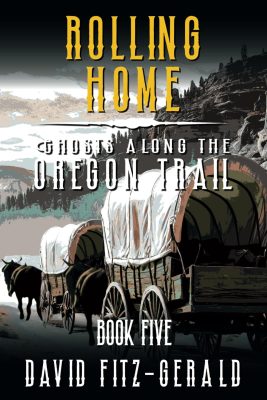
  • ROLLING HOME, Ghosts Along the Oregon Trail Book 5 by David Fitz-Gerald – Historical Fiction, Oregon Trail, Mystical & Supernatural Fiction


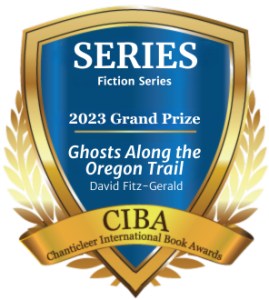
    Blue and Gold Badge recognizing Ghosts Along the Oregon Trail by David Fitz-Gerald for winning the 2023 Series Grand PrizeDavid Fitz-Gerald concludes the Ghosts Along the Oregon Trail series with a grand finale for an eclectic cast of characters, as the long wagon train is finally Rolling Home to their new lives in the wild west of Oregon.

    With the end of the trail just out of reach, however, their hopes dwindle and their hunger rages. The rigor of the western environment continues to test their determination and threaten vows of heartfelt romance. These weary people ache and mourn losses, while seeking new ways to survive and pull each other forward in the face of impending winter.

    This wagon train of travelers will also face venomous villains who have been lurking in the shadows, outlaws waiting for their best opportunity to pounce.

    Now they feel the traveling train is at its weakest, and strike without mercy. Dorcas and her family are in a desperate situation, clinging to the hope of a better life ahead. But even if they can hang on to reach that final destination, they doubt whether the life they’d planned in Oregon is still the future they want.

    Injured at the beginning of this final leg of their journey, Dorcas Moon struggles desperately to keep her family together.

    Her young children have had to rapidly grow up and take on responsibilities well beyond their years in order to keep pace with this treacherous, unpredictable life. Surrounded by perils, their joys are fleeting and cannot be taken for granted.

    Fellow travelers have become friends and family, tying their futures together, and Dorcas feels the weight of responsibility for all of their dreams.

    Dorcas’s children are pulled deeper into the world of spirits and the paranormal. Even Dorcas begins a tentative connection with those forces. She must also open herself to feelings in the material world— she had been resistant to embracing the love she has for Agapito, but now she can no longer hold back. Does he feel the same?

    The wagon train keep moving, but at times with a painful slowness. When they roll through snow on the trail, their fear becomes tangible. If they’re caught in the heights of the mountains when winter descends, warmth and safety will be impossible to reach.

    Disagreement among the travelers on the best way forward fuels those fears. Decisions need to be made and mistakes can be deadly. The dangers of river crossings claim Dorcas’ own belongings and wagon. And when the outlaws strike, Rose and Dorcas herself are both kidnapped. Precious lives are lost and more surprises yet wait in store. Will they ever see the promised land of Oregon?

    Our wagon master, author David Fitz-Gerald, has skillfully guided readers on an epic journey to a time and mode of travel that excites the imagination and pushes the limits of suspense.

    His story is compelling from the first book all the way through to this incredible end of the trail. The growth of the characters through their adventures, sacrifices, and joys along the way shows human nature’s persistence and people’s dedication to each other. As long as there is the glimmer of hope, Dorcas and her band will set their sights on the future, and set their wagon wheels Rolling Home.

    The Ghosts Along the Oregon Trail series by David Fitz-Gerald won Grand Prize in the 2023 CIBA Series Awards for Genre Fiction.


  • Making Character Introductions Memorable from the Desk of Editorial Assistant Scott Taylor

    Think of Characters like Speed Dating

    A white man around 40 gestures flirtatiously
    Is he actually cute?

    Who is This Guy and Why Should I Care?

    Writers often fall in love with our characters before their names ever appear on a page. They’re charming, intimidating, scrappy, and clever. Most of all, they matter to us.

    But how do you get the reader to agree that this brainchild of yours is worth checking out? Like all good first impressions, shaping how your character enters the story is important.

    This introduction will shade every other moment the character will have. Here are three tips to give your characters the best chance at a second date.

    Lights, Camera, Action!

    When the character enters they need to be doing something important. Maybe it’s key to the plot, maybe to themselves or another person—or, even better, both.

    We see characters through their actions: What they’re capable of, what they’re willing to do, what they want. And seeing what someone is in a position to do tells the reader almost everything they need to know about the role that person will play in the broader story.

    In her sci-fi novel A Closed and Common Orbit, Becky Chambers introduces the character Owl by having her save a young girl’s life.

    She felt some spit hit the back of her leg.

    The voice changed. ‘Hey! This way! Come towards me!’

    There was no time for questions. Jane 23 ran at the voice.

    A machine stuck out from one of the scrap piles, a huge machine with thick sides and — and a door.

    Though Owl is only known as a nameless, disembodied voice at this point, she’s already a meaningful character—a sanctuary of kindness in an otherwise horrifying ordeal.

    This immediately establishes a dynamic between Owl & Jane 23—savior and saved. With this foundation, Chambers develops a deep and resonant relationship between the characters, as Owl guides Jane 23, encouraging her to keep going despite all the danger and hardship around her.

    This introduction also serves the function of pushing the plot forward. Jane 23 has her first real chance at survival. She escapes the beasts—for now.

    While not every character needs such a dramatic entrance, consider whether some of your characters might be well-illustrated by emphasizing them first with action. This may be delivering a casserole to a grieving widow, binding a magical beast in chains of cold iron, or stuffing a wedding invitation deep at the bottom of a cluttered drawer.

    And speaking of drawers…

    In what environment do we first find your character?

    A prison cell implies too much to list here. Go deeper. Ask yourself what does your character have on the wall of their prison cell? This is a great opportunity for contrast. You can show how your character relates to the world around them, how they clash or are at peace with it.

    This tells the reader what kind of power they hold. Remember, that also means what kinds they clearly do not. If your character visits wealthy distant relatives, are they put in an opulent guest room or are they relegated into the former servant’s quarters?

    Loren Eiseley opens his short story, The Star Thrower, with an impactful example of contrast and powerlessness. The protagonist muses on how he’s come to a place called Costabel, concluding that his arrival there might have been simply inevitable. He immediately relinquishes his agency, which is given significant meaning by the description of the beach itself.

    The beaches of Costabel are littered with the debris of life. Shells are cast up in windows; a hermit crab, fumbling for a new home in the depths, is tossed naked ashore, where the waiting gulls cut him to pieces. Along the strip of wet sand that marks the ebbing and flowing of the tide, death walks hugely in many forms.

    He isn’t just resigned to the idea that he would inevitably end up somewhere—but here. A place where uncaring fate casts vulnerable creatures to their deaths. It’s easy to see the kinship he shares with them.

    This gloomy introduction reveals his lack of self-worth and deep sorrow, which, crucially, frames the protagonist’s experiences and transformation through this story.

    What’s Your Problem?

    A young Asian woman is on a first date at a nice restaurant.
    So, why are you still single?

    Characters are most interesting when they’re actively dealing with their big conflict!

    This is obvious with protagonists, but especially consider also how you can flesh out the side characters or antagonists. A conflict-focused introduction establishes  where a character stands in the plot as well as their strengths and weaknesses.

    Armistead Maupin opens Tales of the City by immediately connecting us with the inner conflict of the protagonist.

    We meet Mary Ann just as she’s made the decision not to come home to the Midwest, and instead stay in San Francisco. She has no job here, no apartment, but when she calls her mom about her decision, she’s resolute—more than resolute, she’s excited.

    “Her mother began to cry. ‘You won’t come back, I just know it.’

    ‘Mom… please… I will. I promise.’

    ‘But you won’t be… the same!’

    ‘No! I hope not.’”

    In much of Mary Ann’s following story, she embraces and struggles with the culture of 1970s San Francisco, as she’s pulled along by the bay winds of fate. And right here at the start, the contradictions in her character are established.

    She’s impulsive, terribly so. Desperate to be part of a wider world. Perhaps careless, maybe unprepared, a stranger in the place she now calls home, but she’s alive! Readers fall in love with Mary Ann because she needs to be free from the world she came from, and because she has the bravery to take that risk.

    This leads to a hint of trouble yet to come. As Mary Ann claims her adult life, she’ll struggle with new and changing relationships. Her impulsiveness enthralls the readers and stresses her emotional connections.

    Best Foot Forward

    Next time you introduce a character revisit these three tips. Even if you choose a different introduction method, examine the essential parts of your characters and how those elements shine through in their first appearance. That spark—what makes them curious, important, worth reading a story about—will seize your readers and carry them through to see not only what becomes of those characters, but what they become.


    Thank you for joining us for this Writer Toolbox Article

    A red toolbox with the words "What's in your toolbox

    There is so much to learn and do with Chanticleer!

    From our Book Award Program that has Discovered the Best Books since the early 2010s to our Editorial Book Reviews recognizing and promoting indie and traditional authors, Chanticleer knows your books are worth the effort to market professionally!

    When you’re ready,did you know that Chanticleer offers editorial services?We do and have been doing so since 2011.

    Our professional editors are top-notch and are experts in the Chicago Manual of Style. They have and are working for the top publishing houses (TOR, McMillian, Thomas Mercer, Penguin Random House, Simon Schuster, etc.).

    If you would like more information, we invite you to email us at info@ChantiReviews.com for more information, testimonials, and fees.

    We work with a small number of exclusive clients who want to collaborate with our team of top-editors on an on-going basis. Contact us today!

    Chanticleer Editorial Services also offers writing craft sessions and masterclasses. Sign up to find out where, when, and how sessions being held.

    A great way to get started is with our manuscript evaluation service, with more information available here.

    And we do editorial consultations for $75. Learn more here.


    Looking to add to your TBR?

    Check out the books mentioned in this article below:

    Even better, find a new Chanticleer Reviewed Book with a great introduction!

  • EVERYTHING WE HAD: No Merciful War Book 1 by Tom Burkhalter – WWII Aviation, Historical Fiction, Military History


    Everything We Had, book one of Tom Burkhalter’s No Merciful War series is an inexorable thrill that will grip readers tight. It starts with a poker game, through which a main character’s luck soon becomes evident. But will that luck hold out?

    Jack—the poker player—and Charlie—Jack’s older brother—have been separated by war, even though that war has yet to be declared. Everything We Had focuses more on the machinations leading up to US involvement in World War II than on actual combat. The gears of war that have so many young men caught in them move with gradual but inevitable force, and so Everything We Had takes a more thoughtful approach to a historic moment in time.

    Connecting with the characters is a gradual process as you get to know the intricacies that make up their individual personalities. This sets the reader up to feel the emotions of the characters as they face an uncertain fate, and throughout the book the author’s clear and methodical research shines with details such as specific views, locations, and—most notably—comprehensive descriptions of the airplanes Jack and Charlie pilot. This allows the reader to become deeply familiar with the motivations of the characters and the capabilities of the airplanes they fly.

    The importance of their family gradually emerges, too, through their mother’s letters and their memories of their father who flew racing planes. The more readers learn, the more attachment they feel to these characters, giving weight to the growing danger they face.

    Even side characters in Everything We Had have names, hometowns, and sweethearts they’ve left behind. This grants a sense of truth in the actual people who were lost to war.

    Readers may not track every last piece of information—especially the technical details of planes and flight—but the story remains accessible, with its most important details emerging with time. Like flying a P-26, it takes a bit of patience and skill to follow everything in this book, but Burkhalter trusts his readers to keep up.

    The perspective switches between Jack, Charlie, and occasionally Al, who becomes Charlie’s navigator. Al’s viewpoint lends interest at first, but Everything We Had focuses on Jack and Charlie’s narratives as they become more complex and dire.

    Through dialogue, readers start to piece together the puzzle: why Jack and Charlie’s father is gone, who Jack’s mysterious love interest is, and the strength of Charlie’s desire to be a leader. Burkhalter makes good use of dialogue for exposition as readers see how the war gradually unfolds, and how little information the men prepping for combat are told. For much of the book, Jack and Charlie aren’t even sure of each other’s whereabouts.

    Sensory descriptions help ground this intricate story.

    A few wonderful flying scenes—including Jack flying in challenge to a rival pilot—give physicality to the technical descriptions of planes. Small details, like a black Bakelite telephone, and a manila envelope holding mysterious contents, make the narrative even more tangible—not to mention historically accurate. Character descriptions remain simple, but with so many named characters in the story, this helps avoid overwhelming the reader with information.

    The book uses true-to-form period language and stereotypes of US enemies. While this can make for an uncomfortable read at times, it serves the book’s historically-accurate illustration of  a growing conflict. However, the main characters show their good hearts. They speak respectfully of women and, for the most part, of each other. In fact, a sense of camaraderie grows steadily even among former rivals as the war creeps closer.

    When the war arrives, late in the book, it shakes the reader like a stone thrown into the still pond of the characters’ lives, who wait for war with a growing sense of apprehension.

    With war, of course, comes injury and more death than these characters have ever seen.

    Yet Burkhalter steers away from lurid, bloody descriptions and instead focuses on how the violence affects Jack and Charlie internally as people. They come from a privileged background, with a healthy dose of luck, and have distinguished themselves each as leaders by the time war arrives. Yet it’s far from certain that these accolades will help protect them from the hopeless-sounding odds: the US is under-prepared and low on supplies, while the enemy has at least one ace in the hole.

    After such a carefully paced book, the ending comes quickly, and leaves some loose ends untied, nudging readers to continue with this fascinating series.

    Thanks to Burkhalter’s meticulous research, real events, places, and even people in the early Pacific war get a well-deserved remembrance in the form of fiction.

    The No Merciful War series by Tom Burkhalter won First Place in the CIBA Series Awards for Fiction Series.


  • MAJOR JAKE FORTINA And The TIER ONE THREAT by Ralph R. “Rick” Steinke – Terrorism Thriller, International Mystery & Crime, Global Thriller


    Why would Iranian terrorists break into a Paris cemetery and steal the bones of an American Jewish WWI veteran? The answer lies in the deadly parallel history of WWI and the Spanish flu, but it’s a mystery that Jake Fortina will have to uncover in Ralph R. “Rick” Steinke’s thriller, Major Jake Fortina and the Tier One Threat. 

    During WWI, the Spanish Flu killed millions of people—some estimates as high as 100 million—but a Jewish nurse tossed off the flu like a cold and continued to serve her country. Iran’s leaders believe the DNA in her bones will let them develop a virus that could kill Americans and Israelis by the millions while simultaneously developing immunity for Iran’s own population.

    This threat drives the story as it reaches deep into multiple countries and their governments, who collectively try to figure out the importance of the bones theft and, ultimately, what to do about it.

    Jake Fortina is an Army foreign area officer, a special position designed to handle international and political-military duties. He’s called to work with an FBI agent in France to track down the terrorists, but must be careful so they can derail the plot and arrest the perpetrators.

    The chase starts in Paris and winds its way eventually to the Italian coast. Jake’s skills are more diplomatic than James Bond as he navigates the complex relationships between multiple governments.

    Even the carrying of a weapon by an American agent into some countries is forbidden unless specifically approved by a government agency. Jake and his fellow officers must swim in these political waters in order to track down the terrorists.

    This novel favors patriotism, professionalism, and process over slam-bang cinematic action. Virtually every aspect of Jake’s actions, his relationships with colleagues, the cooperation of governments—from heads of states to ordinary agency and military officials— is spelled out in detail. Author Steinke paints Jake’s intricate world with undeniable authenticity.

    Readers will enjoy a well-written thriller and come away with a better understanding of how the real world works (or should work) when confronted by an existential threat. It is at once a novel and an education in international diplomacy and coordination, balancing all aspects well.


  • The 2024 Long List JOURNEY Book Awards for Overcoming Adversity in Narrative Non-Fiction

    The 2024 Long List JOURNEY Book Awards for Overcoming Adversity in Narrative Non-Fiction

    Journey Narrative Non-Fiction CIBA BadgeThe Journey Book Awards recognize emerging new talent and outstanding works in the genre of Overcoming Adversity in Narrative Non-Fiction and Memoir. The Journey Book Awards is a genre division of Chanticleer International Book Awards and Novel Competitions (CIBAs).

    Chanticleer International Book Awards is looking for the best books featuring true stories about adventures, life events, unique experiences, travel, personal journeys, global enlightenment, and more. We will put books about true and inspiring stories to the test and choose the best among them. See our full list of Non-Fiction Divisions here

    These titles have moved forward in the judging rounds from all 2024 Journey Non-Fiction entries to the 2024 Journey Book Awards LONG LIST. Entries below are now in competition for 2024 Journey Short List. The Short Listers will compete for the Semi-Finalist positions. Finalists will be selected from the Semi-Finalists. All FINALISTS will be announced and recognized at the Chanticleer Authors Conference (CAC25).

    The First Place Category Winners, along with the CIBA Division Grand Prize winners, will be selected from the 25 CIBA divisions’ Finalists.

    We will announce the 1st Place Category winners and Grand Prize Division Winners at the CIBAs Banquet and Ceremony on Saturday, April 5th, 2025 in beautiful Bellingham, WA at the Four Points by Sheraton sponsored by the 2025 Chanticleer Authors Conference

    A Wreath with the words "CAC 2025" on it to celebrate the Chanticleer Author's Conference!


    These titles are in the running for the SHORT LIST of the 2024 Journey Book Awards novel competition for Overcoming Adversity in Non-Fiction!

    Join us in celebrating the Long List authors and their works in the 2024 CIBAs.

    • Michael Salsbury – Running From Tragedy
    • Lynne Spriggs O’Connor – Elk Love: A Montana Memoir
    • Jane Kim Yu – Journey of Awakening and Higher Consciousness
    • Shannon Bohrer – Judicial Soup
    • Judie Dziezak – Petals from Mars: A Memoir of Resilience and Triumph over Adversity
    • Carolyn Saletto – One Hazel Green Eye
    • M. Lorrie Miller – Invitation to Co-Creation: A Spiritual Path from Child Abuse and Religious Trauma to Love, Healing, and Oneness
    • Tamra McAnally Bolton – His 100th Year
    • Kirsten Throneberry – Guided: Lost Love, Hidden Realms, and the Open Road
    • Irena Smith – The Golden Ticket: A Life in College Admissions Essays
    • Aja Mia – The Heartbreak of Time Travel
    • Jennifer Gasner – My Unexpected Life: Finding Balance Beyond My Diagnosis
    • Kathryn Caraway – Unfollow Me
    • Jill Vanneman – The Betterment Campaign
    • C.J. Hudson – Destiny Lives on Fairhaven Street
    • Linda M. Lockwood – Sky Ranch: Reared in the High Country
    • Etsuko Diamond Miyagi – Diamond – The Memoir of a Lost Daughter of Japan
    • Karen Elizabeth Lee – The Village That Betrayed its Children
    • Liz Alterman – Sad Sacked
    • Anne Gately – Sunburnt – A memoir of sun, surf and skin cancer
    • Patrick Hogan – Coincidence, you say?
    • Natalie Kohlhaas – Hello Anxiety My Old Friend: Harness Your Invisible Superpower
    • Rachael Siddoway and Sonja Wasden – An Impossible Life: A True Story of Hope and Mental Illness
    • Léonie Rosenstiel – Protecting Mama: Surviving the Legal Guardianship Swamp
    • Ernestine Whitman – Countermelodies: A Memoir in Sonata Form
    • Jacqueline Acho – Cancer Culture: Fixing the Landscape by Infusing Empathy
    • Kathi N. Miner – The Committed Professor – My Fall from the Lectern to the Ward
    • Jennifer Cramer-Miller – Incurable Optimist: Living with Illness and Chronic Hope
    • Bridey Thelen-Heidel – Bright Eyes
    • Ginelle Testa – Make a Home Out of You
    • Deborah L. Staunton – Untethered
    • E. Adrienne Wilson – I’d Rather Be Dead Than Deaf: A Young Woman’s Journey with Liver Cancer
    • Lindsey Henke – When Skies Are Gray
    • Turtle – Turtle
    • Heidi Beierle – Heidi Across America – One Woman’s Journey on a Bicycle through the Heartland
    • Claudia Marseille – But You Look So Normal: Lost and Found in a Hearing World
    • Mary Jumbelic, M.D. – Here, Where Death Delights
    • Lisa Rhyne – Coming Out of the Metaphysical Closet
    • David H. Hutton – Drums of a Distant Tribe
    • Tracy Mayo – Childless Mother: A Search for Son and Self
    • Marsha Jacobson – The Wrong Calamity
    • Anna Casamento Arrigo – Weeds Beneath the Open Meadows
    • Ana Manwaring – Saints and Skeletons A Memoir
    • David Vass – Liar, Alleged

    Good luck to all as your works move on to the next rounds of judging.

    PROMOTING OUR AUTHORS! 

    This post has been posted on the Chanticleer Facebook Page. We try to tag all authors listed here in the Facebook post. However, it is easier for us to tag authors when they have Liked and Followed us on Facebook.

    Please click here to visit our page to LIKE, COMMENT, and SHARE on Facebook.

    We will also be promoting this list in our Newsletter, which you can sign up for here!

    Good luck to all as your works move on to the next rounds of judging.

    The Grand Prize Winner for the CIBA 2023 JOURNEY Awards is:

    Barbed: A Memoir

    By Julie Morrison

    See the full list of 2023 First Place Journey Winners here!

    We are now accepting submissions into the 2025 Journey Book Awards for Overcoming Adversity in Narrative Non-Fiction.

    Please click here for more information.

    Winners will be announced at the 2024 CIBA Awards Ceremony that is sponsored by the 2025 Chanticleer Authors Conference.
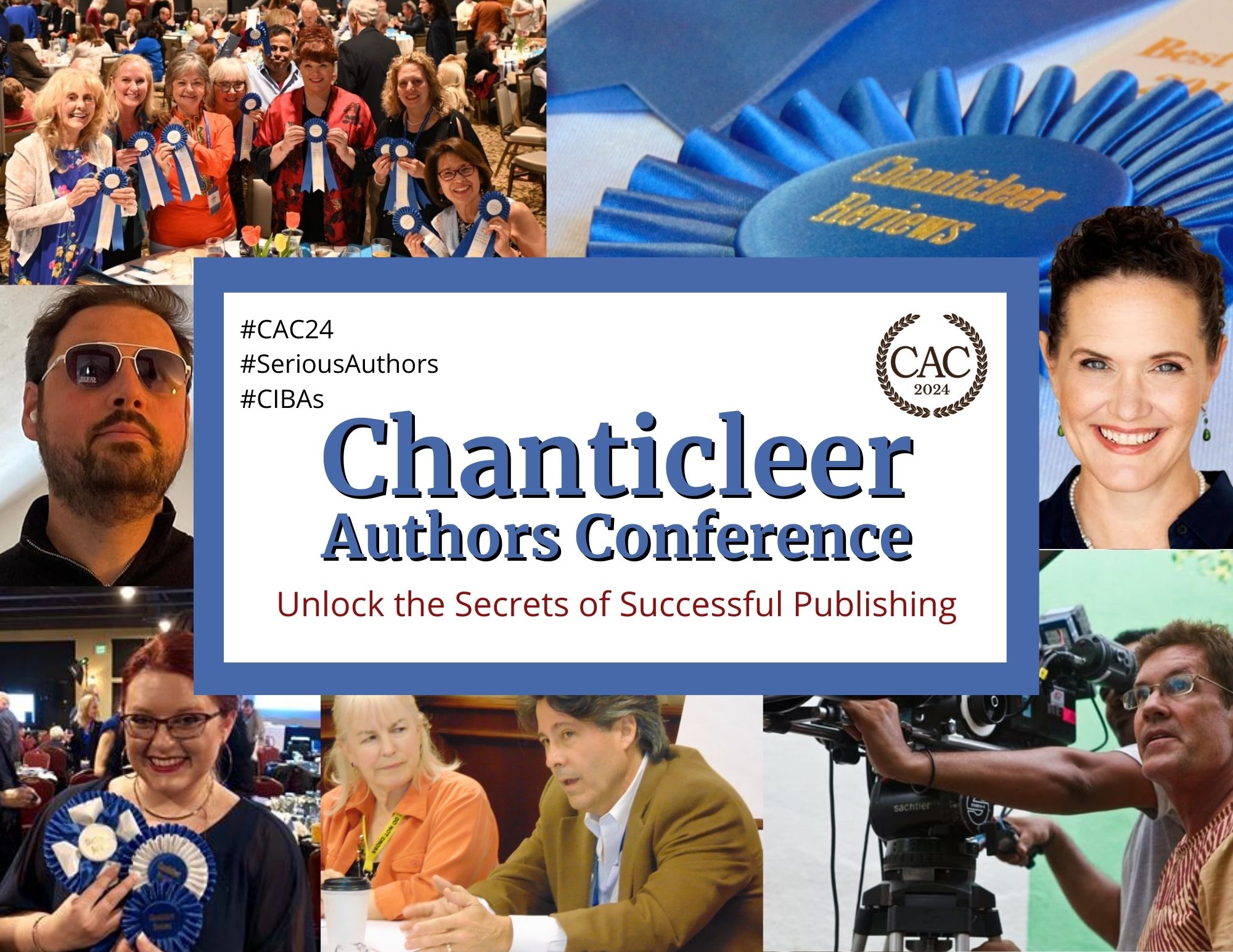
    April 3 – 6, 2025! Save the Date for Registration!

    Seating is Limited. The esteemed WRITER Magazine (founded in 1887)  has repeatedly recognized the Chanticleer Authors Conference as one of the best conferences to attend and participate in for North America.

    Join us for our annual conference as we enter our second decade and discover why!
  • Beginning the 2024 CIBA Year!

    Summer is in full swing!

    The Journey and Cygnus Award Badges
    The Journey and the Cygnus Awards 2024  Submissions are closed.

    OZMA Book Awards for Fantasy Fiction submission closes July 31st *

    GOETHE Book Awards for post-1750s Historical Fiction closes July 31st*

    * Get yours in before the webmaster updates the web pages.

    The 2024 CYGNUS Book Awards for Science Fiction Long List has been published. 

    The 2024 JOURNEY Book Awards for Overcoming Adversity Narrative Non-Fiction Long List  will be published soon!

    The Ozma and Goethe Awards both close at the end of July! Don’t let your History become a Fantasy!

    We’re delighted to continue promoting the First Place Winners in our brand new “Round Up Articles” here, and our Grand Prize Winners in the Chanticleer Int’l Book Awards Hall of Fame Articles!

    These are the promotions that have come out so far!

    Goethe Hall of Fame

    If Someday Comes Cover
    Goethe First Place Round Up

    A Gold Ribbon dividing this section from the next

    Ozma Hall of Fame


    Ozma First Place Round Up

    A Gold Ribbon dividing this section from the next

    Cygnus Hall of Fame


    Cygnus First Place Round Up

    A Gold Ribbon dividing this section from the next

    Journey Hall of Fame

    Barbed Cover
    Journey First Place Round Up

    A Gold Ribbon dividing this section from the next

    We’re committed to maximizing our authors digital footprint through long tail digital marketing. Through our prized Editorial Reviews, we do this with our Chanticleer Under The Hood SEO Boost.

    We use the same technology for our CIBA posts combined with reposting. A lot of reposting. Every time an author’s book advances on our list we promote it on our website, social media, and in a newsletter blast. Why?

    Your book is worth being discovered!

    You put in so much work to create this book, we want to treat it with the respect and care it deserves! That’s why we take you through the Levels of Achievement.

    The tiers of achievement for the CIBAs

    Our normal posts tend to have double the response and interaction rate of comparable businesses. The CIBAs posts announcing when work advances in the Book Awards is five times greater than our regular posts and still double that of comparable businesses that run writing competitions. And that is for every Award post that goes out. The way we do this is simple.

    First, we give each division breathing room on Social Media, on our high traffic website, and in our Newsletter. The consistent promotion and spaced promotion keeps every post prioritized instead of devalued by search engines for over-posting.

    We also try to tag each winner on Facebook within their CIBA divisions. Again, the spacing prevents Facebook from devaluing our posts and lowering your exposure.

    Under the Hood with SEO

    Publishing is the Hub of Technology. There’s a lot great at Chanticleer, but our emphasis on being ahead of the technical curve is something we pride ourselves on. Our Robust SEO system that we use for both our CIBAs and our Editorial Reviews are the cornerstone of using technology paired with promotion.

    You can see the article we put together specifically on the All In One Search Engine Optimization Tool (AIOSEO) we use here.

    While most SEO tools recommend a score between 60-80, we always strive to exceed that, with many of our Book Award posts receiving a score over 90. We do this through our rigorous attention to detail surrounding the optimization of heading distribution, sentence length, alternative text, key phrases, meta data, tagging, and much more. There’s no replacement for basic elbow grease when it comes to the secret sauce that maximizes our posts so that web crawlers love them and promote our authors’ writings as much as possible. We know from client feedback that it really makes a difference!

    Human Beings Make the Difference

    A rare photo of the Chanticleer staff all in one place. And, yes, that is a bag pipe under the table.

    We are a small business with huge reach that works hard to address every question, email, and comment we receive directly with care, empathy, and expertise. Putting together an internationally attended conference with authors from India, Australia, Portugal, the UK, and other countries takes hours of dedication and careful planning. We bring that same energy and enthusiasm to the CIBAs and promoting the books submitted to us year round

    A book covered in flower petals with the pages formed into a heart

    Most of all, the Chanticleer Int’l Book Awards is a labor of love!

    Love of Books, love of words, love of storytelling, love of authors,

    And love of the writing community!

    Thank you to everyone who submitted to the 2023 CIBAs and to the outpouring of submissions that have come in to the 2024 CIBAs already! Every year the quality and intensity of the competition is better than the year before, and we are always blown away by the incredible work you send our way.

    Thank you for making Chanticleer possible and trusting us with your work!


    There’s still time!

    You know you want it…

    Only 2 CIBA Divisions have closed so far! You can even sneak into the Goethe Awards for Late Historical Fiction and Ozma Awards for Fantasy Fiction Awards by the end of July! Plus, we have 21 more divisions ready and waiting!

    Blue button that says Enter a Writing Contest
    Don’t Delay! Enter Today!
  • REVELATIONS: Ro Delahanty Series Book 6 by Dave Lager – Small Town Mystery, Police Procedural, Conspiracy Thriller


    Ro Delahanty bears heavy weights on her shoulders—a decades old conspiracy, the complexities of polyamorous love, and troubling family secrets—all of which she will begin to face in Revelations, book 6 of Dave Lager’s Ro Delahanty series.

    The wealthy, powerful Pribyl family is up to something sinister in their new scrap shipment business, Ro is sure of it. But she has to prove it to herself before she can even start to convince anyone else. And as much as she’d like to dive head-first into that mystery, she has many more problems to solve as a Fort Armstrong County Sergeant Deputy.

    An unsanctioned party threatens to become a dangerous mob, setting fire to a half-constructed house. Ro’s bold, decisive nature comes under fire from a rival at the Sheriff’s office. Worse, a major change in that office could upend the foundation of Ro’s life and even rob her of the comradery she and her colleagues rely on.

    All the while, Ro is troubled by matters of the heart as much as matters of the badge.

    She realizes that her arms-distance flings with two charming men have turned into something more—a kind of love. Tag and Foxtrot make her confront these feelings directly as they both test the boundaries of their relationships. Ro must stay true to what she needs, but fears what might happen if she opens more of herself to them.

    Soon, Ro learns that she wasn’t the only one in her family with a taste for multiple partners. And when an uncovered secret threatens to tear apart the bonds she’s spent a lifetime building, she, her brother, and her father try to reconcile this revelation with the memory of the woman they all loved.

    As the structure of Ro’s life starts to turn on her, she’ll have to rely on those she can trust.

    Lager imbues each character with a distinct personality, compelling in their flaws and virtues alike.

    This story frequently steps into the past to slowly build up a grand criminal enterprise at the heart of Ro’s mystery. Readers get to see how it was all shaped by the ambitions, fears, connections, and hearts of people across decades. These charming, unique characters engender a real sense of personal history to the setting of Lee’s Landing and make it easy to care about the fates of both heroes and villains.

    Ro frequently discovers that her connections to other people are deeper and more complex than she ever could have imagined.

    Her struggles with emotional intimacy make her both an effective parallel of some of the characters who define her past, and an endearing protagonist in her own right.

    And while Ro’s disdain for petty interpersonal politics makes her relatable and dedicated to the true purpose of her job, those same traits come back to hurt her as people who do play such games garner power over her.

    Ro’s determination, bravery, and honest heart will have readers rooting for her no matter how deep the schemes of her enemies go.

    Revelations explores the nature of power and wealth, how they shape people’s lives down to even small, personal matters.

    Lee’s Landing exists under the thumb of wealthy families like the Pribyls, Randalls, and Prentisses, kept aloft by sinister deals and ruthless small-town politicking. Their plans trickle down to affect nearly every character — especially Ro herself, who has already lost much in her life due to them.

    As Ro uncovers more and more secrets, she and those she cares about prepare for major changes in their lives. Whether good, like her brother’s upcoming marriage, or concerning, like the election of a new sheriff, they remind the characters that they can’t simply dwell on the past—there’s always more to do here and now.

    Ro knows this better than anyone, especially as this story concludes with a difficult decision, dangerous plan, and ever-more-complex mysteries for her to unravel. Readers will eagerly await the next installment of Ro Delahanty’s story.

    The Ro Delahanty series by Dave Lager won First Place in the 2023 CIBA Series Awards for Fiction Series.


  • Creating Your Ideal Writing Space from the Desk of Dena Weigel – Reviews Editor – Writer’s Toolbox Article

    Lay Out the Welcome Mat for Productivity and Imagination

    Creating an effective writing space is more than just finding a quiet corner with a comfortable chair and a sturdy desk. It’s about creating an environment that nurtures your imagination, enhances focus, and inspires productivity. Whether you’re a seasoned writer or just starting out, the space in which you write plays a crucial role in your overall writing experience.

    Orange, teal, typewriter, flowers, pen, books, flowers

    Having a good writing space is crucial to a writer!

    Writers can find a million excuses to put off sitting in the chair and getting some thoughts on paper (well, okay – monitors), but by setting the right environment in your work space you’ll find it’s easier to get started, maintain the flow, and finish faster because a good work space can

    1. Minimizes Distractions: Whether it’s a separate room, a quiet corner, or even a specific coffee shop, having a designated area signals to the mind that it’s time to focus solely on writing.
    2. Boosts Creativity: Personalizing the space with inspiring decor, books, or artwork can stimulate ideas and encourage innovative thinking.
    3. Enhances Comfort and Ergonomics: A well-designed space ensures writers can work for extended periods without discomfort or strain.
    4. Creates a Routine: Having a consistent writing space helps establish a ritual around writing, making it easier to get into the flow and maintain momentum.
    5. Reduces Mental Barriers: When your space is personalized and clutter-free, writers can focus more on their ideas and less on external chaos.
    6. Inspires Discipline: Writers are more likely to stick to their writing goals when they have a dedicated area that reinforces their commitment to the craft.

    Writing space, keyboard, paper, pen, pencil, mouse, coffee, cup, journal, book

    Creating an effective writing space is a personalized process that balances functionality, comfort, and inspiration.

    Here are practical steps to help you design a writing space that enhances your productivity and creativity:

    1. Choose the Right Location: Select a quiet area in your home or a favorite spot where you feel comfortable and can focus without interruptions. Natural light is beneficial, so consider proximity to windows if possible.

    2. Personalize Your Space: Surround yourself with items that inspire you. Whether it’s motivational quotes, artwork, plants, or personal mementos, these can contribute to a positive and creative atmosphere. However, avoid clutter that could become distracting.

    ergonomics, chair, posture, computer, desk, keyboard, phone, plant

    3. Invest in Comfortable Furniture: Your writing desk and chair should be ergonomic and supportive. Ensure your desk height allows for comfortable typing or writing without strain. Consider a chair that promotes good posture and allows you to sit for extended periods without discomfort.

    4. Organize Your Supplies: Keep essential writing materials within easy reach. This includes pens, notebooks, reference books, and any other tools you frequently use. A tidy workspace contributes to mental clarity and reduces distractions.

    5. Manage Technology Wisely: Minimize digital distractions by organizing your computer desktop and using apps or tools that block social media or other distracting websites during focused writing sessions.

    Pens, scissors, computer, monitor, paper, windows, outdoors, pencil cup

    6. Ensure Good Lighting: Proper lighting is essential for reducing eye strain and maintaining alertness. If natural light is insufficient, invest in a desk lamp with adjustable brightness and color temperature.

    7. Create a Distraction-Free Zone: Establish boundaries with household members or roommates to respect your writing time and space. Consider noise-canceling headphones or background music if it helps you concentrate.

    8.Maintain Cleanliness and Order: Regularly de-clutter and organize your writing space to keep it conducive to creativity and productivity. A clutter-free environment promotes clear thinking and focus.

    Woman, writing, papers, desk, pink shirt, glasses, window

    9. Establish a Ritual: Develop a pre-writing ritual that signals your brain it’s time to write. This could involve making a cup of tea, lighting a candle, or reading a few pages from a favorite book to transition into a focused writing mindset.

    10. Evaluate and Adjust: Periodically assess your writing space to ensure it continues to meet your needs. Experiment with changes in layout, decorations, or routines to optimize your productivity and comfort.

    Minimize distractions and maximize your writing production by tailoring your writing space to support your workflow and see how your writing space transforms into a sanctuary for inspiration and productivity.


    Thank you for joining us for this Writer Toolbox Article

    A red toolbox with the words "What's in your toolbox

    There is so much to learn and do with Chanticleer!

    From our Book Award Program that has Discovered the Best Books since the early 2010s to our Editorial Book Reviews recognizing and promoting indie and traditional authors, Chanticleer knows your books are worth the effort to market professionally!

    When you’re ready,did you know that Chanticleer offers editorial services?We do and have been doing so since 2011.

    Our professional editors are top-notch and are experts in the Chicago Manual of Style. They have and are working for the top publishing houses (TOR, McMillian, Thomas Mercer, Penguin Random House, Simon Schuster, etc.).

    If you would like more information, we invite you to email us at info@ChantiReviews.com for more information, testimonials, and fees.

    We work with a small number of exclusive clients who want to collaborate with our team of top-editors on an on-going basis. Contact us today!

    Chanticleer Editorial Services also offers writing craft sessions and masterclasses. Sign up to find out where, when, and how sessions being held.

    A great way to get started is with our manuscript evaluation service, with more information available here.

    And we do editorial consultations for $75. Learn more here.


    Read more great articles from Chanticleer here!