Author: chanti

  • Celebrating Mary Shelley’s Birthday: A Look at Her Literary Legacy and Impact on the SciFi and Paranormal Genre

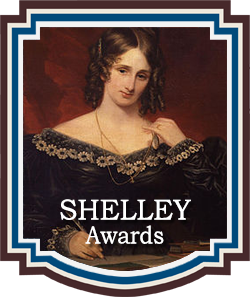
    A Chanticleer Happy BirthdayThe Shelley Awards for Paranormal Fiction features an image of Mary Shelley at her writing deskTo the Mother of Science Fiction and all things Paranormal
    Mary Shelley!

    The Update

    We long have wanted a person to name the Paranormal Awards after, but it’s difficult to make the decision. However, two years ago, we floated the idea of Mary Shelley, and since then we’ve been waiting for the stars to align. And now they are!

    What to know

    If you have received a Paranormal Award in the past, that is still good! You can reach out to us for new graphics that say “Shelley Awards” instead for Finalists, First Place, and Grand Prize Winners. You are also welcome to keep using the “Paranormal Awards” branded promotions you have won! Those are still good, and we will continue including information about the change in name for years to come to help alleviate confusion.

    On to Mary Shelley!

    Mary Shelley, one of literature’s most revolutionary figures, was born on August 30, 1797. It was a time of extreme weather in her birth city of London. Today’s meteorologists have determined the city was experiencing a “very thundery” year, with strong rain and hail storms that caused flooding throughout England.

    Dark clouds casting shadows over dark streets. Is it any surprise Shelley would grow up to write nightmare-inducing, Gothic novels like her groundbreaking story Frankenstein?

    As we honor her birth, it’s the perfect moment to reflect on Shelley’s extraordinary literary contributions and the enduring legacy that continues to inspire writers.
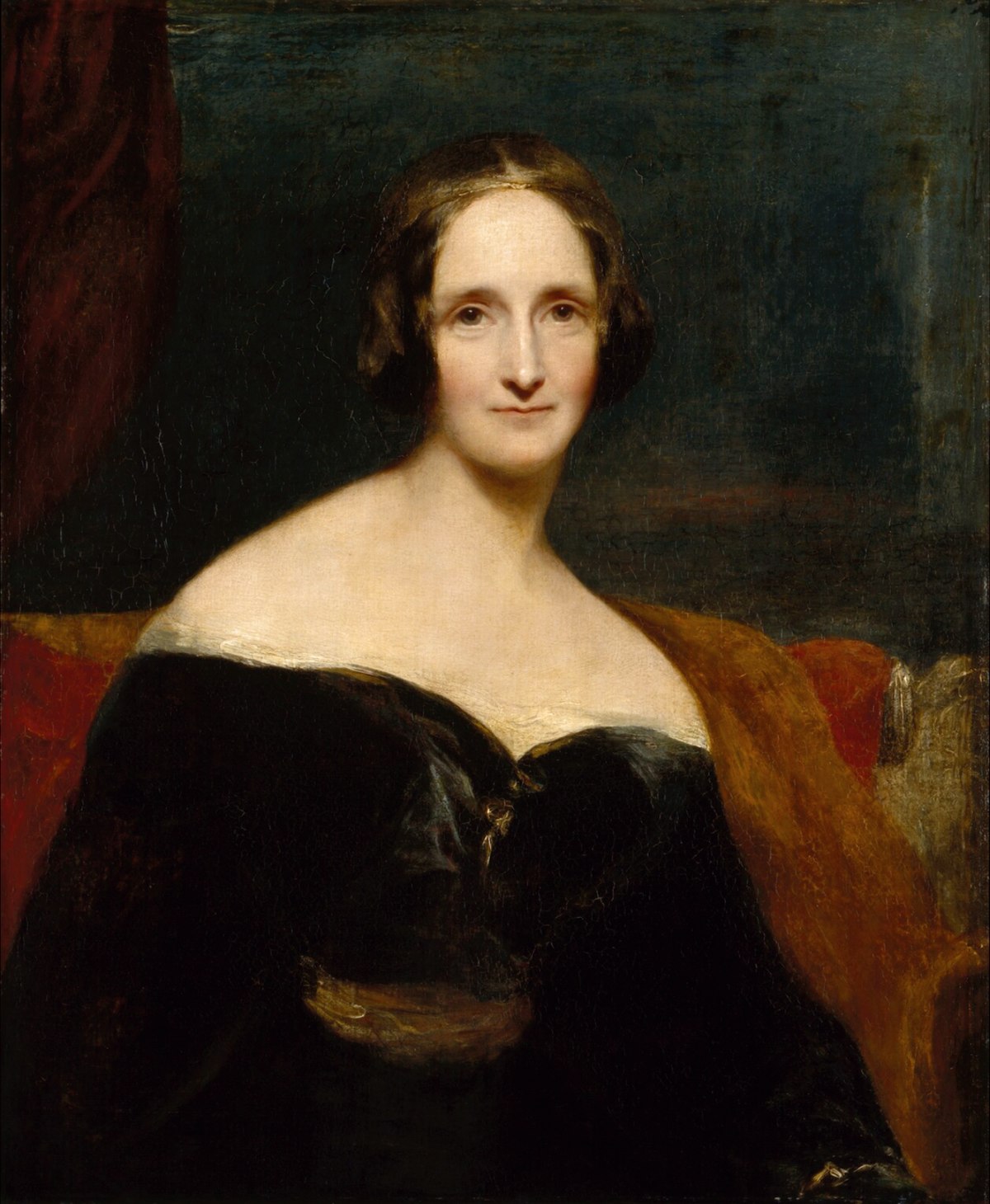
    Mary Shelley, black gown, dark hair, pale skin, belt, couch, blanket

    A Literary Trailblazer

    Mary Shelley’s entry into the literary world was as unconventional as her most famous creation. The daughter of renowned intellectuals William Godwin and Mary Wollstonecraft, Shelley’s upbringing was steeped in new, radical ideas during a time of science and paranormal romanticism. She married author Percy Shelley in 1816 and traveled to Lake Geneva that summer for a honeymoon at the home of another writer, Lord Byron. It was there that a writing challenge among friends led to the creation of Shelly’s most famous work, Frankenstein.

    Book Cover, Frankenstein, Mary Shelley, gothic

    The Birth of a New Genre

    Published in 1818, Frankenstein; or, The Modern Prometheus was revolutionary for its time. Inspired by her own miscarriage and the death of her mother eleven days after Shelley’s birth, Frankenstein is not just a tale of a scientist who creates life but a profound exploration of ambition, responsibility, and the moral implications of scientific advancement.

    Shelley went onto write “The Last Man” and “Valperga,” exploring the themes of dystopia, history, and social critique, as well as numerous short stories, essays, and travelogues. Her style, characterized by rich, evocative prose and a deep psychological insight, earned her a respected place among the Romantic literary elite during a time when women authors were not typically recognized.
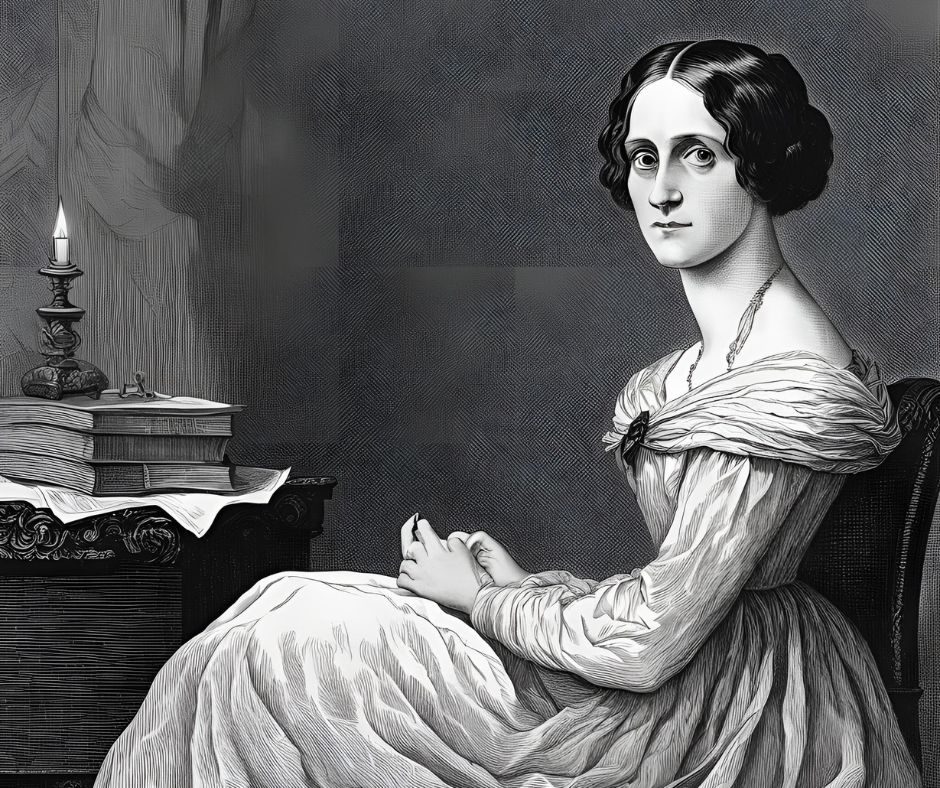
    Mary Shelley, Horror, woman, sitting, hands on lap, dress, old, books, table

    Celebrating Her Life and Works

    As we commemorate Mary Shelley’s birthday, we acknowledge not only her literary achievements but also her courage and vision. Her life was marked by personal trials and societal challenges, many brought about by the scientific advancements that fueled her imagination. Yet she channeled these experiences into profound contributions to literature.

    In celebrating Mary Shelley’s birthday, we honor a trailblazer who, though born into a dark and foreboding world, was inspired to write stories that changed the landscape of fiction and brought about the new horror genre, leaving an enduring imprint on our collective imagination.
    Happy birthday, Mary Shelley, Birthday cake, Frankenstein

    Happy birthday, Mary Shelley!


    Interested in stories that keep you awake at night? Here are a few horror, paranormal, and supernatural stories from Chanticleer authors.
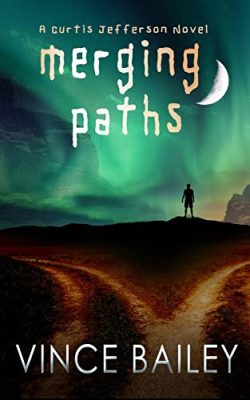
    Merging Paths Cover

    Merging Paths

    Having escaped unjust imprisonment at the Fort Grant facility for juveniles, Curtis Jefferson is on the run, inMerging Paths, the third installment of Vince Bailey’s gripping, paranormal, Curtis Jefferson Series.

    With only a small jug of water and the clothes on his back, Curtis has to cross the Sonoran Desert and find a way back to his mother and grandmother in Jacobs Well. But his trip is plagued by more than thirst, hunger, and fear of animals. A racist sheriff’s deputy, Myron Aycock, is hellbent on finding Curtis not only for the acclaim such an arrest will give him but also for vengeance against the beating he received at the hands of the aspiring boxer.

    Continue reading here…


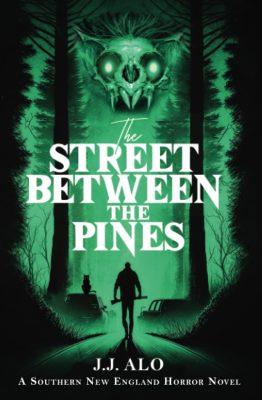
    The Street Between the Pines

    The Street Between the Pines

    Something strange and terrible stirs in Frank Cavanaugh’s basement, in J.J. Alo’s psychological-thriller,The Street Between the Pines.

    The giant hole at the bottom of Frank’s house wasn’t there before. Something so very ugly and dangerous is down there. Something with bright, glowing eyes. Adrenalin pumps through Frank’s aging body as he scrambles for the exit. Behind him, a low gurgling growl.

    Continue reading here…
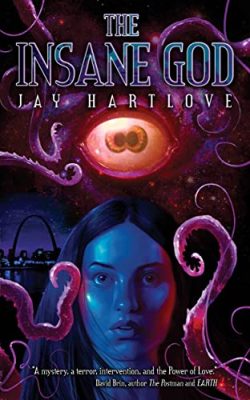
     

    The Insane God Cover

    The Insane God
    By 

    Sarah, a transgender schizophrenic teenager, has spent the past seven years in a psychiatric ward. When all her symptoms of schizophrenia disappear after receiving a special necklace from a nurse, she must learn to live in a world that moved on without her, in The Insane God by Jay Hartlove.

    She receives strange visions of two opposing gods in battle with each other, which Sarah and her brother Nate work together to understand. The reality of these visions threatens to endanger the lives of everyone on Earth unless they change the course of an eternal battle.

    Continue reading here…
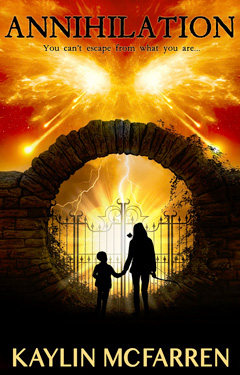
     

    Annihilation Book 2 Gehenna Series

    Annihilation: Book 2, Gehenna Series

    Samara Daemonium tries to break free from her father’s control as the realms of Heaven and Hell prepare for war, in Kaylin McFarren’s erotic supernatural novel,Annihilation.

    Lucinda, the daughter of Satan, rules Hell with an iron fist. She sits on the throne thanks in part to the angel/demon hybrid Crighton and his angel soulmate Ariel. However, power changed Lucinda. She no longer stands as a brighter future in Hell, but rather as a demagogue driving her demons to rise up in battle against the hosts of Heaven. Crighton struggles between his loyalty to Lucinda, and his responsibility for his family—especially his pregnant soulmate. He doesn’t yet know the depths of Lucinda’s deception.

    Continue reading here…
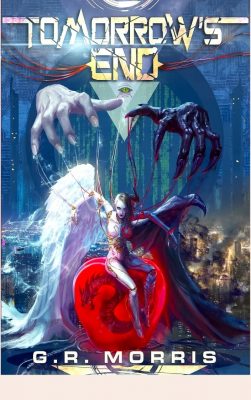
     

    Tomorrow’s End (Book One)

    A cosmic force of evil is rising, come to consume whole worlds and plunge them into darkness. Earth is next, and the only chance for humanity to survive is a pair of young, destined heroes who have no idea what dangers lurk in their future.

    Kevin Knight is a sixteen-year-old savior, the warrior foretold in an alien prophecy who will combat the Dragon. He’s also afraid of the dark and suffers the routine abuse of his stepdad. Though his mother Sara insists her son will have a bright future, Kevin refuses to believe it until the day his life is shattered. Kevin comes face to face with aliens, monsters, and a staggering truth about humanity. He must follow Robert’s teachings, an alien Changeling who reveals just as much as he keeps hidden. Oh, Kevin must also face down the very forces of Hell.

    Continue reading here…


    Thank you for joining us in celebrating a literary icon, Mary Shelley!

    Do you have a book that deserves to be discovered? You can always submit your book for an Editorial Review with Chanticleer!Chanticleer Editorial Review Packages are optimized to maximize your digital footprint. Reviews are one of the most powerful tools available to authors to help sell and market their books. Find out what all the buzz is about here.

    Is your book an Award Winner?

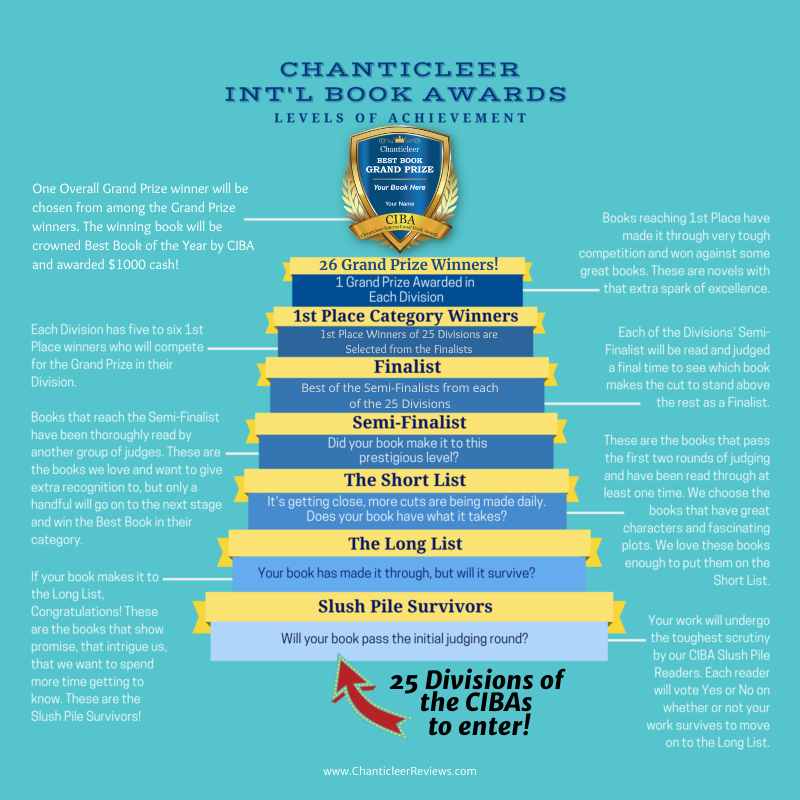
    The tiers of achievement for the CIBAs

    Submitting to Book Awards is a great way to get your book discovered! Anytime you advance in the Chanticleer Int’l Book Awards, your name and book are promoted right here on our website, through our newsletter, and across social media. One of the best ways to engage in long tail marketing!

    The Shelley Awards for Paranormal Fiction features an image of Mary Shelley at her writing desk

    The Shelley Awards for Paranormal & Supernatural Fiction are open through Oct 31st!

    Don’t miss out!

    Thank you again to the authors who wrote these wonderful books, and to Mary Shelley, whose imagination and literary skill created a new genre that continues to make us think, question, and be scared of those bumps in the night!

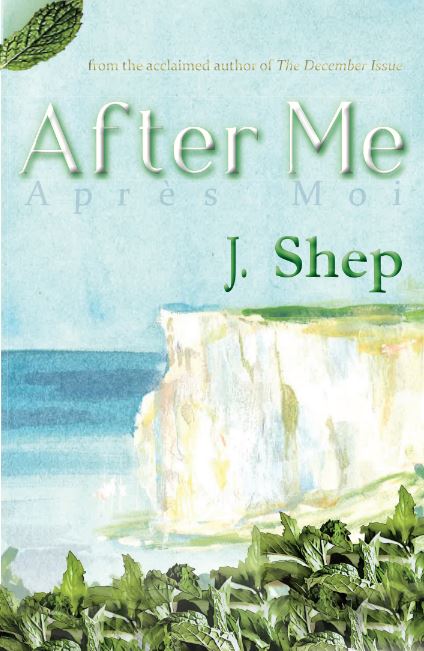
  • AFTER ME by J. Shep – Historical Fiction, Family Saga, Post World War II France


    The arrival of a mysterious package makes for an enticing beginning in J. Shep’s After Me. Inside we find a manuscript with the same text as the book we’re about to read. This inventive start lends a sense of realism and truth to what follows and creates a vivid yet hazy quality, like memory itself.

    After Me travels back in time to rural France just after World War II. The setting appears idyllic at first—almost unbelievably so. Still, there’s a disturbing undercurrent felt from the start. Not from an unwanted presence, but rather from an absence.

    Told from the perspective of Ellande, a young boy, he recounts the summer his parents die in an accident and he and his nine-year-old little sister, Madeleine-Grace, are sent to their extended family’s summer home in France. Their care seems competent at first—but cracks in the façade gradually emerge as Ellande begins his tale.

    Aside from their mourning, life seems lovely in the beginning. Lavender-hued skies at sunset, and the scent of peony soap permeate the background of this tale. Ellande recalls the light-filled home’s orderly kitchen where meals are made with fresh herbs from the garden and numerous aunts, uncles, and cousins create a large roster of characters. Readers may feel a bit disoriented encountering so many new names, as well as the French words and traditions sprinkled throughout the text. But that disorientation offers the reader insight into the mental state of the children as they navigate this strange summer of loss and learning.

    The home’s idyllic nature springs almost entirely from a single character: Aunt Adèle. A tireless worker, she keeps the house beautiful and functional, doing the cooking, cleaning, gardening, and taking care of the childcare with grace and joy. As the novel progresses, her surviving siblings emerge as toxic counterpoints who are bitter, unhappy, and unwilling to pitch in around the house.

    While some of their issues and instability can be traced back to the war and its aftereffects, the family strife isn’t just a product of wartime tragedies. Instead, issues that emerge are largely ones of character. Aside from Adèle, the adults in the house share little interest in the traditions, values, and work performed for the betterment of the family. They prioritize idleness and petty feuds, and their children largely take after them.

    As the summer unfolds, the peaceful narrative slowly takes on a sinister quality.

    But Ellande and Madeleine-Grace are different. Their mother Juliette was the sibling most aligned with Adèle, and the children have inherited her sense of tradition and good values. They take pride in helping the childless Adèle around the summer house. Still, with Juliette gone, the burden on Adèle grow heavier. Adèle’s siblings are resentful of her homemaking abilities and unbreakable spirit and continually punish her for a lifetime of perceived slights.

    Though this is a modern novel, it’s written in a traditional style and slow pace, evoking novels of long ago. It has a dream-like quality, with beautifully specific descriptions that exist alongside the uncertainty of memory.

    And readers will be well-rewarded for their patience with the slow early sections. Not only do fantastic details of real traditions emerge as the story progresses—such as the harvesting of fleur de sel—but so does an intense narrative of family and intangible inheritance. As Ellande and Madeleine-Grace come of age, they’re confronted with questions of who will keep those traditions alive, why, and at what cost?

    Ultimately, After Me is a tale of breaking generational curses. A shocking turn near the end seems to suggest that even the most well-intentioned will never escape the burdens of family trauma and destruction. But this is a story within a story, and most of the main characters will find some sort of closure, though the finishing touches may take decades to emerge.

    After Me starts out as gentle and luxurious as a rolling meadow. Yet it ends up confronting some of life’s greatest questions and most haunting mysteries. This combination makes for an evocative novel whose message will linger long after the last page has been turned.


  • Awards Divisions for Romance, Middle Grade, and Shorts close soon! Discover the Secret to your Book’s Success!

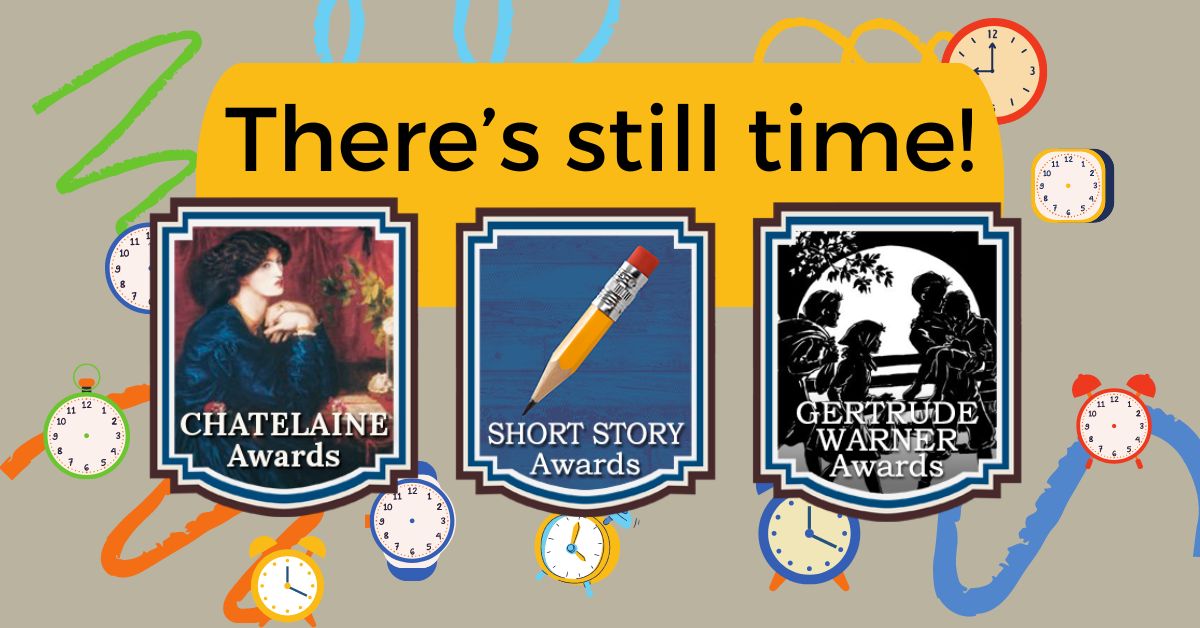
    These Three Awards Close this weekend!

    The Chatelaine, Shorts, and Gertrude Warner Awards Badges

    You have time, but only until Saturday August 30, 2024!

    Don’t let your book miss out!

    The Chatelaine Award for Romance Fiction

    “What’s a Chatelaine?” A Chatelaine is a small belted chain used to hold on to useful objects. The image we used for the Awards is a painting of Jane Morris, drawn by Dante Rossetti with whom she had a passionate love affair. Her life was the inspiration of Pygmalion which became My Fair Lady.

    The categories for the Chatelaine Awards are

    • Contemporary Romance
    • Historical Romance
    • Adventure & Suspense
    • Romantic Steamy/Sensual (Not Erotic)
    • Inspirational/Restorative/Clean

    The Shorts Award for Short Stories, Collections and Novellas

    A typewriter that says a dramatic short story
    The Shorts Awards accepts Fiction and Non-Fiction!

    The Shorts Awards are fairly self-explanatory. Individual works are $45 and collections are $99. We do accept collections and anthologies, and you can even sneak poetry into the mix! Some incredible creative work has come through the Shorts Awards, and we’re delighted to have it as the fastest growing new Book Award Division!

    The Gertrude Warner Award for Middle Grade Fiction

    Named for the Author of The Boxcar Children Series. While Gertrude Warner wrote the original 19 books, books in the series are still being written, 100 years after the first (the first book was published in 1924), with over 200 Boxcar children books now published by other writers. Warner (1890-1979) was a Sunday School teacher until 1918, when the male teachers in her community of Putnam, Connecticut were being called to serve in WW1. She continued to be a grade school teacher until 1950. She started writing the Boxcar Children while home sick, and many of the aspects of her books have inspiration in her life.

    The Categories of The Gertrude Warner Awards are:

    • Contemporary Middle Grade
    • Sci-Fi, Fantasy, & Paranormal Middle Grade
    • Mystery Middle Grade
    • Historical Middle Grade
    • Adventure Middle Grade
    • Graphic Novels for Middle Grade
    • First-Third Grade Readers

    Long time submitters to the Chanticleer Int’l Book Awards know that there’s the official date, and then the date where the change over happens. Until the year has been updated to 2025, your work will still be considered for the 2024 Awards. Reach out to info@ChantiReviews.com with any questions!

    Only days remain to submit your books to these prestigious CIBA Divisions and embark on an extraordinary journey to success. With over $30,000 in prizes awarded annually, now is the time to make your mark!

    The Chatelaine Awards for Romantic Fiction, the Shorts Awards, and the Gertrude Warner Awards for Middle Grade Fiction are still open! Will your book make the cut?

    Best Book Grand Prize for the Chanticleer Int'l Book Awards

    The CIBAs offer more than just recognition — they provide a ladder to success with a range of achievement tiers and expert long tail marketing strategies. From the highly anticipated Long List to the prestigious Overall Grand Prize Winner, the CIBA lists energize both authors and readers, maximizing your digital footprint and expanding your fan base.

    The tiers of achievement for the CIBAs (Chanticleer Int'l Book Awards)

    Let’s dive into the Tiers of Achievement!

    The Long List

    At the Long List looks to celebrate work that has some sort of gem that pulled it forward and speaks to our first readers. There is no limit for us on how many people can make a Long List, though that’s no guarantee of making it through!

    The Short List

    The Short List offers all the benefits of the Long List: Promotion on our high traffic website, featured social media posts, and in our wide-reaching newsletter. Additionally, authors are now eligible for the first of our digital badges!

    The Semi-Finalists

    The Semi-finals repeats all the benefits of before, bringing the number of times your book has been promoted up to three times in three different places across the web! We do this to maximize your digital footprint and honor our commitment to long-tail digital marketing for our incredible authors!

    The Finalists

    There’s a definite change in tone when we reach the Finalist stage. At this point, the competition boils down to who will be the First Place Category Winner! Finalists receive discounts for the Chanticleer Authors Conference and even on our Editorial Book Reviews. And, of course, their badge and stickers are updated for their new status, as well as receiving a fourth round of promotion.

    The First Place Winners

    One of the most coveted positions. The First Place Winners receive an even better discount on reviews, a huge discount on our membership program, and our Blue Ribbon Winners package! They’re promoted again in our annual Round Up articles celebrating winners for each division as they close, and are linked to in each list the following year.


    The Grand Prize Winner

    There can only be one (per division)! The Grand Prize Winners receive everything above as well as being featured on the Book Award page for the entire year, an Awarded Editorial Review, and an Author Interview to help promote their work! Then they’re featured in our annual Hall of Fame posts for the next five years. We also ask Grand Prize Winners to share any of their success stories with us for us to promote and share on our website!

    You know you want it…

    The Overall Grand Prize Winner

    Truly, only one. The Overall Grand Prize Winner receives all the promotion above as well as a $1000 cash prize and invitation to present at the following Chanticleer Authors Conference.

    After all is said and done, we give away over $30,000 in prizes to the incredible authors who submit to the CIBAs! We can’t wait to have you join them!

    Congratulations again to the 2023 Overall Grand Prize Winner

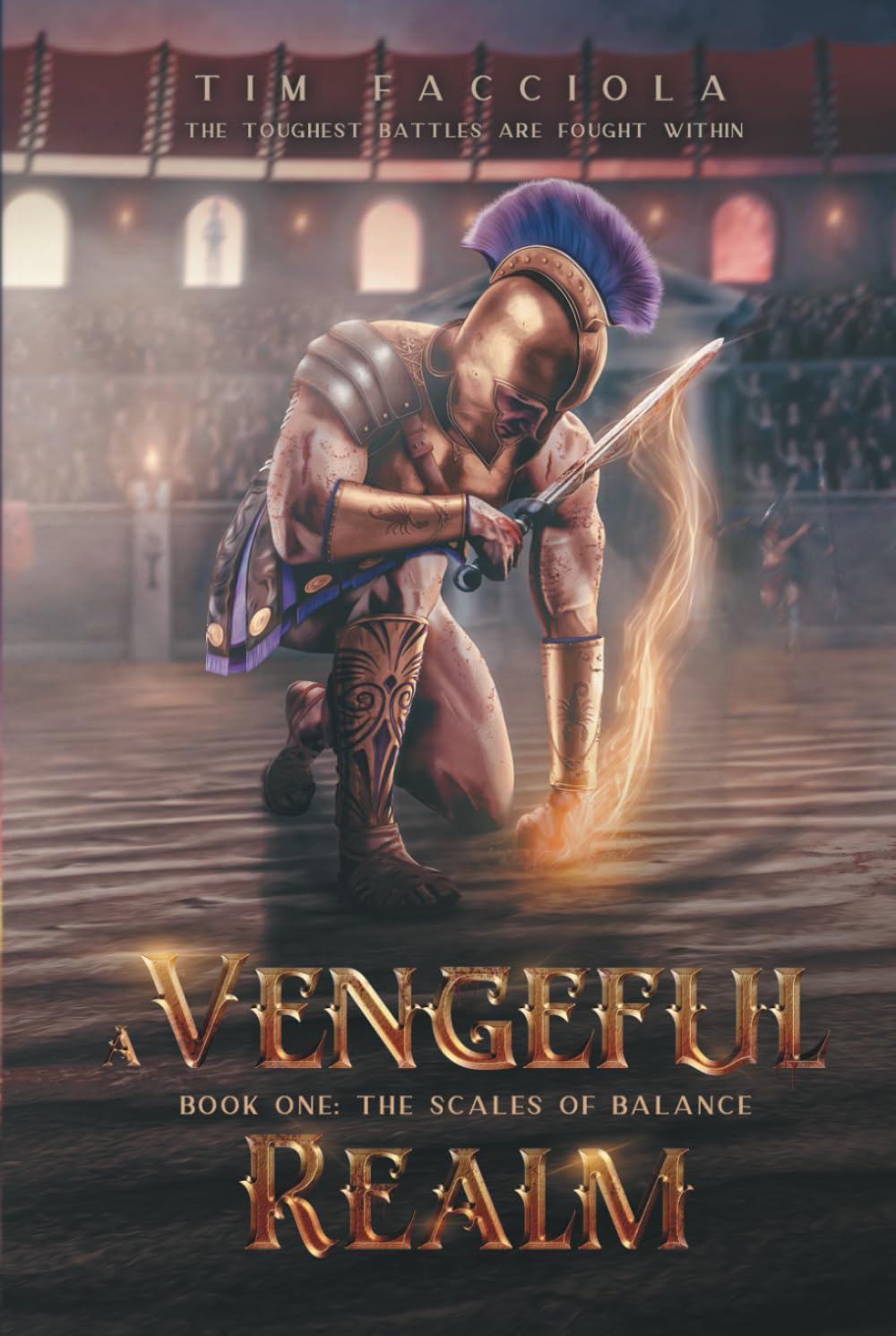
    Tim Facciola for A Vengeful Realm

    Blue and Gold Badge Recognizing A Vengeful Realm: Scales of Balance Book 1 by Tim Facciola for Winning the 2023 Overall Grand Prize Award

    We are always eager to support the Best Books through the CIBAs. Join the ranks of celebrated authors who have already taken this critical step in their publishing.

    Your book deserves to be discovered, celebrated, and shared with the world. Don’t miss the chance to showcase your talent and gain valuable exposure at the Chanticleer Authors Conference (April 3-6, 2025) where Winners from all Book Award Divisions will be announced and honored.

    In a world hungry for good books, your story deserves to be heard. Submit now and leave a lasting impression.

    Let’s celebrate exceptional storytelling together!

    The Chatelaine, Shorts, and Gertrude Warner Awards Badges

    The Chatelaine Awards, The Shorts Awards, and The Gertrude Warner Awards

    Your book deserves to be discovered

  • The 2024 Ozma Short List for Fantasy Fiction!

    The 2024 Ozma Short List for Fantasy Fiction!

    Ozma AwardsThe Ozma Book Awards recognize emerging new talent and outstanding works in the genre of Magic, Steampunk and Fantasy Fiction. The Ozma Awards is a genre division of Chanticleer International Book Awards and Novel Competitions (The CIBAs).
    Chanticleer International Book Awards discovers the best books in the Ozma Awards featuring magic, the supernatural, imaginary worlds, fantastical creatures, legendary beasts, mythical beings, or inventions of fancy that author imaginations dream up without a basis in science as we know it. Epic Fantasy, High Fantasy, Sword and Sorcery, Dragons, Unicorns, Steampunk, Dieselpunk, Gaslight Fantasy, Urban Fantasy, or other out-of-this-world fiction. Our judges from across North America and the U.K. will put them to the test and choose the best among them.

    These titles have moved forward in the first look rounds from the 2024 OZMA Book Awards long list to the SHORT LIST. These entries are now in competition for the 2024 Ozma Semi-Finalists List. FINALISTS will be chosen from the Semi-Finalists and recognized at the Chanticleer Authors Conference, CAC25.

    We will announce the 1st Place Category winners and Grand Prize Division Winners at the CIBAs Banquet and Ceremony on Saturday, April 5th, 2025 in beautiful Bellingham, WA at the Four Points by Sheraton sponsored by the 2025 Chanticleer Authors Conference

    A Wreath with the words "CAC 2025" on it to celebrate the Chanticleer Author's Conference!

    These titles are in the running for the SEMI-FINALISTS of the 2024 Ozma Book Awards novel competition for Fantasy Fiction!

    Join us in cheering on the following authors and their works!

    • K.N. Salustro – A Whisper from the Edge of the World
    • Susannah Dawn – Search for the Armor of God
    • Chloé A.H. Lewis – The Covenant Of Saints
    • Helen Garraway – Sentinals Banished
    • James McKenna – An October’s Journey: Poe’s Final Gift
    • Roxana Arama – The Exiled Queen: A Roman Era Historical Fantasy
    • Elana Gomel – Nine Levels
    • Anton Anderson – The Seekers: Kirin
    • Jenn Lees – Of High Kings and Mages: Arlan’s Pledge Book Three
    • Curt Locklear – Treasure and Murder In Ireland
    • Shami Stovall – Time-Marked Warlock
    • Charles Allen – A Graveyard of Ships
    • Rhett C. Bruno and Jaime Castle – An Unexpected Hero
    • Lynne Shaner – Journey to Everland Bay
    • A.S. Norris – The Hunted Mage: The Adventures of Jack Wartnose
    • Glen Dahlgren – The Realm of Gods
    • David V Mammina – Death or Volentus: Macabre Masquerade (Book 2)
    • David V Mammina – Death or Volentus
    • Kolton Fitz-Gerald – Leon Sharp: The Scourge of Night
    • Kolton Fitz-Gerald – Leon Sharp: The Tides of War
    • Alan B. Gibson – Summer Storm (Magic at Myers Beach, Book 2)
    • Zakary Bennett – Spirits of Leuun Shadows of the Chimera Vol 1
    • J.A. Nielsen – The Winter Heir (Fractured Kingdoms, Book 2)
    • Susan Wands – High Priestess an Empress, Book Two, Arcana Oracle Series
    • R. M. Krogman – Liberation
    • James Malone – The Song of Theodore-Return to Rainbow Gardens
    • Ross Hightower – Spirit Light Volume 1
    • Ross Hightower & Deb Heim – Desulti
    • Mark Stanley – Elven Blood: Volume 1 of the Vellhor Saga
    • Erin Lark Maples – A Circle of Stars
    • Evette Davis – The Others
    • M.D. House – Crossroads of Awakening Memory
    • Ryan Schuette – A Seat for the Rabble
    • Rae St. Clair Bridgman – Fish & Sphinx
    • Rae St. Clair Bridgman – The Serpent’s Spell
    • S.G. Blaise – Proud Pada
    • Logan D. Irons – Oaths of Blood
    • Joseph P Macolino – The Battle for Erathal
    • Prue Batten – The Red Thread
    • Joy Ross Davis – The Goddess of Weaver Street
    • S.G. Blaise – Meddling Mages
    • W.B.J. Williams – Johnny Talon and the Goddess of Love and War
    • T.E. MacArthur – A Place of Fog and Murder
    • Shami Stovall – Academy Arcanist
    • J.A. Nielsen – The Claiming
    • C.V. Vobh – The Yawning Gap
    • David Scidmore – Aylun

    Good luck to all as your works move on to the next rounds of judging.

    PROMOTING OUR AUTHORS! 

    This post has been posted on the Chanticleer Facebook Page. We try to tag all authors listed here in the Facebook post. However, it is easier for us to tag authors when they have Liked and Followed us on Facebook.

    Please click here to visit our page to LIKE, COMMENT, and SHARE on Facebook.

    We will also be promoting this list in our Newsletter, which you can sign up for here!

    Congratulations once more to the 2023 Ozma Grand Prize Winner and Overall Grand Prize Winner

    A Vengeful Realm

    By Tim Facciola

    Blue and Gold Badge Recognizing A Vengeful Realm: Scales of Balance Book 1 by Tim Facciola for Winning the 2023 Overall Grand Prize Award

    Click here to see the full list of 2023 OZMA Book Award Winners for Fantasy Fiction.

    We are now accepting submissions into the 2025 OZMA Book Awards for Fantasy Fiction.

    Please click here for more information.

    Winners will be announced at the 2024 CIBA Awards Ceremony that is sponsored by the 2025 Chanticleer Authors Conference.

    April 3 – 6, 2025! Save the Date for Registration!

    Seating is Limited. The esteemed WRITER Magazine (founded in 1887)  has repeatedly recognized the Chanticleer Authors Conference as one of the best conferences to attend and participate in for North America.

    Join us for our annual conference as we enter our second decade and discover why!


  • The Art of Critique from the Desk of David Beaumier

    Understanding Peer Review and Feedback

    A Crucial Critique Skill for Authors

    Oftentimes when someone joins a critique group, it’s not because they’re in dire need of a free proofreader. They are looking to learn if their writing is any good, as Kiffer Brown says “Does it have a beat? Can you dance to it?”

    If you’d like to start your self-editing journey first, you can start here! Plus we have a secret solution to really get the feedback you need as an author! Read on to the end to learn what it is!

    While a work can be written in such a way that the errors make it unclear what the author wants to communicate. So, let’s get started.

    Ikebana is the Japanese art of arranging flowers. It can have more to do with writing than you would expect!

    What are the Guidelines for Critique?

    While every writing group will have extraordinarily varied suggestions for offering feedback, they often have a few golden rules:

    • Stay positive. We are critiquing, not criticizing.
    • Remember that suggestions should enhance the story through the author’s voice, rather than stating a variant of “this is how I would write it.”
    • We critique the work rather than the author. Look at what in the writing doesn’t work for you and address that.

    Let’s talk about each of those suggestions in greater detail.

    Staying Positive

    Not quite what we mean…

    No one wants to be in the group where people simply say “it was good, I liked it.” That’s not what we mean by positivity.

    The reason this rule is so common is that almost everyone who has ever submitted to a writing group has had at least one person thoroughly eviscerate a piece, calling it offensive, a waste of time, and of completely zero worth. This kind of feedback is about as helpful as “it was good I liked it,” because it doesn’t actually tell the author anything about the work.

    A sad looking Indian man in a blue shirt
    This guy isn’t getting actionable feedback!

    The best critiques often focus on direct observations or questions regarding the work. Pointing out contradictions and plot holes, or saying when a line rings true and why it rings true. For example, if your character is a member of the Canadian Royal Mounted Police, but doesn’t know how to ride a horse, there might be some questions as to why that is. Basics in Non-Violent Communication can really help get started in giving observational feedback (and hearing critique generally). You can read more about that here. For a less intensive and more focused look at just critique (as opposed to overall lifestyle), you can see this article by author and professor Brenda Miller here.
    In the end, the best critiques follow through and explain why the reader had the reaction to the text that they did.

    “Well, this is how I’d write it”

    Hopefully your critiques aren’t overwhelming the author

    Hopefully your critiques aren’t overwhelming the author

    Unless the reader is a co-author on the work in question, this statement is probably not geared toward helping the author’s voice come through.

    When writing my first book at around age ten, I tentatively showed it to my father. He added quite a bit to the first chapter, which focused on a tornado coming and whisking the main character away to a magical world where animals talked. Every place where he made a change stood out like someone had attempted to jam two different polaroids together with the hope no one would notice. –David

    Again, a focus on questions and observations can often help the author come up with the solution on their own.

    Friends, women, books, computer, smiling

    For example: “I noticed that there wasn’t a lot of setting description in this scene. Would there be a way to describe where the characters are having their conversation, both to add to the atmosphere of the story and to offer some beats that break up the dialogue?”

    This will let the author make the change instead of adding a new POV of the main character’s mother doing dishes and listening to smooth jazz in the background.

    We critique the Work, not the Author

    At this point, it seems clear that the focus is on the text. A character does things, and the author simply records them. However, while it’s always good to give the people critiquing work feedback, this is a crucial place to offer suggestions to the author.

    Remember that, as the author, people are not giving feedback as an attempt to sabotage the story or to make it worse. While all feedback isn’t useful, it is given with the intention of helping, and hearing it as something intended to help often makes listening to a critique easier.

    As such, here are a couple tips when receiving critique on your work.

    • Listen. Interrupting or arguing with the person giving you feedback means you have less time to receive a critique.
    • Remember that the work is yours. No one can force you to change your work, so there’s no need to quibble about what a reader sees as a must-have change that you won’t implement.
    • Ask questions. As you hear your critique, track places where you don’t understand where the reader is coming from or if you’re not sure you understand the motivation behind what they’re saying.
    • Say thank you. The best critiques are to improve your work, not review or judge it, and the reader’s work should be appreciated.

    Not sure how to get started on a group? Check out this article here to learn the ins and outs of forming a critique group!

    The Secret to get the Most out of your Critiques!

    The Secret to Successful Publishing

    Are you ready for this? The best thing you can do to guide the critique you receive is…

    Include specific questions and instructions for what you would like for your readers.

    The Number 1 request I get as an editor is to “Tear my work apart.” This guidance is about as helpful for an editor as “It was good” is helpful to a writer. – David

    By the time work is being submitted for critique, writers will hopefully have a good understanding of their own weaknesses. Setting, plot, and dialogue are common areas of focus. If you’re just getting started and not sure what to ask for, that’s alright! As you receive feedback, be sure to write down common feedback suggestions, like too many movie references that distract from the flow of the story, or not enough Star Trek references in your blogpost.

    We don’t recommend sacrificing all your creative energy at once to finish your work. Cirroc Lofton and Meg Foster as Jake Sisko and Onaya in the Deep Space 9 episode Muse

    Regardless of what your weaknesses might be, no editor is a mind reader. Many will be able to help, but the only way to guarantee you receive feedback on the craft elements you are most concerned for is to ask for it directly. Using a service like an MOV can be a great start to begin orienting your work to get the nitty gritty feedback of a Line Edit from a group before you commit to a professional Line Edit.

    Read Responsibly

    With that, you’re ready to go off and take a more active role in your writing community. We believe in you and know that you’ll do great!


    Thank you for joining us for this Writer Toolbox Article

    A red toolbox with the words "What's in your toolbox

    There is so much to learn and do with Chanticleer!

    From our Book Award Program that has Discovered the Best Books since the early 2010s to our Editorial Book Reviews recognizing and promoting indie and traditional authors, Chanticleer knows your books are worth the effort to market professionally!

    Helpful Toolbox Articles:

    When you’re ready,did you know that Chanticleer offers editorial services?We do and have been doing so since 2011.

    Our professional editors are top-notch and are experts in the Chicago Manual of Style. They have and are working for the top publishing houses (TOR, McMillian, Thomas Mercer, Penguin Random House, Simon Schuster, etc.).

    If you would like more information, we invite you to email us at info@ChantiReviews.com for more information, testimonials, and fees.

    We work with a small number of exclusive clients who want to collaborate with our team of top-editors on an on-going basis. Contact us today!

    Chanticleer Editorial Services also offers writing craft sessions and masterclasses. Sign up to find out where, when, and how sessions being held.

    A great way to get started is with our manuscript evaluation service, with more information available here.

    And we do editorial consultations for $75. Learn more here.

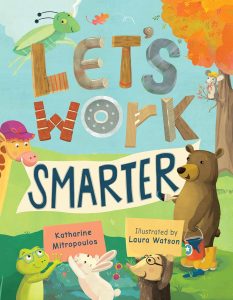
  • LET’S WORK SMARTER: Harmony Lane Adventures Book 2 by Katharine Mitropoulos, Illustrated by Laura Watson – Children’s Animal Stories, Picture Books, Creative Thinking Skills


    Katharine Mitropoulos’s Let’s Work Smarter, the second book of the Harmony Lane Adventures series, begins on a beautiful day at the Harmony Lane Farmer’s Market. There the residents are hoping to reach their fundraising goal to fix up the local playground.

    The next day, after having met their fundraising goal, Mouse takes charge dividing everyone into groups, each with their own job to do. Kangaroo, Frog, and Kitten are tasked with planting a flower garden, which turns out to be hard work! They decide they just need to work harder to get the job done but end up making a mess. Cheetah and Mole work hard while cleaning up the sandbox, causing sticks and leaves to get all over the place. Painting the fence are Giraffe, Bear, and Bunny, who all have their own plan for the design.

    By lunch everyone is no closer to finishing their tasks and everyone is exhausted! Mouse suggests everyone needs to work smarter instead of working harder. If everyone takes the time to think of creative ways to accomplish their tasks together and in an easier way, they will all be done fixing up the playground in no time!

    The Adventures of Harmony Lane came about from the author’s bedtime story she made up for her children. With a background in psychology, linguistics, and speech-language pathology, Katharine Mitropoulos has created stories that will help teach children the valuable lessons of teamwork and learning.

    At the end of Let’s Work Smarter parents will find several prompts they can use with their children to foster development and a love of learning. Based on the story, the suggestions provide insight into the value of the task along with an activity parents can incorporate into their child’s daily routine.

    Just as it was in the first Harmony Lane Adventure book, Ready…Set…Frog!, illustrator Laura Watson’s bright and colorful art creates a visually stimulating world. Her lighthearted, whimsical style is a perfect match for Mitropolous’s lively anthropomorphic characters, and the little details are a delight for children to find as the story is read.

    Following in what already feels like a rich tradition of Harmony Lane books, we see the animal residents come together to think creatively and work as a team to solve a task in an unexpected way. We see each group approach the solution to their task in a way that emphasizes mindfulness and planning ahead, which allows for parents and children to easily connect this story to their day-to-day life.

    Mitropoulos’ Let’s Work Smarter is a brilliant story about problem solving with vivid art. It teaches children the valuable lesson that not only can they accomplish their goals, but that any challenge can be overcome when you work together!


  • Happy Birthday Goethe! Extending the 2024 Goethe Awards for Late Historical Fiction

    Happy Birthday Goethe!

    We’re delighted to celebrate Johann Wolfgang von Goethe’s birthday! Check out these awesome events that happened during Goethe’s Lifetime!

    • 1750 – The Industrial Revolution began in England
    • 1756 – Wolfgang Amadeus Mozart was born in Salzburg, Austria
    • 1761 – The problem of calculating longitude while at sea was solved by John Harrison
    • 1765 – James Watts perfects the steam engine
    • 1770 – Ludwig van Beethoven was born in Bonn, Germany
    • 1774 – Goethe’s romantic novel, The Sorrows of Young Werther, propels him into European fame
    • 1774 – Goethe’s play Gotz von Berlichingen, a definitive work of Sturm und Drang premiers in Berlin
    • 1776 –  America’s 13 Colonies declare independence from England. Battles ensue.
    • 1776 – Adam Smith publishes the Wealth of Nations (the foundation of the modern theory of economics)
    • 1776 –  The Boulton and Watt steam engines were put to use ushering in the Industrial Revolution
    • 1783 – The Hot Air Balloon was invented by the Montgolfier brothers in France.
    • 1786 – Le Nozze di Figaro by Mozart premiered in Vienna
    • 1789 – George Washington is elected the first president of the United States of America
    • 1780 – Antoine Lavoisier discovers the Law of Conservation of Mass
    • 1789 – The French Revolution started in Bastille
    • 1791 – Thomas Paine publishes The Rights of Man
    • 1792 – Napoleon begins his march to conquer Europe
    • 1799 – Rosetta Stone discovered in Egypt
    • 1802 – Beethoven created and performed The Moonlight Sonata
    • 1802 – A child’s workday is limited to twelve hours per day by the British parliament when they pass their first Factory Act
    • 1804 – Napoleon has himself proclaimed Emperor of France
    • 1808 – Atomic Theory paper published by John Dalton
    • 1811 –  Italian chemist Amedeo Avogadro publishes a hypothesis, about the number of molecules in gases, that becomes known as Avogadro’s Law
    • 1811 – Jane Austen’s Sense and Sensibility was published anonymously. It was critically well-received
    • 1814 – Steam driven printing press was invented which allowed newspapers to become more common
    • 1818 – Mary Shelley publishes Frankenstein
    • 1832 – Goethe’s Faust, Parts 1 & 2 are published posthumously (March 22, 1832)

    You asked, we listened

    We tend to be a little more high tech at Chanticleer

    New Deadline for the Goethe Awards: September 30, 2024

    At the request of both our Authors and our Readers we have moved the closing date of the Goethe Awards to September 30, 2024!

    This pairs it with its Historical Fiction partner the Chaucer Award. As we settle into this new schedule, we’re hearing great feedback from authors regarding the best times for them to submit their work. This depends on conferences and workshops (many of which are genre specific) where they can regularly receive feedback and writing retreats that allow them to finish their manuscripts.

    Thank you to everyone who reaches out and makes our Awards a success every year!

    Post 1750s Historical Fiction Award
    September is right around the corner! Don’t miss out!

    Chaucer is the older brother of sorts to the other Historical Fiction divisions. Awhile back we got so many submissions to Chaucer, we had to split them up to judge them all properly. So now, Chaucer is Pre-1750 and Goethe is Post-1750.

    Why do we like Johann Wolfgang von Goethe so very much? It’s simple! He’s the guy who wrapped up everything we believe in with this simple sentence:

    “Whatever you can do or dream, you can begin it. Boldness has genius, power, and magic in it.” – Goethe

    A great mantra for writers, don’t you think!

    Why 1750?

    Well, many historians see that time as the start of the Early Modern Age. With Revolutions the world over, and Governmental Changes moving away from Monarchies and constitutions giving the normal people rights, not just the wealthy. And at the same time, the Industrial Revolution and Age of Enlightenment.

    The Goethe Award is named for Johann Wolfgang Von Goethe, famed German writer, scientist and polymath. Seen on the badge for this award, in a portrait of him in around 1775

    Goethe in 1828, painted by Joseph Karl Stieler

    We chose Goethe as the namesake for this award not only because we are fans of his writing. Born in 1749, his lifetime saw some of the biggest events and technological advances. Both the American and French Revolutions, the start of the Industrial Revolution in England (which started in about 1750), the invention of Steam Engines, and some of the most influential written works of history. As such, he embodies the era of Historical Fiction this award covers and beyond.

    Here are some great books set during the time of the Goethe Awards!

    THE SPOON: The Story of Two Families’ Survival of the Hungarian Revolution
    By Lisa Voelker
    Goethe Awards First Place Winner

    The Spoon Lisa Voelker

    Lisa Voelker’s historical fiction novel, The Spoon, takes us back to the 1950s in Hungary during the daring student uprising, and attempted revolution, in Buda and Pest. The author weaves historical facts with fiction in the form of family lore that has been handed down for generations.

    We follow scores of people whose lives intersected during this uprising of 1956. The revolution was, at its inception, a time of joyous upheaval, but in less than two weeks became one of devastating dissolution. People fled Hungary by the thousands, but not before giving the Soviet Union a taste of their discontent.

    Voelker introduces Rebeka, a member of the Varga family with old ties to the bourgeoisie, who lived a life of privilege on a farm east of Buda and Pest. As well as Peter, a member of the Turea family who attends Budapest Technical University, where students began demonstrating against the Hungarian Government that was under Soviet control.

    Read more here!

    EVERYTHING WE HAD: No Merciful War Book 1
    By Tom Burkhalter
    Series Awards First Place

    Everything We Had Cover

    Everything We Had, book one of Tom Burkhalter’s No Merciful War series is an inexorable thrill that will grip readers tight. It starts with a poker game, through which a main character’s luck soon becomes evident. But will that luck hold out?

    Jack—the poker player—and Charlie—Jack’s older brother—have been separated by war, even though that war has yet to be declared. Everything We Had focuses more on the machinations leading up to US involvement in World War II than on actual combat. The gears of war that have so many young men caught in them move with gradual but inevitable force, and so Everything We Had takes a more thoughtful approach to a historic moment in time.

    Connecting with the characters is a gradual process as you get to know the intricacies that make up their individual personalities. This sets the reader up to feel the emotions of the characters as they face an uncertain fate, and throughout the book the author’s clear and methodical research shines with details such as specific views, locations, and—most notably—comprehensive descriptions of the airplanes Jack and Charlie pilot. This allows the reader to become deeply familiar with the motivations of the characters and the capabilities of the airplanes they fly.

    Read more here!

    A SONG THAT NEVER ENDS: Hamilton Place Book 1
    By Mark A. Gibson
    Series Awards First Place

    A Song that Never Ends Cover

    A Song That Never Ends, the first volume of a two part series by Mark A. Gibson, opens a dramatic fictional saga of the Hamilton family from the late 1930s Depression era, to 1967 and the Vietnam conflict. Here against the backdrop of a South Carolina tobacco farm, we come to witness a family in turmoil.

    The calm and reserved Walter Hamilton and his rebellious, impulsive wife Maggie strive to build a life and raise a family. But the couple is tested by a series of misfortunes—miscarriages and stillbirths, and Walter’s enlistment during WWII leaving him with guilt-induced PTSD as he deals with the memory of fallen comrades.

    At the center of this heartfelt story is James, the middle child, who at the tender age of eight is forced from his home due to a horrific accident and sent to live with a widower uncle.

    Read more here!

    THE BRISLING CODE
    By J.L. Oakley
    Hemingway First Place Winner

    The Brisling Code Cover

    In The Brisling Code, a fast-paced first installment of her historical thriller series, Oakley weaves a brilliant portrayal of the perils met by the Norwegian Resistance during WWII.

    Layered perspectives—from resistance workers, traitors, and even an SS Officer—create a rich world through which readers can understand the sacrifices that were made to free our world from the tyranny of Nazi Germany.

    Immersed in volatile Nazi-occupied Bergen, Norway, fearless young intelligence agent Tore Haugland and his team of organizers work tirelessly to protect the essential work of the Norwegian resistance.

    Read more here!


    Thank you to everyone who has entered the CIBAs, with a special recognition  to those who keep the past alive! Good books for young people matter!

    The winners of the Dante Rossetti Awards will be announced during the 2024 Chanticleer Authors Conference. First-place winners receive the coveted Chanticleer Blue Ribbon, and the Grand Prize laureate commands the spotlight, epitomizing the exceptional YA Fiction genre talent.

  • THE BEST I CAN DO: A True Story of Navigating the Complexities of Mental Illness and Homelessness by Cheryl Landes – Memoirs, Mental Illness, Family Dysfunction


    Cheryl Landes’s The Best I Can Do: A True Story of Navigating the Complexities of Mental Illness and Homelessness, follows the devastation of a happy marriage as mental illness slowly takes over the mind of her husband. Landes must then make the journey back to peace.

    Cheryl and her husband, Tom, had known each other since their college days. A classic love story, Landes does a beautiful job with the set up, and then delivers the tragedy of Tom’s spiral into paranoia as their plans for the future begin to fall apart.

    The Best I Can Do tells the story of what happens when Tom insists someone is trailing him, believing a car passes by his and Cheryl’s home every day even though no one else sees it. He claims someone installed listening devices in their house and refuses to speak unless his white-noise devices are on. As his paranoia increases he locks the refrigerator with a chain and a padlock to protect himself from the certainty someone—perhaps Cheryl—wants to poison him.

    When Tom is laid off from a job he’s had for ten years, he decides to switch careers from sales to finance. The shift takes the couple from Seattle to New York City, disregarding Cheryl’s objections. With compassion and love, we follow her journey to understand his illness as she sets the boundaries she needs to rebuild her life.

    But New York is only the beginning of a series of moves, all orchestrated by Tom’s inner voices.

    He wipes out their savings, spends money the couple doesn’t have, and before long, Cheryl’s resilience is tested as she finds herself homeless and regularly sleeping in her car. The story jumps around, back and forth in time, from Seattle to the East Coast and back again as it weaves the tangled web of Tom’s life into a narrative that resembles the clear struggle of Cheryl’s new reality.

    Pride keeps Cheryl from telling anyone at her white-collar job about her situation as Tom, thoroughly in the depths of his mental illness, is rarely seen. He pops up occasionally with no answers regarding his long absences or evidence of clarity. Cheryl’s inner voice attempts to warn her about her own downward trajectory, but not soon enough.

    Landes’s novel is a fascinating and grueling tale of navigating the complexities of living with a person dealing with mental illness.

    The Best I Can Do: A True Story of Navigating the Complexities of Mental Illness and Homelessness is a heart-breaking memoir. Cheryl Landes does a superb job of chronicling the ups and downs of her life as her husband becomes a prisoner of his schizophrenia.


  • The 2024 Gertrude Warner Spotlight for Middle Grade Fiction

    Celebrating Middle Grade Fiction

    with the Gertrude Warner Book Awards

    for Middle-Grade Reads

    Honoring the Beloved Box-Car Children’s Series

    The original cover of the Boxcar Children by Gertrude Warner
    The original cover of the Boxcar Children by Gertrude C. Warner

    The Gertrude Warner Award for Middle Grade Fiction is named for the Author of The Boxcar Children Series. While Gertrude Warner wrote the original 19 books, books in the series are still being written, 100 years after the first (the first book was published in 1924), with over 200 Boxcar children books now published by other writers.

    The Boxcar Children from the famed series by Gertrude Warner
    Enter Here!

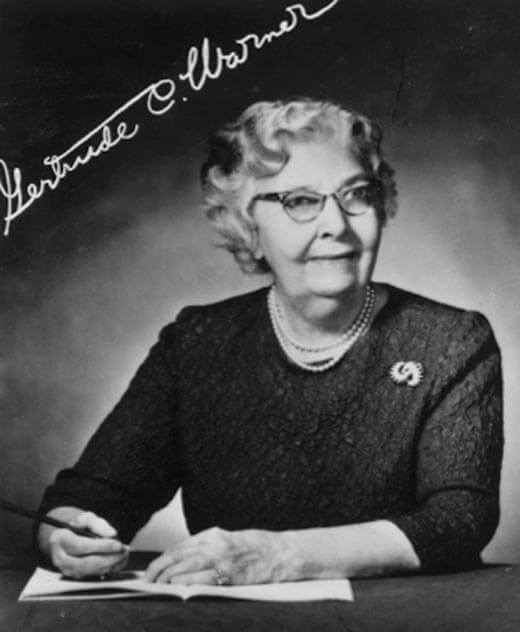
    Gertrude Chandler Warner (1890-1979) was a Sunday School teacher until 1918, when the male teachers in her community of Putnam, Connecticut were being called to serve in WW1. She continued to be a grade school teacher until 1950. She started writing the Boxcar Children while home sick, and many of the aspects of her books have inspiration in her life. She grew up across the street from the railroad station, and her love of nature, plant collecting and gardening led to the Second book of the Boxcar Children, Surprise Island, being about the children making a nature museum out of things they collected. A student of hers once recalled the flower and stone collecting contests she held for the students.

    Author of the beloved Boxcar Children’s series

    Her books feature the children being young sleuths, solving mysteries where ever they go, without the help of the adults around them. While her books did have many critics about how independent she portrayed the children and inspired childhood rebellion, Warner saw it as why children liked the books so much.

    Middle Grade Fiction is aimed for the ages of 6-13. We also have divisions for younger (Children’s Picture Books and Early Readers) and (14-18 years-old) Young Adult. For those, see Little Peeps and Dante Rossetti.

    The Categories of The Gertrude Warner Awards are:

    • Contemporary Middle Grade
    • Sci-Fi, Fantasy, & Paranormal Middle Grade
    • Mystery Middle Grade
    • Historical Middle Grade
    • Adventure Middle Grade
    • Graphic Novels for Middle Grade
    • First – Third Grade Readers

    Children can read and love the same genres as books for older age ranges. Adventures, Mysteries and Speculative Fiction can be for everyone!

    From the desk of Anya Mueller, Team Chanticleer

    Check out some of our favorite Middle Grade Reads we’ve recently reviewed!

    BOOK Of LEPRECHAUNS: The Lore Gatherers
    By Jonathan Uffelman
    First Place Winner in the OZMA Book Awards for Fantasy Fiction

    Book of Leprechauns Cover

    Three leprechauns, Molly, Shaun, and Dorker, have their lives turned upside down when a sinister figure returns to their peaceful village with greed and revenge on his mind. In Jonathan Uffelman’s middle-grade fantasy, Book of Leprechauns: The Lore Gatherers, they embark on a treacherous journey to recover their lost home.

    Shaun McClanahan struggles to support his daughter Molly as she fails a crucial test for young Lore Gatherers—a subculture of Leprechauns who respect the power of stories. Though he’s weighed down by his responsibilities as the protector of his village’s communal gold stash, Shaun tries to overcome his worrying nature by trusting Molly to check on the gold by herself, hopeful that she can prove her worth to the village.

    But when Molly follows her father’s magical instructions to the letter, she discovers with horror that the treasure is missing, save one ancient Roman coin.

    Read more here!

    MYSTERY FORCE: Volume One
    By Ted Neill
    Illustrated by Suzi Spooner
    Grand Prize Winner in the Gertrude Warner Awards

    Mystery Force - Volume One Cover

    Set in a world where magical talking creatures are a normal part of society, the Mystery Force series by Ted Neill is a must-read for any animal-loving kid.

    Book One, Mystery Force, Assemble!, begins with warehouses of previously unheard-of magical creatures being discovered and freed. Out of fear, these new creatures continue to hide, and a group of curious kids – Rasheed, Jonathan, and Jojo – decide to get to the bottom of the mystery!

    In book two, The Case of the Stolen Horn, Rasheed, Jonathan, and Jojo are on the case after their unicorn drama teacher, Mr. Twinkles, is attacked, with their Pegasus geometry teacher Ms. Weymont being arrested for the crime. The Mystery Force Kids are determined to clear Ms. Weymont’s name by finding the real culprit.

    Read more here!

    ELVIA And The GIFT Of PASSION: A Tale by Moons-Light Series, Book 3
    By Ruthy Ballard

    Elvia and the Gift of Passion

    Ruthy Ballard’s latest middle-grade novel, Elvia and the Gift of Passion, takes us to another planet in a distant galaxy. But the journey begins grounded on Earth.

    Elvia lives a dull-as-dishwater life with her boring parents, Sally and Earl Hill. She dreams of living in Tanzania (or on Mars) after a DNA test reveals she is 99.1% Zulu, with a dash of Irish to explain her red hair.

    When her mother wins a safari in a work raffle, Elvia’s dreams start to materialize. As the stubborn and dissatisfied daughter of two overprotective parents, Elvia does what any child in her situation would do; she ditches them. In the meantime, her parents try to fit in some relaxation and see the sights without their daughter.

    Read more here!


    Thank you to everyone who submitted to the 2024 Gertrude Warner Awards! We can’t believe that the whole adventure starts again when the Gertrude Warner Awards close on August 31st, 2024.

    The tiers of achievement for the CIBAs

    This is the journey from beginning to end for the CIBAs Levels of Achievement is so worthwhile! Every list you make means more promotion for you and your work as each list is posted right here on our website, on our social media, and also out in our newsletter! Your book deserves to be discovered.

    Submit to the Gertrude Warner Awards today!

  • DIAMOND: The Memoir of a Lost Daughter of Japan by Etsuko Diamond Miyagi – Inspiring Memoir, Post-WWII East Asia, Memoirs of Women, Resilience

    In a world ravaged by conflict and loss, Etsuko Diamond Miyagi’s memoir, Diamond: The Memoir of a Lost Daughter of Japan is a shining testament to the beauty of love and the human spirit’s ability to overcome adversity.

    Etsuko enjoys a peaceful childhood on the Philippine island of Mindanao, where her father owns an abacá plantation. But they are not safe when guerilla forces destroy her village murdering everyone and leaving her as the sole survivor. This deeply personal narrative of grief chronicles Etsuko’s harrowing journey to find solace and joy after the death of her parents.

    At first, passed from house to house, Etsuko is forced to work as a domestic servant until a kind family takes her in. However, her safety and survival is once again in danger when she’s forced to leave her adopted family and take a position at Chief Doming Apostol’s estate in Magpet. It is there Etsuko receives the name ‘Diamond.’

    Diamond works for years in the Apostol household where not all is terrible. She forms a loving bond as the caretaker for the youngest of the children. When their father is imprisoned, the household falls apart, but Diamond stays.

    In part, she has nowhere else to go, but mostly she stays for the children, abandoned by Doming’s wife after her husband’s incarceration.

    Three years later, Chief Doming returns, and Diamond officially becomes the children’s nanny—then Doming’s wife. Their marriage grows into a deep love, with many children added to the family. Political tensions during the 1960s and 1970s again threaten Diamond’s life. When tragedy strikes she again puts the safety and survival of her family first.

    The countless pressures and hard work in spite of them results in a strength created in much the same way as Diamond’s namesake.

    Decades after the devastating war and displacement that took her family, Diamond encounters a Japanese couple searching for their own long lost family members and, through them, she discovers information that fills in the gaps in her younger life. She learns where she came from, whether or not any family members still exist, and her birthname—Etsuko Miyagi.

    Diamond: The Memoir of a Lost Daughter of Japan shines as a richly composed memoir of inner strength and resilient love.

    With raw and evocative prose, Miyagi recounts the quagmire of heartache and despair of her early years. But she also reveals the remarkable path her life takes towards healing and happiness. Through vivid storytelling and introspection, Diamond: The Memoir of a Lost Daughter of Japan offers an inspiring exploration of how one can find light in the darkest of times and emerge to show their soul’s true brilliance.

    Fans of memoirs and historical non-fiction will be satisfied and astonished by Diamond: The Memoir of a Lost Daughter of Japan. Etsuko’s story plays out in the aftermath of World War II, and with many such books focusing on Europe alone, Diamond provides a crucial historical insight  into the long-term effects of a global conflict on the people of Southeast Asia.

    Etsuko Diamond Miyagi tells the true story of the creation of a diamond who finds a way to glow bright with love and humility.