Author: chanti

  • The 2024 Goethe Book Awards Long List for Late Historical Fiction

    The 2024 Goethe Book Awards Long List for Late Historical Fiction

    Post 1750s Historical Fiction AwardThe Goethe Book Awards recognize emerging new talent and outstanding works in the genre of Post 1750 Historical Fiction. The Goethe Awards is a genre division of Chanticleer International Book Awards and Novel Competitions (The CIBAs).

    Chanticleer International Book Awards is looking for the best books featuring Victorian, Georgian, Regency, International History, 20th Century, and all the possible historical topics that an authors imagination can dream up for the Goethe Book Awards division. Our judges from across North America and the U.K. will put them to the test and choose the best among them.

    These titles have moved forward in the first look rounds from all 2024 Goethe Late Historical Fiction entries to the 2024 Goethe Book Awards LONG LIST. These entries are now in competition for the 2024 Goethe Short List. The Short Listers will compete for the Semi-Finalists positions. FINALISTS will be chosen from the Semi-Finalists and recognized at the Chanticleer Authors Conference, CAC25.

    We will announce the 1st Place Category winners and Grand Prize Division Winners at the CIBAs Banquet and Ceremony on Saturday, April 5th, 2025 in beautiful Bellingham, WA sponsored by the 2025 Chanticleer Authors Conference

    A Wreath with the words "CAC 2025" on it to celebrate the Chanticleer Author's Conference!

    These titles are in the running for the SHORT LIST of the 2024 Goethe Book Awards novel competition for Late Historical Fiction!

    Join us in cheering on the following authors and their works!

    • Tessa Floreano – Murder & Matrimony in the Castello
    • Nancy Burkhalter – Mesmer: The Tale of a Medical Maverick
    • Nancy Burkhalter – The Education of Delhomme: Chopin, Sand, and La France
    • Benjamin Kwakye – Seasons of Four Faces
    • Janis Robinson Daly – The Path Beneath Her Feet
    • Kim Gottlieb-Walker – Lenswoman in Love
    • Jeanne Gehret – Secrets to the Wind
    • Donna Russo – Vincent’s Women: The Untold Story of the Loves of Vincent van Gogh
    • William Robert Reeves – The In-House Politician
    • Louis Trubiano – What Once Was Promised
    • Katherine Koch – The Sower of Black Field: Inspired by the True Story of an American in Nazi Germany
    • Sandra Wagner-Wright – Sea Tigers & Merchants: A New American Generation
    • Mark Kraver – Janszoon: In the Pursuit of Love, Family, and an Enduring Legacy
    • Gail Noble-Sanderson – A Cup of Revenge
    • Robert Brighton – The Phantom of Forest Lawn: Romance and Redemption in the City of the Dead
    • J.R. Holland – Vigilante Love Song
    • Teri M Brown – Daughters of Green Mountain Gap
    • Susan Higginbotham – The Queen of the Platform: A Novel of Women’s Rights Activist Ernestine Rose
    • Brook Allen – West of Santillane
    • James Conroyd Martin – Napoleon’s Shadow Wife: A Novel of Countess Marie Walewska
    • Don Jacobson – In Westminster’s Halls: A Pride and Prejudice Variation
    • Sean James – The Vengeful Kind
    • Georgina Hogue – Cloud Cap
    • Linda Ulleseit – Innocents at Home
    • Florence Reiss Kraut – Street Corner Dreams, A Novel
    • Paula Butterfield – Missing Mr. Moonlight
    • Reenita M. Hora – Vermilion Harvest – Playtime at the Bagh
    • Carolyn Summer Quinn – Until the Stars Align
    • Diana Lee – The Breaking Room
    • Leo Daughtry – Talmadge Farm
    • Susan McGuirk – Missing Friends
    • Jeza Belle – Blood Rouge
    • John David Graham – Running As Fast As I Can
    • Jude Berman – The Vow: A Novel
    • R. W. Meek – The Dream Collector, Book II “Sabrine & Vincent van Gogh”
    • Annette Gagliardi – Ponderosa Pines: Days of the – Deadwood Forest Fire
    • DL Fowler – Lincoln’s Angel: the Rebecca Pomroy Story
    • Florence Reiss Kraut – Street Corner Dreams
    • Sherry V. Ostroff – The Wall at the Sugar Factory
    • Alina Rubin – A Girl with a Knife
    • Alina Rubin – Abigail’s Song
    • M. B. Zucker – The Middle Generation: A Novel of John Quincy Adams and the Monroe Doctrine
    • Heather Miller – Yellow Bird’s Song
    • João Cerqueira – Perestroika
    • Adrienne Stevenson – Mirrors & Smoke
    • Gail Ward Olmsted – Katharine’s Remarkable Road Trip
    • C.M. Huddleston – Esther
    • Karen Lynne Klink – At What Cost, Silence? Book 1 of The Texian Trilogy
    • Diane Byington – Louise and Vincent
    • Tim Piper – The Powell Expeditions
    • Janice Sebring – Fearful Breakers
    • Jerry Madden – Steel Valley: Coming of Age in the Ohio Valley in the 1960s
    • Vicky Oliver – Firebrands

    Good luck to all as your works move on to the next rounds of judging.

    PROMOTING OUR AUTHORS! 

    This post has been posted on the Chanticleer Facebook Page. We try to tag all authors listed here in the Facebook post. However, it is easier for us to tag authors when they have Liked and Followed us on Facebook.

    Please click here to visit our page to LIKE, COMMENT, and SHARE on Facebook.

    We will also be promoting this list in our Newsletter, which you can sign up for here!

    Congratulations once more to the 2023 Goethe Grand Prize Winner

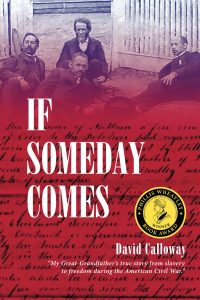
    If Someday Comes

    By David Calloway

    If Someday Comes Cover

    blue and gold badge recognizing If Someday Comes by David Calloway for winning the 2023 Goethe Grand Prize

    Click here to see the full list of 2023 GOETHE Book Award Winners for Late Historical Fiction.

    We are now accepting submissions into the 2025 Goethe Book Awards for Late Historical Fiction.

    Please click here for more information.

    Winners will be announced at the 2024 CIBA Awards Ceremony that is sponsored by the 2025 Chanticleer Authors Conference.

    April 3 – 6, 2025! Save the Date for Registration!

    Seating is Limited. The esteemed WRITER Magazine (founded in 1887)  has repeatedly recognized the Chanticleer Authors Conference as one of the best conferences to attend and participate in for North America.

    Join us for our annual conference as we enter our second decade and discover why!


  • The 2024 Short Story Awards Long List for Collections, Essays, and Novellas

    The Shorts Book Awards recognize emerging new talent and outstanding works in the genre of Short Stories. The Shorts Awards is a genre division of Chanticleer International Book Awards and Novel Competitions (The CIBAs).

    The Chanticleer International Book Awards program discovers today’s best works. The Short Stories Awards discovers the Best New Shorts in Fiction and Narrative Non-Fiction. These books have advanced to the next judging rounds. We will put them to the test and choose the best among them.

    These titles have moved forward in the first look rounds from all 2024 SHORTS entries to the 2024 Shorts Book Awards LONG LIST. These entries are now in competition for the 2024 Shorts Award Short List. The Short Listers will compete for the Semi-Finalists positions. FINALISTS will be chosen from the Semi-Finalists and recognized at the Chanticleer Authors Conference, CAC25.

    Please Note: There are 2 Shorts Awards Lists. This is for Long Form Content, Novellas, and Collections. The short form Shorts (100 pages or less) Long List will be posted separately.

    We will announce the 1st Place Category winners and Grand Prize Division Winners at the CIBAs Banquet and Ceremony on Saturday, April 5th, 2025 in beautiful Bellingham, WA at the 2025 Chanticleer Authors Conference

    A Wreath with the words "CAC 2025" on it to celebrate the Chanticleer Author's Conference!

    These titles are in the running for the SHORT LIST of the 2024 Shorts Book Awards novel competition for Short Stories!

    Join us in cheering on the following authors and their works!

    • Robin Elizabeth Kobayashi – Something About Lizzy
    • E.M. Schorb – Resurgius, a Sex Comedy
    • Cindy Ellen Hill – Leeds Point
    • Alice McVeigh – Pride and Perjury
    • Susan L Rae – Teaching Treason: A Gabby Baxter Mystery
    • Paper Lantern Writers – Beneath a Midwinter Moon
    • Peter Dingus – Worlds in Transition
    • J.R. Rice – Broken Pencils
    • Cynthia Geouge Davis – Catfish Corner
    • Mary Ann Bernal – AnaRose and Pharaoh’s Gold
    • Ebenezer Tabot Tabot – The Fruit Hunters and other Stories
    • Barbara Rein – Tales from the Eerie Canal: 22 Stories of the Delightfully Dark and Creepy
    • Deborah L. Staunton – Untethered
    • Jennifer Saviano – Joy Ride
    • Jennifer Anne Gordon – The Japanese Box and Other Stories
    • Anne B. Barriault – Tales from Naples and Sorrentine Stories
    • Derek Wachter – Solipsism
    • Anna Casamento Arrigo – Weeds Beneath the Open Meadows
    • Irena Smith – The Golden Ticket: A Life in College Admissions Essays

    Congratulations once more to the 2023 Shorts Grand Prize Winner for Short Prose

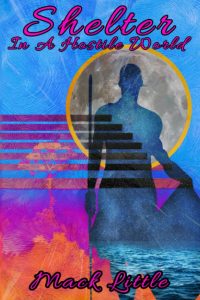
    Shelter In A Hostile World

    By Mack Little

    Blue and Gold Badge Recognizing Shelter in a Hostile World by Mack Little for winning the 2023 Shorts- Collections and Novellas Grand Prize

    Click here to see the full list of 2023 Shorts Book Award Winners for Short Stories and Essays.

    We are now accepting submissions into the 2025 Shorts Book Awards for Short Stories, Essays, and Collections!

    Please click here for more information.

    Winners will be announced at the 2024 CIBA Awards Ceremony that is sponsored by the 2025 Chanticleer Authors Conference.

    April 3 – 6, 2025! Save the Date for Registration!

    Seating is Limited. The esteemed WRITER Magazine (founded in 1887)  has repeatedly recognized the Chanticleer Authors Conference as one of the best conferences to attend and participate in for North America.

    Join us for our annual conference as we enter our second decade and discover why!

  • The 2024 Hearten Book Awards Long List for Uplifting and Inspiring Non-Fiction

    The Hearten Book Awards recognize emerging new talent and outstanding works in the genre of Inspiring and Uplifting Non-Fiction and Memoirs. The Hearten Book Awards is a genre division of Chanticleer International Book Awards and Novel Competitions (CIBAs).

    Chanticleer International Book Awards is looking for the best books featuring true stories about adventures, life events, unique experiences, travel, personal journeys, global enlightenment, and more. We will put books about true and inspiring stories to the test and choose the best among them. See our full list of Non-Fiction Divisions here. 

    These titles have moved forward in the judging rounds from all 2024 Hearten Non-Fiction entries to the 2024 Hearten Book Awards LONG LIST. Entries below are now in competition for 2024 Hearten Short List. The Short Listers will compete for the Semi-Finalist positions. Finalists will be selected from the Semi-Finalists. All FINALISTS will be announced and recognized at the Chanticleer Authors Conference (CAC25).

    The First Place Category Winners, along with the CIBA Division Grand Prize winners, will be selected from the 25 CIBA divisions’ Finalists.

    We will announce the 1st Place Category winners and Grand Prize Division Winners at the CIBAs Banquet and Ceremony on Saturday, April 5th, 2025 in beautiful Bellingham, WA sponsored by the 2025 Chanticleer Authors Conference

    A Wreath with the words "CAC 2025" on it to celebrate the Chanticleer Author's Conference!


    These titles are in the running for the SHORT LIST of the 2024 Hearten Book Awards novel competition for Uplifting and Inspiring Non-Fiction!

    Join us in celebrating the Long List authors and their works in the 2024 CIBAs.

    • Elizabeth Fulgaro – Learning to Love (Not Loathe) Me
    • Dr. Maheshika Halbeisen – The Job Well Done – The Queen’s Way To Successful Leadership
    • Linda M. Lockwood – Sky Ranch: Reared in the High Country
    • Genét Simone – Teaching in the Dark
    • Wendy B. Correa – My Pretty Baby: A Memoir of Seeking Truth and Finding Healing
    • Jenell M. Jones M.Ed. – Shattered
    • David Hutton – Drums of a Distant Tribe
    • Alicia M. Rodriguez – The Shaman’s Wife: A Mystical Journey of Surrender and Self-Discovery
    • Hilary Giovale – Becoming a Good Relative: Calling White Settlers Toward Truth, Healing, and Repair
    • Douglas Green – The Teachings of Shirelle: Life Lessons from a Divine Knucklehead
    • Dr George Ackerman – A Son’s Journey from Parkinson’s Disease Caregiver to Advocate
    • Kimberly Harms – Are You Ready?: How to Build a Legacy to Die For
    • Ingrid McCarthy – I Stood Among the Ruins and Cried
    • Kasey Claytor – Finding the Light
    • Jia Apple – The Tell
    • Anna Brooke and Vindy Teja – WRITE! Your Guide to Revealing the Writer Within
    • Olivia Goodreau – But She Looks Fine
    • Etsuko Diamond Miyagi – DIAMOND: The Memoir of a Lost Daughter of Japan
    • Lynne Spriggs O’Connor – Elk Love: A Montana Memoir
    • Jane Kim Yu – Journey of Awakening and Higher Consciousness
    • L.A. Witt – I Changed My Mind: My Journey from Infertile to Childfree
    • Mimi Zieman – Tap Dancing on Everest
    • Liz Alterman – Sad Sacked
    • Rachael Siddoway and Sonja Wasden – An Impossible Life: A True Story of Hope and Mental Illness
    • Christina Ford – In Search of Mr Darcy: Lessons Learnt In The Pursuit of Happily Ever After
    • Glenda Goodrich – Solo Passage: 13 Quests, 13 Questions
    • Ginelle Testa – Make a Home Out of You
    • Jennifer Cramer-Miller – Incurable Optimist: Living with Illness and Chronic Hope
    • Susan Bloch – Travels with my Grief
    • Mark Steven Porro – A Cup of Tea on the Commode: My Multi-Tasking Adventures of Caring for Mom. And How I Survived to Tell the Tale
    • Laura Hall – Affliction: Growing Up With A Closeted Gay Dad
    • Susan Cole – Holding Fast: A Memoir of Sailing, Love, and Loss
    • Louise Privette and Tristan Peigné – Dancing Through Life: A Memoir
    • Ben LeBoutillier – Practical Advice for a Better World
    • Kathleen Watt – REARRANGED: An Opera Singer’s Facial Cancer and Life Transposed
    • Josh McConkey – Be the Weight Behind the Spear
    • Tony Jeton Selimi – The Unfakeable Code®

    Good luck to all as your works move on to the next rounds of judging.

    PROMOTING OUR AUTHORS! 

    This post has been posted on the Chanticleer Facebook Page. We try to tag all authors listed here in the Facebook post. However, it is easier for us to tag authors when they have Liked and Followed us on Facebook.

    Please click here to visit our page to LIKE, COMMENT, and SHARE on Facebook.

    We will also be promoting this list in our Newsletter, which you can sign up for here!

    Good luck to all as your works move on to the next rounds of judging.

    The Grand Prize Winner for the CIBA 2023 Hearten Awards is:

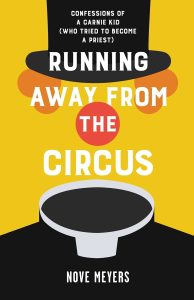
    Running Away From The Circus

    By Nove Meyers

    Running Away from the Circus Cover

    blue and gold badge recognizing Running Away From the Circus by Nove Meyers for winning the 2023 Hearten Grand Prize

    See the full list of 2023 First Place Hearten Winners here!

    We are now accepting submissions into the 2025 Hearten Book Awards for Inspiring and Uplifting Narrative Non-Fiction.

    Please click here for more information.

    Winners will be announced at the 2024 CIBA Awards Ceremony that is sponsored by the 2025 Chanticleer Authors Conference.

    April 3 – 6, 2025! Save the Date for Registration!

    Seating is Limited. The esteemed WRITER Magazine (founded in 1887)  has repeatedly recognized the Chanticleer Authors Conference as one of the best conferences to attend and participate in for North America.

    Join us for our annual conference as we enter our second decade and discover why!

  • Chanticleer 10 Question Author Interview Series with Maryanne Melloan Woods – Award-winning book, Sour Flower, Dante Rossetti Grand Prize Award, Author Life

    Dante Rossetti Awards for YA Fiction

    From the 2023 Dante Rossetti Division Grand Prize Winner for Young Adult Fiction for her book Sour Flower, we have a brand new Chanticleer Author Interview!

    Maryanne Melloan Woods won the Grand Prize in the Dante Rossetti Division of the 2023 Chanticleer International Book Awards for his novel, Sour Flower. The Dante Rossetti Book Award recognizes emerging new talent and outstanding works in the Young Adult fiction genre. The Dante Rossetti Book Awards is a division of the Chanticleer International Book Awards (The CIBAs).

    The Young Adult division includes:

    • Contemporary Young Adult
    • SFF & Paranormal
    • Dystopian/Edgy/Urban
    • Mystery/Thriller/Suspense
    • Historical Young Adult
    • YA Adventure/Romance

    Join us in getting to know the incredible writing of the Dante Rossetti’s newest Grand Prize Winner: Maryanne Melloan Woods!


    blue and gold badge recognizing Sour Flower by Maryanne Melloan Woods for winning the 2023 Dante Rossetti Grand Prize

    Chanti: Thank you so much for taking the time to do this interview with us. To start, tell us a little bit about yourself and how you started writing.

    Woods: I come from a family of writers: my parents and brother were all journalists, and my sister writes songs and poetry. So, when I was little I just thought that was what people did! But I can remember at age eight making a firm decision that I wanted to be either a writer or an actor. When I became a playwright (and later a TV writer), I developed a way to do both; I act out the parts in my head when I write scripts, and now novels.

    A bit more on my writer’s journey: I remember when I was a teenager seeing a TV show where they interviewed TV comedy writers who worked in a “writers room” and I thought: that’s what I want to do.

    But how does a Jersey girl make that jump? I was lucky enough to go to a high school that had a playwriting class, and then got to be part of a wonderful playwriting program at Drew University. After that I got involved in New York theater, and then took a deep breath and made the jump to L.A, where I was lucky enough to land a great agent. I wrote my “spec scripts” (which are scripts you write for existing TV shows that you use as writing samples) and my agent sent me around on meetings.

    Partners is an American sitcom starring Kelsey Grammer and Martin Lawrence.


    Just driving on to movie lots for the meetings blew my mind! And then when I finally landed my first sitcom-writing job – which was “Partners” with Jon Cryer – and met the other writers, I had the feeling that I had stumbled into some magical land where everyone spoke the same secret language I knew, and cared about the same things I did, like creating vivid characters, how to craft a joke etc.

    I learned so much about the craft of comedy and writing in general from that job and the ones that followed. But after several years in Hollywood, I felt a strong pull back to the New York area (where I promptly met my husband and just stayed.) I knew I wanted to work in theater again, but I was also interested in the possibilities of YA fiction, which was really heating up at the time.

    My first novel, Lazarus, originally started its life as a TV pilot that didn’t get picked up. But I just couldn’t let go of the story. So, I dug deep, read all the recommended YA fiction I could, and settled on two that I really studied, because I thought they were so good. The Hunger Games, by Suzanne Collins (maybe you’ve heard of it) and The Fault in Our Stars by John Green. Those books were my training for learning a new form and ultimately writing Lazarus.

    As I became a novelist I found I could use the storytelling skills I’d learned as a scriptwriter. Writing a first person narrative is a bit like writing a very long (and well-structured) monologue. I’m working from inside the characters’ minds again.

    In my new novel Sour Flower, I found I could use the comedy writing chops I learned as a sitcom writer. There’s a lot of humor in the book, as well conflict and trauma.

    award, Maryanne Melloan Woods, CIBA, Chanticleer Book Reviews, green shirt, woman

    Chanti: What an incredible start! That’s so wonderful that you were able to connect with a group that spoke the same language as you. Finding your “people” is so critical in the writing world. Would you talk more about genre, comedy, and your own writing?

    Woods: My “lane” for much of my career has been comedy. Comedy-writing comes easily to me; I understand how it works. Sour Flower is a coming-of-age story that is initially quite comedic but ends up exploring deeper themes such as family dysfunction and substance abuse.

    However, when the idea for my first novel, Lazarus, came to me, I knew it wasn’t a comedy, it was a mystery. And mysteries of course require very intricate and precise plotting plus clues and misleads, which DIDN’T come as easily to me. So, I studied the form and found the authors I liked best in this new genre (Ruth Ware tops my list.)

    Ruth Ware is the author of psychological crime thrillers!

    I had already learned so much about giving book characters a deep emotional life from Suzanne Collins, and while she doesn’t write mysteries, per se, she is the queen of the cliffhanger chapter ending. I found that to be an essential device in crafting Lazarus, which evolved into a paranormal thriller. I had to dig extra deep to write a YA thriller, using every element of craft I’d ever learned plus learning new ones that suited the genre. I think I have a handle on it now and indeed my forthcoming novel, The Last Howl of the Westerlakes, is also a mystery/thriller. So, I guess I would say that if you’ve honed your storytelling craft well, you can learn to write in a new genre. All of my work has comic elements, but if I had to label my novel-writing genre now, I’d call it “voice-driven YA fiction.”

    Chanti: It sounds like you’ve done an amazing job creating a personal canon of books to help inform your writing and work. To ask something adjacent, what do you think about writing rules? Do you follow them, make up your own, or some combination?

    Woods: I follow the rules that I learned starting as a theater major with a concentration in playwriting. I always think in terms of three acts, a structural form which goes back to Aristotle, and I’ve found that structure works well for writing novels too. In “Act One,” which is usually about the first quarter of a story, you’re setting up your characters and story and getting the reader/audience engaged. You’re also establishing tone, setting and genre. The protagonist’s journey begins, and you set up the desire line they’ll pursue until the story’s conclusion. In the middle section of Act Two, their journey becomes more and more challenging, with many setbacks and adversaries. In the last act of your story, you’re building to the climax of the piece, in which your protagonist finally battles their toughest opponent. I’ve found that this structure works in any genre or form: mystery novel, sitcom script, sci-fi western feature, or what-have-you. It’s what readers/audiences want and expect from a story.

    Book, lazarus, shadow, walking, Maryanne Melloan Woods

    Chanti: And speaking of story expectations, how do you come up with your story ideas?

    Woods: I get little kernels of ideas, or mental images that play out like a short video. I’ve learned that if I keep coming back to it, there’s something there that I have to pay attention to. Something that I want to explore more deeply.

    The idea for Lazarus came to me in the form of an image: a teen girl surrounded by the bleak, harvested cornfields of her prairie hometown, grimly intent on solving a murder. I knew that the girl was a great, natural detective, in fact she had better detective instincts than all the adults around her, including her police chief father. I knew that she had a love of funky thrift store fashion and that, at only 16, she had a profoundly deep relationship with her charmingly wise-ass boyfriend. And I knew that he had died, but that the death was a minor impediment to a love as great as theirs.

    I was working in TV at the time so initially Lazarus was a pilot. It got me a lot of meetings around Hollywood, but ultimately didn’t get picked up. But I couldn’t let go of the story; it really resonated with me. So, I turned my attention to YA fiction.

    Sour Flower is based on the upbringing of a friend of mine who was the responsible kid growing up with free spirit hippie parents in San Francisco. She wanted more from life than the day-glo, stoner chaos she saw around her, and managed to make her own way. I carried that story around in my back pocket for years; originally I thought it would make a great feature script. But when I started writing YA, I knew it would be perfect for a coming-of-age novel.

    My next book, Last Howl, was based on an image again, this time of an idyllic suburban backyard garden party that’s suddenly disrupted by an unseen shooter. Stay tuned for that one!

    Chanti: You have so many irons in the fire! With so many projects, how structured are you in your writing work?

    Woods: In a word: very! With every project I write I outline and outline and then outline some more. I need to know where I’m going and have to know the progression of every chapter before I can start fleshing it out. Some writers can start without a road map, but I can’t. That said, many elements of the story change when I transition from outlining to actually writing. In both novels I’ve completed, I realized halfway through that the way I was taking the story wasn’t going to work. So, I had to put the central story line up on blocks and re-examine it. Once I figured out how to take the story in a better direction, more outlining! Luckily in both cases, the story flowed more smoothly, and everything finally clicked into place. It’s funny – I start out knowing the story will change, but I need to have a complete outline at the outset regardless. Go figure.

    Band, Maryanne Melloan Woods, guitars, microphone, stage
    When not writing, Maryanne’s favorite hobby is playing and singing with The Johnny Woods Band.

    Chanti: With that structure in mind, how do you approach your writing day?

    Woods: I try to write for three to four hours every weekday morning. Particularly once I have an outline, I know what chapter or scene I’m going to write that day, so I just have at it. I usually only write one chapter a day. As far as writer’s block goes, I don’t generally have it, but I used to sometimes back in L.A. when I knew I had to have a spec script ready for hiring season in the spring. There was so much pressure. I got some great advice from a friend once: “Just sit down and write badly for a at least an hour.” You give yourself permission to start working whether it’s perfect or not. And before you know it, you’re in the flow, and you’re probably not writing too badly after all.

    Chanti: You’ve named so many great authors and books. Can you offer up five of your favorite authors and describe how they influence your work?

    Only five..? That’s gonna be hard! Since I’ve already mentioned John Green and Suzanne Collins I’ll skip over them here. I swoon over the writing style of both Markus Zusak and Fredrik Backman. Their storytelling chops, writing style and wisdom about the human condition never fail to amaze me. They make me try to raise my game. I love E. Lockhart’s great, out-of-the-box writing. She’s taught me to break rules and reach further in my descriptions. I think Ruth Ware is the best thriller author working today. I’ve learned so much about crafting mysteries, especially pace, suspense and misleads – from her. And for humor I’d have to say David Sedaris. I snort-laughed all the way through his book Me Talk Prety [sic] One Day. And his books aren’t just funny, they’re wise, relatable and heart-breaking too.

    Maryanne Melloan Woods, Haight and Ashbury, peace sign, sweatshirt, man, woman, purple, blue, store
    Maryanne and her husband, Johnny Woods at Haight Ashbury, a key location in Sour Flower.

    Chanti: Those authors are amazing! It sounds like you have such a good base for your writing life. What areas would you say you are most confident in for your writing and what advice would you give someone who is struggling in that area?

    Woods: I’m most confident in developing multi-layered characters, and writing dialogue. I have an exercise I use every time I start a project that helps me to flesh out the characters so I know how to write in their voice. First I explore each character’s wants, needs and fears. Then I figure out how each main character could be in conflict with every other main character. The latter part of the exercise often gives me good story ideas, as well as a deeper understanding of each character.

    Chanti: That sounds like such an excellent plan! I’ll have to try that in my next project. As we wrap up, we’d love to know what you’re working on now.

    Woods: I am really juggling right now. I have a TV pilot – a family dramedy – that I need to finish. Then I’ll get back to writing my new YA thriller, The Last Howl of the Westerlakes. At the same time, I’m working with a composer on my new musical, The Storm. And if you happen to be in Alabama in February you can see the premiere of my family musical, Who’s Afraid of the Big Bad Book? at Birmingham Children’s Theater. So definitely many irons in the fire!

    Chanti: We know Sour Flower is currently a manuscript. For aspiring authors with incredible writing like yours that’s looking for the right home, what sort of a place are you looking for in terms of placing it?

    Woods: I’m looking for an editor who likes YA lit with equal parts humor, heart and angst. One who loves good character/voice-driven stories, who has the skills and background to point out the things I’ve missed and help to make this novel as good as it can be. I’m also looking for a well-established publishing house that has the resources to support and promote a solid YA offering.


    Maryanne Melloan Woods, necklaces, blond, hair, smile, teeth

    Thank you Maryanne for taking the time for us to interview you!

    Maryanne Melloan Woods is best known as a writer/producer for TV shows such as NBC’s Suddenly Susan, Fox’s Partners and Showtime’s The Chris Isaak Show, among others.  Her screenplay, Steve, won “Best Comedy Feature Script” at the 2016 Nashville Film Festival. Her screenplay Match Made in Heaven won the Scriptation Showcase Screenwriting Competition in 2021. Her complete TV and film writing credits can be found here:  Maryanne Melloan Woods – IMDb

    Her YA novel Lazarus,  a paranormal thriller, was published by Owl Hollow Press in 2020.  Her second book, a coming-of-age YA novel entitled Sour Flower, won the 2023 Chanticleer International Book Awards’ Dante Rossetti Grand Prize for YA Fiction (it is not yet published.) She is currently at work on her third novel, a thriller titled The Last Howl of the Westerlakes.​

    Maryanne holds a B.A. in Theatre Arts from Drew University and an M.F.A. in Screenwriting from The American Film Institute.​

    She is a member of the Writers Guild of America, The Academy of Television Arts and Sciences, The Dramatists Guild and the Society of Children’s Book Writers and Illustrators.​​​ ​​

    Maryanne Melloan Woods won the Dante Rossetti 2023 Grand Prize for her amazing Young Adult fiction novel, Sour Flower! You can have a chance for your work to be recognized by entering the Dante Rossetti division of the Chanticleer International Book Awards!

    You can learn more about Maryanne Melloan Woods and her writing on her website.

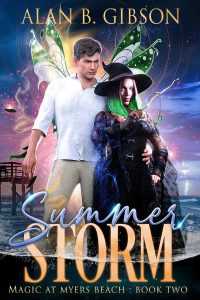
  • SUMMER CYCLONE: Magic at Myers Beach Book 4 by Alan B. Gibson – Fantasy Romance, Urban Fantasy, Fairies


    The citizens of the three fairy kingdoms clash, forced to live shoulder-to-shoulder alongside ungoverned Outliers. In Summer Cyclone, fourth book of Alan B. Gibson’s Magic at Myers Beach series, unassuming tea-shop manager Stefán tries to find love while keeping all of fairy society from fracturing.

    The three fairy kings, Theos, Zsombor, and Christophe, evacuate their people to Myers Beach. It’s only here that they have any chance of recreating fairy dust after their old sources had been poisoned, and saving every fairy life. They take in the Outliers, remnants of a fallen kingdom, and at first find good will between the groups. But with thousands of fairies moving in, they have to keep everyone on a short leash or else risk humans catching wind of their new neighbors. Resentment of these strange Outliers builds.

    Stefán, a close confidant to Theos, struggles to keep anti-Outlier sentiment at bay with the help of some enigmatic and knowledgeable new friends. Rumors of him giving the Outliers special treatment grow stronger as some fairies begin to suspect that he’s actually one of them.

    As an orphan of asylum-seeking parents, Stefán doesn’t even know his true ancestry.

    But though his responsibilities weigh heavy on him, Stefán finds a bright spot in his life. He falls for Julie, the human woman who—even as a relative stranger—offered him kindness and support while he watched over Christophe’s recently-possessed sister, Princess Zoë.

    Julie herself hesitates to be honest about her feelings, a recent failed relationship fresh in her mind. They tip-toe around each other, but draw gradually closer. Stefán makes her morning coffee and teaches her to cook. Julie shares her love of skateboarding, and the adventures she and Christophe had while travelling together the past few months. And at first, they bond as they help Zoë recover despite having lost her magic and wings to the witch possessing her body.

    Julie worries, however, that Stefán and Zoë are getting too close. And with nearly all of her friends now fairies, it’s easy for her to feel like she has no lasting place in their world.

    All the while, a murderous figure from the past—the very man who poisoned the old fairy dust—returns to take advantage of the weakened kingdoms.

    Cross-kingdom tension builds beneath the surface until the fairies are nearly erupting. Agitators push greater and greater anger at the Outliers, empowered by the fear of a ticking clock. The royals only have a few weeks left to find the final ingredient to fairy dust before their people starve.

    Each time Stefán and his friends think they have a solution to one of their pressing issues, it leads to greater outcry from the populace and more opportunity for sinister forces to take control. The patience of their people wears thin, and eventually, so does the patience they have for each other. Even a loving group of friends can be made to turn on each other with the right combination of fear and magic.

    But with his willingness to tackle impossible tasks, and his deep desire to understand himself, Stefán opposes the destruction of his world while easily pulling readers into his shoes.

    He and Julie are both outsiders among the people they love. But neither of them lets that stand in the way when their friends need help, proving that even if they don’t have the title of fairy royalty, they have no shortage of strength or nobility.

    As it brings together both old friends and old foes from across the series, Summer Cyclone explores meaningful emotional threads.

    Myers Beach shines with the return of characters from previous installments, particularly the fairy royals Theos, Lily, Zsombor, and Greta. Their distinct personalities weave together and clash now that they’re a team with the weight of fairy society on their shoulders.

    Julie’s just happy to have her best friends back in her life, especially as Lily and Greta reveal that she’s going to be godmother to their future fairy children. But as a human, Julie’s as far from fairy royalty as someone can be. She has no magic. No authority. And as matters of state become overwhelming, she fears she’ll be left out of her friends’ lives once again.

    Stefán’s easy friendship with Theos and Alias—nearly his adoptive brothers—is tested by the conflicting demands of royalty. While they all want the same peace between the different fairy peoples, Stefán will have to learn how to navigate changing dynamics of power.

    Personal relationships blend into societal strife with dire stakes. Stefán and Julie lift each other up even as they struggle with their insecurities. And as the fairy kingdoms approach a vital choice in how their way of life will change—unity or division—Summer Cyclone delivers on the promises of its preceding books with a suspenseful whirlwind romance.

    Read the whole series of Magic at Myers Beach!

  • The Eternal Radiance of a Diwali Celebration in Indian Literature

    Celebrating the good things in life,

    with hope of happiness and prosperity for you!

    Diwali, or the “Festival of Lights”, is celebrated around the world with family gatherings, prayers, and festivities that transcend geographical and cultural boundaries. The festival marks the victory of light over darkness and good over evil, and has been a profound source of inspiration in Indian literature throughout history.

    Diwali, Festival of Lights, flame, Indian, candle, lantern

     From ancient epics to contemporary novels, Diwali has been depicted India’s rich cultural significance and the deep-rooted traditions. 

    The origins of Diwali come from within the deep cultural history of Indian literature. Ancient Indian texts, particularly the Ramayana describes the festival as a celebration to honor Lord Rama’s return to Ayodhya after his victory over the demon king Ravana. In Valmiki’s epic, the joy of the citizens lighting oil lamps (diyas) to welcome Rama symbolizes the triumph of righteousness and good over evil, light over darkness. This theme of victory is echoed in various forms across different literary genres, capturing the essence of hope and renewal in the original story.

    Hands, flame, lantern, diwali, Hindi The stories that keep it alive!

    Diwali is steeped in and immortalized in various forms of literature. Tales of goddess Lakshmi, the embodiment of wealth and prosperity, and Lord Ganesha, the remover of obstacles, are recounted in regional literature and oral traditions. These stories emphasize the spiritual significance of Diwali, reminding readers of the importance of virtues such as generosity, compassion, and humility.

    Moreover, regional tales often present a more localized version of Diwali, reflecting the diverse customs and rituals practiced across India. Each region brings its unique flavor to the festival, enriching the literary landscape and showcasing the country’s cultural pluralism.

    Diwali in Poetry

    Indian poetry has beautifully encapsulated the spirit of Diwali, often intertwining personal emotions with collective celebrations. Poets like Rabindranath Tagore have used the festival as a lens for enlightenment and spiritual awakening. In his works, the lighting of lamps becomes a symbol of the inner light that guides individuals through darkness, echoing the belief that each person carries the potential for goodness.

    Contemporary poets have also embraced Diwali, infusing it with modern sensibilities. For instance, in urban settings, Diwali is portrayed not just as a festival but as a time of reflection on social issues, consumerism, and environmental concerns. This nuanced representation enriches the literary tapestry of the festival, making it relevant to today’s world.

    Indian, girl, thought bubbles, elephant, man, dancers, books

    Fiction and Diwali

    In novels, Diwali often serves as a backdrop for significant plot developments and character arcs. Writers like Salman Rushdie and Arundhati Roy have woven Diwali celebrations into their narratives, using the festival to explore themes of identity, community, and belonging. For instance, in The God of Small Things, the chaotic yet joyous atmosphere of Diwali reflects the complexities of familial relationships and societal norms.

    Short stories also find a place for Diwali, where the festival acts as a catalyst for change. Authors like Ruskin Bond capture the essence of childhood nostalgia and innocence associated with Diwali, portraying the festival as a time of discovery and learning. These narratives often highlight the values of love, forgiveness, and unity that the festival embodies.

    Diwali, rainbow, flame, lantern


    A New Perspective on the Festival of Lights

    In recent years, contemporary Indian authors have begun to explore the complexities of Diwali in a globalized world. Novels set against the backdrop of migration, urbanization, and multiculturalism depict how the festival is celebrated away from home. This exploration reveals the challenges of maintaining traditions while adapting to new environments, highlighting the ongoing relevance of Diwali in a changing society.

    It’s time to light up the night during Diwali!

    Diwali is more than just a festival; it is a profound cultural phenomenon whose roots in ancient text continue to be explored and expanded upon in today’s literature. It symbolizes hope, unity, and the enduring human spirit, giving light to even the darkest of themes. As we celebrate Diwali, let’s reflect on contemporary Indian authors who continue to share their cultural heritage with the world with stories that illuminate the human condition and the need for hope, happiness, and love.

    Fireworks, Indian, Family, firelight, sparklers, garlands, presents, mandala

    Interested in exploring the wonderful storytelling of Indian authors? Check out these amazing Indian authors!

    Operation Mom

    Master storyteller Reenita Malhotra Hora’s YA romance Operation Mom: My Plan to Get My Mom a Life and a Man takes us on a charming journey through the life of one teen, Ila Isham.

    Hora introduces Ila and her best friend Deepali, two boy-crazy teens on a summer quest. Readers will fall in love with the smart, sassy, angst-filled, rebellious Ila. A typical teenage girl, Ila lives in Mumbai with her mom and Sakkubai, their house manager. Ila’s mother calls her obsessed, but that seems unfair. Is she obsessed just because her every waking minute is spent thinking of Ali Zafar, famous pop icon, singer, and heartthrob? Or is she obsessed with fellow classmate Dev?

    Read more!

    Dharma, A Rekha Rao Mystery
    By

    A complex murder mystery always requires a little spice. In Dharma, A Rekha Rao Mystery, that extra seasoning is provided by the casting of an Indian American woman as the amateur sleuth, despite her realistic fears for her personal safety.

    Professor Rekha Rao is no Bollywood Mighty Girl. She’s a whip-smart American-born 32-year-old college instructor who must deal with her own PTSD after the murder of her father and her unstoppable passion for releasing the man wrongly convicted of her father’s slaying. That obsession is the reason Rekha was dismissed from her old teaching position. The scene is set for deep, personal involvement in the murder of a colleague, a fellow professor who is killed. And a rare, centuries-old statue excavated from an archeological dig in India is the murder weapon.

    Read more!

    Inner Trek Cover

    Inner Trek
    By

    A disinclined traveler journeys into the heartland of the revered Mount Kalash Parikarma in Tibet. Inner Trek by Mohan Ranga Rao follows a voyage that culminates in self-discovery and spiritual enlightenment.

    Mohan Ranga Rao, a retired Indian businessman, finds himself between a rock and a hard place when a ruthless Bangalore mob boss threatens him to sell his land at a throwaway price. The situation escalates when he discovers that his trusted lawyer has joined forces with the enemy. He can only turn to his wife for solace.

    With nothing for him to do about his land, Rao vows to trek around Mount Kailash, a holy Tibetan Mountain. This travel memoir traces his and his wife’s journey to the deified Himalayas, the land of Lord Shiva. Rao shares intimate details of his experience, including the spiritual transformation that he went through during his challenging high-altitude trek.

    Read more!

    Night Jasmine Tree Book Cover Image

    Night Jasmine Tree
    By

    Shankar, a recently retired professor of physics, and his wife, Durga, have left Michigan to resettle on Long Island with their son’s family in Debu Majumdar’s award-winning novel, Night Jasmine Tree.

    While the migration from the Midwest to the East Coast is a small one, considering both characters moved from India decades before, the move spurs Shankar to ponder the life he left behind and to reassess his relationship with his sisters and parents.

    In India, there are many different cultures, the main sprouting from the Hindu faith and political structure, the caste system.

    In the West, we may be familiar with this caste system, we mostly are all aware of the ‘untouchables.’ However, what we may not understand, is how rigid the caste systems truly are. Durga and Shankar are not from the same caste. Shankar is Brahmin, his wife is of a lower caste. This difference is enough for Shankar’s family to reject her outright and disown him.

    Read more!


    In the sparkling tradition of Diwali, the Festival of Lights

    May the light of Diwali illuminate your home and heart with happiness and prosperity.

    Happy Diwali from Sharon, Kiffer, David, Dena, Scott, Anya, Andy, and the whole Chanticleer Team!

    Thank you for being part of the Chanticleer Family! 

    lights, lanterns, flames, Happy Diwali, 2024

    You can always submit your book for an Editorial Review with Chanticleer!

    Chanticleer Editorial Review Packages are optimized to maximize your digital footprint. Reviews are one of the most powerful tools available to authors to help sell and market their books. Find out what all the buzz is about here.

    Have an Award Winner?

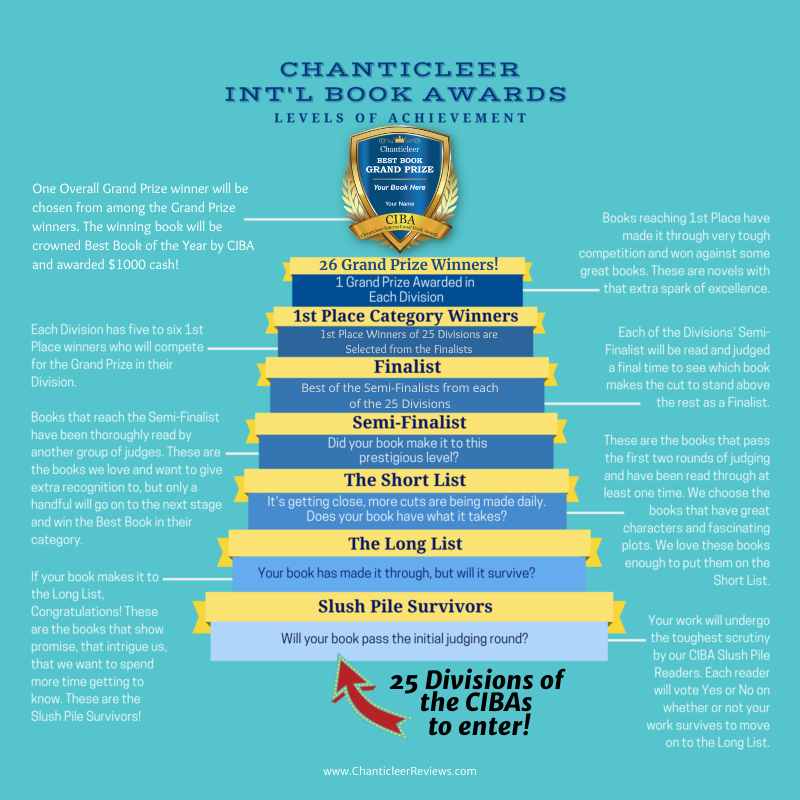
    The tiers of achievement for the CIBAs

    Submitting toBook Awards is a great way to get your book discovered! Anytime you advance in the Chanticleer Int’l Book Awards, your name and book are promoted right here on our website, through our newsletter, and across social media. One of the best ways to engage in long tail marketing!

    To stay up to date with exciting news about our conference, your next great read, or contest deadlines, sign up for our Newsletterhere!

    Your book deserves to be discovered!

  • TOMMY ROCKET And The GOOBER PATROL by Thomas R. Kuhn – Children’s Adventure, Mystery, Sci-fi


    Tommy Rocket and the Goober Patrol by Thomas R. Kuhn follows Nate, a young boy growing up in the 1970s, whose friendship with the kid genius robot builder, Tommy Rocket, leads him into mysterious adventures.

    Tommy’s father invented the Prometheus chip that gives sentience to robots, and from a young age Tommy started creating a gang of robots called the Goober Patrol. Eccentric and wheelchair-bound, Tommy prefers to tinker with his robots at home. But he befriends Nate after he saves Tommy from bullies.

    When Tommy’s aptly named ‘Monster-bot’ gets loose, Nate is tasked with finding and securing the rogue bot before anyone finds out. But the two boys soon find out there is more at work than one missing robot. There’s another tinkerer in town and they’re building their own special group of robots—which look just like one of Tommy’s creations. Nate and Tommy have to find out who has gotten their hands on the Prometheus chip before it’s too late.

    Filled with 1970s nostalgia, Tommy Rocket and the Goober Patrol explores the best parts of childhood.

    School is just a thing to endure and kids are wrapped up in their own adventures with their friends.

    For these two kids, their adventures are more than playground games. This adventure has much more more at stake.

    Tommy’s robots are quirky, comedic characters, but the star of the story is undoubtedly Nate. He’s a normal boy who loves to read superhero comics and often procrastinates with his homework until the last moment. He’s also tenacious, sticking up for what’s right even if it jeopardizes his friendship with Tommy.

    An eccentric young kid, Tommy does not seem the easiest person to be friends with, but he cares for Nate in his own way, even reaching out with a coded message whenever they have a disagreement

    The mystery of the Monster-bot flows at a pleasant, consistent pace as its clues are revealed.

    This is a book for both kids who love going on adventures around the neighborhood with their friends, and for adults who grew up during the ’70s, making Tommy Rocket and the Goober Patrol a great book for children and parents to read together.

    For the comic book readers and the budding science fiction fans, Tommy Rocket and the Goober Patrol is not to be missed.


  • The 2024 Humor and Satire Spotlight for books that make us laugh!

    No Funny Business!

    The Humor and Satire Awards are open through the end of October!

    We are delighted to celebrate the 2023 Winners of the Humor and Satire Awards!

    • Eileen O’Finlan – All the Furs and Feathers
    • Allyson Rice – The Key to Circus-Mom Highway
    • Marco Ocram – The Awful Truth About The Herbert Quarry Affair
    • Lou Dischler – The Rising
    • Steven Mayfield – The Penny Mansions
    • Tom Strelich – Water Memory

    The Grand Prize Winner for the CIBA 2023 Humor and Satire Awards is:

    Quantum Consequence: Physics, Lust and Greed Series, Book 5

    by Mike Murphey

    blue and gold badge recognizing Quantum Consequence by Mike Murphey for winning the 2023 Humor and Satire Grand Prize

    More posts are to come celebrating these amazing winners, but we’re here to tickle your appetite with these great books we’ve reviewed in the meantime!

    THE GARDEN PLOT DIARIES
    By Endy Wright

    Endy Wright’s The Garden Plot Diaries is a delightful collection of four short stories about life, relationships, and consequences.

    Wright captures the gossip and rivalries between factious groups of town folk, all between sixty and ninety-something, who have known each other since childhood and carry the grudges to prove it. Our delightful narrator professes, “I am a rambling old man with a tale to tell and in no hurry to tell it.” So, settle in.

    Hailing himself from New Hampshire, Wright has set these stories in Monadnock, a New England town/region which he peoples with a menagerie of colorful octogenarians who drink, dance, and feud. In the voice of his narrator again, “[these are stories] of chaos creeping into God’s Garden.” Wright’s stories certainly do deliver a wonderful kind of chaos and pandemonium usually expected in a kindergarten class.

    Read more here!

    LIAR, ALLEGED: A Tell-All: Celebrities, Sex and All the Rest
    By David Vass

    Liar, Alleged Cover

    Liar, Alleged: A Tell-All: Celebrities, Sex, and All the Rest is a raw and mature memoir, the account of a resilient individual, David Vass, who had felt ‘instinctively’ different and shunned since he was a child.

    Vass was born in Baltimore as the seventh child of eight. His large family knew nothing more than chaos and absurdity, biting poverty, a violent father, and an eternal hand-to-mouth crisis. At an early age, he had recognized his inextinguishable fascination with other males, a discovery that he would later bring himself to express to his mother. He was pretty confident that being gay was core to who he would become.

    By the time he was twenty-four, David’s parents had already passed on. But as fate would have it, he would come to meet ‘the mother he never had’ in the jazz legend Anita O’Day. She dealt with problems of alcohol, drugs, and men; the outcome had been nine abortions, stubborn guilt, and infamy as a heroin addict. Nevertheless, the two would become close confidantes until Anita’s demise at the age of eighty-seven.

    Read more here!

    DRUNK TALK
    By Mike Davis & TL Banks

    Drunk Talk Cover

    Authors Davis and Banks have combined forces to create this humorous but practical look at how people think and why they act as they do.

    The essential message of this satiric volume is that most people tend to nurse false notions about their lives and the universe in general – notions that the authors rapidly and thoroughly debunk. They take the stance of a drunk hanging out at a bar, hearing about everything that goes on in people’s minds. In forty-eight segments, various human problems are examined, derided, and substituted for what many readers will consider far more rational viewpoints.

    Some issues raised seem trivial – “Celebrities” who do not, as might be supposed, get to enjoy their fame since the general attitude toward them is “shut up and entertain us or else.” Other matters are significant. One of the longer treatises focuses on “Gods,” with the authors asserting that God is merely an imaginary projection, and religion only a means of seeing and believing what people want, “even if it’s not real or makes no sense.” A true, non-superstition-based belief system would impel people to help others more and take full responsibility for their actions.

    Read more here!

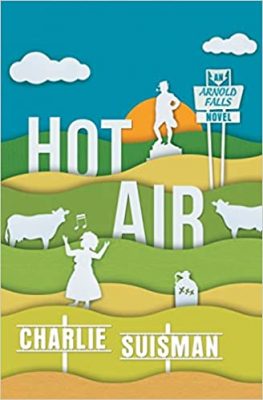
    Hot Air: An Arnold Falls Novel, Book 2
    By Charlie Suisman

    Hot Air: Arnold Falls Book 2 Cover

    Charlie Suisman returns to the unique fictional town of Arnold Falls in his humorous novel, Hot Air.

    Arnold Falls bristles with zany events, quirky locals, and colorful newbies. Above all, this memorable enclave buoys its people through heart, soul, wit, and a true sense of collective spirit.

    Jeebie Walker returns as the story’s central narrator.

    Read more here!

    EVERYTHING THAT WAS
    By Conon Parks, Chris Sempek, Mike MacNeil, Larry Knight

    Everything That Was Cover

    Everything That Was echoes myriad broken emotions born of the world in turmoil after 9/11, intricate and politically bold, and as disturbing in its brutal humanity as it is satisfying with witty jests.

    The 9/11 terrorist attack has shattered the psyche of the American people. A volcanic eruption of questions demands the whys and hows of the attack. From this anger, a massive war on terror begins. This historical fiction reflects the chaos of 9/11 and its ensuing global chaos – resulting in a series of violent endeavors and events. Throughout Everything That Was, one can find a swarm of fragmented ideologies, mini memoirs of war veterans, and witness accounts – all screeching reasons for the attack, the ensuing war, and its consequences: political, ideological, and theological.

    The book’s very structure expresses the central ideas of its content, making for an affecting read.

    Read more here!


    Whether the story makes us stop and pause or burst out laughing, we’re so happy to have reviewed these books!

    The tiers of achievement for the CIBAs

    Is your Humor or Satire Book Ready to turn it up to 11?

    This is the journey from beginning to end for the CIBAs Levels of Achievement is so worthwhile! Every list you make means more promotion for you and your work as each list is posted right here on our website, on our social media, and also out in our newsletter!

    Your book deserves to be discovered

  • The 2024 Hemingway Book Awards Spotlight on 20th & 21st c. Wartime Fiction

    The History of War is always important

    Ernest Hemingway looking off to the rightEspecially in Historical Fiction

    The Hemingway Awards is our Division for Historical Fiction of 20th Century Wartime. Named for famed War Correspondent and Author Ernest Hemingway, his writings embody much of what this award covers. He didn’t write only war related content, but A Farewell to Arms and For Whom The Bell Tolls are both amazing looks into the rather tumultuous early 20th century.

    These are the categories for the 2024 Hemingway Awards for 20th and 21st century Wartime Fiction:

    • World War 1
    • World War 2
    • Women in War
    • Occupation/ Diaspora
    • Espionage
    • Love in Wartime
    • Specific Campaign/ Theater/ Battle
    The dropping of a nuclear bomb in Stanley Kubrik’s dark satire “Dr. Strangelove”

    Submit Your Work Today!

    We are delighted to celebrate the 2023 Winners of the Hemingway Awards!

    • J.L. Oakley – The Brisling Code
    • Kathryn Gauci – In the Shadow of the Pyrenees
    • Michael J Cooper – Crossroads of Empire
    • Ivan Luiz Hernandez – Isla Vulnerable
    • Linda Stewart Henley – Kate’s War
    • Jerena Tobiasen – Tsarina’s Crown
    • William McClain – Alice’s War

    The Grand Prize Winner for the CIBA 2023 Hemingway Book  Awards is:

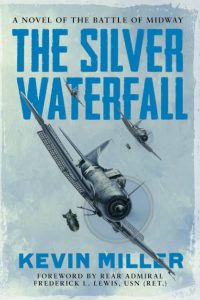
    The Silver Waterfall

    A Novel of The Battle of Midway

    by Kevin Miller

    The Silver Waterfall Cover

    blue and gold badge recognizing The Silver Waterfall by Kevin Miller for winning the 2023 Hemingway Grand Prize


    We love stories about wartime history here at Chanticleer. Here are some of the best books we’ve reviewed recently.

    AN EMPTY HOUSE DOESN’T SNEEZE
    By David Scott Richardson

    An Empty House Doesn't Sneeze Cover

    In David Scott Richardson’s YA WWII historical novel, An Empty House Doesn’t Sneeze, teenager Scott Johannsen—“Scotty” to his mom and friends—leads us on an adventure through the wartime Ravenna neighborhood in Seattle, Washington.

    Boeing manufactures B-17s, his grandparents and neighbors grow victory gardens, his parents build a bomb shelter in their basement, and mandatory blackouts occur every night. Scotty navigates a chaotic world filled with danger and wonder yet finds security with family and friends in this heartfelt story.

    Scotty runs with his pack—James, Marty, and Burr. We witness what lengths they will go to on a search for chocolate. With Ravenna Park as a backyard and Puget Sound just a short drive away, Scotty’s life is filled with exploration of the natural world. His fishing adventures with his dad in the Sound become an exciting way to supplement his family’s food rations as he dreams about netting a fighting salmon.

    Read more here!

    ROSES In DECEMBER: Hamilton Place, Book 2
    By Mark A. Gibson
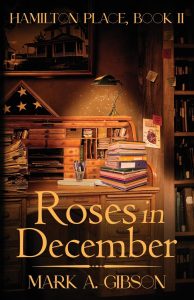
    Roses in December Cover

    Roses in December is the epic conclusion to Mark A. Gibson’s compelling two-part family saga, Hamilton Place. Now focusing on the family’s next generation, James Hamilton Jr.—Jimmy—follows in the footsteps of the father he never met, a Vietnam War hero who died in battle, and ultimately finds his own path in life.

    Pressured by a conning mother-in-law only out for monetary gain, the elder Jimmy’s widow, Becca, is pushed to marry Mack Lee, her deceased husband’s older brother who proves to be a cheating and abusive husband. Trapped in this loveless marriage, Becca hopes that attending church will remove her son from the toxic influence of her new husband and set him on the right path to a good life. But it’s the discovery of young Jimmy’s superior photographic memory that opens the door to a brighter future, and he sets a course to an outstanding medical career, coupled with military service in Afghanistan.

    Gibson delivers the recent past with a great sense of immediacy, showing events that ripple into our contemporary world using pop references that are relevant in today’s world.

    Read more here!

    AFTER ME
    By J. Shep

    After Me J Shep

    The arrival of a mysterious package makes for an enticing beginning in J. Shep’s After Me. Inside we find a manuscript with the same text as the book we’re about to read. This inventive start lends a sense of realism and truth to what follows and creates a vivid yet hazy quality, like memory itself.

    After Me travels back in time to rural France just after World War II. The setting appears idyllic at first—almost unbelievably so. Still, there’s a disturbing undercurrent felt from the start. Not from an unwanted presence, but rather from an absence.

    Told from the perspective of Ellande, a young boy, he recounts the summer his parents die in an accident and he and his nine-year-old little sister, Madeleine-Grace, are sent to their extended family’s summer home in France. Their care seems competent at first—but cracks in the façade gradually emerge as Ellande begins his tale.

    Read more here!

    EVERYTHING WE HAD: No Merciful War Book 1
    By Tom Burkhalter

    Everything We Had Cover

    Everything We Had, book one of Tom Burkhalter’s No Merciful War series is an inexorable thrill that will grip readers tight. It starts with a poker game, through which a main character’s luck soon becomes evident. But will that luck hold out?

    Jack—the poker player—and Charlie—Jack’s older brother—have been separated by war, even though that war has yet to be declared. Everything We Had focuses more on the machinations leading up to US involvement in World War II than on actual combat. The gears of war that have so many young men caught in them move with gradual but inevitable force, and so Everything We Had takes a more thoughtful approach to a historic moment in time.

    Connecting with the characters is a gradual process as you get to know the intricacies that make up their individual personalities. This sets the reader up to feel the emotions of the characters as they face an uncertain fate, and throughout the book the author’s clear and methodical research shines with details such as specific views, locations, and—most notably—comprehensive descriptions of the airplanes Jack and Charlie pilot. This allows the reader to become deeply familiar with the motivations of the characters and the capabilities of the airplanes they fly.

    Read more here!


    These authors keep the recent past alive for us! We thank them for documenting these times and sharing their stories!

    The tiers of achievement for the CIBAs

    We hope to see your work in the 2024 Hemingway Awards!

    This is the journey from beginning to end for the CIBAs Levels of Achievement is so worthwhile! Every list you make means more promotion for you and your work as each list is posted right here on our website, on our social media, and also out in our newsletter!

    Your book deserves to be discovered

  • MINNESOTA POEMS From The OUTPOSTS by Hari Hyde – Poetry Collections, Spirituality, Natural World


    Hari Hyde reveals the mysticism of exploring chaotic nature and our human need to connect with it. He takes readers to sites of wonder, physical and conceptual, in his collection Minnesota Poems from the Outposts.

    “Part 1: Middle Rivers” illustrates the shared liminal states of people and the natural world.

    Aligning symbols of the turning seasons with people growing up in their communities, “Middle River, Minnesota” establishes our innate kinship with nature—as individuals and collectives. “School Bus” follows the transient days of childhood, while “Unruffled Railway” looks back from the end of an era, as the rails are now overgrown and unused. But, to be overgrown is to find life, and a new way of being after the end of that old cycle.

    Meanwhile, “Moon Over Thief Lake” illustrates the need to commune with nature through beautiful but distant imagery.

    Part 1 maintains a childlike playfulness in its use of language.

    “Goose Capital” and “Young’s Store” give in to flights of fancy about the little details of rural life, while a trio of poems “Ye Olde Depot Theater,  River Avenue”, and “Church Bell” fully immerse themselves in the charm of small communities.

    But Part 1 also touches on the difficult challenge of maturity. “Milking Holsteins” and “Angus Cattle” find peace in a world where each creature has a role to play. But, matching the use of rivers as a thematic force of eternal change, “Minnesota Highway 59” reckons with the fact that there are some deep yearnings a person will never be able to satisfy.

    These first poems open the book well, introducing both the setting of rural Minnesota and a focus on living in relation to its natural forces. Some of the themes in Part 1 could be expanded upon, but the warm poetic voice beckons readers to continue on.

    “Part 2: Smalltown Outposts” broadens its scope to include a variety of notable locations, embracing the culture and history of Minnesota.

    A mixture of compelling imagery and unique tones give each new location a sense of identity, especially in poems like “Split Rock Lighthouse (Lake Superior)”.

    This combines with whimsical renditions of local mythology in “Paulette Bunyan” and “Mankato Man and Nature’s Plan” to instill in readers Minnesota’s vital, defiant soul.

    Hyde also explores the human shadow of Minnesota’s history—the inner lives of those who made it—in “Minnesota’s Ten Millennial Girl” and “Blue Mounds State Park”. These poems describe the personality that history leaves to its locations but, at the same time, exposes the complexities that can’t be preserved over a long period of time.

    Where Part 1 embraced communion with nature, Part 2 creates a thematic duality by highlighting our inherent conflict with it.

    “Mankato Man and Nature’s Plan” puts this conflict in stark relief. The central figure defies his place as a tool in Nature’s hand. But “Red River Flood” shows how futile that fight can be, with the narrator choosing to become like the river itself rather than try to live in spite of it.

    The rhyming can create awkward lines sometimes, but this section’s beauty is in its clear familiarity with its locations, which maintain their grandeur.

    “Part 3: Inner Outposts” and “Part 4: Family and Faith” create another dichotomy—the inner self and its struggle to fit in with the outer world.

    “Private Ponds”, “Secret Snow Bones”, and “The Outside” encourage trusting the inner self, finding meaning beyond societal expectations and dogma. But “The Believable Distance” and “Last Love” both recognize the pain in being distant from others.

    These sections make playful use of metaphors, but in poems like “Guard Dog”, those become more complex and conflicted. The animal part of one’s mind tears and recoils at the chains that bind it.

    As a whole, Parts 3 & 4 step into darker territory. Pain and suffering are reframed as the necessary teachers of survival—from the mundane to the divine—in “Ancient Apathy”. “Corporal Counselor” grapples with pride and envy as truly inescapable sins, innate to the inner self.

    While there’s a return to some of the mysticism of childhood from Part 1, these later parts offer a more nuanced perspective on relationships.

    This is particularly true among the poems most concerned with death, “Elegy for a Nobody”, “Get Well Cards (Calibrated)”, and “A Little Light”. While the themes of family and faith don’t interact much in general, these death poems find interesting connections between how death changes our relationships to each other and the deep desire to understand one’s meaning in the universe.

    “Jonah and the Great Fish” stands out as a unique take on this section’s view of God. Here, animals are to humans as humans are to the divine. But the might of nature tests the boundaries of this metaphor. A great and terrible sturgeon reigns as a bloody demon, and it’s only through the help of nature’s small and wriggling things that the fish can be bested.

    This poem serves well as a transition point to the fifth and final part of the collection, “The Wild.” Here, the core ideas and writing style of Minnesota Poems from the Outposts both shine at their brightest.

    “Moose Head” grants intention and emotion to the forces of the natural world, while reinforcing its incompatibility with human society. This poem and “Arrowhead Northern Lights” create a compelling combination of descriptive language and poetic contrasts. All underscored by a palpable appreciation for the wilderness of Minnesota.

    “Into the Woods” and “Lake of the Woods” experiment most with structure and poetic flow, to fascinating effect.

    Both are much longer than any other poems in the collection, with lines and paragraphs shifting in size as they explore new parts of the wilds. They take this time to fully immerse a reader in their contrasting views of wilderness.

    The narrator finds that, to truly go “Into the Woods” and become a part of them, one has to give themselves up to the beautiful ways of nature. It’s a welcoming of the raw, physical world.

    “Lake of the Woods”, on the other hand, seeks divinity in the beasts of the water. Recurring symbolism aligns the lakes with the sky—a celestial realm, where humans can touch and even enter, but will find themselves reflected back in challenging ways.

    And yet, for all of the woodlands’ chaos and strangeness, people come.

    Here, in these final poems, Hyde returns to the incessant yearning. The distance between a person and the worlds of men and trees alike might be vast, but the quest to cross it is equally as meaningful.


    Chanticleer Book Reviews 4 star silver foil book sticker