Author: chanti

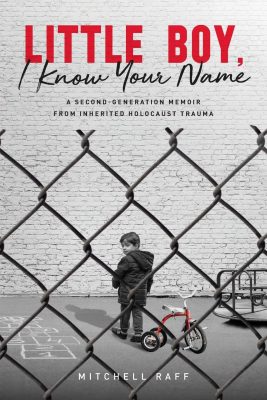
  • LITTLE BOY I KNOW YOUR NAME: A Second-Generation Memoir from Inherited Holocaust Trauma by Mitchell Raff –


    “The child remains with us.” Trauma, especially that suffered as a child or adolescent, does not fade easily. In his frank and unguarded memoir, Little Boy I Know Your Name, Mitchell Raff shows the generational impact of the Holocaust on his parents and guardians, and how their trauma continued through him.

    Mitchell’s childhood fractured between the grip of a deeply abusive mother and his extended family’s struggle to save him.

    Four years after she’d abandoned him as a baby, Mitchell’s mother Giza returned to claim him. Though his uncle Issa and aunt Sally didn’t want him to go with her, Mitchell was too small a child to resist the idea of having a Mom. With his father Moshe too deeply traumatized by surviving the Dachau concentration camp to raise a child, Mitchell packed his little suitcase and walked into a new childhood that would leave terrible wounds on his mind.

    Giza had spent WWII hidden in the barn of a Christian family, abused, terrified, hungry, and horribly alone when her own mother died. While none of Mitchell’s family spoke openly about their experiences under Nazi rule, Issa and Sally sought to protect him from such trauma. Giza, however, repaid the cruelty she suffered by inflicting the same onto her son. She beat Mitchell mercilessly. Often, he would have no idea what he’d even done. Mitchell became eternally vigilant, while subsisting on little food and less affection.

    For years, Mitchell could rely on only his little sister Regina and the support of Issa and Sally—although they had to remain distant or risk Giza’s fury.

    When Issa began proceedings to gain legal custody of Mitchell, Giza kidnapped Mitchell and took him and his sister Regina to Israel.

    Giza had become too sick with hepatitis to raise either of them, so Mitchell and Regina—who soon began going by her Hebrew name Malka—were left in the hands of the foster care system and eventually separated from one another.

    Even here, Mitchell had family who loved him. His aunt Ruska and uncles Yosef and Shraga worked with Issa to continue the arduous work of bringing Mitchell home. Eventually, they succeeded, but this was not without its own losses. Malka was Mitchell’s half-sister, so his extended family had no legal claim for custody. She had to stay behind. Yosef suffered fatal heart failure after exacerbating an earlier condition in a fight over transport documents.

    All of these traumas followed Mitchell into adulthood, leaving him a “well-dressed poser” who fled depression and guilt into addiction even as he built a seemingly stable life.

    Though he maintained a compartmentalized life for some years, Mitchell’s harmful coping strategies would end up costing him his relationship with his wife Betty and his son Joseph. He could present himself as the man he wanted to be, but beneath the surface couldn’t truly be so.

    Little Boy I Know Your Name doesn’t paint a clean picture of recovery from trauma but it shows that, even after decades, healing is possible.

    Over time, Mitchell recognized the patterns of harm that had ravaged his sense of security and self. And despite even greater loss than he had yet experienced, he began to face the trauma handed down to him.

    Raff maintains impressive and vulnerable honesty throughout Little Boy I Know Your Name.

    He empathizes with the scars of his family while being open about his own feelings towards them—even those feelings which might seem unfair or ignoble. This story approaches generational trauma without valorizing or demonizing those who bear it. Because of this honesty, Little Boy I Know Your Name reveals myriad ways people can respond to trauma, how they try to survive it and how it can transform as it is passed down to the next generation.

    Raff hopes this book will encourage others to work through the trauma they carry even when it feels insurmountable. His bold confrontation of the ugly reality of trauma—in himself as much as his family—will speak to readers with an impact that couldn’t come from a more sanitized story.

    A thoughtful recounting of family dysfunction, the cultural weight of trauma, and the daunting but necessary work towards breaking such a cycle, Little Boy I Know Your Name does justice to the joint pain and love in a wounded family.


  • The 2025 M&M Hall of Fame for Cozy Mystery Books!
    Curl up with a Cozy Mystery Today!

    Agatha Christie in front of the TARDIS, as played by Fenella Woolgar in the Dr Who episode The Unicorn and The Wasp.
    Agatha Christie in front of the TARDIS, as played by Fenella Woolgar in the Dr Who episode The Unicorn and The Wasp.

    Summer is the best time to enter the M&M Book Awards

    You have until July 31st to share your Novel with us and enter the 2025 CIBAs!

    Cozy Mystery Fiction Award

    This Division is dedicated to one of the most Well-known Mystery authors, Dame Agatha Christie. Writer of Poirot, Miss Marple, Tommy and Tuppence, and so much more.

    WWI Nurse, Writer, Playwright (and record holder of longest running Stage Play, The Mousetrap which opened in 1952), and Archaeologist, the latter of which contributed greatly to her novels.

    When she wasn’t busy writing, She spent quite a good amount of her life working on excavations in Egypt and Iraq with her 2nd Husband, archaeologist Max Mallowan.

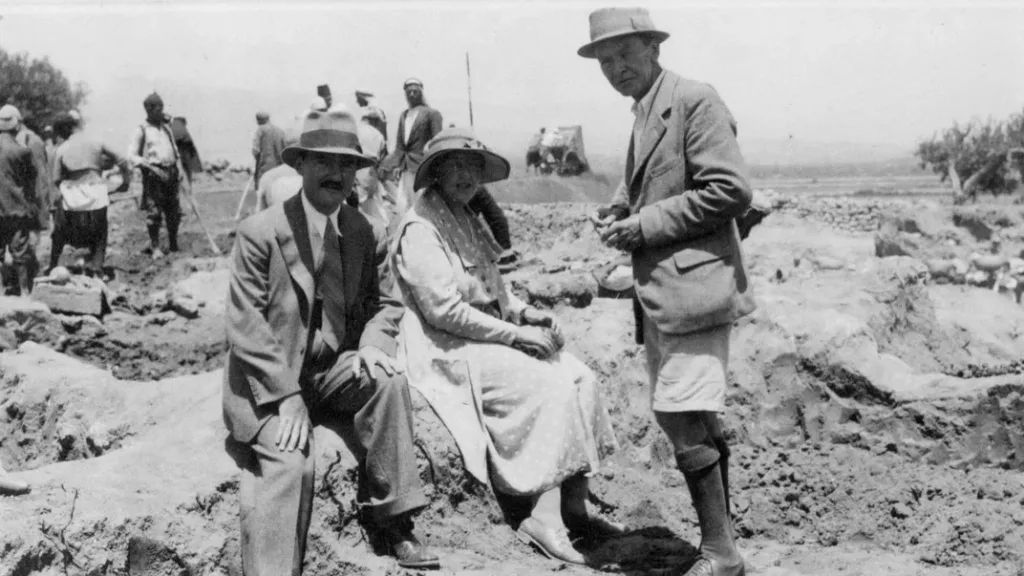
    Agatha Christie (middle) with Max Mallowan and Leonard Woolley at the ruins of Ur in 1931
    Agatha Christie (center) with Max Mallowan and Sir Leonard Woolley at the ruins of the Mesopotamian city of Ur in 1931

    But enough about Christie. The Hall of Fame features the Grand Prize Winners of the Mystery and Mayhem Award who we are proud to have in the Chanticleer Family!

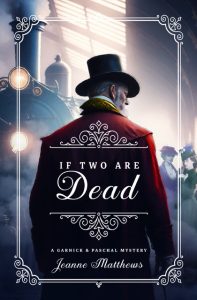
    If Two Are Dead: A Garnick and Paschal Mystery
    By Jeanne Matthews

    An enigmatic raven-haired beauty mysteriously murdered and cast into a stranger’s grave, left for scurrilous resurrection men to uncover in the dark of night! In Jeanne Matthews’s historical mystery If Two Are Dead, Detectives Quinn Paschal and Gabriel Garnick take up this case of vicious murder and ignite a mire of secrets and resentment at the pinnacle of 1867 Chicago society.

    After catching the body-snatchers in the act of stealing a freshly buried corpse to sell for medical research, Quinn and Garnick realize the body found in Emmett Buck’s grave is by no means that of a young man, but that of a woman, whose bloody head and clean clothes point to a complex mystery. With only her appearance and some identifying jewelry, Quinn insists they can and will catch the killer of ‘Marietta A.V.’ Enlisting the help of an unscrupulous journalist, they locate her husband, a wealthy and influential doctor.

    The woman’s husband, Dr. Horace E. Vinings, offers them an incredible reward if they can find Marietta’s killer. But Quinn and Garnick suspect he might not like the answer he receives.

    Read More Here


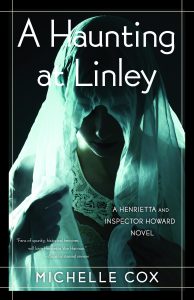
    A Haunting at Linley: A Henrietta and Inspector Howard Novel
    By Michelle Cox

    In this seventh book of the series, Clive and Henrietta return to England to find Castle Linley in financial ruin. When Clive’s cousin, Wallace, invites an estate agent in to assess the home’s value, the agent is later found poisoned, throwing all of the Castle’s guests into suspicion. Clive and Henrietta are soon drawn into an investigation, which is slowed by an incompetent local inspector and several unexplained phenomena—the cause of which many, especially the frail Lady Linley, believe to be the workings of the ghost of a hanged maid.

    Meanwhile, Gunther and Elsie have begun life on a farm in Omaha. Circumstances are difficult, but they are content—until Oldrich Exely appears, proposing an option Elsie finds difficult to ignore. Melody Merriweather, still masquerading as a nun to aid Elsie’s escape, likewise finds it difficult to ignore a letter with tragic news from home, while Julia, on the other hand, receives a very different sort of letter from Glenn Forbes.

    Back in England, Clive is called away to London on suspicious business, leaving Henrietta to carry on with the investigation alone. When she is mysteriously locked in the study one night, however, things take on a more deadly, supernatural feel, leaving her to fear that Lady Linley’s “ghost” might just be real after all…

    Order it today!

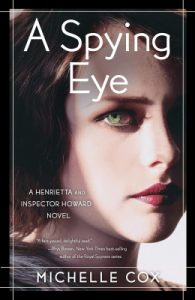
    A Spying Eye Cover

    A Spying Eye: A Henrietta and Inspector Howard Novel
    By Michelle Cox

    Brooding Château du Freudeneck, just outside Strasbourg, France has villains in the drawing rooms, stolen art hidden in the cellars, and bats in the belfry – all the best elements for a 19th-century Gothic mystery.

    However, in Michelle Cox’s novel, A Spying Eye it’s the 20th century. The Great War is passed, but the next war already looms on the horizon. The people of Strasbourg feel the growing conflict sharply, at the heart of Alsace-Lorraine, a fertile region that has been contested between France and Germany since time immemorial.

    Which means those bats are in the unfortunate head of the elderly Baron Von Harmon, the current lord and master (as much as he’s still able to be, at least) of the Chateau, while the stolen art is pursued by both the villainous Nazis and the only slightly-less villainous agents of Britain’s MI5.

    Read More Here

    Ophelia's Room Cover

    Ophelia’s Room
    By Michael Scott Garvin

    Ophelia’s Room by Michael Scott Garvin begins with a bang – and a child’s whimper.

    A frantic, distraught father pounds on a bolted chapel door in a small country hospital…. A tiny, two-day-old infant cries in peril….  A deranged grandfather sees demons in every shadowy corner.

    The opening scene read like something out of a young parent’s nightmare. Will their child be healthy? Will they grow up to be successful? Will the child be safe in their grandparents’ arms?  Questions that any new mother and father ask themselves. In Garvin’s Ophelia’s Room, the answers are terrifying.

    Read More Here

    The Discovery Book Cover Image

    The Discovery
    By Patrick M. Garry

    Patrick M. Garry’s The Discovery encompasses a narrative that traverses a family legal case jigsaw puzzle toward a discovery of self by exploring the ghost of ancient regrets, basic human desires, and questions of faith.

    Frank Horgan, a former lawyer at one of Minneapolis’ largest firms, now practices small-case litigation in the little community of Basswood Hills. Frank, a victim of his own follies, has one more chance to restore his career to its former glory. But not before a huge legal matter comes knocking on his door at his father’s diner. This case kicks off the legal drama, bringing in several main and secondary characters to play their parts in the ultimate discovery of buried contentedness and eventually a scandal that breaks into the national newspaper.

    Meanwhile, Frank comes upon the case of the most prominent McCorkle family in Basswood Hills.

    Read More Here


    These Authors Solved the Mystery of Success

    From Victorian Chicago to wartime France, these Hall of Fame winners prove that the best mysteries don’t just puzzle readers—they transport them to other worlds entirely. Each of these celebrated authors cracked the code that so many mystery writers struggle with: how to stand out in a crowded genre.

    What’s their secret?

    They didn’t let their stories remain unsolved cases buried in obscurity.

    The Chanticleer Int'l Book Awards Overall Grand Prize sticker for the CIBAs

    Your cozy mystery deserves the same recognition. In Dame Agatha Christie’s tradition, the M&M Awards celebrate authors who understand that the most satisfying mysteries combine clever plotting with unforgettable characters.

    You know you want it…

    The Case for Your Mystery

    Will your amateur sleuth be next to join this prestigious lineup? Whether your story unfolds in a quaint English village or a bustling American town, the M&M Awards provide the recognition and promotional platform that transforms hidden gems into must-read mysteries.

    Blue button that says Enter a Writing Contest
    You know you want it…

    Time is running out—submit by July 31, 2025!

    Don’t let your mystery remain a cold case. Enter the M&M Awards today!

  • All the Things that Go BUMP! in the Night — The Varied Word of Horror Sub-Genres

    Zombies, Spectors, Psychos—Oh, My!

    A frightened woman reads a red horror book!

    The horror fiction genre is full of scary and scintillating sub-genres, each offering its own unique flavor of terror and suspense. From the eerie atmosphere of gothic horror to the intense, cerebral tension of psychological horror, there are sub-genres that cater to a wide range of tastes and interests. Like romance, including a little horror can elevate your story and drag the reader kicking and screaming to the next page. 

    The key to effective horror writing lies in choosing the right sub-genre approach for your story’s needs. Each sub-genre offers unique methods for building suspense, developing atmosphere, and connecting with readers who crave that spine-tingling experience.

    A graveyard as an example of the gothic horror genre

    Classic Foundations: Where Horror Began

    Gothic Horror

    Gothic horror combines atmospheric dread with romantic elements, creating stories that feel both timeless and deeply emotional. Think Mary Shelley’s Frankenstein and Bram Stoker’s Dracula—these foundational works established horror tropes that continue to captivate readers today. Gothic horror typically features decaying settings, family secrets, and protagonists caught between love and terror. The underlying themes often explore human nature’s darker impulses, making readers question what we’re truly capable of when pushed to our limits.

    Perfect for: Historical fiction writers, romance authors seeking darker themes, or fantasy writers building atmospheric world-building.

    Psychological Horror

    Rather than relying on jump scares or gore, psychological horror gets under your skin by exploiting fundamental human fears: losing control, being manipulated, or questioning reality itself. This sub-genre creates tension that lingers long after readers close the book because the horror is experienced internally. When done subtly—settling into the subconscious without overt horrifying acts—it’s called “quiet horror.”

    Perfect for: Literary fiction, contemporary drama, or any story exploring mental health, family dynamics, or social pressures.

    A red misted window with a dark hand for thriller horror genre

    Action-Driven Horror: High Stakes and High Fear

    Slasher Horror

    When a slasher is on the loose, no one is safe. These antagonists hunt methodically, treating their victims like prey in stories designed to keep readers on edge. The appeal lies in the relentless pursuit and the question of who, if anyone, will survive. A newer variation, “splatter horror,” emphasizes excessive blood and gore as integral story elements—messy, shocking, and viscerally terrifying.

    Perfect for: Thriller writers, action-adventure authors, or anyone crafting high-stakes survival scenarios.

    Survival Horror

    Survival horror places characters in environments where death lurks constantly—whether from supernatural beings, natural disasters, or post-apocalyptic scenarios. The key is creating relatable situations that could theoretically happen to anyone, then amplifying the danger beyond normal human experience. Zombie fiction falls into this category, with its methodical, unstoppable threats that transform familiar environments into deadly landscapes.

    Perfect for: Post-apocalyptic fiction, adventure stories, or science fiction exploring environmental collapse.

    Speculative Horror: Beyond Our World

    Paranormal and Supernatural Horror

    This sub-genre ventures beyond known reality into realms of magic, spirits, and otherworldly phenomena. Characters face threats they can’t fully understand or prepare for—extrasensory perception, ghostly encounters, cryptozoology, and unexplained phenomena that leave everyone tenuously off-balance. While similar to gothic horror, paranormal horror often features contemporary settings and modern characters encountering ancient or otherworldly forces.

    Perfect for: Fantasy writers, urban fantasy, or contemporary fiction with magical elements.

    Science Fiction Horror

    Sci-fi horror blends familiar horror elements with scientific complexity, introducing innovative threats that make readers question what’s possible. H.P. Lovecraft mastered this fusion, creating cosmic horror that made humanity feel insignificant against vast, unknowable forces. Modern sci-fi horror might explore AI gone rogue, genetic manipulation, or extraterrestrial threats that view humans as nothing more than obstacles.

    Perfect for: Science fiction writers, dystopian fiction, or stories exploring technological advancement’s dark side.

    eldritch beings for fantasy and paranormal horror genres

    Dark Fantasy

    When horror meets fantasy worlds, anything becomes a potential threat. Witches, shapeshifters, dark wizards—these antagonists wield magic that defies conventional solutions. Characters face seemingly insurmountable odds against supernatural powers, creating terror through the unknown capabilities of magical threats. The fantasy setting allows for creative freedom in crafting unique, otherworldly fears.

    Perfect for: Fantasy writers seeking darker themes, fairy tale retellings, or urban fantasy with horror elements.

    Specialized Horror Approaches

    Body Horror

    Body horror exploits our fundamental fear of physical transformation and decay. From Oscar Wilde’s The Portrait of Dorian Gray (accelerated aging) to Franz Kafka’s The Metamorphosis (human-to-insect transformation), this sub-genre makes the human body itself the source of terror. Modern body horror might explore medical experimentation, genetic mutation, or loss of physical control.

    a dark skull for the body horror genre

    Occult Horror

    Satan, demons, and religious corruption dominate occult horror. Stories like Ira Levin’s Rosemary’s Baby blend supernatural terror with religious themes, creating atmosphere through familiar spiritual concepts turned malevolent. The power of faith—and its potential corruption—provides rich material for exploring good versus evil.

    Eco Horror

    Environmental catastrophes and nature’s revenge characterize eco horror, serving as metaphors for real-world ecological crises. Samanta Schweblin’s Fever Dream exemplifies this sub-genre, combining maternal anxiety with environmental pollution. Common elements include deadly toxins, mutated creatures, animated plants, and killer viruses—all reflecting our complex relationship with the natural world.

    Techno Horror

    When technology becomes the enemy, techno horror explores our dependence on systems we don’t fully understand. AI malfunctions, computer viruses, and rogue robots create scenarios where characters must fight threats beyond their technical capabilities. This sub-genre resonates particularly well in our increasingly digital world.

    Hybrid and Flexible Approaches

    Comedy Horror

    Sometimes writers want chuckles instead of screams. Comedy horror takes terrifying elements and places them in absurd situations, creating three distinct approaches: black comedy, parody, and spoof. Washington Irving’s The Legend of Sleepy Hollow demonstrates how humor can actually enhance horror by making readers lower their guard before delivering genuine scares.

    A frightening zombie that's honestly a little too scary for the horror comedy genre.

    Teen Horror

    Stephen King’s Carrie perfectly exemplifies teen horror, where adolescent experiences—physical changes, social pressures, identity formation—intersect with supernatural or horrific elements. This sub-genre recognizes that teenage years already feel terrifying to many people, then amplifies those fears through genre elements.

    Pulp Horror

    Fast-paced and lurid, pulp horror embraces accessibility and entertainment value. Born in the late 19th century and popularized in the 1950s, pulp horror delivers quick thrills through sex, drugs, violence, and supernatural elements. It’s horror designed for pure entertainment rather than deep psychological exploration.

    Finding Your Horror Approach

    The beauty of horror sub-genres lies in their flexibility. Writers can blend multiple approaches—combining psychological elements with supernatural threats, or mixing sci-fi concepts with body horror. The goal isn’t purity but effectiveness: which horror elements serve your story’s emotional core?

    Consider your primary genre first, then identify which horror sub-genre complements your story’s needs. A romance writer might find gothic horror perfect for historical settings, while a contemporary fiction author could use psychological horror to explore family trauma.

    A spooky necromancer holding a skull with rainbow smoke.

    With all these fun and frightening horror sub-genres, writers can mix and match them or go heavy one specific theme. With a goal to twist their readers into knots with plots that will keep them up at night, these stories will have you questioning every noise you hear and every shadow that passes your way.

    Thanks for reading about these spooky Horror Sub-genres,
    and don’t be scared of that beast under your bed tonight!


    Recognition for Genre-Blending Excellence

    *Gasp!* Don’t miss out on your chance to submit to these fabulous Awards!

    Whether you’re writing pure horror or incorporating horrific elements into other genres, professional recognition celebrates the craft behind effective fear. The Chanticleer International Book Awards recognize outstanding speculative fiction across multiple divisions that welcome horror elements:

    The 2025 deadline is June 30th—less than a week away! These awards recognize the skillful blending of genres that creates memorable, impactful fiction.

    Horror isn’t about shocking readers—it’s about creating emotional experiences that resonate long after the final page. Whatever your primary genre, the right horror elements can transform good stories into unforgettable ones.

    Submit before June 30th and let professional judges recognize your skill in crafting compelling, genre-blending fiction.

  • The M&M Book Awards for Cozy Mysteries First Place Round Up from 2024

    Cozy Mystery Fiction AwardThe Mystery & Mayhem Book Awards recognize emerging new talent and outstanding works in the genre of Cozy and Not-So-Cozy Mysteries. The Grand Prize Winner, Jeanne Matthews’s book, If Two Are Dead will be promoted for years to come in our annual Hall of Fame article, as well as be featured on the M&M contest page year ’round!

    The best part about being a Chanticleer Int’l Book Award Winner is the love and attention you get all year ‘round!

    The 2024 M&M Winners were announced at the 2025 Chanticleer Authors Conference in April, and you can see the official winners post here!

    Join us in celebrating the 2024 First Place M&M Winners!

    A Gold Ribbon dividing this section from the next

    Patrick E. Craig – The Boy In Blue Denim

    Imagine if Miss Marple were Amish!

    Jenny Hershberger returns to Apple Creek, Ohio, called by Detective Elbert Wainwright to help solve another cold case—a young Amish boy murdered in a deadly snowstorm and never identified. But as she digs into the case, she finds so many connections to her own life that the story becomes like a house of mirrors. As Jenny and Bobby Halverson travel from Apple Creek to Shipshewana, to Texas and Colorado, and back to Apple Creek, the trail grows warmer each day. But each step uncovers a new murder… and a new twist. Who is the killer? And who is…THE BOY IN BLUE DENIM?

    Find it Locally and on Amazon!

    Lori Roberts Herbst – Graven Images

    A photo assignment at the cemetery leads Callie Cassidy to a corpse—this one above ground. Now, her search for the killer unearths some long-buried secrets…

    Callie’s mother Maggie, a notorious hobby jumper, has embarked on a new pursuit—grave rubbing. When she recruits her daughter to photograph her first endeavor at the local cemetery, Callie brings golden retriever Woody and tabby cat Carl along for the outing. It’s a breathtaking autumn morning in Rock Creek Village, Colorado. Golden aspen leaves rustle in the cool breeze, and the air is filled with the scent of pine. What could go wrong on a day like this?

    Then, a ghostly woman emerges from the trees, bleeding from a head wound and claiming to have no memory of how she arrived, or even who she is. Maggie quickly identifies her as a woman who disappeared from the village forty years ago—without a trace.

    If that’s not enough intrigue, Woody disobeys her and sprints deeper into the cemetery. When Callie catches up to him, he is sitting sentinel at the tombstone of a recently deceased villager. And behind the stone, a man lies on the ground—with a pickaxe jutting from his neck.

    Callie recognizes him as the low-level mobster who has been dating her best friend Tonya’s mother—and they’d been having problems. Did Tonya’s mother kill the man? Could it have been the mysterious woman? Or maybe someone with ties to his crime family?

    Callie can’t resist investigating—and this time, Detective Raul Sanchez welcomes her assistance. Because if they can’t solve the crime soon, the town may be facing grave consequences…

    Find it Locally and on Amazon!

    Gail Noble-Sanderson – A Cup of Revenge

    Swansea Station – 1947 The war is over, and with hopes of reconstruction beginning, rationing ending, and lives starting over, Drew awaits the decision regarding a new position with the railway. But mystery and mayhem arrive aboard an afternoon train carrying the new vicar, Liam O’Neill, and a cadre of visitors from Ireland. Drew’s attention is once again focused on unraveling the threads of revenge and solving another murder. The unfolding of an unexpected relationship with the young vicar proves another mystery for Drew to unravel. This is the second book in the award-winning Drew Davies Railway Mystery Series.

    Find it Locally and on Amazon!

    M.K. Graff – Death in the Orchard

    The third Trudy Genova mystery from award-winning author M. K. Graff brings Trudy home, leaving her New York City studio consulting job to visit her rural hometown of Schoharie, three hours north. NYPD detective Ned O’Malley accompanies Trudy, primed to meet her family, but with a secret mission to find out what really happened when her father died eleven years ago.

    Mario Genova’s death was deemed a tragic accident, but Trudy feels there was more to her beloved father acting out of character the day before he died. After years of hard work building a successful apple orchard business with her mother, Mario cleaned out their bank accounts. No reason-and no money-was ever found. As Trudy and Ned try to investigate without informing her family of their actions, a new death occurs on Genova Orchards property, and once again Trudy’s family is under scrutiny.

    Find it Locally and on Amazon!

    Miriam Verbeek – The Forest

    She’s hired to find criminals. What if they find her first? She’s racing to stay alive and bring them to justice.

    Saskia is an unlikely hero, a computer geek and mountain bike enthusiast, but when she arrives in the highlands of Australia to help restructure a family-owned logging company, she soon finds herself in the heart of a wild chase to uncover a surprising plethora of crimes. With the fate of a logging community hanging in the balance, can Saskia unravel the mystery in the forest before it’s too late?

    From Chanticleer:

    The Forest, a slow-burning mystery and the second book in Miriam Verbeek’s Saskia van Essen series, follows a young investigator trying to unravel a mystery that sits deep in the core of a private logging organization.

    Saskia, a co-owner of International Financial Services, is requested by Tania to help uncover a network of criminal activity in her family’s Australian timber business. After taking over the company as its new director, Tania doubts the legitimacy of their remarkable profits, given high expenses, severe competition, and a substantial reduction in timber production that should have made it difficult to make any substantial gains.

    Wasting no time, Saskia travels to Australia, having agreed to investigate possible criminal activity while helping the timber mill restructure.

    Read More Here

    Find it Locally and on Amazon!

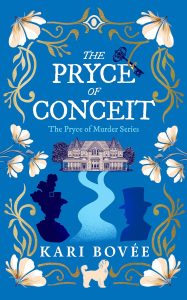
    Kari Bovee – The Pryce of Conceit

    1885. Arabella Pryce is struggling with heartbreak. In keeping with her late husband’s final wishes, she must leave behind her dazzling celebrity and breathe new life into their namesake hotel in Colorado.

    But when a beloved town beauty is found dead, all eyes—and suspicion—turn to her.

    With blood-stained evidence, handsome sheriffs, and libelous journalists turning her investigation into a dangerous drama, this determined thespian fears she’s missed her cue for survival.

    Amid whispered betrayals and shadowed secrets, a mischievous ghost guides her through a maze of perilous clues, drawing her ever closer to a truth more shocking than the lies surrounding her.

    Can she unmask the true killer and clear her name before her reputation is ruined forever?

    Find it Locally and on Amazon!


    Thank you for joining us to celebrate the 2024 M&M First Place Winners!

    Cozy Mystery Fiction Award

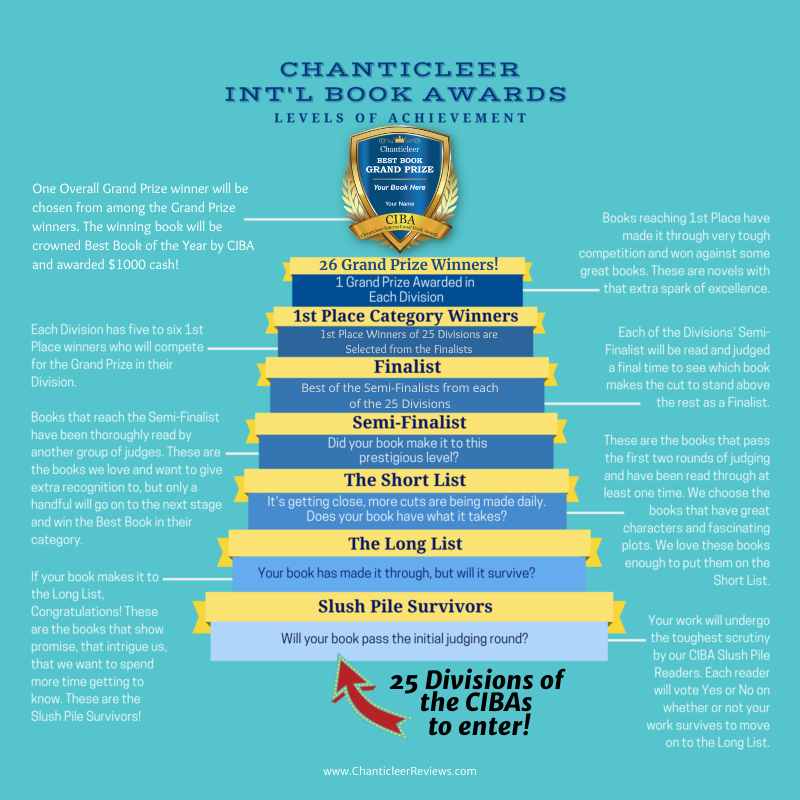
    Your book can join the Tiers of Achievement, but only if you submit to the Chanticleer Int’l Book Awards!


    Got a Cozy Mystery? The 2025 M&M Book Awards are open through the end of July!

    Blue button that says Enter a Writing Contest
    Submit to the M&M Awards Today!
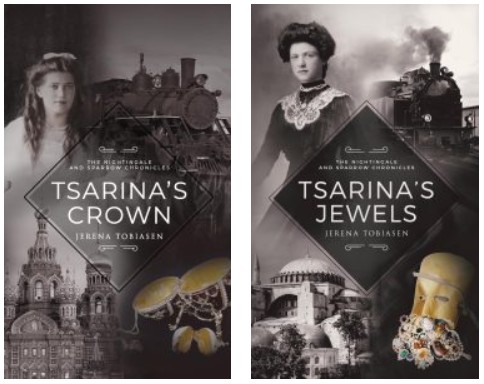
  • TSARINA’S JEWELS: Book 2 of The Nightingale and Sparrow Chronicles by Jerena Tobiasen – Historical Fiction, Historical Thrillers, 20th Century


    Viscount Simon Nightingale-Temple seeks a life of peace with his beloved Mary after the harrowing years of the Bolshevik Revolution. But in Tsarina’s Jewels, the second book in Jerena Tobiasen’s The Nightingale and Sparrow Chronicles, Simon is dragged back into global conflict through his very family.

    While serving in the British Embassy in Petrograd, Simon witnessed firsthand that bloody revolution and the assassination of the Tsar’s family—all but one daughter, Grand Duchess Maria Nikolaevna, the beautiful woman who became his wife.

    Maria, “Mary”, hides in plain sight among the British aristocracy, and the couple hope to settle into their lives with Simon’s parents. However, soon after his return, the highest levels of the British government force Simon into service for the newly minted MI6.  Under threat of being blamed entirely for the Romanov family’s execution, Simon has no choice but to accept.

    Little does Simon know he’ll soon be spying on his own brother.

    As the second son, Richard resents Simon’s success and future inheritance. After drinking and womanizing his allowance away, Richard is forced into a job by his father. Though he holds a respectable clerk’s position, Richard steals files concerning the British movements against the Ottoman Empire.

    In a bid to become his own man, Richard now races to sell his secrets to the Turkish government.

    Simon has to bear the weight of family obligation and looming treason all while trying to maintain his wife’s secret identity. When a threatening figure returns from his past and adds yet more pressure onto his shoulders, Simon’s life might well come crashing down around him.

    The characters of Tsarina’s Jewels develop with compelling emotion in the face of trauma and responsibility, most of all Mary.

    Mary, heir to the Russian throne, has lost everything—her home, her family, her very heritage. Still healing from her own physical wounds, she now contends with the full force of her grief. The Nightingale-Temple family helps to fill some of her emptiness, but nothing can entirely replace the family taken from her. Not only is she haunted by the happiness they shared, but also the image of their deaths in her dreams.

    Despite all of this, she takes up the mantle of nurse to join her mother-in-law Ann as a volunteer in the local hospital. Mary does what she can to comfort a flood of Spanish Flu victims. Many are Russian immigrants, but Mary refuses to let her fears of recognition stop her from tending to her countrymen—in essence her people had the crown not been stripped from her family. Her brave soul is a shining light throughout the novel.

    Even Richard shows a growing depth and capacity to change, although he can’t turn back from his crimes.

    Initially, Richard seems entirely loathsome, and the novel appears to move in the formulaic classic spy novel. However, even before Richard begins his life-altering exodus from England, the reader sees a shift in his character. Richard is deeply in love with Sally, an unassuming and hard-working woman. Though he doesn’t voice the feeling aloud, his actions clearly show his devotion angst at leaving her.

    As Simon gets closer to catching him, Richard weathers his clashing sentiments about the treasonous path to which he’s committed himself.

    Tsarina’s Jewels combines thrilling spycraft with the intricacies of 1918 European conflict, a fresh and fascinating continuation for this historical fiction series. Tobiasen explores the internal conflicts of her characters to build them up as familiar, inspiring, and rewarding to care for, giving emotional life to both suspense and history.


  • A Chanticleer 10-Question Author Interview with Gail Avery Halverson – Historical Fiction, Colonial America, Slavery

    blue and gold badge recognizing A Sea of Glass by Gail Avery Halverson for winning the 2023 Chatelaine Grand Prize For Historical Fiction RomanceHistorical Fiction Romance Author Gail Avery Halverson sat down for a 10-Question Interview with Chanticleer!

    We had the pleasure of speaking with Gail Avery Halverson recently. The author of the historical fiction romance novel Sea of Glass, Book Three in her Stockbridge Series. Avery Halverson took home the 2023 Chatelaine Grand Prize for Romance for Sea of Glass, and she’s sharing her journey to becoming an award-winning author with us today!

    Here’s what we talked about:


    Chanti: Your romance novel, Sea of Glass, also falls under the category of historical fiction. Can you talk about what drew you to both of these genres?

    Avery Halverson: I began writing in my twenties when I was a flight attendant and had a lot of days off during any given month. At first, I wrote mostly spec scripts for existing half-hour sitcoms to practice the craft of conveying a story through only what can be seen or heard. One of those spec scripts found its way to an agent in LA and after signing with her, I wrote two movie screenplays which were both optioned by Longbow Productions, but not made.

    I took some time away from writing to raise my son, and when he was a sophomore in high school, I began to toy with the idea of writing a novel. When I heard the story of ‘The Plague Village” in England, I knew I had my novel. From there, I had to learn a new style of writing that encompassed all the senses, in addition to creating accurate historical story arcs and believable, very real characters a reader would care about. After writing the first book, I was completely hooked!

    Chanticleer Book Reviews, CIBAs, woman, blonde, ribbons

    Chanti: Have you always been a writer? When did you realize you could write?

    Avery Halverson: There were several points along the way, and while I can’t say that any one of them were really a defining moment, when I was in third grade, I wrote a story about a little girl that had gone through the 1906 San Francisco earthquake. I knew in my heart the minute I finished the assignment that it was an A+ story. It turned out that the grade was exactly that, and when the teacher handed my story back, she told me that I had a real talent.

    The other defining writing moments were those early screenplay options; when I read the reviews of the first book; when I won the Chanticleer awards for all three books; and when a London agent at the agency representing Julian Fellows said I was very talented (sadly, due to a personal emergency, she was not taking on new writers). Although as all writers know, the most exciting, validating, and I think, thrilling “writer” moment, was the moment when I opened that first box of books with my name on the cover.

    Chanti: I can tell you have a good eye for accurate period details in your books. What draws you to write historical fiction?

    Avery Halverson: As I mentioned, the first fictional story I ever wrote was about a little girl going through the 1906 San Francisco earthquake, and as I think of it, that may be where my love of writing historical fiction began. Funnily enough, I don’t particularly read historical fiction – my tastes run more toward action – Ken Follet, Clive Cussler and the like, but I find I absolutely love the research involved in writing historical fiction. If I were to refine if further, I love using fictional characters to bring to light actual women in history who did not get the recognition they deserved for accomplishing some amazing things.

    books, covers, wood, planks

    Chanti: What areas in writing am I most confident about in writing?

    Avery Halverson: I feel very confident in two areas of the writing process. The first is story arc, and the second is dialogue. As to the former, I’ll insert another Chanticleer author question here – which is, which craft book(s) have helped the most. The answer to that question is the book How to Write a Screenplay in 30 Days by Viki King. She wrote the book many years ago, and while it was intended for screenplays, the information also applies beautifully to novels, as well. In the book, Ms. King describes a story arc as a clothesline, with clothespins evenly spaced. The clothespins are plot points, and the corresponding visual reference in her book made perfect sense to me, in that each book has a story arc, each chapter has a story arc, and each character has a story arc. In the case of my Stockbridge trilogy, I had to create an all-encompassing, three book story arc, as well, and I find the construction of all that fascinating. As to dialogue, I can only credit being a bit of a natural mimic – and many, many years of flying, listening carefully to not only a multitude of accents, but the vocabulary and word choices, the cadence, tone and even underlying sub-text of the conversations I heard from passengers.

    With respect to my books, I did a tremendous amount of research into the letters and formal writings of people in the 1600’s, not only in England but in early America as well and had to interpret that formality so that it captured the essence of what was being said, but did not sound as stilted as it did while reading the material. I also had to consider which social class a character belonged to and the way each group spoke, as well as in the case of Book Three, A Sea of Glass, the way a young, African American woman born in America, might have spoken. So, in terms of advice to a new writer, I would say eavesdrop all you can, then read your dialogue out loud after you’ve written it. Every single person on this planet has a different way of speaking – young vs. old, male vs. female, etc., and I’m always amazed when dialogue sounds stilted. People rarely, if ever, speak in grammatically correct sentences. Also, to a new writer, use the “find” button on your computer and try your very best to eliminate every single “ly’ adverb. Create a new way to say it – your writing will be clearer and far more concise.

    Chanti: Those are wonderful tips for writers getting started, and great advice for editing. Can you talk about what happens when you stall (if you do), with writer’s block?

    Avery Halverson: On occasion, I’ll run up against a brick wall where nothing comes to mind. When that happens, I usually dig deeper into history – nothing made up could ever top some of the things that actually happened. At one point in The Skeptical Physick, I needed a side character with a talent, which could then be something my heroine could learn. At that time, the Great Fire had just decimated nearly all of London, and my heroine had natural artistic talent, so I searched the history books and found Lady Elizabeth Wilbraham, a real-life 17th Century architect. Perfect. Lady Wilbraham and her story became that side character. I also try to read a few chapters leading up to wherever I am to get in the flow and that will usually get me started again. I also find that doing something else away from the computer – laundry, gardening, errands, or even soaking in the bath – allows my mind to wander and the creativity or solution to the current writing puzzle usually comes.

    Garden, flowers, house, blue door, terra cotta, pink, white, red

    Chanti: Taking time away from the screen can be one of the most valuable tools for moving forward. Would you talk a little bit about your writing “comfort zone?” Are you a structured writer, or do you write when the moment feels right?

    Avery Halverson: When I started writing my novels, I was very disciplined. At first, I tried every desk and office area in my house, but finally ended up sitting on the couch, feet up on the coffee table in front of the fire. I would start at 9am sharp and write until noon. If I hadn’t written 1500 words, I’d began again at 3:00pm, then continue until I hit that number. With that structure, I finished my first book, The Boundary Stone in six months.

    I confess that I relaxed a bit on the next two books in the trilogy. I still tried to meet that 1500 word a day goal, but if a natural break point came and I’d only written 750 words, I would not panic, but I would spend the other hours editing or researching. I had a lot more fun that way, rather than forcing myself to reach a hard goal. Interestingly, I found that on most days, I would still exceed that 1500-word goal.

    Chanti: 1500 words a day is impressive! What excites you most about writing to keep that drive?

    Avery Halverson: What excites me most about writing are those two magical words, “The End.” I absolutely love accomplishing a goal I’ve set for myself, and I don’t think there’s a more exciting moment than finishing a novel. I also love those writing days when the words just seem to flow out, and the days when I don’t even look at the word count until I close the computer for the night and find I’ve written far more than I thought I had. I love writing a great scene, or even a great sentence, and I especially love the research into and writing about the extraordinary accomplishments of ordinary people long forgotten by history – especially women.

    two women, studio, book, cover design, blonde, brunette, blazer, white jacket

    Chanti: Your love of extraordinary people is clear in your intriguing cast of characters, absolutely! Who is the perfect reader for those forgotten stories of brilliant women?

    Avery Halverson: I think anyone who likes historical fiction with strong, intelligent characters and a touch of elegant romance. I’m not one for stories where someone deliberately makes a bad decision and ruins the lives of everyone else around them. I much prefer to write the stories of good people who are thrust into circumstances beyond their control and how they use their intelligence, their wits and their integrity to survive. It’s funny, I thought the trilogy would appeal to mostly women, but some of the best reviews I’ve had have been from men, so I hesitate to limit the category of readers.

    Chanti: I believe there are a lot of men who love romantic adventures! How do you come up with ideas?

    Avery Halverson: I read everything! I’ll read everything from the National Enquirer to Neuroscience News and anything in between, but my favorite thing to do is to go down Google rabbit holes. I’ll start with Wikipedia for a general introduction to historical figure or event, then start to dig from there, and in that digging I very often find the story.

    Gail AVery Halverson, bookstore, bench, coat, purse

    Chanti: Reading deeply is definitely crucial! What about for readers? What is the most important thing they can do to support an author who they want to read more of?

    Avery Halverson: I’ve found that the most important things a reader can do to help an author is to post reviews on Amazon, Goodreads and other reader sites, to create social media posts about the books, and to generate interest via word of mouth and any other promotional ideas they can think of, and an especially helpful thing is to invite an author to their book clubs. All authors are tremendously grateful to any reader offering to help promote their books!


    blonde, woman, teeth, window, headshot, block, make up

    Award-winning writer, Gail Avery Halverson, is the author of The Boundary Stone, and its sequel, The Skeptical Physick, a historical romance novel set in 1666 England at the time of the Great Fire and the Scientific Revolution. The Boundary Stone is a Chaucer Award First Place winner (historical fiction) and The Skeptical Physick won First Place in the Chaucer Awards and 2019 Grand Prize in the Chatelaine Award. Sea of Glass was awarded Grand Prize in the Chatelaine Award in 2023. 

    Ms. Halverson is also the writer/producer for “Take it From The Top,” (sitcom pilot, Twin One Productions, Inc.), as well as the playwright and composer of musical plays that have been performed for nearly 300,000 children since 2004. Writing for both theater and television, she holds a B.A. in English Literature/Communications from the University of California, Davis, and is currently at work on the third novel in the Stockbridge Series. She lives in Northern California with her husband and son.

  • The 2025 Spotlight on the M&M Awards for Cozy and Not-so-Cozy Mystery Books!

    Got a Marketing Conundrum for Your Cozy Mystery?

    Cozy Mystery Fiction Award

    Solve It by Entering the M&M Awards!

    The submissions for the 2025 CIBAs are underway, and Mystery & Mayhem Awards close submissions on July 31, 2025!

    The Mystery and Mayhem Awards celebrate the art of the puzzle, inspired by the legendary Agatha Christie and the tradition of mysteries where brilliant minds triumph over criminal schemes. While our Clue Awards focus on gritty thrillers and our Global Thriller Awards feature high-stakes suspense on a global scale, M&M honors the cozy (and not-so-cozy) mysteries where amateur sleuths reign supreme and the violence often happens off-page.

    Why rely on police detectives when a curious librarian, a sharp-eyed baker, or a meddling village resident can solve the case just as well? From quaint English villages to small American towns, the M&M Awards recognize stories where wit, observation, and a good cup of tea are often more valuable than forensic labs and SWAT teams.

    The Categories Where Curiosity Conquers Crime

    • Amateur Sleuth features everyday heroes who stumble into mysteries—think Louise Penny’s Inspector Gamache series or the Thursday Murder Club, where regular people use extraordinary insight to catch criminals.
    • Romantic Mystery blends heart-fluttering romance with puzzling crimes, proving that love and mystery make the perfect pair—whether it’s a meet-cute over a murder scene or romance blooming during a dangerous investigation.
    • Historical Mystery transports readers to bygone eras where period details and historical context add richness to the puzzle—from Victorian London to Jazz Age speakeasies, these stories prove that human nature and criminal minds are timeless.
    • Classic/British Cozy honors the tradition of Agatha Christie, Dorothy Sayers, and modern masters who understand that the most satisfying mysteries often happen in drawing rooms rather than dark alleys.
    • Mystery Caper/Adventure features lighter, more playful mysteries with humor and hijinks—think Knives Out energy where the puzzle-solving is as entertaining as it is clever.
    • Animal Mystery showcases our four-legged detectives and the humans who love them, proving that sometimes the best witness has fur and four paws.
    • Small Town Cozy Mystery explores the dark secrets hiding behind picket fences and friendly facades, where everyone knows everyone—and someone knows too much.
    • Blended Genre celebrates mysteries that incorporate elements of fantasy, paranormal, or other genres while maintaining that cozy mystery heart.

    Congratulations once more to our 2024 M&M Grand Prize Winner
    Jeanne Matthews for
    If Two Are Dead!

    Set in 1867 Chicago, this compelling novel showcases everything we love about historical mysteries: rich period detail, complex characters, and a puzzle that keeps readers guessing until the final revelation. Matthews’ masterful blend of historical authenticity and classic mystery plotting in the Historical Mystery category exemplifies the sophisticated storytelling we seek to recognize. In addition to all the featured posts that have already gone out for the M&M Awards, If Two Are Dead will be regularly promoted throughout the year and for the next five years in our upcoming Hall of Fame post. Jeanne Matthews will also be invited to participate in a Chanticleer 10-Question Interview, and If Two Are Dead will receive a coveted Chanticleer Editorial Review.

    Looking for Your Next Puzzling Read?

    Check out some of these incredible cozy and not-so-cozy mysteries we’ve reviewed recently that showcase the delightful diversity of the genre!

    RED HERRINGS RADIO: The Media Mysteries Series Book 6
    By Gail Hulnick

    From its very first page, Red Herrings Radio, from Gail Hulnick’s Media Mysteries series, evokes the classic mystery novels of days gone by. We meet protagonist Lillian on September 7, 1964, in the pre-dawn hours as she heads to work. The early shift at a bustling radio station may seem like excitement enough, but soon Lillian’s faced with unexpected and unpleasant thrills: there’s a dead body at work, and it’s one of her best friends.

    Red Herrings Radio uses many elements of classic mystery, even down to the noir lighting of the early-morning streets. Yet it also diverges from mystery-novel tradition in interesting ways.

    Unlike many older mystery books, it has not only a female sleuth, but a focus on the challenges and barriers faced by a woman in the 1960s. The book is studded with authentic period details, from Beatles mania and folk music to the Royal Tour and the World’s Fair. It also doesn’t shy away from the weightier topics of the era. As Lillian investigates Susan’s death, she finds herself grappling with looming issues like abortion and gender equality. Author Gail Hulnick gives these issues their due complexity, painting a realistic picture of the 1960s as an era of global change and growing pains.

    Read more here! 

    A Haunting at Linley Cover

    A HAUNTING At LINLEY: A Henrietta and Inspector Howard Novel
    By Michelle Cox

    Dire darkness descends upon Castle Linley in A Haunting at Linley by award-winning author Michelle Cox. Lord Linley is dead, black blankets and sashes cover windows, mirrors, and all sources of light. Mourning overtakes all—well, almost all.

    Henrietta and her husband, Inspector Clive Howard, return to England and the estate. They come to offer comfort, but quickly discover the family needs much more help than anticipated.

    Lord Linley’s death is only the first.

    Read more here!

    Tommy Rocket and the Goober Patrol Cover

    TOMMY ROCKET And The GOOBER PATROL
    By Thomas R. Kuhn

    Tommy Rocket and the Goober Patrol by Thomas R. Kuhn follows Nate, a young boy growing up in the 1970s, whose friendship with the kid genius robot builder, Tommy Rocket, leads him into mysterious adventures.

    Tommy’s father invented the Prometheus chip that gives sentience to robots, and from a young age Tommy started creating a gang of robots called the Goober Patrol. Eccentric and wheelchair-bound, Tommy prefers to tinker with his robots at home. But he befriends Nate after he saves Tommy from bullies.

    When Tommy’s aptly named ‘Monster-bot’ gets loose, Nate is tasked with finding and securing the rogue bot before anyone finds out. But the two boys soon find out there is more at work than one missing robot. There’s another tinkerer in town and they’re building their own special group of robots—which look just like one of Tommy’s creations. Nate and Tommy have to find out who has gotten their hands on the Prometheus chip before it’s too late.

    Read more here!

    Parallel Secrets Cover

    PARALLEL SECRETS
    By ML Barrs

    In the small Missouri town of Walkers Corner, it seems everyone has a dark secret. In Parallel Secrets by ML Barrs, a TV journalist comes to town to do a magazine piece on a missing girl and begins uncovering many of those hidden stories.

    Motivated by feelings of guilt for not following up on a previous unsolved case, Vicky Robeson’s joins the search for the missing child. She’s tenacious in her investigation. As a TV station journalist currently between jobs, she has well-honed investigative skills, specifically in her ability to wheedle stories from even the most reluctant people. She’s familiar with Walkers Corner; and  as a reporter for a St. Louis TV station, she covered the case of a never-identified mystery girl. She believes the two cases are connected. The similarities that link these cases to her own experiences as a child make her unable to let this new story go.

    Safe to say, her investigating is not welcomed by most of the locals in this close-knit town.

    Read more here! 

    These reviews represent just a glimpse of the clever plots and charming characters waiting to be discovered in today’s mystery fiction.


    See the Chanticleer Difference for Yourself!

    We’re excited about all the wonderful mysteries we receive every year for both the CIBAs and for our Editorial Reviews. Throughout this year’s M&M Book Awards, we had the pleasure of promoting over 70 books as they advanced through our competition tiers. The Chanticleer International Book Awards offers an incredible $30,000 in cash, prizes, and promotion across all divisions!

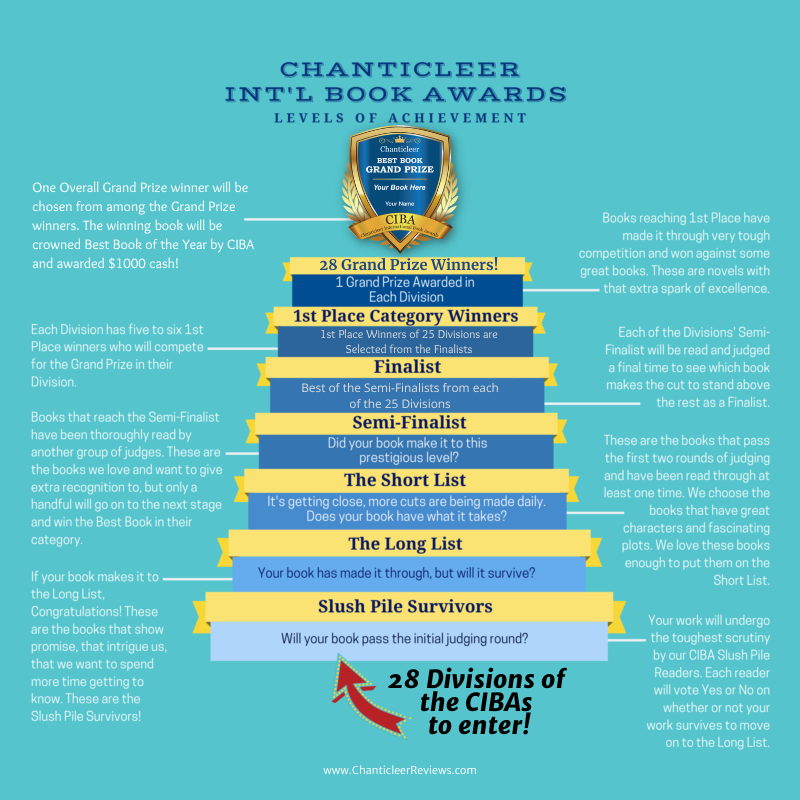
    This is the journey from beginning to end for the CIBAs! Every list you make means more promotion for you and your work as each advancement tier is posted right here on our website, on our social media, and also out in our newsletter! Your book deserves to be discovered.

    Don’t Let Your Mystery Remain Unsolved!

    Cozy Mystery Fiction Award

    The cozy mystery market is more vibrant than ever, with readers hungry for clever puzzles, charming characters, and satisfying resolutions. Whether your amateur sleuth is a retired teacher with a knack for observation, a small-town baker who stumbles upon murder, or a historical figure solving crimes in a bygone era, the M&M Awards provide the recognition and promotional platform your mystery deserves.

    Mystery fiction has the unique power to engage readers’ minds while providing the comfort of justice served and puzzles solved. Don’t let your story remain a cold case—submit to the M&M Awards today and join the ranks of celebrated mystery writers who’ve found their audience through Chanticleer!

    You know you want it…

    Submit to the M&M Awards today! 

  • THE SUMMER Of HAIGHT by George Petersen – Surreal Fiction, 1960s, Literary Fiction


    In The Summer of Haight, George Petersen opens a doorway into the hallucinatory dreamscape of 1967 San Francisco, where the counterculture’s bright ideals are shadowed by something far more sinister.

    Forget the peace signs and flower crowns. This isn’t a nostalgic romp through Haight-Ashbury. It’s a slow-burning gothic mystery where the air smells of something rotting just beneath the incense, and reality unravels one eerie page at a time.

    The Summer of Haight centers on Longfellow, a straight-laced, impeccably dressed British lawyer living in San Francisco. He’s logical, loyal, and just rigid enough to feel like he’s constantly one step out of place in the groovy chaos of 1960s counterculture. His best friend, the brilliant and eccentric scientist Dr. Jonathan St. Amour, seems to be riding high—hosting elite parties, building a private laboratory under his Victorian mansion, and showing off his mysterious new pet cat, Zelda, who wears a custom-cut diamond in the shape of a cat’s eye.

    Things start to tilt sideways when Jonathan suddenly asks Longfellow to draft a new will—one that leaves everything to a man named Dr. Asmodeus Youngblood.

    This ‘Youngblood’ is nobody Longfellow has ever met, and Jonathan refuses to introduce them. In fact, he makes Longfellow promise not to investigate him. Naturally, this only makes Longfellow more suspicious.

    What follows is a descent into something much stranger than legal drama. Youngblood isn’t just a mystery; he’s a walking contradiction, a man who looks like a flamboyant hippie but moves with something menacing in his step. He sleeps during the day, unnerves everyone in the house, and seems to have an unnatural hold over Jonathan. Even Zelda is terrified of him.

    As Longfellow breaks his promise and trails Youngblood through the fog-choked streets of the Haight, the novel morphs into a fever dream.

    There are LSD-drenched parties, glowing body paint, hallucinatory visions, and ominous signs that Youngblood may not be entirely human. The scenes at the Fillmore Auditorium—strobe-lit nudity and shadowy faceless figures—feel like a cross between Eyes Wide Shut and a haunted lava lamp. At one point, the atmosphere turns almost otherworldly: “Wide-eyed and anxious, I climbed the stairs to the auditorium, a red apple in one hand, a bright yellow balloon in the other… Janis Joplin belted out ‘Summertime’ on stage… tie-dye backdrops bathed in luminous liquid colors… A puppeteer hung a life-size marionette from the balcony so it could dance with the flower girls on the floor below…”

    Despite the surrealism, The Summer of Haight is also about aging, longing, and identity.

    Jonathan’s longing to be young again, to break free from the restrictions of respectability and embrace something primordial, is familiar but also terrifying. Readers will find the story clearly depicts how simple it is to lose oneself while pursuing the illusion of independence.

    The prose is moody, poetic, and at times playfully gothic.

    There’s fog, firelight, hidden blades, secret cellars, and symbolic snakes. But the pace is deliberate; it doesn’t sprint. Rather, it creates a dense atmosphere that allows the reader to feel the dread.

    If you like stories where a seemingly rational world starts to fray at the edges—where one must question not only the nature of the villain but that of reality itself—then The Summer of Haight by George Petersen might be your kind of delirium. It’s haunting, heady, and more than a little hypnotic.


  • Don’t let your Books Slip into the Shadows! Speculative Fiction Deadline Looms!

    Time is Running Out for your Book to be Discovered!

    Three great speculative fiction divisions close at the end of June!

    Your book shouldn’t stay hidden!

    Blue button that says Enter a Writing Contest

    Enter the CIBAs today!

    Only 10 days left to submit your books to the prestigious CIBAs and embark on an extraordinary journey to success. With over $30,000 in prizes awarded annually, now is the time to make your mark!

    We’re looking for the best of the best for Speculative Fiction! Chanticleer started with a mandate to offer a platform specifically to indie authors and presses, and now every year we receive every type of work, from brilliant manuscripts to Big Five publications. Does your book have what it takes?

    The Shelley Awards for Paranormal Fiction, Ozma Awards for Fantasy Fiction and the Cygnus Awards for Science Fiction are still open!

    Best Book Grand Prize for the Chanticleer Int'l Book Awards

    We are proud to recognize ALL of these 2024 CIBA Winners in Speculative Fiction Divisions!

    Cygnus Award Winners!

    • Timothy S. Johnston – A Blanket of Steel
    • Peter Dingus – Deep Time
    • A. R. Black – No Man’s Land
    • Thomas R. Weaver – Artificial Wisdom
    • Shami Stovall – The Half-Life Empire

    Ozma Award Winners!

    • Curt Locklear – Treasure and Murder In Ireland
    • Glen Dahlgren – The Realm of Gods
    • Susan Wands – High Priestess and Empress, Book Two, Arcana Oracle Series
    • Prue Batten – The Red Thread
    • S.G. Blaise – Meddling Mages
    • J.A. Nielsen – The Claiming

    Shelley Award Winners!

    • Evette Davis – The Gift
    • Alexander Fernandez – Above the Ashes
    • Keith Steinbaum – In Lieu of Flowers
    • Tim Facciola – Ghosts of Rheynia
    • AA DaSilva – Periphery
    • Rhett C. Bruno and Jaime Castle – Vein Pursuits 

    And the 2024 Grand Prize Champions of Speculative Fiction

    Congratulations once more to these powerhouse authors!

    From left to right we have The Cygnus Grand Prize Winner Ares, the Ozma Grand Prize Winner Circle of Stars, and the Shelley Grand Prize Winner Time-Marked Warlock

    A Gold Ribbon dividing this section from the next

    More than just recognition

    The CIBAs are your portal to discoverability in a world with millions of books published annually. Whether your book makes it to the first lists or all the way to the coveted Blue Ribbon, the CIBAs signal to readers, booksellers, and industry professionals that you’re serious about your craft.

    Join the ranks of celebrated authors who’ve taken this critical step.

    Your book deserves to be discovered, celebrated, and shared with the world. Don’t miss the chance to showcase your talent and gain valuable recognition at the Chanticleer Authors Conference (April 2026) where Winners from all 28 Book Award Divisions will be announced and honored.

    Your story deserves to be heard.

    Submit now and leave a lasting impression.

    The Cygnus Awards for Science Fiction

    The Ozma Awards for Fantasy Fiction

    The Shelley Awards for Paranormal Fiction

  • The 2025 Clue Hall of Fame for the Best in Thriller/Suspense

    Who’s at the door at this late hour?

    Clue Awards for Suspense Thriller Novels

    It’s the Clue Awards closing at the end of July!

    The Clue Awards features the best suspense and thriller books, including both fiction and true crime! We are delighted to feature these amazing authors from the last five years of Clue Grand Prize Awards!

    Here is the official Hall of Fame for the Grand Prize Winners of the Clue Awards!

    Enemies Domestic Cover by John DeDakis

    Enemies Domestic
    By John DeDakis

    The review for the 2024 Grand Prize Winner is forthcoming, in the meantime here is what some Goodreads readers have been saying-

    A fantastic thriller which will keep you locked in. The story picks up exactly where Fake left off and is another super satisfying ride on the Lark Chadwick roller coaster.
    And it was scarily realistic. We live in a time of societal dilemmas, a few of which are explored in Lark’s personal life.
    The book both entertains and shares multiple angles of some tough discussions.” -Matthew

    If you haven’t read the other books in the series, don’t sweat it. ENEMIES DOMESTIC reads like a standalone thriller. The plot is frighteningly realistic, loaded with suspense and intrigue, and cleverly crafted. I was on edge until the very end.” -Lori

    Suspend your disbelief and you’ll race through John Dedakis’ sixth novel featuring Lark Chadwick, a reporter who’s tapped to be the president’s press secretary. Trouble begins when a rightwing journalist falsely reports she is planning an abortion. When she fails to arrive at the White House two days later, the search for her begins followed by a hunt for her captors. And that’s only in the opening chapters of this gripping thriller.” -Barry

    You can find the book here!

    The Other Murder Cover

    The Other Murder
    by Kevin G. Chapman

    In The Other Murder by Kevin G. Chapman, two ambitious journalists find themselves at the knife’s edge as they seek to uncover the entire truth of a gruesome double homicide.

    “An error does not become truth because of multiplied propaganda, nor does truth become error because nobody sees it.” –Mahatma Gandhi

    Hannah, a journalist with the American Cable News network, is pulled away from a date by her editor to cover the breaking news of a shooting in Washington Square Park. The victim is Angelica Monroe, a White girl from Westchester County and a sophomore at NYU. She was shot at a close range, as shown by the dark hole above her left eye.

    The murder becomes much more mysterious and complicated when Paulo, a reporter for a small community newspaper, makes a connection between Angelica’s murder and the shooting of a Latino teen, Javier Estrada, on the other side of the park on the same night.

    Read More Here

    The Vines
    By Shelley Nolden

    Shelley Nolden’s debut novel, The Vines, embraces multiple genres as it chills, fascinates, and horrifies, from historical and magical realism to fantasy and horror.

    Nolden has melded fanaticism, medical anomalies, and the frailties of human behavior together with a historic setting, creating a narrative Kudzu vine that grows rapidly and spares nothing in its path. This particular vine consists of two main branches that intertwine, bridging time and linking parallel realities, one past, one present.

    The Gettler men of Long Island, New York have shepherded a secret medical research project for generations, with the exception of Finn, the youngest man in the family.

    Read More Here


    A Venomous Love
    By Chris Karlsen

    Detective Rudyard Bloodstone is facing the most bizarre crime spree of his career as a copper on the Victorian streets of London. Someone is using a poisonous Cape cobra as a weapon.

    What begins as a simple robbery scheme turns deadly when a wealthy businessman is killed via cobra attack, the crimes go from strange to deadly. Rudyard (Ruddy) and his partner, Archie Holcomb, have few clues and no idea what would cause such a change in the criminal’s behavior.

    When the criminal returns to the estate and attacks the victim’s daughter, Ruddy’s suspicions are confirmed.

    Read More Here


    Salvaging Truth
    By Joanne Jaytanie

    Famed marine biologist and researcher Claudia Rawlings is presumed dead. When Claudia’s research vessel goes down, her daughter Riley goes on a desperate search to discover what happened, eventually turning to Dagger Eastin, co-owner of Hunters and Seekers a marine salvage business. Dagger soon realize this isn’t a simple search and reclaim mission when someone takes a shot at him during an exploratory dive with Riley.

    Former Navy SEALs, Dagger, and his partners Kaleb LaSalle and Stone Garrison are the definitions of relentless, and they quickly become embroiled in the investigation that has caught the attention of some very influential people, all seeking Claudia’s important research. And while Riley learns that her mother has left behind clues to her missing research, the Hunters and Seekers pull out all the stops to help and protect her. The wild scavenger hunt sends Dagger and Riley on a trip to discover the truth, but Russian spies, big oil cronies, and psychopathic hitmen lurk around every corner.

    Read More Here


    These Authors Cracked the Code

    From political conspiracies to medical mysteries, these Hall of Fame winners prove that exceptional crime fiction comes from authors who understand that the best thrillers don’t just entertain—they reveal uncomfortable truths about power, justice, and human nature.

    Each of these celebrated authors shares one crucial element: they didn’t let their stories remain unsolved mysteries buried in obscurity. They submitted to the Clue Awards and transformed their manuscripts from hidden evidence into compelling cases that readers can’t put down.

    The Case for Your Crime Fiction


    Your thriller deserves more than digital silence.

    In today’s saturated market, even the most gripping crime stories can disappear without a trace. These Hall of Fame winners broke through the noise because they understood that exceptional writing needs strategic promotion and credible recognition.

    This could be your story next year.

    The Clue Awards don’t just crown winners—we build careers through comprehensive promotion at every advancement tier. From Long List to Grand Prize Winner, we’re actively working to connect your crime fiction with readers who are hungry for exactly the kind of story you’ve crafted.

    Time Is Running Out!

    Thriller Suspense Fiction Award

    Deadline: July 30, 2025

    Don’t let another case go cold—Submit to the Clue Awards today!

    Those who submit and advance will have the chance to win the Overall Grand Prize of the CIBAs and $1000!