
The I & I Book Awards recognize emerging new talent and outstanding works in non-fiction that are self-help, how-to, guides, or instructional. In non-fiction works, the author assumes responsibility (in good faith) for the truth, accuracy, people, places, or information presented. The I & I Book Awards is a division of the Chanticleer International Book Awards (The CIBAs).
These titles have moved forward from the 2018 I & I Book Awards SHORT LIST to the SEMI-FINALIST positions. These entries are now in competition for the limited 2018 I & I First Place Category Positions. The First Place Positions along with I & I Grand Prize Award Winner will be announced at the Awards Gala on Saturday, April 27th, 2019.
Congratulations to the I & I Book Awards for Instruction and Insight Non-Fiction 2018 Semi-Finalists
Donna LeClair – Inch by Inch
Jennie Lee – Breathing Love: Meditation in Action
Samantha Bowick – Living with Endometriosis: The Complete Guide to Risk Factors, Symptoms, and Treatment Options
Rajeev Kurapati – Physician: How Science Transformed the Art of Medicine
Gary W. Driver – God Answers Science
R. Scott Decker – Recounting the Anthrax Attacks – Terror, the Amerithrax Task Force, and the Evolution of Forensics in the FBI
Gustavo J. Gomez, Ph.D. – HAIR LOSS: Options for Restoration & Reversal
Amy Stross –The Suburban Micro-Farm: Modern Solutions for Busy People
Cassandra Overby – Explore Europe on Foot
Barb Drozdowich – How to Self-Publish a Book: For the Technology Challenged Author
Rachel Thompson – The BadRedhead Media 30-Day Book Marketing Challenge
Kathleen Kaska – Do You Have a Catharsis Handy? Five-Minute Writing Tips
Julie Jason – Retire Securely: Insights on Money Management from an Award-Winning Financial Columnist
Reanne Hemingway-Douglass – Baidarka Diaries: Voyages and Explorations: British Columbia and Alaska, 1992 – 2003
Sheree K. Nielsen – Ocean Rhythms, Kindred Spirits
Lou McKee – Klee Wyck Journal
These Semi-Finalists titles are in the running for the 2018 I & I Book Awards First Place Category Positions and the I & I Grand Prize Book Award for the Instruction and Insight Non-fiction Books. Good Luck to All in the final rounds.
The Instruction and Insight Book Awards Grand Prize Winner and the Five First Place Category Position award winners will be announced at theApril 27th, 2019 Chanticleer Book Awards Annual Awards Gala,which takes place at the Chanticleer Authors Conference that will be held in Bellingham, Wash.
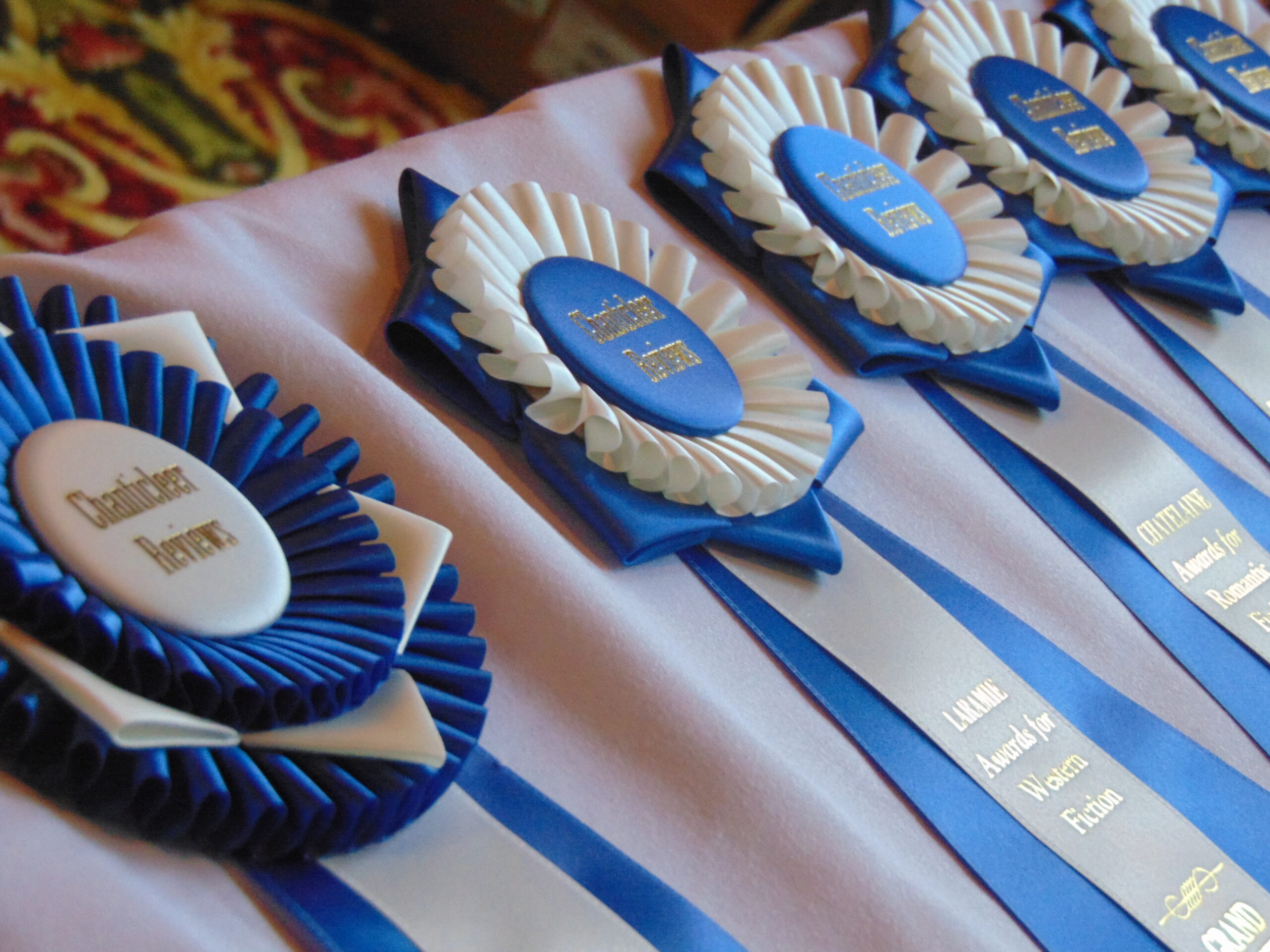
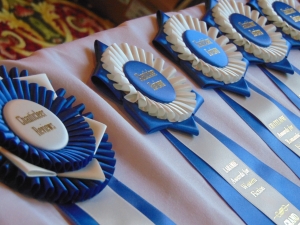
Grand Prize Ribbons!
Chanticleer International Book Awards is seeking the best books that provide guidance, insight, instruction, advice, or techniques, for the I & I Book Awards division of the CIBAs.
We are now accepting submissions into the 2019 I & I Awards writing competition. The deadline for submissions is April 30th, 2019. Please visit chantireviews.com/contests for more information.
As always, please do not hesitate to contact us with any questions, concerns, or suggestions at Info@ChantiReviews.com.
A Valentine to Mark Twain, a beloved American Author
“Both marriage and death ought to be welcome: the one promises happiness, doubtless the other assures it.”
– Samuel Clemens aka Mark Twain
Editor’s Note: Samuel Clemons writing as Mark Twain is a beloved author to Fairhaven, a village in Bellingham, Wash. where Chanticleer Reviews’ home office is located and where the company was founded. On August, 14, 1895, Mark Twain spoke to a full house at the Lighthouse Hall (700 seats) and received a standing ovation. Admission was seventy-five cents and one dollar for the best seats. This was the last stop in his United States tour. He arrived from presenting in Seattle on August 13, 1895. His next stop was Vancouver, British Columbia before heading out west across the Pacific Ocean for a world tour.
February 14th is really one of the strangest holidays we celebrate with its origins in the early Church, mired with martyrs. No one really knows for sure if there was one Valentini or two, or perhaps an entire herd of them, but, it is believed that Saint Valentine lost his head over converting people to the Christian faith. The head in question now resides in “…glass reliquary in a small basilica in Rome, surrounded by flowers.” [Atlas Obscura]
Editor's Note: Did we mention that Sharon Anderson, the author of this article, writes horror...
For us, February 14th is the day we all wear our hearts on our sleeves (literally), write little notes professing our love to one another, exchange candied hearts (Necco hearts may not be on the shelf this year because the company that purchased the popular brand said they, “Didn’t have time…” ), buy long-stemmed red roses for those we love (One site claims that in 2010, over 110 million long-stemmed roses were sold! That’s a lotta roses!), and chocolates… let’s not forget about the chocolates!
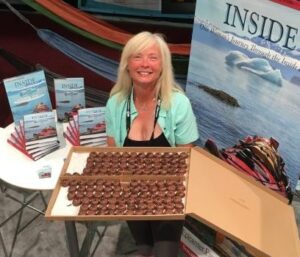
Susan Marie Conrad offering CHOCOLATES at her book signing, The INSIDE PASSAGE.
Whichever way you celebrate February 14th, we’ve got some fabulous reads lined up for you that are just
too sweet to pass up!
A Valentine of Great Reads for YOU from Chanticleer!
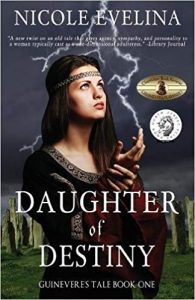
Daughter of Destiny: Guineviere’s Tale, Book 1 by Nicole Evelina is rich in historical detail and fantastical landscapes. This novel takes a brilliant twist on the historical perception of Queen Guinevere: she has magical powers, but will her gift be enough to save her people?
Nicole Evalina not only won the 2015 Chatelaine Grand Prize for this novel and took home the Overall Grand Prize!
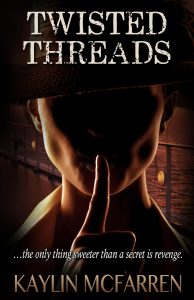
Twisted Threads by Kaylin McFarrenis a fast-paced romantic thriller complete with secret assassins, notorious secrets, steamy passion nights abound on this luxury Caribbean cruise – in other words, exhilarating! This is the fourth book in the Threads Romantic Thriller series and won Grand Prize in the 2017 CIBA CLUE Awards.
Find Me Again by Janet Shawgois a mystery, a conspiracy theory, and an amazing love story that crosses generations—all combined into one amazing read. Although there are two more novels in the series, each book stands alone. Wait For Me. WWII Women Look For Me. Civil War Historical Fiction
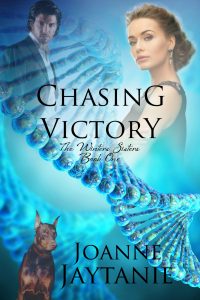
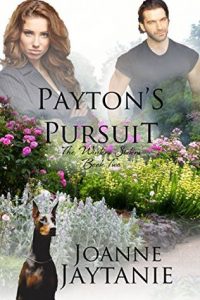
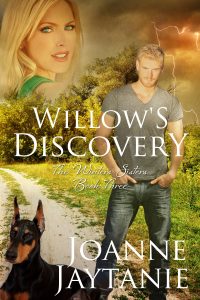
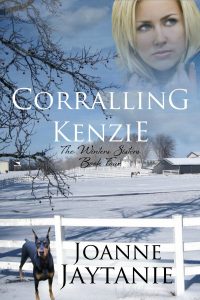
The Winters Sisters Series by Joanne Jaytanie contain elements of genetic engineering, strong women and the men who love them and nods to the author’s beloved dogs. These are hot romantic thrillers!
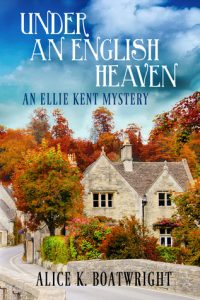
Under an English Heaven by Alice Boatwrighthas twists and turns aplenty that will make any cozy fan enjoy this easy read, and enough descriptions of the bucolic village landscape and teas to make anyone who loves all things British happy. A second Ellie Kent Mystery is promised sometime this year.
Building Mr. Darcy by Ashlinn Cravenis a fun, fast-paced cozy reveals what happens when the witty and charming Mr. Darcy springs to life as an A.I. But, is he more than his two developers can handle?
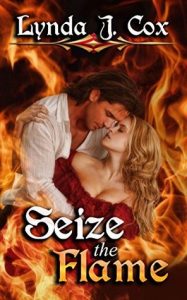
Seize the Flame by Lynda J Coxis a romantic Western celebrating second chances and proving that lightning not only strikes twice – but sometimes in the exact same spot.
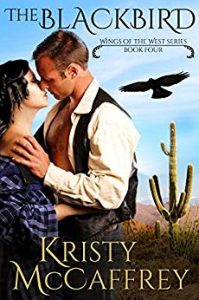
The Blackbird by Kristy McCaffrey is a steamy, intelligent historical fiction set in the Arizona desert where the harsh environment matches the characters who populate it. This is the fourth book in McCaffrey’s Winds of the West series.
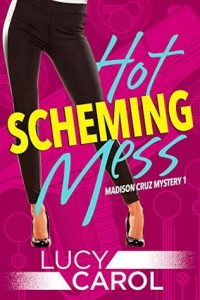
Hot Scheming Mess by Lucy Carolis a hilarious, fast-paced sexy cozy mystery with a believable lead and a gripping plot. Sassy, smart, and FUNNY!
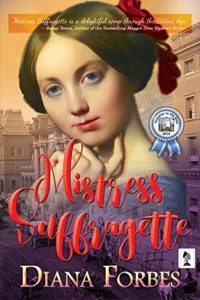
Mistress Suffragette by Diana Forbes is an engaging, stimulating, and action-packed novel that examines the facts of life, the challenges of social restrictions, and the woes of youthful love through the eyes of a sharp-minded, sharp-shooting young woman.
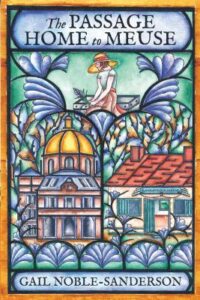
The Passage Home to Meuse by Gail Noble Sandersonis an epic journey back to the post-war world of the 1920s where Noble Sanderson’s characters explore whether love can indeed conquer all.
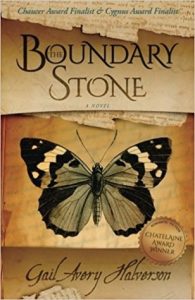
The Boundary Stone by Gail Avery Halverson – This story is set against the backdrop of the black plague, one woman of note risks everything to follow her calling and find her true love…
“Dialogue is Action. Action is Dialogue. ” – Robert Dugoni, Amazon Bestselling Author
Make sure that yours sizzles!
Dialogue electrifies and ignites fiction. It brings characters and conflicts into focus, especially when characters argue, coerce, and threaten. Here are a few reminders about how to keep dialogue sizzling:
Skip the throat clearing, greetings, and pleasantries.
Don’t warm up; jump right in.
Ditch the names.
Write dialogue that creates consequences.
If there are no consequences, question why you’re including it.
Justify every repetition.
Dialogue Reveals Characterization
Dialogue reveals the inner person. Distinguish your characters from each other by nailing their primary personality traits and bearing before you sketch the scene. Distinguished, serious type? Witty? Argumentative? Shy? Eccentric? Commanding presence? Their word choices will reflect this.
Dialogue reveals the characters’ emotions, even when characters try to hide them. Know where they stand on the topic before, during and after the exchange. Some examples: defensive, guarded, nervous, furious, torn.
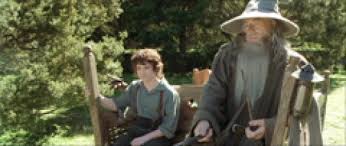
LOTR setting the relationship between Gandalf and Frodo.
Subtext
Speaking of topics up for discussion, don’t be afraid to allow the convo to shift directions or uncover hidden motives–the realreason they’re talking.
Dialogue works best if at least one character is uncomfortable, off-balance, guarded, or unsure.
Subtext is part of dialogue. A particularly powerful subtext trick is for a character to hedge, avoid answering, try to change the subject.
Typically dialogue is adversarial; it’s about characters vying for power, dominance, or control. Give at least one character an agenda.
If you’re not using dialogue to reveal the truth of relationships, you might want to analyze writers who do.
Dialogue zings when characters are sayingnoto each other.
Know the dynamic that exists between the characters.
Sometimes just nailing the essence or context of an exchange makes it easier to write. Ask yourself what lies beneath the scene. A refusal? Subterfuge? Prying or demanding answers? Explaining a situation? Asking for something that’s hard to ask for? Is this a power play?
As in real life sometimes characters interrupt.
Take Care with Beats
Take care with beats–the small inclusions of gestures, actions, reactions. Too many eye rolls, gazing off in the distance, gazing into each other’s eyes, fighting back tears and the like, can annoy the reader. You want readers to imagine many of these reactions.
Be Aware of the “White Room” Syndrome
Add small actions or activities for a natural flow–fixing dinner, washing dishes, walking, shopping, getting dressed. In my editing gig, I’ve seen too many characters sitting across from each other staring unblinkingly into each other’s eyes far too often. It’s not the way most of us talk most of the time.
Know When to Break “The Rules”
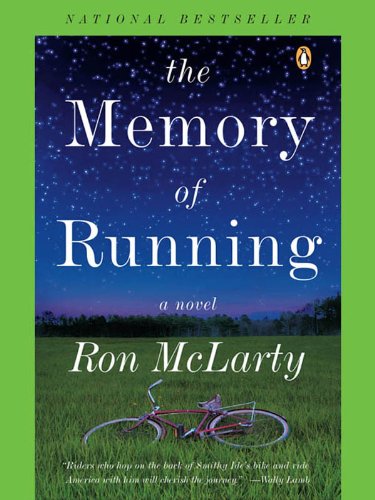
Don’t be afraid to include weird or inappropriate dialogue if it makes sense for the overall plot. Ron McLarty’sThe Memory of Runningis one of my favorite novels. It’s essentially the story of a family who is forced to cope with a daughter and sister’s mental illness–schizophrenia. It’s a sad, hilarious, and poignant story with one of the best character arcs around for Smithy Ide the protagonist. The absurdity of Smithy’s uncle’s comments and jokes help balance out the bleakness and unpredictability of Bethany’s illness. Uncle Count is the kind of guy who always has a dirty, racist, or offensive joke no matter the occasion and is clueless about how inappropriate he is, how unwelcome his jokes are. He usually starts with, “Have you heard the one about the two priests who walked into a bar?”
If you’re staging an argument it needs to escalate. Words need to land like blows. – Jessica Morrell
The BASICS
Avoid lengthy answers, exchanges to keep the pace perking along. The whole conversation can go on for several pages, but keep each of your characters’ back-and-forths to 3 sentences (or so) or under.
Keep tags simple. Theshe said,he saidparts of fiction should appear invisible or natural.
Say no to chortles, rejoinders, retorts, and demands. Allow the dialogue to inform the reader about the speaker’s tone.
I’m going to be adding examples of effective dialogue here, so stop back.
In case you haven’t read this beautiful book, The Memory of Running. I cannot recommend it enough. And yes, I realize I’ve recommended it before.
Editor’s Note: The Memory of Running by Ron McLarty was first published as an Indie by the author because it was rejected repeatedly by agents and publishing houses. It went on to get picked up by Penguin and became a national bestseller.
Writer’s Toolbox
POTENT DIALOGUE TIPS by Jessica Morrell – a Chanticleer Writer’s Toolbox Series post
Jessica Page Morrell
Jessica Morrellis a top-tier developmental editor and a contributor to Writer’s Digest magazine, and she teaches Master Writing Craft Classes at the Chanticleer Authors Conference that is held annually along with teaching at Chanticleer writing workshops.
Keep writing, Keep dreaming, Have heart. – Jessica
Jessica understands both sides of the editorial desk–as a highly-sought after content development editor and an author. Her work also appears in multiple anthologies and The Writer and Writer’s Digest magazines. She is known for explaining the hows and whys of what makes for excellent writing and for sharing very clear examples that examines the technical aspects of writing that emphases layering and subtext. Her books on writing craft are considered “a must have” for any serious writer’s toolkit. For links for her writing craft books, please click on here.
Chanticleer Reviews andOnWord Talkswill interview Jessica for more of her writing tips and advice. Stay tuned! ~ Chanticleer (who hails from Chaucer’sCanterbury Tales).
The SOMERSET Book Awards recognize emerging talent and outstanding works in the genre of Literary, Contemporary, & Satirical Fiction. The Somerset Book Awards is a genre division of the Chanticleer International Book Awards (The #CIBAs).
Chanticleer International Book Awards is looking for the best books featuring contemporary stories, literary themes, adventure, satire, humor, magic realism or women and family themes. This division of the CIBAs is the SOMERSET Book Awards. We will put them to the test and choose the best among them.
The following titles and their authors have progressed from the ShortList to the Somerset Book Awards Semi-Finalists positions.

Please click on this link to access the digital badges and for information about Semi-Finalists book stickers.
Congratulations to the Somerset Book Awards 2018 Semi-Finalists:
Nanette Littlestone –Bella Toscana
R. J. Hershberger –Kicked by a Sparrow
J.P. Kenna –Allurement Westward
Debu Majumdar –Night Jasmine Tree
Chief John J. Mandeville –Bar Tales
V. & D. POVALL – Jackal in the Mirror
V. & D. POVALL –Secrets of Innocence
Petra March – A Different Kind of Lovely
Patrick M. Garry – In the Shadow of War
Tim Gingras – RVN
Barbara Stark-Nemon – Hard Cider- a novel
Joe English – A Place Called Schugara
Donna LeClair – Inch By Inch
Patricia Sands – Drawing Lessons
Edythe Anstey Hanen – Nine Birds Singing
Michelle Rene – Maud’s Circus
Ellen Notbohm – The River by Starlight
Bob Holt – Cowboy
June N. Foster – The Girl and the Golden Leaf
PJ Devlin – Wishes, Sins, and the Wissahickon Creek
Beth Burgmeyer – Silent Echo
Megan A. Clancy –The Burden of a Daughter
Conon Parks –Some Kind of Ending
Lenore Rowntree – Cluck
Tikiri –Disowned
Yorker Keith – Awakening of the Summer
Linda Watkins – Summer Girl, A Novel
John Hansen – Unfortunate Words
Diane B. Saxton – Peregrine Island
Susan St. John – Mad Mischief, A Novel
Claire Fullerton – Mourning Dove
Information about the #CIBAs Long Lists and Short Lists and Announcement Rounds.
These titles have moved forward in the judging rounds from SLUSH pile to the 2018 Long List (aka the Slush Pile Survivors) to the Shortlist. We incorporate the Long List when the judges request an additional round of judging to accommodate the number and/or quality of entries received. These entries have progressed from the Shortlist to the 2018 SOMERSET SemiFinalist positions.
These Semi-Finalists positions will compete for the coveted First Place Category Winners of the 2018 SOMERSET Book Awards.

Grand Prize Ribbons!
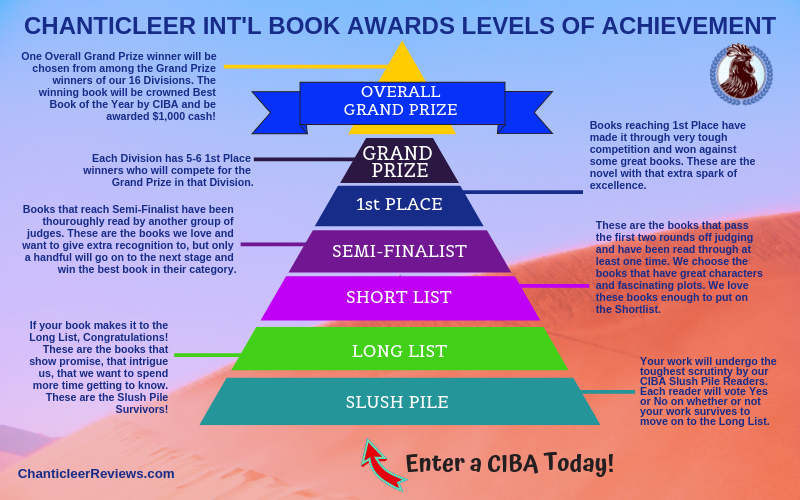
The First Place Category winners will automatically be entered into the SOMERSET GRAND PRIZE AWARD competition. The 16 CBR Grand Prize Genre Winners will compete for the CBR Overall Grand Prize for Best Book and its $1,000 purse. First Place Category and Grand Prize Awards will be announced and recognized at the Chanticleer Awards Banquet and Ceremony on Saturday, April 27th, 2019, Bellingham, Washington during the annual Chanticleer Authors Conference.
For more information about the submitting to the 2019 Somerset Book Awards or the other 15 divisions of Chanticleer International Book Awards, please click here.
Tuesday, February 5, 2019, is the Lunar New Year that
Celebrates the Year of the Pig!
The Year of the Pig is believed to be a time of simple pleasures and new friendships while older friendships will flourish. The Year of the Pig is a good year for contemplation and introspection and then to use these experiences to discover and explore new areas of our lives.
The Chinese New Year Festival is celebrated from February 5th (New Moon) for 15 days until February 19, 2019 (Full Moon).
Lucky Colors for the Year of the Pig are Red, Orange, Pink, along with White and Gold.
Below are Chinese Horoscope forecasts for those who live the Writing Life
Note from Kiffer Brown: Chanticleer believes that we each make our own destiny by being optimistic and positive, being kind and loving, by dreaming and inspiring, being bold and doing, by appreciating and being grateful, and by expanding our awareness of the Universe. Enjoy and have fun!
If your sign is a Pig (kind, friendly, and curious):
Focus on the networking aspect of your writing career. Working with experts will benefit your writing career. Surround yourself with authors from whom you can learn. Be physically active to spark creativity. Try writing in sunny places. To earn income, you must work hard, but your hard work will pay off with dividends and bonuses. You will find new plots and twists to add to your works. Be sure to participate in social gatherings that are associated with the publishing world and use these times to network.
If your sign is a Rat (amiable and creative):
Now is the time to make connections with top authors who may benefit your writing career in the future. Begin this with interacting with them in social media. Support and strengthen relationships with these potential allies. Work well with them, appreciate them. Do not consider them competition. Attend social events, renew your interest in local writing clubs and organizations. Connecting with nature by taking daily walks will be advantageous. Be sure to stay hydrated while you work.
If your sign is an Ox (leaders and loyal friends)
This will be a time of renewal and strength for you. Do you have a work that you would like to resurrect and continue to work on? This will be the year to do it. Try new opportunities and places to sell your books. Are there selling platforms that you have been interested in trying? This is the year to do it! There are other places to sell your work other than bookstores. While finding new venues to promote your works may be difficult, they will be rewarding. You may not be interested in joining social scenes and going to others book signings and events, but you should!
If your sign is a Tiger (passionate and have courage)
Choosing the right people for your writing groups, critique groups, and promotions will be integral to the success of your writing career this year. This is a year not to neglect family and your significant other so you can write. Try to avoid sitting for too long this year. Get out outside (with those family members or your significant other) whether it walking, bird watching, gardening, or hiking. You will find advice and support when you need it.
If your sign is a Rabbit (friendly and possessing great common sense):
Try not to make everything perfect—how many times have you re-edited that sentence? Ask for advice from more experienced authors. Don’t be too stubborn to ask for help. Being alert and willing to move forward on your work-in-progress will increase your opportunities to be successful as a writer. This will be a great year to make new friends. Try to find creative outlets (outside of writing) to relieve stress and tension in your life—perhaps painting, woodworking, music?
If your sign is a Dragon (passionate and quickwitted)
Increasing pressure and deadlines will help you have a productive year and stay on target for your goals. Don’t lose sight of them. It will be a busy year so be sure to pace yourself. Be practical and rational in your planning and decision making this year. Try to keep an even keel and try not to become easily upset or agitated. Find a hobby that you find calming and pursue it—perhaps yoga or Tai Chi? Also, good deeds and charitable actions will ensure that good fortune continues. Don’t forget to reciprocate your fellow authors with reviews and positive promotion of their works.
If your sign is a Snake (wise and almost mystical):
There will be many opportunities for you to progress in your writing career this year, but not without challenges. You may want to consider reorganizing your work area and methods. Stay on track with your work-in-progress. You may find yourself being sensitive to the remarks of your writing/ critique partners. However, you can get through conflicts with openness, honesty, and charm. Don’t let small edits or critiques frustrate you. Make sure that you get enough sleep. Be sure to take breaks throughout the day especially if you feeling exhausted.
If your sign is a Horse (independent and high-spirited):
You will work hard this year, but your efforts will not go unrewarded or unnoticed. Do not hesitate to ask for help or advice from your fellow writers, readers, and mentors. Organization and timing will create opportunities for success. Satisfaction from a job well done is what motivates you—not wealth and fame. Writer’s block can be subdued by changing the locations of where you write. You are capable of working on several works-in-progress at a time. If you remain passionate and dedicated, you are sure to achieve your writing goals. Be aware of distractions from writing partners, but remember that they are there for support, but you must not lose focus.
If your sign is a Goat (artistic and compassionate):
You are naturally hardworking and steadfast. This is the year to see your work-in-progress through—perhaps consider serializing it? But make sure that your heart is in the story. Make no mistake, you will be putting a lot of time and effort into your work, but you will be appropriately rewarded. You are known for being a quiet observer of human nature which shows in your writing. However you may find it difficult to write conflict scenes, but you can do it. You just have to raise the stakes. You tend to be hard on yourself. Try to be kind to yourself as you are to others.
If your sign is a Monkey (confident and innovative) :
This year you must be proactive in your writing. Do not wait for the muse to come to you. You must write and focus on writing whether or not you are in the mood. Your diligence will be rewarded. Just be patient and do not procrastinate and your writing career will benefit this year. You tend to be competitive in just about anything that you do. However, you view everyone as a teacher and can always learn from your mistakes and the mistakes of others. Be sure to stretch frequently as you write and make sure that schedule allows for enough sleep (because of your social demands, which you thrive on.)
If your sign is a Rooster (progressive thinkers and doers and unafraid to be different):
You are serious about your work and straightforward in your actions. It probably is unnecessary to advise focusing on your writing goals and projects or to tell you to diligently plan for your goals because you already are. However, remind yourself to be optimistic along with seeing and expecting the best of yourself and others will attract positive energy to you. Projects that allow you to express yourself creatively will bring about the most success for you emotionally and financially even though you are considered to be a logical and rational thinker. You are a perfectionist, but no matter how difficult something is, you will not give up. That being said, you would benefit from yoga and other stress reducers. Try to replace bad habits with good habits as far as diet and exercise go.
If your sign is a Dog (honest, loyal, and hardworking):
This year you will find to be cheerful and of good fortune more so than last year. It is a good time to learn or research a new topic that you want to write about. Also, a good time to pick up new skills for promoting your writing career. It is a time for fresh starts. Try to be a bit more carefree and not to worry so much. Try to have balance in your writing life and other areas. Take time to pamper yourself. You will see many opportunities coming your way. Creativity will be at a high point. You will need passion, drive, and confidence. Don’t be worried and anxious. Your past support of other writers will serve you well in your future endeavors.
Are You Wondering How to Determine Your Chinese Zodiac Sign?
Use the handy table below to find your birth year.
We hope that you enjoyed this fun blog post that is meant as a way of thinking about new perspectives.
Chanticleer believes that we each make our own destiny by being optimistic and positive, being kind and loving, by dreaming and inspiring, being bold and doing, by appreciating and being grateful, and by expanding our awareness of the Universe.
The PARANORMAL Book Awards recognize emerging talent and outstanding works in the genre of Paranormal and Supernatural Fiction. The Paranormal Book Awards is a genre division of the Chanticleer International Book Awards (The #CIBAs).
Chanticleer International Book Awards is looking for the best books featuring magic, the supernatural , weird otherworldly stories, superhumans (ex.Jessica Jones, Wonder Woman) , magical beings & supernatural entities (ex.Harry Potter), vampires & werewolves (ex. Twilight), angels & demons, fairies & mythological beings, magical systems and elements. We will put them to the test and discover the best among them for the 2019 Paranormal Book Awards!
These titles have moved forward in the judging rounds from SLUSH pile to the 2018 Long List to the SHORTLIST and have competed for the 2018 PARANORMAL Book Awards SEMIFINALISTS positions.
All Semi-Finalists will receive official notification by email and will be tagged in a Facebook Announcement and promotion—if they are following Chanticleer Reviews on Facebook. Facebook will only allow us to tag those who follow CR on FB. Click on this Semi-Finalist badge linkto the downloadable digital badge and for information about Semi-Finalists book stickers.

Congratulations to the Paranormal Book Awards Semi-Finalists!
Christine Grabowski – Dickensen Academy
Vince Bailey – Path of the Half Moon
K.A. Banks – Anthesteria
Gina Detwiler – Forsaken
Jeny Heckman – The Sea Archer
Nick Korolev – The 13th Child
Franklin Posner – Suburban Vampire Ragnarok
Linda Watkins – Storm Island: A Kate Pomeroy Mystery
Elaine Williams Crockett – Do Not Ask
London Clarke – The Meadows
Joy Ross Davis – Peaches and Lace
Joy Ross Davis – Countenance
C.A. Larmer – Do Not Go Alone(A Posthumous Mystery 2)
These titles are in the running for the First Place Category Winner positions of the 2018 Paranormal OZMA Book Awards novel competition for Supernatural and Paranormal Fiction. Good Luck to All!
Grand Prize Ribbons!
The First Place Category Winners will be announced at the Chanticleer Awards Banquet and Ceremony. The First Place Category winners will automatically be entered into the PARANORMAL GRAND PRIZE AWARD competition. The 16 CBR Grand Prize Divisions Winners will compete for the CBR Overall Grand Prize for Best Book and its $1,000 purse. First Place Category and Grand Prize Awards will be announced and recognized at the Chanticleer Awards Banquet and Ceremony on Saturday, April 27th, 2019, Bellingham, Washington.
We are now accepting submissions into the 2019 Paranormal Book Awards writing competition. The deadline for submissions is October 31st, 2019. Please click here for more information.
As always, please do not hesitate to contact us with any questions, concerns, or suggestions at Info@ChantiReviews.com.
The SOMERSET Book Awards recognize emerging talent and outstanding works in the genre of Literary, Contemporary, & Satirical Fiction. The Somerset Book Awards is a genre division of the Chanticleer International Book Awards (The #CIBAs).
Chanticleer International Book Awards is looking for the best books featuring contemporary stories, literary themes, adventure, satire, humor, magic realism or women and family themes. This division of the CIBAs is the SOMERSET Book Awards. We will put them to the test and choose the best among them.
These SHORTLISTED titles are in the running for the SEMI-FINALIST positions of the 2018 SOMERSET Book Awards novel competition for Contemporary, Literary, and Satirical Fiction.
SHORTLISTERS please click here to access the digital badge and for information about book stickers.
Congratulations to the 2018 Somerset Book Awards Shortlisted Titles and their Authors!
Nanette Littlestone –Bella Toscana
R. J. Hershberger –Kicked by a Sparrow
J.P. Kenna –Allurement Westward
Debu Majumdar –Night Jasmine Tree
Chief John J. Mandeville –Bar Tales
V. & D. POVALL – Jackal in the Mirror
V. & D. POVALL –Secrets of Innocence
Bob Holt – Cowboy
Patrick M. Garry – In the Shadow of War
Chynna Laird – Passing Loop
Tim Gingras – RVN
Barbara Stark-Nemon – Hard Cider- a novel
Joe English – A Place Called Schugara
Donna LeClair – Inch By Inch
Patricia Sands – Drawing Lessons
Edythe Anstey Hanen – Nine Birds Singing
Michelle Rene – Maud’s Circus
Ellen Notbohm – The River by Starlight
June N. Foster – The Girl and the Golden Leaf
PJ Devlin – Wishes, Sins and the Wissahickon Creek
Beth Burgmeyer – Silent Echo
Megan A. Clancy – The Burden of a Daughter
Helen Bea Kirk – Done Running
Elizabeth Crowens – Dear Bernie, I’m Glad You’re Dead
Priscilla Audette – Lost
Conon Parks – Some Kind of Ending
Lenore Rowntree – Cluck
Tikiri –Disowned
Claire Fullerton – Little Tea
Yorker Keith – Awakening of the Summer
Linda Watkins – Summer Girl, A Novel
John Hansen – Unfortunate Words
Bob Holt – Cowboy
Diane B. Saxton – Peregrine Island
Susan St. John – Mad Mischief, A Novel
Petra March – A Different Kind of Lovely: A Novel
Claire Fullerton – Mourning Dove
Markus McDowell – To and Fro Upon the Earth: A Novel
Chad Boles – Blinded Authority
Information about the #CIBAs Long Lists and Short Lists and Announcement Rounds.
These titles have moved forward in the judging rounds from SLUSH pile to the 2018 Long List (aka the Slush Pile Survivors) to the Shortlist. We incorporate the Long List when the judges request an additional round of judging to accommodate the number and/or quality of entries received. These entries are now Shortlisted and are in competition for the 2018 SOMERSET SemiFinalist positions. The Semi-Finalists positions will compete for the coveted First Place Category Winners of the 2018 SOMERSET Book Awards.
All Shortlisters and SemiFinalists will be acknowledged at CAC19.
The First Place Category winners will automatically be entered into the SOMERSET GRAND PRIZE AWARD competition. The 16 CBR Grand Prize Genre Winners will compete for the CBR Overall Grand Prize for Best Book and its $1,000 purse. First Place Category and Grand Prize Awards will be announced and recognized at the Chanticleer Awards Banquet and Ceremony on Saturday, April 27th, 2019, Bellingham, Washington.
Janet Oakley is one of those authors who seems to show up everywhere – all at once! She’s won multiple awards and rightly so. Her novels and short stories are compelling, rich, and historically precise. She is a generous author and committed to her work. She knows what it takes to succeed in this business.
Ladies and gentlemen, I give you multi-award winning author, Janet Oakley.
Chanticleer: Tell us a little about yourself: How did you startwriting?
Oakley: I was born in D.C. and grew up Pittsburgh. It was a creative house with my mother a pianist, my dad a physicist. There was no TV in the house, so we pretty much used our imaginations. My parents both loved books and read to my brothers and I every night. The original Carnegie Library in downtown Pittsburgh was my haunt.
Like many published authors, I started writing early—in second grade. My oeuvre was a series, illustrated by myself, called Funny Bunny.
In fifth grade, I wrote my first historical fiction, with questionable historical facts. In college when I majored in history, my writing became more serious as I learned to do research and write essays and articles. In my sophomore year, I got an internship at the Smithsonian Institute. I was given an office in the annex of the Library of Congress and spent a whole quarter going through early 19th century magazines and newspapers looking for images of Native Americans. I returned to D.C. my senior year to research my thesis on the Comanche Indians as Prisoners of War and after graduation, I was awarded a stipend to work in the Smithsonian’s Anthropology Archives. I worked there until I left for Hawaii the following year. This experience of doing research and writing in my early years led to writing my first novel, The Jossing Affair. I haven’t looked back.
Chanticleer: That’s quite a rich growing up there, Janet. When did you realize you that you were an author and not only a historian?
Oakley: I spent nearly ten years pitching and query Jøssing and the other novels I was developing with little success but it wasn’t until I took a writing intensive class in 1999 at UW that I found a different way to publish and expressed myself– the personal essay. Though not one of my assignments at UW, the first thing I ever had published, other than some letters to the editor at my local newspaper, was an essay in Rugby Magazine, entitled, “On Being Rugby Mom.” I had started the essay on lunch break at UW. That success led to sending in essays to the Cup of Comfort series (part of the Writer’s Digest publishing house) I had five essays published in anthologies with titles like A Cup of Comfort for Women, A Cup of Comfort for Mothers and Sons and others. In 2006, I won first place at Surrey International Writers for my essay, “Drywall in the Time of Grief.” I realized then that I could write material acceptable for publication and get edited by a great editor. (We’re still friends) Then I could say I was an author. When indie publishing came into being, I was ready to publish my novels.
Chanticleer What genre best describes your work?
Oakley: Historical fiction, for sure. I love history and those little known, often forgotten events in both local and international history. Like Hawaiians in the Pacific Northwest in the 19th century (Oakley’s novel Mist-Chi-Mas: A Novel of Captivity is a timeless and important story that addresses what life was like for Pacific Islanders in the PNW). Women climbing mountains in skirts in 1907 (Timber Rose is Oakley’s novel about the first women’s hiking club). These historical tidbits have become the background for several of my historical novels. Historical fiction, however, has many aspects to it and can fit into thrillers and mysteries. My WWII novel, The Jøssing Affair, has been called a historical thriller and for the past three years, I have been writing mysteries set in Hawaii—a place I love—with some history in them. The Jøssing Affair was awarded the Goethe Book Awards Grand Prize for Historical Fiction, a division of the Chanticleer Int’l Book Awards.
Coconut Island for one. Its historical background rests on the 1946 April Fools Day tsunami that wiped out Hilo. I got an inkling of its destruction and loss of life while teaching at Hilo Adult School—one of my students, a 4th-grade teacher, was a survivor. It wasn’t until I researched the tsunami for Coconut Island, did I learn its full impact: 96 people lost, homes and businesses destroyed. The tsunami arrived from the Aleutian Islands in under 5 hours. History has its own compelling storyline which I love to set my characters in and see how they do. Even in a mystery. I can’t seem to get history out of anything I write!
Chanticleer: So even your mysteries have a strong vein of historical running through them. Can you tell us a little more about that?
Oakley: Curiosity and family stories of homesteading in Kansas, Indian Territory and the NW in the late 1800s got me hooked on history. I grew up on stories of one great-grandfather who was a Union surgeon at the Battle of Gettysburg, another great-grandfather in the 1870s Hayden expedition to Yellowstone. My great-grandmother saw Lincoln on his way to his inauguration, then later went out to Kansas where her parents taught at Shawnee Mission. I’ve always wondered about people who lived in different times. What type of technology did they have available? How did they manage with their technology? What their lives were like without our modern conveniences. What made them succeed, be happy in life? My mom also influenced me as she loved history and love historical fiction herself.
Chanticleer: How does being an author affect your involvement in your community?
Oakley: Writing historical fiction has opened opportunities to talk about the history behind my novels. The Jøssing Affair, set in Norway during WWII, has been a popular book club choice as we have a large community of Scandinavians in the state, but I think my first published novel, Tree Soldier, has a more important impact.
Janet Oakley at Village Books with her Chanticleer Grand Prize Ribbon
I grew up listening to my mother’s stories of the Civilian Conservation Corps boys from New Jersey who showed up at Lowman, ID in 1933. Part of the New Deal was to put young men back to work in environmental projects, these young men had been lifted out of their block in Jersey City and sent West. Tree Soldiercame as a result of my need for a history paper for my Master’s in Elementary Education. I interviewed five gentlemen who had been in the CCC. I began to present talks on the CCC and in 2013 was accepted into the Washington Humanities program. For two years, I went around Washington State talking about the CCC in Washington State (1933-1941) each time before I went to a new community, I researched the camps in their area and added the findings to my talk. Then Tree Soldierwas awarded the Chanticleer Grand Prize for Best Book. A presentation in Clarkston, WA led to an invitation to have Tree Soldier be selected as an Everybody Read for the Palouse area in both Washington and Idaho. What an honor! And a learning experience on how to present and engage with readers in the libraries. Not much later, Tree Soldier was again a book read for four libraries on the Olympic Peninsula.
I think the thing I am most proud of is being behind the installation of a CCC worker statue at Glacier Washington ranger station. As an educator, for me, this statue from a national CCC program, helps visitors to the Mount Baker National Forest learn and appreciate the work of out-of-work boys from long ago. When we dedicated the statue on June 16th, a 98-year-old CCC boy from Camp Glacier came. It was so wonderful to see the attention he received. Since then a 96-year-old CCC boy has contacted me through his granddaughter. I hope to meet him soon.
Chanticleer: Good work, Janet! What are you working on now? What can we look forward to seeing next from you?
Oakley: I’m working on the sequel to The Jøssing Affair, set in Norway a year after WWII. Rewriting my Kindle World mystery novellas and publishing them as Hilo Bay Mysteries. Once the third book is complete, I plan to do a boxset both in ebook and paperback.
Chanticleer: Can’t wait to see where this book takes you. It’s important to work on your craft. What do you do to grow your author chops?
Oakley: I write every day, usually in the morning starting at 8:00 AM. I belong to several writers groups, including a critique (going for 16 years now) and I am a member of the Independent Writers Studio where I work on WIPs with a wonderful editor and other members.
Chanticleer: That seems to be more than a simple commitment – it’s a way of life! Good for you. What craft books have helped you the most?
Oakley: Better than craft books, I have been taking classes from the authors and well-writing teachers such as Donald Maas on and off for over 25 years, Diana Gabaldon, Robert Dugoni and many other fine writers and teachers. Usually at conferences.
Chanticleer: What is the most important thing a reader can do for an author?
Oakley: Write a review on Amazon. It carries more weight than any other review site. Books need reviews in this crowded publishing world.
Chanticleer: Good point. What do you do when you’re not writing? Tells us a little about your hobbies.
Oakley: For the past 35 years, I have researched and then taught hands-on history workshops to at schools children through Allied Arts and on my own and at a county museum. I wrote several social studies curriculum for Whatcom County schools and a national park. Following the publication of the curriculum for the San Juan Island National Historical Park in 1995, I began to give demonstrations on 19th-century foodways there. Soon I joined English Encampment, an annual gathering of reenactors at the national park as Miss Libby, an 1860 schoolmarm. Great fun! I also garden. Like words, the flowers and veggies need nurturing.
Chanticleer: Thank you for being with us, Janet Oakley. You are an inspiration and your passion is contagious!
Now, it’s your turn to show your support! Please find and follow Janet as she shares her writing, life, and insight into living a successful author-life.
If you would like to read Oakley’s books, here is a list of her titles can be found at Village Books, Barnes & Nobles, or by clicking on the Amazon links below:
One day when Jessica was driving during the holidays she heard a show on NPR discussing how Americans play virtual reality games. It was reported that almost 70% of our fellow citizens play every day.
We were both shocked by the number.
United States Census Bureau (great source of information) states that as of July 1, 2018 the population estimate is 327,167,434 people. So according to the NPR report, the amount of the US population that play “video games” daily would be approximately 229 million people (who are gaming and not reading, by the way).
Now back to Jessica…
The people calling into the show to join the discussion were game developers, writers, and gamers. And the term ‘immersive’ kept coming up in the conversation, as in players felt like they were living amid the game universe that they were gaming in. One could experience Mars (Doom), The Old West (Red Dead Redemption). A World War II battlefield (Call of Duty), Sword & Sorcery (Witcher), automobile racing (Forza Horizon), Ancient Nordic/ Norse Times (Hellblade: Senua’s Sacrifice), and other imaginary worlds.
Witcher
In a distracting world, your stories need to feel similarly immersive. Your story settings must be nuanced, intricate, and alive with significant details, intriguing characters, and most of all, trouble. Bad trouble. Soul-sucking problems that need solving. In fact, a large portion of games is about survival, the rawer and scarier the better.
Think about it: millions of people are spending millions of hours in other permeable realities.
Readers also want to feel as if they’re part of a world as if they’re navigating layers of complexity as they interact via viewpoint characters.
So we thought it would advantageous to do a little research about how game developers create the “immersive experience.” This article, of course, just scratches the surface, but it is a starting point.
Point of View Guidelines Apply to Video Games Also and Help to Create What is Known as “Gameplay.”
According to Altug Isigan’s classic article Three Types of Point-of-View in Video Games, there are: (Isigan goes into more detail in his post. We will have a link to it at the end of these excerpts.)
Perceptual Point of View (what our mind’s eye sees, thinks, hears, and desires equates to feeling) = First Person
“The efforts of the designer and artist (think – you the writer) in the visual constrution of this rendering must achieve that we think of this image as if it were the moment-to-moment perceptions of a perceiver. This is in particular important if the designers and artists (writers) want us to assume this perceptual construct as our own view.”
Ideological Point of View (World or Ideological View)
“The second definition of POV takes seeing rather in the metaphorical sense and implies not only a view, but a worldview.Hence the term ideological. Here, a second lense is applied to the lense that sees: thoughts, beliefs, and feelings. What we call point-of-view has gained another dimension and is no longer only the perceived sense-data… Not only are we presented a view of, but also a view on the event that is presented. It’s not only perception anymore, but also cognition; not mere sight, but vision.”
Point-of-View of Interest (when our actual interests conflict with what we believe our interests are or should be).
“In other words, we may not be aware of our actual interests, or blinded by our beliefs to a degree at which we can’t perceive them thorougly. Interest, is therefore not about perception or ideology, but rather about an awareness in regard to the consequences of events.”
“This can create interesting situations. For example a character may be aware of the negative consequences of a particular choice, but he may still chose to face that consequence due to his beliefs (ideology) as is the case in situations that involve sacrifice. Or sometimes a character may find himself in a dilemma: He may not be able to decide whether to follow his belief or his interests.”
His conclusion states, “…An interesting point to consider here is that what we usually call “the gameplay” has a lot to do with these intertwinings of different POV-types. It could be a good idea to make use of these concepts in order to refine our notion of gameplay, and also realize how close it is related to storytelling methods. I believe that an awareness of the existence of various POV-types can only improve a narrative designer’s ability to create compelling and immersive gameplay experiences.” (Altug Isigan)
The Wall – Game of Thrones from George RR Martin’s A Song of Ice and Fire
So how do you coax readers to have similar experiences?
By placing theminthe action,with a stake in shaping outcomes. By creating circumstances that require decision-making and problem-solving as characters tackle moral dilemmas and a stacked deck. By setting up difficult-to-obtain outcomes. By tossing in bad luck, screw-ups, and sometimes poor judgment. By making the outcome really matter to characters we come to understand and care about.
Hellblade: Senua’s Sacrifice
This means writers build a fictional world detail by detail, from a complex social matrix to a government and history. Harry Potter’s wizarding world is a good example as is George R. R. Martin’s The Known World from his A Song of Ice and Fire series.
Red Dead Redemption
Maybe your story world is a ravaged, lawless hellhole. Intriguing concept, but readers need to understand how the lawlessness came about. This means you’ll be establishing the ‘rules’ for your universe. And keep the pressure coming by creating a breathing, weather-plagued, climate-influenced place. Well, I guess that weather could be balmy and calm, but what’s the fun in that?
Keep writing, keep dreaming, have heart. – Jessica
Chanticleer Editorial Services Writer’s Toolbox Series
Jessica is focusing on immersive writing throughout this year, so keep checking back here for more information and writing tips and tools for your writer’s toolbox and consider registering for her Master Class at CAC19 and Summer Workshops with Chanticleer.
Jessica Morrellis a top-tier developmental editor and a contributor to Writer’s Digest magazine, and she teaches Master Writing Craft Classes at the Chanticleer Authors Conference that is held annually along with teaching at Chanticleer writing workshops.
Jessica understands both sides of the editorial desk–as a highly-sought after content development editor and an author. Her work also appears in multiple anthologies and The Writer and Writer’s Digest magazines. She is known for explaining the hows and whys of what makes for excellent writing and for sharing very clear examples that examines the technical aspects of writing that emphases layering and subtext. Her books on writing craft are considered “a must have” for any serious writer’s toolkit. For links for her writing craft books, please click on here.
Chanticleer Reviews andOnWord Talkswill interview Jessica for more of her writing tips and advice. Stay tuned! ~ Chanticleer (who hails from Chaucer’sCanterbury Tales).
Please contact Sharon or Kiffer if you would like more information about Chanticleer’s Editorial Services at KBrown@ChantiReviews.com or SAnderson@ChantiReviews.com.
Bennett R. Coles CYGNUS Grand Prize for VIRTUES of WAR
#justsaying We call ’emlike we see ’em! – Kiffer
The CYGNUS Book Awards, a division of the Chanticleer International Book Awards, is looking for the best books featuring space, time travel, life on other planets, parallel universes, alternate reality, and all the science, technology, major social or environmental changes of the future that author imaginations can dream up. Hard Science Fiction, Soft Science Fiction, Apocalyptic Fiction, Cyberpunk, Time Travel, Genetic Modification, Aliens, Super Humans, Interplanetary Travel, and Settlers on the Galactic Frontier, Dystopian, we will put them to the test and choose the best among them.
AND we have found some great reads!
More CYGNUS Book Awards Grand Prize Winners with links!
We will announce the CYGNUS First Place Category Winners and the CYGNUS Grand Prize Winner on Saturday, April 27th, 2019 at the Chanticleer International Book Awards Ceremony and Banquet that will be held at the Hotel Bellwether.