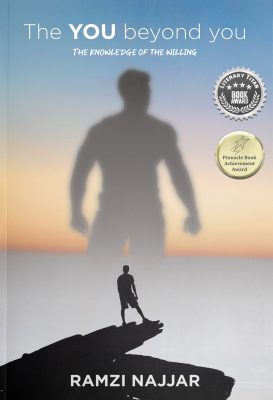
In The YOU beyond you – The knowledge of the willing, Ramzi Najjar addresses his audience with the contemplative calm of a mystic guru and the fervor of an old-time evangelist, in a how-to guide to good health, happiness, and inner peace as a personal philosophic treatise addressing the physical and spiritual quality of life in the 21st century.
In the Preface, Najjar quickly captures readers’ attention with the question, “In a chaotic world, and a life of prevalent restlessness, how can we make sense of the non-sensical [sic]?”
Who doesn’t relate to that?
In seeking an answer to that question, rather than asking the who, what, when and whys of traditional philosophy, Najjar accepts that negative and “nonsensical” life conditions are a given and asks the question how.
How can one change the negative impacts of these conditions upon one’s own being?
Najjar contends, “… you become what you perceive … and what you permit to enter your body…,” and this is the underlying premise upon which the book is based.
The author developed the rationale for his guide from personal experience, learning, observations, and understandings, along with widely accepted, common-sense information, uncited hypotheses, and research from various disciplines. In addition to ideas borrowed from areas of psychology, metaphysics, and epistemology, the author includes some concepts found in Eastern religions. The author weaves these bits and pieces together to create a new paradigm for 21st-century spiritual enlightenment.
At 137 pages, The YOU beyond you is not a long book or a difficult read.
Ramzi Najjar provides detailed explanations, relevant metaphors, and personal anecdotes to support his conclusions. Along with a preface, lengthy forward, and conclusion, he presents his ideas in six chapters: “Body Pollution; Mind Pollution; Restoring our body and mind; Getting imprinted with the correct memory; The Source and how to access it; and, Letting the right Memory run our life.”
The first three chapters are relatively short and provide a fairly comprehensive review of the benefits of common-sense behaviors and choices, and of proven healthy practices that can pave the way to personal transformation. The latter chapters dip into metaphysics and spiritualism integrated with historical and current scientific thought regarding genetic memory found in contemporary neuroscience, energy medicine, and integrative physiology. If one follows the suggestions in Najjar’s latest guide, there is no doubt the outcome will lead to motivational and spiritual growth.
The YOU beyond you may appeal to a varied audience. While at times verbose and loquacious, the intensity of Najjar’s arguments keeps the reader engaged. Many readers will relate to his friendly sometimes pedagogical, first-person voice and will find the book motivating and inspirational. All in all, The YOU beyond you is an interesting and provocative read.
The OZMA Book Awards recognize emerging talent and outstanding works in the genre of Fantasy Fiction. The OZMA Book Awards is a genre division of the Chanticleer International Book Awards (The #CIBAs).
Chanticleer International Book Awards discovers the best books featuring magic, the supernatural, imaginary worlds, fantastical creatures, legendary beasts, mythical beings, or inventions of fancy that author imaginations dream up without a basis in science as we know it. Epic Fantasy, High Fantasy, Sword and Sorcery, Dragons, Unicorns, Steampunk, Dieselpunk, Gaslight Fantasy, Urban Fantasy, or other out of this world fiction, they will be put to the test and the best selected as winners of the prestigious CIBAs.
The following fantasy fiction works have advanced from the Long List to the Shortlist of the 2020 OZMA Book Awards:
Christopher Leibig –Almost Damned
Susannah Dawn –Battle for the Armor of God
Christopher Russell –Divinity’s Twilight: Rebirth
T. Cook –Shin
Brooke Skipstone –Someone To Kiss My Scars
David Fitz-Gerald –She Sees Ghosts: The Story of a Woman Who Rescues Lost Souls
Michelle Rene –The Canyon Cathedral: The Witches of Tanglewood, Book Two
Amy Wolf –The Twelve Labors of Nick
Robert C. Feol –A Journey to Mouseling Hollow
MG Wilson and Phil Elmore –Ninja Girl Adventures
J. Nell Brown –Orphan Tree and the Vanishing Skeleton Key
Gordon Preston –Zendragon
H.J. Ramsay –Ever Alice
Alison Levy –Gatekeeper: Book One in the Daemon Collecting Series
Jeny Heckman –The Warrior’s Progeny
Sandra A. Hunter –Daughter of Earth & Fire, The Fledgling
James G. Robertson– Afterworld (Next Life, #1)
LaVerne Thompson –Wild Child
D.L. Jennings –Awaken the Three
Derrick Smythe –The Other Magic
Brian Phillips –A Necromancer’s Apprentice
K.N. Salustro –Cause of Death
KC Cowan & Sara Cole –Everfire
Jacob Andrew Emrey –Inferno Dawn
Dr. Anay Ayarovu –STAZR The World Of Z: The Dawn Of Athir
Glenn Searfoss –Cycles of Norse Mythology: Tales of the AEsir Gods
T. K. Thorne –House of Rose
Lee Hunt –Dynamicist
Shortlist stickers are available
Good Luck to all of these works as they compete for the Semi-Finalists positions!
These titles have moved forward in the judging rounds from SLUSH pile to the 2020 Long List (aka the Slush Pile Survivors) and have now advanced to the SHORTLIST. These entries are now in competition for the 2020 OZMA Semi-Finalists positions.
The coveted First Place Category Winners of the 2020 OZMA Book Awards will be selected from the Semi-Finalists in the final rounds of judging. The First Place Category Winners will be announced at the Chanticleer Awards and Ceremonies.
The ShortListers’ works will compete for the Semi-Finalists positions. Finalists will be selected from the Semi-Finalists, and then all Finalists will be recognized at the VCAC21 ceremonies. The First Place Category Winners, along with the CIBA Division Grand Prize winners, will be selected from the 22 CIBA divisions Finalists. We will announce the 1st Place Category Winners and Grand Prize Division Winners at the CIBAs Ceremonies April 21-25th, 2021 live at the luxurious Hotel Bellwether in Bellingham, Wash.
The CHAUCER Book Awards recognize emerging new talent and outstanding works in pre-1750s Historical Fiction. The CHAUCER Book Awards is a division of the Chanticleer International Book Awards (The CIBAs).
The Chaucer Book Awards competition is named for Geoffrey Chaucer the author of the legendary Canterbury Tales. The work is considered to be one of the greatest works in the English language. It was among the first non-secular books written in Middle English to be printed in 1483.
Chanticleer International Book Awards is seeking for the best books featuring Pre-1750s Historical Fiction, including pre-history, ancient history, Classical, world history (non-western culture), Dark Ages and Medieval Europe, Renaissance, Elizabethan, Tudor, 1600s, we will put them to the test and choose the best among them.
These titles have moved forward in the judging rounds from SLUSH pile to the 2020 Chaucer Book Awards LONG LIST and now have progressed to the 2020 SHORTLIST.
These titles are in the running for the Semi-Finalists positions of the 2020 CHAUCER Book Awards for pre-1750s Historical Fiction.Good luck to all as your works move on to the next rounds of judging.
James Hutson-Wiley –The Travels of ibn Thomas
Patrick E. Craig –The Mennonite Queen
Regan Walker –Summer Warrior
N.L. Holmes –Bird in a Snare
Leah Angstman –Out Front the Following Sea
Thoren Syndergaard –Ripley of Valor
Seven Jane –The Isle of Gold
Edward Rickford –The Bend of the River: Book Two in the Tenochtitlan Trilogy
Helena P. Schrader –The Emperor Strikes Back
B.L. Smith –The Fall of the Axe
Dave & Steve Curliss –To Give Thanks – Our Pilgrim Ancestors
Brook Allen –Antonius: Son of Rome
Sherry V. Ostroff –Caledonia
Amy Wolf –A Woman of the Road and Sea
Marilyn Pemberton –Song of the Nightingale: a Tale of Two Castrati
Robert Wright –The Stone Gardner’s Fire, Second Book of the Before They Awaken Trilogy
Jim Fuxa –At War with Mars
Wendy J. Dunn –Falling Pomegranate Seeds: The Duty of Daughters
Denis Olasehinde Akinmolasire –The Mission to End Slavery
Indra Zuno –Freedom Dues
Janet Wertman –The Path to Somerset
Which of these works will move forward in the judging rounds for the 2020 Chaucer Book Awards for pre-1750s Historical Fiction?
Good luck to all as your works move on to the next rounds of judging.
The ShortListers’ works will compete for the Semi-Finalists positions. Finalists will be selected from the Semi-Finalists, and then all Finalists will be recognized at the VCAC21 ceremonies. The First Place Category Winners, along with the CIBA Division Grand Prize winners, will be selected from the 22 CIBA divisions Finalists. We will announce the 1st Place Category Winners and Grand Prize Division Winners at the CIBAs Ceremonies April 21-25th, 2021 live at the luxurious Hotel Bellwether in Bellingham, Wash.
We are now accepting submissions into the 2021 CHAUCER Book Awards for pre-1750s Historical Fiction. The deadline for submissions is July 31, 2021. The 2021 winners will be announced in April 2022.
As always, please contact us at Chanticleer@ChantiReviews.com with any questions, concerns, or suggestions!
A cosmic force of evil is rising, come to consume whole worlds and plunge them into darkness. Earth is next, and the only chance for humanity to survive is a pair of young, destined heroes who have no idea what dangers lurk in their future.
Kevin Knight is a sixteen-year-old savior, the warrior foretold in an alien prophecy who will combat the Dragon. He’s also afraid of the dark and suffers the routine abuse of his stepdad. Though his mother Sara insists her son will have a bright future, Kevin refuses to believe it until the day his life is shattered. Kevin comes face to face with aliens, monsters, and a staggering truth about humanity. He must follow Robert’s teachings, an alien Changeling who reveals just as much as he keeps hidden. Oh, Kevin must also face down the very forces of Hell.
At the same time, an orphaned Changeling girl named Daren tries to find her place amongst the children who shun her and the adults in her life who have anything but her best interests at heart. As Daren grows and stumbles into the powers of her species, her desires are simple: to protect her only friend, Thomas, and find a mysterious figure whose destiny is bound to hers. But the more powerful she becomes, the more significant her trials, and the danger surrounding her surrounds the orphanage as well. Can she muster her strength fast enough to keep the powers of darkness at bay?
The characters of Tomorrow’s End are vibrant, each one driven by their own desires and philosophies. Kevin and Daren’s stories are focused on their internal struggles, with the fate of the world resting on their shoulders. Kevin must decide who to trust when he’s surrounded by mysterious people and morally dubious mentors. Daren must make do with no teachers at all. In time, both Kevin and Daren fight against bombastic, over-the-top enemies with ties to demonic power.
G.R. Morris fills this story with fantastic descriptions. The aliens and monsters are painted with inventive designs, creating visuals that are wholly unique and distinctive. The creatures, in particular, and the places they come from are visceral depictions of roiling, hellish things, all cast in darkness. The villains of Tomorrow’s End are intensely evil characters who commit graphic violence against nearly everyone around them—even innocent children, which Morris never shies away from showing.
The characters create and break illusory worlds, intricately shown in displays of light and color. These surreal mindscapes help illustrate the thoughts and desires of those meeting within them. Despite all of the otherworldly imagery in this dark science fiction, the regular lives from which Kevin and Daren originate are built with just as much care. Within the settings, expansive action scenes stretch for pages on end, mixing advanced technology with dangerous supernatural power, creating fight scenes larger than life.
Tomorrow’s End sets up its bizarre settings quickly, giving the characters space to breathe and ask questions ─ and their questions abound. This story’s world is full of mysterious societies and convoluted plans that stretch back and forth through time, involving cosmic beings, societal control, and Matrix-like technological constructs. Morris painstakingly develops the storyline, and, at times, the pacing of the novel seems to slow a bit. Things pick back up when the villains make their appearance. Morris shows the turmoil of individual characters as they understand what they should do and who they should choose to be.
Tomorrow’s End centers on a philosophy of free will and choice in every conflict. Evil and good are chosen rather than innate, and situations that appear random are always driven by earlier choices. Kevin must choose truth and have faith in his own purpose if he will have any chance to win the battle against the darkness. Daren learns that she’ll have to fight, to be defiant if she wants to keep those around her safe. And they both will have to understand that belief can change reality, that the choice to suffer could teach them the lessons they need, and that it’s not always so easy to pick light over darkness. All in all, readers will more than likely line up for Book II!
The CLUE Book Awards recognize emerging new talent and outstanding works in the genre of Suspense and Thriller Fiction. The Clue Book Awards is a division of the Chanticleer International Book Awards (The #CIBAs).
Chanticleer International Book Awards is seeking the best books featuring suspense, thrilling adventure, detective work, private eye, police procedural, and crime-solving, we will put them to the test to discover the best! (For lighter-hearted Mystery and Classic Cozy Mysteries please check out ourMystery & Mayhem Awards, and for High Stakes Suspense Novels please check out our Global Thriller Awards).
These works have advanced from the 2020 Long List to the Shortlist They will compete in the next rounds of judging for the CLUE 2020 Semi-Finalists.
Congratulations to these authors whose works have advanced to the Short List!
Chuck Morgan –Crime Denied, A Buck Taylor Novel
Toni Bird Jones –The Measure of Ella
Grahame Shannon –Bay of Devils
Mike Langan –North Country
Kari Bovee –Bones of the Redeemed
Hal Malchow –42 Million to One
Avanti Centrae –Kiss of the Cobra – An M2 Action Thriller
Kari Bovee –Folly at the Fair
Dana J. Summers –Downhill Fast
Rafael Amadeus Hines –Bishop’s Law
Ken Farmer –Three Creeks
Kevin G. Chapman –Lethal Voyage (Mike Stoneman Thriller)
J.P. Kenna –The Anarchist Girl’s Confession
Elizabeth Crowens –Dear Mom, The Killer is Among Us
Chuck Morgan –Crime Conspiracy: A Buck Taylor Novel
J. L. Oakley –The Quisling Factor
Sheila McGraw –The Knife Thrower’s Wife
Martin Roy Hill –The Fourth Rising
Chris Karlsen –A Venomous Love
Christopher Leibig –Almost Damned
Brooke Skipstone –Someone To Kiss My Scars
Brooke Skipstone –Some Laneys Died
J.J. Clarke –Dared to Run
Laura Wolfe –Top Producer
Megan Allen –The Meat Hunter
Michelle Cox –A Child Lost
Valerie J. Brooks –Revenge in 3 Parts
Corey Lynn Fayman –Ballast Point Breakdown
Kevin G. Chapman – Deadly Enterprise (Mike Stoneman Thriller)
Shanessa Gluhm –Enemies of Doves
Chris Karlsen –A Venomous Love
Chuck Morgan –Crime Denied, A Buck Taylor Novel
Suanne Schafer –Hunting the Devil
E. Alan Fleischauer –Sherlock & Tiger
Steve Bassett –Payback: Tales of Love, Hate and Revenge
Tina Sloan –Chasing Cleopatra
John DeDakis –Fake
Which of these works will move forward in the judging rounds for the 2020 CLUE Book Awards? Stay tuned!
These titles are in the running for the Semi-Finalists of the 2020 Clue Book Awards for Thriller and Suspense Novels.
The 22 divisions of the 2020 CIBAs’Grand Prize Winners and the Five First Place Category Position award winners will be announced at theApril 25th, 2021 Chanticleer International Book Awards Annual Awards Gala,which takes place at the Chanticleer Authors Conference that will be held in virtually Bellingham, Wash.
The ShortListers’ works will compete for the Semi-Finalists positions. Finalists will be selected from the Semi-Finalists, and then all Finalists will be recognized at the VCAC21 ceremonies. The First Place Category Winners, along with the CIBA Division Grand Prize winners, will be selected from the 22 CIBA divisions Finalists. We will announce the 1st Place Category Winners and Grand Prize Division Winners at the CIBAs Ceremonies April 21-25th, 2021 live at the luxurious Hotel Bellwether in Bellingham, Wash.
Appreciating International Women’s Day and looking at Women’s Fiction
The theme for 2021’s international Women’s Day is Choose to Challenge. We thought an excellent challenge to offer to our wonderful Chanticleerians would be to read more women’s fiction. To read more about International Women’s Day, click here. To jump into it though, we first want to define the genre.
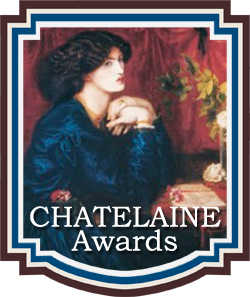
While one might the that the Chatelaine Awards would be the location of Women’s Fiction, especially with the image of Jane Morris being used when her story could be written as an excellent example of women’s fiction. If you’re interested in entering the Chatelaine Awards you can click here, and if you want to read more about our most recent Spotlight for the Awards, click here.
Jane Morris’ life is often said to be the inspiration for Eliza Doolittle in George Bernard Shaw’s My Fair Lady. Morris trained herself into being a lady, learning French and Italian while reading anything she could get her hands on. She was a renowned embroiderer, even running an embroidery company that did quite well. She was also the muse of pre-Raphaelite artist Dante Rossetti (the model for our Rossetti Awards). By the end of her life, she even managed to purchase the home she lived in so that her daughters would have an inheritance to support them after her death.
Audrey Hepburn as Eliza Doolittle
While Morris could be a great subject for a book of women’s fiction, her story is often peppered with romantic narratives, even in fictional retellings like My Fair Lady. It’s true that her husband and Rossetti all rented an apartment together, which allowed for Morris and Rossetti to have an affair while her husband was in Iceland, presumably with her husband’s knowledge as the painter and the subject were considered an open secret, though it seems a painful one for William Morris.
Surrounded by so much romance and intrigue, we couldn’t help but have Jane Morris’ portrait by her lover be the representation of the Chatelaine Awards, which leads us to the use of William Somerset Maugham as the representative of the Somerset Awards.
The Somerset Awards focuses on:
Contemporary Theme
Adventure/Suspense
Literary
Women’s Fiction + Family Themes
Satire/Allegorical
Magic Realism
Action/Adventure
Connections
Social/Psychological Themes
To read more or to enter the Somerset Awards, click here.
Of course, here we want to focus on the women’s fiction portion of that, though there is overlap. Somerset’s first novel that won him critical acclaim was Liza of Lambeth, (1897) which propelled him to become one of the highest paid authors of the turn of the century. He was inspired to write this novel while he was working as an obstetric clerk and medical student at a hospital in a working-class district of London. Somerset is known for his “shrewd understanding of human nature.Britannica
In the novel, Liza, like many women in novels of this era, has her life dictated by the men who surround her, unable to break free of the desires and expectations that surround her, ultimately leading to her death. This examination of consent and the harmfulness of denying women agency can be seen reflected in the urgency of the suffrage movement.
With his story of Liza, Somerset focuses on the hardships women face, especially concerning domestic violence and abuse. He highlights the lack of consequences men face for treating women like animals, and the ways in which people ignore clear signs of abuse as something that isn’t their problem or maybe even deserved. The novel Somerset writes is a critique of the time in which he lives, but is it women’s fiction?
Almost there…
Probably not by today’s standard.
Women’s fiction is difficult to define. Generally, we think Amy Sue Nathan did a good job in this article here, but our take is a little more personal. First, we do think that for a book to be considered in the genre of women’s fiction, it obviously has to focus on women. The next point is that the plot progresses alongside the narrator’s self, whether that be self-discovery, self-preservation, or even perhaps self-destruction (though storylines with a negative outcome can be difficult to fit into this genre).
Since Somerset’s telling of Liza’s story focuses on the ways in which she is denied agency rather than the ways in which she can focus on the self
The struggle with whether or not a book is women’s fiction resolves around the fact that the protagonist must be the one who, as Nathan says, “saves herself.”
The driving force of women’s fiction is the motivation of the main character to get herself from point A to point B to point C, learning and changing and growing and making mistakes along the way. What makes a women’s fiction main character tick is the methods by which she learns and changes and grows and makes mistakes. – Amy Sue Nathan
Even a little growth
Since the focus of women’s fiction is often growth, unhappy endings don’t always necessarily fit. Of course, endings that aren’t unhappy won’t automatically be happy, and women’s fiction often ends up with a complex ending that leaves the reader thoughtful and reflective on their own growth as they read along with the main character.
Of course a book that is considered women’s fiction can have many other themes, and could even fit into other Chanticleer International Book Awards (CIBAs) beyond the Somerset Awards. You can see the different genres in the books below:
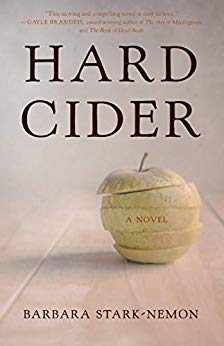
HARD CIDER by Barbara Stark-Nemon
Women’s Literature, Literary, Women’s Fiction
Grand Prize Winner in Somerset Awards (2018)
Abbie Rose Stone is a woman determined to follow her newly discovered dream of producing her own craft hard apple cider while navigating the ups and downs of family life with her grown sons and husband.
Abbie Rose knows how to deal with adversity, and dives headfirst into this new chapter of her life with energy and passion. She describes her early adulthood years of infertility struggles and the hardscrabble way she built her young family through invasive medical procedures, a surrogate attempt, and adoption barriers.
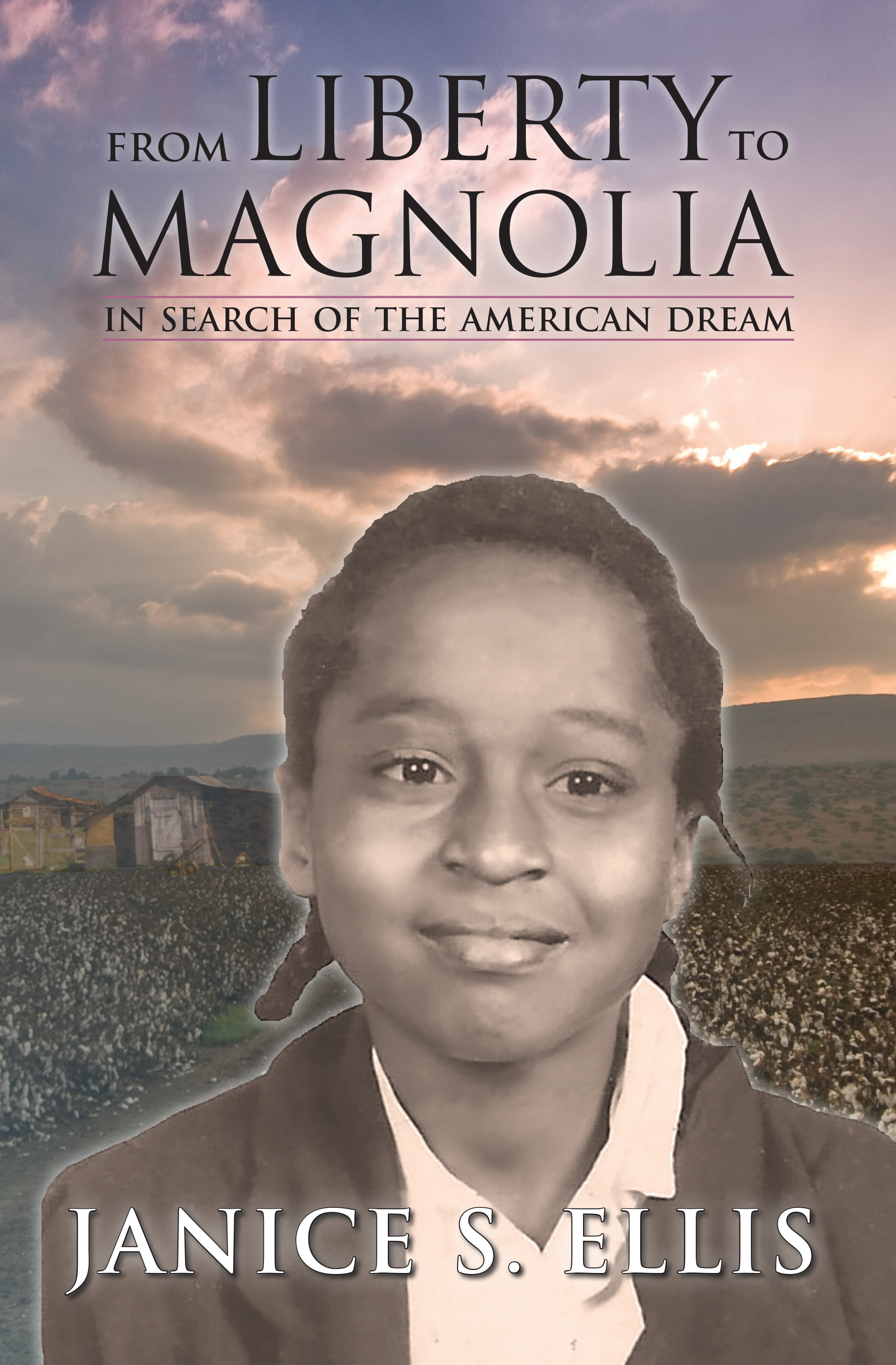
FROM LIBERTY to MAGNOLIA: In SEARCH of the AMERICAN DREAMby Janice Ellis, Ph.D.
Black History, Discrimination & Racism, Memoir, Non-Fiction
Grand Prize Winner in Journey Awards (2019)
As a black woman on a cotton farm in Mississippi in the 1960s, Janice Ellis could have resigned herself to a life full of status quo: never speaking up for herself, never speaking out against injustice or racism. Instead, she never let unsettling times define her or hold her back, even as a witness to some of the ugliest racial violence this country has seen. In her candid and thought-provoking memoir, From Liberty to Magnolia: In Search of the American Dream, Ellis vividly depicts her life in the South during the height of the Civil Rights and Women’s Rights movements.
Through fluid and skillful writing, Ellis recounts the battles she encountered due to her skin color or due to her gender: an abusive husband, discouragement to further her education, sexual and racial discrimination in the workplace, a lack of support from friends and family when she runs for election. Despite these mounting obstacles, she goes on to earn her Ph.D., lands leadership roles and furthers her career, and even runs for mayor in a major US city. Her faith in God and her unwavering belief that the American Dream should be accessible and attainable to everyone are what lead her.
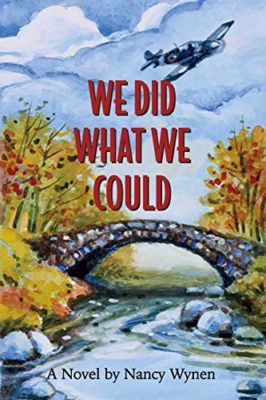
WE DID WHAT WE COULD by Nancy H. Wynen
Historical Fiction, WWII Women’s Fiction, Literary Fiction
Nancy Wynen’s We Did What We Could is a well-conceived, smart, character-driven novel set across a grand European landscape. Here a formidable trio of young women groomed for mere social status demonstrates their strength, endurance, and courage as they move beyond the walls of academia to experience careers. The three must also deal with relationships, family expectations, and life issues amidst the often devastating and upending climate of war.
Lady Archer is a widow from the Great War. As Assistant Head Mistress at St. Martin’s School, she feels girls should receive solid educations and prepare for real professions. With her high level of social ties, Archer looks for “future perfect leaders” within each new graduating class, possessing ideal traits of intelligence and creativity. In May of 1936, Archer sets her sights on three such proteges whose memorable antics foretell their potential for more significant life accomplishments.
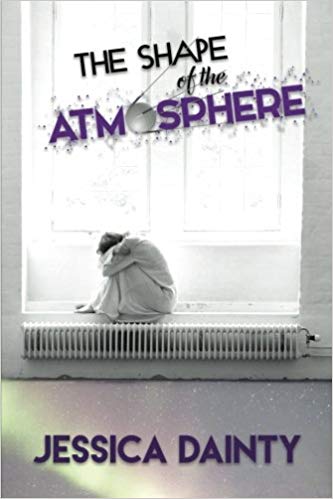
The SHAPE of the ATMOSPHEREby Jessica Dainty
Literary, Psychology, Women’s Fiction
Jessica Dainty’s, The Shape of the Atmosphere is remarkable for its startling realism, its gritty young heroine, and its hopeful conclusion.
When Gertie’s father and sister are killed in an accident on Gertie’s sixteenth birthday in 1957, she is left with one cherished memory: viewing the heavens with her father on the night of the world-changing Sputnik flight.
After the funerals, Gertie wounds herself as a way of coping with her inner anguish, after which her alcohol-addicted mother commits her to an insane asylum. Such institutions were considered modern and scientifically advanced for their time, but as author Jessica Dainty frankly depicts, Gertie’s new home is a combination prison and torture chamber. The naïve but intelligent girl soon becomes acquainted with such therapies as immersion in icy cold water and electroshock (both designed to calm the inmates), as she gradually gets to know her fellow patients, the women on Ward 2.
DISOWNED – The RED-HEELED REBELSSeries Novel One by Tikiri
Women’s Adventure, Thriller/Suspense, International Crime
Spanning three continents and taking on crucial issues of child marriage and human trafficking, Disowned features a brave teen heroine struggling against international criminality with nothing but her wits and grit.
Asha, born in Tanzania, is still a child when her parents are tragically killed while on a family safari in Kenya. Within a short period of time she is transported to Goa, India, to live with relatives she has never met. Her grandmother is an angry, culture-bound crone, her aunt and cousin living, as Asha now must, under the old woman’s seemingly heartless sway.
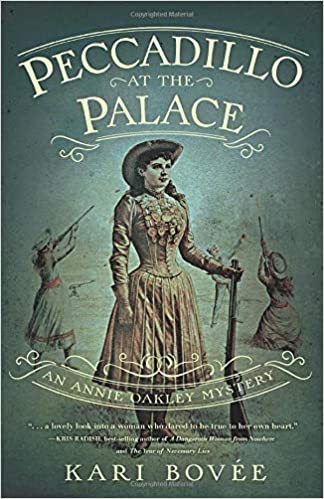
PECCADILLO at the PALACE: An Annie Oakley Mystery by Kari Bovée
Historical Thrillers, Women’s Historical Fiction, Biographical Fiction
Grand Prize Winner in Goethe Awards (2019)
Kari Boveé’s Peccadillo at the Palace, the second book in the Annie Oakley Mystery series, is a historical, mystery thriller extraordinaire. Fans of both genres will thrill at Boveé’s complex plot that keeps us guessing from its action-packed beginning to the satisfying reveal at the end.
The book opens with the Honorable Colonel Buffalo Bill Cody’s Wild West Show to England on a voyage to perform for Queen Victoria. They are not on the high seas long, when Annie’s beloved horse, Buck, jumps overboard. Her husband and the Queen’s loyal servant, Mr. Bhakta, jump in to save the horse, or was Mr. Bhakta already dead before he reached the water? Thus, begins the mystery of who killed Mr. Bhakta, leaving all to wonder, is the Queen safe?
We appreciate you spending time with us in celebration of International Women’s Day!
Looking to join the Chanticleer family?
Register for VCAC 21 here! Registration will include access to video recordings of the conference. April 21- 25, 2021. Multichannel Marketing for Authors and Intermediate and Advanced Writing Craft
See all our Chanticleer International Book Awards here.
Chanticleer’s own online community offering a private place to discuss craft and marketing with authors, in addition to receiving steep discounts on many Chanticleer services. Read more here.
The PARANORMAL Book Awards recognize emerging talent and outstanding works in the genre of Paranormal and Supernatural Fiction. The Paranormal Book Awards is a genre division of the Chanticleer International Book Awards (The #CIBAs).
Chanticleer International Book Awards (the CIBAs) is looking for the best books featuring magic, the supernatural, weird otherworldly stories, superhumans (ex. Jessica Jones, Wonder Woman), magical beings & supernatural entities (ex. Harry Potter), vampires & werewolves (ex. Twilight), angels & demons, fairies & mythological beings, magical systems and elements. They will be put to the test and the best will be declared winners of the prestigious CIBAs.
The following fantasy fiction works have advanced to the SHORTLIST from the Long List of the 2020 Paranormal Book Awards:
The Short Listers for the Paranormal Book Awards, a division of the 2020 CIBAs
Christopher Leibig –Almost Damned
K.A. Banks –Seven Sisters Road
E. Alan Fleischauer –Just Die
Lydia Staggs –Azrael
Brooke Skipstone –Someone To Kiss My Scars
James Kirst –Magic Once Removed
Meg Evans –Enthrallment
Blaise Ramsay –Blood Law
Endy Wright –The Omicron Six
Kaylin McFarren –Soul Seeker
Joy Ross Davis –The Magnificent Celestine
Stephanie Alexander –Charleston Green
Franklin Posner –Boston Betty
R.B. Woodstone –Chains of Time
Sheryl M. Frazer –When She Touches
Ryan Young –The Shepherd’s Burden
David W. Thompson – ‘Possum Stew
Carissa Andrews –Secret Legacy
Shane Boulware –Soulstealer
Neil Chase –Iron Dogs
S.K. Andrews –Bay of Darkness
Matt Tompkins –Odsburg
Randy Overbeck –Blood on the Chesapeake
Nellie H. Steele –Shadows of the Past: A Shadow Slayers Story
T. L. Augury –What’s Brewing Now? (Witches Brew Series)
Information about the #CIBAs Long Lists and Short Lists and Announcement Rounds.
The 22 divisions of the 2020 CIBAs’Grand Prize Winners and the Five First Place Category Position award winners will be announced at theApril 25th, 2021 Chanticleer International Book Awards Annual Awards Gala,which takes place at the Chanticleer Authors Conference that will be held in virtually Bellingham, Wash.
The ShortListers’ works will compete for the Semi-Finalists positions. Finalists will be selected from the Semi-Finalists, and then all Finalists will be recognized at the VCAC21 ceremonies. The First Place Category Winners, along with the CIBA Division Grand Prize winners, will be selected from the 22 CIBA divisions Finalists. We will announce the 1st Place Category Winners and Grand Prize Division Winners at the CIBAs Ceremonies April 21-25th, 2021 live at the luxurious Hotel Bellwether in Bellingham, Wash.
Into every writer’s life problems rear their snaggley heads.
At times we lapse into dullness, we lean on crutch words, we make typos and gaffs. We write with clichés.
Punch Almanack 1885
Our plots wander, our characters confuse, and our endings fall flat.
Because writing is hard. Yep.
And writers are at a natural disadvantage because we use computers and the familiarity of our words on the screen breeds a kind of blindness. Sometimes the more often you read your own words, the less you’re able to identify their strengths and weaknesses.
With that in mind, I want to call your attention to a simple technique in writing fiction:
Using characters’ eyes to reveal emotion and meaning.
This is a reminder to pay more attention to how your characters look, stare, and express emotions.If eyes are the windows to the soul, then match your characters’ expressions to the exact emotion or reaction needed. – Jessica Morrell
Here are some suggestions for getting your characters’ eyes to reveal emotion and meaning:
Figure out your crutch phrases and go-to moves. A few that appear too often are eyes widening, teary eyed, blank stares, blurred vision, stared straight ahead, watched like a hawk, she looked him straight in the eye, eyes darting, piercing stares, blinking back tears, eyes narrowing, smoldering looks, deep-set eyes, and steely-eyed. Avoid also cliched colors like baby blue, emerald, and chocolate.
Make certain that the character’s eyes are appropriate to the scene. Too often characters gaze down at the floor or at their hands. Now, these gestures typically indicate discomfort or avoidance, but sometimes writers just sow them into a scene when that’s not the intended effect.
Don’t. Feature. All. Your. Characters. Reacting. The. Same. Way.
Avoid strangeness and viewpoint slips such as His eyes smiled at me or Her face fought against tears. Three words to keep in mind – POINT OF VIEW.
Ditch the hobbit staring.Hobbit staring is a term I learned from a movie buff friend. He coined it from theLord of the Ringsfilms when the camera lingers too long on stares between two characters as if that demonstrates some deep meaning or message. Because often it does not. We’ve all seen this in films. Imagine how this will have your readers skimming the pages.
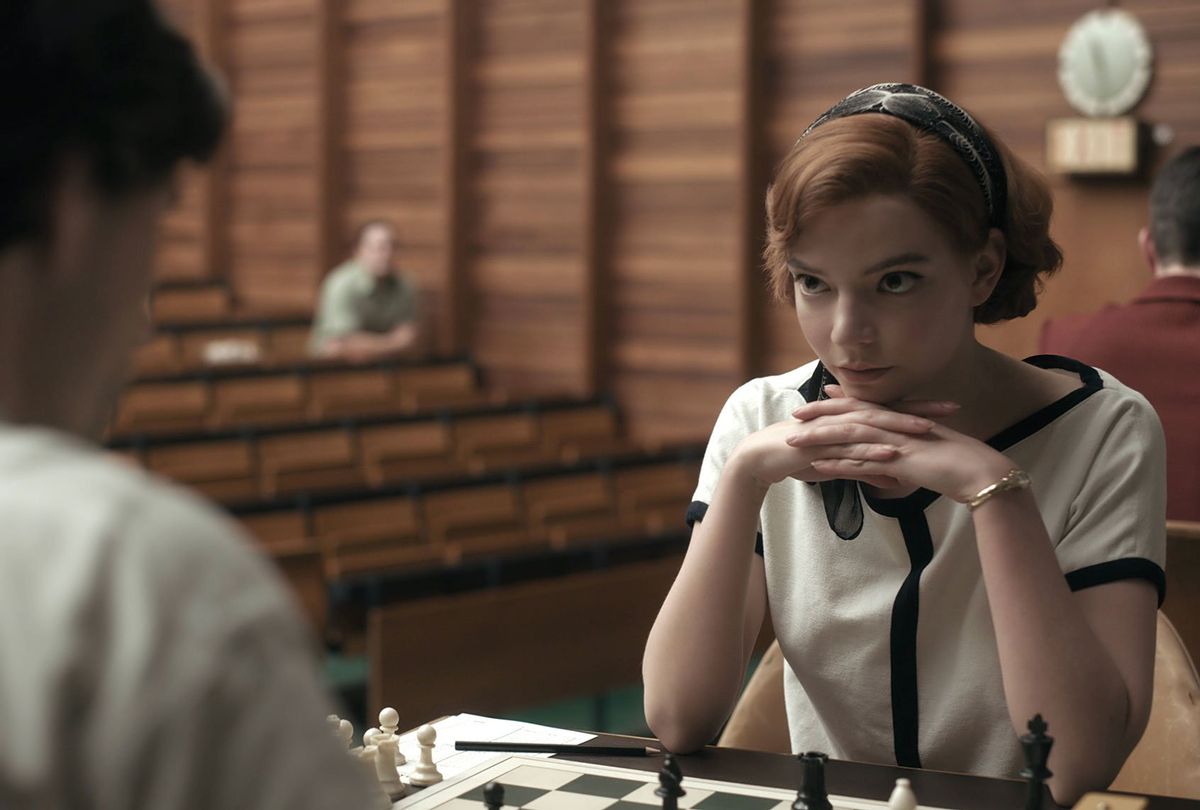
Because they’re seated a few feet across from each other in earnest and sometimes excruciating combat. Because they’re often trying to psych each other out. And the onlookers are staring intently at the board trying to guess the next moves of the two players.
Question every tear. I sometimes ask writers to count every scene where a character ends up weeping, wet-eyed, or with tears leaking down wet cheeks. This request comes from noticing how weeping and sobbing are overused resulting in melodrama, excess sentimentality, or depicting a character as too emotional for her own good. And the good of the story. Too much weeping and the story gets soggy and dull. And please, just forget single tears. Please.
Mix it up. Often a writer’s most used crutch words are look and see. However, in real life people gape, squint, spot, gander, gawk, ogle, stare, gaze, study, inspect, scan, scout, spy, study, inspect, notice, note, peek, peep, peer, and rubberneck.
Expand your repertoire of descriptions: haunting, beckoning, steady, stormy, mocking, mournful, lifeless, sultry, goopy, teasing, pitiless, glassy.
Stir in a little weirdness. Many people have mismatched eyes. Then there are droopy eyes, people with different colored eyes, bloodshot eyes, Rasputin eyes, lazy eyes, buggy eyes, one working eye, wandering eyes, piggy and close-set eyes.
Study how and when successful authors use close-ups. If you never focus the camera lens on a character’s face during an emotionally-charged scene, then readers cannot enter the moment and feel what the characters are feeling.
Study actors. Notice how their eyelids raise a bit to show interest or droop to indicate the lack of interest. Note how they leer, seduce, flash anger, hide their true feelings.
Beth Harmon knows she will win several moves out in this scene of Queen’s Gambit
If you’re serious about writing, you must notice subtext and how to convey it. And that often begins with the eyes.
Keep writing, keep dreaming, have heart. Jessica
Jessica Page Morrell
Jessica Morrell is a top-tier developmental editor and a contributor to Chanticleer Reviews Media and to the Writer’s Digest magazine. She teaches Master Writing Craft Classes along with sessions at the Chanticleer Authors Conference that is held annually along with teaching at Chanticleer writing workshops that are held throughout the year.
This year the CAC21 will be held virtually. Registration will include access to video recordings of the conference.
April 21- 25, 2021. Multichannel Marketing for Authors and Intermediate and Advanced Writing Craft
Chanticleer Editorial Services – when you are ready
Did you know that Chanticleer offers editorial services?We do and have been doing so since 2011.
Tools of the Editing Trade
Our professional editors are top-notch and are experts in the Chicago Manual of Style. They have and are working for the top publishing houses (TOR, McMillian, Thomas Mercer, Penguin Random House, Simon Schuster, etc.).
If you would like more information, we invite you to email Kiffer or Sharon at KBrown@ChantiReviews.com or SAnderson@ChantiReviews.com for more information, testimonials, and fees.
We work with a small number of exclusive clients who want to collaborate with our team of top-editors on an on-going basis.Contact us today!
Chanticleer Editorial Services also offers writing craft sessions and masterclasses. Sign up to find out where, when, and how sessions being held.
Daniela Rose Cavanaugh is the Orphan Dreamer, destined to travel time and space and to protect the world from a demon who’s already set his sights on her. But as a young black girl in the American south, all she wants is a friend who understands her well enough to be called a kindred spirit. J. Nell Brown paints a vivid picture of Daniela’s alienation from her peers; her thoughts are clear as she questions God’s choice of her as the Orphan Dreamer, as Daniela’s depression, guilt, and sense of inferiority clash with her divine mission. Daniela desires to be “normal” and love herself with the help of a friend she hasn’t met yet. Her strong character voice carries the story forward, under the crushing weight of the world and the fate of her best friend on her shoulders. When she loses an arrowhead on a journey to the past, Daniela faces disbelief from those around her. What if others label her as ill and lock her away? Orphan Dreamer and the Missing Arrowhead is an impeccably paced story, full of the complex thoughts of a girl who yearns for connection.
She Laughs Last
Gertrude Smith rides a Greyhound bus to meet her soon-to-be-born granddaughter. She reads about the science of dimensions and muses on the destiny waiting for her granddaughter, Daniela Rose Cavanaugh. The past haunts her ride, as she remembers the murder of her son at the hands of a racist mob in a Greyhound station years ago; grief, love, and fear for her family mingle while she wears a false smile, hiding the turmoil inside her from the other passengers. She Laughs Last explores how false happiness can eat at someone and how much the social obligation to appear good-natured is worth. Can truth and trust be buried by lies and doubt? But surrounded by people—one of whom is the fancy scientist who wrote her book on dimensions—the isolation of being judged presses on Gertrude, adding only more reason to wear a mask. The scenes of Gertrude riding the bus are intimate and filled with emotion, dwelling on her thoughts and memories. Elsewhere, in the cosmos, the demon Nomad plots against the world and the Orphan Dreamer, planning to drown Daniela in depression. Gertrude speaks to her granddaughter, as the story’s themes of truth and faith come together in her words.
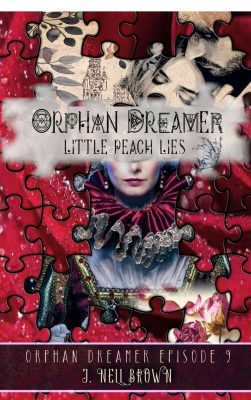
Little Peach Lies
Charlotte Cairstine McDonald’s research intrudes on her dreams. She sees the ghostly story of Mary, Queen of Scots, and feels a strange connection between herself and the long-dead monarch. In her waking life, Charlotte is embroiled in her own royal drama. She intends to marry Charles Darbyshire, grand-nephew of Queen Elizabeth, but the secret of her pregnancy threatens to throw both of them into a devastating scandal. Charlotte rides the highs and lows of joy and fear at the prospect of her new family, while the phantom visions of Mary grow darker. Charlotte is a lively protagonist whose chemistry with the other characters—particularly Charles—makes Little Peach Lies a delight to read. The descriptions are flavorful and quickly set each scene, giving space for the story to explore the pull between freedom and obligation, independence, and family legacy. The past repeats itself, as secrecy leads to danger.
All three stories, connected over space and time, are powerful portraits of three women trying to move into new stages of life—whether that be grandmother, mother, or hero. The past follows them; fear and guilt are clear to see in their internal monologues and hampers their connection to the people around them at every step.
Nell Brown illustrates the divide between how the world sees her protagonists and how they want to be seen. The descriptions show what these characters love about the world, what makes them happy and interests them, while complex emotions swirl in their heads. Orphan Dreamer and the Missing Arrowhead, She Laughs Last, and Little Peach Lies are all united by the central theme of family, trying to connect with and do right by the people one loves, the need to have faith in one’s self before that faith can genuinely extend to others. These characters’ unbearable yearning to find someone who understands them, truth and all, will resonate with all readers. Highly recommended.
The GERTRUDE WARNER Book Awards recognize emerging new talent and outstanding works in the genre of middle-grade readers, fiction and non-fiction, that compel children to read and explore. The Gertrude Warner Book Awards is a division of the Chanticleer International Book Awards (CIBAs).
Named in honor of the author of the quintessential children’s series – The Boxcar Children, Gertrude Warner.
Chanticleer International Book Awards is looking for the best books featuring stories of all shapes and sizes written to an audience between the ages of about eight to twelve. Science Fiction, Fantasy, Mystery, Paranormal, Historical, Adventure we will put them to the test and choose the best Middle-Grade Books among them. (For Young Adult Fiction see our Dante Rossetti Awards, for Children’s Literature see our Little Peeps Awards.)
These titles have moved forward in the judging rounds from SLUSH pile to the 2020 Gertrude Warner Book Awards LONG LIST and now have progressed to the 2020 SHORTLIST.
These titles have been Shortlisted for the 2020 Gertrude Warner Book Awards for Middle-Grade Fiction
Catherine Grangaard –A Fairy’s Tails
Poem Schway –The Infinity Pendant
Jason Burrell –Ricky and the Abnormals
Ruthy Ballard –Frankie and the Gift of Fantasy
Pastel Gwendolyn Schway –Empire of Embers
Laura Gerhardt Schonberg –Joker
Ben Gartner –The Eye of Ra
Gregory Saur –Best Shot Forward
Molly Valentin –Francie is Afoot!
Wendy Leighton-Porter –The Shadow of the Witchfinder
Ian C Douglas –The Particle Beast
Carolina Ugaz-Moran –Aline and the Blue Bottle
Jay Spenser –The Barn Owl Mystery
Jay Spenser –The Phantom Airplane Mystery
Tricia L McDonald –The Sally Squad: Pals to the Rescue
Carmela Dutra – Little Katie and the STEAM Team
Carmela Dutra –Little Katie Goes to the Moon
John Middleton – Dillion and The Skeleton Hall
William X. Adams – Alien Body
Catherine M. O’Connor –Throwing the World
Alison Rice –Chasing Snow
Frank Saraco –Life in the Grand Pause
Suzanne Lowe –The Pirate Princess and the Golden Locket
Richard Groseclose – Henry Castlewaite and the Portrait of Doom
Kelly Oliver –Kassy O’Roarke, Cub Reporter
Julie Lavender –Mrs. Amazing and The Seed
Andres Faza –Hishi-mochi in the Sky
Kling –CLI- The Colt
These titles are in the running for the Semi-Finalists of the 2020 Gertrude Warner Book Awards for Middle Grade Fiction.
Which of these works will move forward in the judging rounds for the 2020 Gertrude Warner Book Awards for Middle-Grade Readers?
Good luck to all as your works move on to the next rounds of judging.
The ShortListers’ works will compete for the Semi-Finalists positions. Finalists will be selected from the Semi-Finalists, and then all Finalists will be recognized at the VCAC21 ceremonies. The First Place Category Winners, along with the CIBA Division Grand Prize winners, will be selected from the 22 CIBA divisions Finalists. We will announce the 1st Place Category Winners and Grand Prize Division Winners at the CIBAs Ceremonies April 21-25th, 2021 live at the luxurious Hotel Bellwether in Bellingham, Wash.
We are now accepting submissions into the 2021 Gertrude Warner Awards Book Awards. The deadline for submissions is June 30th, 2021. The winners will be announced in April 2022.

 The CHAUCER Book Awards recognize emerging new talent and outstanding works in pre-1750s Historical Fiction. The CHAUCER Book Awards is a division of the Chanticleer International Book Awards (The CIBAs).
 We are now accepting submissions into the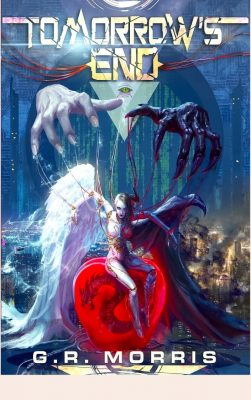
 The CLUE Book Awards recognize emerging new talent and outstanding works in the genre of Suspense and Thriller Fiction. The Clue Book Awards is a division of the Chanticleer International Book Awards (The #CIBAs).