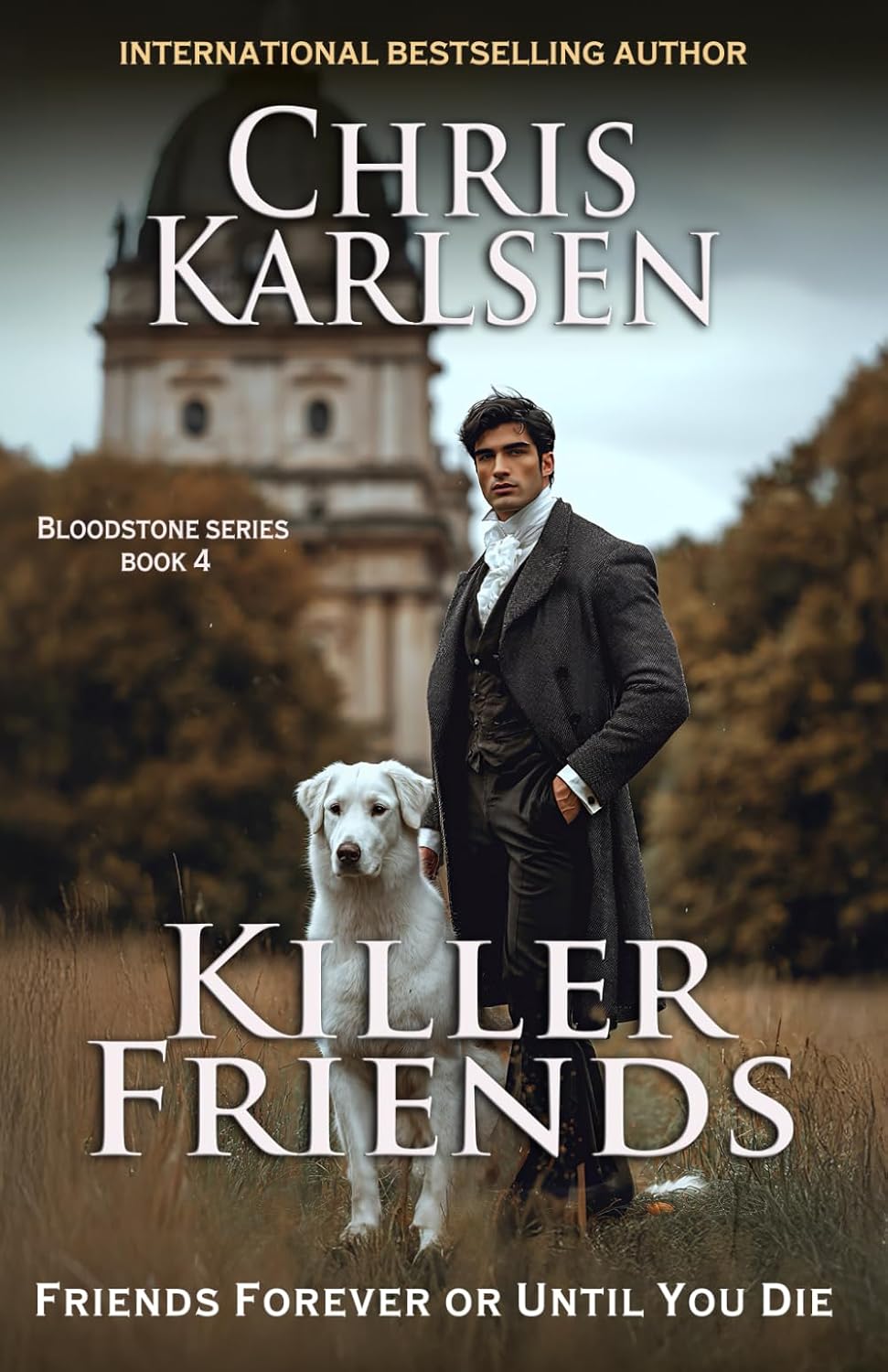
Betrayal and a dark side of friendship set the scene for Chris Karlsen’s Killer Friends. Book 4 in the Bloodstone Series delivers a gripping historical thriller with the unsettling realization that sometimes the greatest danger comes not from strangers but from those closest to us.
In late 19th‑century London, detectives Rudyard Bloodstone and Archie Holbrook are drawn into a case when a frantic mother, Henrietta Newell, storms into the bureau to report her missing adult son. The detectives are reluctant to investigate the whereabouts of a thirty-year-old bachelor, dismissing any likely danger until Henrietta throws around her notable political connections, leaving them no choice but to act. What they discover is a tale of deception and murder.
Killer Friends excels in the subtle ways it immerses the reader into its shadowy London setting.
Karlsen’s thorough research penetrates her depiction of Victorian streets, social divides, and the dark corners of the city. The procedural elements feel raw and true to the time, as Karlsen highlights the limitations of 19th‑century policing—no DNA testing, no modern labs, instead it’s intuition, interviews, and thorough legwork, all of which submerges readers deep into the search for clues.
This historical realism grounds the novel, making the detectives’ work feel both precarious and admirable. The author’s background in law enforcement shines through with impeccable credibility, while her storytelling talent ensures the mystery remains engaging.
Bloodstone and Holbrook are complex characters, navigating class divides, political pressures, and moral dilemmas.
The pacing builds steady tension as the stakes rise, secrets unravel, and motives are exposed. The novel’s fusion of character‑driven drama with crime‑solving suspense relentlessly drives the story forward to its heart-pounding final revelation.
Stylistically, Karlsen’s prose is straightforward, capturing both the grit of London’s streets and the emotional turmoil of her characters. The central theme of betrayal among friends resonates strongly, while also reflecting on the cost to those who uncover secrets or speak upt for the truth.
Killer Friends is a rewarding read for fans of historical mysteries and crime fiction in general. By focusing on the fragility of trust and the dangers hidden within friendships, Karlsen delivers a story that is both entertaining and thought‑provoking. While it can be read independently, those who follow the Bloodstone Series will appreciate the continuity and growth of its central detectives.
Friendship and loyalty can be twisted into deadly motives, and the cost of misplaced trust can be fatal. Meet up with Killer Friends and you’ll join a mystery that lingers long after the final page.


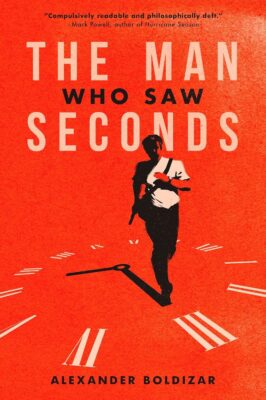
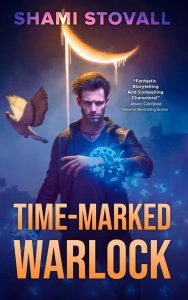
 “How can a man who can see the future make so many mistakes?” (page 19)
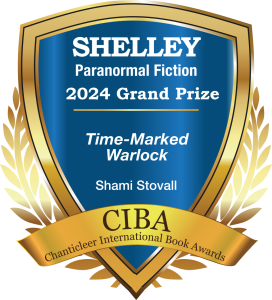
 The Shelley Book Awards recognize emerging new talent and outstanding works in the genre of Paranormal Fiction. The Shelley Awards is a genre division of Chanticleer International Book Awards and Novel Competitions (The CIBAs).

 The Ozma Book Awards recognize emerging new talent and outstanding works in the genre of Magic, Steampunk and Fantasy Fiction. The Ozma Awards is a genre division of Chanticleer International Book Awards and Novel Competitions (The CIBAs).