
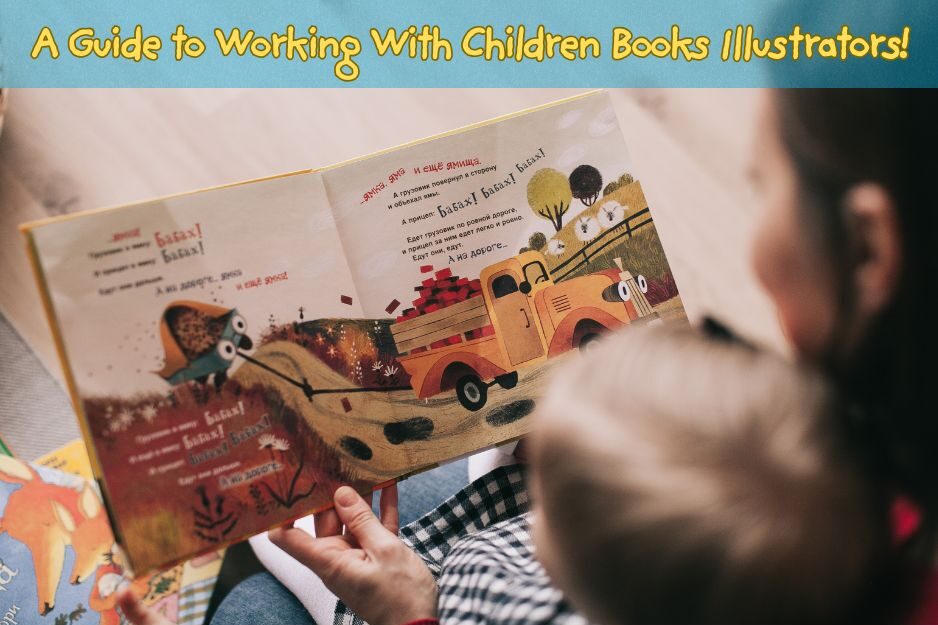
They say a picture is worth a thousand words.
A children’s book’s illustrations are a non-reading and early reader child’s gateway into a story.
Falling in love with books is imperative for the development of a child’s listening and attention skills, as well as their cognitive and language development. It also helps them socially and emotionally, creates bonding experiences and fosters their own creativity as they begin to express themselves through art and verbal storytelling.
All characteristics that lay the path toward a happy, successful person later in life.

Finding and working with an illustrator that you believe shares your vision is a big first step in creating a great children’s book.
Once you are finished drafting and editing your picture book and it’s time to tackle the visual component, consider the following process to find the right illustrator, establish a great working relationship, and manage the workflow all the way through to the final product. These six tips will help you manage the project.
1. Determine Your Scope of Work
Never start working with an illustrator until you have a good understanding of what your project entails. Illustrators need this information so they can plan their schedules, determine fair pricing, and set a foundation of trust in your working partnership. Make it a great experience for everyone by going into the project with a carefully considered plan. Know what you need, the time-frame of the project, how they’ll be paid, and how much you have budgeted for the project.
2. Consider Your Preferred Artistic Style
The art produced in children’s books is as varied as the stories themselves. Fun, quirky, beautiful, and serene; the images run the gamut of styles to reinforce the plot as each page is turned. There is a lot to consider when you are thinking about your preferred style. Explore books on the market now and make a decision on the general style you prefer prior to beginning your search for an artist.

3. Take your Time Choosing an Illustrator
Each artist brings something unique to your story, but if you don’t find one that can accurately reflect the tone of your story, you may end up causing confusion when the art doesn’t feel right with the story. Seek out illustrators that have proven they can deliver the tone and style that you desire. Zero in on three to five illustrators, view their portfolios and talk to them about their art and what inspires them, then go with the one who most closely aligns with your vision.
4. Negotiations and Contracts
Once you’ve found your illustrator and discussed the creative vision for your book, it’s time to get down to the business end of working with an illustrator. Before discussing schedules and pricing, do your research. Know what the typical rates are and what qualifies as a finished product: how will the images be delivered, formats, what issues could occur, and how will they be resolved, etc. Write up a simple contract that includes all the information you’ve discussed and a summary describing the style and tone will keep the vision clear for both of you as the project gets underway.

5. Now the Fun Part!
A good practice when working with an illustrator that will ensure the project gets off on the right foot is to see a few rough sketches soon after the project gets started. Discuss them with the artist, letting them know what’s working for you, and what’s not. Be honest, but kind. Respectfully ask for the changes you wish to see and don’t forget to tell them the great things you see in their work. Pointing them toward the great things is as important as telling them what you don’t like.
6. Checking In
Your illustrator will need time and space to create beautiful images, and authors should respect that. But that doesn’t mean you have to be in the dark as your book comes to life with color and shape. Schedule regular check-ins or have deadlines for a specific number of pages/images. Both you and the artist will feel confident that you are moving through this process together.
Creating a great working relationship with an illustrator will lay the groundwork for a smooth translation of your story through images and fill those young readers’ imaginations with the wonderful stories you’ve created just for them!
Take a look at the great illustrations in these children’s picture books from Chanticleer authors!
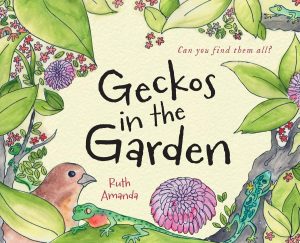
Geckos in the Garden
By Ruth Amanda
CIBA Little Peeps First Place Winner
Geckos in the Garden by Ruth Amanda is a children’s counting book that takes readers through a delightful, rhythmic, aesthetically pleasing romp past a series of hidden geckos.
Amanda starts out with just one gecko in the garden. Every page after, one more is added amongst myriad natural details such as flowers, a snail, a palm tree, garden taps, rocks, a mango tree, leaves, a gate, a bird’s nest, a pond, and more.
Amanda demonstrates a natural sense of narrative arc even within a counting book—readers will feel the climax of the adventure when they arrive at the ninth gecko and read the line, “I spot one—two—no, six—no, more! Nine!” The escalation of the words’ momentum makes the ninth and tenth geckos more dramatic. Furthermore, the clever dénouement includes the narrator realizing the geckos might watch them just as much as they watch the geckos, and this is written alongside an adorable picture of a gecko looking in the window of the narrator’s home.
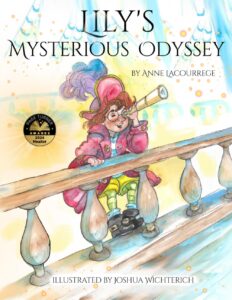
Lily’s Mysterious Odyssey
By Anne Lacourrege
Lily’s Mysterious Odyssey by Anne Lacourrege, illustrated by Joshua Wichterich, follows a young girl named Lily through her dreaming nautical adventure.
Homes hold onto the history of their families. With only herself to play with in her family’s old house, Lily comes across a hidden chest of antique keepsakes, unaffected by generations of storms and floods across the New Orleans coastal area. Lily and her parents soon find even more items hidden away that paint the history of 1800s sailor Captain Harry and his family.
That night, Lily dreams of Captain Harry’s daughter, Anne, who invites Lily to see her father’s ship. Lily’s mysterious odyssey truly begins as the ship sets sail with Lily still on board. She soon finds herself on an journey to Greece, where she learns about Greek culture and its similarities to her home when a Mediterranean cyclone hits.
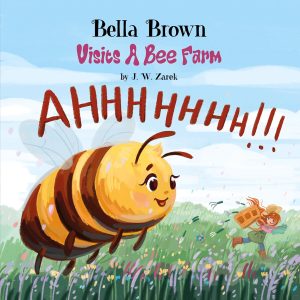
Bella Brown Visits a Bee Farm
By J W Zarek
Bees frighten Bella, but a learning adventure turns her fear to fascination in J.W. Zarek’s delightful children’s book Bella Brown Visits a Bee Farm.
Bella’s bespectacled Grandma Yetta asks for help in her wildflower garden. Bella hops along with her bucket of gardening tools, surrounded by beautiful hovering butterflies. But a sudden encounter with a large striped flying insect sends Bella running.
Grandma Yetta explains that the buzzing bee is merely curious or trying to protect her home or babies. She advises Bella to stand very still, and the bee will fly away. Bella gives it a try and sees her own fears fly away as the bee continues its journey through the garden.
Read more here!
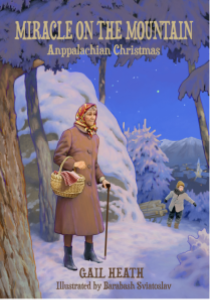
Miracle on the Mountain
By Gail Heath
Gail Heath’s Miracle on the Mountain: An Appalachian Christmasshares a message of love and redemption through the heart-warming tale of Granny, a faithful, disciplined, and generous Appalachian woman.
On a blustery winter day, Granny starts down her home’s snowy, mountain landscape to attend Christmas Eve service in the village. When her dog, Shep, wanders off, Granny runs into Pete. The young man uses firewood collecting as an excuse to not attend service, hiding a deeper motive beneath.
Granny asks after his grandfather, who is in the midst of a long recovery after being attacked by a boar. Pete is forlorn, casting aspersions at Granny’s message that a miracle may yet happen, especially on this of all nights. Sensing his loss of faith, Granny offers Pete a few cups of her warm chicory as she regales the miracle on the mountain she witnessed ten years ago that made her a true believer.
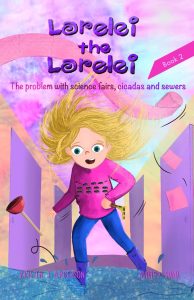
Lorelei the Lorelei: The Problem with Science Fairs Cicadas and Sewers
By Kristen J. Anderson
Lorelei, the charismatic and outspoken seven-year-old, leaps at the chance to save her school’s science fair from disaster in Lorelei the Lorelei: The Problem with Science Fairs, Cicadas, and Sewers, second book in Kristen J Anderson’s Lorelei the Lorelei series.
Beyond excited for the science fair, Lorelei prepares a project with a mission. She hopes to change people’s perception about cicadas, which most consider a gross nuisance of a bug. On the day of the science fair, during a trip to the restroom, Lorelei encounters a plumbing catastrophe.
With the help of her family and friends, Lorelei put a plan in motion to protect the school fair, while learning valuable lessons about sportsmanship, classroom behavior, and empathy. She may be silly and likeable, but some of her quirks can get her into trouble too!
Professional Recognition?
It isn’t just for the biggest names!
$50 Off Children’s Book Reviews
Your illustrations tell a story. Let professional reviewers help readers discover it.
Through November 12, use code 3ZPULQAN25 for $50 off Chanticleer Children’s Book Reviews. Each review includes specialized assessment, ongoing SEO optimization, social media promotion, marketing-ready quotes, and author approval.

Get your review with $50 off
Offer expires November 12, 2025
Leave a Reply